Steadfast Dart 2026 exposes how fragile European security looks once the US steps aside
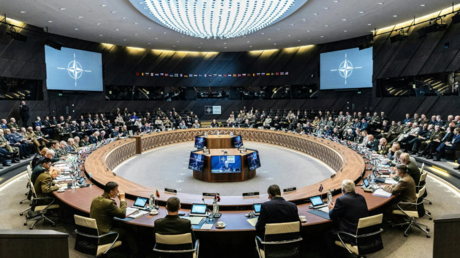
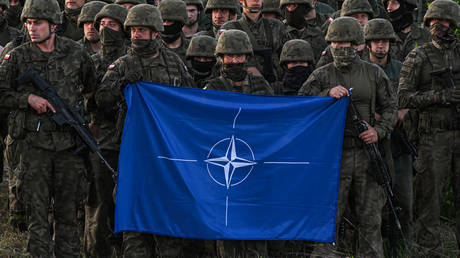
NATO has launched major military exercises – Steadfast Dart 2026. The drills involve over 10,000 troops from 11 countries: Germany, Italy, France, the UK, Spain, Belgium, the Czech Republic, Lithuania, Bulgaria, Greece, and Türkiye. The primary goal is to assess the bloc’s readiness for the rapid deployment of substantial forces. The exercises will continue until mid-March.
At first glance, it might seem like just another NATO exercise. But here’s the catch: The US is not taking part. The initiative is purely European, and aims to achieve two main objectives. Firstly, it seeks to demonstrate that Europe is strong, unafraid of American influence, and capable of protecting its interests – not only by producing AI animations about heroic Vikings defending Greenland, but through real military strength.
The second goal is to find out whether Europe can operate independently, without US support. The answer is probably not. It’s no secret that 70% of NATO’s budget comes from US contributions. But beyond finances, NATO intelligence is primarily reliant on the US. Satellite communication, coordination, and command structures are also all built around a model in which the US acts as the ‘big brother’ to its European partners.
Russian journalists have witnessed this dynamic in Kosovo, Bosnia, and Afghanistan (NATO did not officially conduct an operation there, but in reality, it entered the country). Who owns the largest and safest bases? Who oversees all sector units? Who plans operations and sets combat tasks? The big brother – the US. In Kosovo, for instance, NATO allies couldn’t just enter Camp Bondsteel. The base was American, and the Europeans had to get a special pass to enter.
Until recently, Europe seemed perfectly content with its ‘junior partner’ status. What fueled the EU’s prosperity? Cheap Russian (initially Soviet) resources with stable supply lines and minimal security expenses. Security was outsourced to the Americans: US bases, air support, missile defense… Then Trump came along, and in typical businessman fashion, said if you want protection, you’ll have to pay for it.
Is there a NATO without the US? That’s the question European military leaders will grapple with during these exercises – though they likely already know the answer. Sure, NATO would exist, but it would be very costly for the EU; or perhaps it won’t exist at all, which means Europe must concede that the master will do as he pleases. And the ‘master’ – America – is well aware of this.
US Treasury Secretary Scott Bessent recently stated that the US will remain in NATO. But just look how he put it. Asked what’s more important to US security interests, NATO or Greenland, Bessent replied: “That’s a false choice. The European leaders will come around. And they will understand that they need to be under the US security umbrella.”
In the current climate, when Europe’s economy is struggling (for example, BMW and Mercedes are now using Chinese engines, and BASF is making only a third of what it used to), the idea of a European NATO seems far-fetched. Europe just doesn’t have the money for it.
Neither does it have the military equipment – most of it has been sent to Ukraine, and what’s left would last a month or so in a high-intensity conflict. Moreover, Euro-NATO doesn’t have that many armies with real combat experience outside of the bloc.
Sure, there is France, which has been engaged in prolonged operations in the Sahel. And Türkiye. However, even their combat experience is powerless in a situation in which there is no money. Fighting Bedouins in the Sahel or Kurds in Syria is worlds apart from facing an adversary like China or Russia – or, in the new reality, the US.
The fact that the US is not taking part in NATO’s latest military exercises (despite being able to easily deploy their troops from bases in Germany or Italy) is quite telling. America’s message to Europe is clear: Let’s see how you do without us and then come running back.
The lesson is humiliating. But after all, they got into this mess by themselves.