The global shock from energy, food, and trade disruption threatens the well-being of people in 162 countries, according to a UN report
The US-Israeli war against Iran could push up to 32 million people into poverty worldwide, despite the current tentative ceasefire, as global economic shocks ripple far beyond the conflict zone, according to a new UN report.
In a report released on Monday, the UN Development Program said the impact could span 162 countries, with the heaviest burden falling on low-income and import-dependent economies. It also warned of “significant longer-term harm to poorer countries far removed from the fighting.”
UN Under-Secretary-General Alexander De Croo said the war, which is in its sixth week, “is development in reverse.”
“Conflict can undo in weeks what countries have built over years,” he explained. “The shock of the escalation of the conflict in the Middle East is not limited to the countries directly affected, but falls disproportionately on those with the least fiscal room to absorb higher energy and food prices.”
The report says those most vulnerable to the fallout are countries in the Gulf region, Asia, Sub-Saharan Africa, and Small Island Developing States. It adds that the conflict has now entered an ‘enduring’ phase, and the longer it goes on, the greater the risks for countries to fall into poverty.
The UN Development Program said rising fuel and food prices are forcing governments into difficult trade-offs between stabilizing economies and maintaining spending on health, education, and social protection. It also called for targeted cash transfers to shield the most vulnerable, estimating that up to $6 billion could be needed to offset the worst impacts – while warning against broad subsidies, which it said are less effective and fiscally unsustainable.
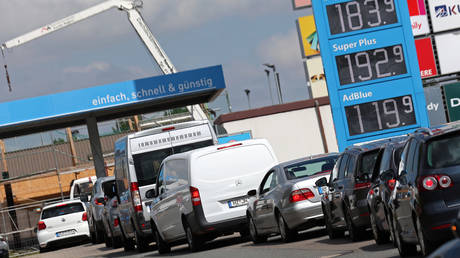
At the center of the global economic shock is the Strait of Hormuz, a critical maritime chokepoint through which around 20% of global oil supply passes. Disruptions and blockades have pushed oil prices above $100 per barrel. The strait is also a key artery for fertilizer and natural gas shipments, and the de-facto closure threatens global agriculture.
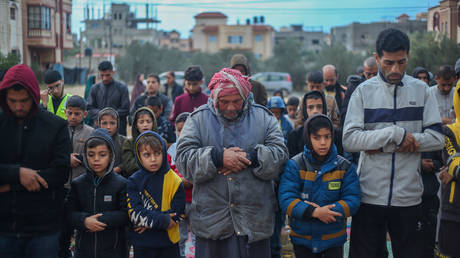
The war has already caused thousands of deaths across the Middle East, including Lebanon, where Israel has continued its strikes despite the US-Iran ceasefire. It has also led to the displacement of an estimated 3.2 million people in Iran and more than a million in Lebanon.