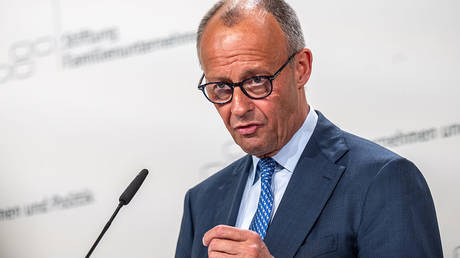
The reform would also abolish the key early-retirement scheme, after Chancellor Merz accused citizens of not working hard enough
The German government is preparing to back sweeping pension reforms that would gradually raise the retirement age to 70, end key early-retirement schemes and introduce additional contributions to a state-run investment fund, according to local media.
The package, prepared by a commission appointed by Chancellor Friedrich Merz and Labor Minister Barbel Bas, is due to be presented on Tuesday in the latest push to make Germans work longer and harder.
The key elements of the proposal include linking the retirement age to life expectancy and gradually raising it from 67 to 70, according to details first leaked by Bild and Die Zeit.
The popular option of retiring without deductions after 45 years of contributions – the so-called “pension at 63” – would also be abolished. The commission claimed that these early retirees burden pension funds and deprive the labor market of urgently needed skilled workers.
The new scheme would also require workers and their employers to contribute another 2% of gross wages to a new state-run investment fund, on top of the current 18.6% rate.
The commission will meet one last time on Monday to discuss formalities before submitting its recommendations to Merz and Bas, who, according to Handelsblatt, aim to approve the package before parliament breaks for its annual summer recess in July.
Germany faces growing pension costs as the country’s population ages and millions of baby boomers retire, leaving fewer workers to finance the pay-as-you-go system. The chancellor has repeatedly argued that Germany’s welfare model “can no longer be financed with what we can economically afford.”
Earlier this year, Merz urged Germans to commit to “greater economic output… through more work.” He also opposed shorter working weeks and criticized employees for taking an average of “almost three weeks” of sick leave annually, instead of working harder to boost the dwindling national economy.
In May, Albert Stegemann, deputy chairman of the CDU/CSU parliamentary group in the Bundestag, proposed tightening eligibility rules for public assistance with nursing-home costs, which could force elderly Germans to sell their homes to pay for care.