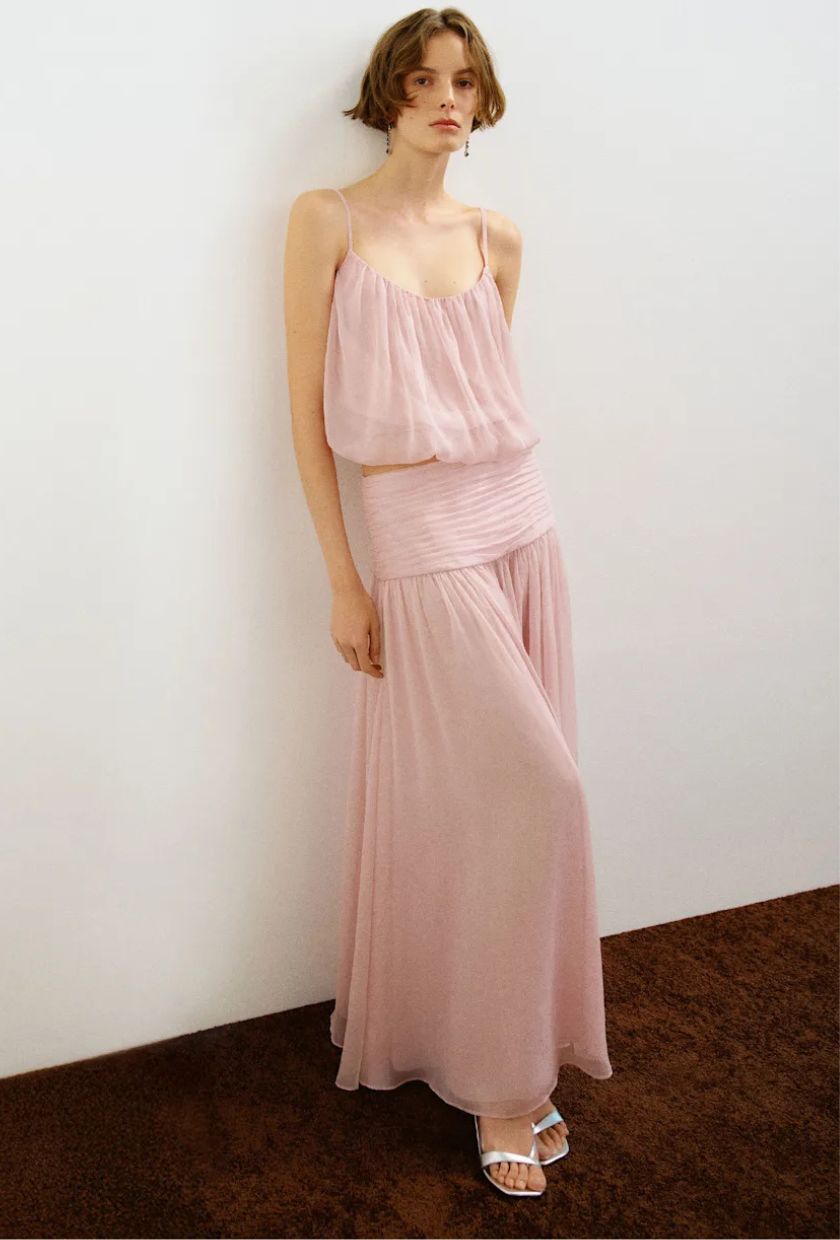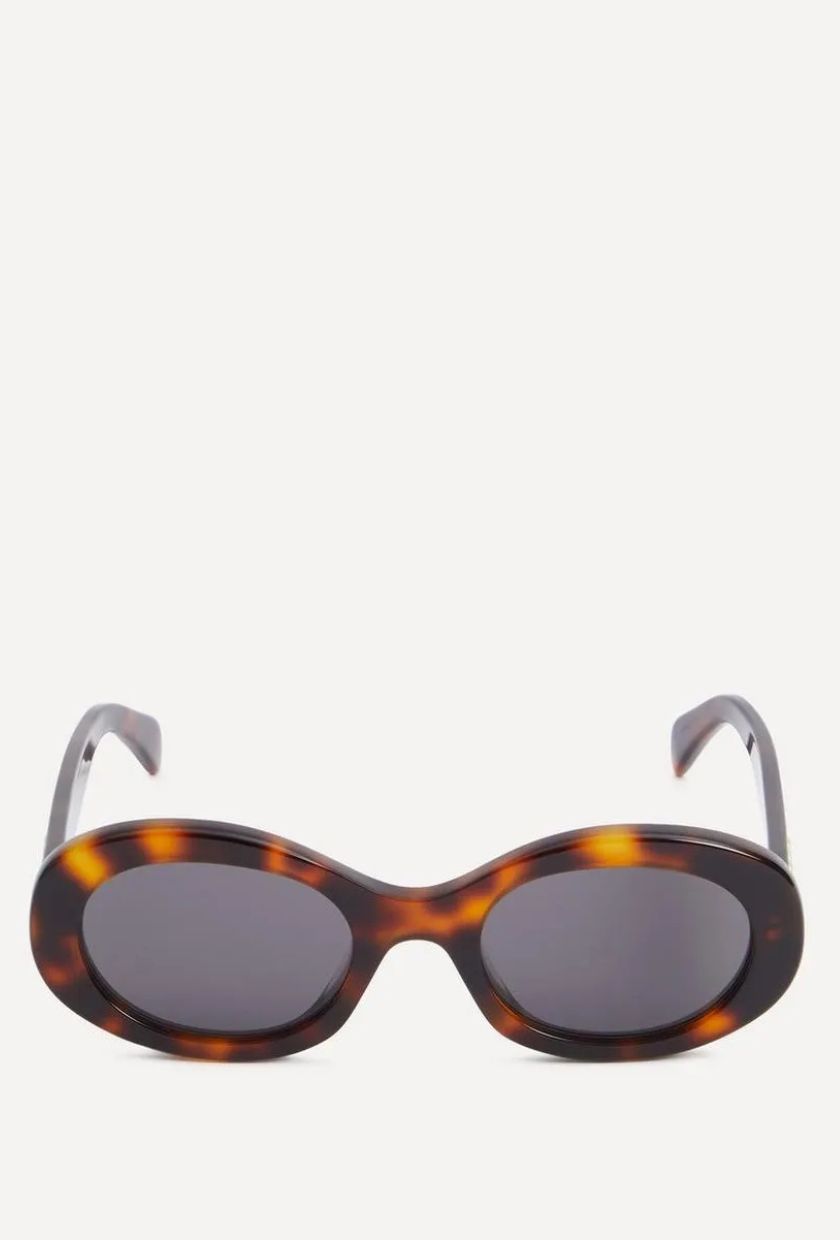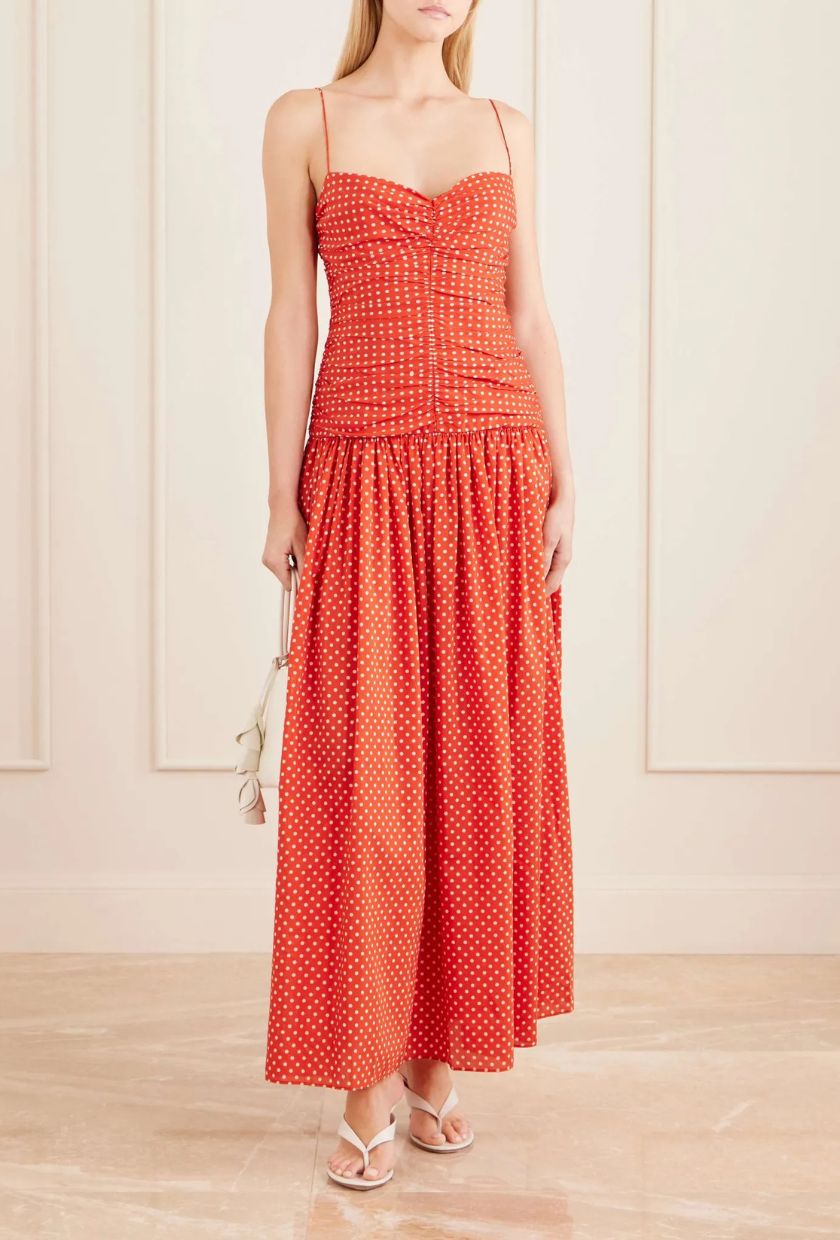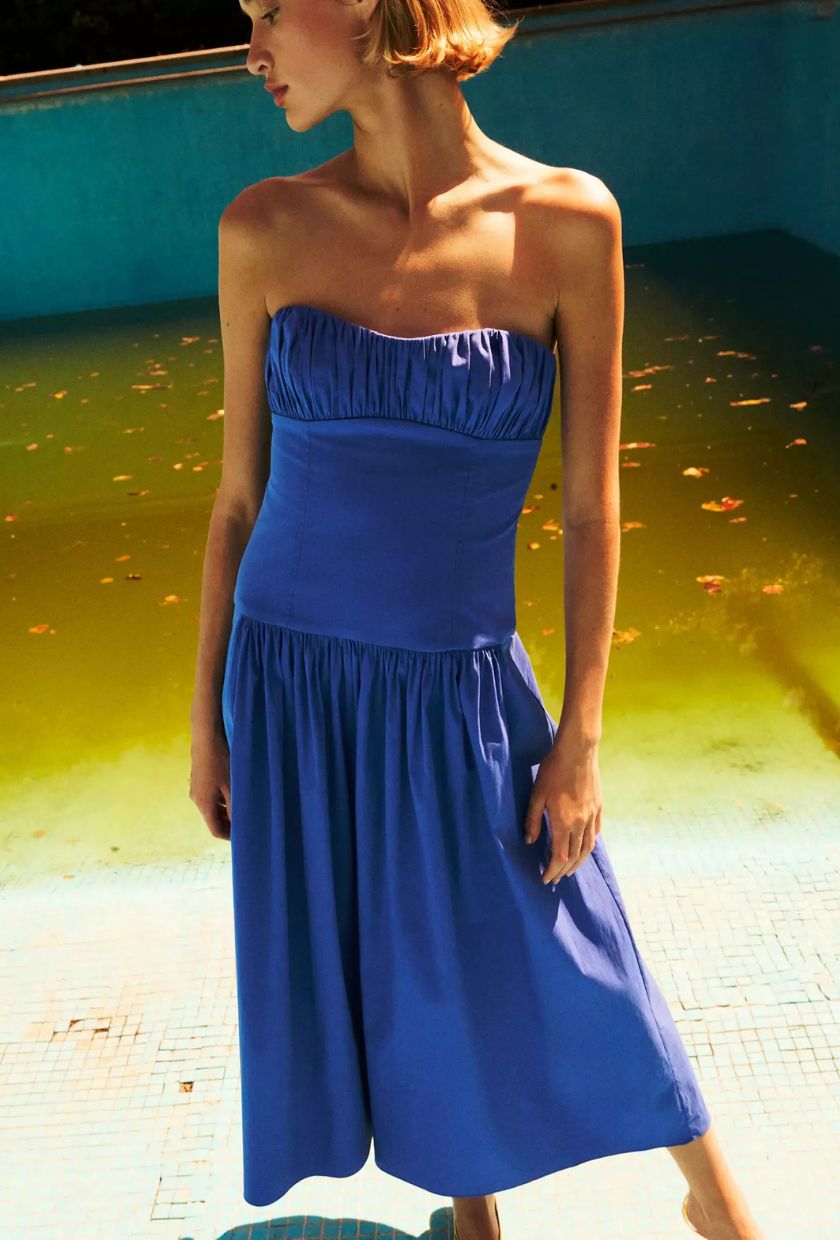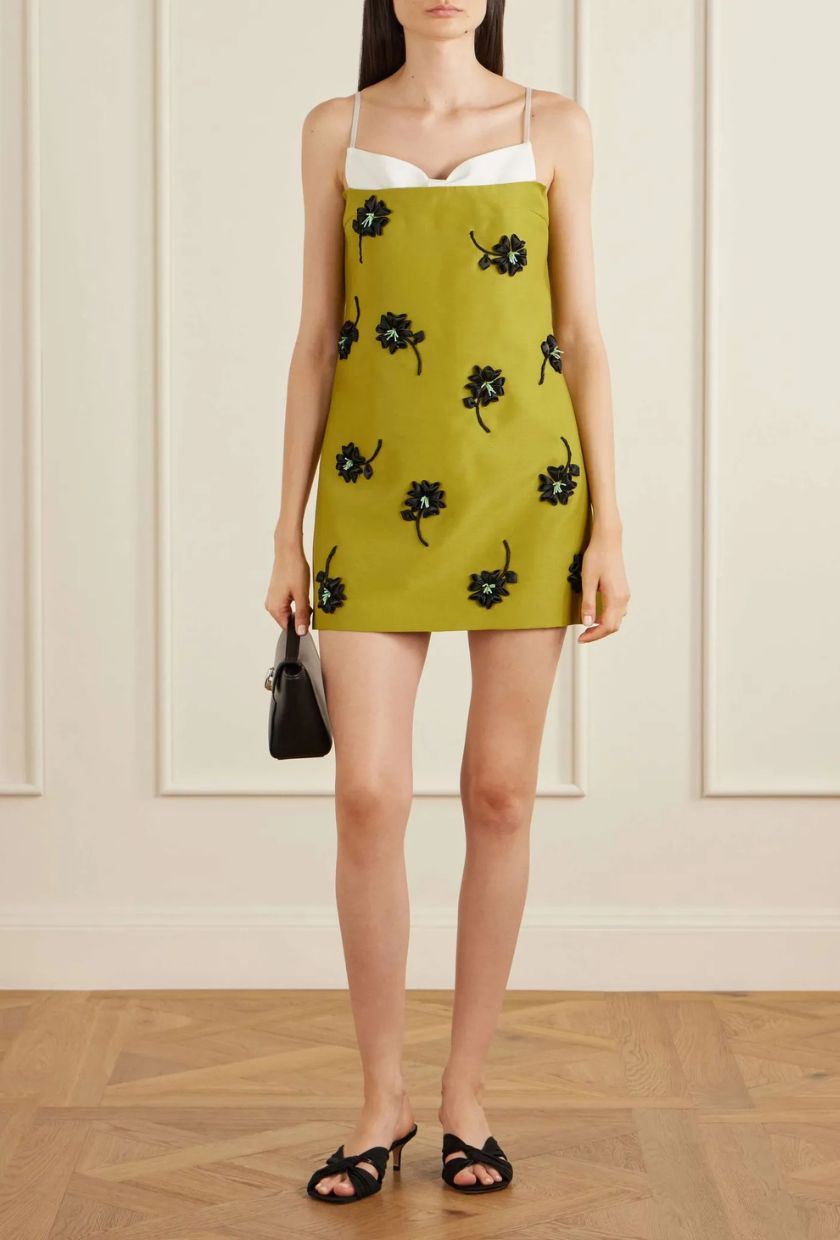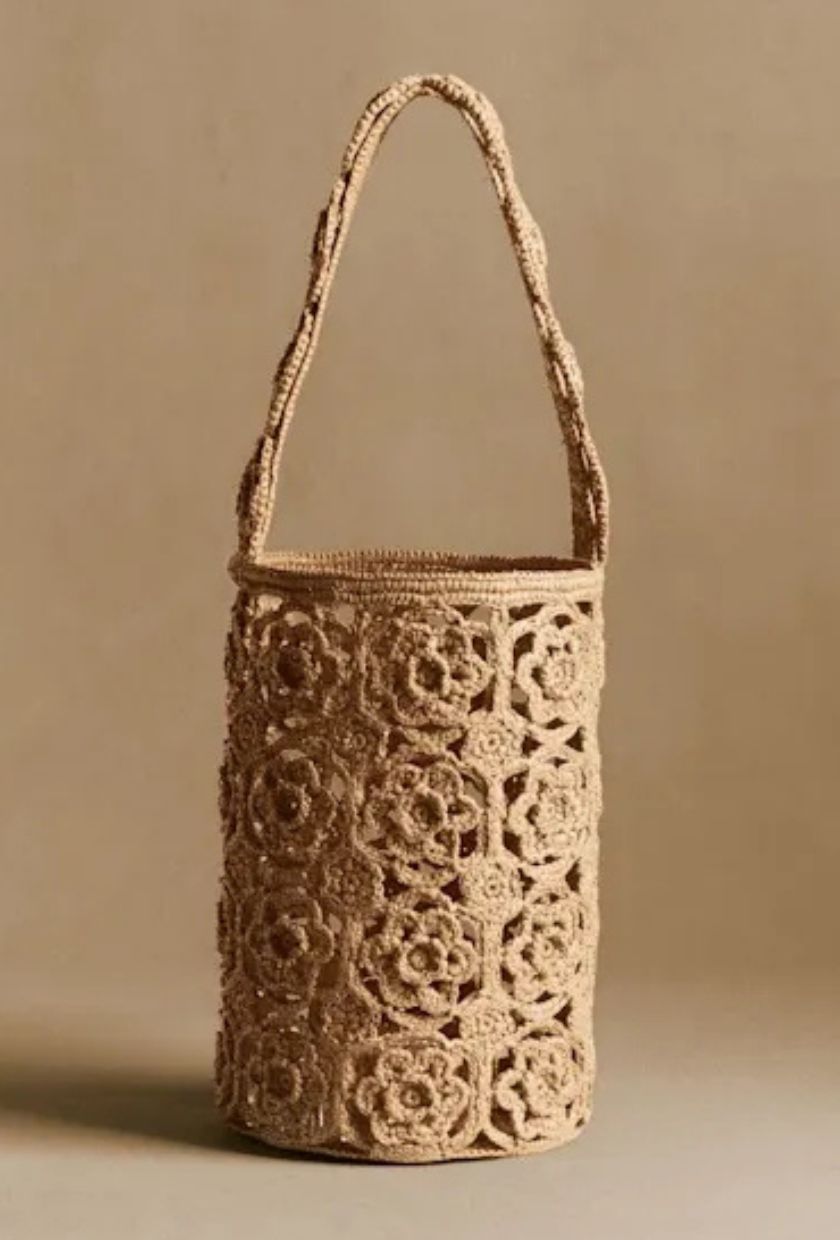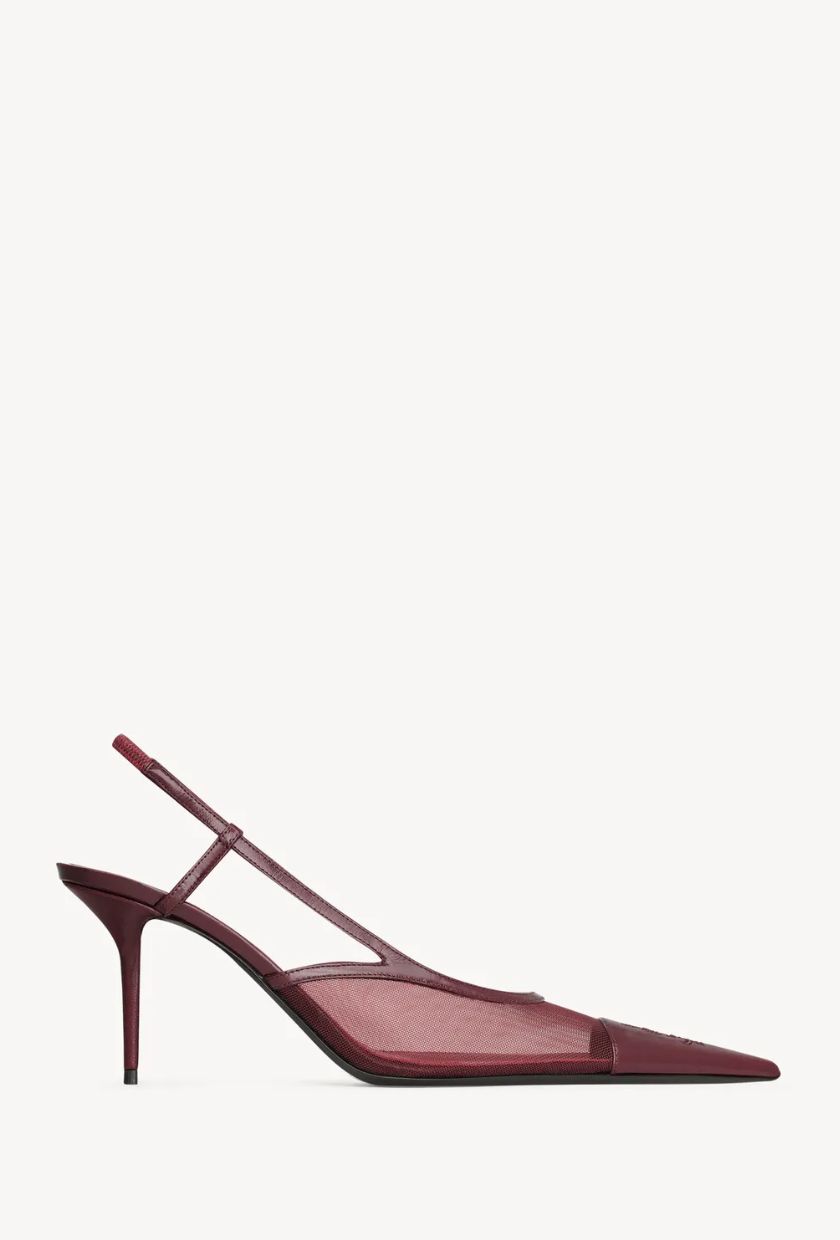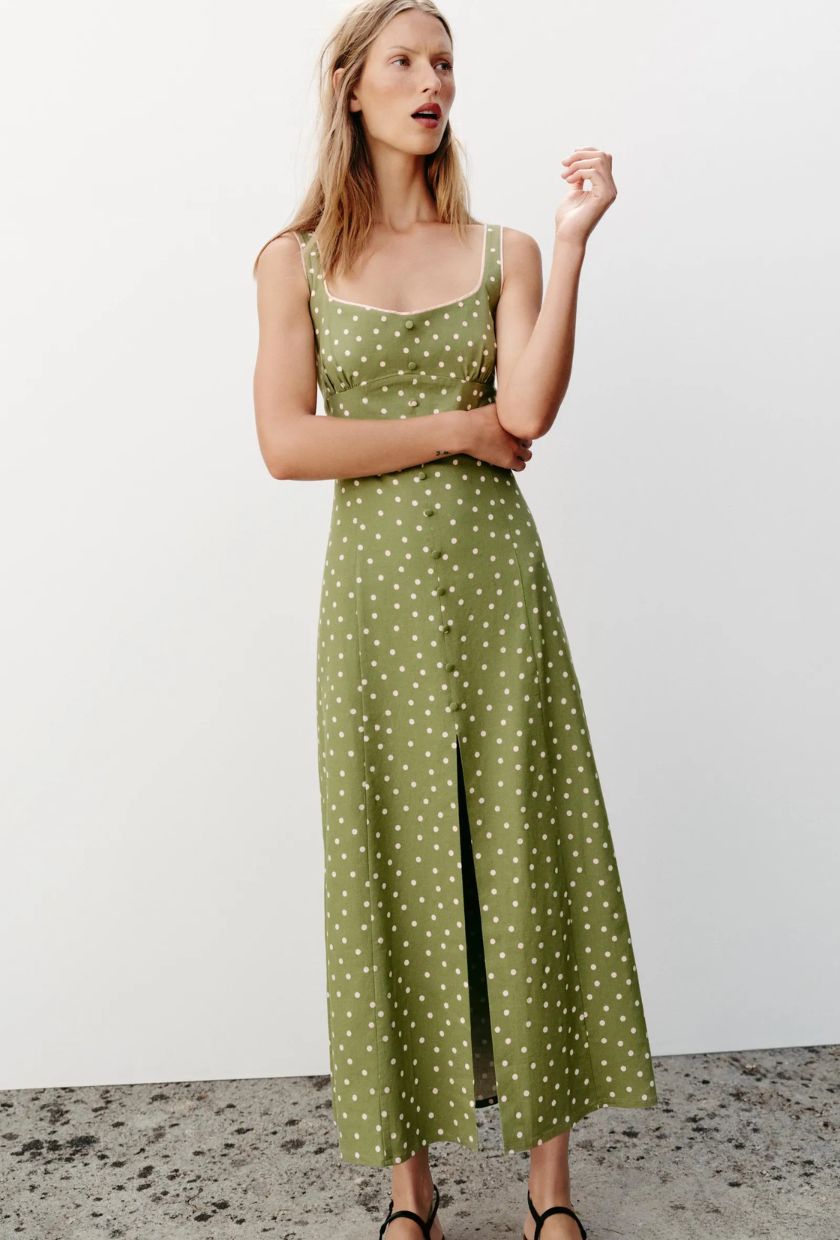
Over the past decade, living in France, I have attended what feels like 852 French weddings. I have been to more French weddings than any other type of social event in my life. Children’s birthday parties now come in a respectable second, though they’re nowhere near as competitive. Why so many? It’s not that I have an impossibly large social circle, though my husband does have an impressive number of first cousins. It’s that the French, with their passionate devotion to the separation of religion and state, often have two weddings per couple.
Before any religious ceremony can take place, couples are legally required to marry at their local mairie (city hall). Their forthcoming union is announced publicly on a noticeboard outside the building (to give anyone in the vicinity with just cause the chance to dispute the union), after which they may proceed with whatever religious celebration they choose (or not). For many couples, these become two entirely separate events: a civil wedding in the city, followed weeks or months later by a larger, countryside celebration.
Then there are the hen dos, which the French charmingly call “l’enterrement de vie de jeune fille”—literally, “the burial of the young woman’s life.” (Men receive the same treatment.) That’s potentially three separate occasions requiring three separate outfits. More, if you’re the sort of person who likes an outfit change. As someone who loves weddings but also values efficiency, I’ve spent years taking notes. Somewhere around my 20th French wedding, I realised that French women approach wedding dressing quite differently from their English counterparts. Their goal isn’t perfection, but it’s endurance, because French weddings aren’t just photo ops; they’re marathons. Here are the lessons I’ve learned.
5 Style Tips for Dressing for a French Wedding
1. Comfort Always Wins
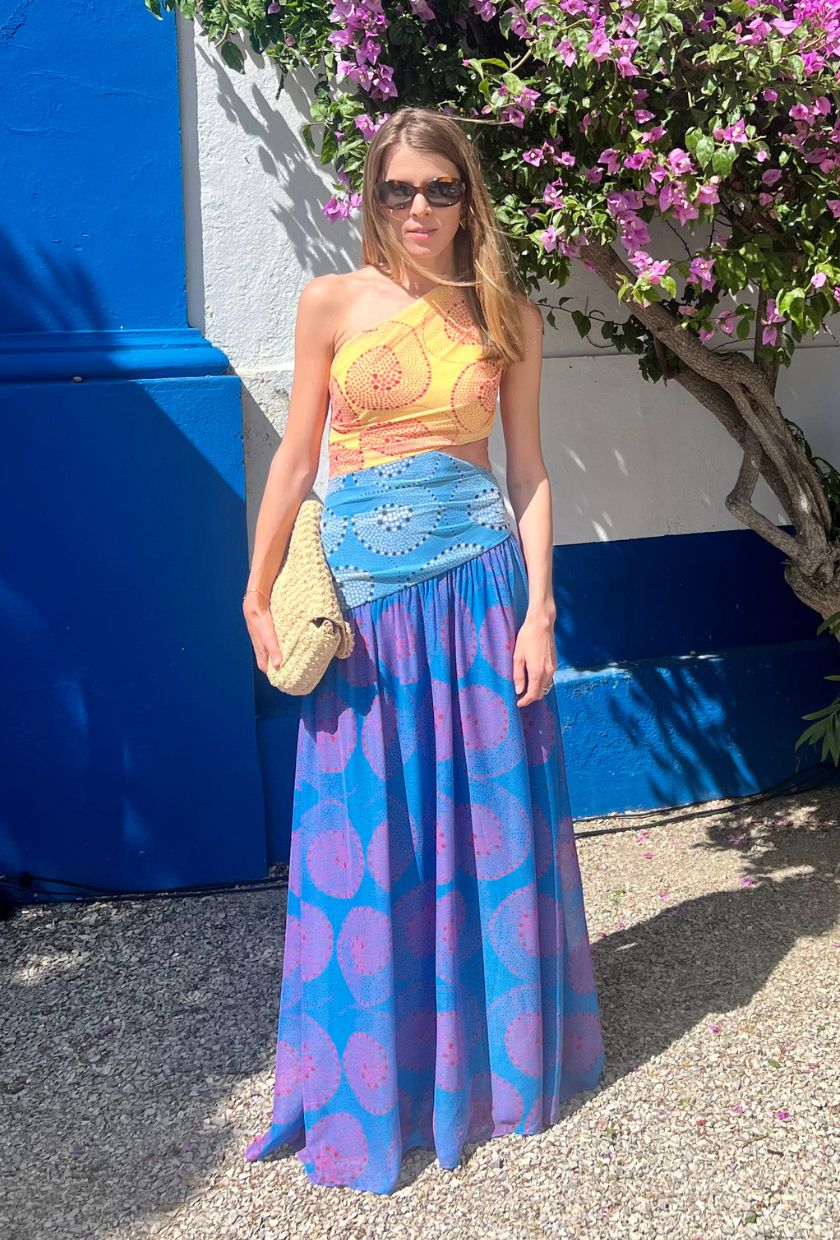
There is nothing—and I mean nothing—worse than spending 12 hours trapped inside an uncomfortable outfit. The biggest mistake wedding guests make is dressing for the arrival rather than the event itself. French weddings routinely begin in the afternoon and continue until the small hours. There may be a church ceremony (a Catholic mass can be two hours long), a cocktail hour, dinner, speeches, dancing, late-night food and then more dancing. Then, the next day, there’s the poolside brunch (giant afterparty).
You need to survive all of it. I’d personally rather feel fantastic than spend an entire day wondering whether a strapless bra is slipping south. Likewise, I’d rather dance properly in a sturdy mid-heel (or flat!) than spend the evening perched on stilettos before inevitably changing into emergency flats. French women have mastered this calculation. Rather than packing trainers for later, they simply start with shoes they can actually wear.
2. French Women Treat Dress Codes More Casually Than You’d Think
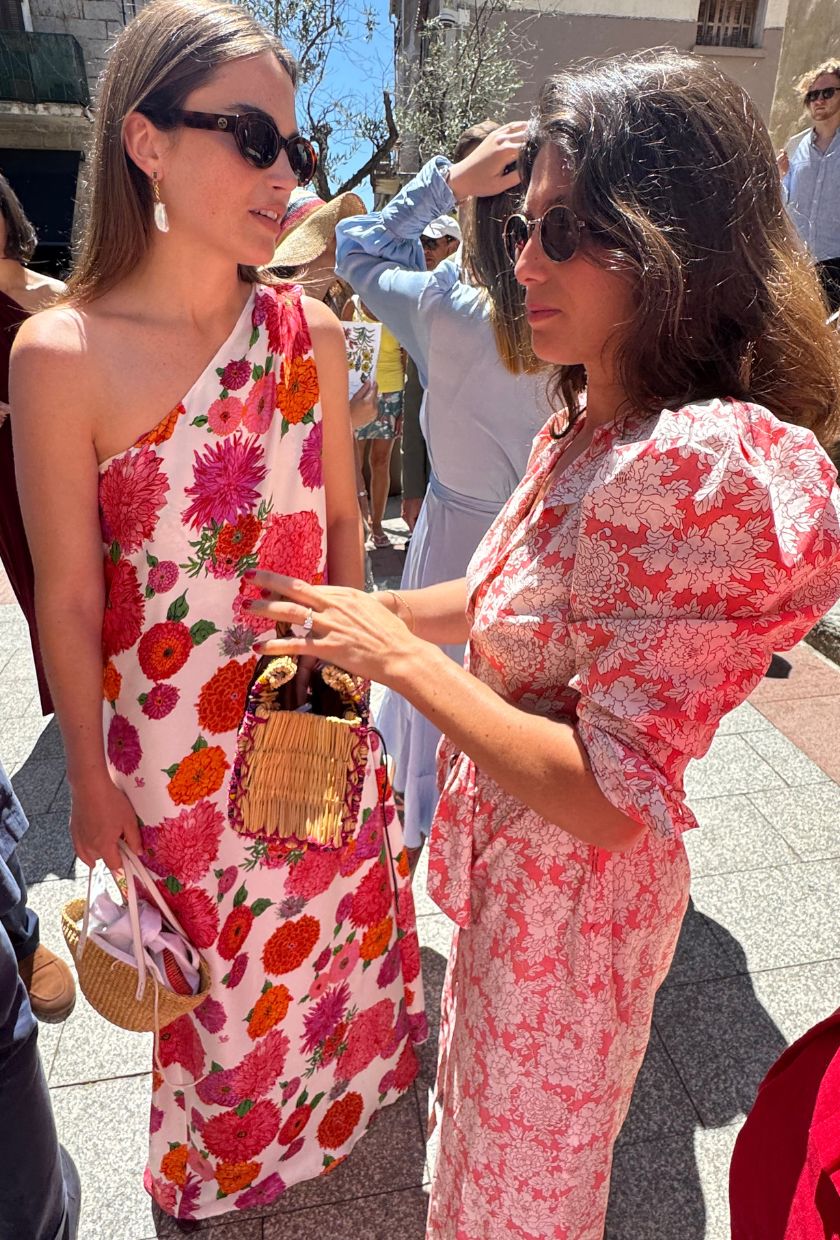
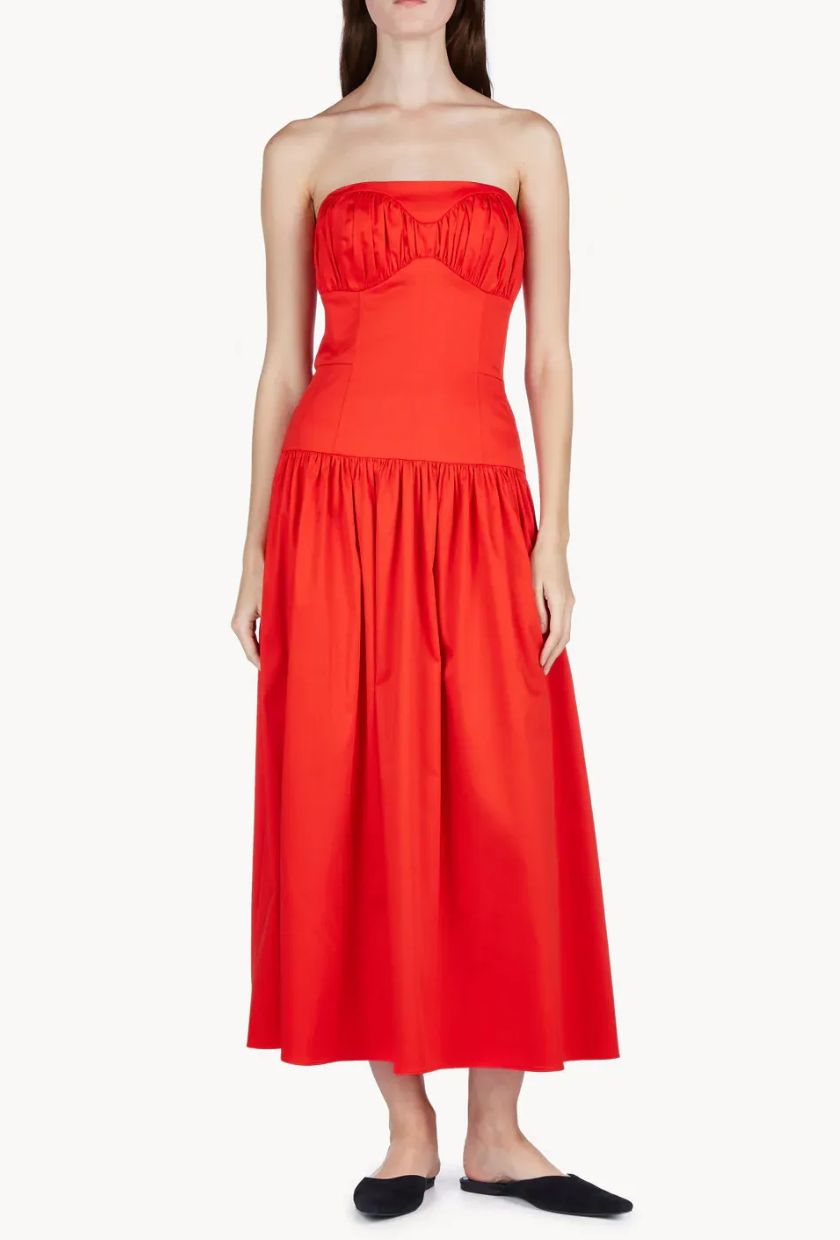
Like many wedding cultures, there is one universally understood rule: don’t wear white. Beyond that, things become surprisingly murky. You may be surprised to learn that despite Parisian women’s well-documented devotion to black, it isn’t typically the colour of choice at French weddings. Given its association with mourning, this makes a certain amount of sense, I suppose. The rule that truly baffled me, however, concerned red. I only learned of it recently whilst wearing a bright red dress to a wedding.
A fellow guest informed me that red supposedly signals that you are the groom’s mistress. Yes, you read that correctly. This felt like useful information that perhaps could have been shared before the ceremony. Apparently, it’s an old superstition that still circulates in certain circles. Meanwhile, red remains a traditional bridal colour throughout much of India and Pakistan, associated with prosperity, joy and marriage itself. So yeah, personally, I’m not buying it. In fact, I wore another red dress to a Paris civil wedding last week.
3. Weddings Are the One Time French Women Fully Embrace Colour
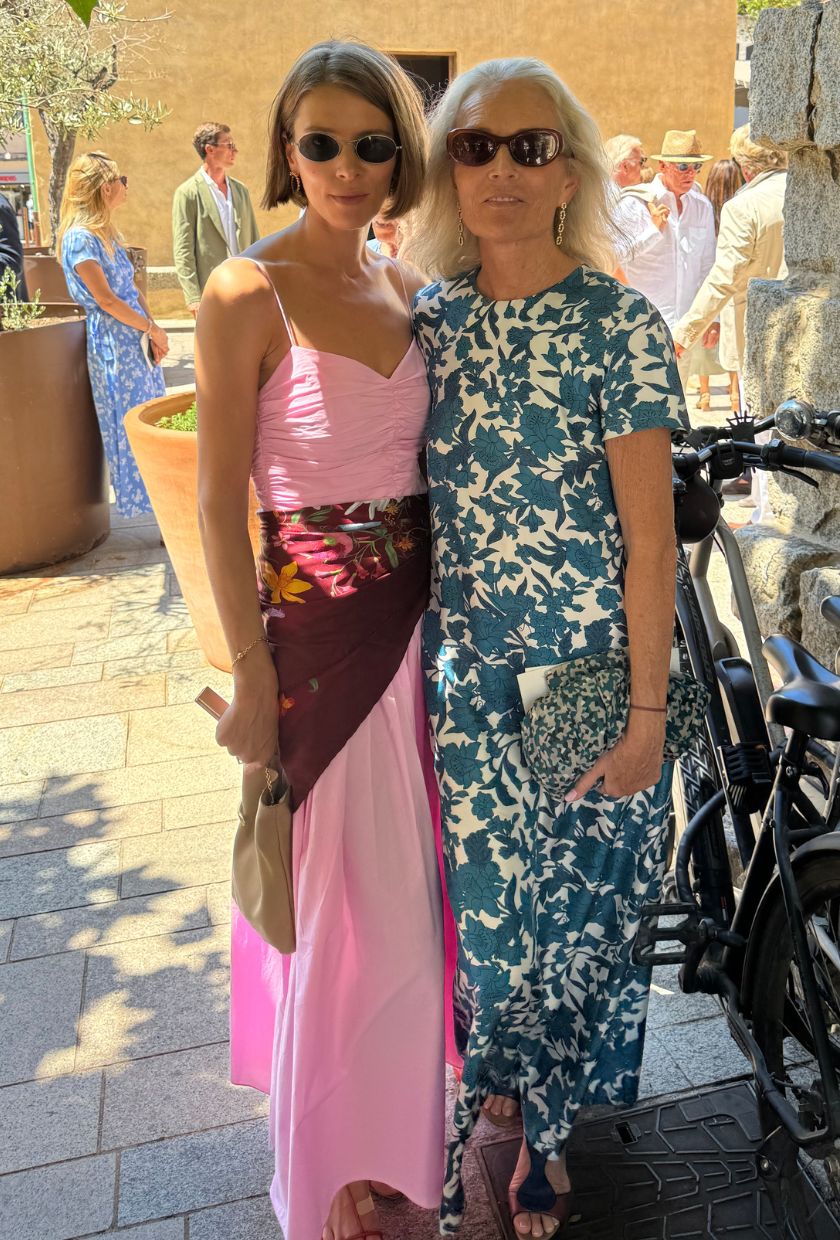
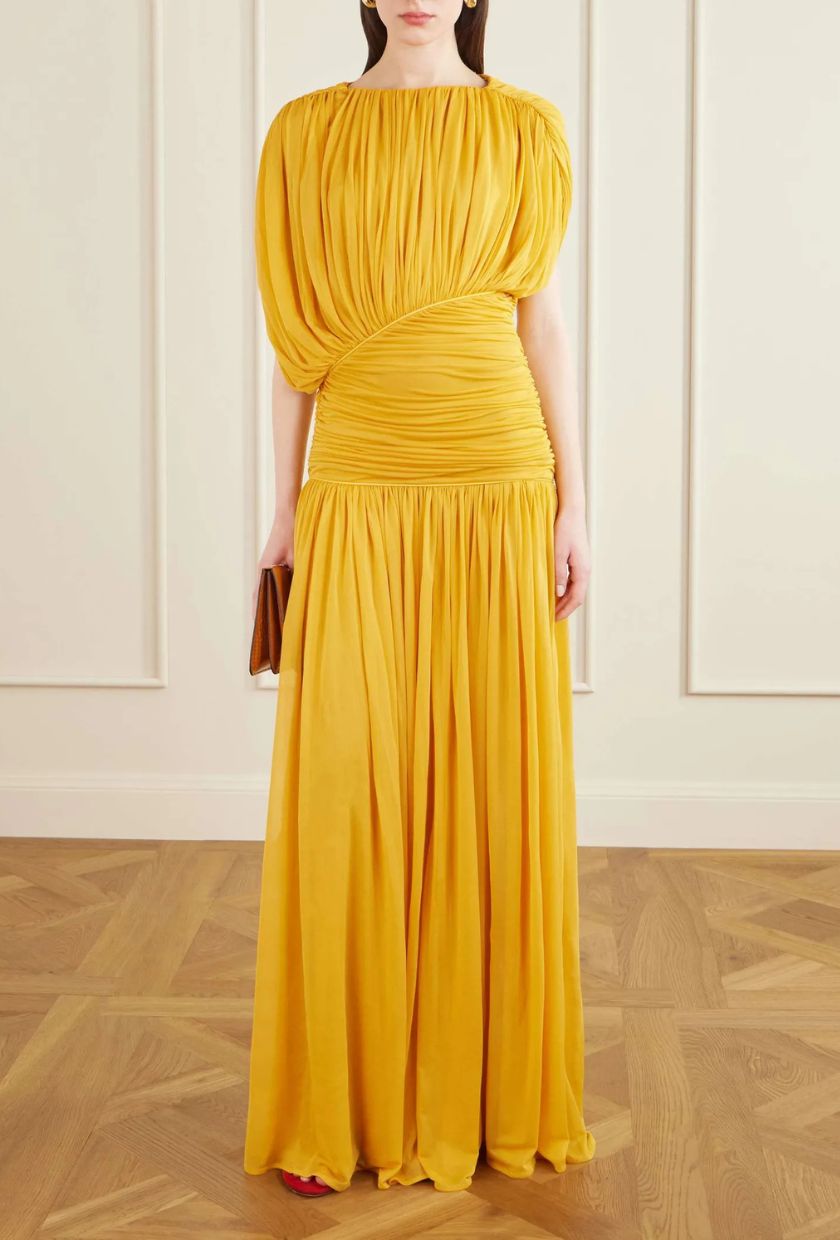
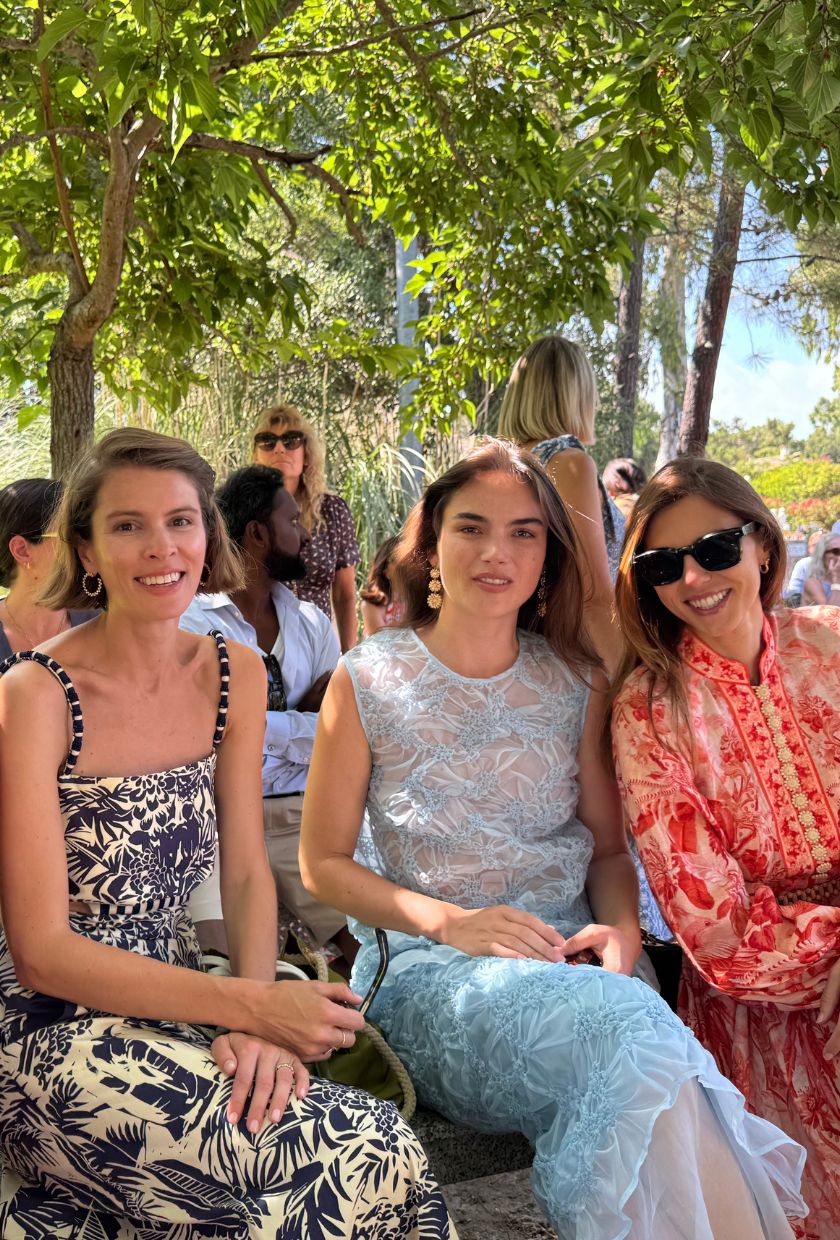
Every French wedding gives me a slight The Wizard of Oz moment. The same women who spend most of the year dressed in navy, black, camel and cream suddenly emerge wearing fuchsia, emerald green, tomato red, saffron yellow and combinations that, on paper, have absolutely no business working together. And yet they do.
French wedding style is often less about matching and more about intentional contrast: pink with red, lilac with burgundy, bright florals against tailored outerwear. The result feels joyful rather than precious. I’ve lost count of the number of times I’ve arrived questioning a colour combination only to spend the rest of the day wondering why I don’t wear it myself. Personally, pink and red remain my favourite pairing.
4. Don’t Try Too Hard
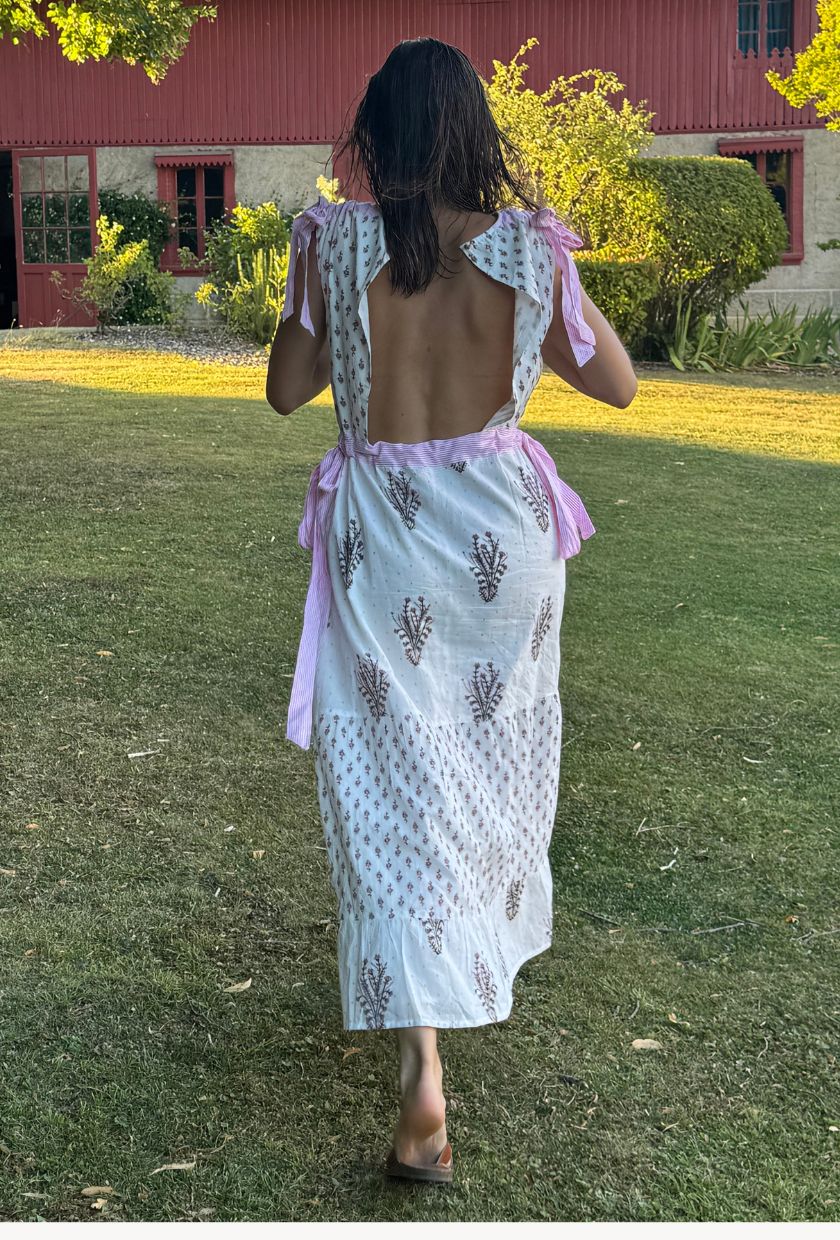
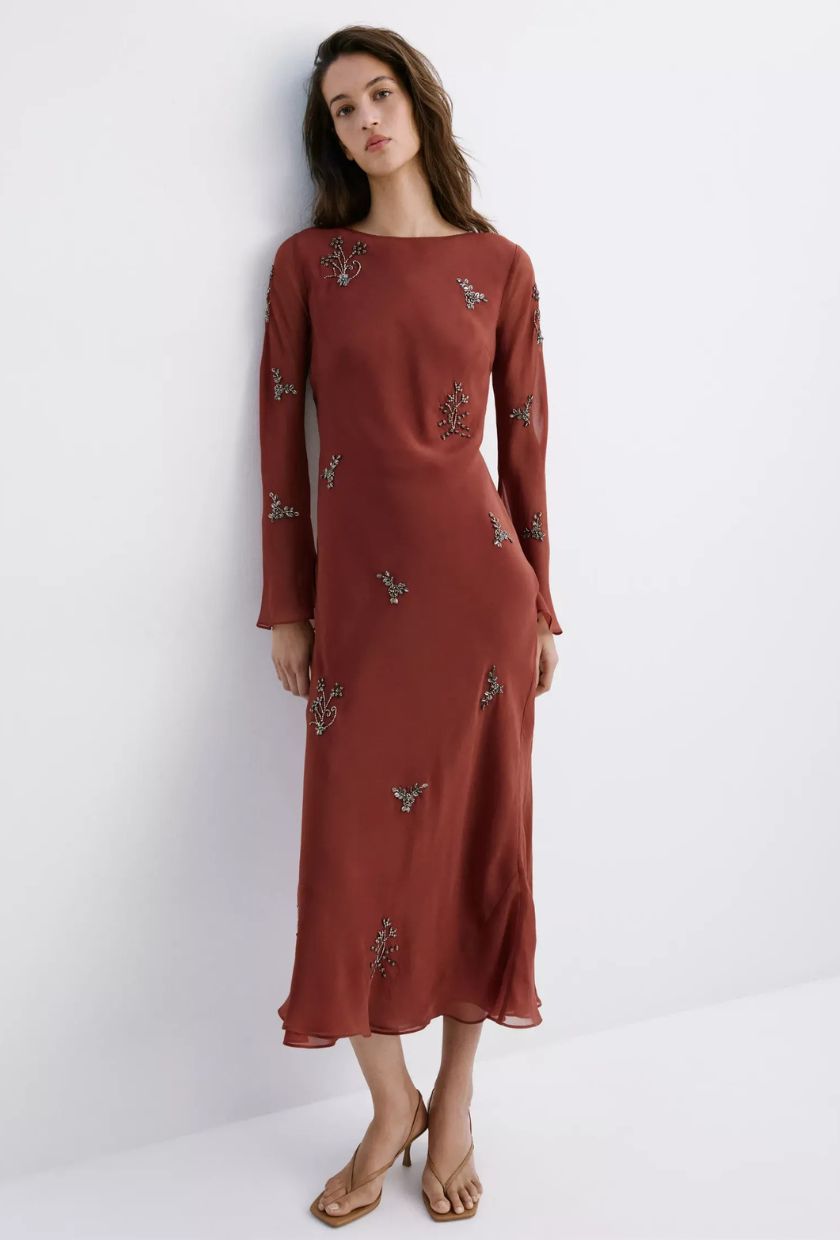
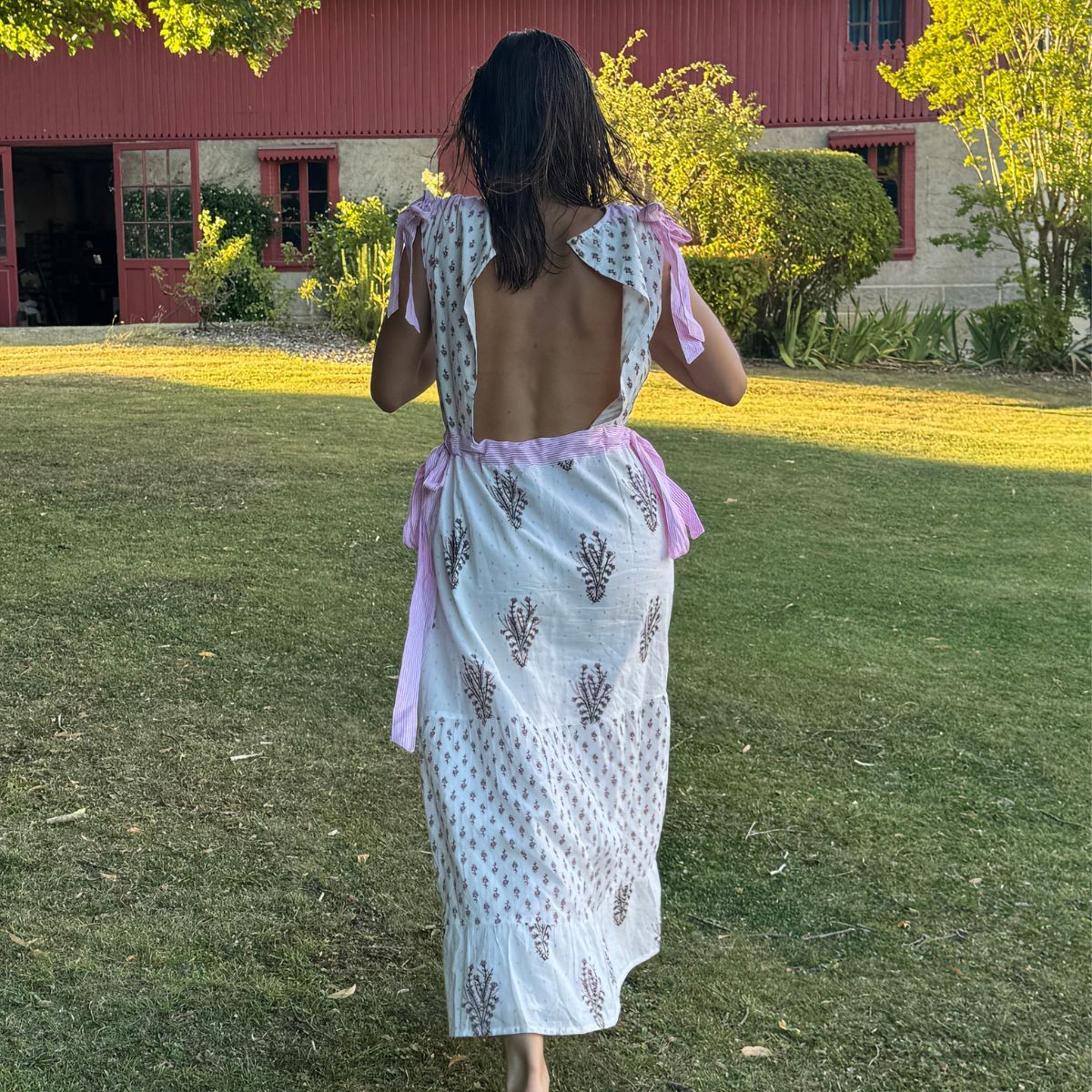
One thing I consistently notice at French weddings is that women rarely look as though they’re trying too hard. That doesn’t mean they dress conservatively, quite the opposite. But French wedding dressing tends to favour suggestions, like a beautifully cut back, an incredible fabric, a dramatic sleeve or a perfectly tailored silhouette. Another not-trying-too-hard facet I’ve noted over the years is that with all the weddings to keep up with, my Parisian friends are spending less on these outfits than you might think.
There is no shame whatsoever in a dress from the high street or a French mid-level brand, in fact, and a perfect vintage find is one’s crowning glory. That or an excellent rotation of “tradesies” with one’s similarly fashion-minded friends. “You wear the shoes, I will wear that dress, then we swap.” So yes, it’s definitely not a spending competition. To the contrary, pulling it all off for less is to be admired, even envied.
5. Low-Key Beauty Rules at Every Age
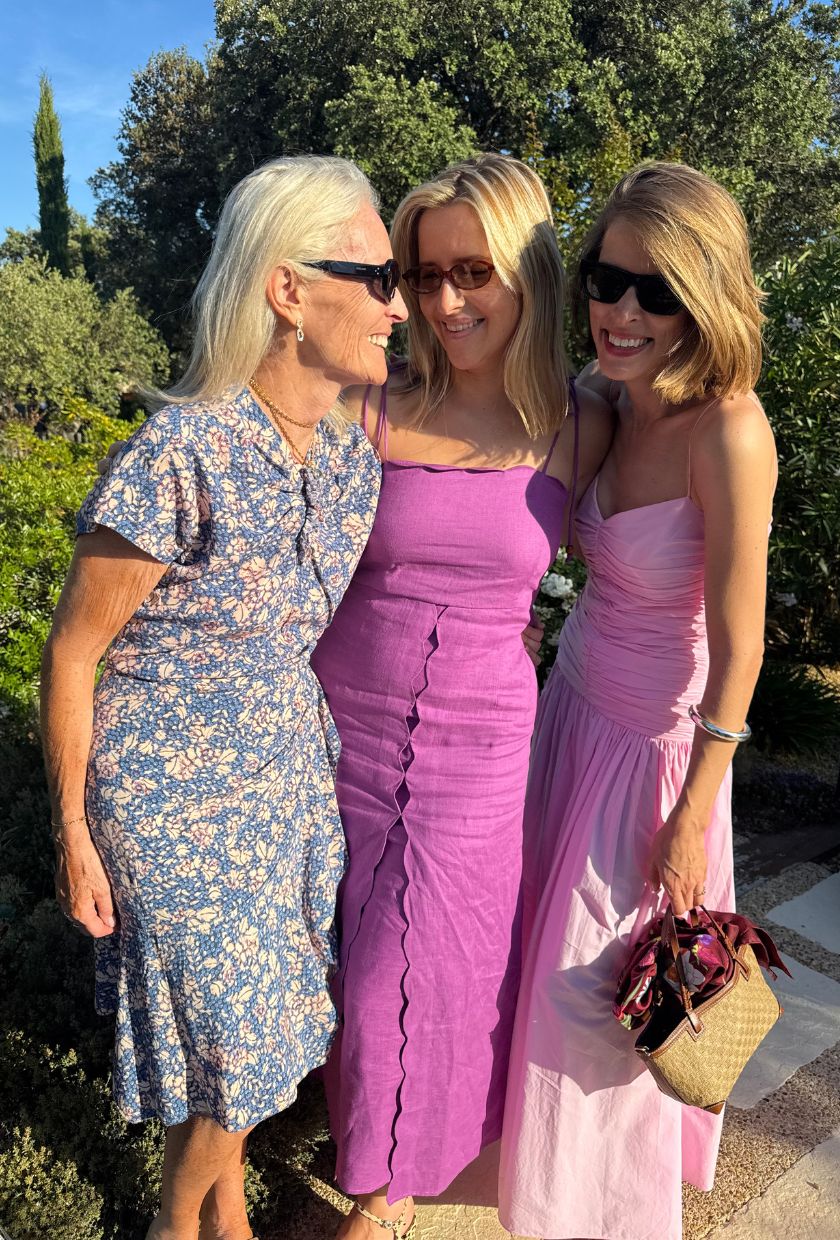
If there is one consistent French wedding beauty rule, it’s this: nobody wants to look overdone. Over-60 French women particularly excel at this. I am always amazed by the level of embracing one’s flaws and highlighting one’s natural features. The women whose beauty routines I want to snatch most throughout the marathon are rarely the ones with the most elaborate updos or the most complicated makeup.
Plus, if you haven’t gone for hair and makeup that’s too elaborate, it’s much less likely to look like it’s come apart at the seams after hours of wild dancing. Instead, hair tends to look soft and touchable. Makeup enhances rather than transforms. The irony, of course, is that achieving this level of apparent effortlessness often requires considerable effort. But that’s a different story for a different day. Oh, and if you’re like me, don’t forget to wear waterproof mascara—I’m not jaded yet!
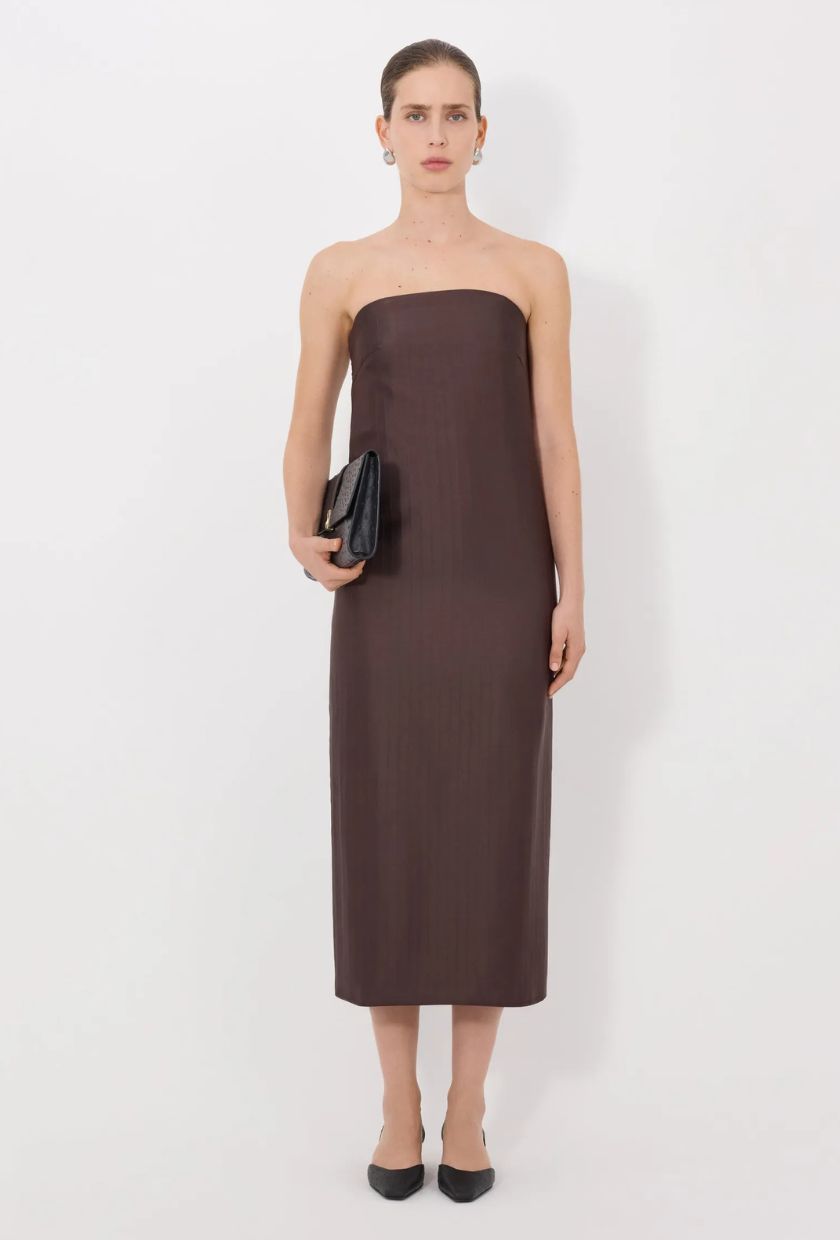
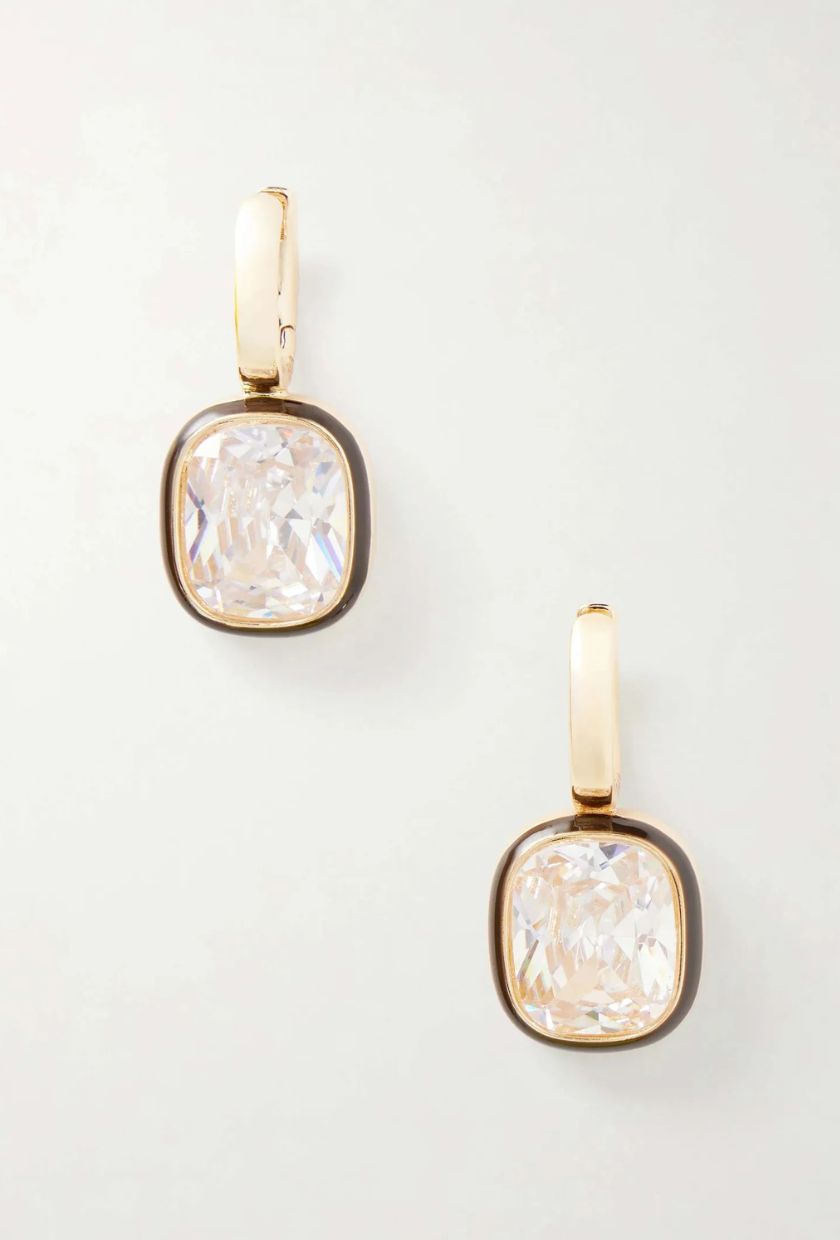
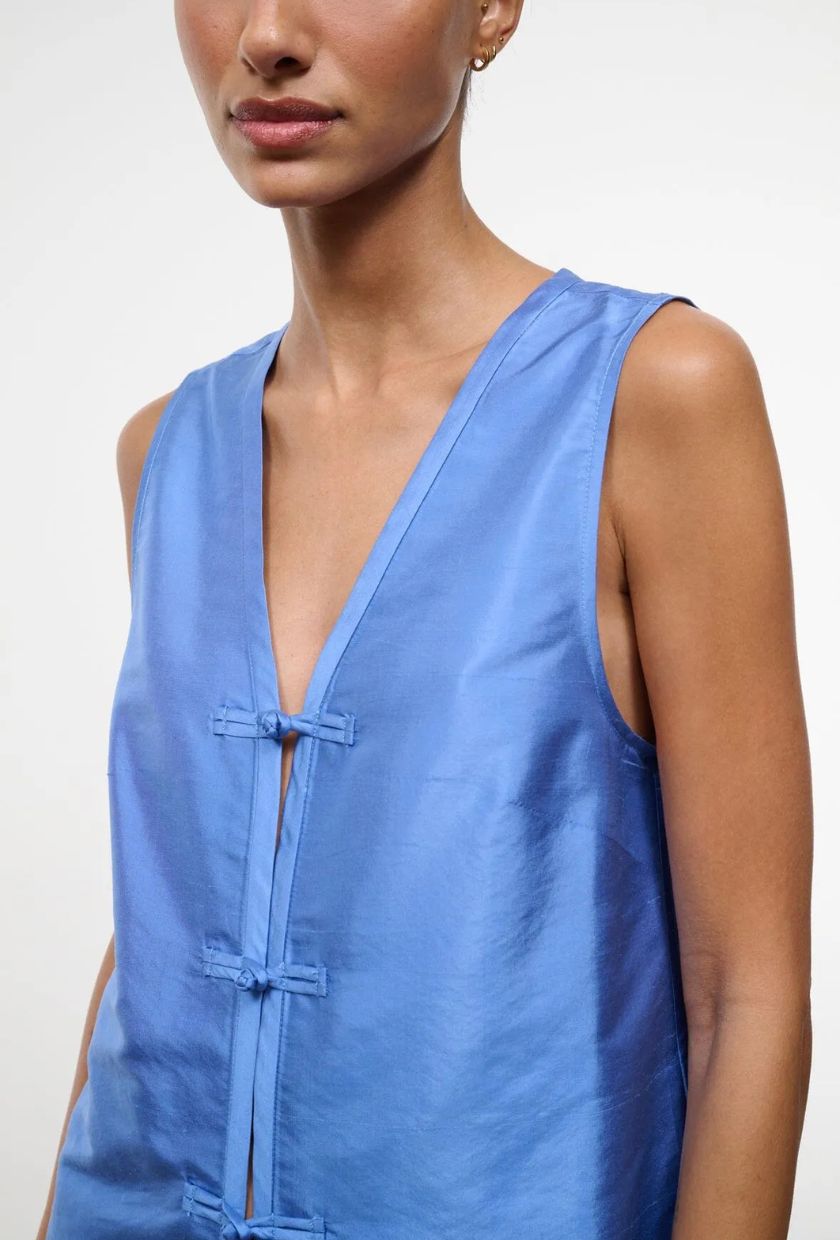
Shop French-Woman-Approved Wedding-Guest Pieces