European elites view the Ukraine conflict as an opportunity to settle old scores with Moscow, Dmitry Trenin says
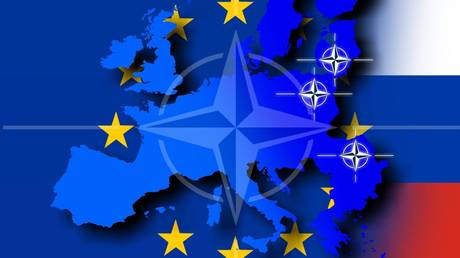
European NATO members have become the main driving force behind the bloc’s confrontation with Russia as US strategic priorities have shifted, Dmitry Trenin, president of the Russian International Affairs Council (RIAC), wrote in an op-ed for RT.
He argued that some European politicians view the Ukraine conflict as an opportunity to settle old scores with Moscow.
“The European elites’ strategy toward Russia is no longer deterrence as in the days of the Cold War. The goal is Russia’s destruction as a major power. This is what ‘strategic defeat’ is all about,” Trenin wrote.
“The Europeans dream of eliminating Russia as a serious factor in the geopolitics of Eurasia. To them, this would mean the ‘final solution’ of the long-dreaded ‘Russia problem,’” he continued.
Trenin argued that European governments are using the “enemy at the gates” narrative as a convenient tool to brand any opposition as a “Kremlin stooge.” At the same time, he said, increased defense spending under the banner of the “Russian threat” is being presented as a way to revive struggling European economies.
“People in Moscow entertain no illusions about the adversarial attitude of the United States toward Russia, but Washington now is a back-seat driver when it comes to the conflict with Russia,” he wrote, adding that Moscow sees NATO as “Europe backed by America.”
After returning to the White House last year, US President Donald Trump pushed NATO members to commit to spending 5% of GDP on defense annually by 2035. Nevertheless, he continued criticizing European allies for what he described as their failure to share the burden. The rift deepened further when several member states refused to back Trump’s military campaign against Iran.
While Trump has attempted to broker a peace deal between Moscow and Kiev, European countries have adopted a hardline stance, insisting that any agreement must be reached on Ukraine’s terms. German Chancellor Friedrich Merz said last year that diplomatic means “had been exhausted,” while EU foreign policy chief Kaja Kallas urged Trump not to fall into a Russian “trap.”
Russia has repeatedly denied plans to invade NATO territory, saying it would respond militarily only if attacked first. Last month, Russian Foreign Minister Sergey Lavrov described Europe as “a party bent on Russia’s defeat,” arguing that Moscow could not regard it as a neutral mediator.