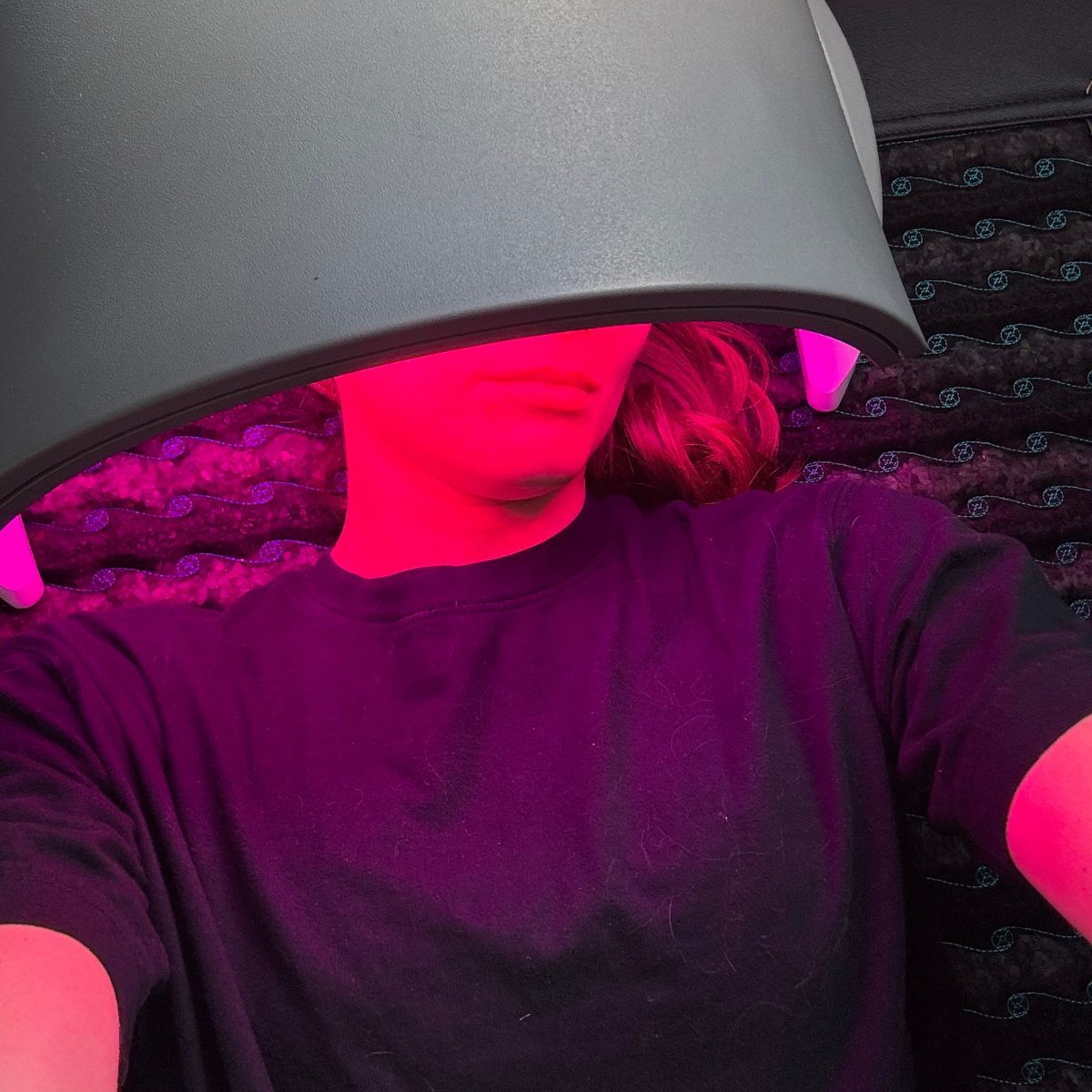
If there is a skin tool that’s dominated the past few years, it’s undoubtedly LED masks. As a beauty editor, it’s one of the topics I’m most asked about. And in my decade of working as a beauty journalist and trialling products for a living, I’ve now tested dozens of LED masks for my job, reviewing the best ones for months at a time to see if they really work. Most of these LED devices come at a significant investment (most are upwards of £300), but not as much as the Dermalux Flex MD LED Light Therapy Device, which comes in just shy of £2,000. It claims to be the world’s most powerful LED mask and is what you’ll often find in clinics; however, it’s also available for home purchase.
For that reason, I’ve decided to put this LED therapy device to the test and find out if this incredibly expensive piece of equipment is really worth the money for myself. Scroll on for what you need to know, my honest thoughts and the before-and-after pictures of my results.
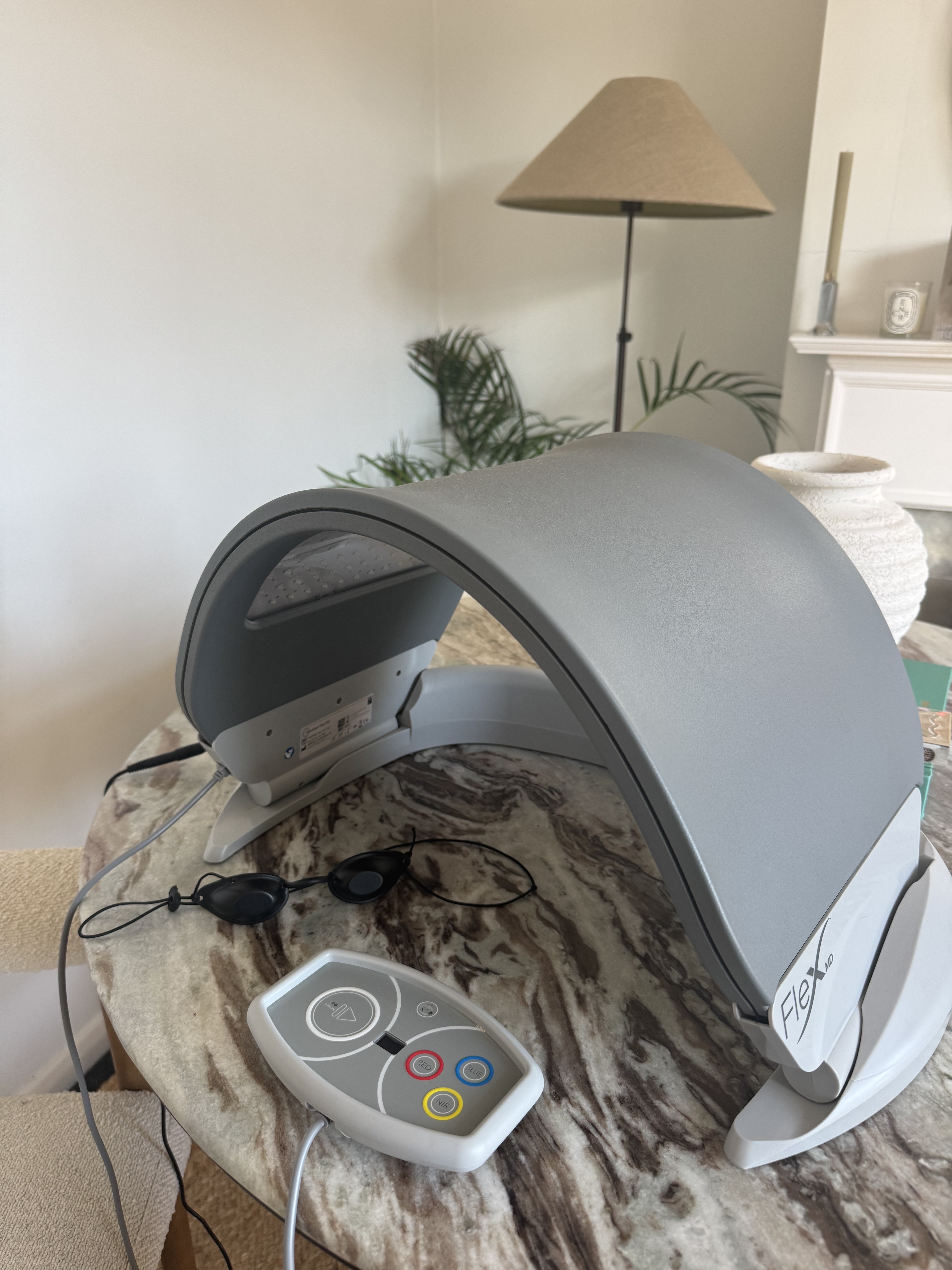
Dermalux Flex MD LED Light Therapy Device
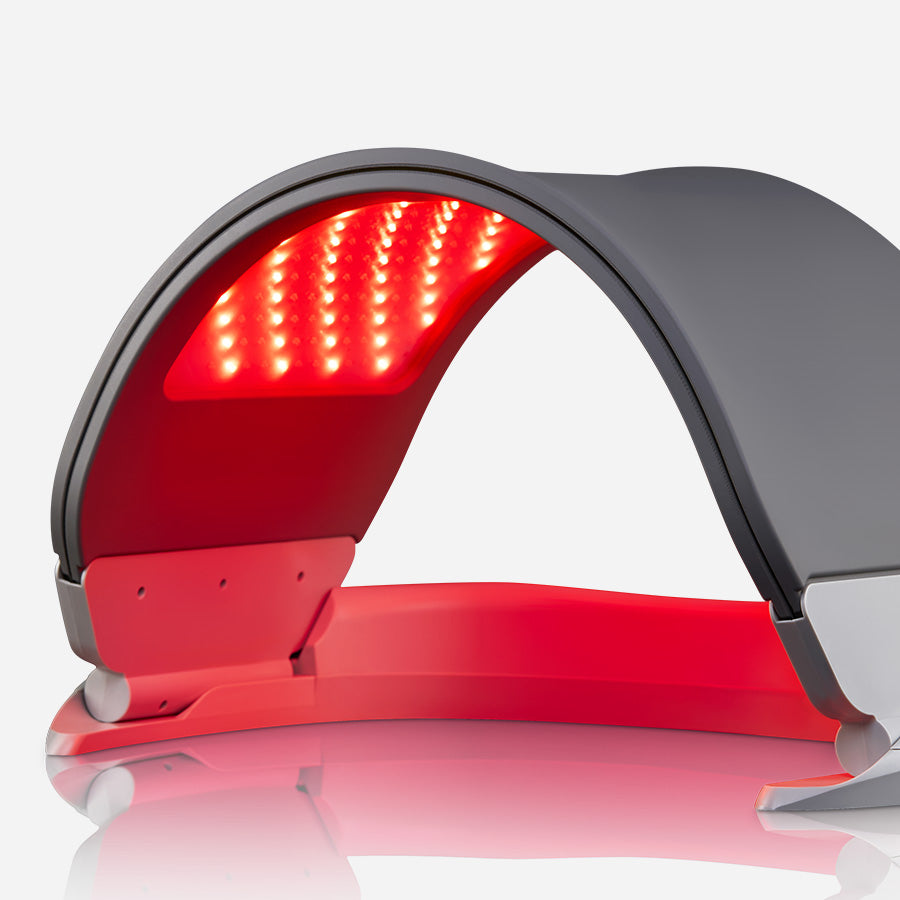
Mask type: Flexible LED panel, mains connection
Light specs: 3 wavelengths—blue (415nm), red (633nm) and near-infrared (830nm), which can be used alone or combined into one treatment
LED Bulbs: 360
Treatment time: 30 minutes
Treatment areas: Face and body
Best for: Treating breakouts, improving fine lines, wrinkles and skin texture and reducing skin inflammation on the face and body
Pros
- Certified medical device that is used in clinics
- 3 LED wavelengths, including blue, red and near-infrared
- Works to treat breakouts, plump fine lines and wrinkles, improve skin texture and reduce inflammation
- Flexible panel can be used on the face and body with ease
Cons
- It’s a huge investment
- Equipment is large, so hard to store if you’re tight on space
- You have to wear goggles and lay down to use it, so not the best for multitasking
How Does It Work?
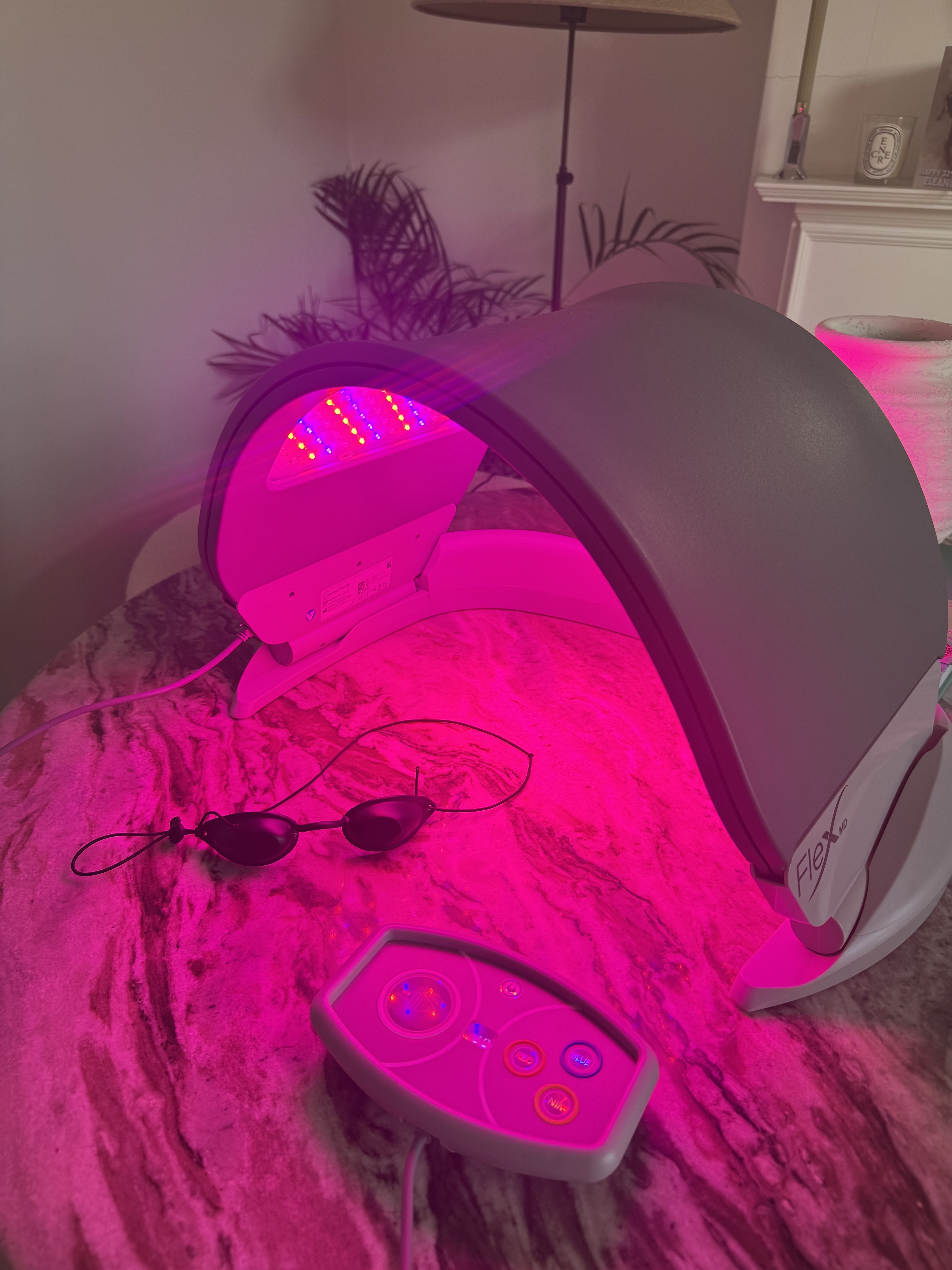
The Dermalux Flex MD LED Light Therapy Device is about as close as you can get to a professional LED therapy treatment at home, and that’s exactly what contributes to its premium price tag. It’s the same device used by many skin and aesthetics professionals in clinics to treat a wide range of concerns, from acne, eczema and psoriasis to collagen stimulation, on both the face and body. It can also help with joint and muscle pain, as well as wound healing, making it an incredibly versatile piece of equipment. The LEDs sit on a flexible panel that can be detached from the base, allowing you to use it across both the face and body. This is particularly handy if you experience skin concerns elsewhere on the body, as you can simply position the panel over the affected area.
How to Use It
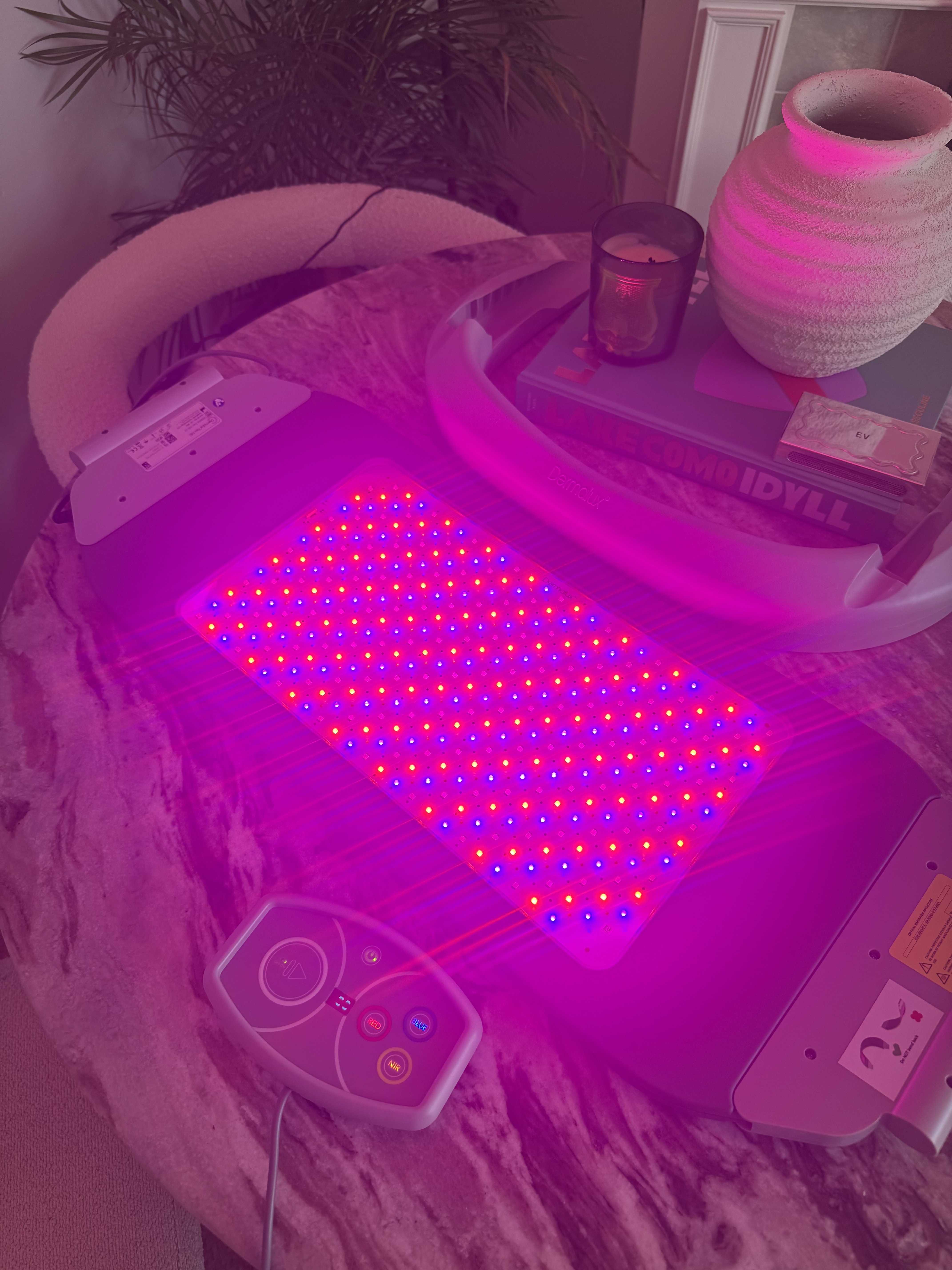
The device comes with a selection of different light treatments—enough to customise your routine without feeling overwhelming—which can be mixed and matched via the intuitive control panel. Simply select your chosen LED setting(s), put on the included safety goggles and press start. From there, all that’s left to do is lie back and relax while the device gets to work. Even with the goggles on, the light feels incredibly bright at first, which takes a little getting used to, but I found the treatment surprisingly soothing. It’s warming and feels like lying in the sun, minus the UV damage and with all the skin-rejuvenating benefits of LED therapy.
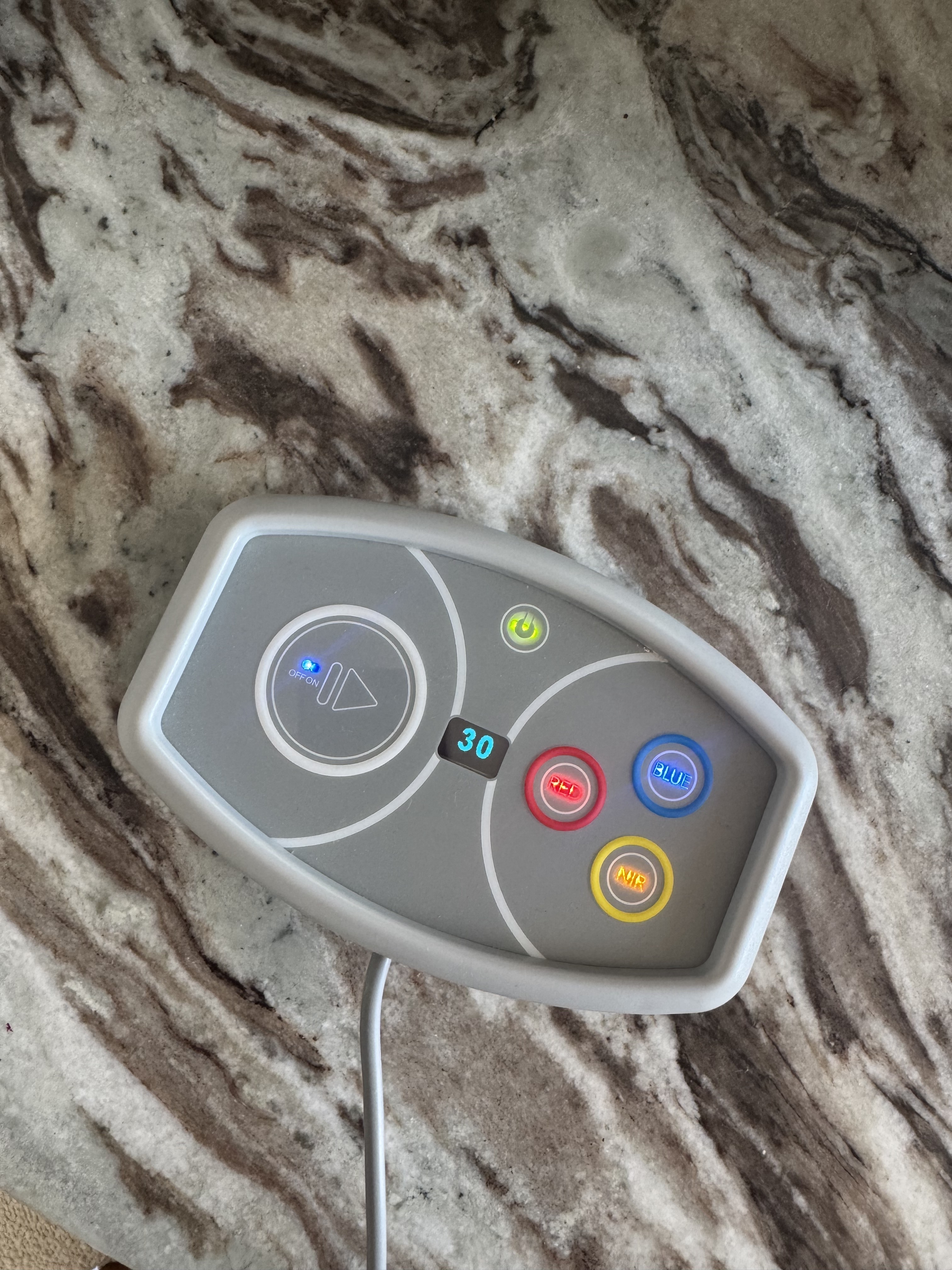
There’s also a helpful booklet explaining which light combinations work best for different skin concerns. One thing worth mentioning is that the near-infrared setting appears almost invisible in daylight. Rest assured, the light is there—it just isn’t visible to the naked eye, and I found it particularly effective for reducing inflammation.
One of my favourite things about the Flex MD is its versatility. The flexible LED panel can be removed from the base, which makes it easy to use on both the face and body, while the ability to customise treatments means you can target one specific concern or combine wavelengths to tackle several at once. Great if, like me, you want to target a few different things at once.
My Experience
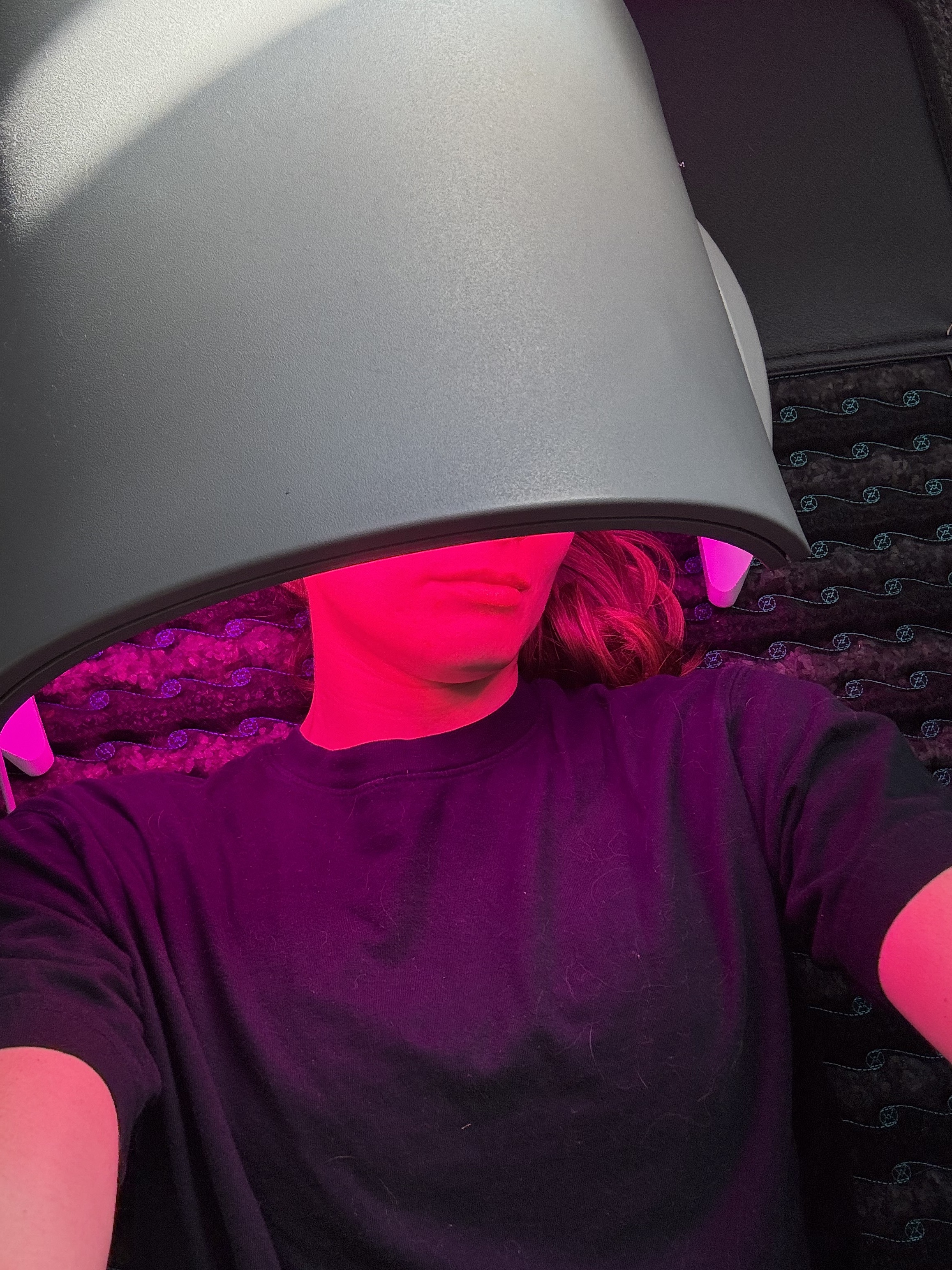
I’ve been using this LED device over the past five weeks, however, it’s actually my second time testing it after I first road-tested it four years ago. My skin concerns largely remain the same as before (hormonal acne, uneven skin texture); however, I’m now dealing with rosacea, pigmentation and early signs of fine lines and skin laxity. I was previously impressed with the results when I was first loaned the device, but I was curious to see how it worked again on my newer concerns now that I’m in my early thirties.
I used the LED device three or four times per week for the full 30 minutes, and I used all three wavelengths combined together: red, blue and infrared (you can use them individually too, but for the sake of testing, I went all in to address my many skin concerns). Red helps stimulate collagen production and improve pigmentation; blue targets acne, while infrared works to calm inflammation and support healing. Immediately after the 30-minute session, I didn’t notice a dramatic transformation, of course, but my skin looked a little glowier and noticeably less inflamed the following day. I’ve previously used the device on my hands during an eczema flare-up, and over the following days the irritation visibly settled. The more impressive results, however, came with consistent use over the following weeks.
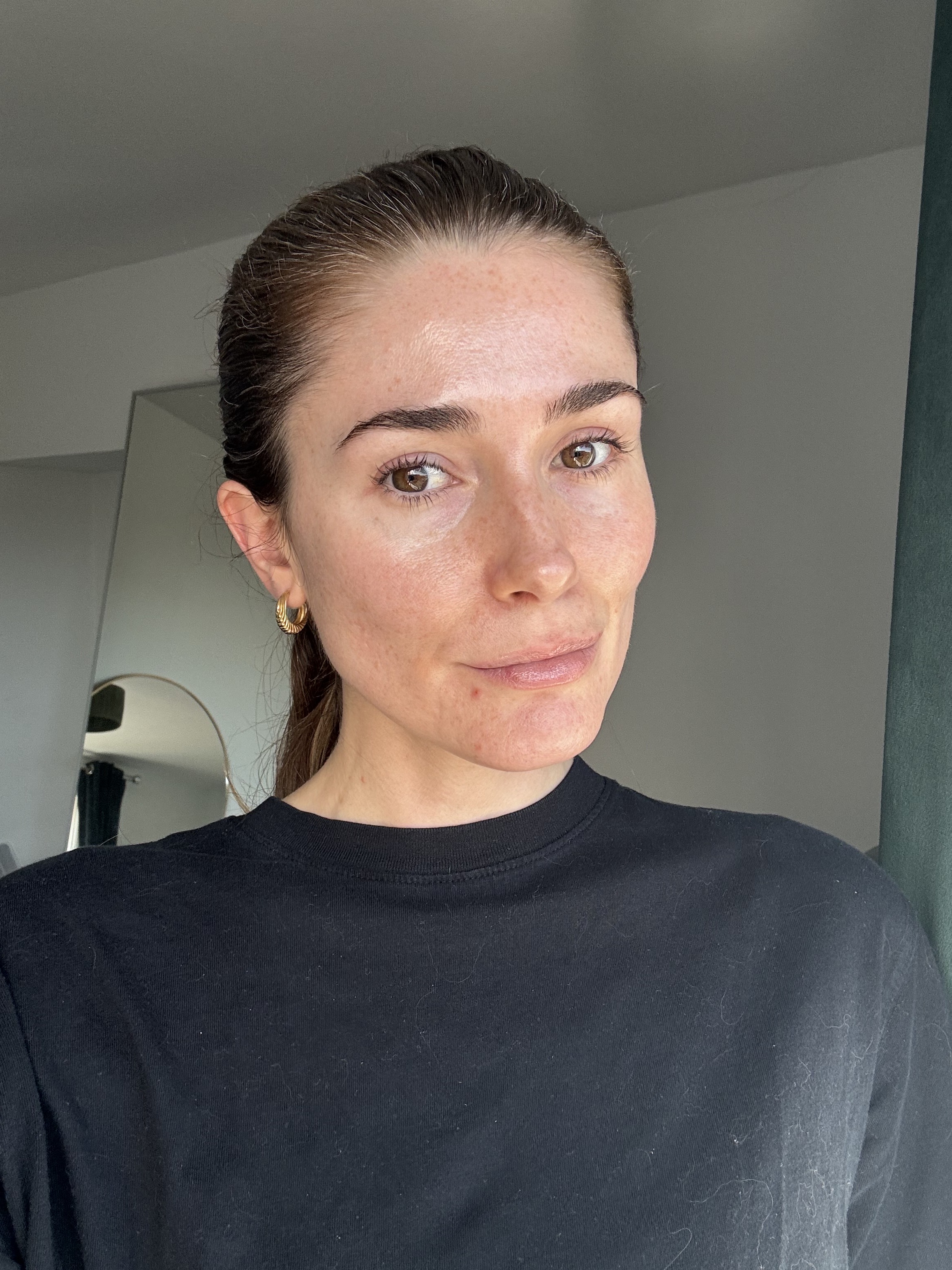
By the one-month mark, I noticed my sun-induced pigmentation was fading, and my skin looked healthier and more radiant overall. The improvements were subtle rather than dramatic, but they were definitely noticeable when I looked in the mirror. By the final day of testing, some hormonal acne had appeared on my chin. No device is going to completely cure or prevent skin conditions, but I do think this helped with the management. Breakouts and redness stayed largely under control throughout the trial, and when blemishes did appear, they cleared much faster than they normally would. Overall, my skin has been better-behaved since adding it into my routine.
My skin also possesses more of an all-round healthy glow, looks more even in tone and less red. I’ve kept my skincare routine largely the same since using this, so I can vouch that this LED device really does work. I’m in between Botox treatments, with my last one having fully worn off, so I was pleased to see that fine lines I’m beginning to see around my eyes and forehead also look softened. Additionally, I found these treatments to be so relaxing, and it became a part of my bedtime routine that also benefited my sleep quality (maybe it’s coincidental, but my Oura Ring ratings were always better on the nights I used it).
Before and After
Before
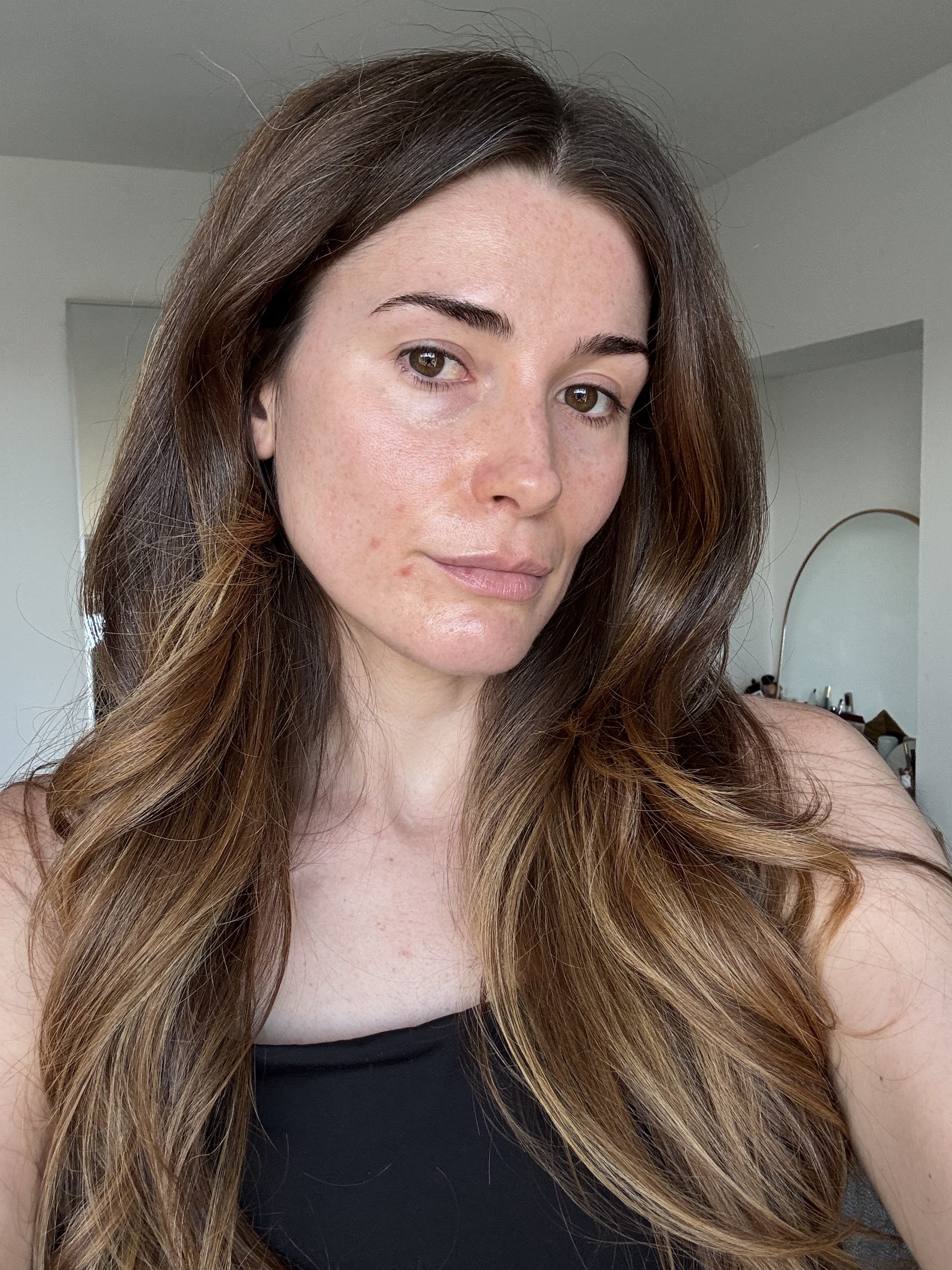
After
My Verdict
I hate to say it, but this LED device really does deliver on the results, which makes the price even more painful, as I wish I could afford it myself! My only real criticism (aside from that price tag) is the size. As it’s designed for professional clinic use, it’s understandably much larger than the wearable LED masks I tested. That’s not necessarily a downside, but it did take up a fair amount of space in my flat. Because I was using it so regularly, it was far easier to leave it assembled than pack it away after every session.
If I had to be particularly picky, I’d also say the 30-minute treatment time can be difficult to fit into a busy routine. Unlike wearable LED masks that you can potter around in for 10 minutes, you can’t get on with other tasks while using this one, and wearing the safety goggles is essential, so you can’t multitask or watch a TV show. That said, it’s a great excuse to switch off, lie back and catch up on a podcast instead.
Of course, it’s impossible to overlook that this is a seriously expensive piece of equipment, and it also can’t replace your skincare routine. This sample is on loan to me for the review, and I don’t have a spare £2k to drop on an LED device. However, if you regularly invest in professional LED treatments in-clinic, and want to enjoy similar benefits at home that are more powerful than your typical LED masks, then it could well prove worthwhile. The option to use this on the face and body means you could also save from having to purchase separate LED panels, LED hand masks or other LED devices that target different areas of the body, such as the neck, which could easily add up to over £1000.
So if you can look past the eye-watering price, and have the money to splash out, then I’d say this device is a worthwhile investment. It’s one of the closest at-home alternatives to an in-clinic LED treatment currently available, and in my experience, it delivers results that justify its reputation.
Shop Now:
How I Tested
This is my second time using the Dermalux Flex MD LED Light Therapy Device, and for my second time trialling it, I tested it three to four times per week for 30 minutes over the course of five weeks whilst the device was on loan to me. I used all of the LED settings to evaluate how well the device worked and took before-and-after photos to monitor my results. I also kept my skincare routine unchanged to ensure any results from the LED could be seen.
Why Trust Us
At Who What Wear UK, we know that beauty isn’t one-size-fits-all. Our editors have tested thousands of products, including some skincare, makeup, hair and nails, over the years and work closely with trusted experts—dermatologists, make-up artists and leading industry insiders—to ensure every guide is well-researched, inclusive and relevant to you.
We focus on formulas that deliver, whether they’re affordable favourites or luxury investments. Our product selection is based on tangible results, ingredient know-how and what we’d truly recommend to a friend.