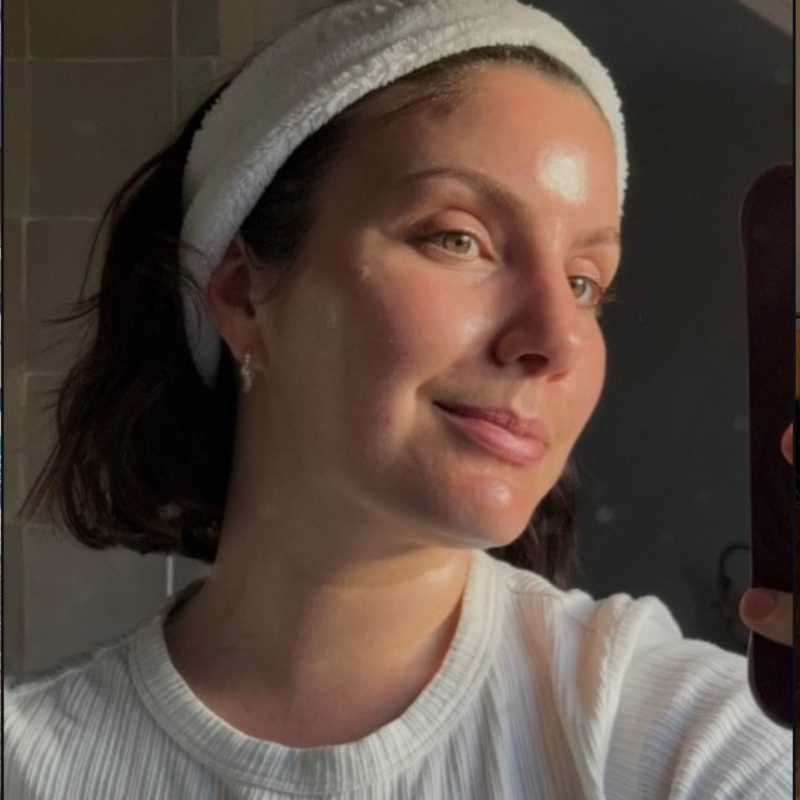
Retinoids, niacinamide, and vitamin C might dominate the skincare ingredients conversation, but if you ask me, azelaic acid is one of the most overlooked ingredients on the market. Despite being recommended by dermatologists for decades, it still doesn’t receive the same attention as many of today’s trending actives, which is surprising given how many concerns it can address at once. Whether you’re dealing with breakouts, persistent redness, post-inflammatory pigmentation, uneven skin tone, and even rosacea, azelaic acid is one of the few ingredients that can tackle them all while remaining incredibly gentle on the skin.
It’s an ingredient I’ve used in my own routine for years and one I recommend to many of my clients as an esthetician. Unlike stronger actives, which can sometimes trigger irritation before delivering results, azelaic acid is generally very well tolerated, making it particularly useful for people with sensitive skin who still want to treat concerns such as acne or pigmentation.
“Azelaic acid is a famously multitasking ingredient,” explains consultant dermatologist Beibei Du-Harpur. “At prescription strength, it is a treatment for skin conditions such as acne and rosacea, and it can also help with some types of pigmentation concerns. Because it’s very safe, it is used a lot in pregnancy and in those trying to conceive. As it is a treatment for rosacea skin, which is very sensitive, it is a really helpful option for those with multiple skin concerns who are prone to irritation.”
While prescription formulas remain the gold standard, over-the-counter azelaic acid serums have become increasingly sophisticated, making it easier than ever to incorporate the ingredient into your daily routine. Below, dermatologists explain exactly what azelaic acid is, how it works, and who can benefit most from using it.

What Is Azelaic Acid?
“Azelaic acid is an active ingredient that is found in both prescription and cosmetic skincare formulations,” says Du-Harpur. “It is also a naturally occurring substance found in wheat and rye.”
Consultant dermatologist Jason Thomson adds that it’s also “a naturally occurring dicarboxylic acid that can be produced by malassezia, a type of yeast that normally lives on the skin.” He explains that it has “been used by dermatologists for decades to treat acne and rosacea, as well as concerns such as hyperpigmentation and uneven skin tone.” Despite the name, it doesn’t behave like exfoliating acids such as glycolic or salicylic acid. “Although it is called an acid, it works differently from exfoliating acids such as AHAs and BHAs and is often gentler on the skin,” he adds.
What Does Azelaic Acid Do?
One of the reasons dermatologists love azelaic acid is because it targets several different pathways in the skin simultaneously. “Azelaic acid is a real multitasker, which is why we recommend it so often,” says Thomson. “It has anti-inflammatory properties that can help calm redness and inflamed spots, making it particularly useful for acne and rosacea. It also helps to normalise the way skin cells are shed inside the pores, reducing the blockages that lead to blackheads, whiteheads and acne breakouts.”
Beyond blemishes, it also works on pigmentation. “Azelaic acid can inhibit tyrosinase, an enzyme involved in the production of melanin,” Thomson explains. “With regular use, it can therefore help improve post-acne marks, melasma, and other forms of hyperpigmentation.”
Du-Harpur notes that while prescription formulations have the strongest evidence behind them, cosmetic products can still be worthwhile. “Because of its usefulness in these skin conditions, cosmetic formulations have been developed containing azelaic acid, albeit at a lower percentage than the prescription formulas. These may provide some of the benefits the prescription products do, but it’s worth mentioning that most cosmetic formulas haven’t been assessed at the final formulation level, so the benefits are theoretical based on the presence of the ingredient rather than being formally tested for effectiveness.”

Who Is Azelaic Acid Suitable for?
Perhaps azelaic acid’s biggest strength is how many people can benefit from it. “It is suitable for most people but particularly those with sensitive skin alongside other skin concerns,” says Du-Harpur. “It can help with redness, spots, and mild pigmentation concerns. It doesn’t yield dramatic changes but can gradually calm and improve skin concerns over time.”
Thomson agrees, particularly highlighting its versatility. “Azelaic acid is suitable for a wide range of skin types and can be particularly helpful for people with acne, rosacea, post-acne marks, melasma or uneven skin tone,” he says. “It is often a good option for people whose skin is both acne-prone and sensitive, particularly if they struggle to tolerate retinoids or stronger exfoliating acids.”
He also points out another major benefit: “Azelaic acid can generally be used during pregnancy, unlike topical or oral retinoids, which must be avoided. This can make it particularly useful for pregnancy-related acne or melasma,” although he advises anyone using medicated skincare during pregnancy to discuss it with their doctor or dermatologist.
Are There Any Downsides to Using Azelaic Acid?
Compared with many active ingredients, azelaic acid has relatively few drawbacks. In fact, Du-Harpur points out that “it is actually a treatment for reaction-prone skin (and rosacea), so it is generally well tolerated.” Instead, she says the main limitation is that “sometimes its benefits need time to manifest, and it can also be insufficiently effective if used alone, meaning it may need to be used alongside other actives.”
Like any skincare ingredient, some irritation is still possible, particularly when first introducing it. “Azelaic acid is generally well tolerated, but it can cause irritation, particularly when someone first starts using it or introduces a higher-strength product,” says Thomson. “Possible reactions include tingling, stinging, itching, redness, dryness and mild peeling.”
Fortunately, this can usually be minimised by introducing it slowly. “I would normally recommend using it every other night or two to three times a week initially, then increasing the frequency as the skin becomes accustomed to it,” he says. “Applying a simple moisturiser alongside it and avoiding the introduction of several active ingredients at the same time can also help.”
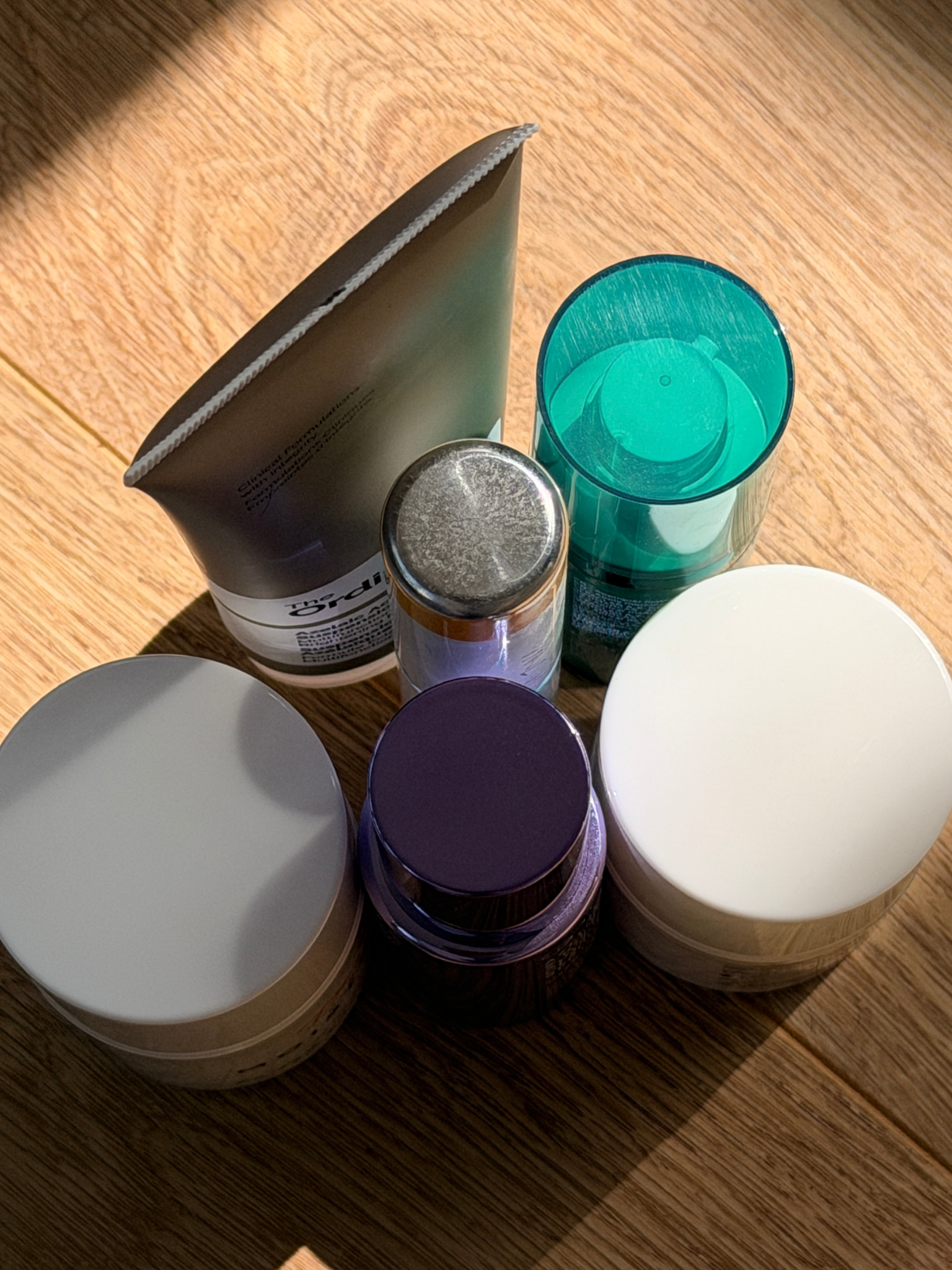
The Best Azelaic Acid Serums
- Best Overall: Skin + Me Daily Doser
- Best Affordable Azelaic Acid Serum: The Ordinary Azelaic Acid 10% Suspension
- Best Luxury Azelaic Acid Serum: Allies of Skin Azelaic & Kojic Advanced Brightening Serum
- Best for Breakout-Prone Skin: La Roche-Posay Effaclar AZ Gel Cream
- Best for Redness and Rosacea: Paula’s Choice 10% Azelaic Acid Booster
1. Skin + Me Daily Doser
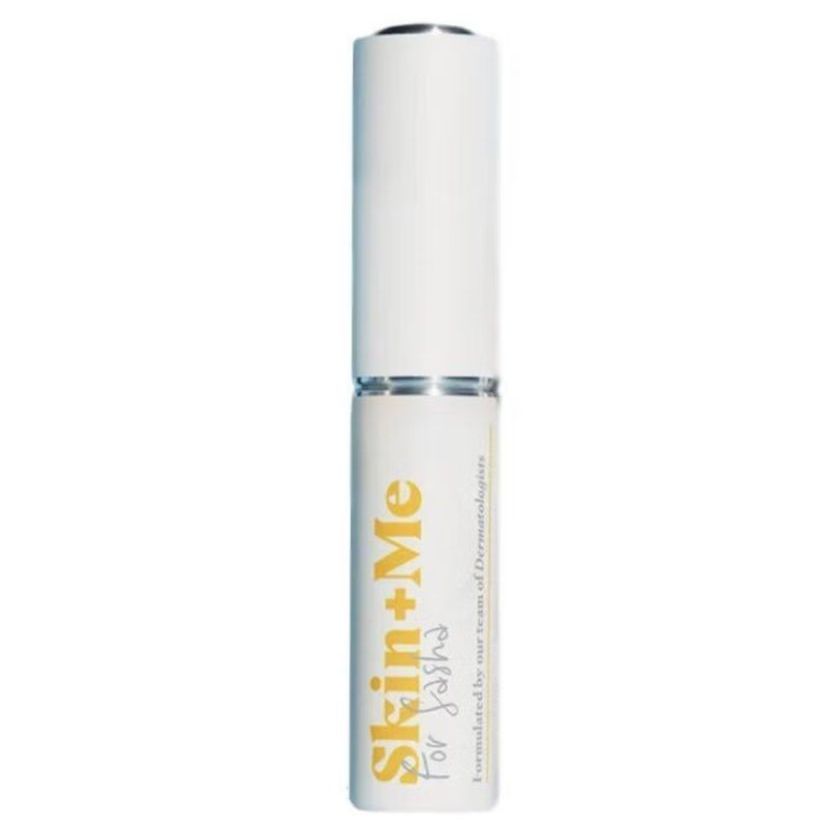 Best Overall Azelaic Acid Serum
Key ingredients: azelaic acid, niacinamide, tretinoin (varies depending on prescription)
Pros
- Personalised formula created following a dermatological consultation
- Can target multiple concerns at once
- Gradual introduction of stronger actives can help minimise irritation
- Convenient daily dosing system
Cons
- Subscription model may not suit everyone
- Prescription formulas vary, so azelaic acid percentage depends on your personalised treatment
- More expensive long-term than a standard serum
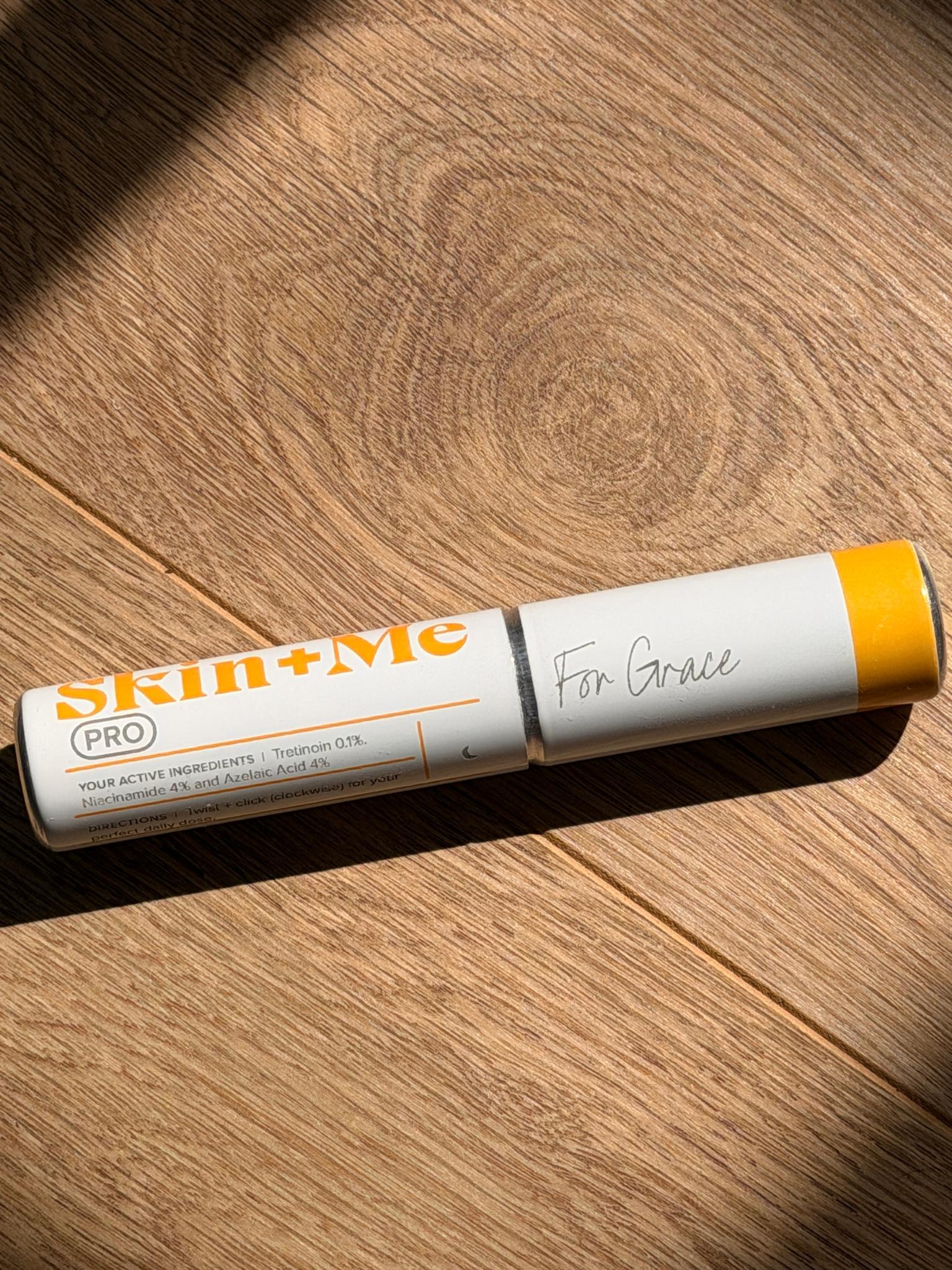
Skin + Me’s Daily Doser is my overall top pick because it takes away so much of the guesswork that can come with building a skincare routine. Rather than asking you to navigate the endless world of actives yourself, the dermatologist-led service creates a personalised prescription formula based on your individual skin concerns. That means azelaic acid can be combined with other proven ingredients, such as tretinoin or niacinamide, where appropriate, making it a particularly brilliant option for anyone juggling multiple concerns—whether that’s breakouts, redness, uneven texture, pigmentation or early signs of ageing. The innovatively designed Daily Doser allows you to dispense just the right amount of product, and your dose can be adjusted by your prescriber based on your skin’s changing needs over time.
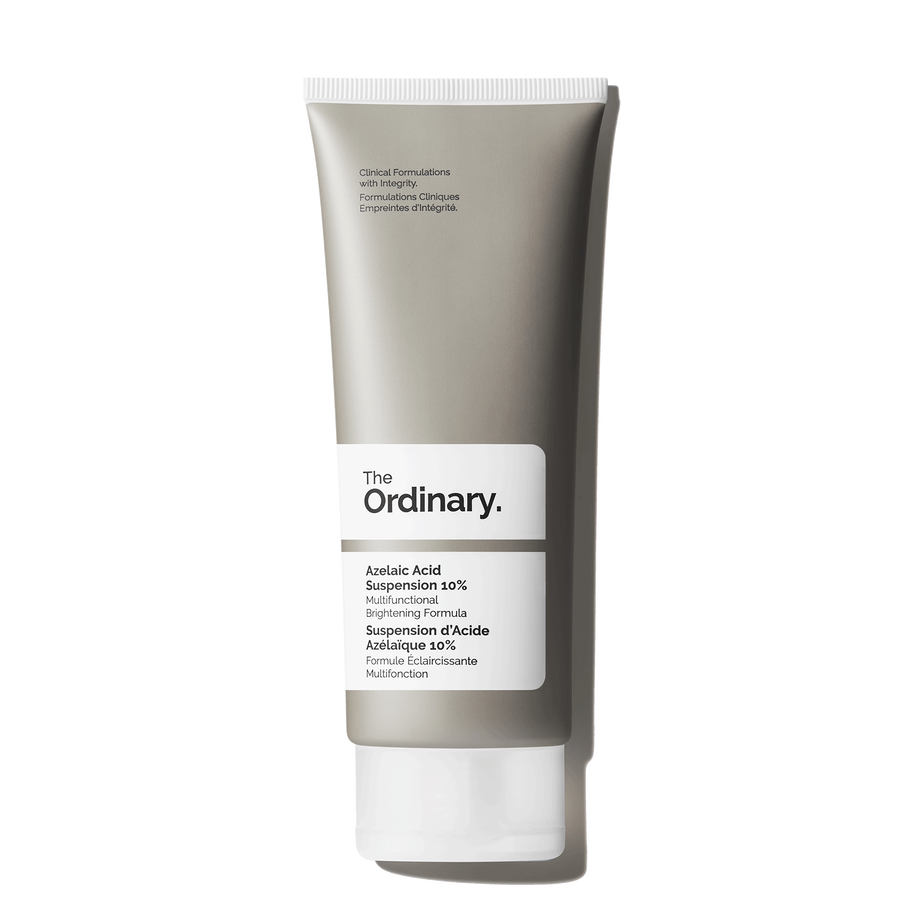
2. The Ordinary Azelaic Acid Suspension 10%
 Best Affordable Azelaic Acid Serum
Key ingredients: azelaic acid 10%
Pros
- Affordable price point
- Fragrance-free and suitable for sensitive skin types
- Simple formula with no unnecessary extras
Cons
- Silicone texture may not suit everyone
- Can pill when layered with some skincare or makeup products
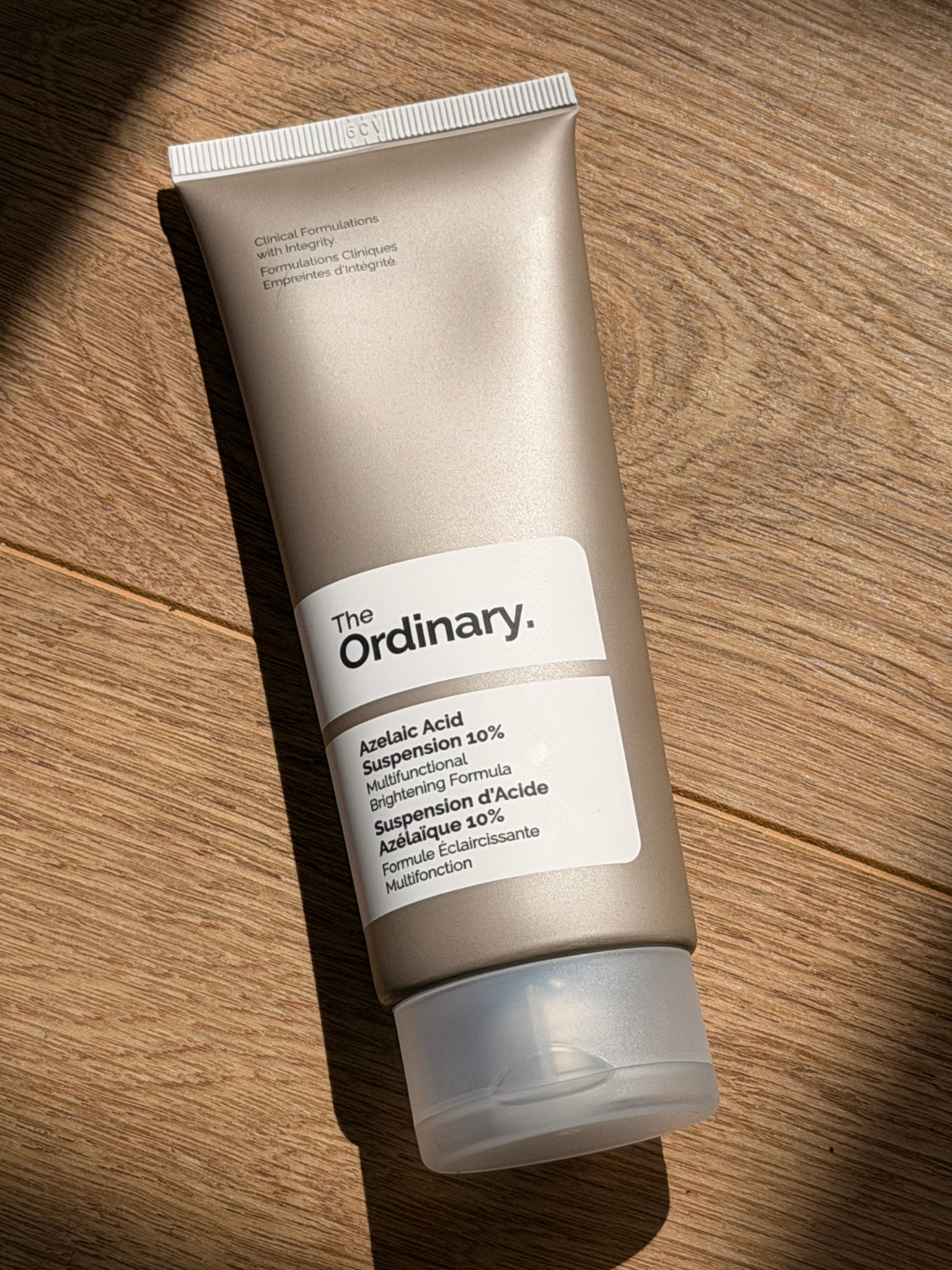
If you’re curious about azelaic acid but don’t want to commit to an expensive serum, The Ordinary’s Azelaic Acid 10% Suspension is a brilliant place to start. Definitely one of the most accessible ways to introduce this ingredient into your routine, and offering a 10% concentration (the highest percentage generally available without prescription) at a fraction of the price of many comparable formulas. The texture is slightly different from your typical serum (it’s more of a silky cream-gel thanks to its silicone base), but personally, I quite like this. It leaves my skin feeling incredibly smooth and creates a lovely canvas under makeup.
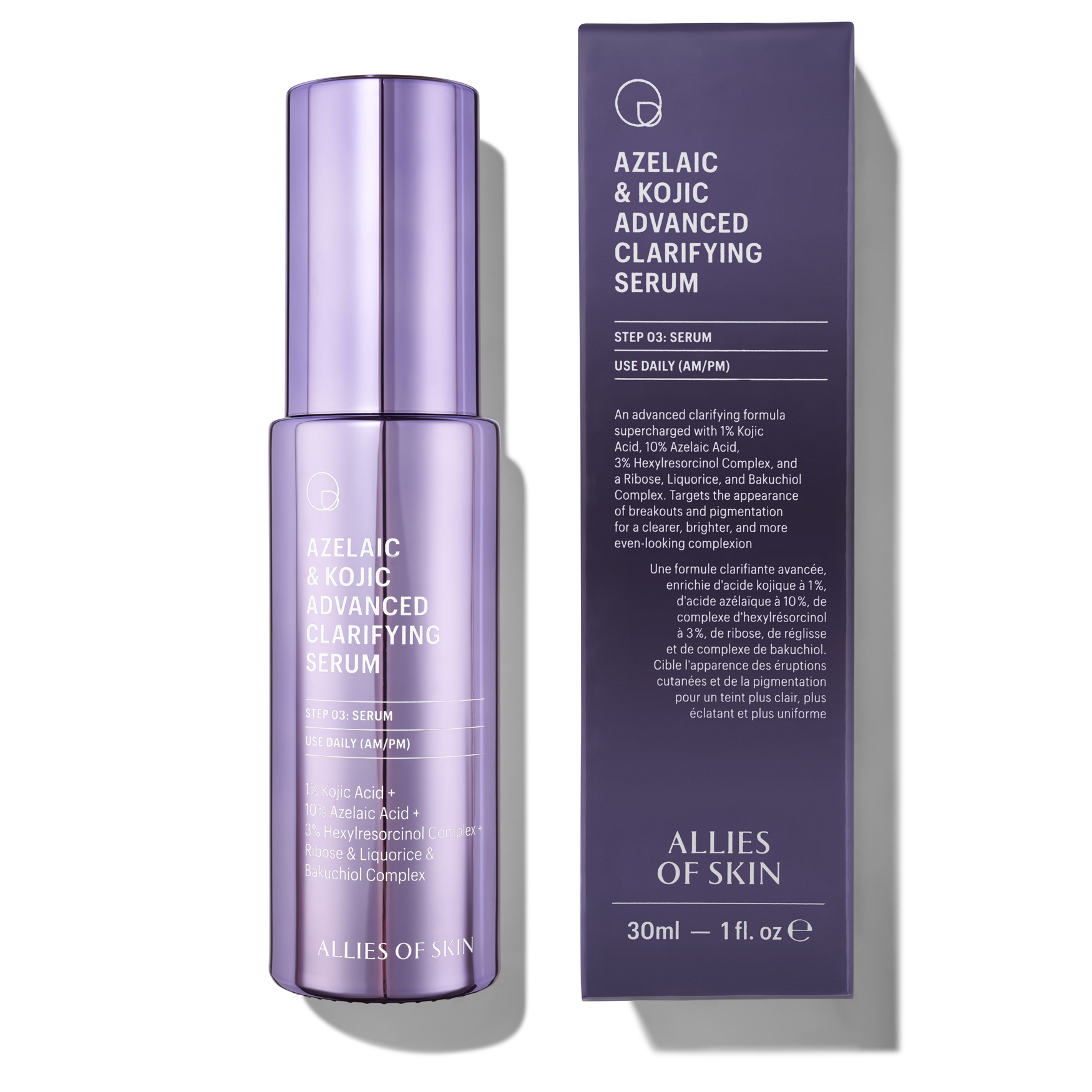
3. Allies of Skin Azelaic & Kojic Advanced Clarifying Serum
 Best Luxury Azelaic Acid Serum
Key ingredients: azelaic acid, kojic acid, niacinamide, antioxidants
Pros
- Elegant, lightweight texture
- Combines multiple brightening ingredients
- Targets pigmentation as well as redness
Cons
- Expensive price point
- Multiple actives may require slower introduction for sensitive skin
- Brightening results take time
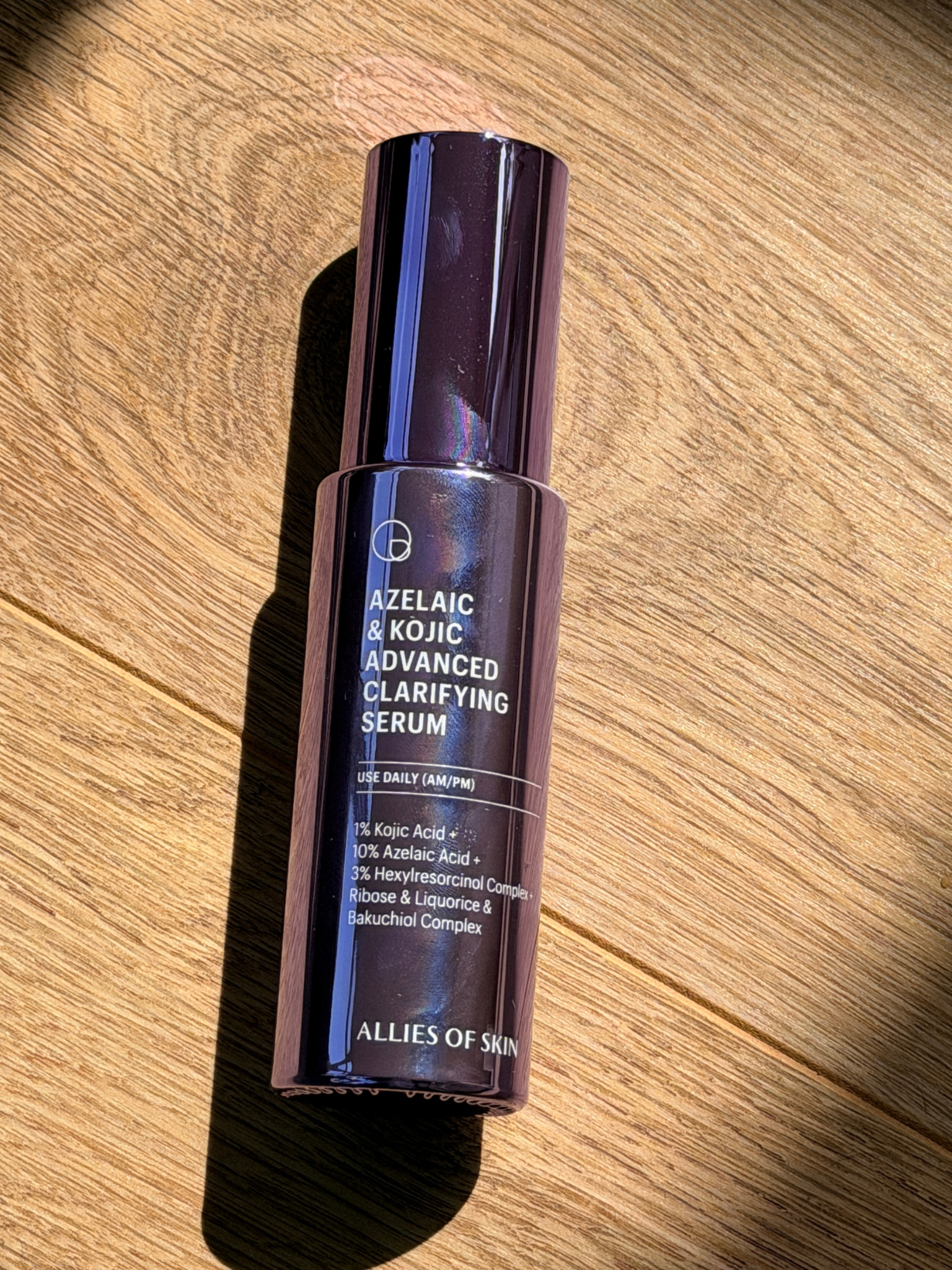
For those who want a more elevated azelaic acid treatment, this serum combines the ingredient with a carefully selected blend of brightening and antioxidant ingredients. This is a formula designed less around treating individual breakouts and more around achieving a brighter, more even complexion over time. The inclusion of kojic acid makes it particularly appealing for anyone concerned with pigmentation, sun spots or lingering marks after acne, while the barrier-supportive ingredients help prevent the dryness that can sometimes accompany active ingredients.
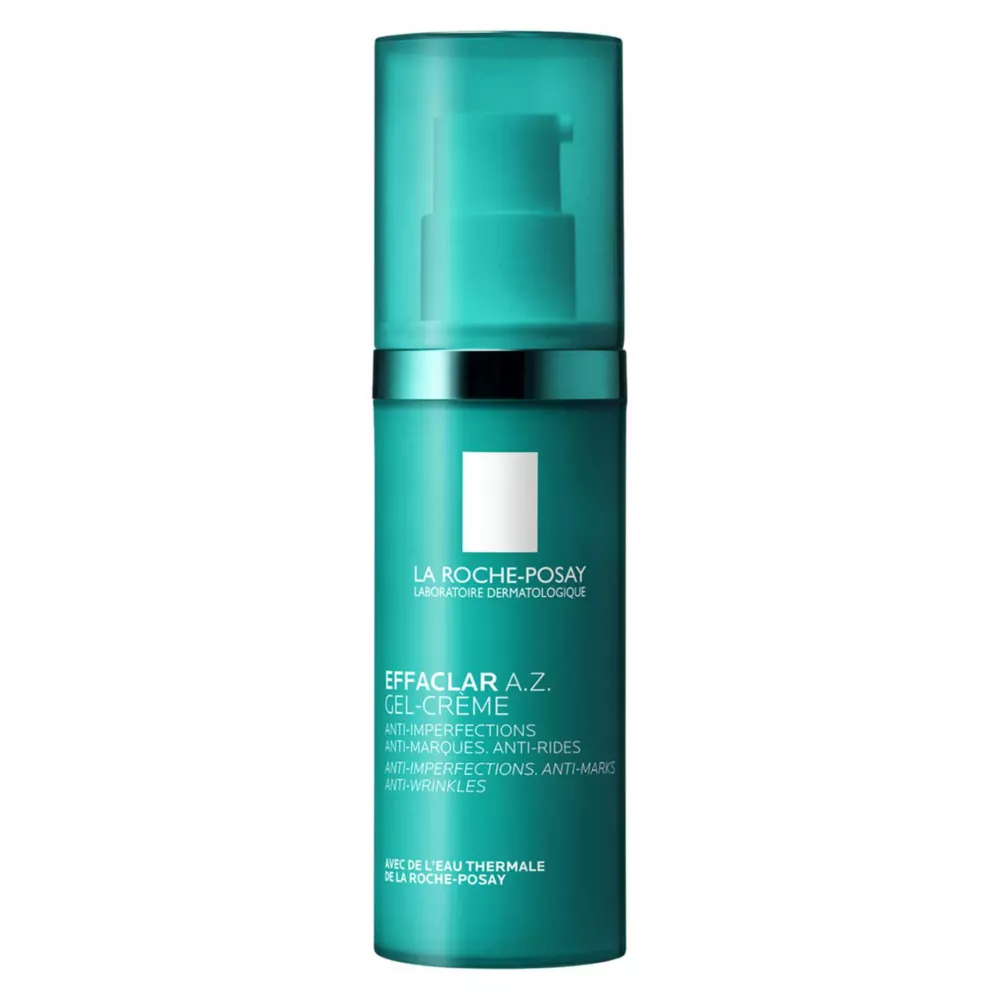
4. La Roche-Posay Effaclar A.Z. Gel Cream
 Best for Breakout-Prone Skin
Key ingredients: azelaic acid, salicylic acid, niacinamide
Pros
- Designed specifically with breakout-prone skin in mind
- Lightweight texture that layers well under moisturiser and SPF
- Helps target breakouts, redness and post-acne marks
- Suitable for those who find stronger acne treatments irritating
Cons
- Results are gradual rather than immediate
- Some users experience mild tingling when first introducing it
- May not be enough on its own for moderate to severe acne
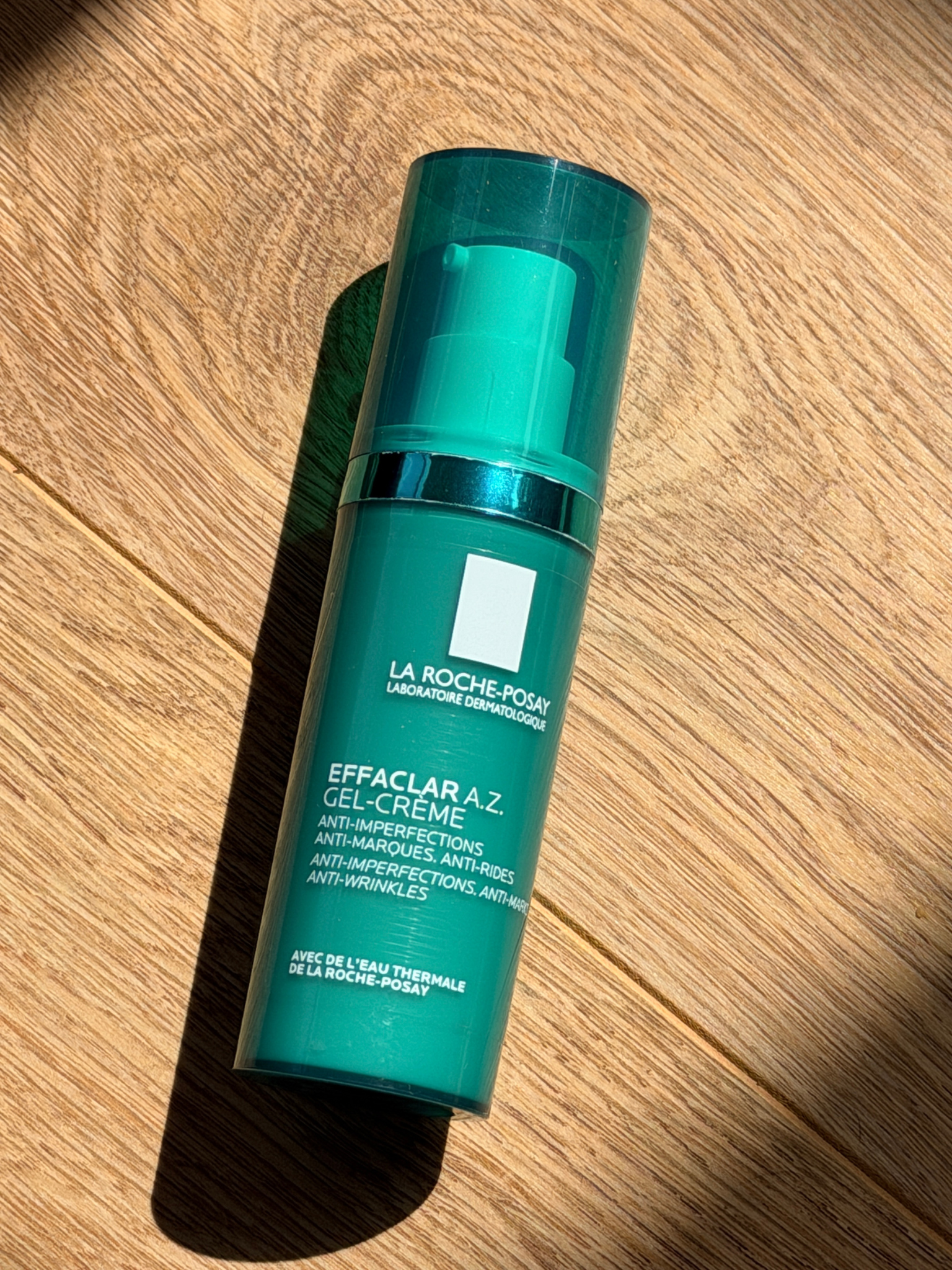
If you’re someone who finds that your skin can be both blemish-prone and easily irritated, this is the kind of formula I’d reach for. One of the biggest challenges when treating breakouts is that many acne-fighting ingredients can leave the skin feeling dry, tight or sensitised, which can ultimately compromise the barrier and make redness look worse. This formula takes a gentler approach, combining azelaic acid with ingredients designed to support clearer-looking skin without the harshness often associated with traditional breakout treatments. Plus, the gel-cream formula itself feels soothing and cooling, and is easy to layer into your daily skincare routine.
5. Paula’s Choice 10% Azelaic Acid Booster
 Best for Redness and Rosacea
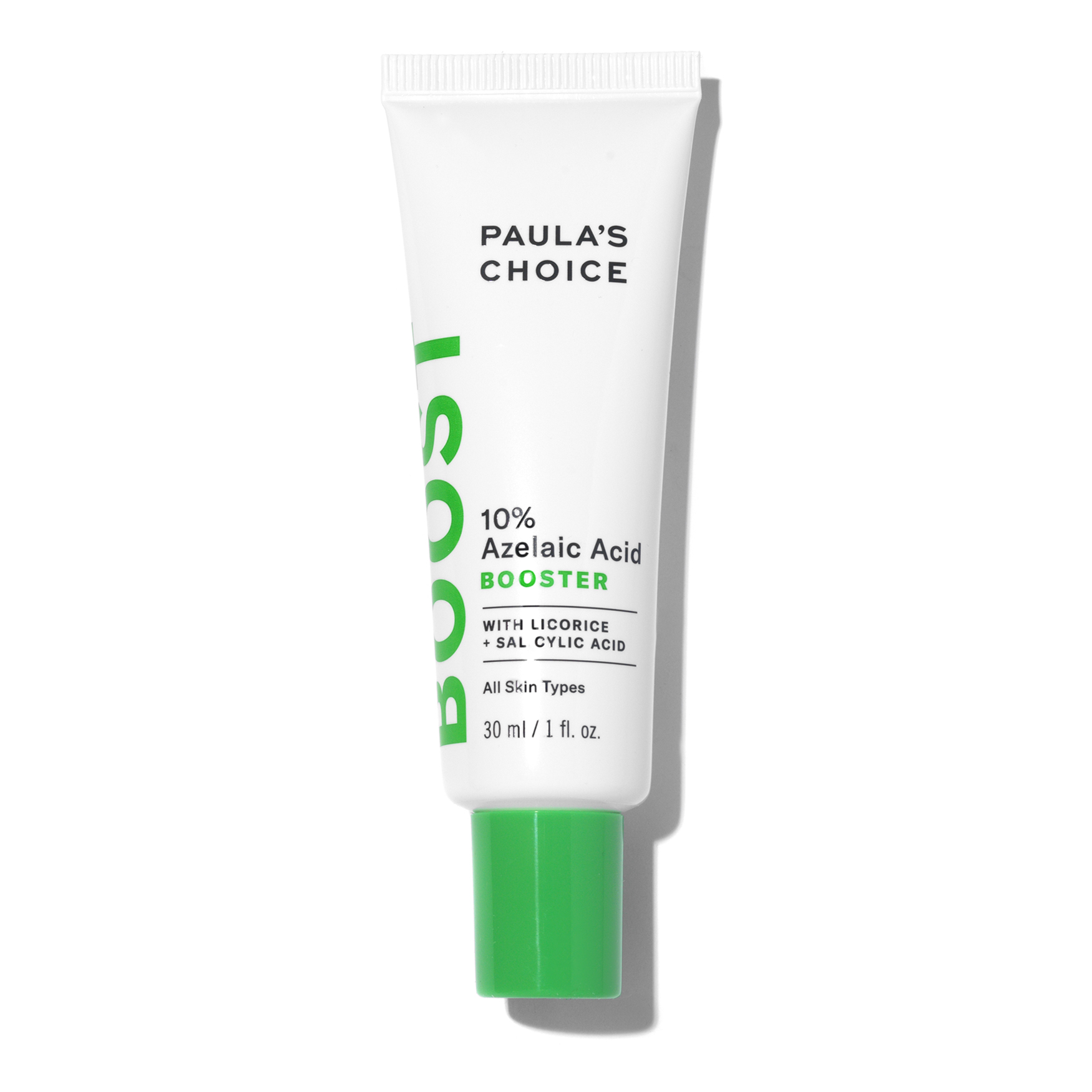
Key ingredients: azelaic acid 10%, salicylic acid, liquorice extract, allantoin
Rosacea-prone skin can be notoriously difficult to treat because many ingredients designed to improve texture or pigmentation can also trigger irritation. This is where azelaic acid really comes into its own, and this serum in particular is one of the formulas I frequently recommend for those looking to calm stubborn redness. Alongside 10% azelaic acid, it contains soothing allantoin and brightening ingredients that help address uneven tone and lingering marks without overwhelming the skin.
Pros
- Excellent option for redness and rosacea-prone skin
- Fragrance-free
- Suitable for sensitive skin types
Cons
- Silicone texture won’t appeal to everyone
- Can pill under some products
- Some users find the formula takes time to absorb
- Expensive price point for small size
6. Beauty Pie Happy Face 10% Azelaic Acid Skin-Clearing Gel-Cream
 Best for Sensitive Skin
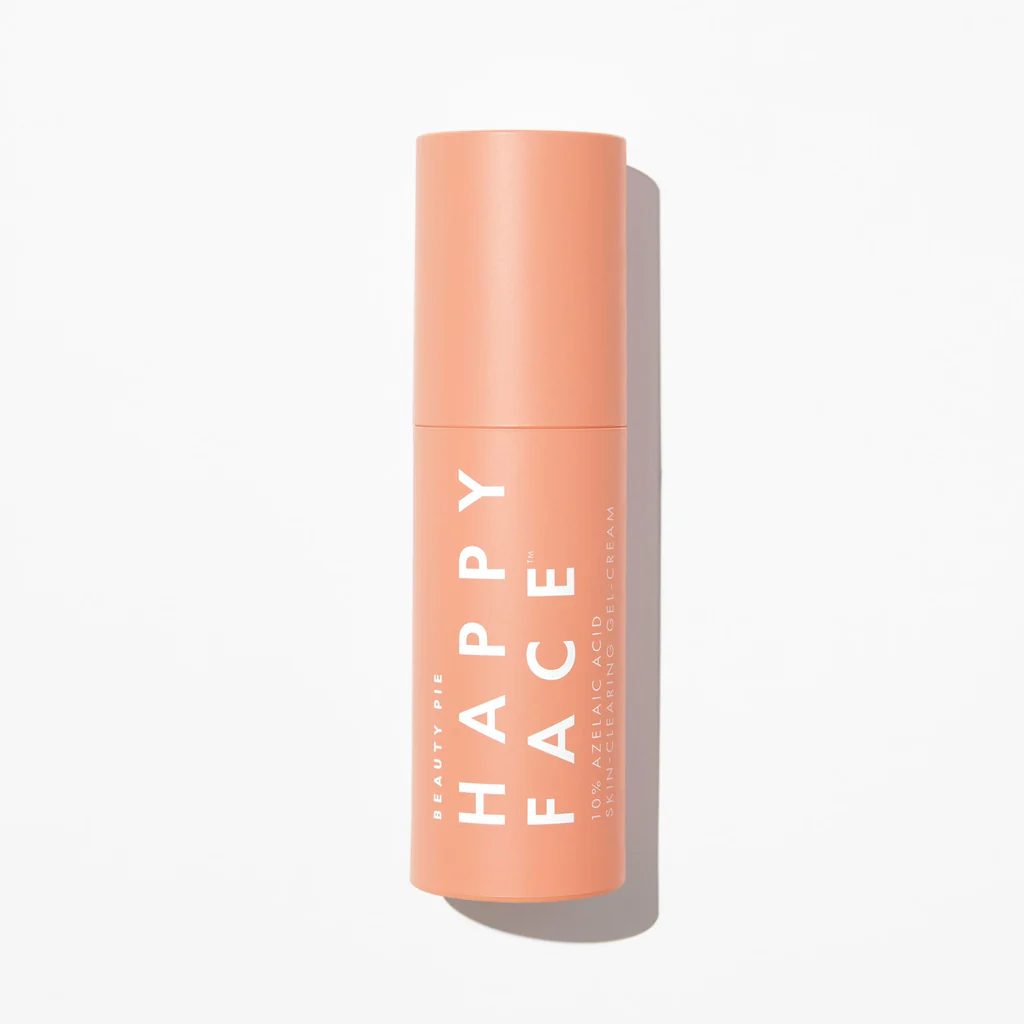
Key ingredients: azelaic acid 10%, niacinamide, panthenol, hyaluronic acid
Finding an active ingredient that genuinely improves your skin without causing irritation can feel like a never-ending search, particularly if you have a sensitive complexion. This soothing serum is one of the formulas I’d suggest to someone who wants the benefits of azelaic acid but doesn’t want a complicated routine full of potentially irritating actives. The gel-cream texture feels lightweight and calming—an extra relief for those who experience redness, congestion or breakouts.
Pros
- Gentle formula suitable for sensitive skin
- Good option for azelaic acid beginners
Cons
- Expensive price point for non-subscribers
- Results are gradual
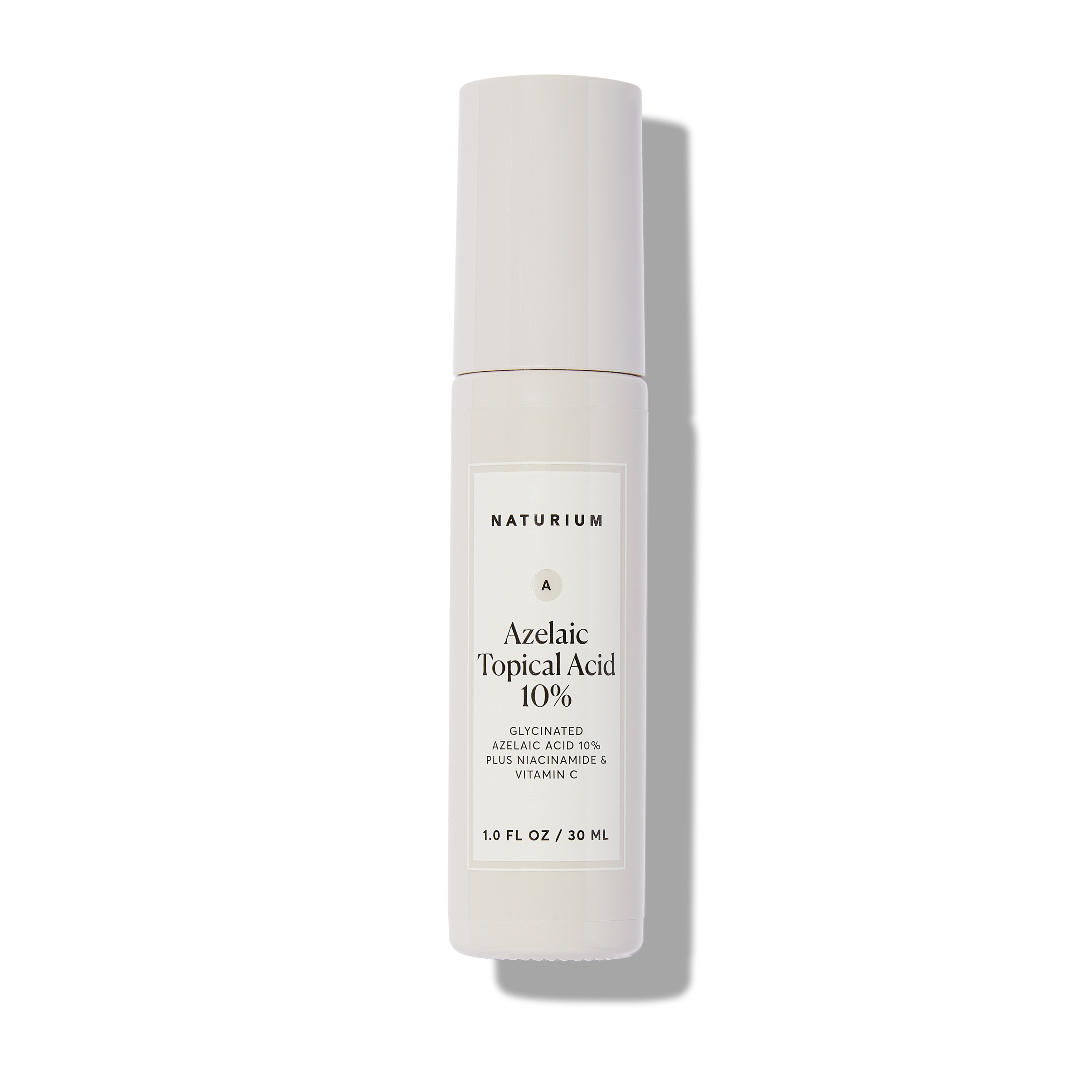
7. Naturium Azelaic Acid 10%
 Best for Dullness and Pigmentation
Key ingredients: azelaic acid 10%, niacinamide, vitamin C derivative, salicylic acid
When you think about brightening ingredients, vitamin C and exfoliating acids often spring to mind first, but azelaic acid has the unique ability to target uneven tone while also calming inflammation—which is particularly useful if your pigmentation is linked to breakouts or sensitivity. This formula contains 10% azelaic acid alongside a blend of complementary ingredients designed to support a more even-looking complexion. I particularly like this serum for anyone who feels caught between wanting to treat dark marks and wanting to keep their skin barrier happy. It works gradually, so it isn’t an “overnight results” type of product, but with consistent use it can help improve the appearance of post-acne marks, dullness and uneven tone.
Pros
- Excellent for post-acne marks and uneven tone
- Good option for sensitive skin that struggles with stronger exfoliants
- Affordable price point
Cons
- Results require consistency and patience
- Often sold out
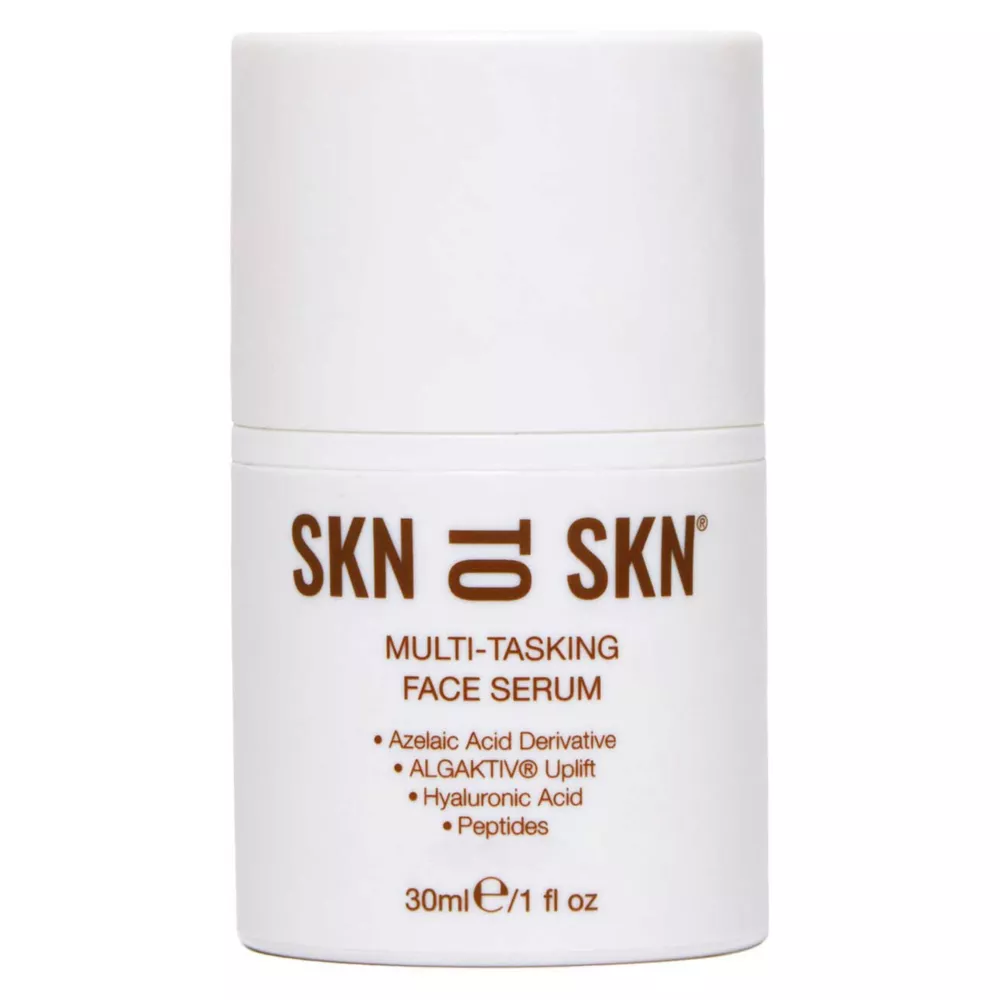
8. Skn to Skn Multi-Tasking Face Serum
 Best Azelaic Acid Serum for A Pregnancy-Safe Routine
Key ingredients: azelaic acid, niacinamide, hyaluronic acid, antioxidants, peptides
One of the reasons I love azelaic acid is because it’s one of those rare ingredients that can genuinely fit into almost anyone’s routine—including during pregnancy, when so many tried-and-tested skincare ingredients suddenly become off limits. Of course, you’ll want to discuss it with your doctor or dermatologist first, but this particular serum was created with this predicament in mind, offering a gentle approach to improving breakouts, redness and uneven skin tone without relying on ingredients such as retinoids. With that said, this serum can be used by anyone—I’d recommend it to anyone looking for a simple, supportive all-rounder serum.
Pros
- Pregnancy and breastfeeding-friendly alternative to retinoids
- Targets multiple concerns including redness, breakouts and pigmentation
- Gentle enough for sensitive skin
Cons
- Results are gradual rather than dramatic
- May not be enough alone for more severe acne
- Not widely available
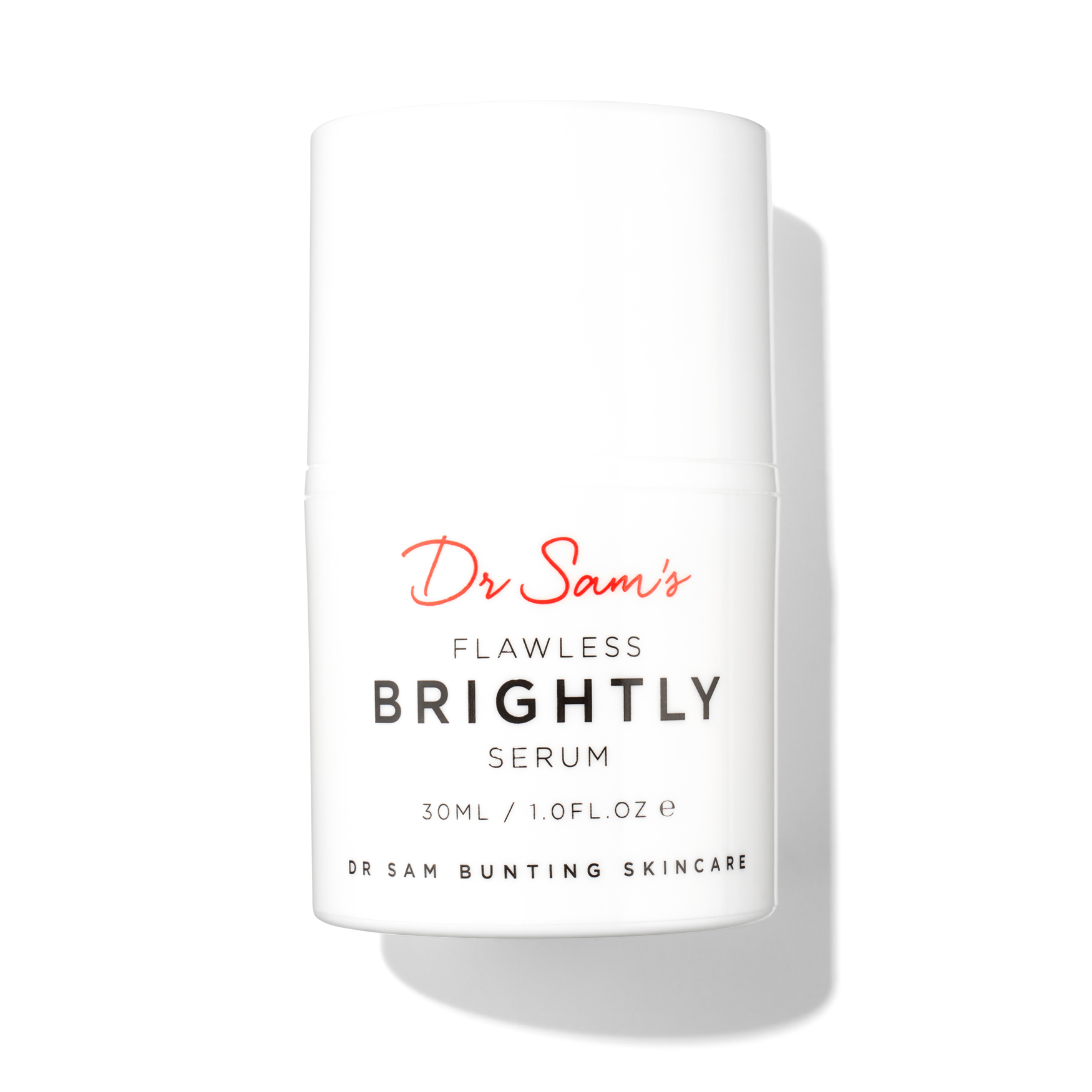
9. Dr Sam’s Flawless Brightly Serum
 Best Multitasking Azelaic Acid Serum
Key ingredients: azelaic acid, tranexamic acid, niacinamide, bakuchiol
Rather than flitting between separate products for redness, pigmentation, texture and breakouts, this formula combines several hardworking ingredients into one multi-tasking serum so you can address all of the above in one go. Alongside azelaic acid, it contains proven ingredients like niacinamide and tranexamic acid that help support a brighter, smoother and more even-looking complexion.
Pros
- Excellent multitasking formula
- Targets pigmentation, redness, and uneven texture
Cons
- Expensive price point
- Multiple active ingredients means it may require gradual introduction
How We Tested
To find the best azelaic acid serums, we assessed each formula based on its percentage of azelaic acid, supporting ingredients, texture, ease of application and suitability for different skin concerns. We considered products recommended by dermatologists, formulas with a variety of ingredient combinations and products that have built a loyal following among skincare users. We tested each product ourselves, but also analysed customer feedback to understand how each serum performs for multiple skin types and concerns, including its effectiveness, tolerability and any potential drawbacks.
Why Trust Us
At Who What Wear UK, we know that beauty isn’t one-size-fits-all. Our editors have tested thousands of products over the years—spanning skincare, makeup, hair and nails—and work closely with trusted experts, including dermatologists, makeup artists and leading industry insiders to ensure every guide is well-researched, inclusive and relevant to you.
We focus on formulas that deliver, whether they’re affordable favourites or luxury investments. Our product selection is based on tangible results, ingredient know-how and what we’d truly recommend to a friend.