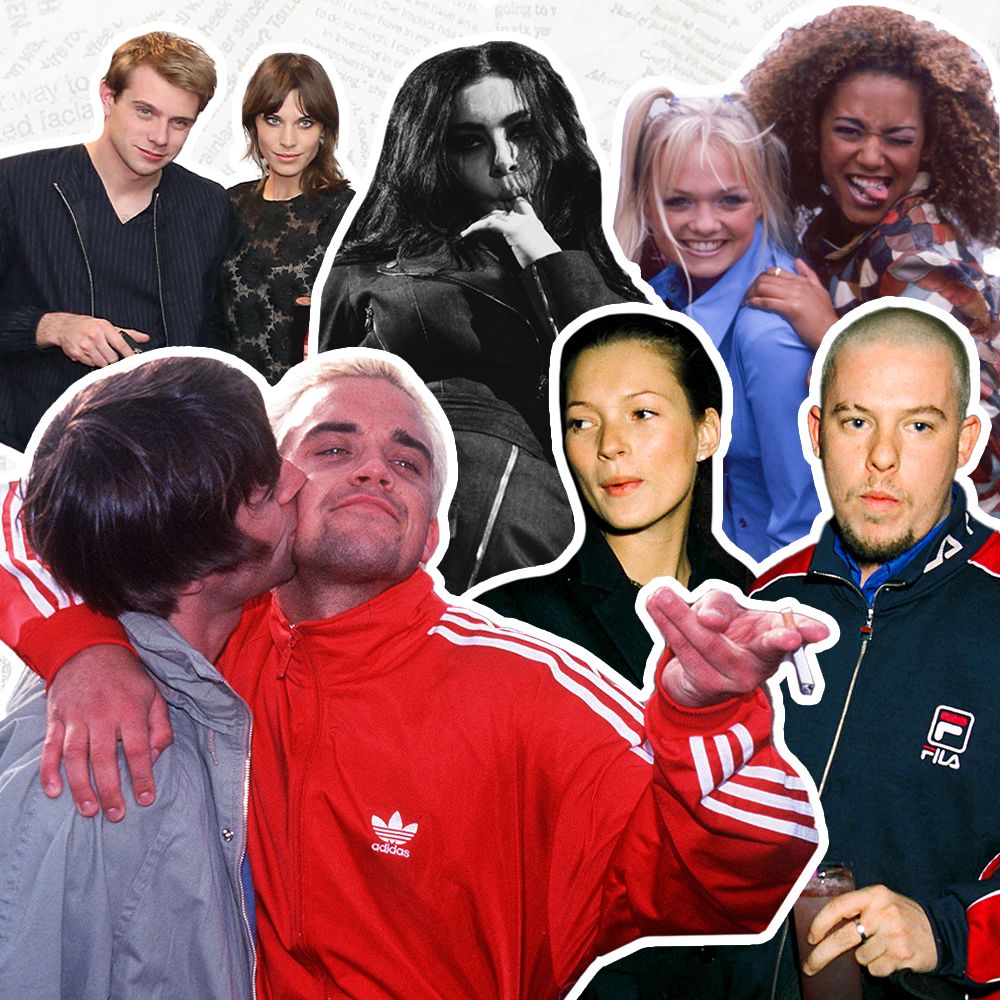
Scroll through any fashion-y Instagram account in 2026, and you’ll likely find it full of images from a bygone era. It started with the return of Y2K fashion staples (cue images of Britney Spears in hipster jeans and Jennifer Lopez in capris), but for a while now, noughties British pop culture has moved into frame. IG accounts dedicated to celebrating the best of British, like Brit Cult, Brit Pop Glory and Love of huns x, are taking us back with pictures of fresh-faced icons like Robbie Williams, Victoria Beckham, the Gallaghers and Lily Allen, but it’s not just online.
British culture, from high to low, is enjoying a moment—with the US tuning into UK Love Island (Lena Dunham was an early adopter) earlier this year, as well as London Falling, Patrick Redden Keefe’s story of a rich teenager’s death whilst living in a luxury Thames-side apartment, was quick to join the New York Times best-seller list. Britpop’s second wave is here, and after Oasis and Pulp filled stadiums last year, Elastica, the cool-girl band of the era, might well be touring again soon.
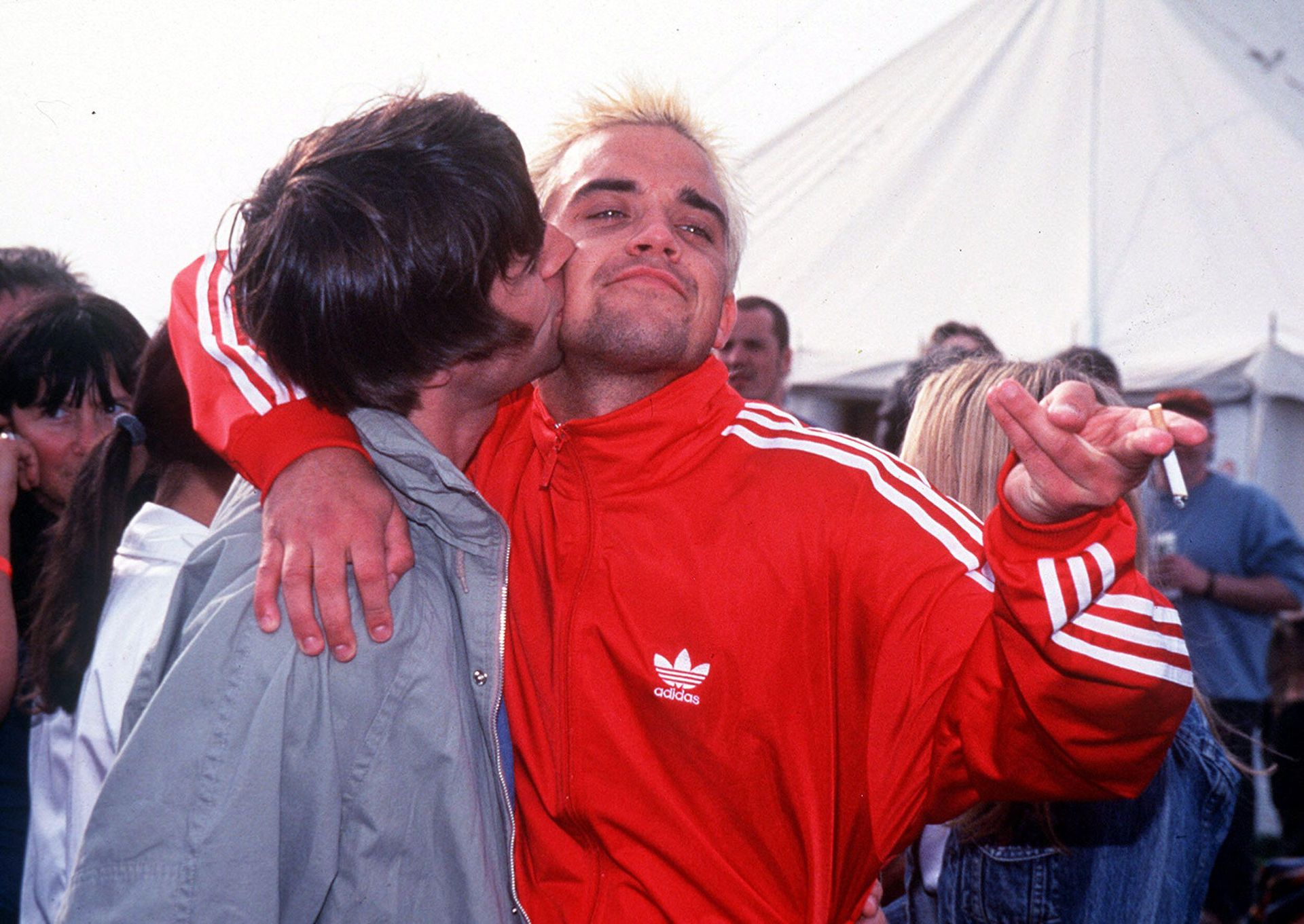
At this summer’s FIFA World Cup, the noughties were everywhere. Robbie Williams performed, and the WAGs of the England team (last seen in force when it was VB and co during the 2006 tournament) were very much back, now featuring Bukayo Saka’s fiancée Tolami Benson and Ashlyn Castro, Jude Bellingham’s girlfriend, and we expect to them again at London Fashion Week.
Meanwhile, Cara Delevingne, the face (and eyebrows) of the ‘00s, is releasing new music and has a Topshop collaboration that just dropped. After focusing on everyone from French women to West Village Girls in recent years, is our style now moving a little closer to home?
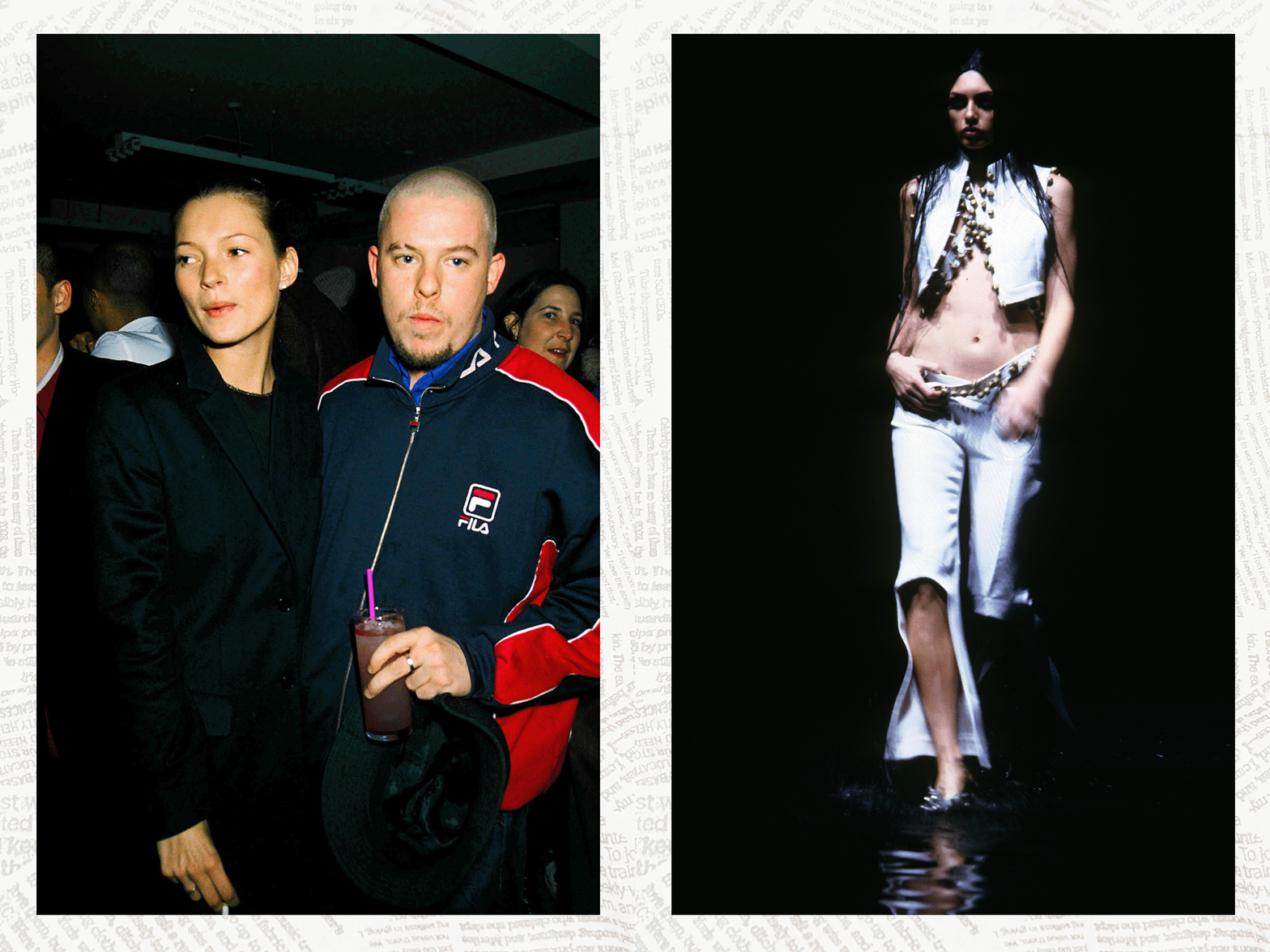
Mark Knox began Brit Cult in 2018 with a picture of Williams, no less. Eight years later, he has 140k followers, people who love the account for images of celebrities including Kate Moss, Madonna and Beckham in their younger days, as well as deeper cuts including Sara Cox, McFly and Misteeq. He has a fairly wide remit for posts, spanning from 1990 to 2009, but those in the latter part of this era tend to be the most popular. “Early 2000s fashion is very ‘in’, so people love seeing those sorts of images, although I’m noticing that there is a slight shift to later on in the 2000s,” he says.
Part of this is obviously nostalgia. Knox is 36, looking back on the formative period of his life as a teenager around 20 years ago. It seems a lot of us enjoy doing the same. But (crucially), he says that Brit Cult isn’t just a “remember when?” love-in. In fact, some of the users looking at these posts are seeing the images with fresh eyes. “The demographics over the past couple of years have become younger. There are a lot more people who are interested in looking back at a time they don’t remember.”
The Gen Z and Gen Alpha cohort, it might be a window into pre-internet life. “There was more of a monoculture [then]which I think people actually long for,” says Knox. “Looking back and going ‘Everyone was into this, everyone was watching that, everyone was wearing this’, it seems like something that would be welcomed now, but it would be almost impossible to do.”
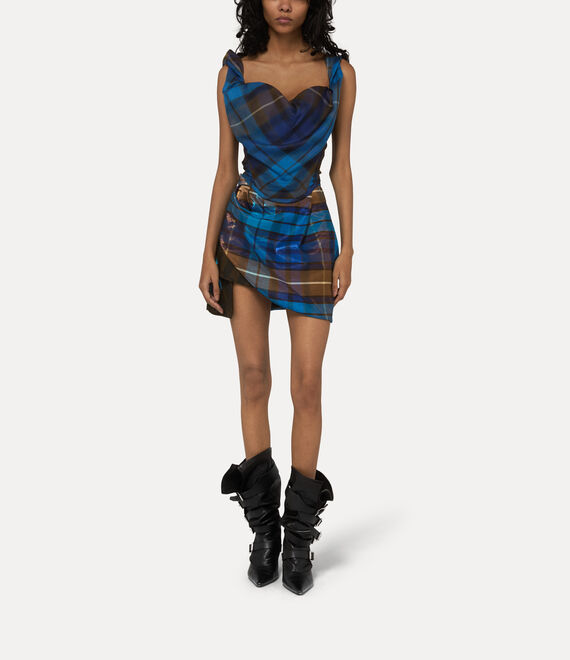
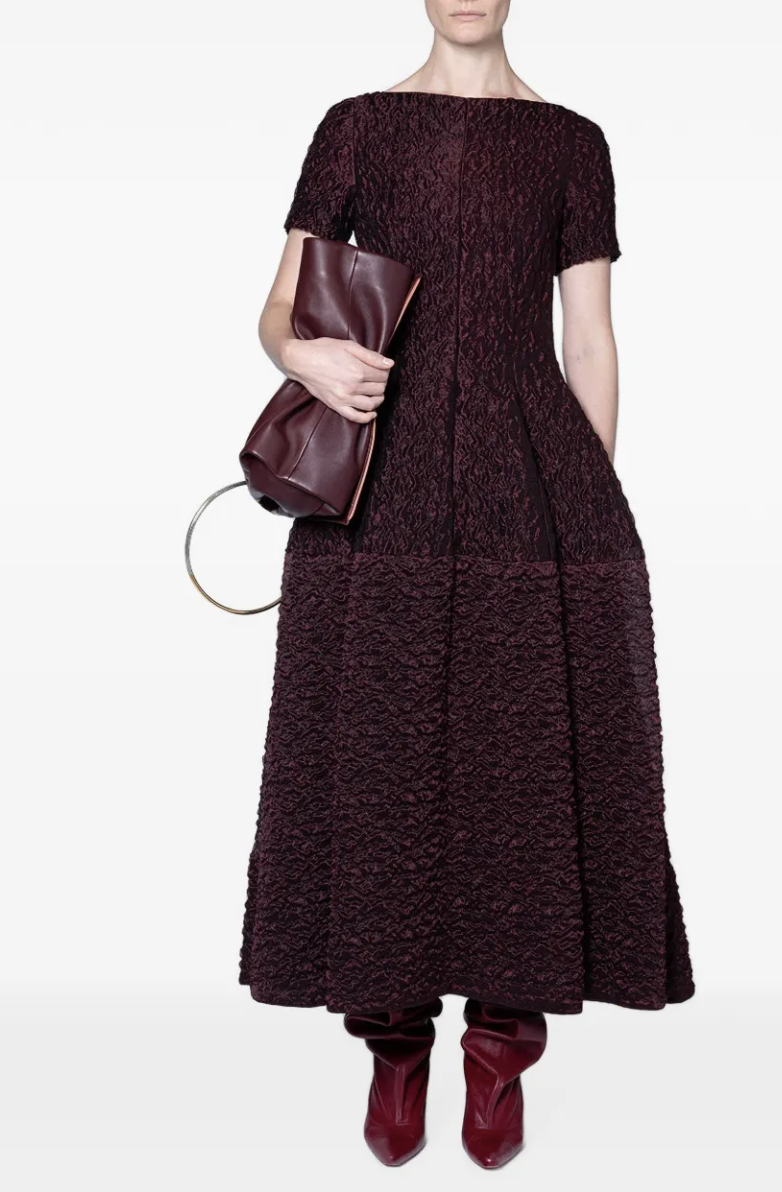
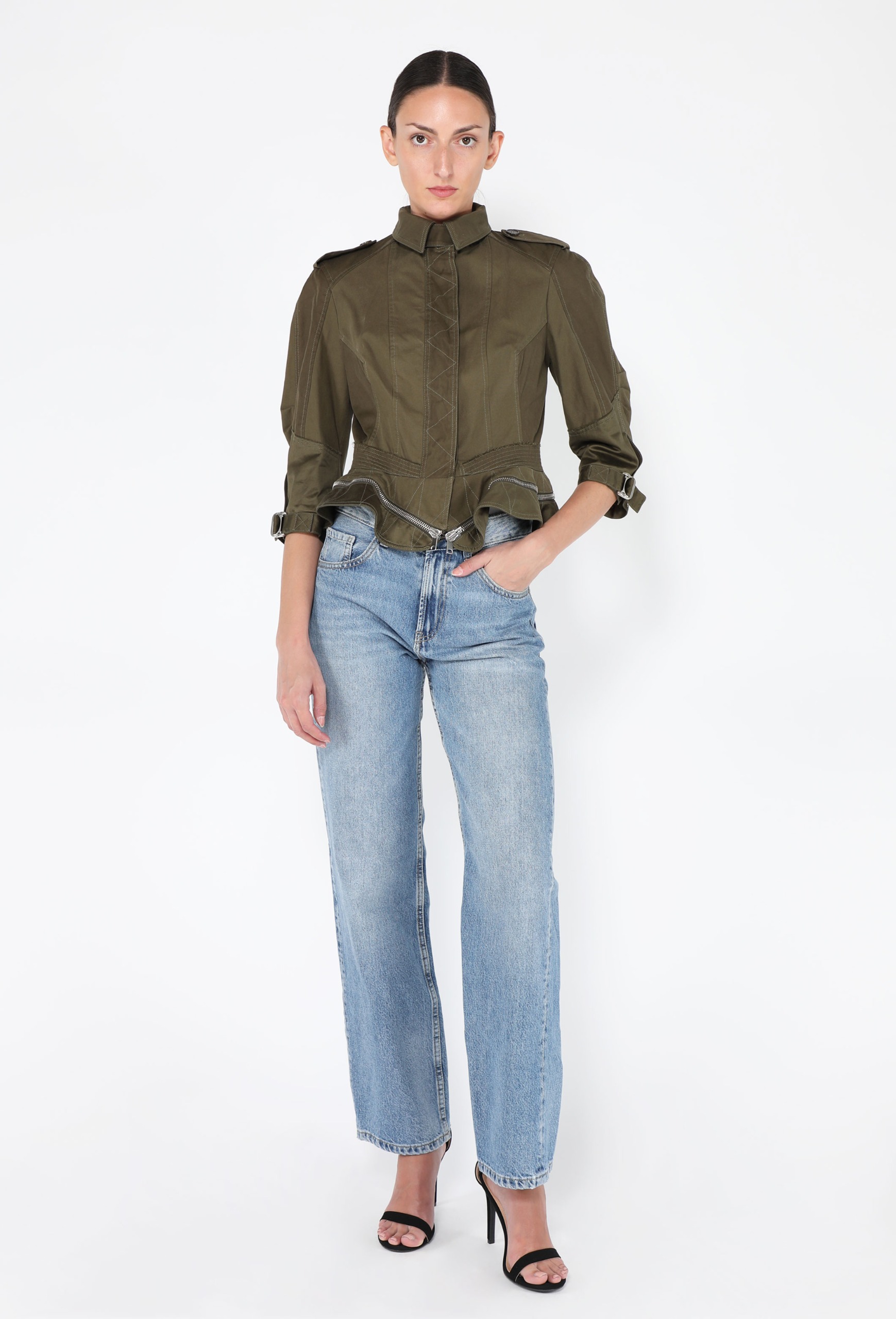
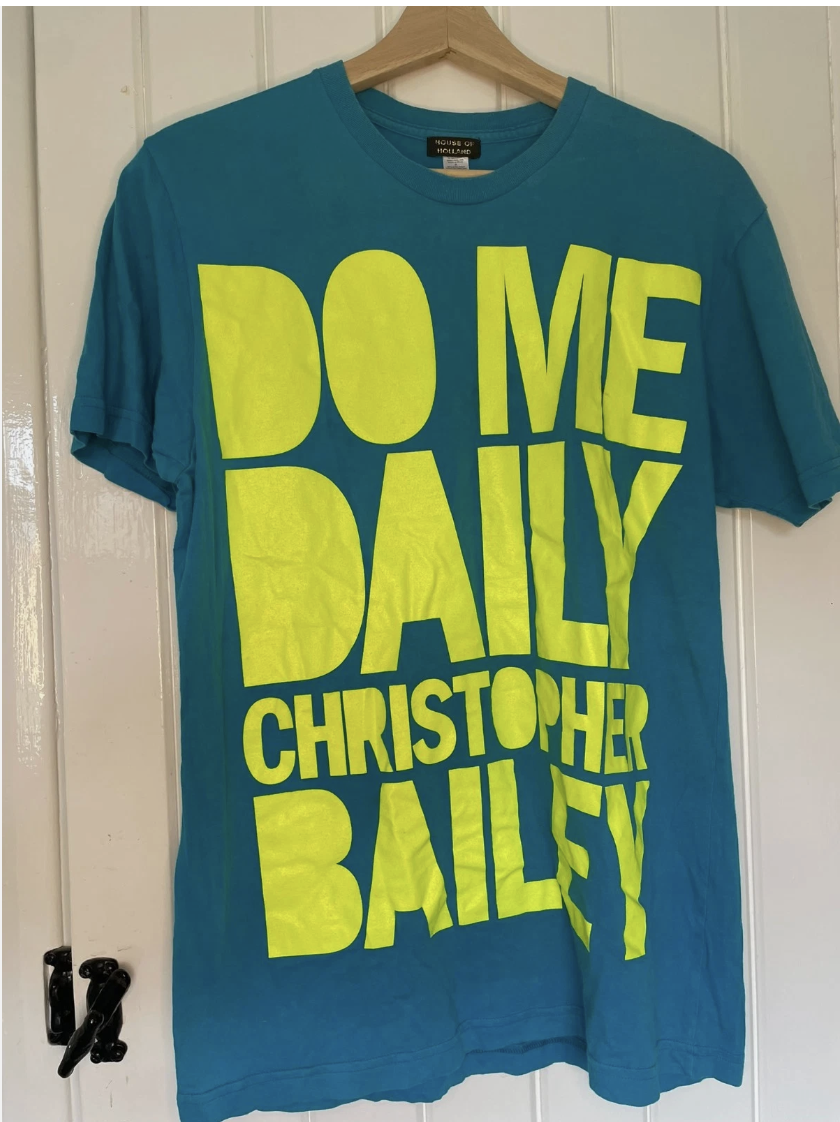
And then there’s the best bit: noughties UK fashion. Burberry’s classic Nova Check (please look up EastEnders’ Daniella Westbrook wearing it head to toe if you’ve never seen this picture) is back, and the bikini has been spotted on stylish sun loungers this summer. On the high street, Topshop (that rite-of-passage destination for basically every millennial woman) is back after a hiatus, and London Fashion Week designer Aaron Esh is relaunching the era’s go-to brand for grey skinny jeans—Allsaints—this September.
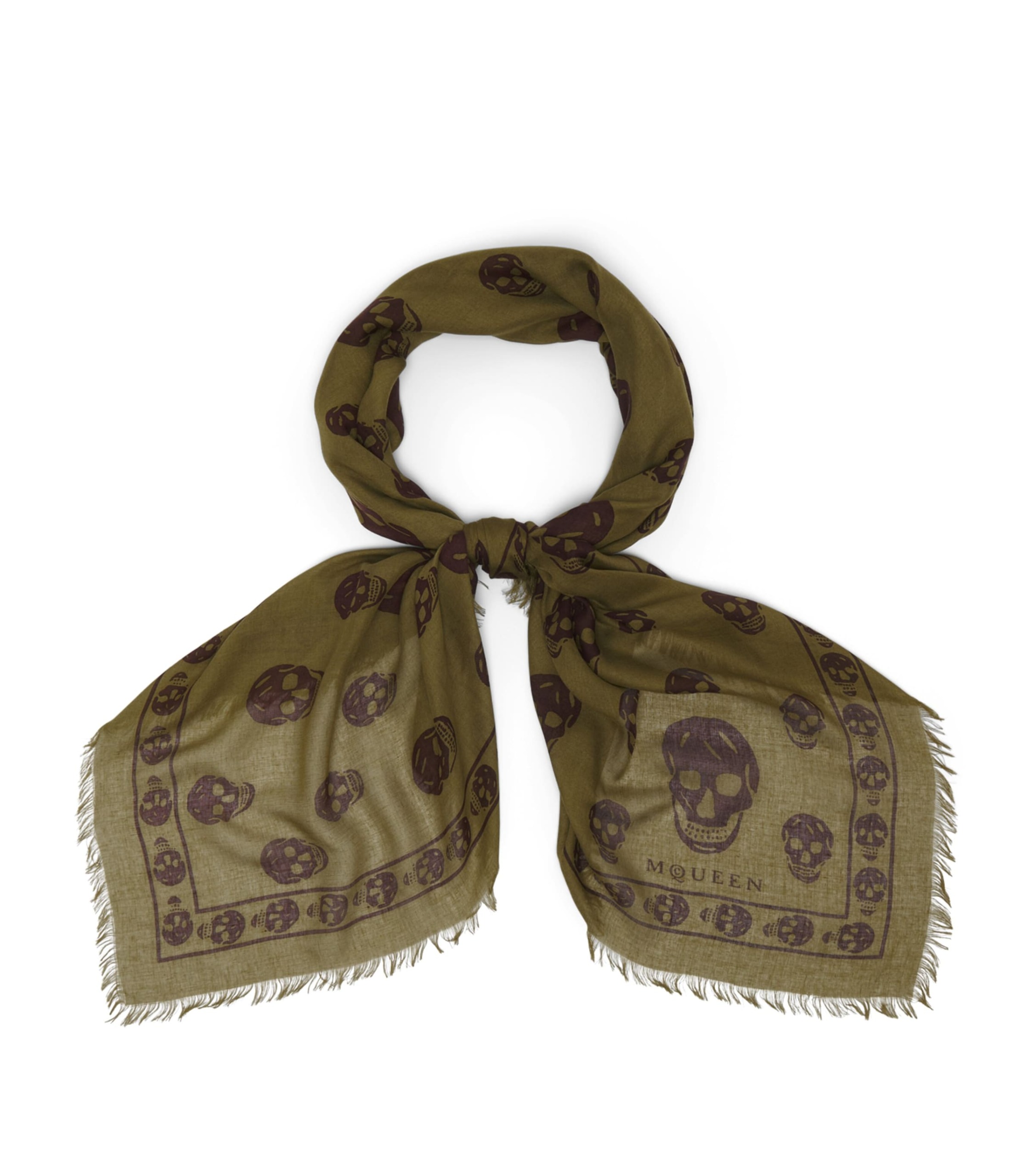
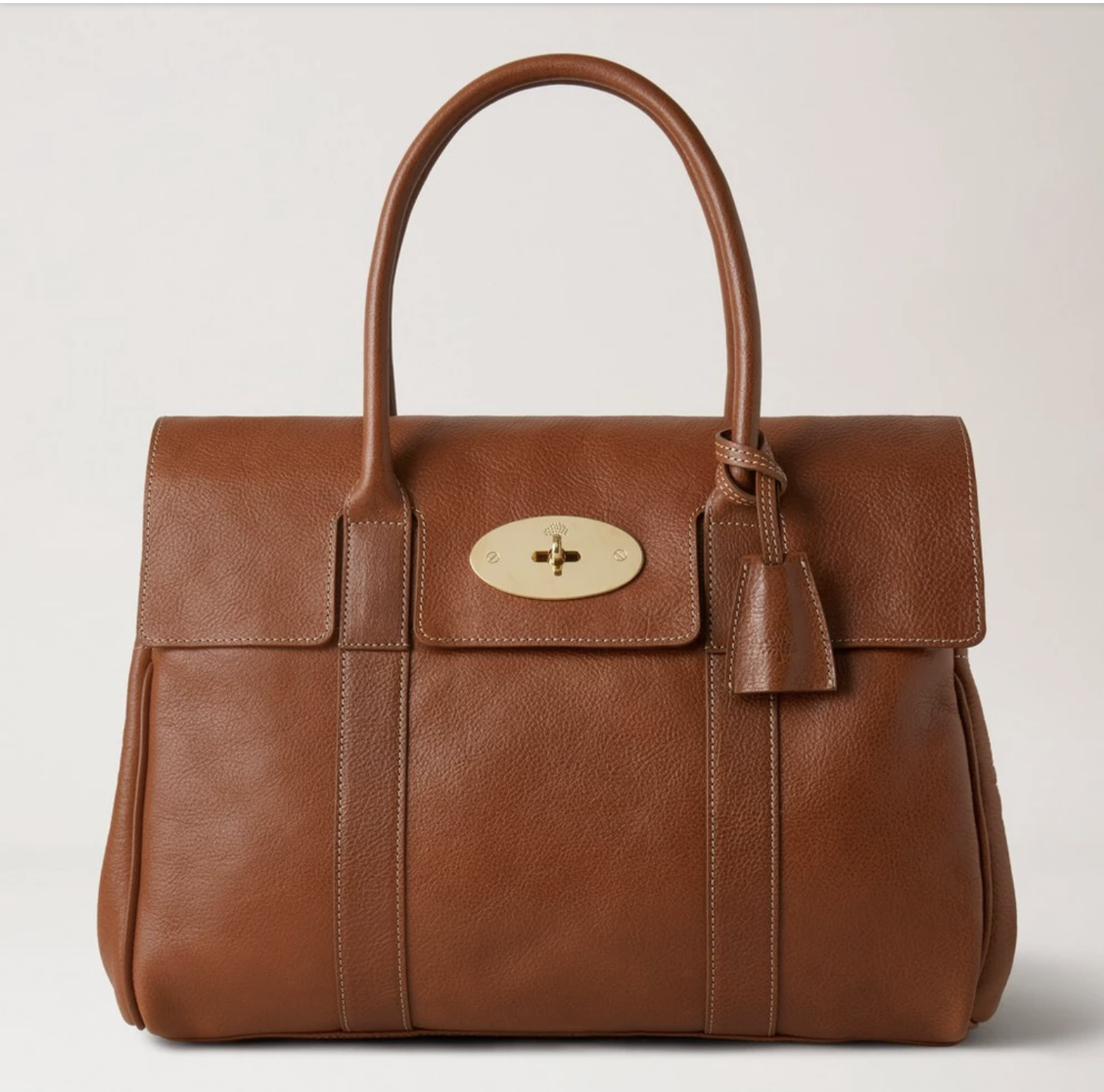
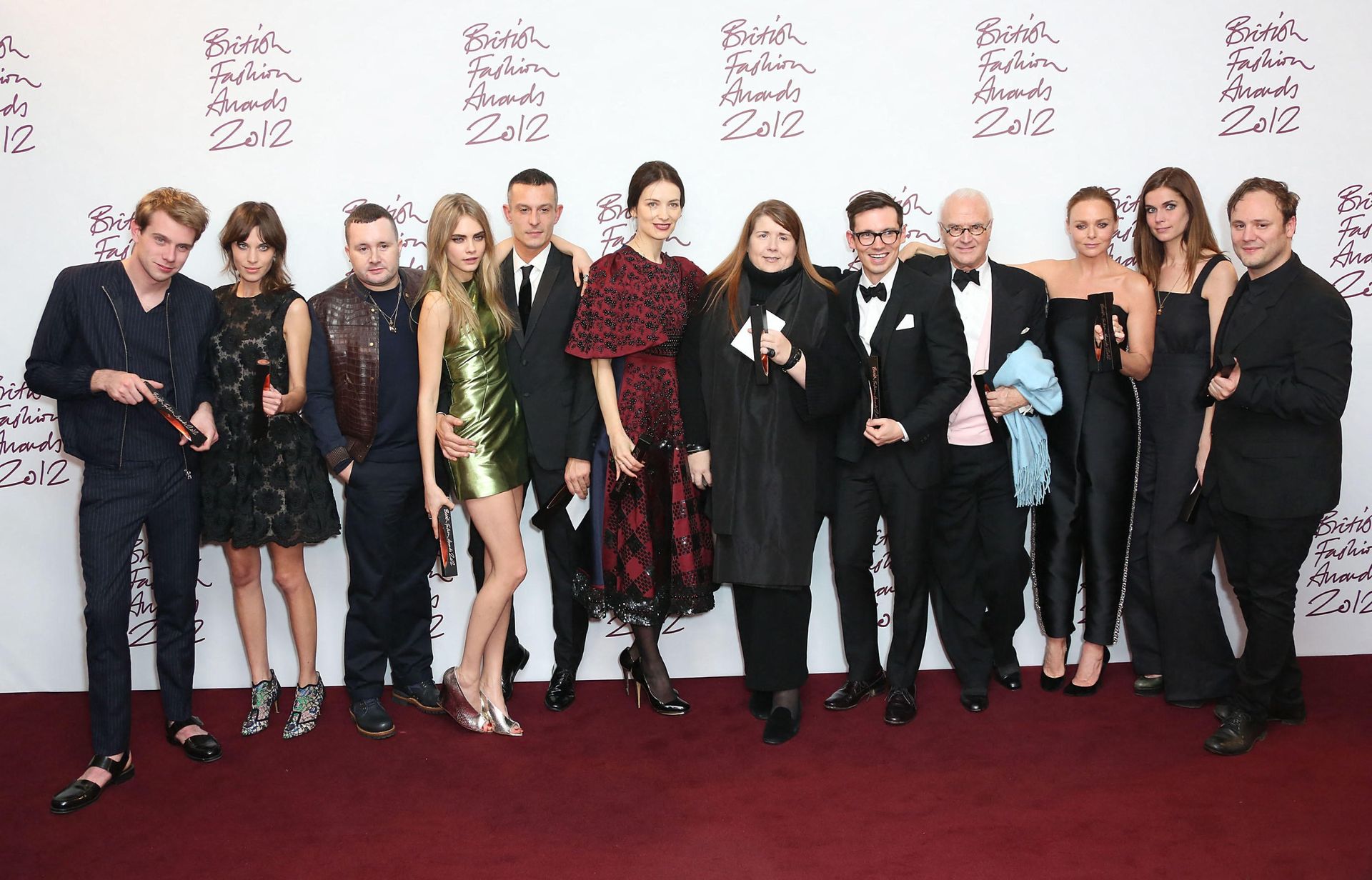
Talking of London Fashion Week, some may say the noughties were its last golden age, when it was dominated by designers such as Erdem, Jonathan Saunders, Roksanda and Christopher Kane. Happily, 20-odd years later, there’s excitement around the London shows again, thanks to the British Fashion Council’s new CEO, Laura Weir, who is focused on supporting new talent and giving space to the names based here. This September, a new cohort of young designers are being backed by BFC Newgen sponsorship, including Johanna Parv, Petra Fagerstrom and Yaku, whilst McQueen is back on the schedule for the first time since 2023 and Kane has taken the reins at Mulberry, after three years away from fashion.
Harriet Quick was fashion features editor at British Vogue during the noughties. She describes it as a “very vivid and vibrant” time, partly because culture was central to fashion after the creative explosion of the nineties, and also because designers had distinct points of view. “Although their sentiments [were similar], their design language was radically different from one another,” she explains. “They were really quite irreverent; people with a lot of energy, rather like the generation before.”
Quick is impressed by how many of the era’s key names remain at the top of fashion now, from Jonathan Anderson at Dior to Kane at Mulberry and Saunders, recently named creative director at Kate Spade, along with Erdem and Roksanda as must-sees on the LFW schedule, and Martine Rose remaining one of the most-loved British brands. “I do think there’s a longevity there, and it’s through persistence,” she says, adding, “Jonathan Saunders [for example]has got such a clear focus. He understands brands really well.”
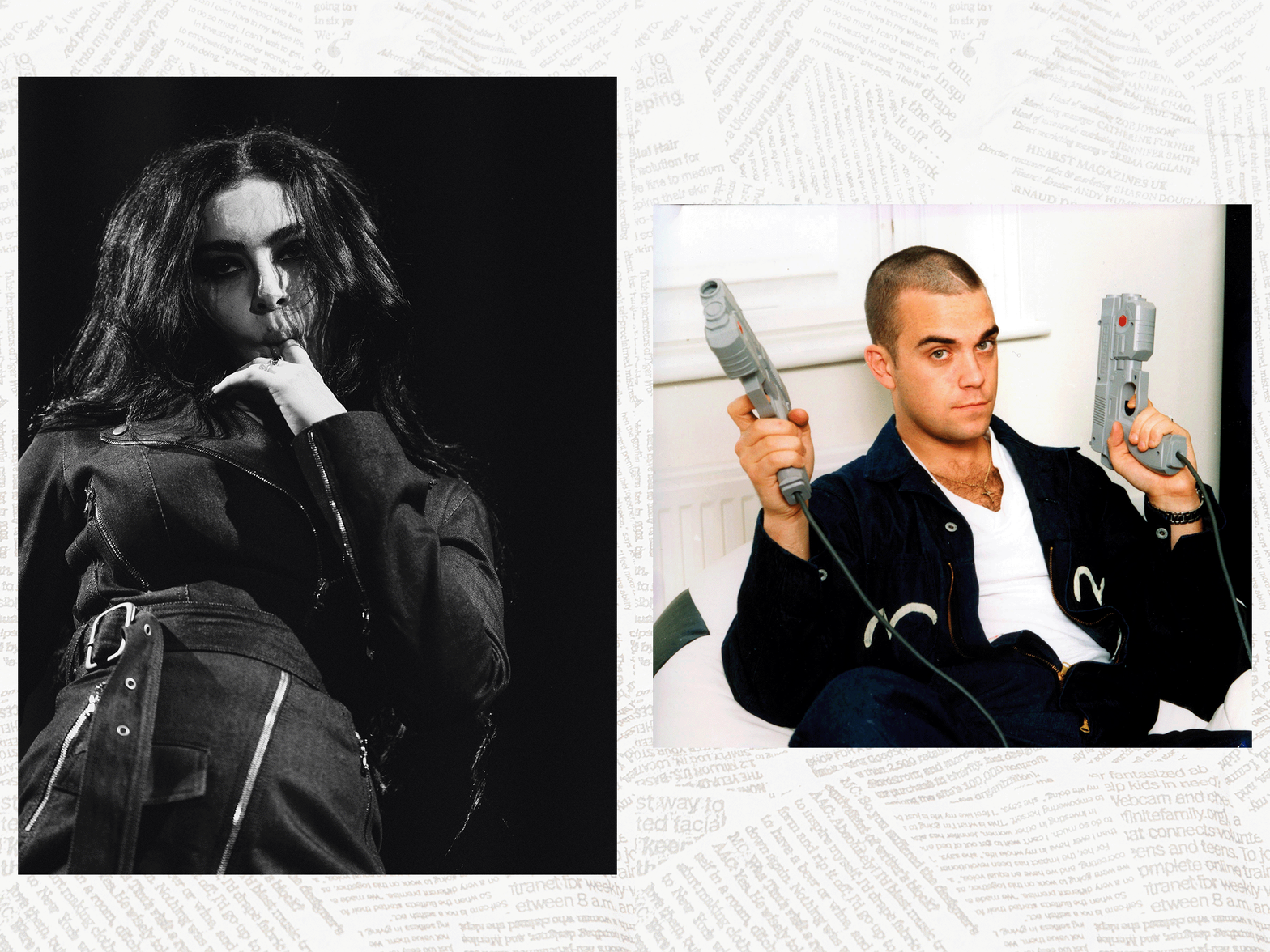
Arguably, as the nineties influenced the noughties cohort, the 2020s creatives are somewhat walking the path laid out by those who came before them—even if there’s been a slight delay. Knox says he sees reverberations from this era—whether in Charli XCX, who echoes the messy but fun rock-and-roll spirit of someone like Robbie Williams in his noughties pomp, or the return of skinny jeans to the runways. “I always try to help people see a line between what’s happening now and what [happened]then, he says. “You can tell in the comments [on his Instagram posts]that some people appreciate the commentary around how things connect.”
Ultimately, Knox hopes that harking back to this era—one that wasn’t dominated by “online”—could spell something good going forward. “If it wasn’t better [then], it was definitely more optimistic,” he says. “Things can seem a lot more doom and gloom now. If [younger people]are all relating to and loving the positivity of the past, hopefully they can carry that into the future.”
Shop the Best of British Right Now