As a beauty editor, I am forever amazed at the emerging technologies within the aesthetics industry. This year, the UK aesthetics market grew by 8%, but you don’t have to work within the industry to witness the growth. More so than ever, I’m being asked by friends and colleagues about trending treatments, getting Botox for the first time and even whether polynucleotides are worth it. In short, interest in treatments is booming.
I’ve been lucky enough to try several new treatments myself, and even attend some aesthetics conferences this year to see and learn about the emerging treatments first-hand. However, to find out what the most popular treatments of 2026 really are, I asked two of London’s top clinics to share the trending and most popular treatments that their clients are booking for right now. From emerging tech from Korea to combination protocols, these are the treatments that leading clinics are offering, and those in the know are booking in for during 2026 and beyond.
1. Biostimulators
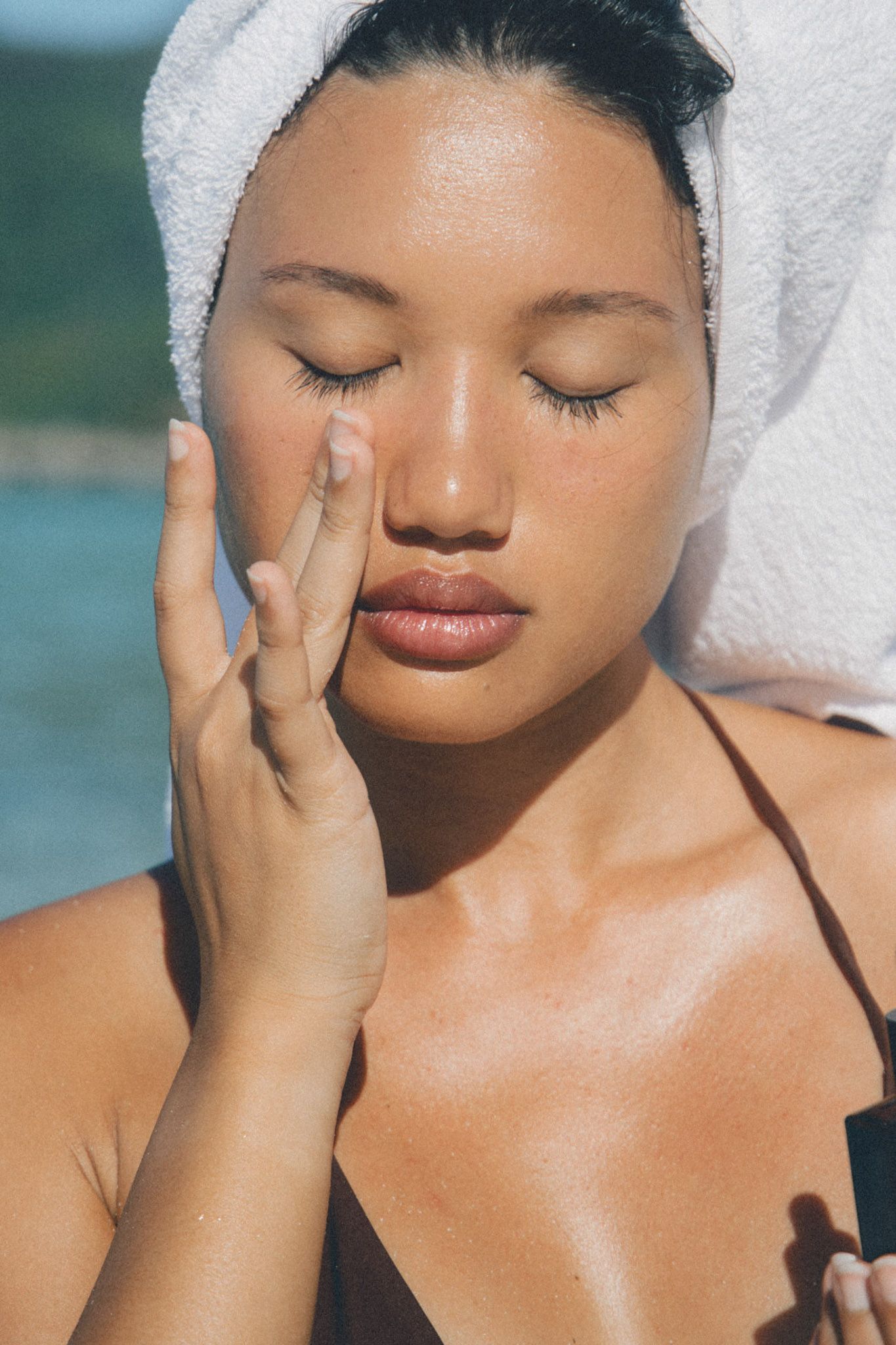
Biostimulators are a huge trend within the aesthetics space right now, and they’re proving popular in-clinic. “In my own clinic and industry-wide, we have seen a big switch towards biostimulatory injectables. These are injectable products that trigger an action within our own body to stimulate our own biological mechanisms, namely collagen and elastin production. They take time but are worth the wait,” says Eleanor Hartley, CEO and medical director of Hart Medical. “We’re moving away from the quick fix of dermal filler to a slow and steady approach focused on building your own collagen and improving the density of skin and subcutaneous tissues,” she says.
Hartley tells me that Sculptra is one of the most popular biostimulators. “Sculptra remains the reference treatment, rebuilding collagen scaffolding over months, with the longest clinical track record and high safety profile,” she says. “It creates a favourable amount of volume, but mostly the skin feels tight, dense and soft tissues are supported. Think hollow temples gently volumised, brows and upper face supported, nasolabial folds softened and jawline snatched. Having been FDA approved for certain areas of the body, I suspect we will see a lot more of Sculptra face down in the coming months—think necks, décolletage, hands and even arms and knees,” says Hartley.
Additionally, she tells me that Juläine has been a popular newcomer for 2026. “The PLLA biostimulator from Swedish company Nordberg Medical uses a microsphere technology, positioned as a skin-focused collagen stimulator for pan-facial skin improvement,” she says. “The data says results can last anything from 2-5 years, but only time will tell! So far, results are sophisticated, subtle, natural, and mostly undetectable to those wondering why you look so good.”
Dr Ahmed El Muntasar, GP, aesthetics doctor and owner of The Aesthetics Doctor, has also been offering biostimulators in his clinic, and often combining them with other treatment protocols. “Increasingly, we’re also combining treatments such as Sculptra with energy-based devices to address both skin quality and underlying structural ageing,” he says. “The overarching trend for 2026 is a move towards subtle, regenerative aesthetics. Patients aren’t necessarily asking to change their features; they’re asking to look like the best version of themselves. That means restoring facial balance where appropriate, stimulating collagen and improving skin quality and firmness — often using several complementary modalities rather than relying on one treatment to do everything.”
2. Skin Boosters
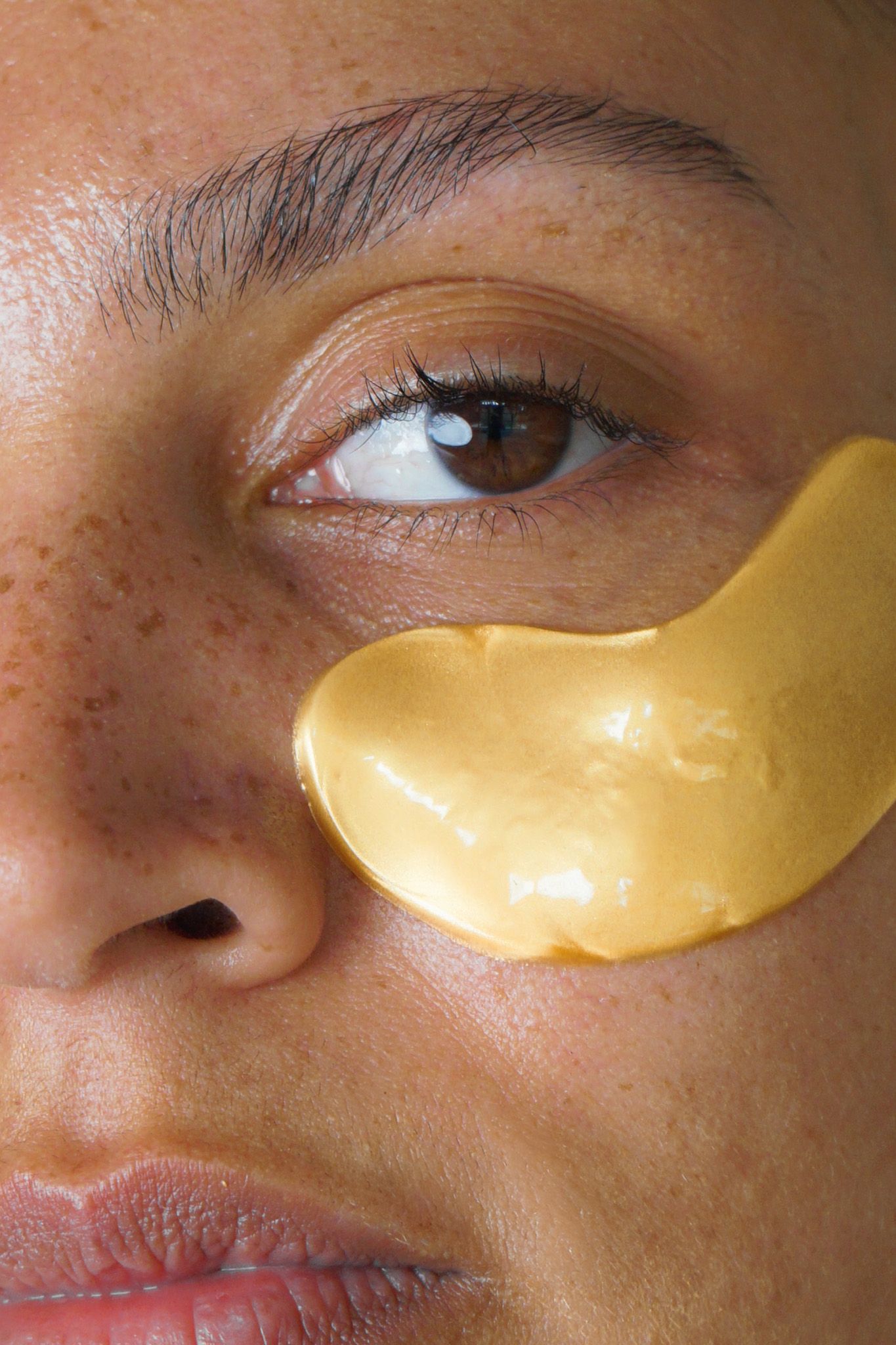
Similarly, skin boosters are also gaining traction in 2026. Rather than building volume like biostimulators, they instead work to improve skin quality. “Skin boosters are a generic term, but essentially it’s anything we can inject that improves the look and feel of the skin. Some do have longer-term collagen stimulation, and others focus more on instant hydration and glow,” says Hartley. “I’ve now created a wide category for ‘Skin Boosters’ since there are so many on the market and each of them does different things. So I’ll select the product pairing to match the patient’s biggest skin needs,” she says.
“Celora Vita by DermaFocus is an amino acid-based skin booster that delivers the essential building blocks your skin needs to build proteins (namely collagen and elastin); it’s also intensely hydrating with an instant boost of hyaluronic acid for good measure while your skin gets to work with the amino acids repairing and rebuilding,” says Hartley, who also notes “Baby Glow” as another trending treatment, which is a particularly popular wedding beauty treatment. “Teoxane Redensity 1 had a glow-up in 2026 with the marketing of a new injection technique coined ‘Baby Glow’; a beautiful blend of amino acids, antioxidants and hyaluronic acid gives an almost instant refresh, hydration and glow to the skin. This is a big win, especially with the brides,” she says.
3. Radiofrequency

Whilst radiofrequency isn’t a new treatment, clinics have noted its improved technology for more targeted results. “This is no means a new concept, and RF had a villain arc when we realised badly done RF could ‘burn’ subcutaneous fat (this is the facial fat we need to keep us looking young). But the newest technologies have refined the delivery of energy to target specific depths for more superficial skin tightening and collagen remodelling, or a tightening of the deeper layers known as the SMAS,” says Hartley.
“Exion by BTL uses radiofrequency and ultrasound to support tissue remodelling and skin tightening; this has been huge in clinic for both face and body, delivering an almost immediate lift and tighten followed by longer-term collagen remodelling,” says Hartley. “There’s some exciting new tech coming from Korea, so I expect we will be flooded with new energy-based devices over the coming years.” Keep your eyes peeled for people talking about XERF, a Korean radiofrequency treatment hitting UK shores imminently.
4. Laser Stacking
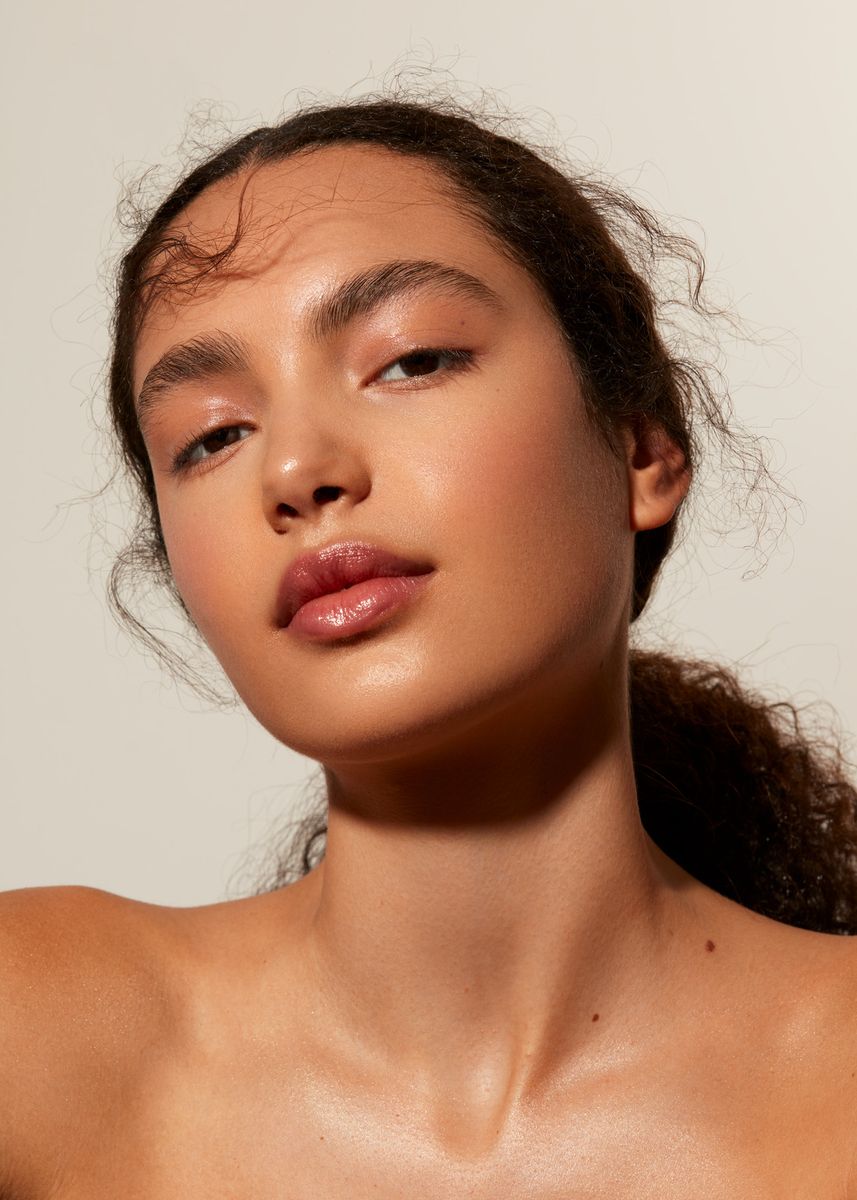
There are several different laser treatments out there, but the pioneering clinics are “stacking” different laser treatments in order to tailor treatments to achieve optimum results for their clients. “In 2026, we launched the Hart Ritual subscription for clients who know that little and often keeps the skin in a constant state of clarity, tone and density,” says Hartley. Having visited Hart Medical for laser stacking treatments, I can vouch first-hand for how well it’s helped to calm down my rosacea and acne.
“Cycling gentle non-ablative lasers every 4-6 weeks prevents inflammatory conditions, hyperpigmentation and skin ageing. Recent studies have even demonstrated that certain wavelengths can actually change your epigenetics, upregulating the pro-restorative signals and downregulating DNA damage,” she says. “I’ve seen a shift to skin health as the primary focus this year in clinic, in contrast to the outdated drive for ‘anti-ageing’ treatments.”
5. RF Microneedling
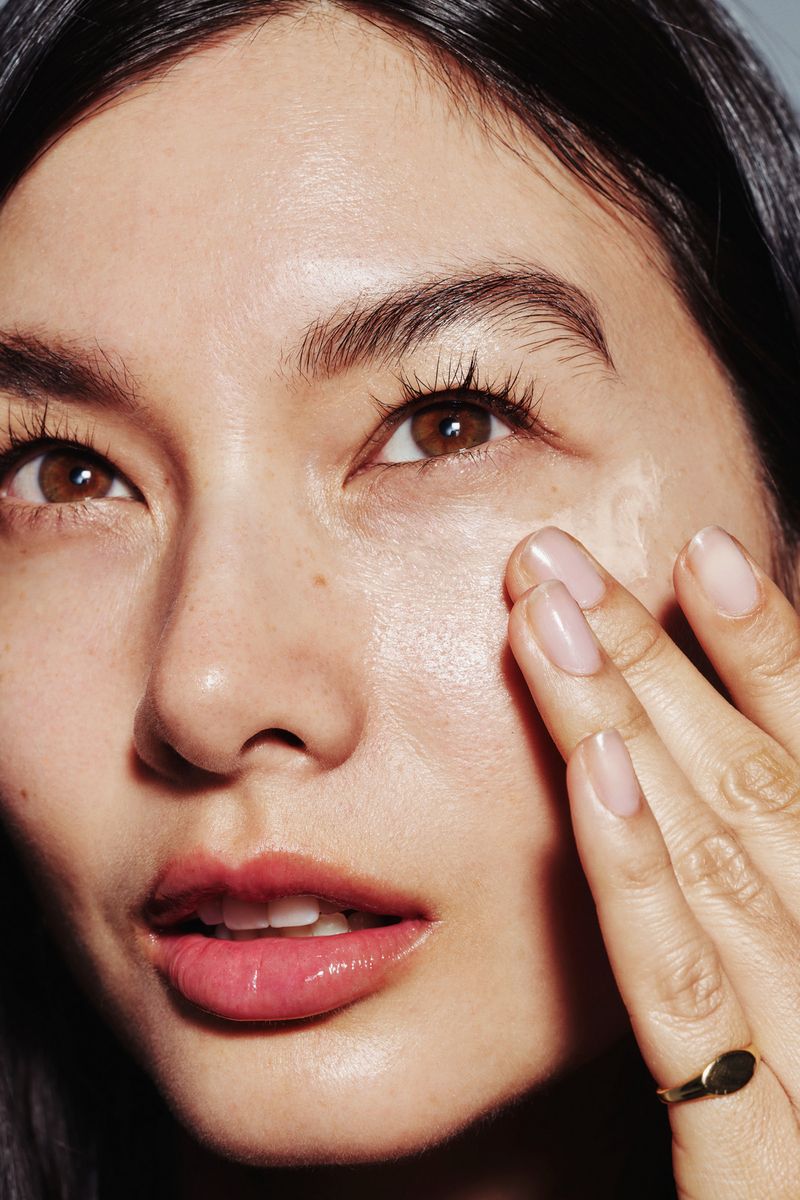
Alongside radiofrequency, radiofrequency microneedling is also having a resurgence once again. “RF microneedling has evolved significantly, and Matrix Pro is a good example of where the technology is heading,” says Dr Ahmed.
“It combines microneedling with radiofrequency energy to create controlled stimulation within the skin, encouraging collagen remodelling. We use it for concerns including texture, pores, acne scarring, fine lines and skin laxity,” he says. “The trend towards treatments like this reflects a wider move towards improving the structure and quality of the skin rather than relying solely on injectables.”
6. Facial Harmonisation
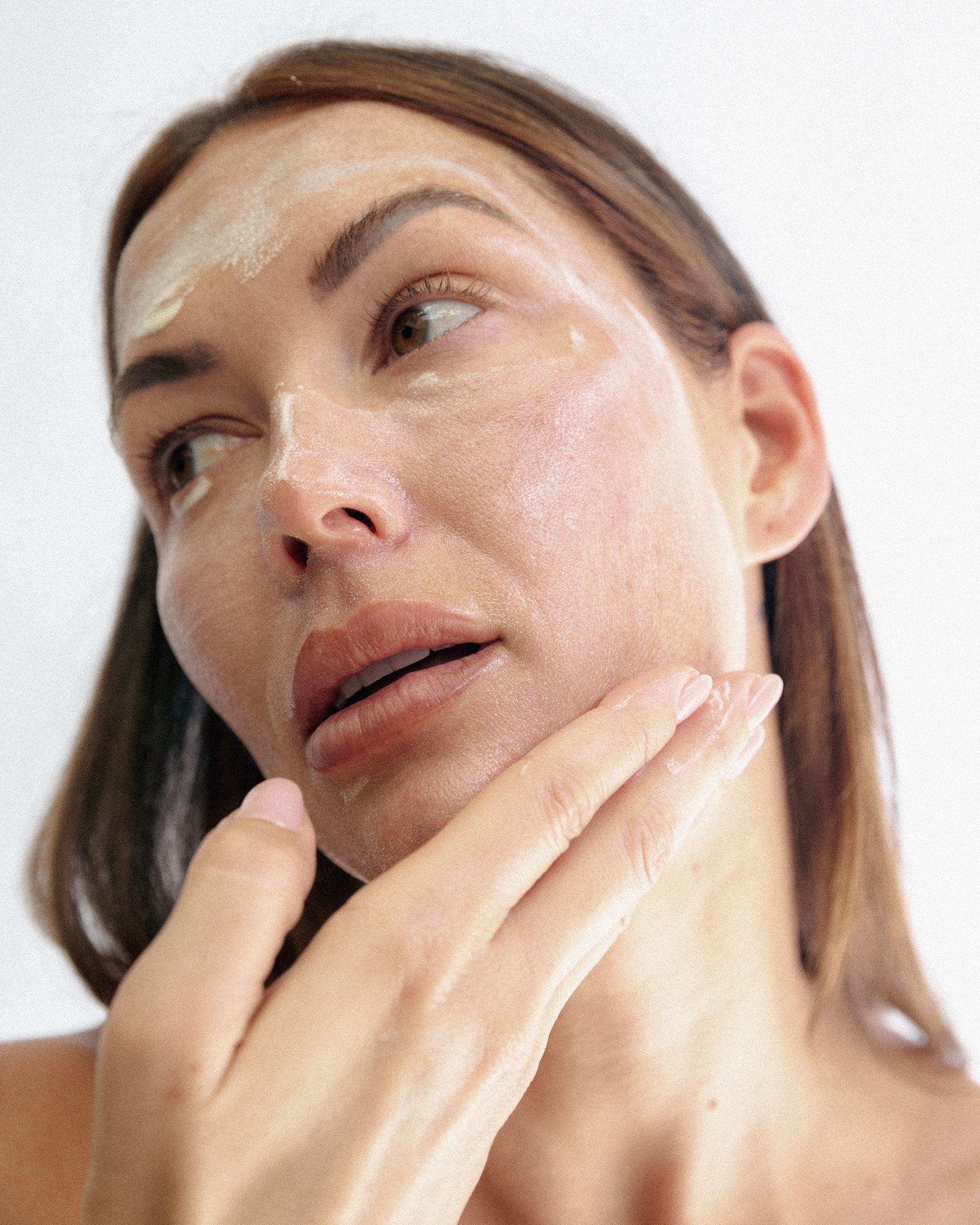
Whilst biostimulators are gaining traction, dermal fillers are certainly not going away altogether. Within this space, there is a noticeable shift to subtle facial harmonisation rather than dramatic augmentation. “One of the biggest shifts I’ve seen this year is patients moving away from treating individual features in isolation and towards subtle, full-face harmonisation,” says Dr Ahmed.
“Rather than putting a large amount of filler into one area, we use very small, carefully placed amounts across different areas of the face to restore proportion, support and balance. The aim isn’t for someone to look like they’ve had filler—it’s for them to look fresher, more rested and subtly rejuvenated whilst still completely looking like themselves,” he says. “I think this is trending because patients are much more conscious of avoiding the overfilled look and increasingly value natural, undetectable results.”
Why Trust Us
At Who What Wear UK, we know that beauty isn’t one-size-fits-all. Our editors have tested thousands of products, including some skincare, makeup, hair and nails, over the years and work closely with trusted experts—dermatologists, make-up artists and leading industry insiders—to ensure every guide is well-researched, inclusive and relevant to you.
We focus on formulas that deliver, whether they’re affordable favourites or luxury investments. Our product selection is based on tangible results, ingredient know-how and what we’d truly recommend to a friend.
Disclaimer: It’s crucial to do thorough research into the aesthetics procedure and practitioner(s) you’re considering. For injectable treatments, we advise checking the GMC (General Medical Council), NMC (Nursing and Midwifery Council) and GDC (General Dental Council) registers to ensure your chosen practitioner is a registered medical professional with an active licence to practice medicine in the United Kingdom. Note that Botox (botulinum toxin) is a prescription medicine in the UK, and therefore can only be legally prescribed by a cosmetic or aesthetic doctor, surgeon, dentist (not a dental therapist or hygienist) or nurse prescriber after a face-to-face consultation. Dermal fillers and biostimulators (such as polynucleotides) are not prescription medicines, and can therefore be performed by non-medics (like an aesthetic practitioner, for example), though we still recommend seeking treatment with a doctor or nurse to ensure you are in the hands of someone who has the skill, experience and tools necessary to deal with any complications, should they arise. You can find recommended and vetted practitioners near you on The Tweakments Guide, or the BCAM (British College of Aesthetic Medicine) and BAMAN (British Association of Medical Aesthetic Nurses) registers. Additionally, the Government has recently announced a crackdown on unsafe cosmetic procedures, and amongst other measures, is urging the public to only visit practitioners at providers registered with the CQC (Care Quality Commission).