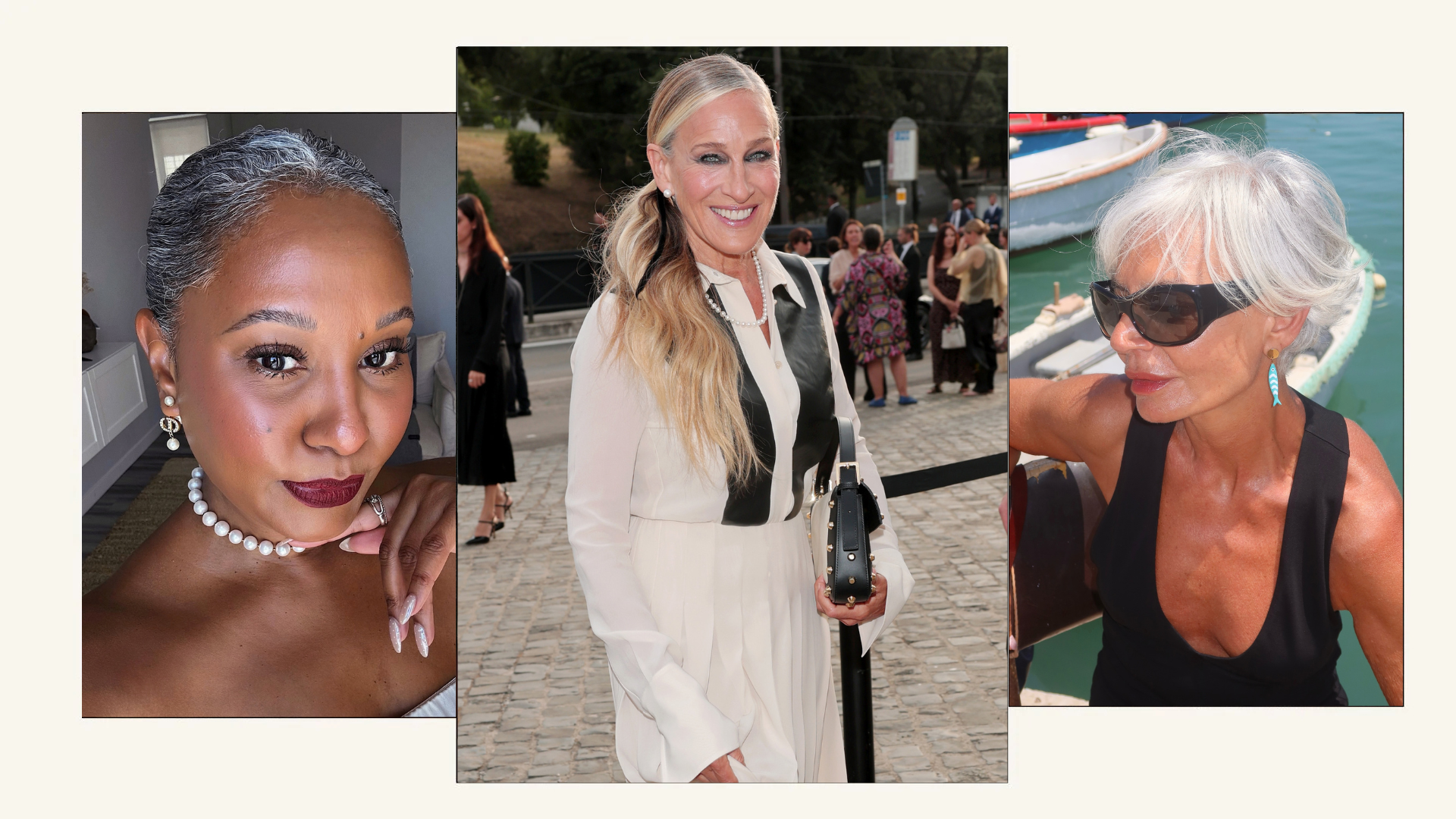
However you decide to color your gray hair—be it with a full head of highlights, dye, or nothing at all—is 100% your call. There’s no right way to wear silver tresses, and you should feel empowered to style them however you feel most comfortable. I know, easier said than done, but it bears mentioning before we dive in! That said, the decision to go full gray isn’t so cut-and-dried. Especially for those with color-treated hair, the transition can result in an awkward line of demarcation between the natural gray and previously dyed strands. The solution? Find a colorist well-versed in French blending.
Whether you’re embracing silver or looking for a natural, low-maintenance way to cover up stray grays, this technique is one to have on your radar. Scroll below for every detail worth knowing before your appointment.
What is French blending?
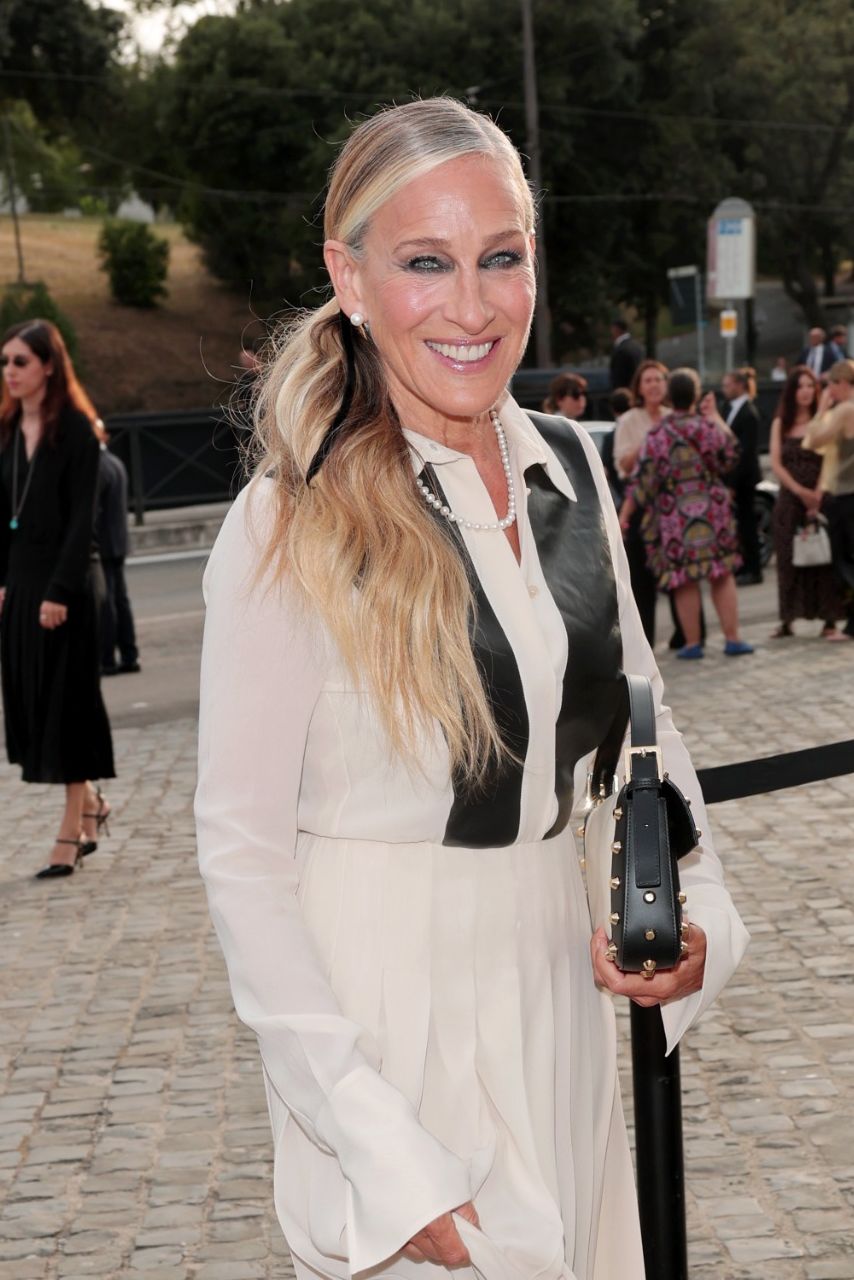
French blending, put simply, is a highlighting technique that helps you transition to gray hair, softly blending silver strands into the surrounding color instead of covering them up completely. The exact term was coined by L’Oréal Professionnel (hence the “French” bit), but it essentially is a specific type of gray blending that’s since been trademarked by the brand. “It’s a more customized, luxury approach to traditional gray coverage,” shares hairstylist and L’Oréal Professionnel ambassador Jacob Khan. “It celebrates the dimension and silver already in the hair while enhancing and blending the overall color.”
Now, that’s not to say you must commit to a full head of platinum. Sure, French blending is A+ for those who want to eventually embrace an all-gray mane, but it’s also great for those looking for low-maintenance color without obvious regrowth. “I think a lot of clients are moving away from the idea that they need to cover every gray hair every three or four weeks. Now, they can blend the color, not cover it,” Khan adds. “By combining lightening techniques with demipermanent and ammonia-free color options, we can create a dimensional, lower-maintenance result without the commitment of completely covering every silver hair.”
What are the benefits?
- Low-maintenance: As discussed, French blending minimizes any harsh regrowth, which means you can go longer in between salon appointments. “It is so much more low-maintenance than a traditional root touch-up,” gray-blending specialist Farah Hurdle says of the technique. “People love that they can go longer, and it grows in so gracefully.”
- Customizable: Whether you’re looking to transition to full gray or have scattered silver strands, French blending can effortlessly suit your needs. According to Khan, the service can be customized depending on someone’s previous color and how much they want to alter their natural pigment.
- Healthier for hair: Chemical processing of any kind, including hair color, harms your hair. There’s unfortunately no way around it, but French blending does provide an option with far less damage, given the fact that you’re not completely touching up the roots every three to four weeks. Small wins, right?
How It Works
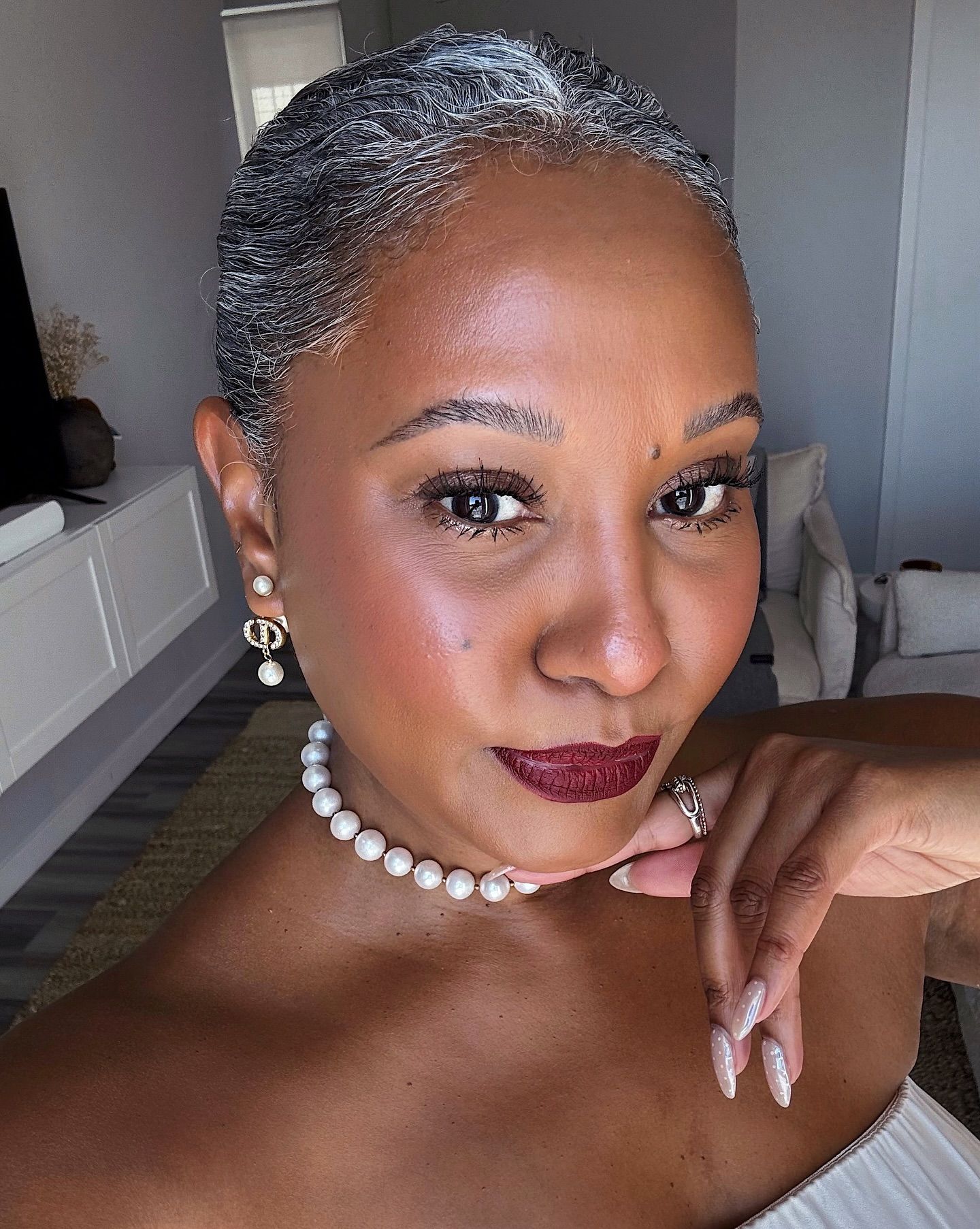
It’s difficult to provide a general how-to, considering the process is fully customizable for every head of hair, but overall, you can expect a mix of highlights, lowlights, and demipermanent color to strategically lighten or add depth to certain areas. “This can involve foil work, strategic lightening, and toning with the goal of creating a seamless blend between the client’s natural silver and their salon color. The finished result should feel dimensional, glossy, and intentional,” Khan explains.
If you’re just starting out on your French blending journey, Hurdle recommends spacing out your sessions into three appointments eight to 10 weeks apart, especially if you’re opting for a full transition. “Each of these appointments is about four to five hours long,” she adds, and the entire process should take about six to nine months. That may sound like a big undertaking, but remember, you’ll wind up needing fewer touch-ups than you would with traditional gray-hair coverage, so the timing does level out. Also, the commitment level ultimately depends on your starting point and what your base color looks like. “Each client is so unique. Consultations are very important,” she says.

Is French blending the same as gray blending?
Well, not exactly. French blending is a type of gray blending that, according to Hurdle, “uses softer, ashier tones of hair dye to color the hair strands.” Think of gray blending as the umbrella term for the technique that blends your natural grays with highlights and lowlights and French blending as a bespoke subset.
There’s also a slight distinction when it comes to the end goal. See, traditional gray blending is meant for those who want to transition to fully gray hair. French blending, on the other hand, doesn’t require a commitment to going full-on silver. “Instead, we use that silver as part of the finished color,” Khan explains. “You can still add brightness, depth, warmth, or dimension and continue changing your look. For someone who wants more time between appointments but isn’t ready to completely transition to gray, it’s a great middle ground.”
You could theoretically get away with using French blending and gray blending interchangeably in casual conversations, but just know that they do have subtle differences.
The Best Products to Maintain French Blending Results
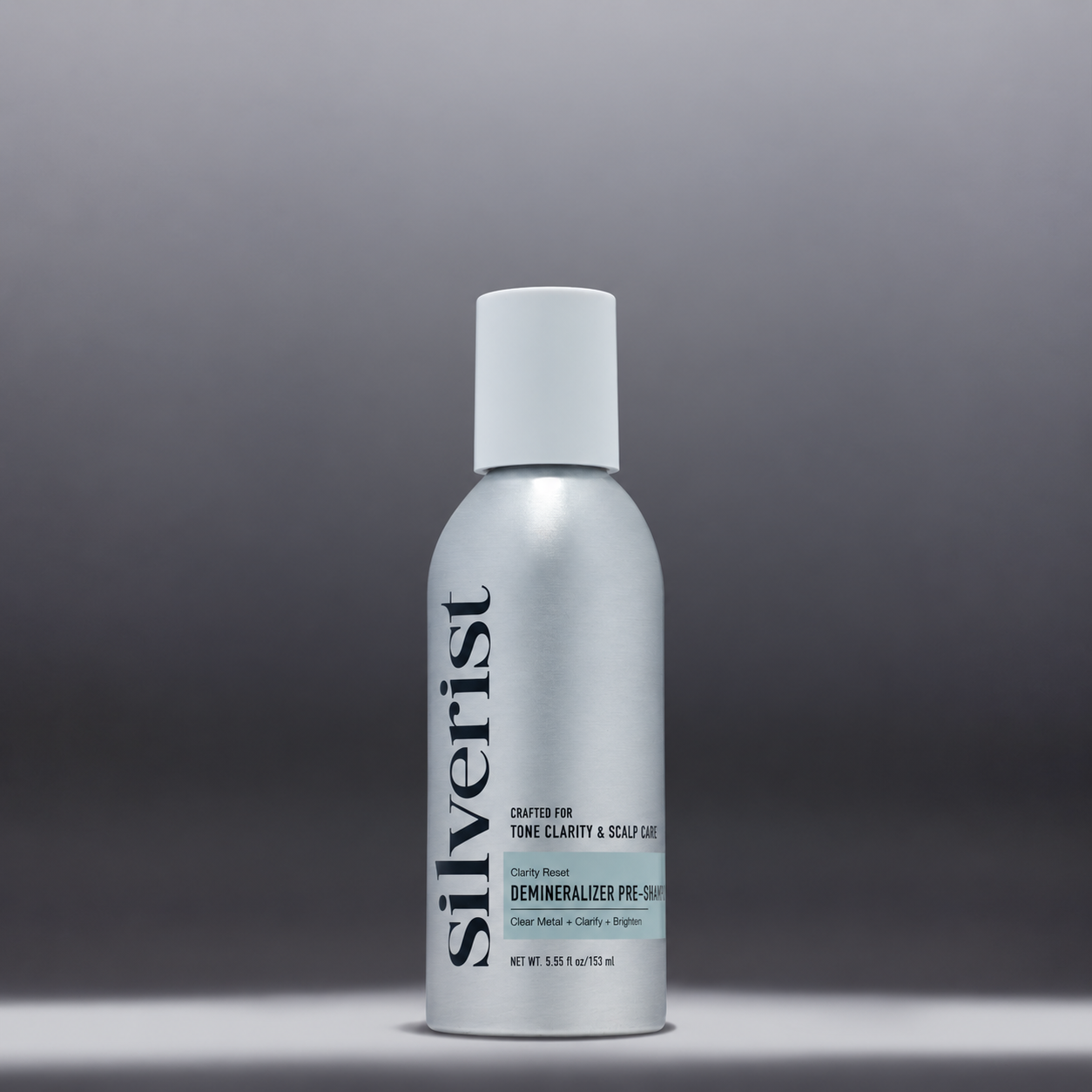
Before any gray-blending session, Hurdle recommends coating your strands in this purifying three-minute pre-shampoo treatment. “It helps prep [the]hair for gray-blending sessions by removing any mineral, metal, and chlorine buildup,” she notes.
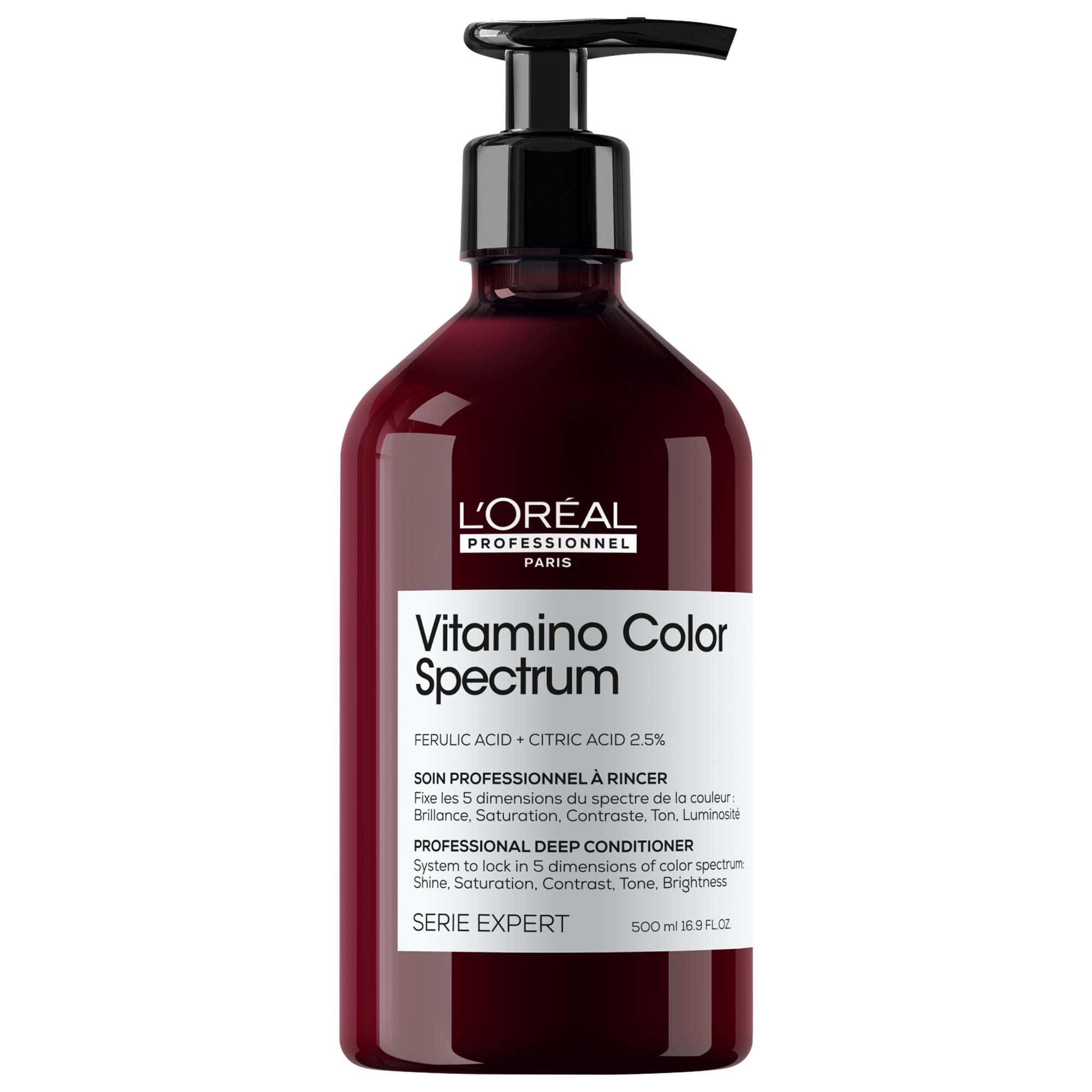
Of course, you’ll want to stick to color-safe haircare products post-appointment. Anything from L’Oréal Professionnel won’t steer you wrong, but this shine-boosting conditioner will make your lengths look especially glossy.
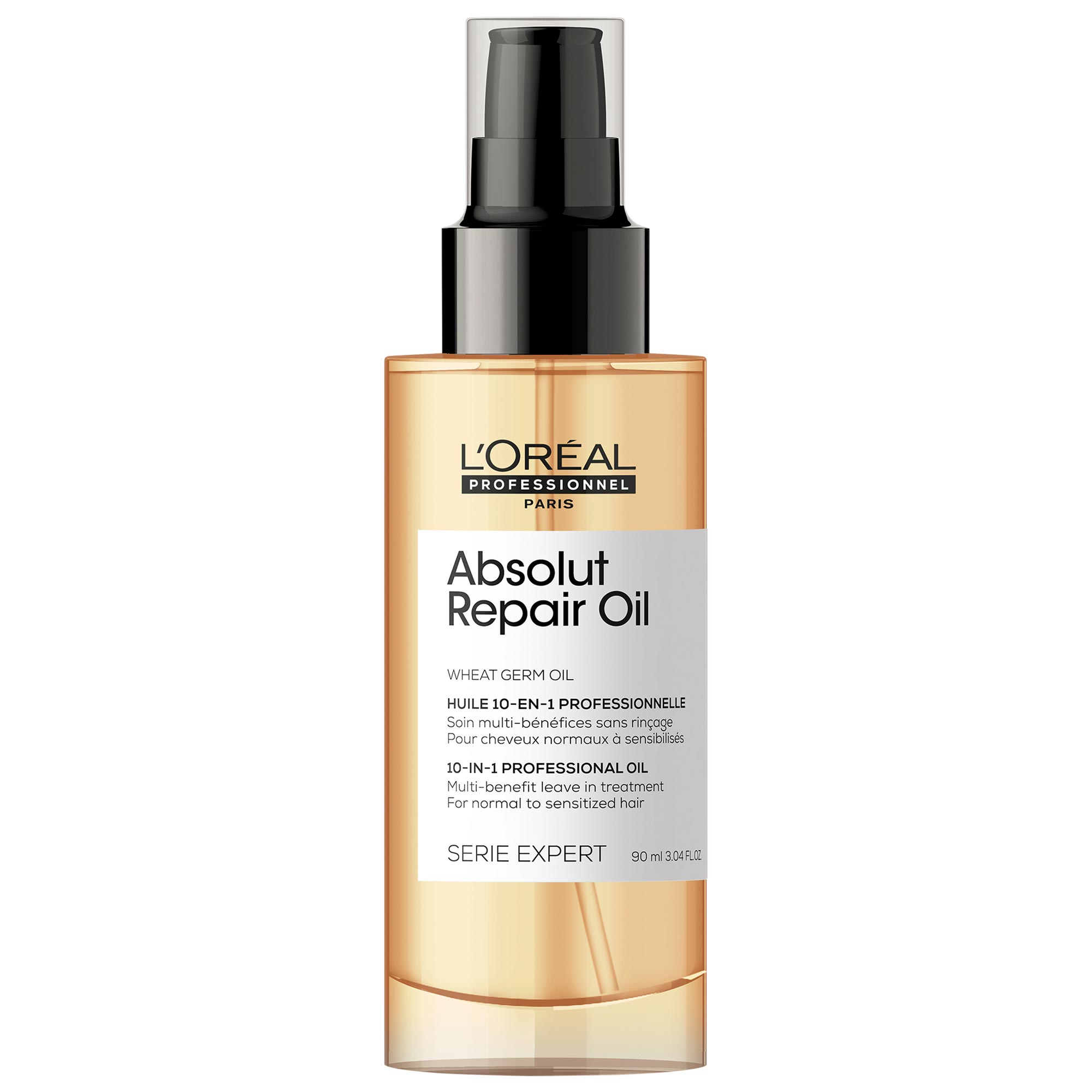
As hair loses its pigment and turns gray, it also loses its natural protective oils, which can make strands feel coarser. Reintroducing moisture becomes even more imperative, which is where this repairing hair oil (brimming with omega-3 fatty acids) comes into play.
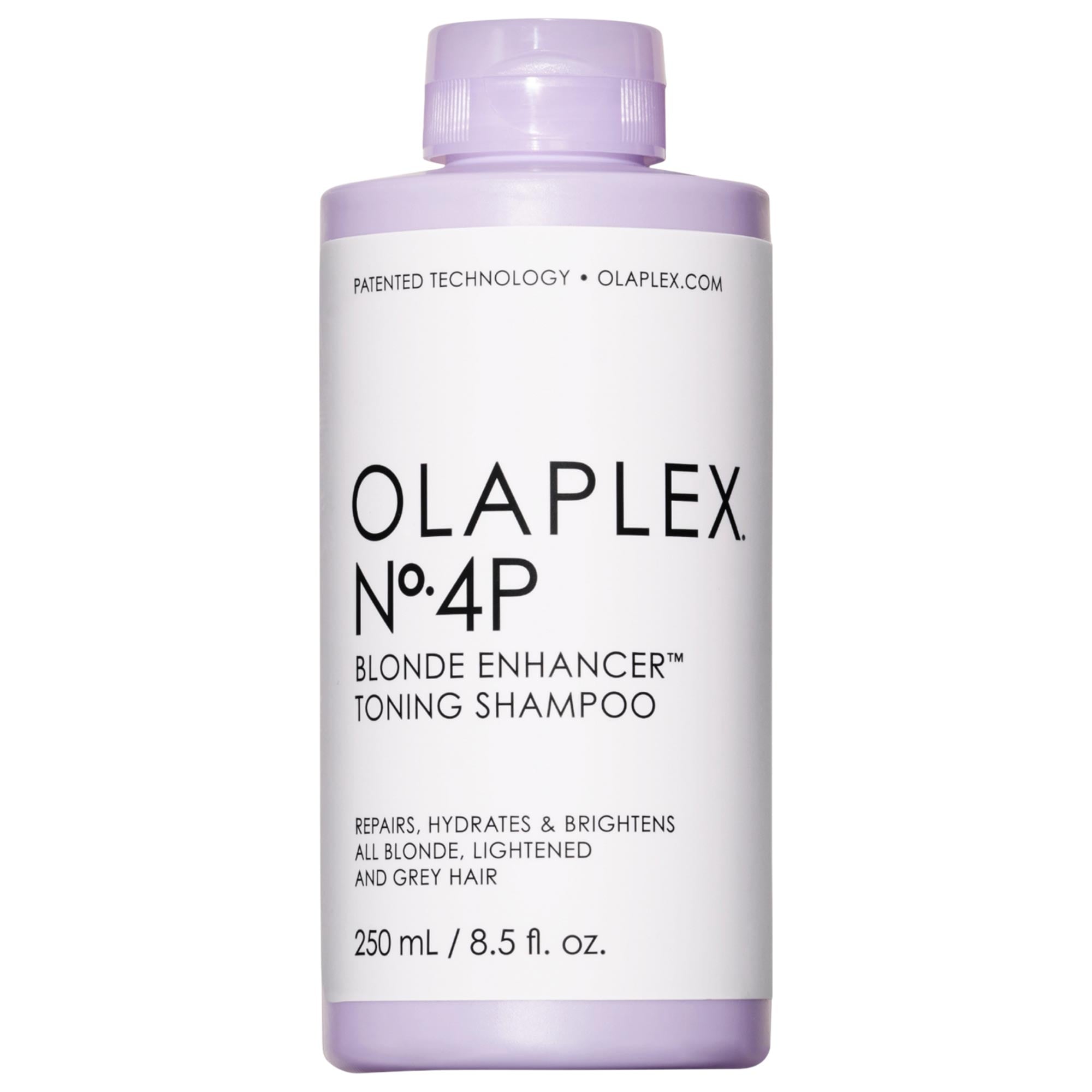
Purple shampoo neutralizes brassy tones, making platinum strands of all kinds (blonde, gray, white) look extra brilliant.
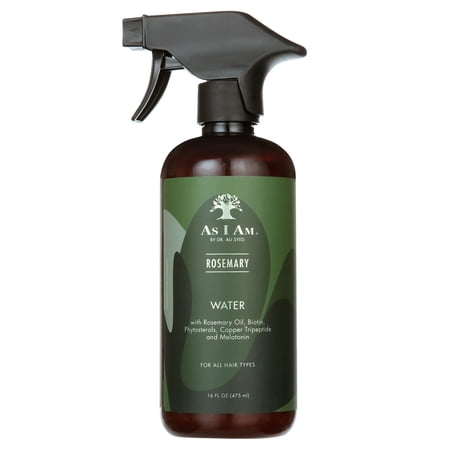
If you’d like to focus on hair growth while you’re at it, snag yourself a rosemary-infused treatment like this leave-on spray. The natural botanical has been clinically shown to enhance hair growth, and this lightweight formula never leaves your locks greasy. Pro stylists love it backstage, FYI!
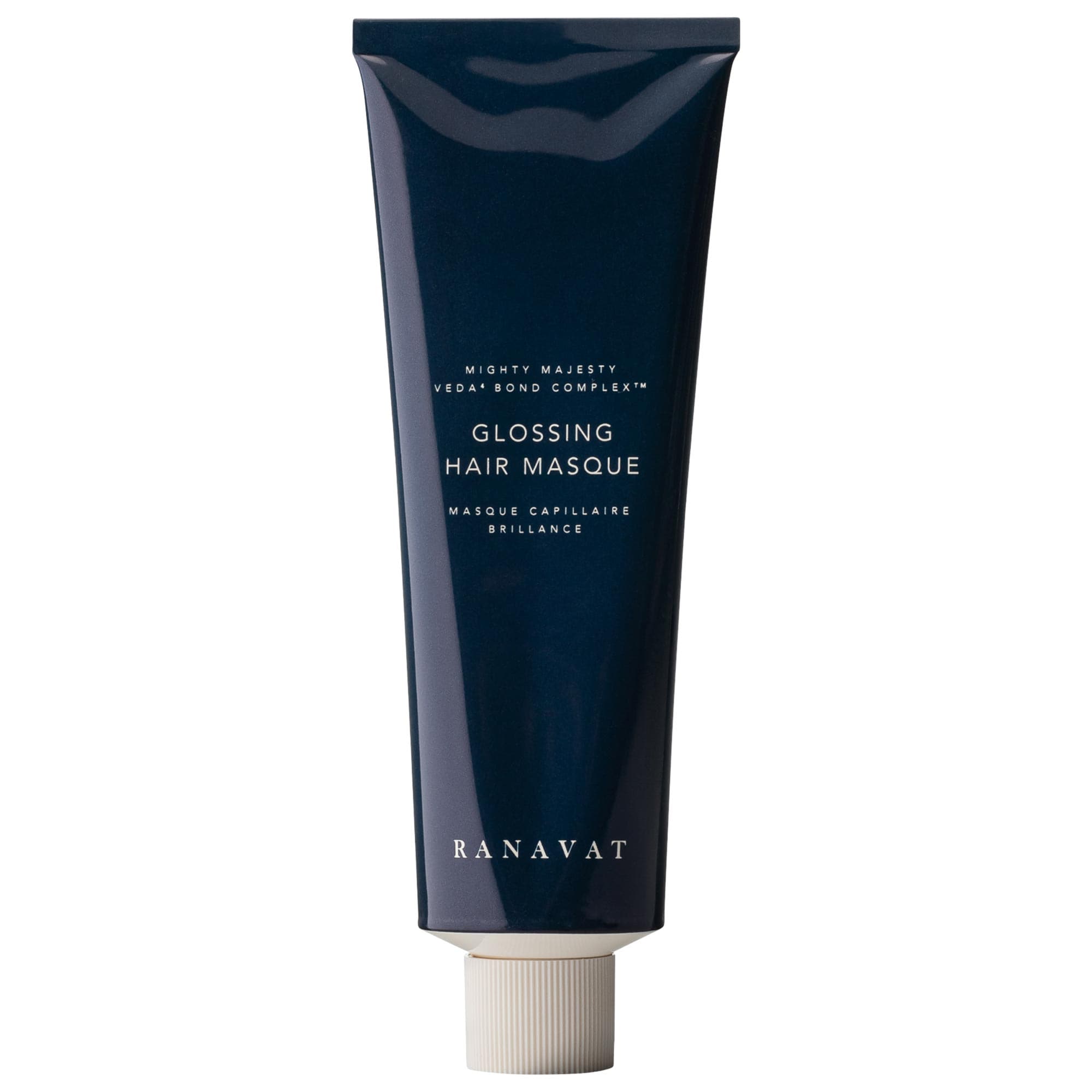
This buttery hair mask leaves lengths looking three times shinier after one use. I can attest!
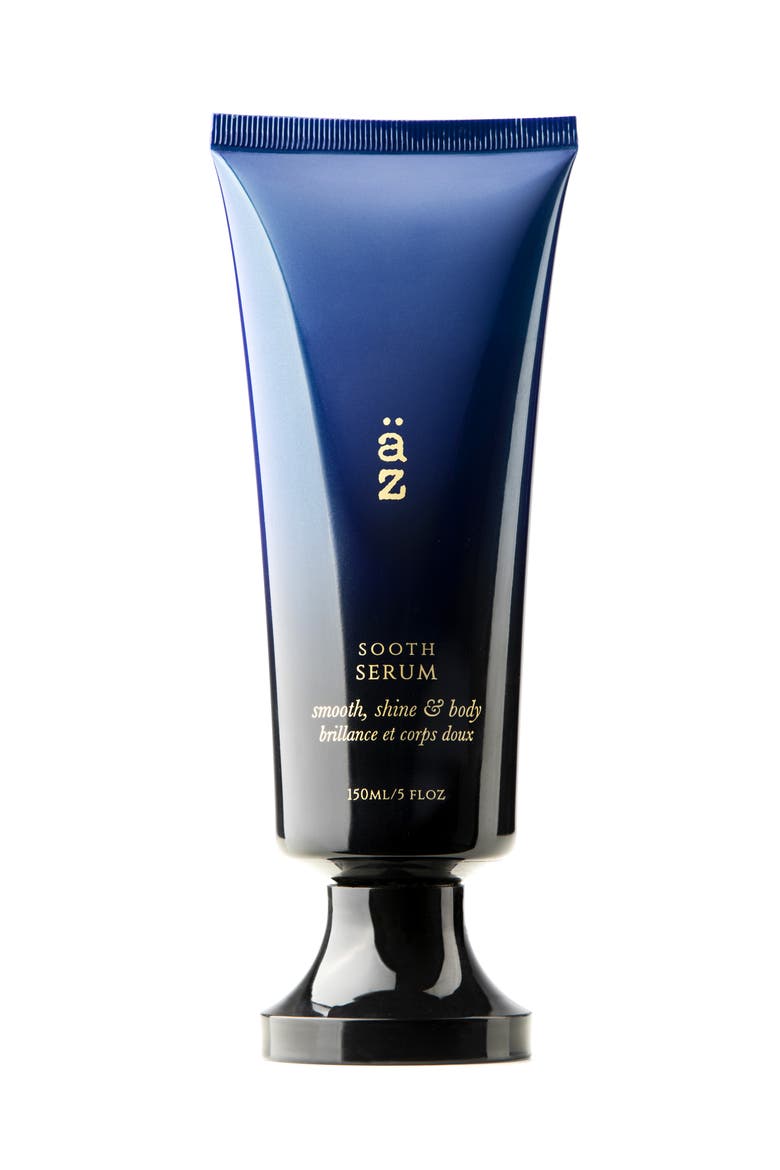
A good leave-in conditioner that seals the cuticle and protects against the elements (heat, humidity, pollution) is the key to keeping strands healthy and bright. This one ticks all the boxes with just a small dollop of product.
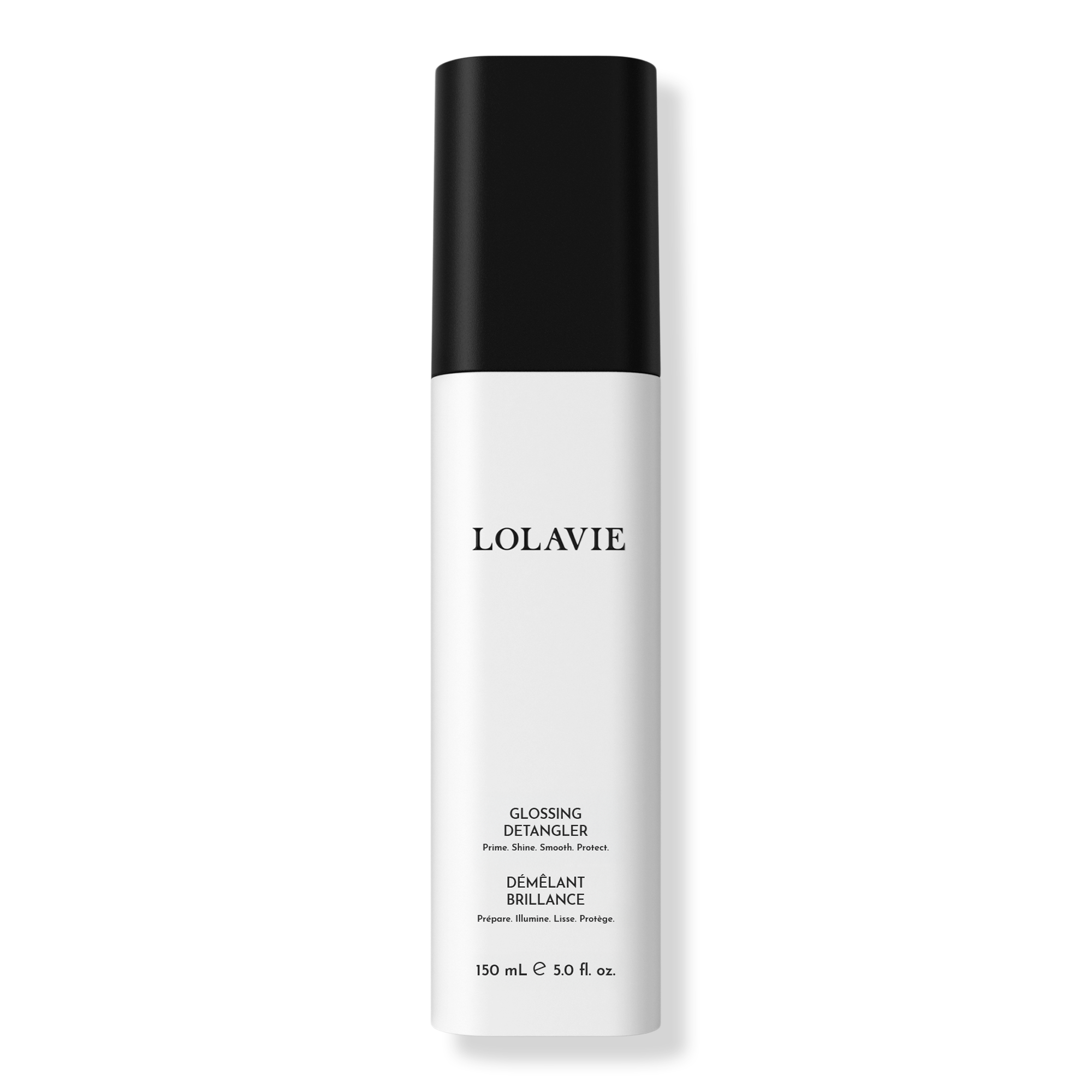
If you’re looking for something a tad lighter, I cannot say enough good things about this detangling mist. It’s a celeb-loved best seller for a reason!