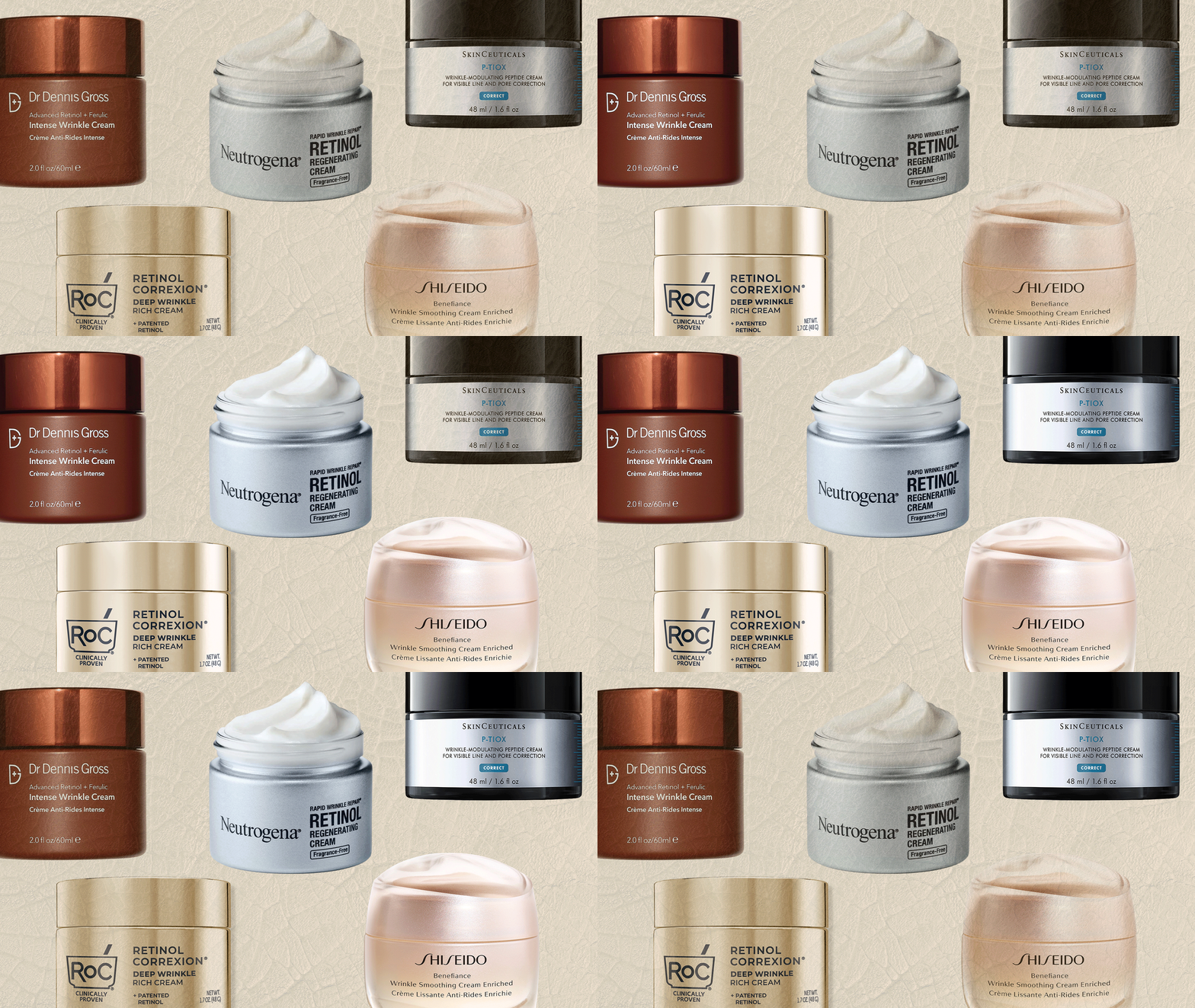
Aging is a privilege, which is why you’ll never catch me complaining about the passing of time or its natural effect on my face. That said, my skin is my own, and I want to care for it. For me, that means preserving as much of my natural collagen as possible and using active ingredients that will keep my skin looking smooth, firm, and refreshed. While healthy lifestyle habits and a solid SPF do the heavy lifting, a good wrinkle cream can also make a world of difference. You just have to know which one to use, and that, dear reader, is my area of expertise.
As a beauty editor with over a decade of experience, you can trust me to sort the good from the bad and the exceptional. That’s exactly what I did to find the best wrinkle creams, with a little (or a lot) of help from three top aesthetic experts: a plastic surgeon, a dermatologist, and an experienced injector. So, without further ado, keep scrolling to see a definitive list of the best wrinkle creams on the market. Plus, get answers to common FAQs, such as how long it takes for a wrinkle cream to work and which ingredients you should look for in the first place.
The Top Picks:
- Best Overall: Dr. Dennis Gross Advanced Retinol + Ferulic Intense Wrinkle Cream
- Best Drugstore: Roc Retinol Correxion Deep Wrinkle Rich Cream
- Best Barrier-Strengthening: AziMD Skincare Restore Cream
- Editor’s Pick: SkinCeuticals P-TIOX Cream
- Best for Eye-Area Wrinkles: La Roche-Posay Redermic R Anti-Aging Retinol Eye Cream
The Best Wrinkle Creams
Best Overall: Dr. Dennis Gross Advanced Retinol + Ferulic Intense Wrinkle Cream
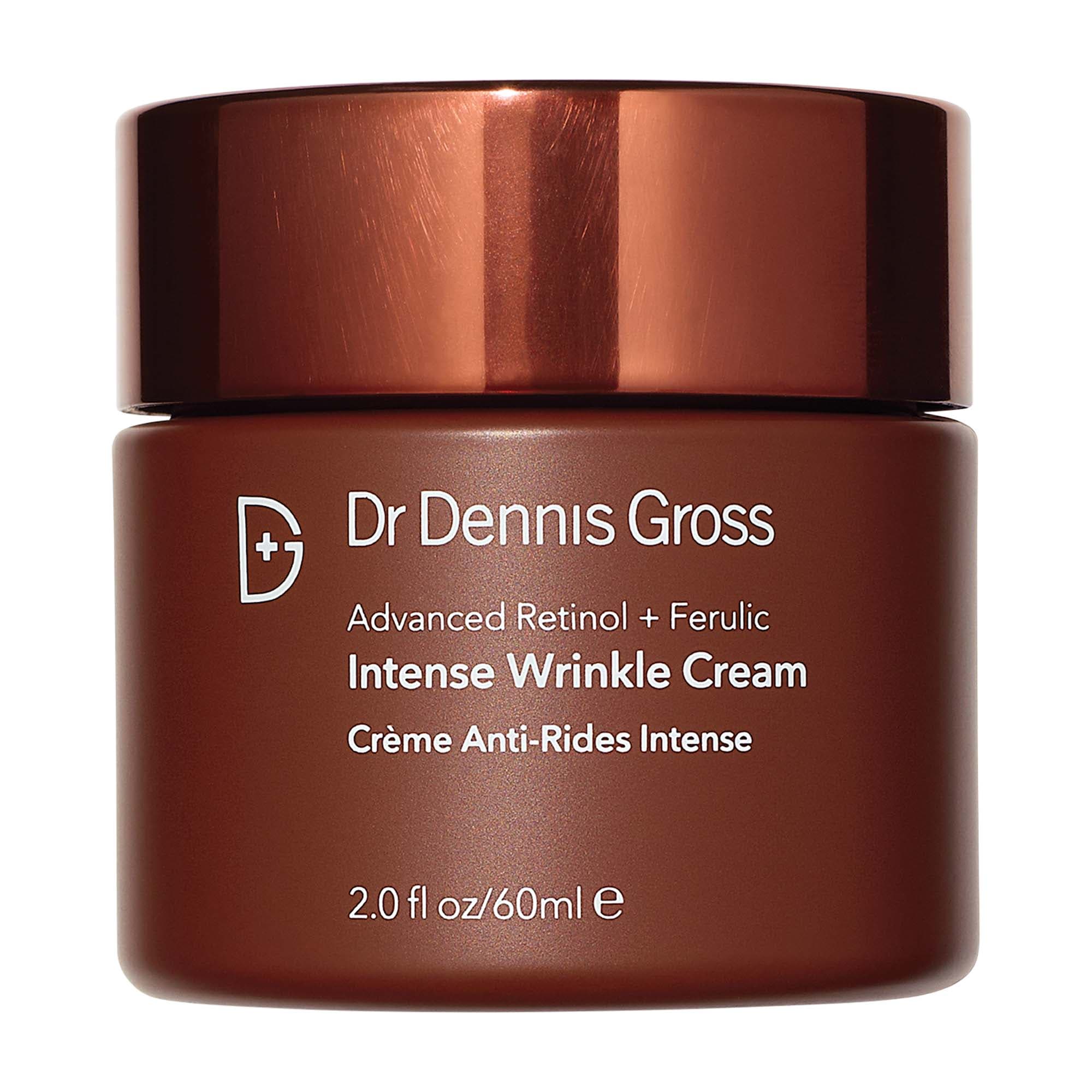
Retinol is one of the best ingredients for wrinkle correction and prevention (more on that in a bit). Pair it with a powerful antioxidant like ferulic acid, and you get a potent skin-smoothing cocktail. Natia Rufolo, FNP, NP-C, a board-certified nurse practitioner, nationally recognized aesthetic injector, and the Founder of INJX, gives this editor-approved wrinkle cream her hard-to-earn stamp of approval. “The Dr. Dennis Gross Advanced Retinol + Ferulic Intense Wrinkle Cream utilizes retinol to hydrate, firm, and smooth out uneven skin,” she says. “In the process, it can also help to clear fine lines, wrinkles, and dry skin while improving overall elasticity of the skin.”
From an editor’s perspective, this cream is elite because it’s intensely hydrating, which helps reduce the dryness retinol can cause. Meanwhile, bakuchiol and rambutan (two gentle, retinol-like botanical ingredients) provide an added skin-renewing boost without irritation. The cream’s rich, whipped texture feels luxe, and the subtle, herbal scent is a bonus.
Roc Retinol Correxion Deep Wrinkle Rich Cream
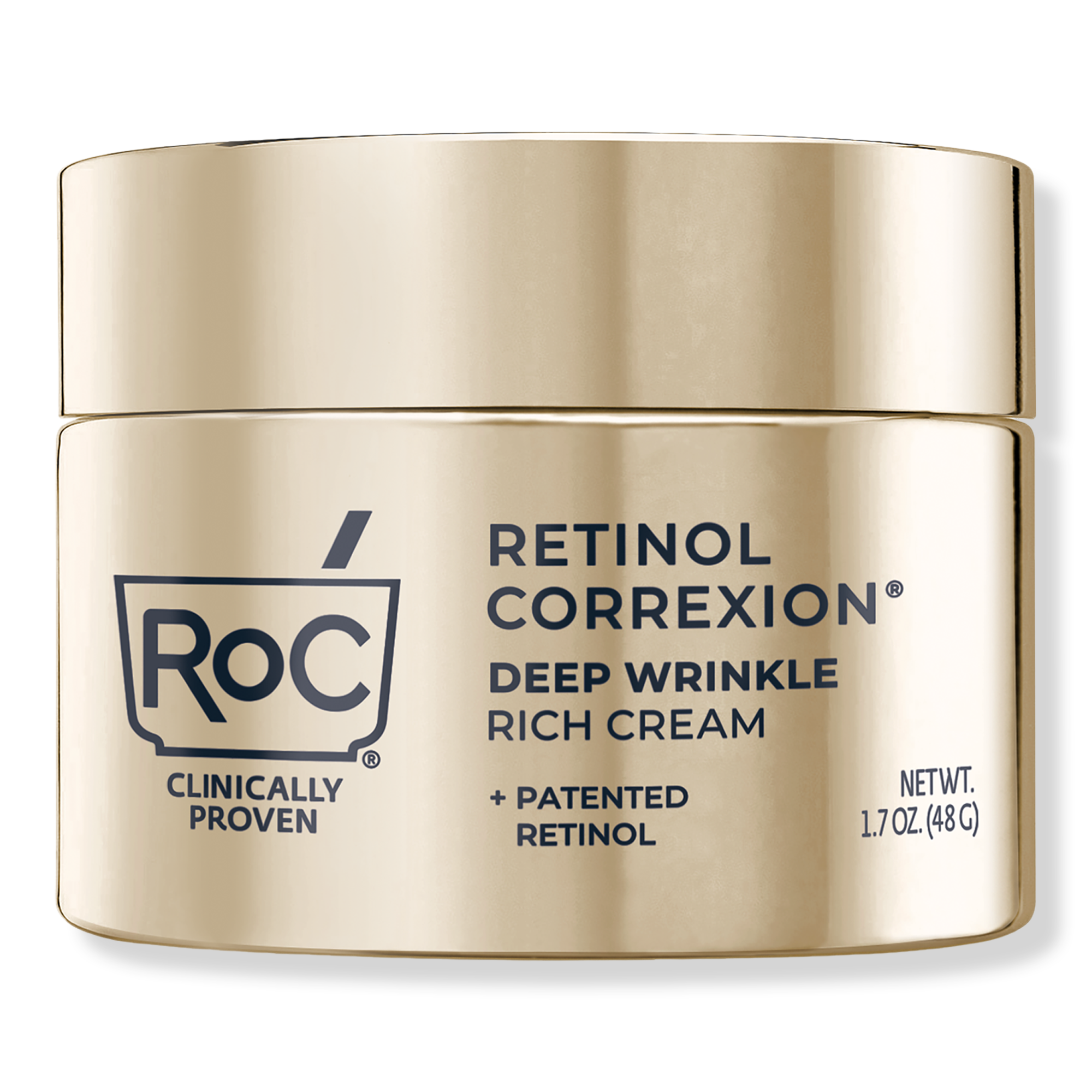
Good news: you don’t have to break the bank to get a highly effective, editor-backed wrinkle cream. Roc’s Retinol Correxion Deep Wrinkle Rich Cream is it. It uses a patented clinical retinol, bio-ceramides, and calcium to smooth skin, minimize wrinkles, boost elasticity, and deliver up to 100 hours of hydration—targeting almost every mature skin concern that’s associated with estrogen loss. In a clinical study, 96% of participants saw improvement in firmness in one week. Meanwhile, 100% of participants saw a reduction in deep wrinkles at 12 weeks.
Best Barrier-Strengthening: AziMD Skincare Restore Cream
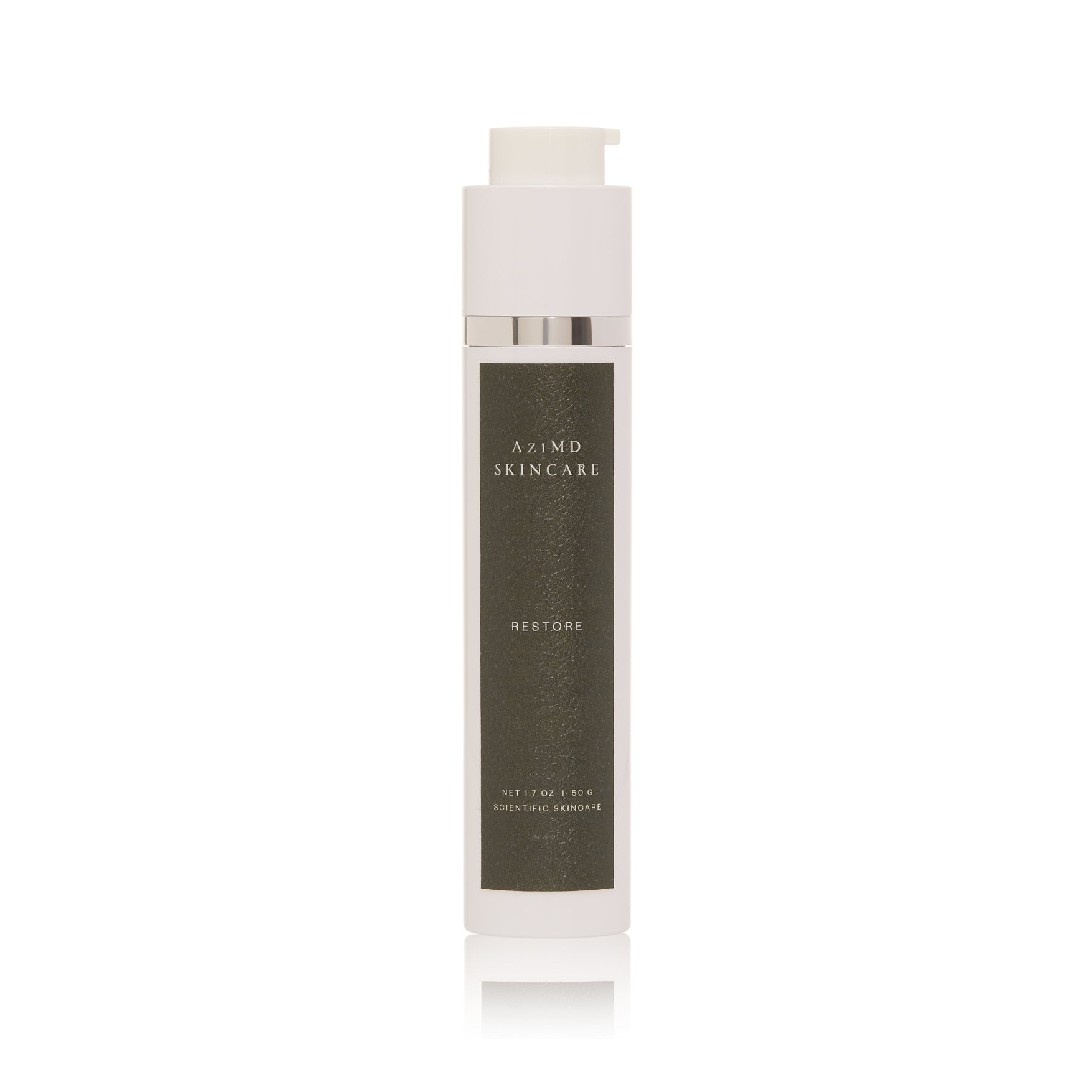
Azadeh Shirazi, MD, is a board-certified dermatologist specializing in cosmetic, surgical, and medical dermatology. “As a dermatologist, I really believe that the best wrinkle moisturizer is one that supports the skin long-term while being comfortable enough to use consistently,” she says. One of her expert-vetted picks? A skin cream she personally created. Meet AziMD‘s Restore Cream.
“I love Restore Cream for both daytime and nighttime. It’s a luxury formula with plant stem cells, niacinamide, and a peptide blend that helps reverse the signs of aging while strengthening the skin barrier for a more youthful complexion.” Shirazi notes that peptides are effective wrinkle-smoothing ingredients because they support the skin’s structural proteins, making it appear firmer, smoother, and more youthful.
Editor’s Pick: SkinCeuticals P-Tiox Cream
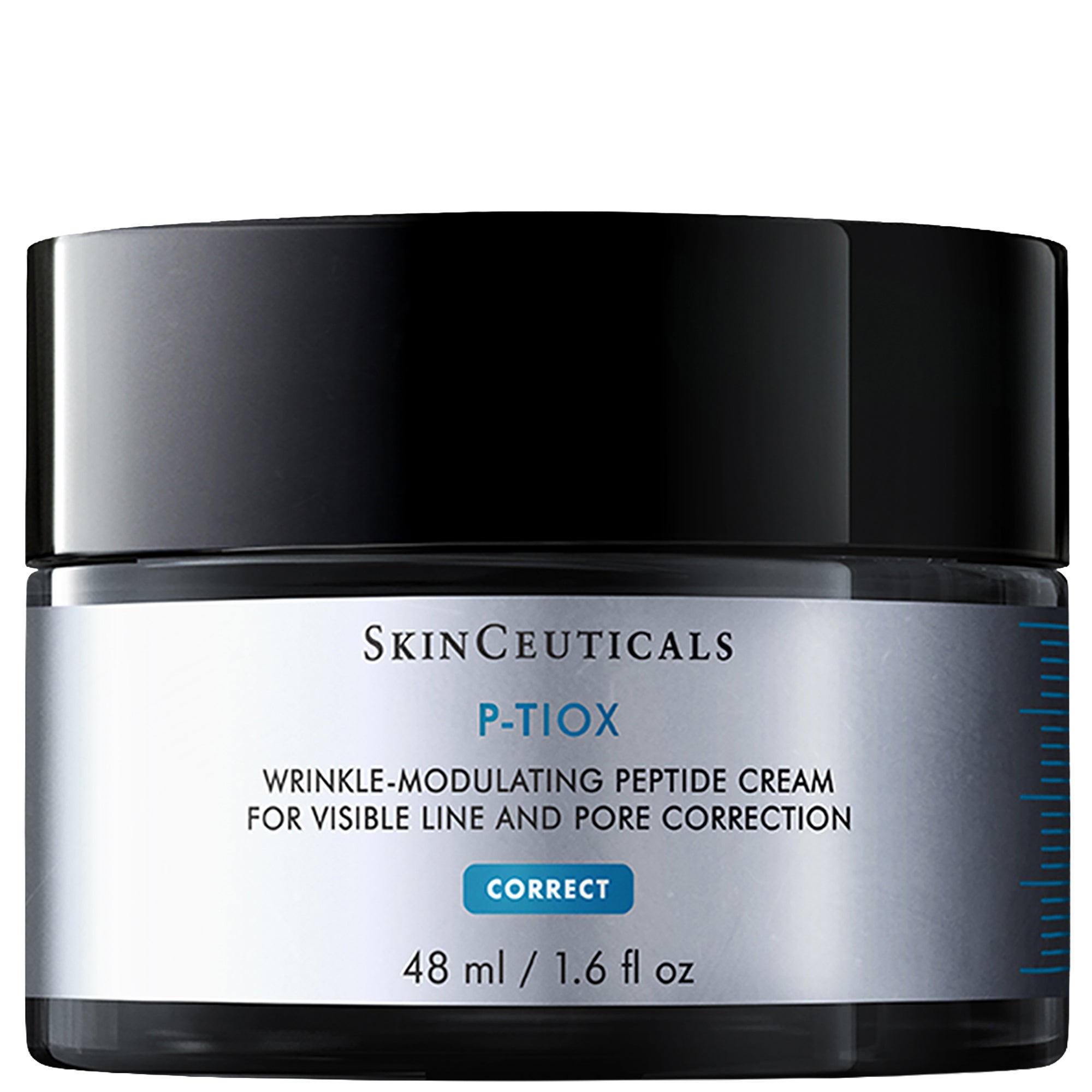
To reiterate, peptides can boost collagen production, help relax the look of wrinkles, and encourage smoother, tighter, and firmer skin. It’s no wonder, then, that some of the best wrinkle creams are chock-full of them. SkinCeuticals’ P-Tiox Cream is the perfect example.
This anti-wrinkle cream is powered by a patent-pending formula. It features 10% Myrixin and 2% tripeptide technology that targets visible aging, pore visibility, and textural roughness. It also contains Crystalide micropeptide, niacinamide, LHA, and zinc PCA to boost moisture, improve skin quality, and dial up radiance.
From an editor’s POV, the cream isn’t only intelligently formulated, but elegantly formulated too. It has a “micro-melting” texture that feels smooth and hydrating—not greasy. The best part? It was formulated to complement neurotoxin injections, like Botox, Dysport, and Juvederm.
Best for Eye-Area Wrinkles: La Roche-Posay Redermic R Anti-Aging Retinol Eye Cream
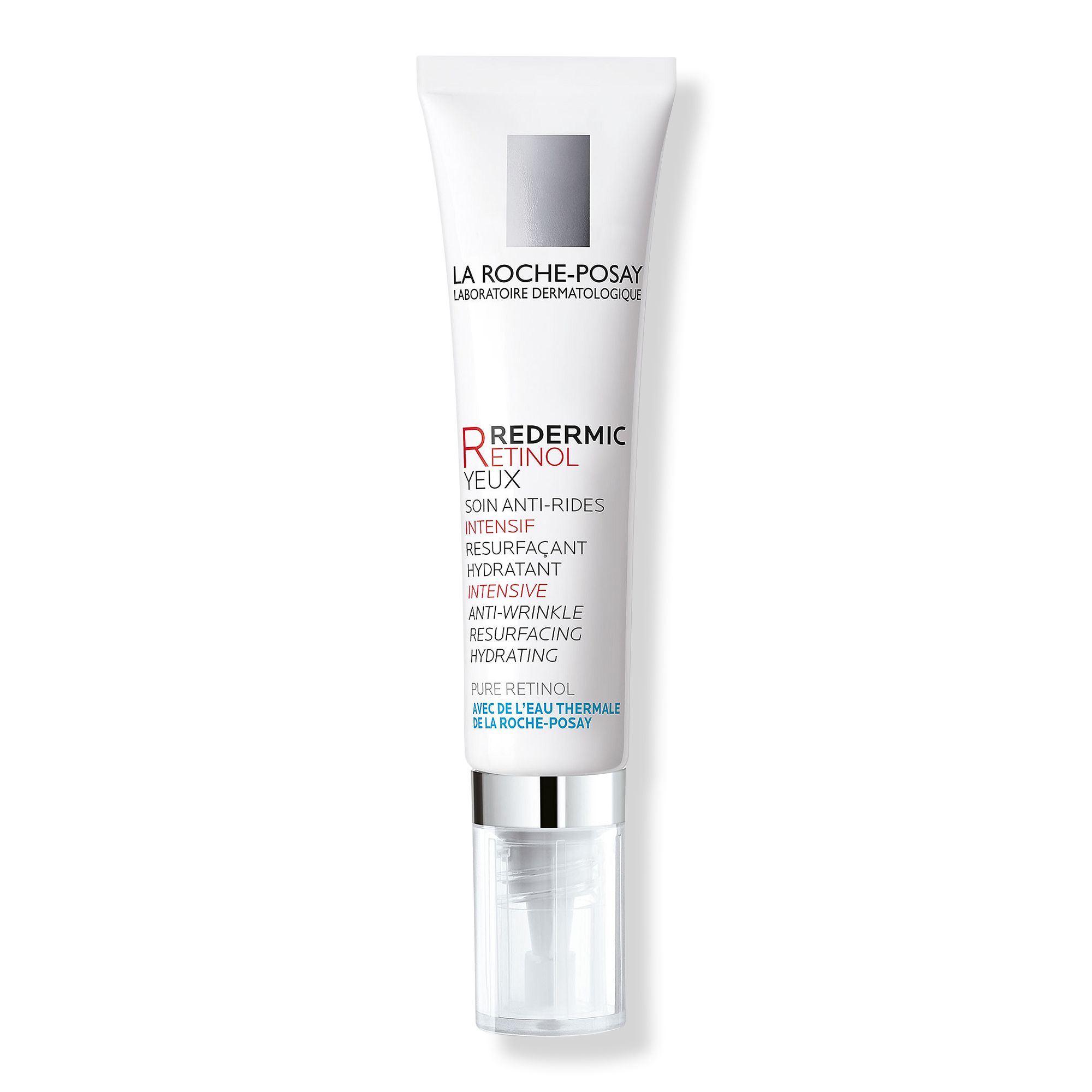
Shirazi has a recommendation for eye-area wrinkles, which can be notoriously stubborn and defy the efforts of insufficient eye creams. “I recommend La Roche-Posay’s Cicaplast Redermic R Anti-Aging Retinol Eye Cream,” she says. “The eye area is usually one of the first areas where we start to see the signs of aging, and because it’s so delicate, it requires specialized formulas. This eye cream is great for all skin types, even sensitive skin, and visibly reduces the look of crow’s feet, wrinkles, and dark circles.” It’s all thanks to a formula that combines retinol, caffeine, and the brand’s signature mineral-rich thermal spring water.
Obagi Medical Retinol 1.0
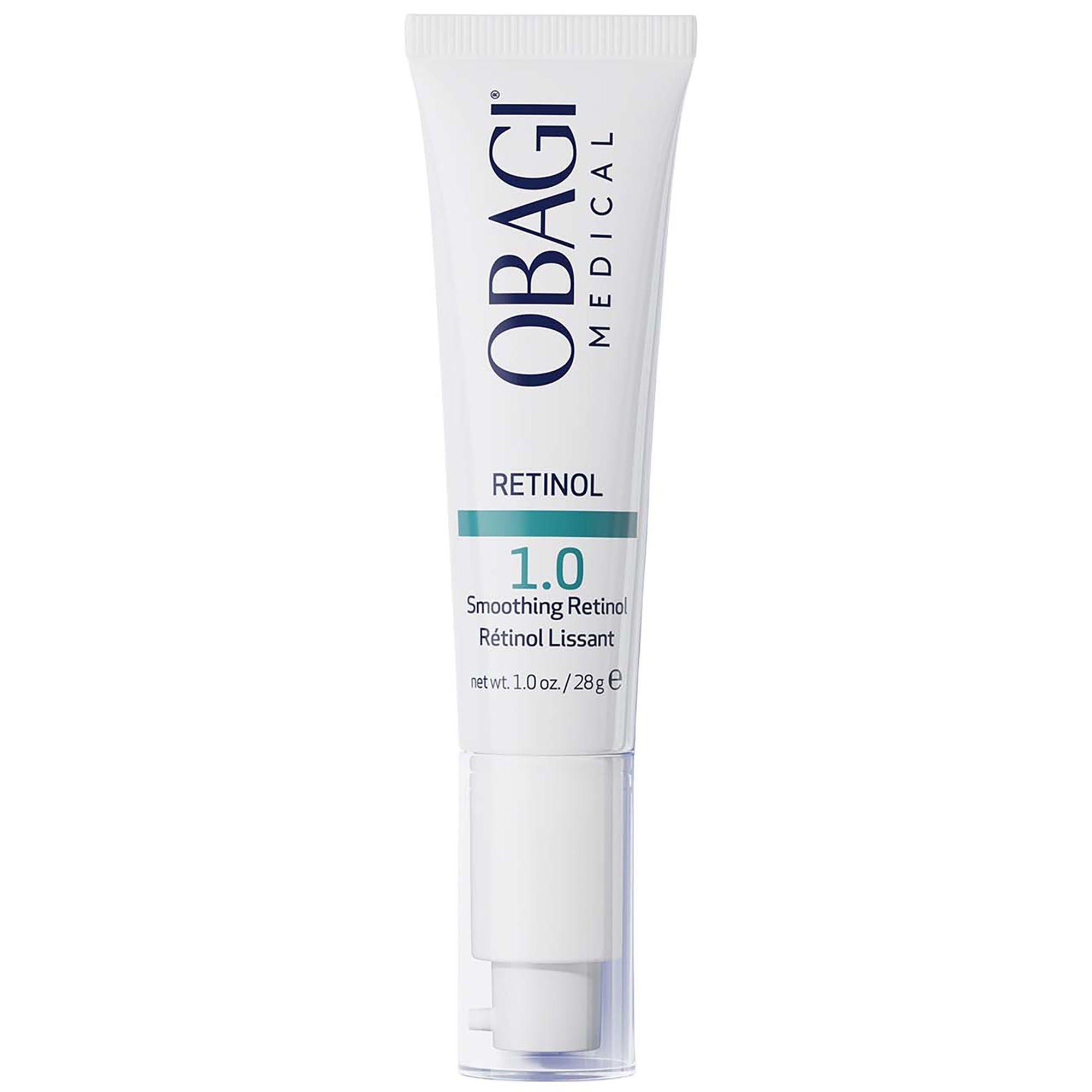
Remember how I said retinol (a type of retinoid) is one of the best ingredients for wrinkle correction? That’s according to experts like Andrew Cohen, MD, a board-certified plastic and reconstructive surgeon. “For patients focused on wrinkles and photoaging, I like a well-formulated retinoid product because retinoids have some of the strongest evidence we have in topical skincare for improving fine lines, texture, and signs of sun damage,” he says.
However, as many of us know, retinoids can cause unwelcome side effects, like dryness, redness, and irritation. That’s where a barrier-supporting moisturizer comes into play. Cohen says it not only lessens these side effects, but it also makes the skin look smoother. Yes, really. “I also recommend a rich barrier-supporting moisturizer because healthy, hydrated skin reflects light better and makes fine lines appear less prominent. For that reason, I often recommend Cohen MD Skin Quench Lipid Moisturizer ($85) as part of an anti-aging routine. I developed Quench to support hydration and the skin barrier, which becomes increasingly important as we age and can be especially helpful when someone is also using active ingredients that may cause dryness. I do not believe one cream should be expected to do everything. My preferred approach is a targeted active for collagen and photoaging, a high-quality moisturizer to support the skin barrier, and broad-spectrum sunscreen every day.”
Paula’s Choice Pro-Collagen Peptide Plumping Gel-Cream
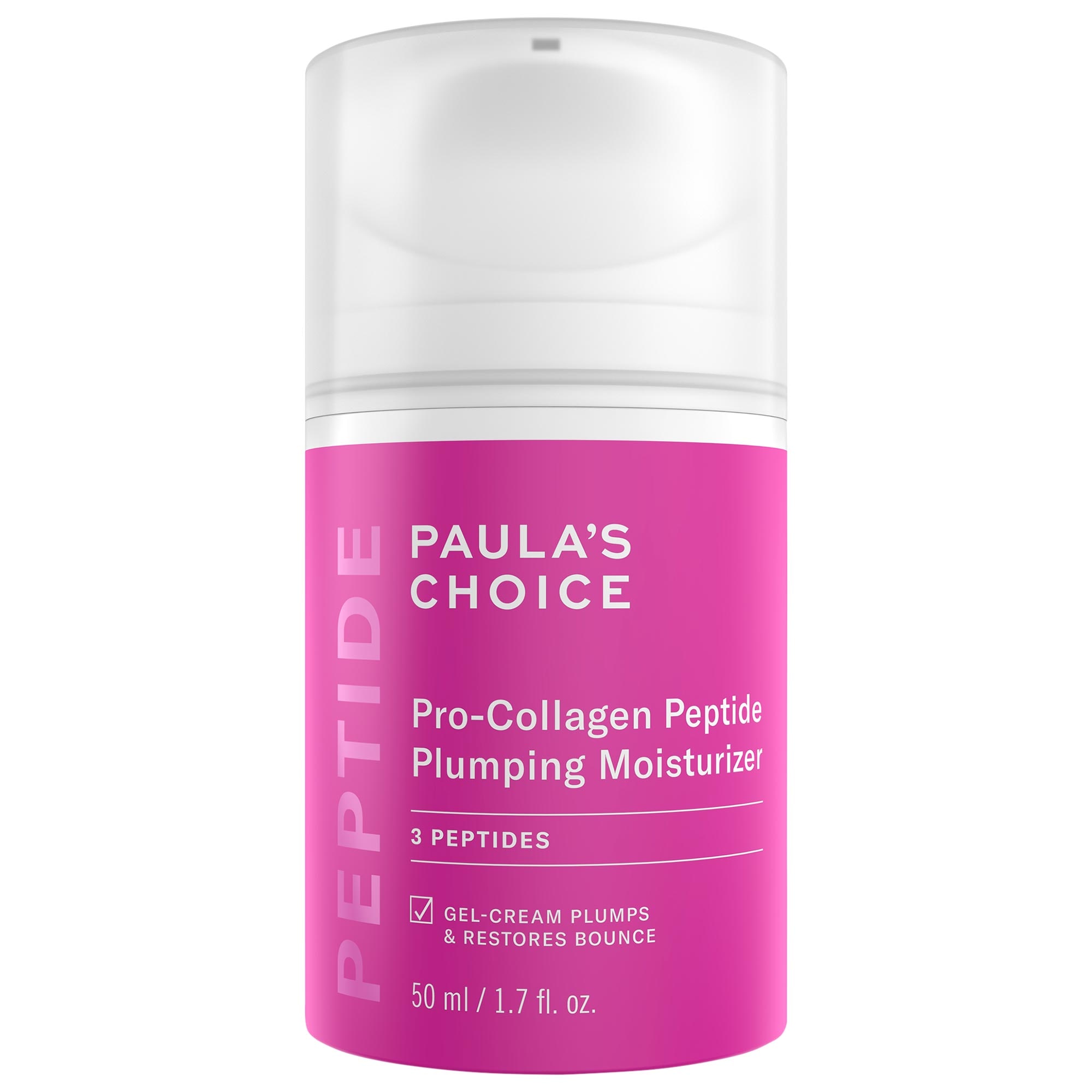
Here’s another peptide-packed (and expert-approved) option. “I’m also a fan of Paula’s Choice Pro-Collagen Peptide Plumping Moisturizer because it combines peptides and hydrating ingredients to help improve the appearance of fine lines while giving the skin a plumper, more moisturized look,” Shirazi says. It uses three distinct peptides to do the heavy lifting: Hexapeptide-5 boosts moisture and bounce; Oligopeptide-1 supports healthy collagen levels; and Tridecapeptide-1 smooths and plumps fine lines.
Clinique Smart Clinical Repair Wrinkle Correcting Face Cream
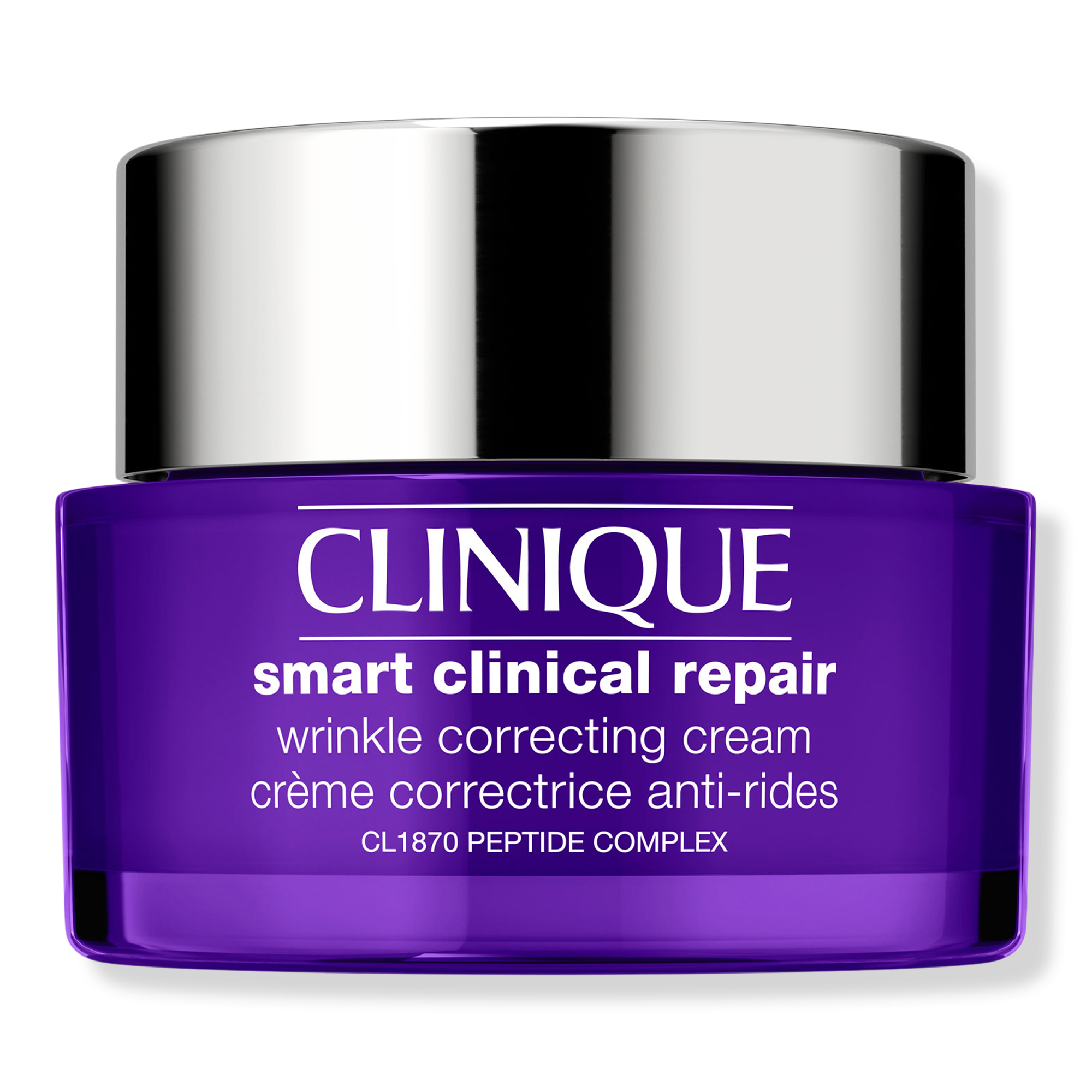
This classic Clinique product uses a highly effective CL1870 Peptide Complex to boost the skin’s natural collagen and fortify the dermal structure. Translation? Fewer wrinkles, smoother texture, and plumper skin. “The Clinique Smart Clinical Repair Wrinkle Correcting Face Cream is a product engineered with peptides to boost collagen for a brighter and stronger look,” Rufolo says. “This product was produced to repair fine lines and wrinkles through a strong sense of hydration.”
Shiseido Benefiance Wrinkle Smoothing Cream Enriched
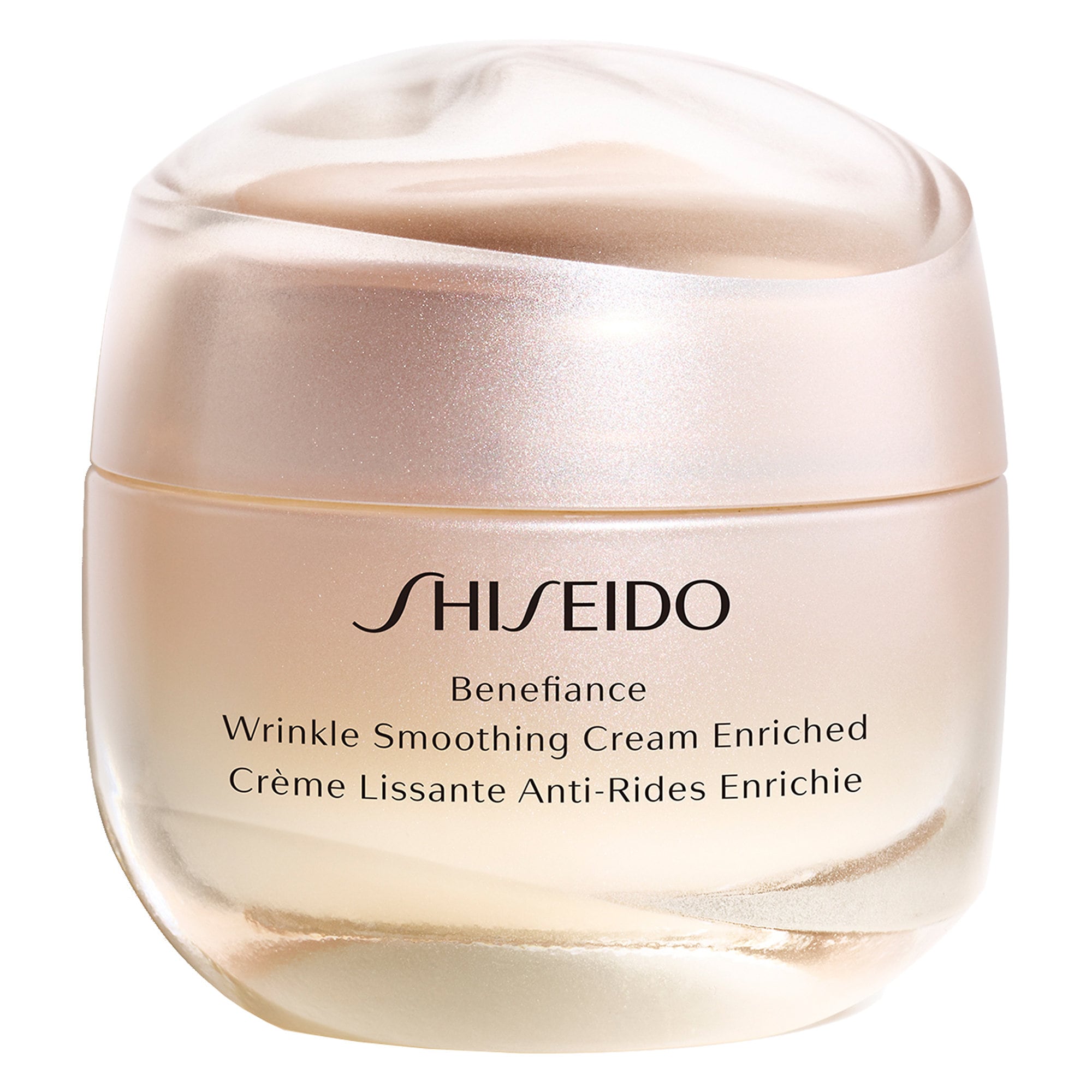
Shiseido’s Benefiance Wrinkle Smoothing Cream Enriched deserves an honorable mention. It’s silky, luxurious, and melts easily onto the skin, yet it also pulls its weight as far as smoothing lines and wrinkles. It uses three hero ingredients to get the job done. First, there’s a KOMBU-Bounce Complex made up of green, brown, and red algae, as well as chlorella extract. It minimizes wrinkles and prevents new ones from forming. Turmeric extract and niacinamide provide anti-wrinkle backup, while improving elasiticity and strengthening the skin barrier.
Neutrogena Rapid Wrinkle Repair Regenerating Cream
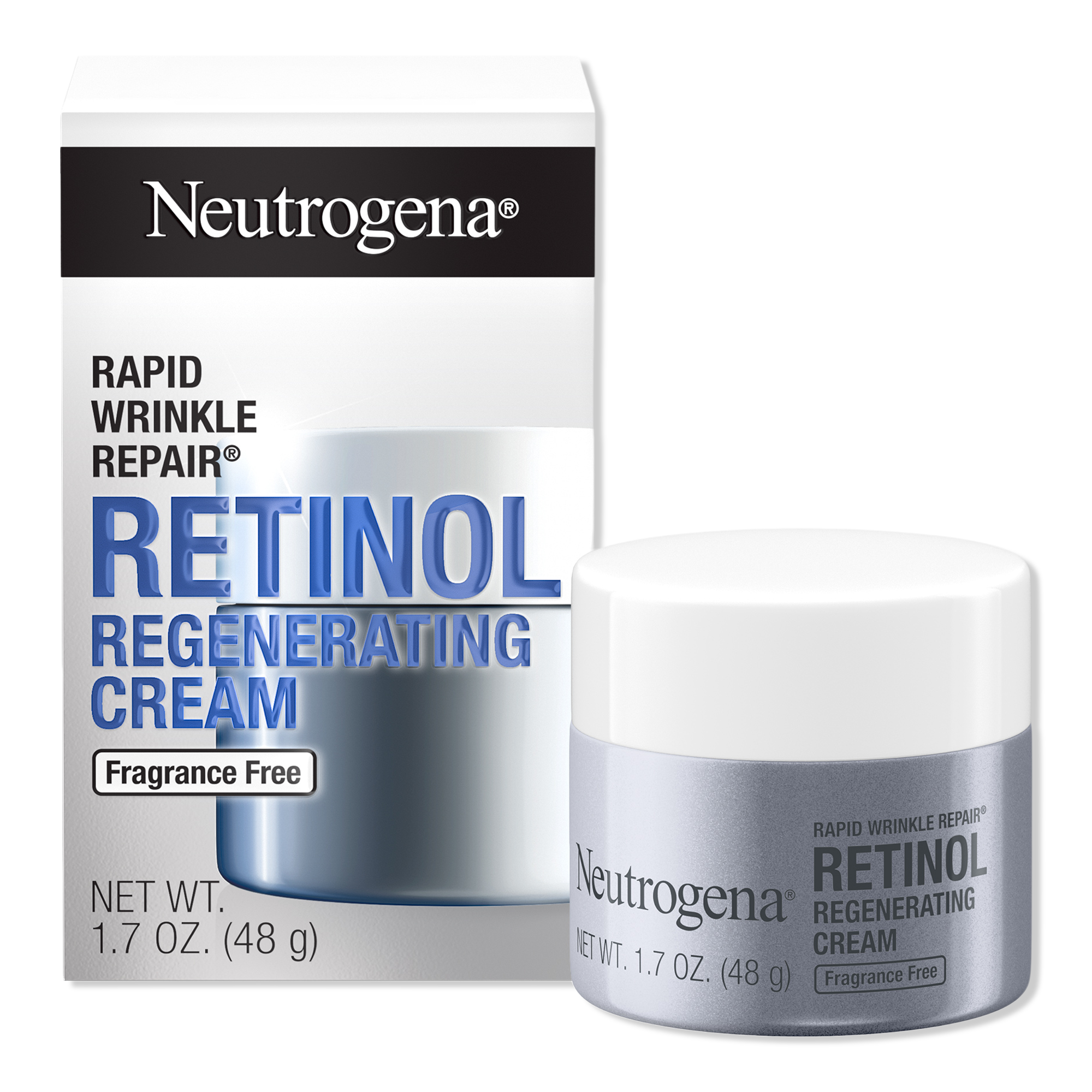
Don’t sleep on Neutrogena’s Rapid Wrinkle Repair Regenerating Cream. It contains stabilized retinol to fade the look of deep wrinkles (even crow’s feet), while hyaluronic acid plumps the skin from the inside out, and vitamin C adds powerful antioxidant effects. “Vitamin C is a great addition to an anti-aging routine because it is a powerful antioxidant that helps protect the skin from environmental damage while supporting collagen production and brightening the complexion,” Rufolo says.
What Ingredients Should I Look For?
There are three main ingredients the experts recommend using to target lines and wrinkles: Retinoids, peptides, and vitamin C. “Retinoids are still among my favorite ingredients for fine lines and wrinkles because they encourage cellular turnover and support collagen production,” Cohen says. “I also look for antioxidants such as vitamin C to help protect against environmental damage, peptides to support healthier-looking skin, and barrier-supporting lipids and hydrators such as ceramides and hyaluronic acid. I always remind patients that sunscreen is essential. You can invest in excellent anti-aging skincare, but if you are not protecting your skin from ongoing UV damage, you are working against yourself.”
How Often Can I Use Wrinkle Creams?
The experts agree that how often a wrinkle cream should be used depends largely on its active ingredients. “Some moisturizing or peptide-based formulas may be appropriate for daily use, while stronger ingredients such as retinoids often require a gradual introduction,” Rufolo says. “For anyone who does not already use retinol regularly, there is typically an adjustment period as the skin builds tolerance. It is often best to begin using a retinol product around two to three nights per week and gradually increase the frequency as tolerated. Mild dryness, flaking, or irritation can occur during this adjustment period, so increasing use slowly and maintaining a good moisturizing routine can help minimize irritation. Once the skin has adjusted, some people may be able to use retinol nightly, while others may continue to benefit from using it several times per week.”
“Consistency is more important than using a large amount of product,” Cohen adds. “Your routine should also be adjusted to your skin type and the active ingredients in the product.”
How Long Does It Take for a Wrinkle Cream to Work?
“Hydration can make the skin look smoother and more supple almost immediately, which can temporarily soften the appearance of fine lines,” Cohen says. “True changes in photoaging and collagen take longer. With consistent use of an effective regimen, I generally tell patients to think in terms of weeks to months rather than days. Retinoids, for example, have clinical evidence showing improvement in photoaging over time, and the results continue to build with consistent use.”
Shirazi agrees. “I look at anti-aging skincare as a long term investment rather than a fast solution. You may notice improved hydration and smoother looking skin relatively quickly, but ingredients that actually influence collagen and skin remodeling need more time. With consistent use, and regular SPF protection, I generally recommend giving a product at least 6 to 12 weeks before deciding whether it’s truly working for you. The goal shouldn’t just be to temporarily smooth the skin, but to improve its overall quality over time.”
How We Chose
As with all of our buying guides at Who What Wear, we compile our edits based on original testing and expert recommendations. To find the best wrinkle creams, we leaned heavily on expertise from three experts—a plastic surgeon, a dermatologist, and an injector. We also incorporated our own testing and knowledge as beauty experts. Of course, customer reviews were also kept in mind when creating this list.
Why Trust Us
At Who What Wear, we know that beauty isn’t one-size-fits-all. Over the years, our editors have tested thousands of products—including skincare, makeup, haircare, and nails—while also working closely with trusted experts, like renowned dermatologists, celebrity makeup artists, and other leading industry insiders. Together, this ensures every guide is well-researched, inclusive, and relevant to you.
We focus on formulas that deliver, whether they’re affordable favorites or luxury investments. Our product selection is based on tangible results, ingredient know-how, and what we’d truly recommend to our closest friends and family members.