AfD and BSW are pushing for an end to sanctions against Moscow as soaring fuel prices squeeze German consumers
Two German opposition parties have called for restoring economic ties with Russia following US President Donald Trump’s example in striking a diesel deal with Moscow, challenging Chancellor Friedrich Merz’s sanctions policy as soaring fuel prices put further pressure on Europe’s largest economy.
The right-wing Alternative for Germany (AfD) and the left-wing Sahra Wagenknecht Alliance (BSW), which together command a majority in the eastern state of Saxony-Anhalt’s parliament, are preparing a joint resolution demanding an end to anti-Russia sanctions and financial support for Kiev amid growing frustration over Berlin’s foreign policy and its economic consequences.
“Germany also needs a diesel deal with Russia,” Claudia Wittig, deputy leader of the BSW parliamentary group, said, according to German media.
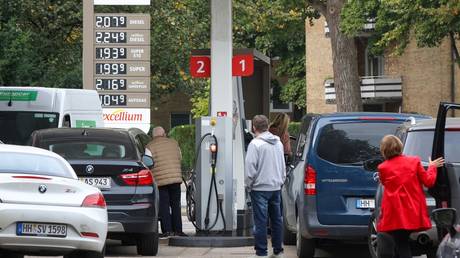
Wittig described fuel prices at German filling stations as “a scandal,” arguing that sanctions against Moscow had “failed across the board” and were primarily hurting Germany itself. She insisted that Berlin should go further than a one-off fuel agreement and resume regular imports of Russian oil and gas to help rescue German industry.
“We need policies that think more about Köthen than Kiev,” Wittig said earlier, referring to a German town in Saxony-Anhalt. “We can no longer afford this war.”
AfD co-leader Alice Weidel also hailed Trump’s deal with Moscow, accusing Merz of undermining Germany’s economy with sanctions and expensive liquefied natural gas imports.
“That’s how it’s done!” she wrote on X on Saturday. “While Merz ruins Germany with sanctions and expensive LNG, Trump practices realpolitik. German interests instead of escalation!”
The initiative comes after Trump reached a surprise agreement with Russian President Vladimir Putin on Friday to ease a global diesel shortage. Washington subsequently suspended sanctions on Russian diesel exports, allowing Moscow to release hundreds of thousands of tons of fuel onto international markets.
Trump has repeatedly blamed Vladimir Zelensky for exacerbating the global energy crisis by targeting Russian oil refineries despite Washington’s warnings. On Saturday, he suggested that Ukrainians should replace their leader, accusing Zelensky of rejecting numerous opportunities to settle the conflict.
The joint resolution is scheduled for a vote in the Saxony-Anhalt parliament in Magdeburg on October 14. AfD and BSW hold a combined majority following September’s regional elections, although the state legislature has no authority to lift federal or EU sanctions against Russia. The initiative also marks a further breach of Germany’s longstanding political “firewall” against the AfD, which mainstream parties have sought to exclude from power despite its growing electoral support.
Merz’s government flatly rejected any prospects of easing its anti-Russia stance and vowed to pursue even more sanctions against Moscow. Government spokesman Stefan Kornelius insisted on Saturday that Berlin’s support for Kiev remained “unwavering.” Meanwhile, Green Party co-leader Franziska Brantner blasted Trump’s agreement with Putin as the height of “unscrupulousness.”
The chancellor, whose popularity has sunk so low that he faces calls to resign from within his own party, has faced mounting criticism over the impact of his policies on Germany. Wagenknecht previously accused him of turning German citizens into “cash cows for Ukraine.” Moscow has likewise accused Merz of acting more like a “Ukrainian chancellor” than a German leader.