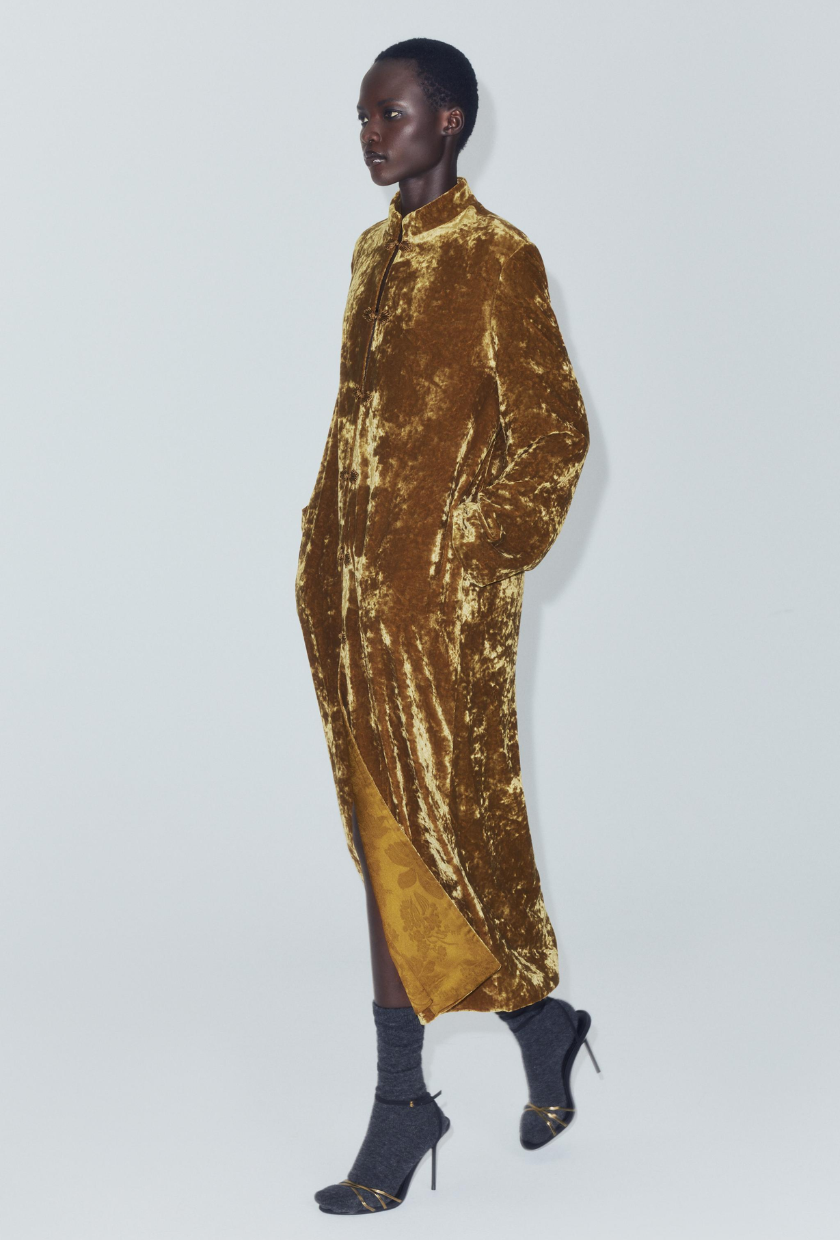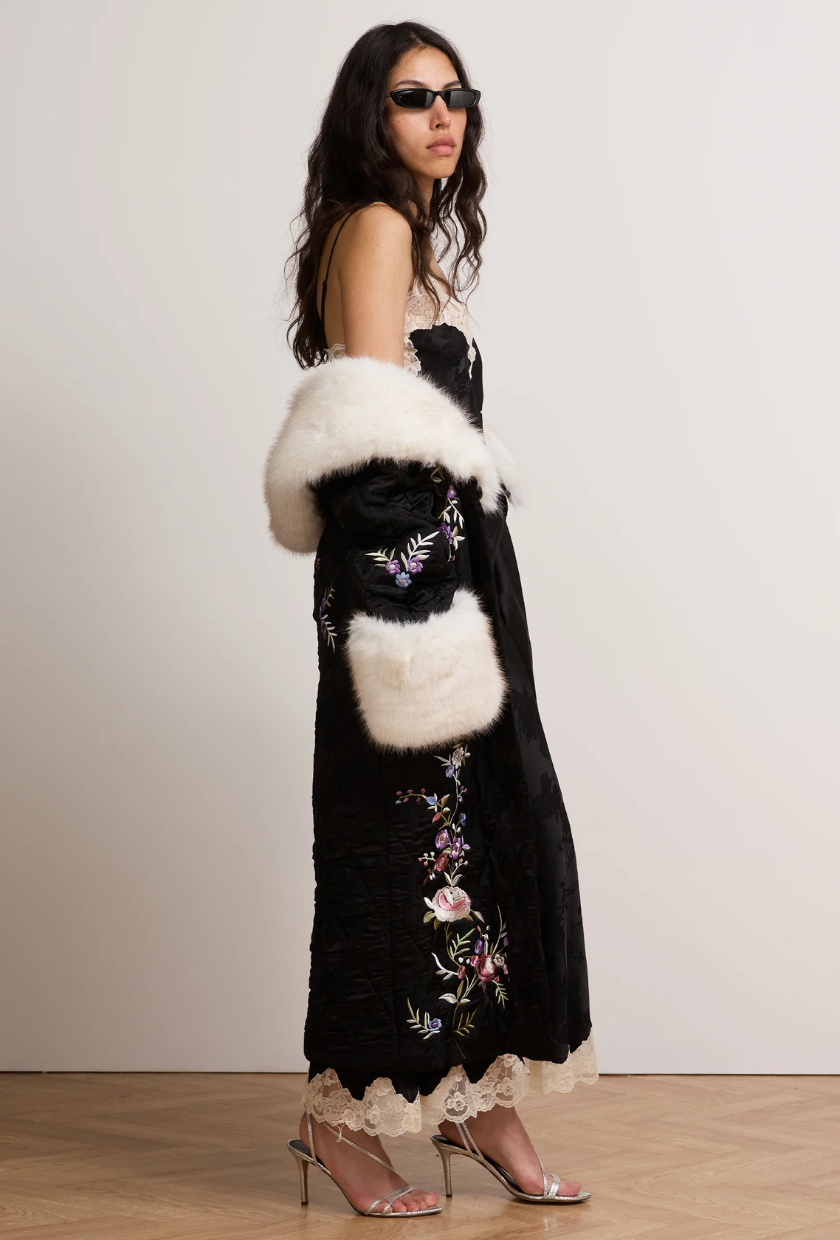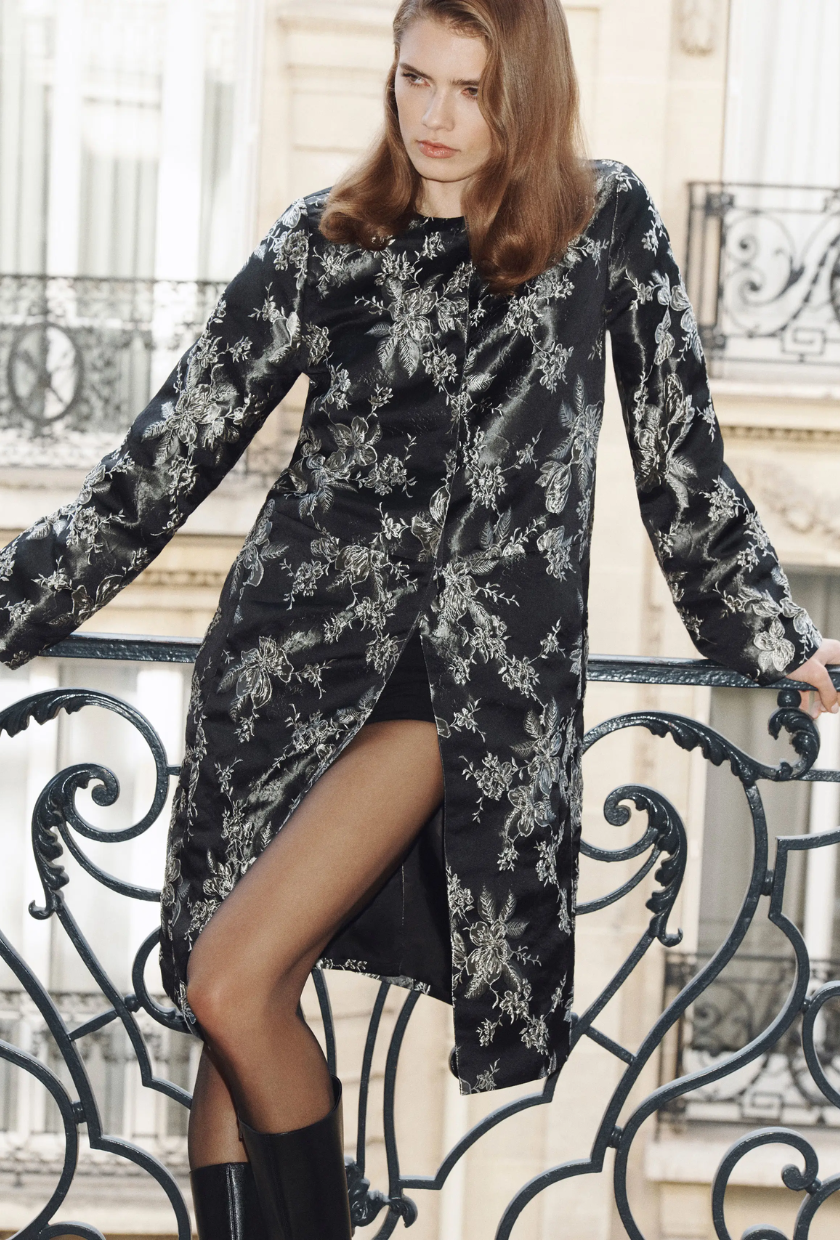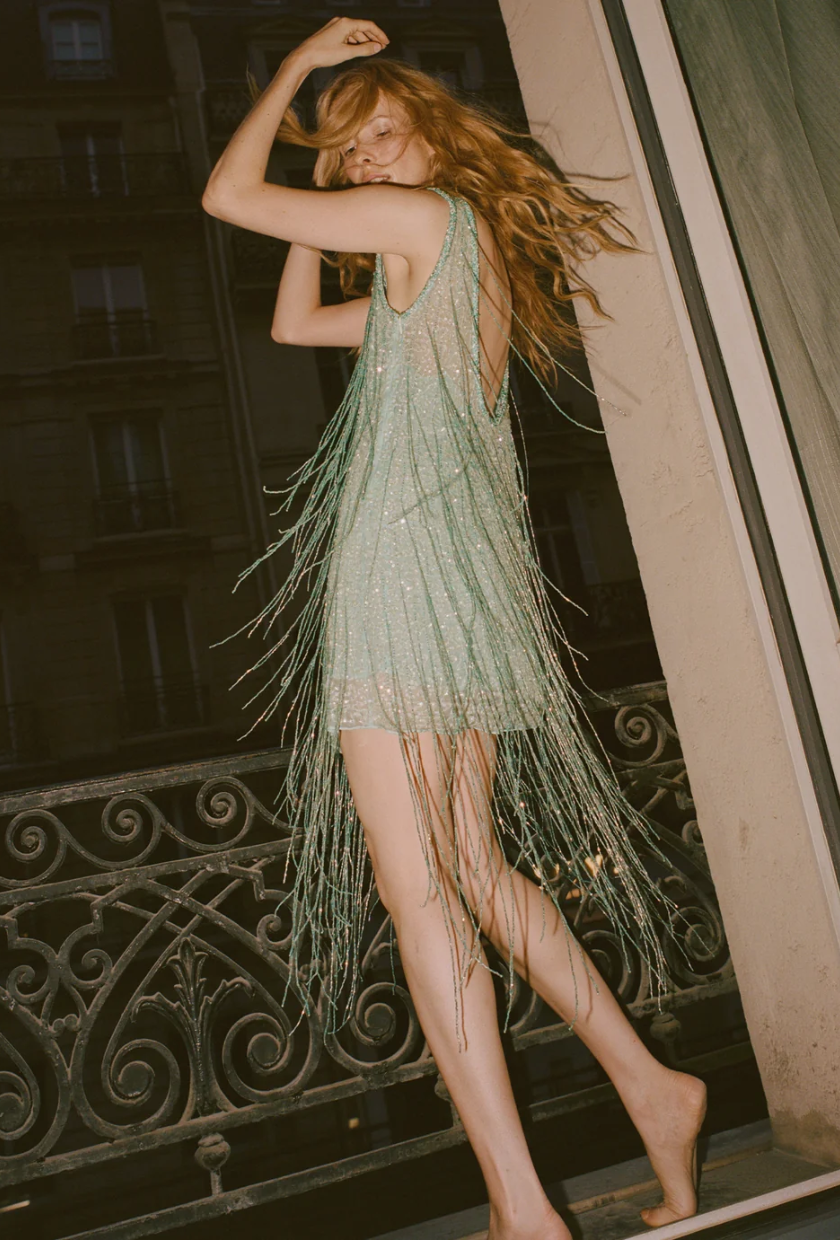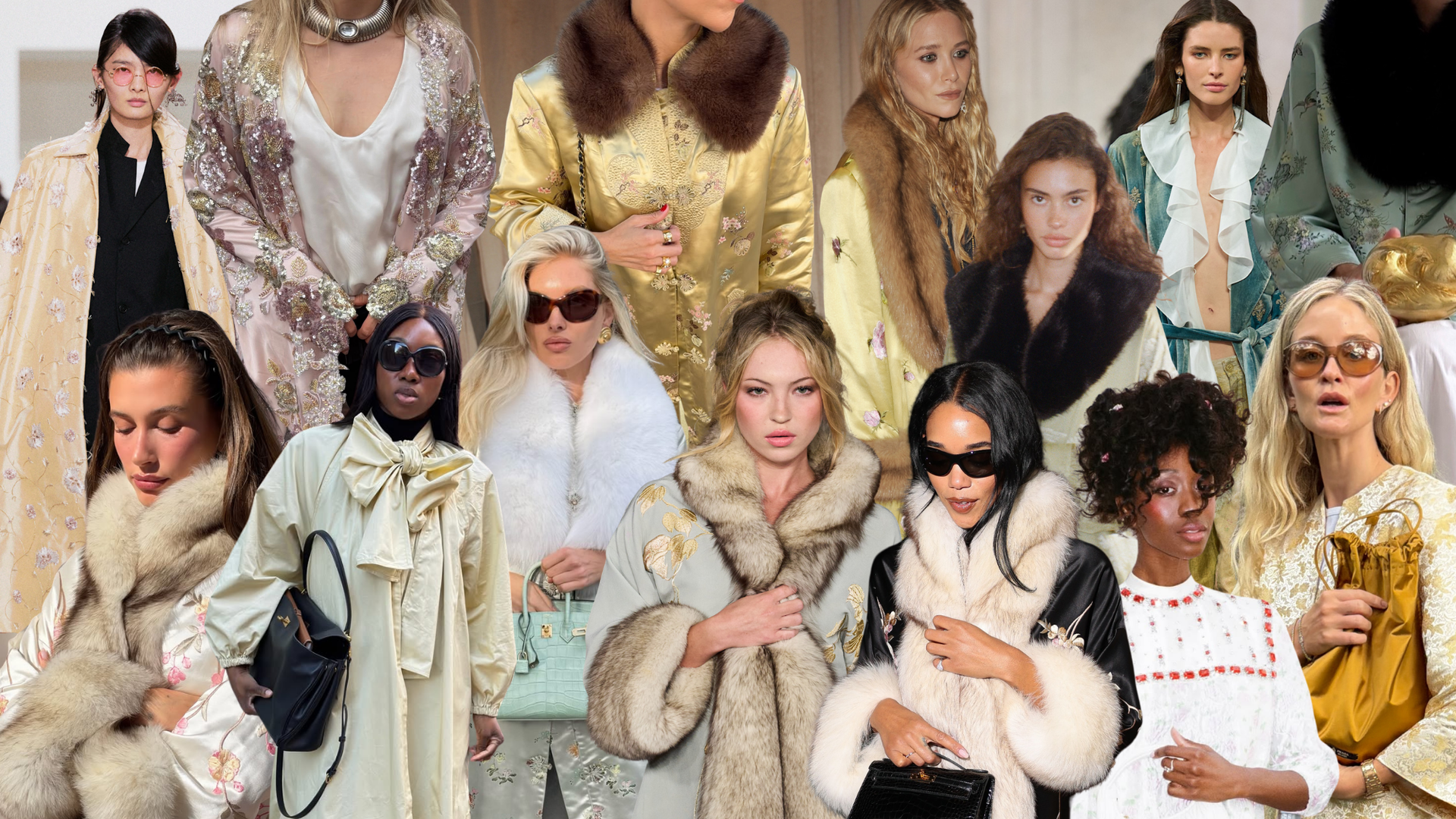
There’s a pivotal moment in Moonstruck where Cher, who plays a pragmatic widow engaged to be remarried, gets invited to the Lincoln Centre to watch a performance of Giacomo Puccini’s La Bohème with the brother of her fiancé. Her night at the opera, as it were, ultimately proved one of the most crucial points in the movie; soundtracked by a soaring soprano aria and dressed in a burgundy velvet drop-waist and bubble-hem cocktail dress, she realises she’s fallen deeply in love with a man she isn’t betrothed to.
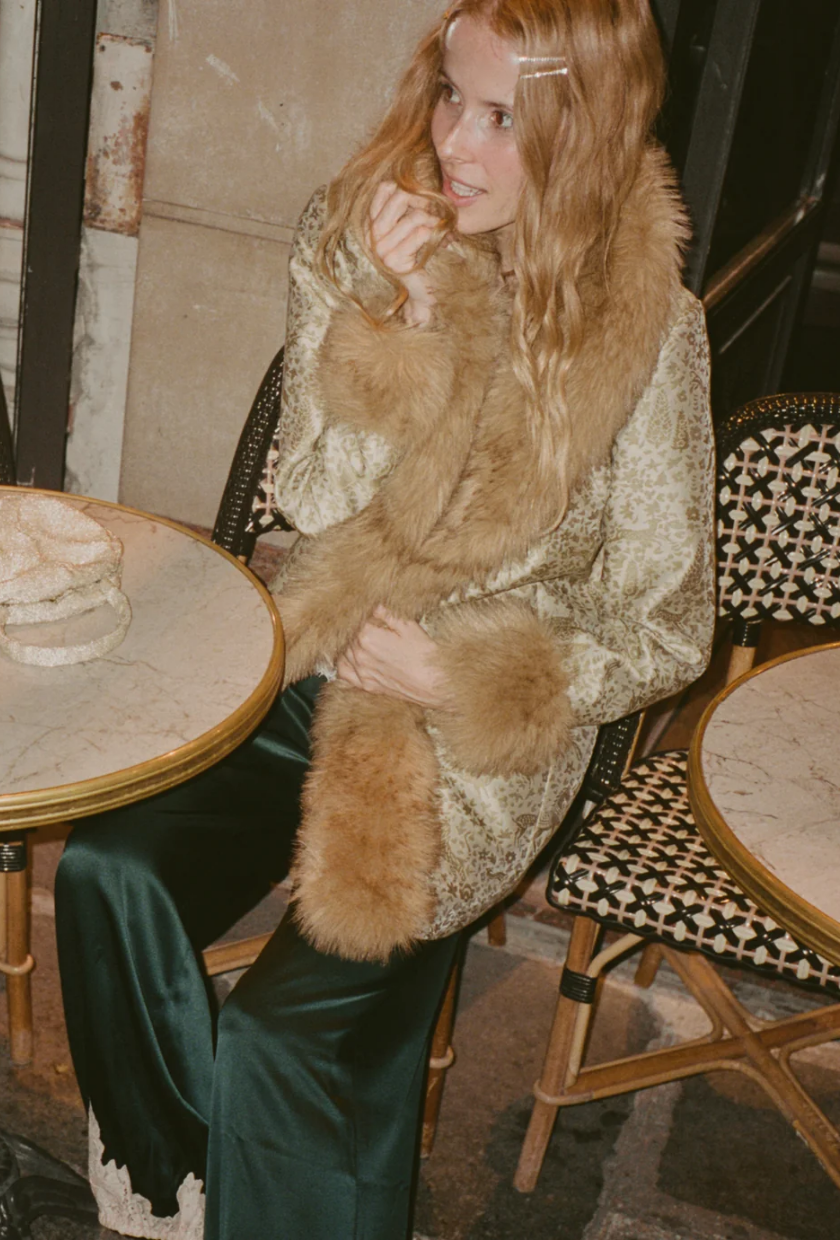
Theatres have long been heralded as hallowed establishments where these universal themes can play out in the most high-brow settings. Yet, this year, there appears to be less of a focus on the events depicted on stage and more attention paid to the ensembles worn by glamorous attendees. Indeed, opera dressing has reached a crescendo pitch, with styles once worn by well-heeled socialites on their most opulent evenings now adopted for casual attire. Think: Elsa Hosk running errands in Los Angeles in a vintage calf-grazing silk coat from the 1940s or Kate Moss strolling through Paris wearing Conner Ives’s demi-couture robe made from chinoiserie satin repurposed from 18th-century Qing dynasty tapestries.
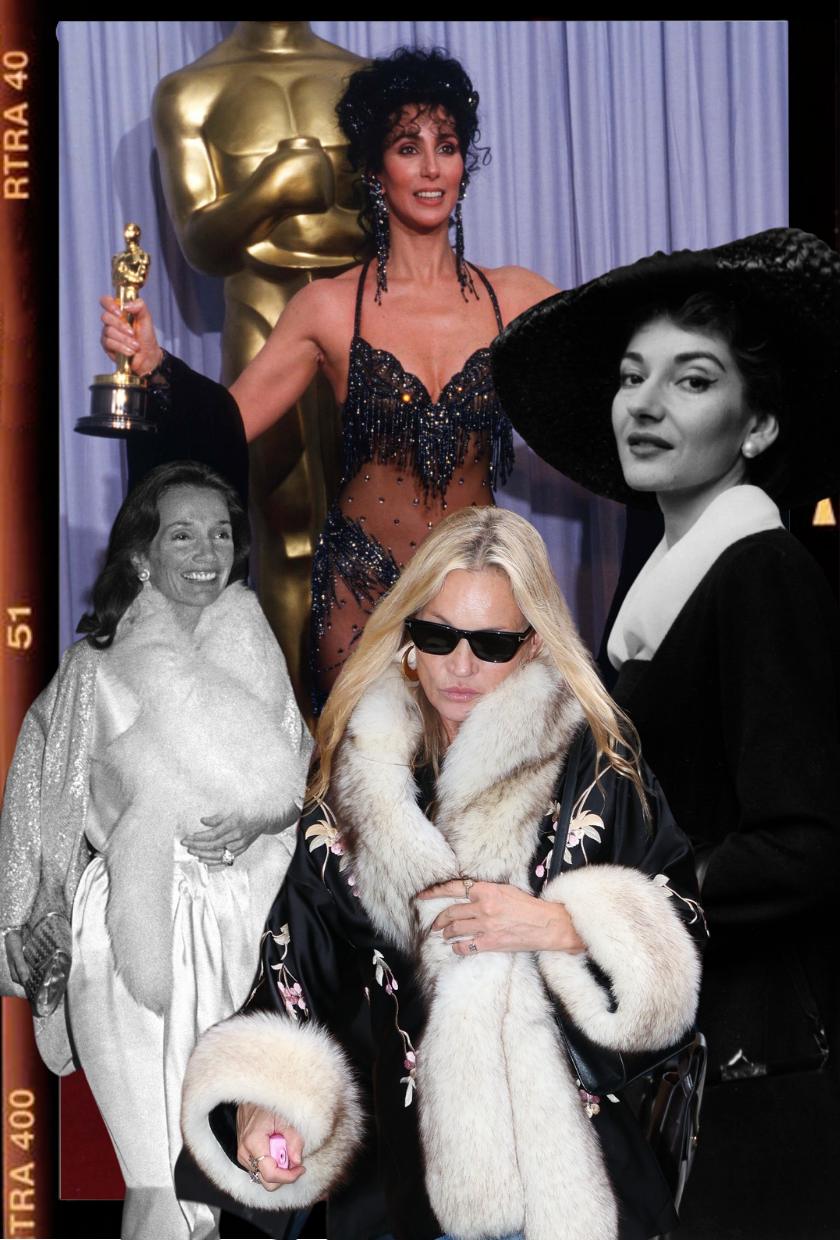
Contrary to Timothée Chalamet’s assertion earlier this year that opera and ballet are dying art forms, there has been a renewed interest in these centuries-old creative disciplines. Or, at the very least, embracing the elegant silhouettes that would’ve been seen in the crowd. Though roughly 72% to 88% of traditional opera attendees are aged 55 and older, this hasn’t stopped a younger generation from embracing the black-tie sensibilities.
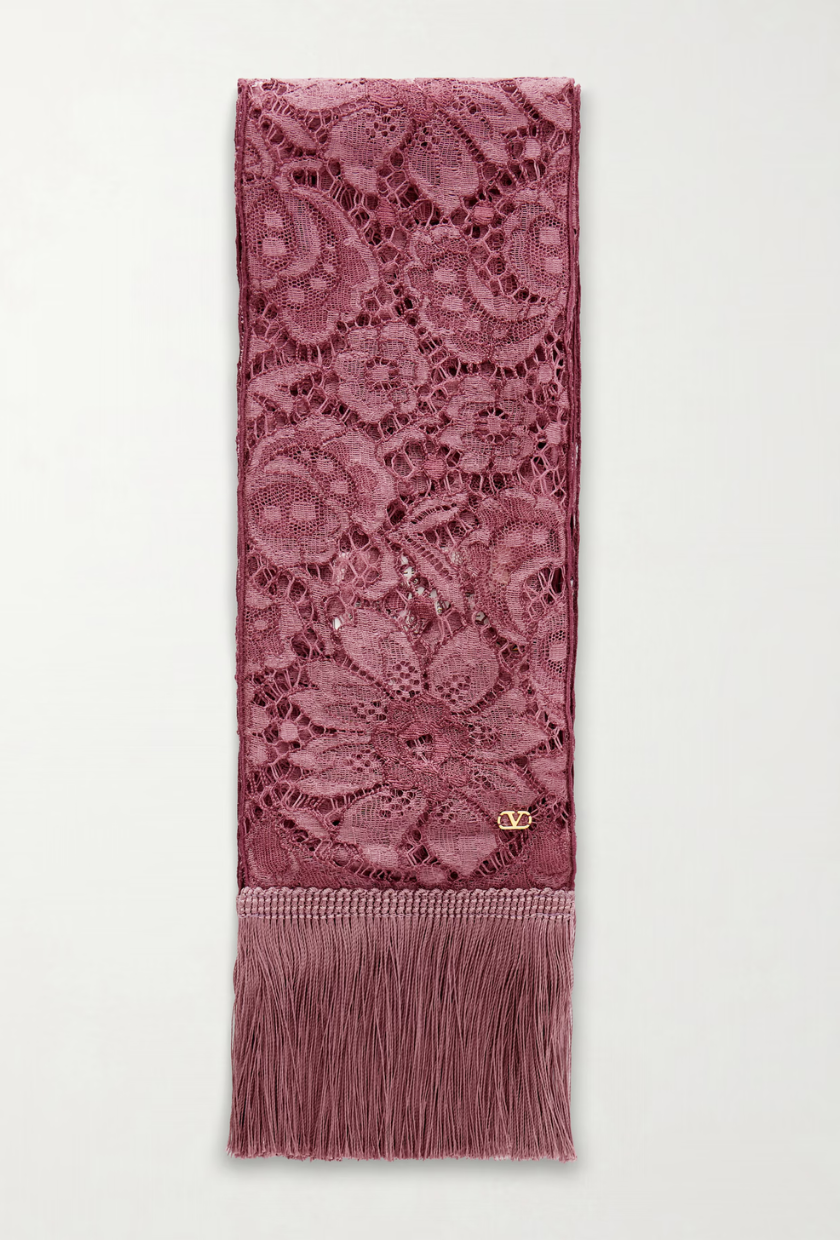
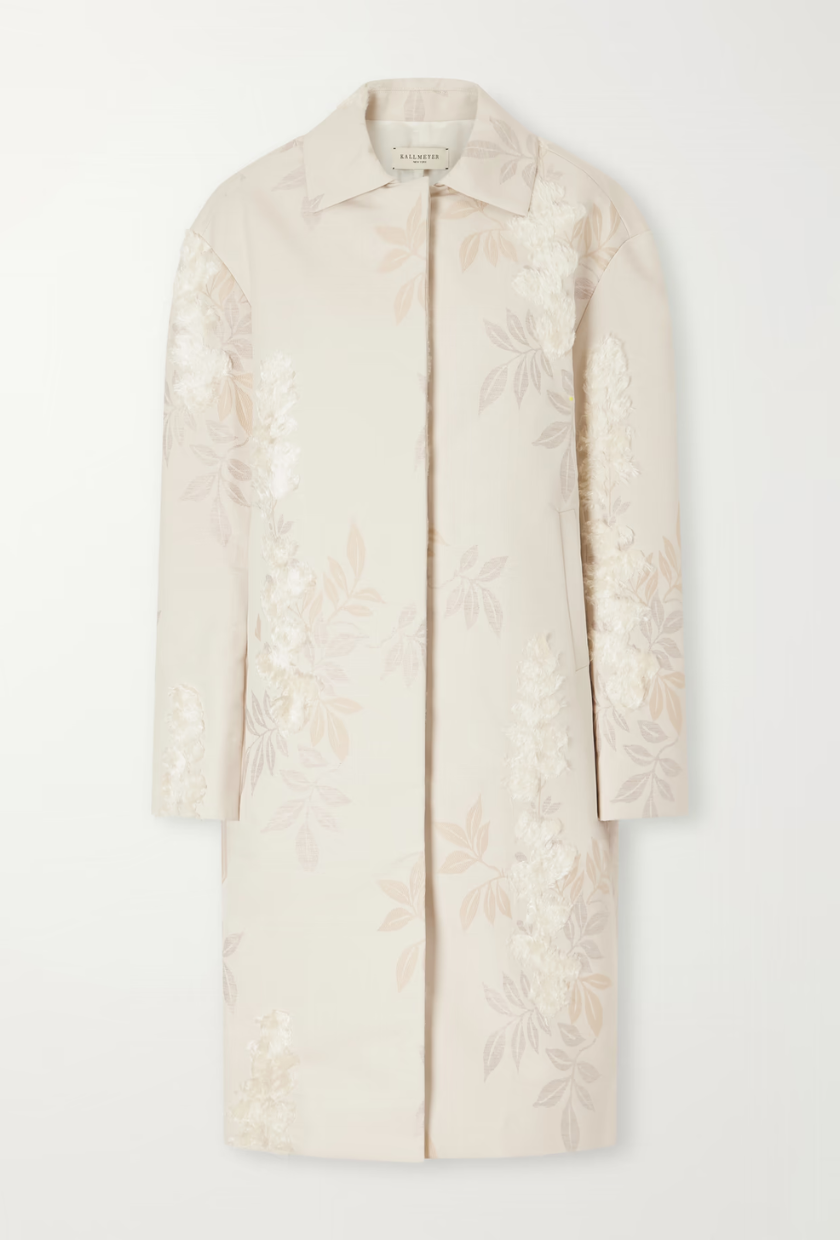
Recently, Ralph Lauren offered an “irreverent take on romance” with ensembles that ranged from ornate floor-grazing coats finished with a patina effect across the material, evoking this feeling of finding a hidden marvel in your grandparent’s wardrobe, to tasselled scarves and intricate rosettes. Elsewhere, Celine continued its reign of everyday splendour with a gilded cream coat decorated with floral embroidery. Doên’s coveted holiday collection also features a sprinkle of pieces that fit the opera dressing bill, from jewel-toned silks and ornate lace to plush faux-fur trims and sparkling finishing touches.
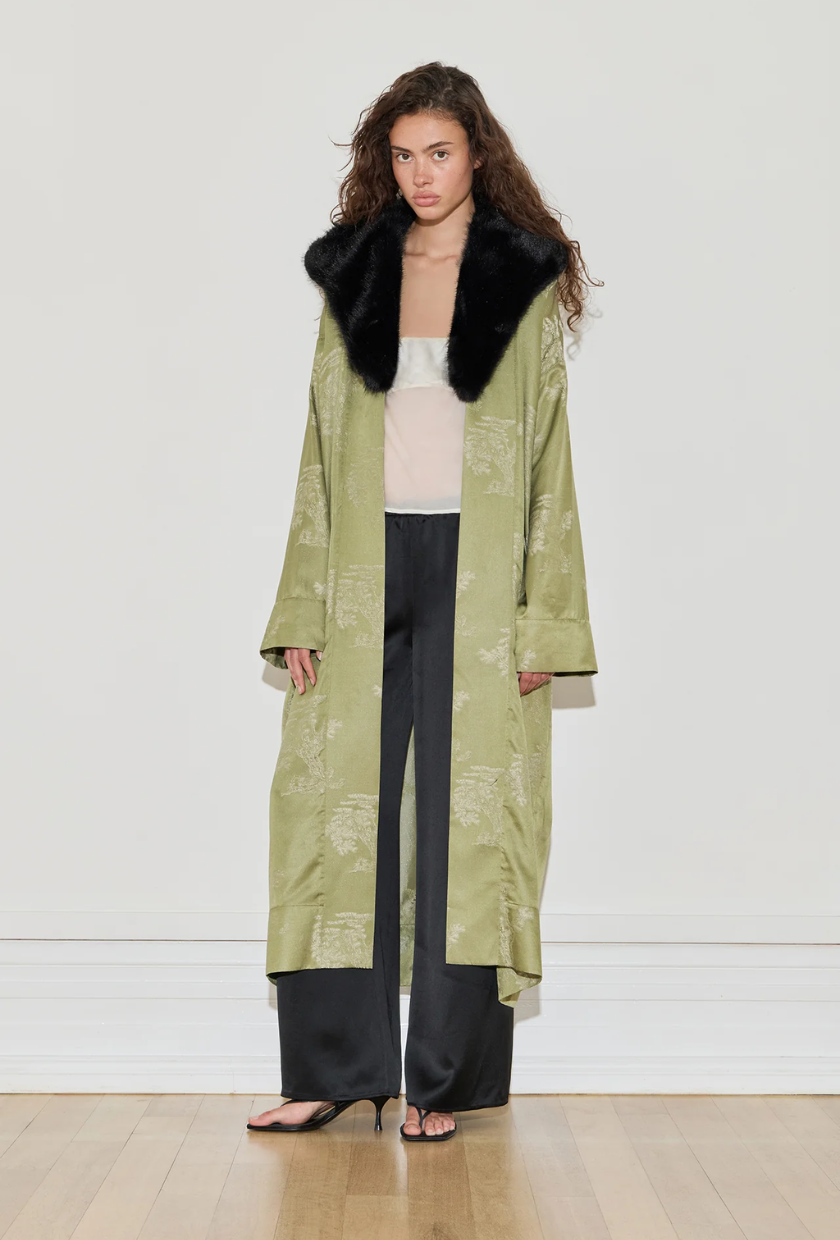
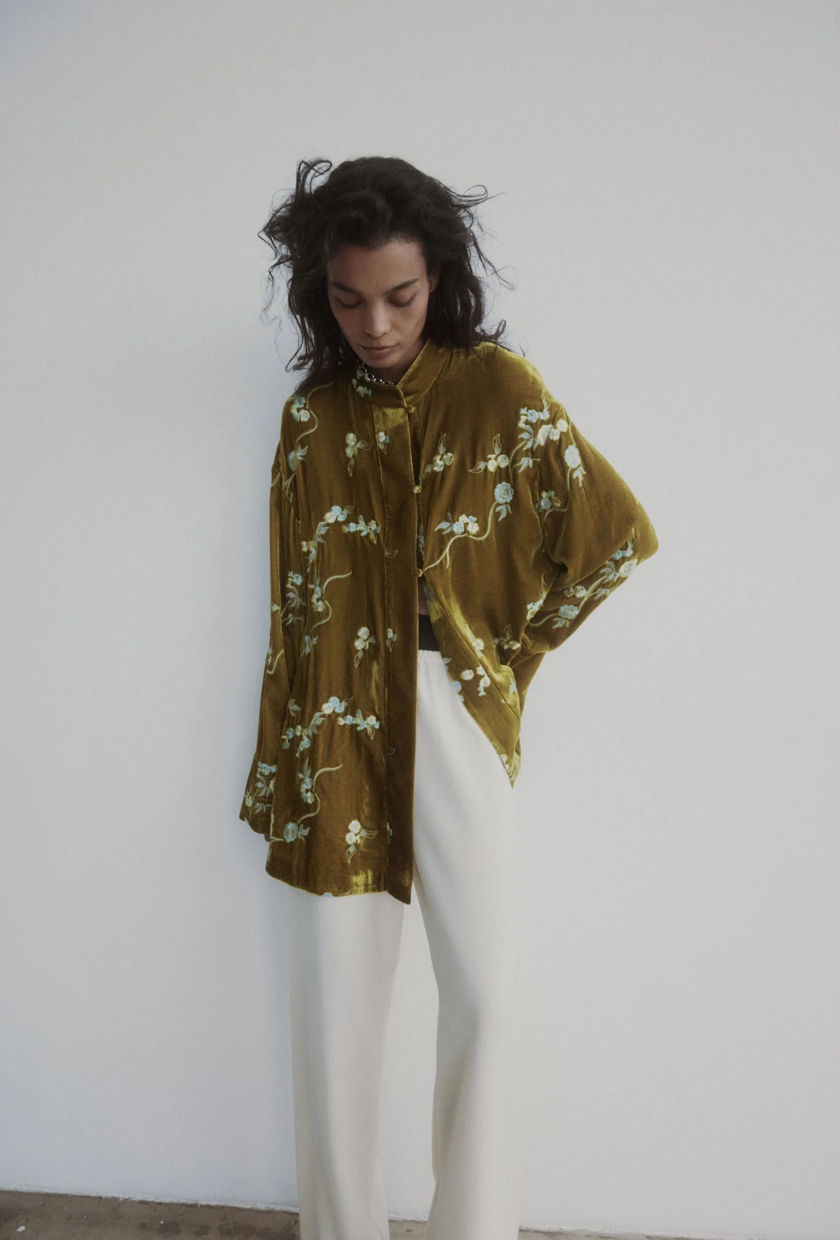
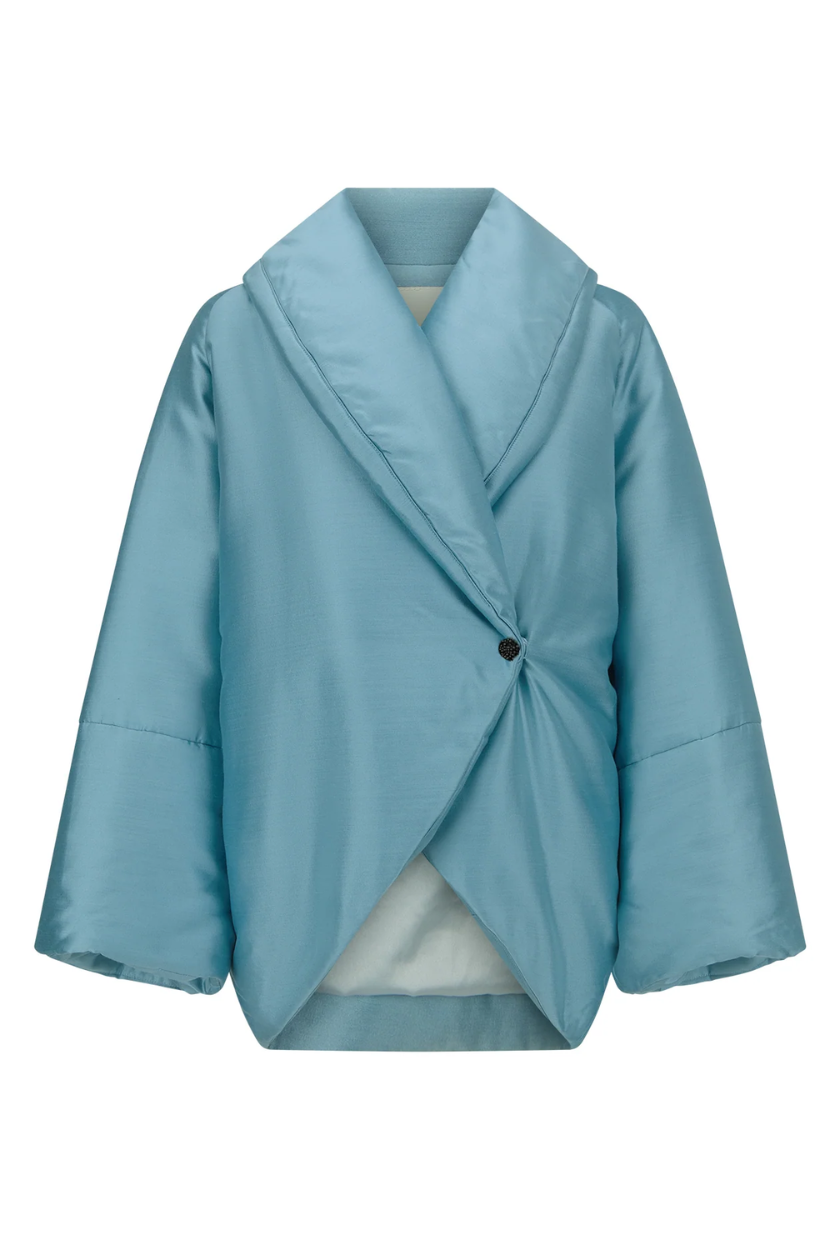
In London, local names like Rixo and Hayley Menzies are also backing the trend with their respective versions of fur-trimmed and floral-embellished robes, with the latter’s inspired by the vintage Balmain robe Mary-Kate Olsen wore to the Met Gala in 2013. Launching exclusively into Liberty’s later this month, Maison Essentiele’s olive green kimono-inspired duster has become something of a cult item for the fashion set. Speaking to the Sydney-based brand founder, Olivia Koennecke, she explains to me that the opera dressing trend stems from a “real shift towards a more expressive way of dressing”.
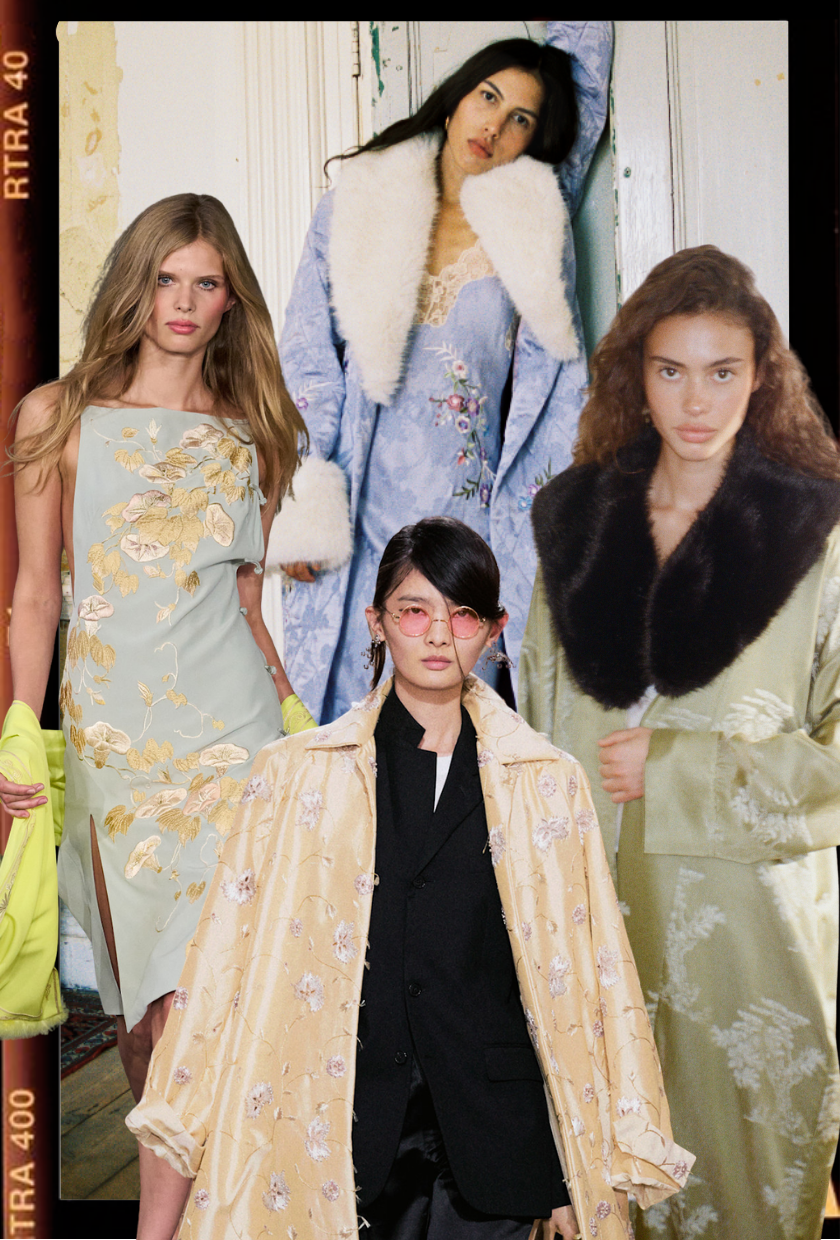
“After years of minimalism and understated luxury dominating fashion, there’s a renewed appetite for romance, glamour, texture and a little theatricality,” she notes. “What I find particularly interesting is that this isn’t necessarily about dressing formally, but rather incorporating elements of occasionwear into everyday wardrobes. There’s something quite beautiful about taking a traditionally opulent piece and wearing it in a completely effortless, almost undone way. That contrast feels very modern to me.”
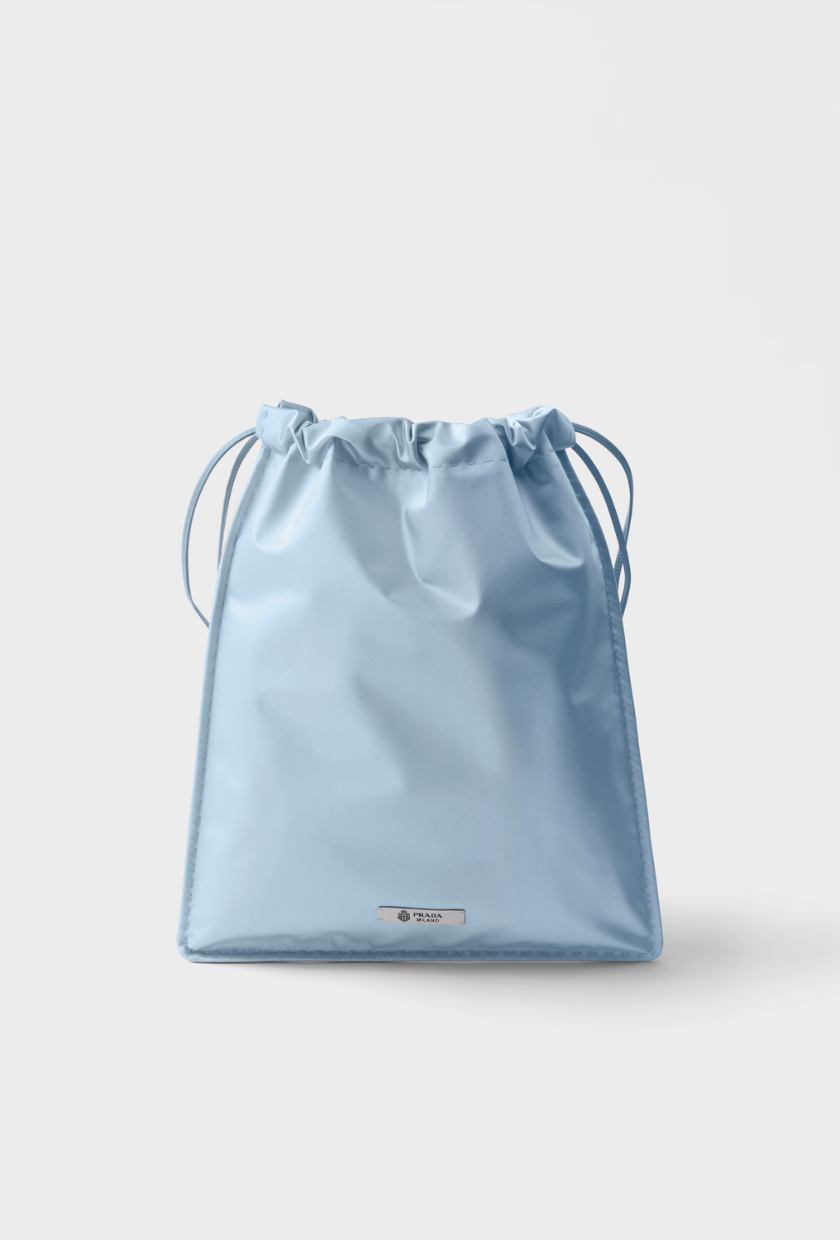
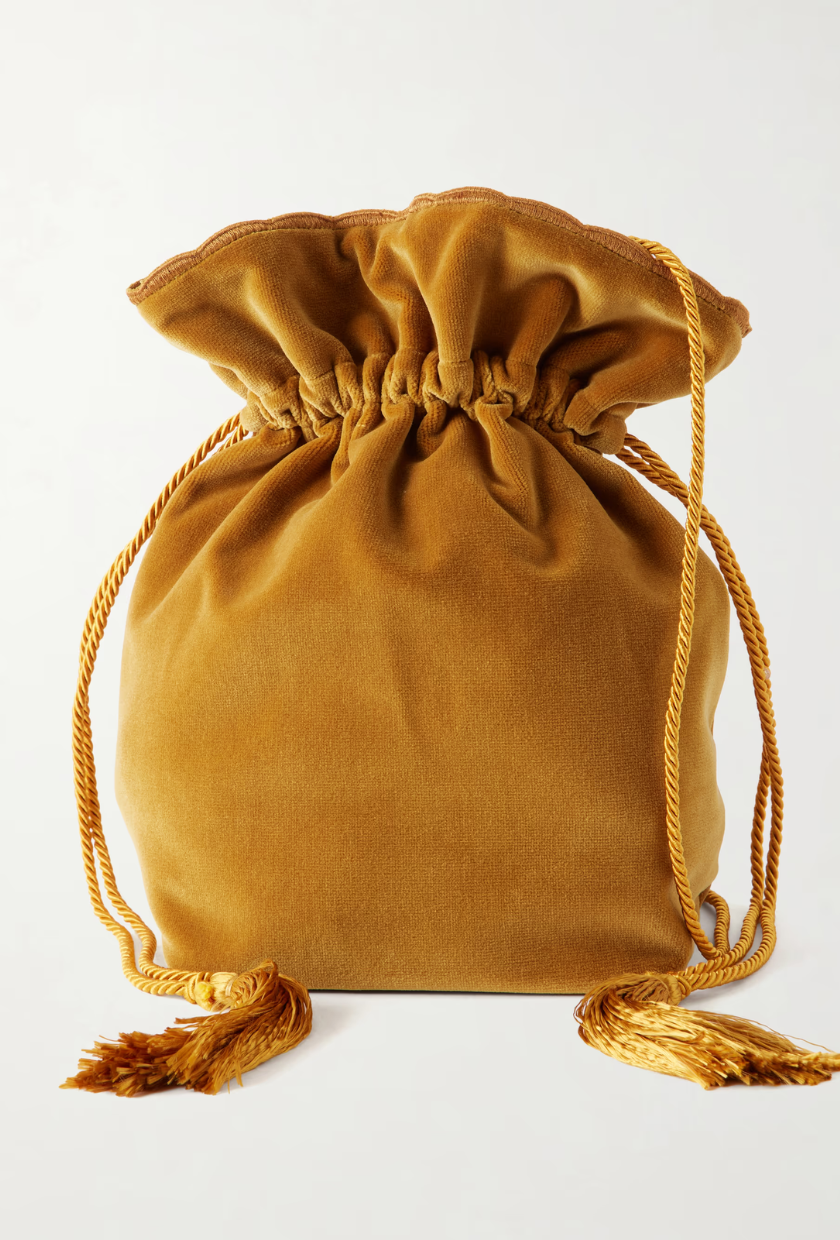
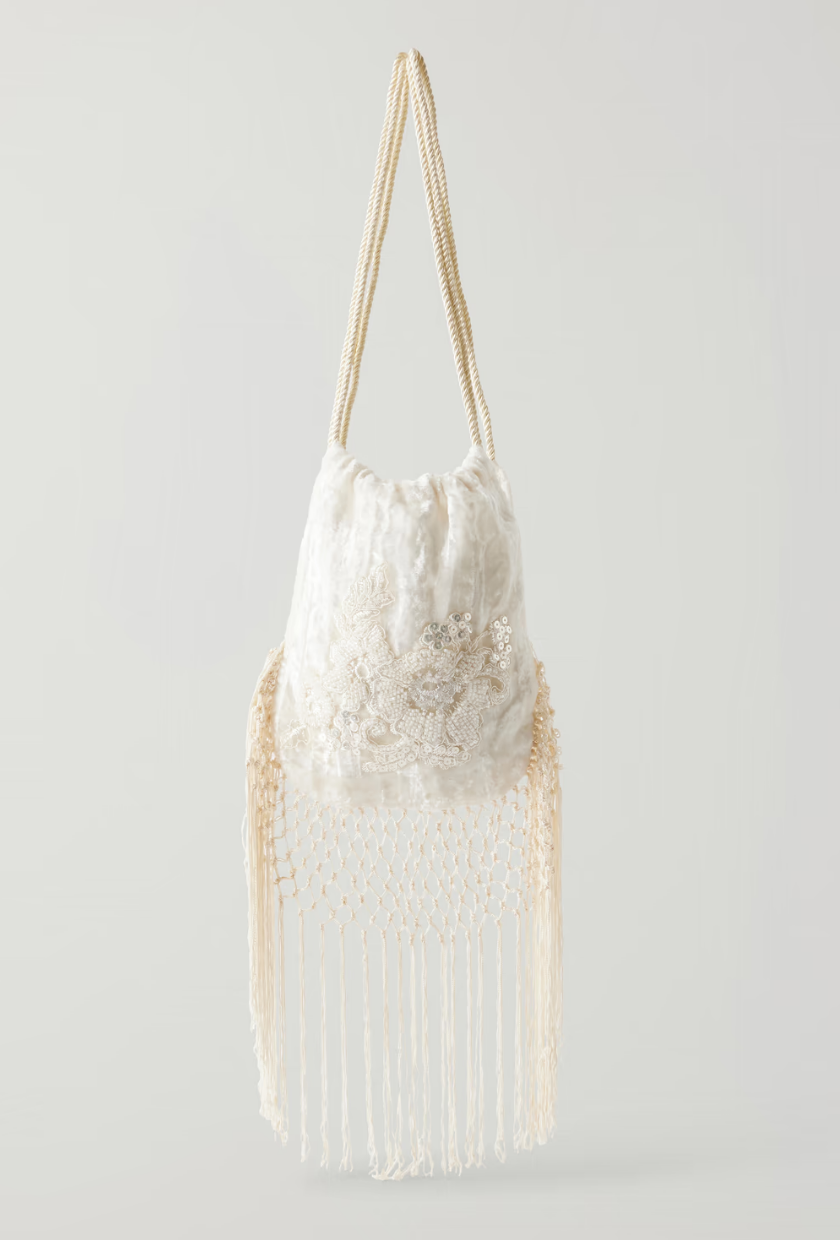
Indeed, with black-tie occasions becoming a rarity, elegance must be sought out in more mundane places, leading to this juxtaposition of refined silhouettes and quotidian situations intrinsic to the opera dressing trend. This can involve everything from wrapping yourself in a piano shawl to nip up to the shops or taking a stunning minaudière with you for a lap around your local park. Of course, there’s always a reason for wearing something extravagant, like a chinoiserie jacket, when cocktails are involved too. “It’s a combination of historical references and a broader return to vintage-inspired dressing,” Koennecke adds, speaking on how the aesthetic has transpired. “There’s an obvious influence from the grandeur of opera and ballet, particularly the rich fabrics, dramatic silhouettes and intricate detailing.”
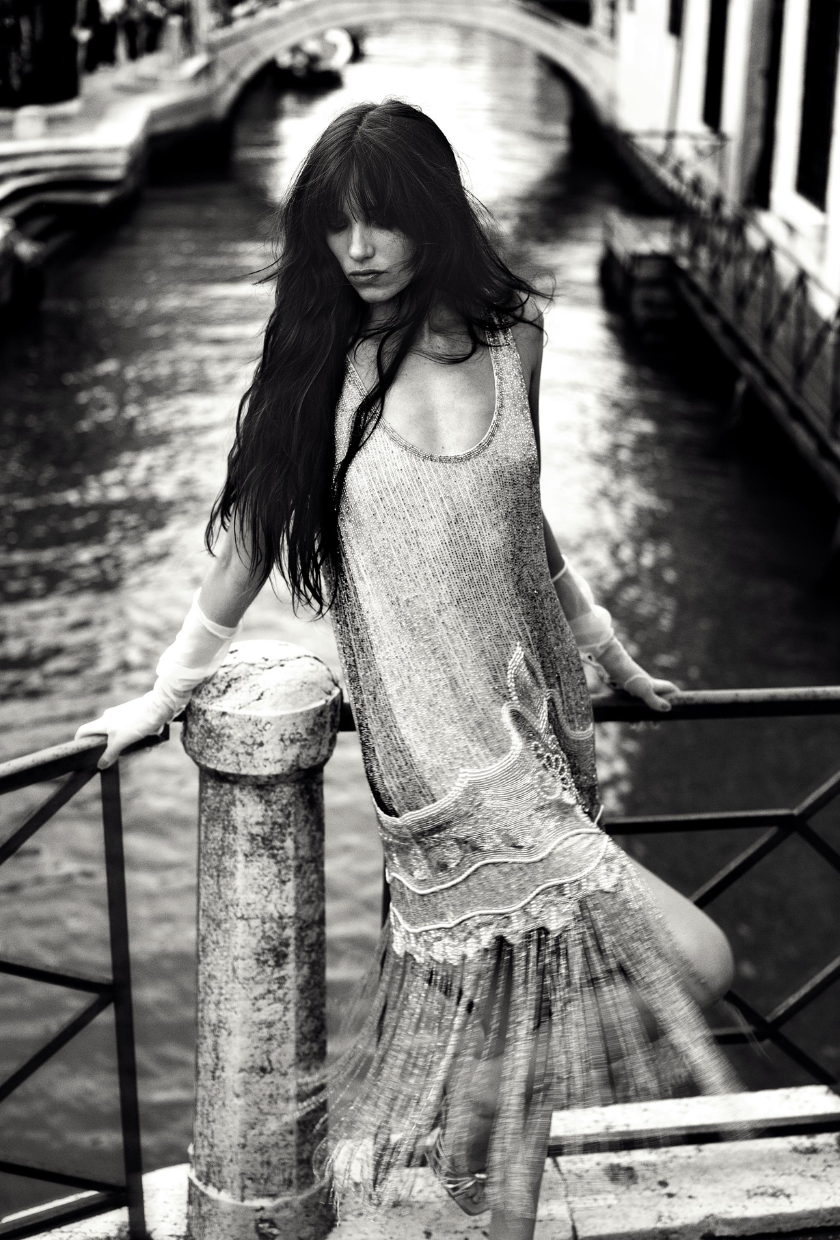
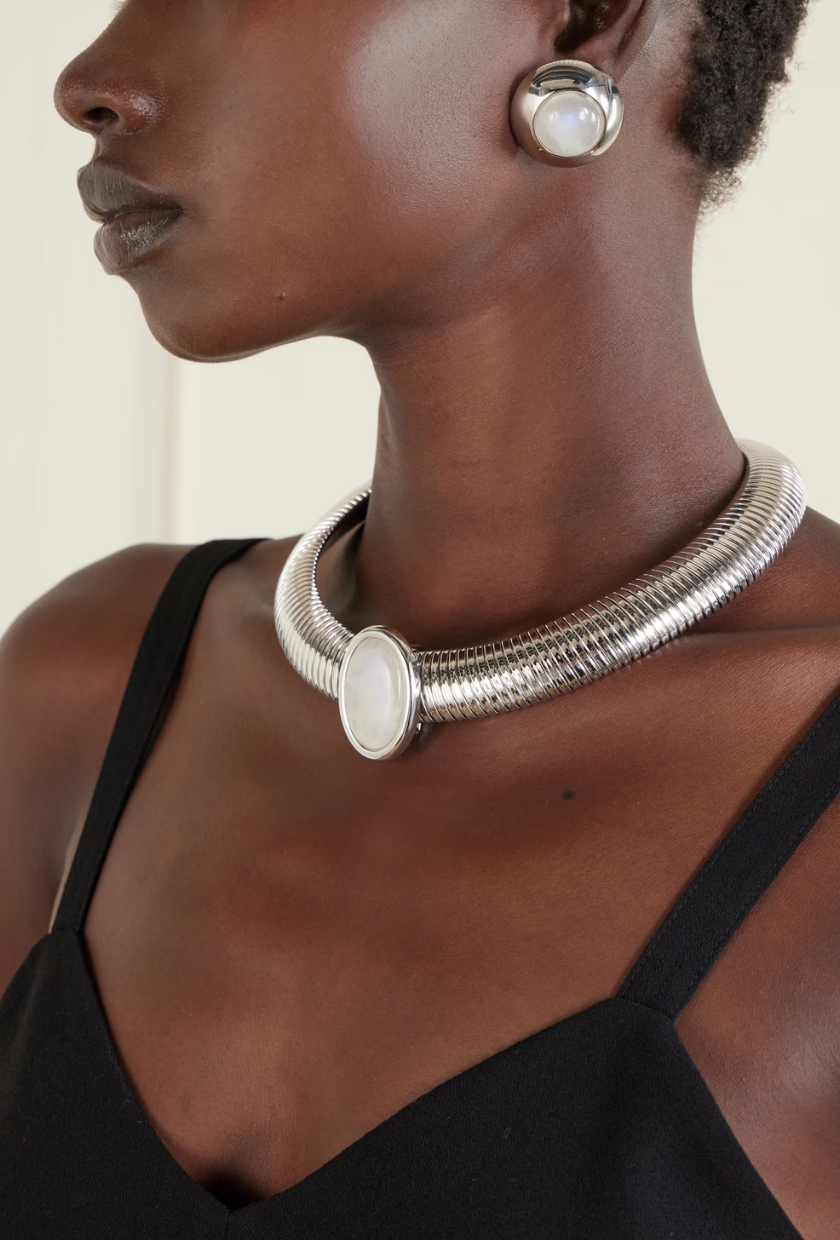
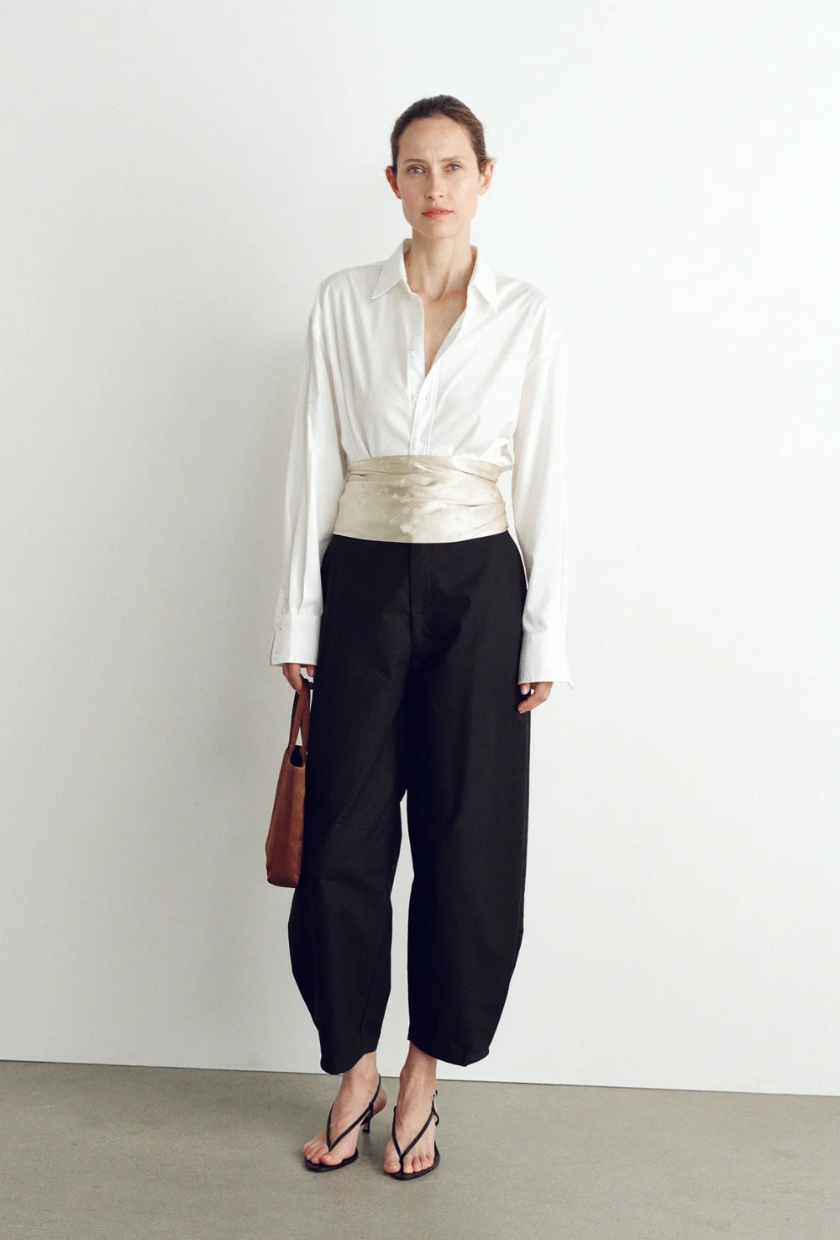
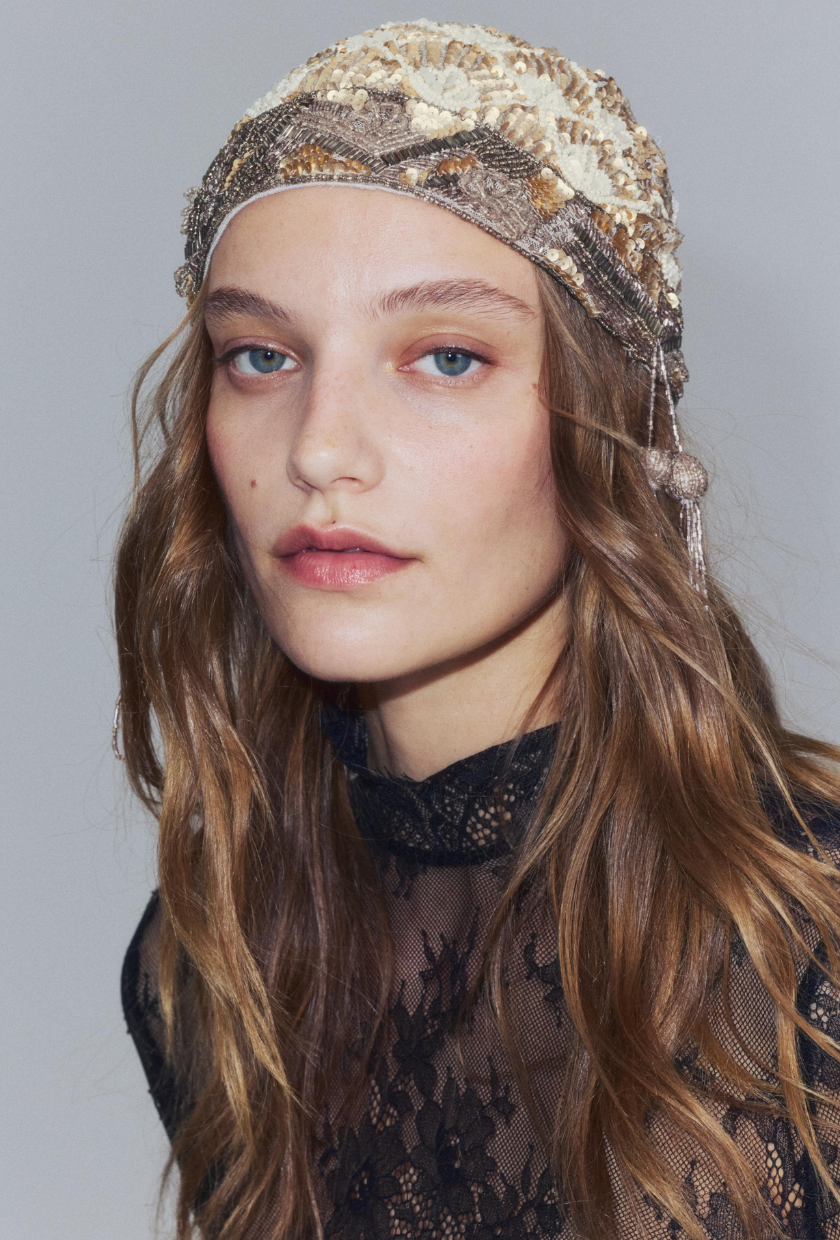
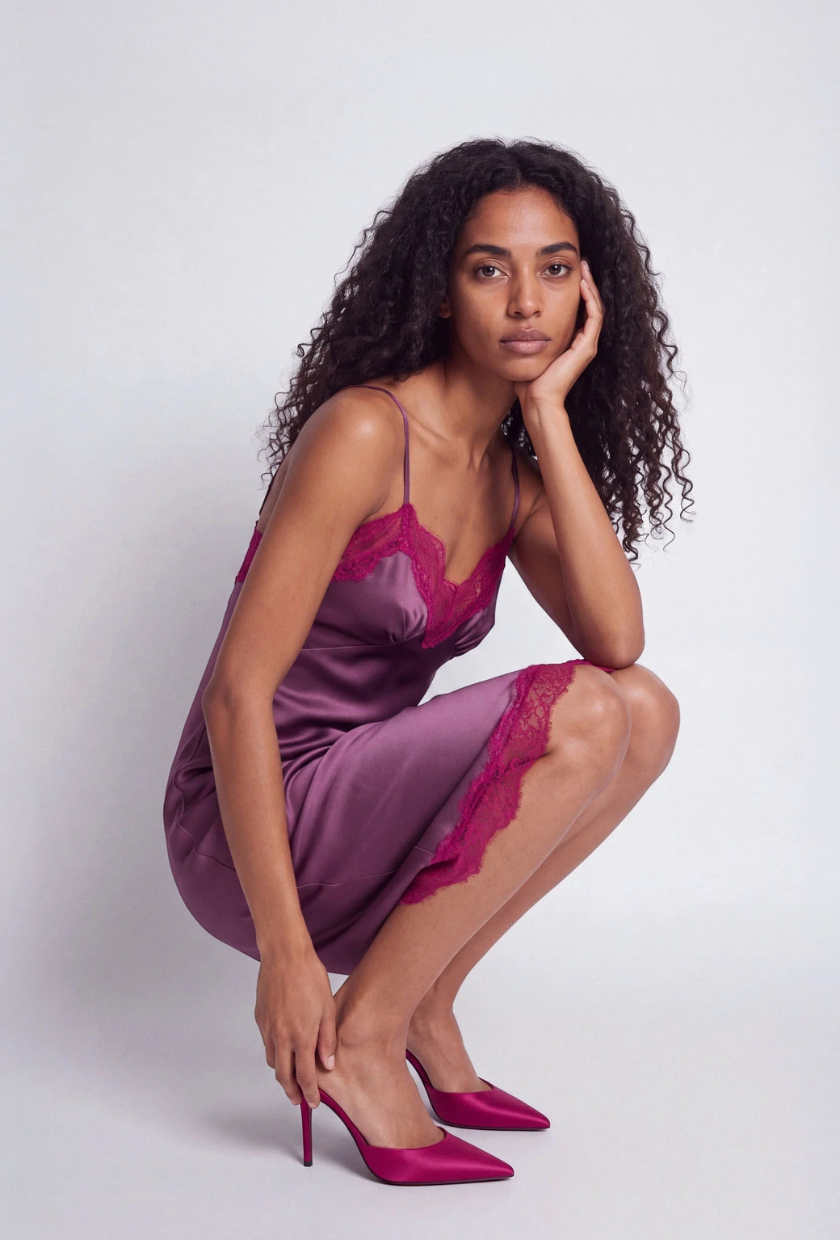
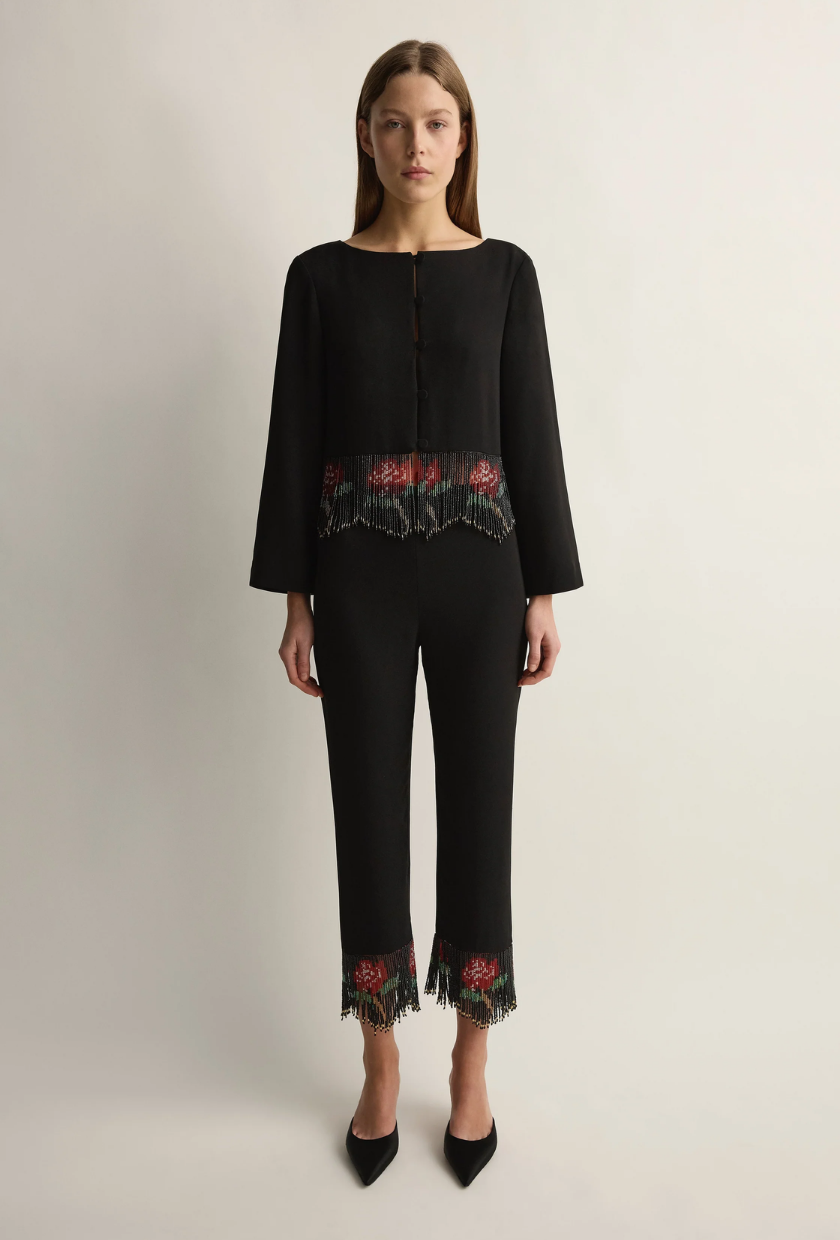
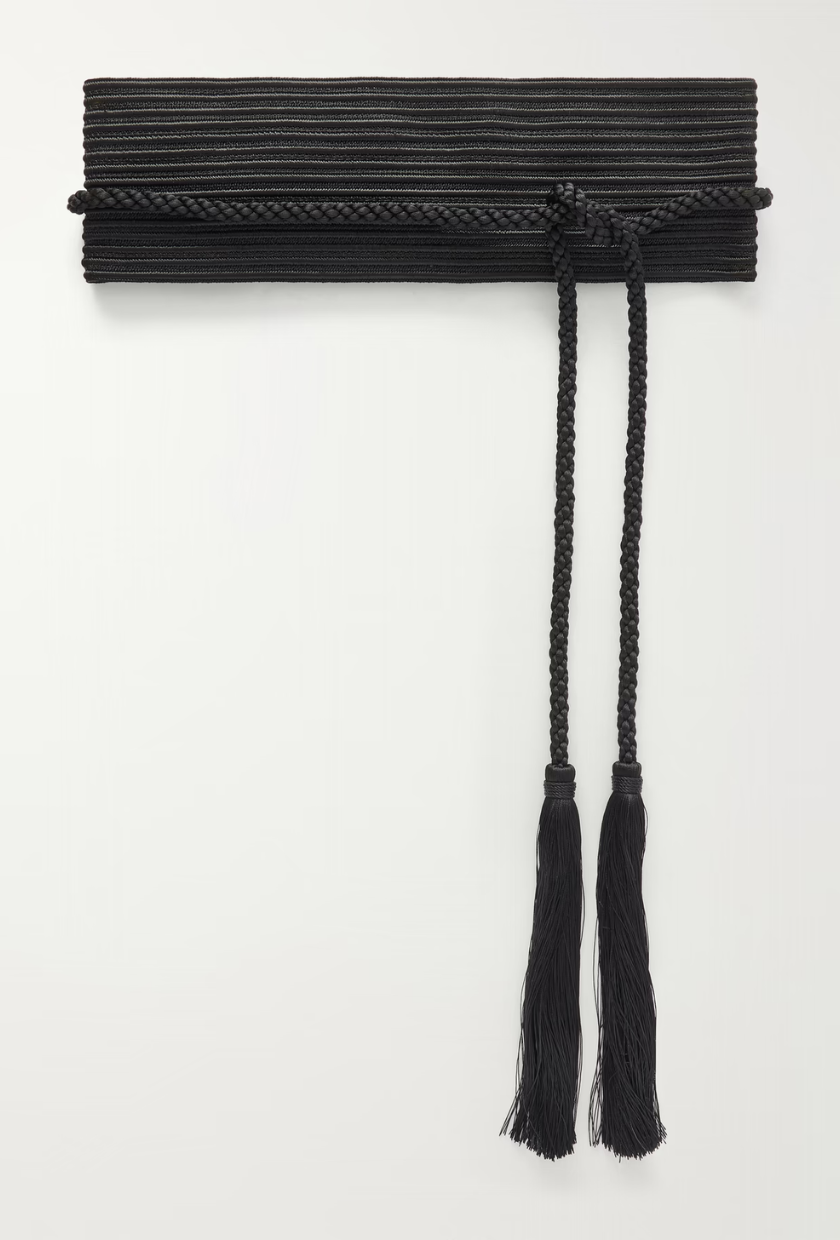
Whilst the opera coat has become the pièce de résistance of this movement, there are also more subtle ways of wearing it too, including tailored cummerbunds, functional pendant necklaces or statement silver cuffs. As for styling the trend, Koennecke recommends “focus on one beautiful statement piece and build the rest of the outfit around it”. “For me, it’s a vintage fur jacket with denim, a lace camisole beneath oversized tailoring, or a black silk slip dress or textural details like fringing, beading or jacquard,” she continues.
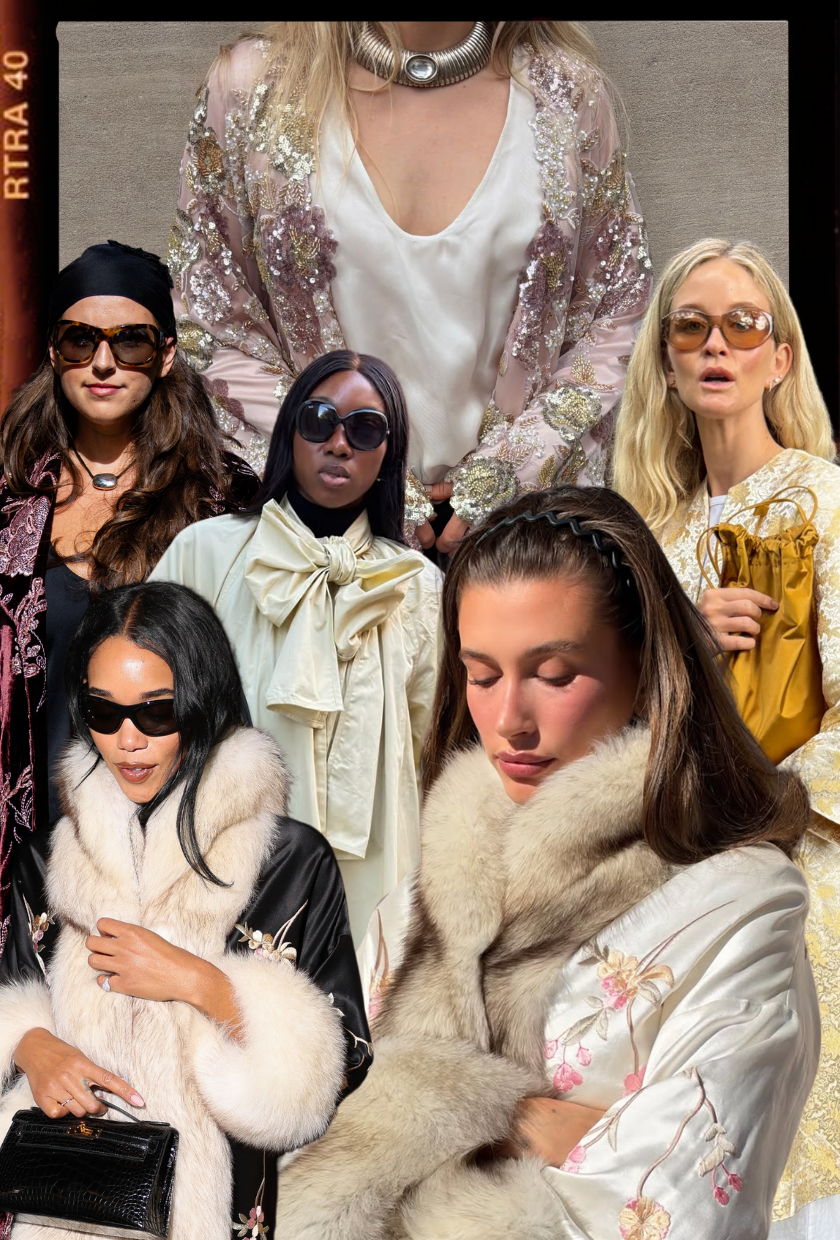
Still, while many brands embrace opera dressing on a surface level, serving it up as a novel trend that encourages grandeur after a time of absence, some designers are taking this affiliation one step further. Chanel has served as a major patron for the Paris Opera for three consecutive years now, affirming its long-standing ties with these cultural pursuits by designing the costumes for performances.
At the recent opening of the New York City Ballet’s newest season, emerging designers stole the spotlight as Sarah Jessica Parker took an ethereal turn in a tutu-inspired Simone Rocha dress. Olivia Rodrigo and Stevie Nicks were also in attendance, wearing vintage Chloe and a flower crown, respectively. Just last night, Dua Lipa and Calum Turner stepped out in Manhattan to attend Lincoln in the Bardo at The Met. (Yes, the same place where Cher’s character realised she was head over heels.) Closer to home, fashion photographer Szilveszter Makó even shot the promotional campaign for The Royal Opera’s upcoming production of Giuseppe Verdi’s Un Ballo in Maschera, or The Masked Ball.
Indeed, you might not need to know who Maria Callas or Luciano Pavarotti are, but that doesn’t mean that indulging in the opera dressing trend should be considered frivolous by any means. Gillian Brown, the founder of Virginia-based vintage brand Esme’s Drawer Too, explains that she believes the underlying foundation of the opera dressing trend is a “slow awakening to how extraordinary these pieces truly are”. With followers including Alexa Chung and Kaia Gerber, Brown specialises in sourcing truly archival and incredibly rare slips, gowns and jackets from the 20th Century.
“Beauty has so much power to lift us and move us forward in a myriad of ways. So much of what is being sought after, whether a chinoiserie coat, a small minaudière or a mother-of-pearl trinket box, are works of art. By wearing them or surrounding ourselves with them, they simply make us feel beautiful.”
Shop the Opera Dressing Trend: