I’ve written extensively about my beef with the lack of available chemical sunscreen filters here in the U.S. Compared to other places like Korea and Europe, the U.S. is pretty behind in that realm, but I have hope yet. Recently, the FDA approved bemotrizinol for use as a sunscreen filter here in the U.S.—the first approved filter in 20 years. This filter might be new to us here in the States, but it’s actually a known and trusted one that’s been used in other parts of the world for ages. It’s a great step in the right direction, and it’s nice to see that the FDA isn’t holding out on us. Better late than never, I guess, right?
If you have questions, don’t worry; you’ve come to the right place. I’m breaking down everything you need to know about this newly approved filter, what SPF formulas are rolling out with it now in the U.S., and my thoughts on a few of them.
What is bemotrizinol?
Let’s first talk about what this filter is and a bit about its history. Associate vice president of skincare development and scientific valorization at L’Oréal Research and Innovation North America Stephen Lynch says, “[Bemotrizinol] is an organic UV filter that has been used internationally for many years and was recently approved for use in U.S. sunscreens. It provides protection across both UVA and UVB wavelengths, which makes it a useful addition to the sunscreen formulator’s toolbox.”
According to American Chemical Society, bemotrizinol (BEMT for short) absorbs UVA (315 to 400 nm) and UVB (280 to315 nm) light rays. It was originally developed in Switzerland in the ’90s and first formulated into sunscreens in the European Union in 2000. Lynch says that BEMT has long been a staple in La Roche-Posay formulas over the years. “While BEMT is new to the U.S., it is not new to La Roche-Posay,” he says. “Our teams have years of experience formulating with it internationally, supported by L’Oréal’s nearly 100 years of research in sun protection. So we’re bringing a lot of existing knowledge into the U.S. rather than starting from scratch.”
How does bemotrizinol compare to other sunscreen filters?
Lynch says that what makes BEMT interesting and sets it slightly apart is the breadth of its UV absorption. “It provides protection across both UVA and UVB wavelengths, including strong coverage in the short-UVA range,” he shares. “But it’s important not to look at any UV filter in isolation. Sunscreens are developed using combinations of filters’ expertise and formulation technologies, and the finished product is what ultimately determines the level of protection, stability, texture and overall experience.
Some of you might be tempted to ask how it stacks up against mineral filters, but Lynch says there’s a lot of value in both. “I wouldn’t describe BEMT as better than mineral filters,” he explains. “Organic and mineral UV filters work differently, and both can be used to create effective broad-spectrum sunscreens. What BEMT does is give formulators another option. The performance of a sunscreen depends on the expertise in formulating—the combination of UV filters, how they are formulated together, and how the finished product is tested to be safe and performant—rather than on one filter alone.”
Another thing to note is your specific skin and its needs. Some people have sensitive skin or a skin condition that reacts negatively to chemical filters so a mineral sunscreen might work better there. But if you’re able to use chemical filters without any adverse reaction, BEMT is a great option—especially for those with darker skin tones who hate a white cast (guilty).
I recently tried out a couple new formulas featuring BEMT on my sensitive, acne-prone skin. See my thoughts below.
The New SPF Formulas on the Block
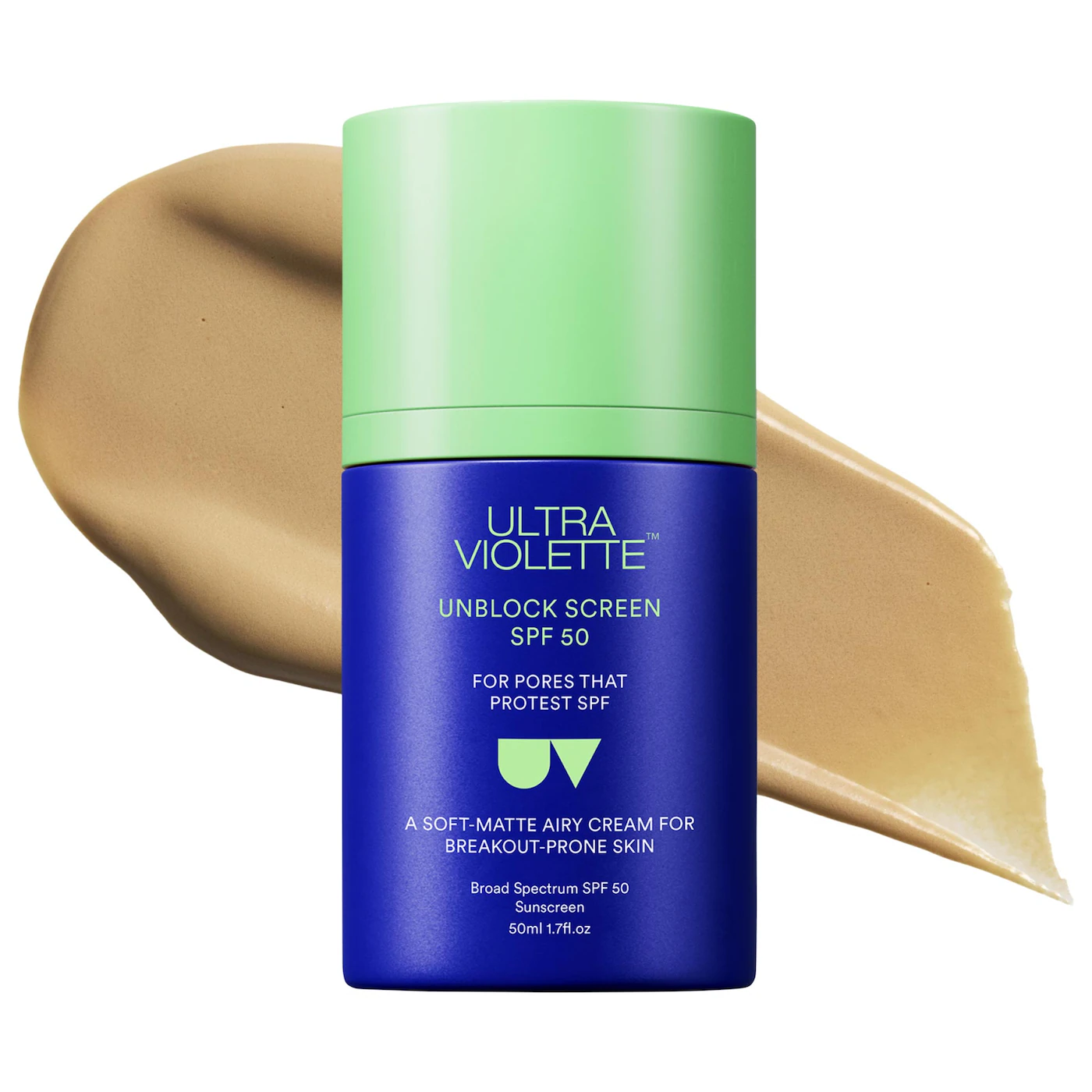
Ultra Violette has gained a cult following for its elegantly formulated SPFs, and this one is definitely my new favorite. Featuring BEMT, octocrylene, and zinc oxide for filters, this is a hybrid formula that applies so smoothly and barely feels like a sunscreen at all. I won’t lie, when I read that this formula is designed to be a matte sunscreen that controls oil, I was a little worried. Although my skin is a bit on the oilier side, it still gets dehydrated and matte formulas tend to make me feel dull and dry.
This didn’t do that at all, though. It has a slight tint to it due to the zinc oxide in it, which can make you look like a ghost without something to offset it. I love how lightweight this is, and it really is perfect for acne-prone skin. It doesn’t clog your pores or feel greasy after a few hours like some sunscreens and, surprisingly, the oil-controlling ingredient in the formula that the brand calls Bix’Activ is subtle. It doesn’t make you overly matte or dry. Mostly, my skin just feels hydrated and smooth throughout the day. I’m also Brown, and thanks to the subtle tint, it leaves absolutely no white cast. The tint isn’t overly orange or pink either, which I personally am not a fan of. Overall, this is a formula I’ll be reaching for all winter and beyond.
This one also makes me excited about the possibilities when it comes to formulating with BEMT in the U.S.
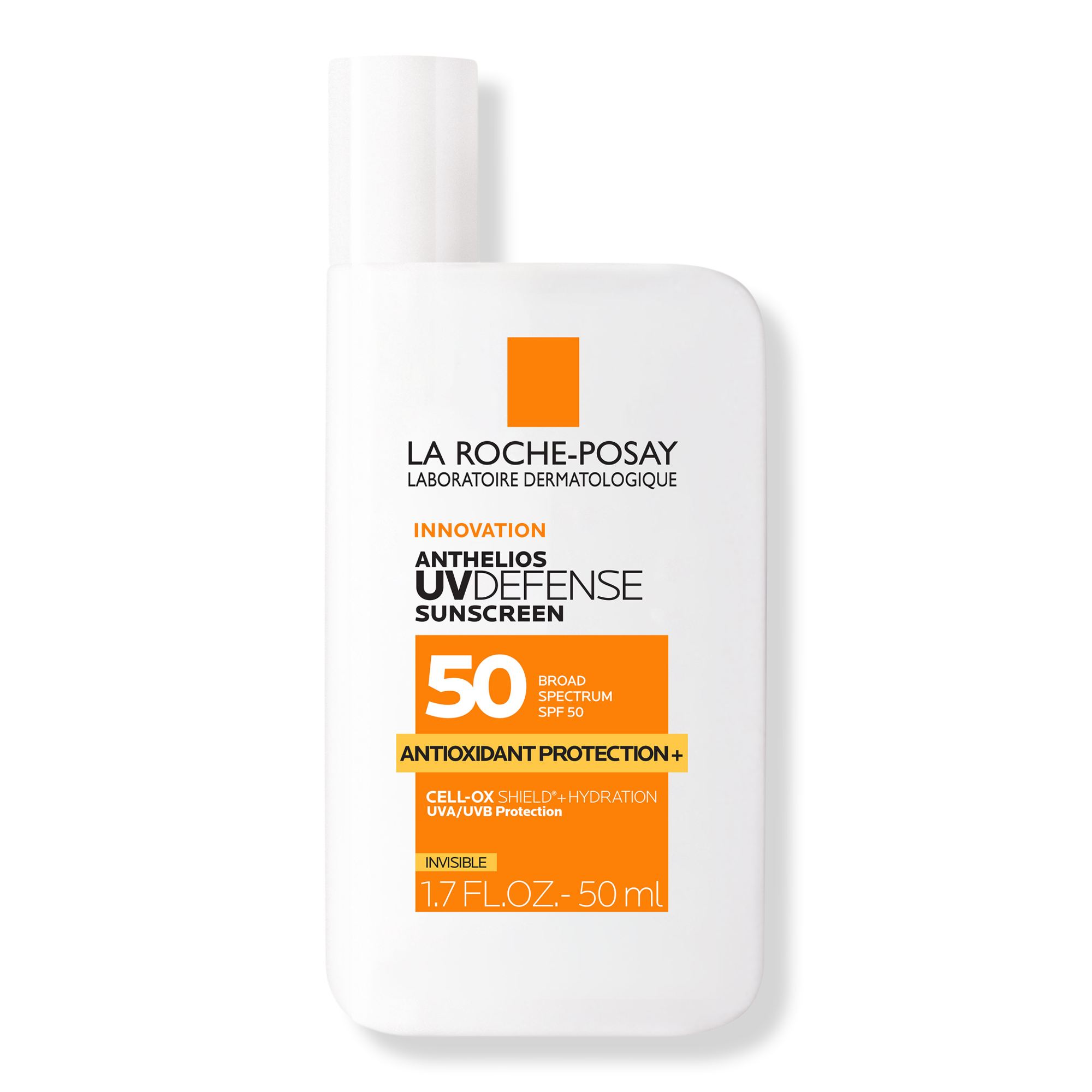
La Roche-Posay sunscreens never let me down, and this new option is no different. If I’m going to use a chemical sunscreen, I’ll usually reach for one from the brand because they’re great for darker skin tones. They don’t leave the dreaded white cast, absorb easily, and almost feel like a moisturizer on the skin.
This new addition to the Anthelios family offers more than just sun protection; it also offers antioxidant protection, keeping your skin shielded from environmental stress. As for the formula, this one is more of a watery texture than the Ultra Violette, making it super easy to spread. Because of that, it also absorbs quickly without veering into greasy territory either. This is a fully chemical formula and features some of the organic filters that have been approved in the U.S. for years, but like Lynch said, BEMT can add new value to a formula, and this one is great if you’re acne-prone, Black, or Brown. It’s super light, noncomedogenic, and doesn’t leave a weird film or color on the skin. I also love the addition of antioxidant protection, so I feel like I’m getting full skin protection during the day with this one.
More Sunscreens I Love
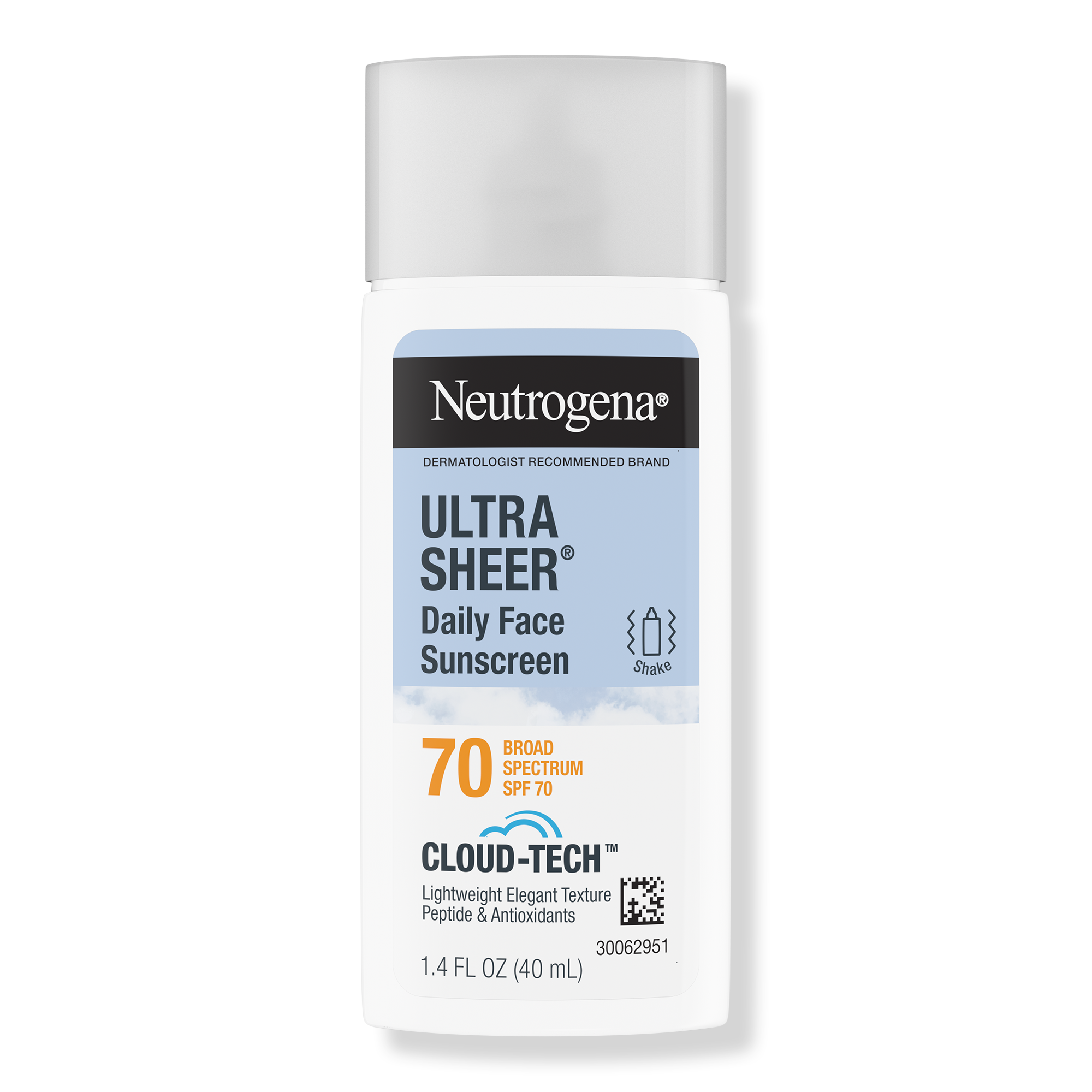
If you’re curious about trying other offerings with BEMT, this new Neutrogena formula also features the ingredient and SPF 70 sun protection. It’s also a bit more affordable if you need a budget option. I haven’t gotten my hands on this one just yet, but I’ve always loved and trusted Neutrogena sunscreens. Even before I became a beauty editor, I bought them religiously as a teenager and into my early 20s because they were so good.
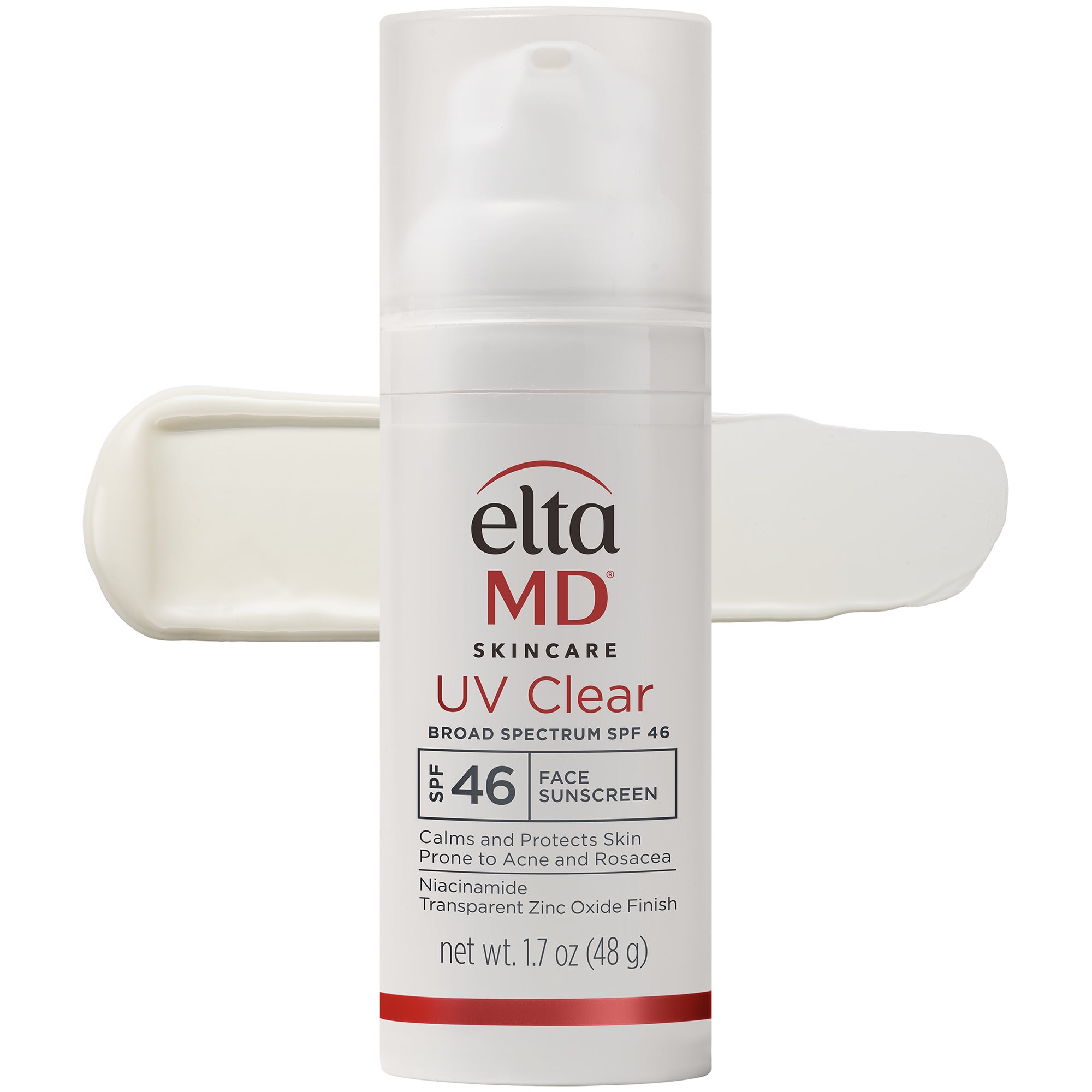
EltaMD’s UV Clear is a classic loved by celebrities, editors, and dermatologists for a reason. It’s a personal favorite of mine because it works super well for my sensitive, acne-prone skin, never breaking me out. It also feels really hydrating and even calms redness if you’re experiencing breakouts.
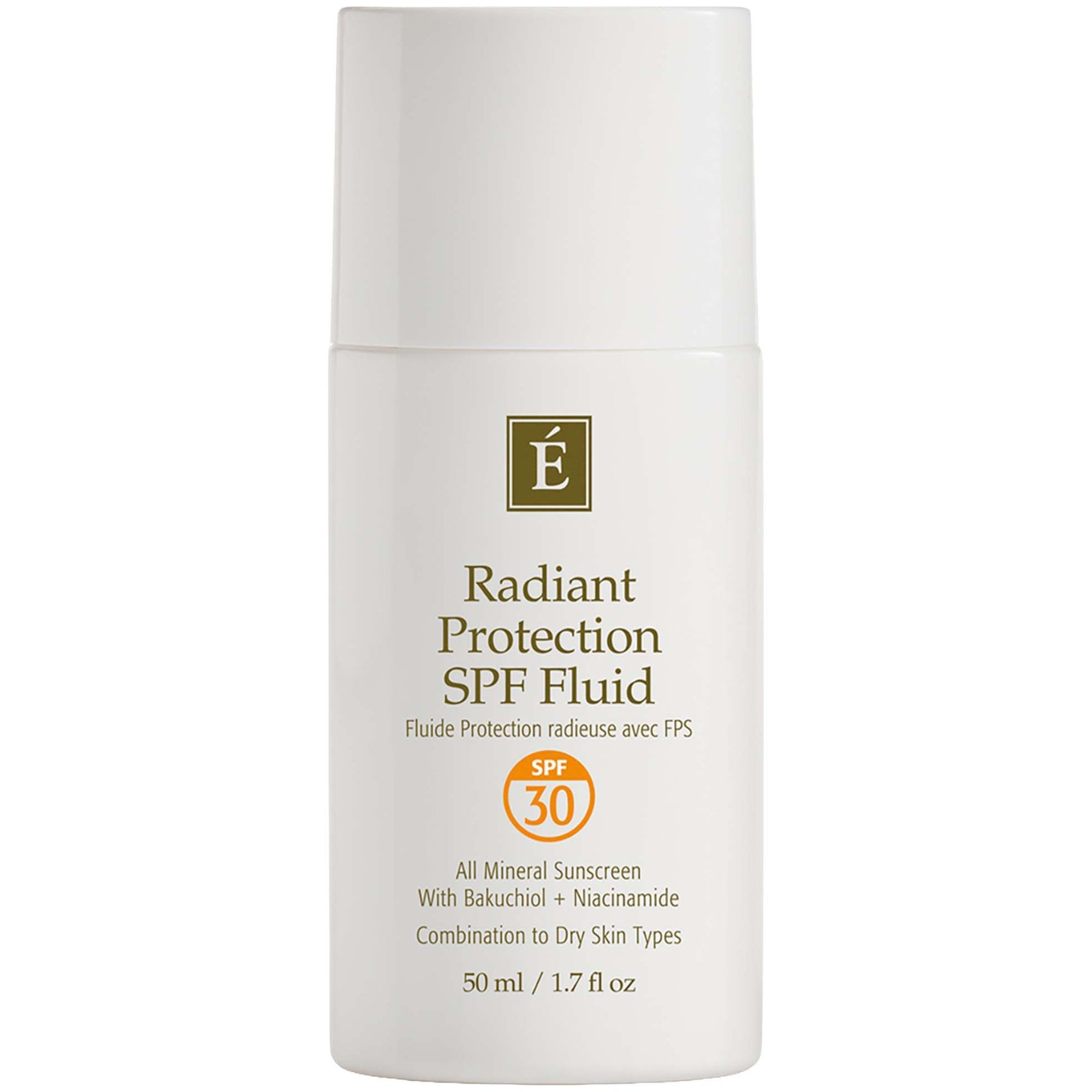
This Éminence formula is one of my favorite mineral formulas ever. It gives you a nice glow without making you look too shiny, and it’s so hydrating on the skin.
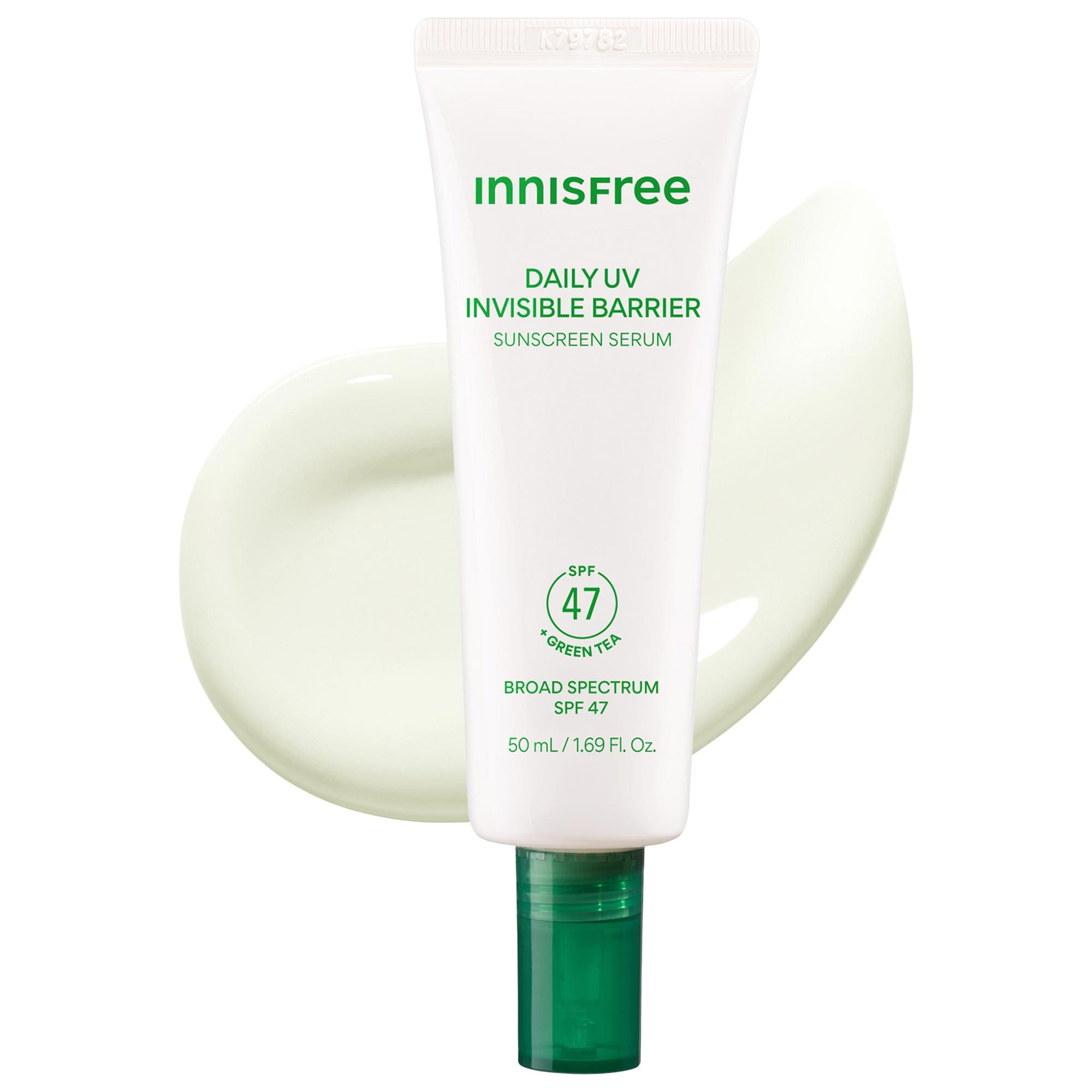
As far as Korean sunscreens go, this is a great option here in the U.S. It has barrier-strengthening ingredients and feels more like a hydrating serum. Korean brands have totally mastered the art of creating sunscreen that never feels like sunscreen.
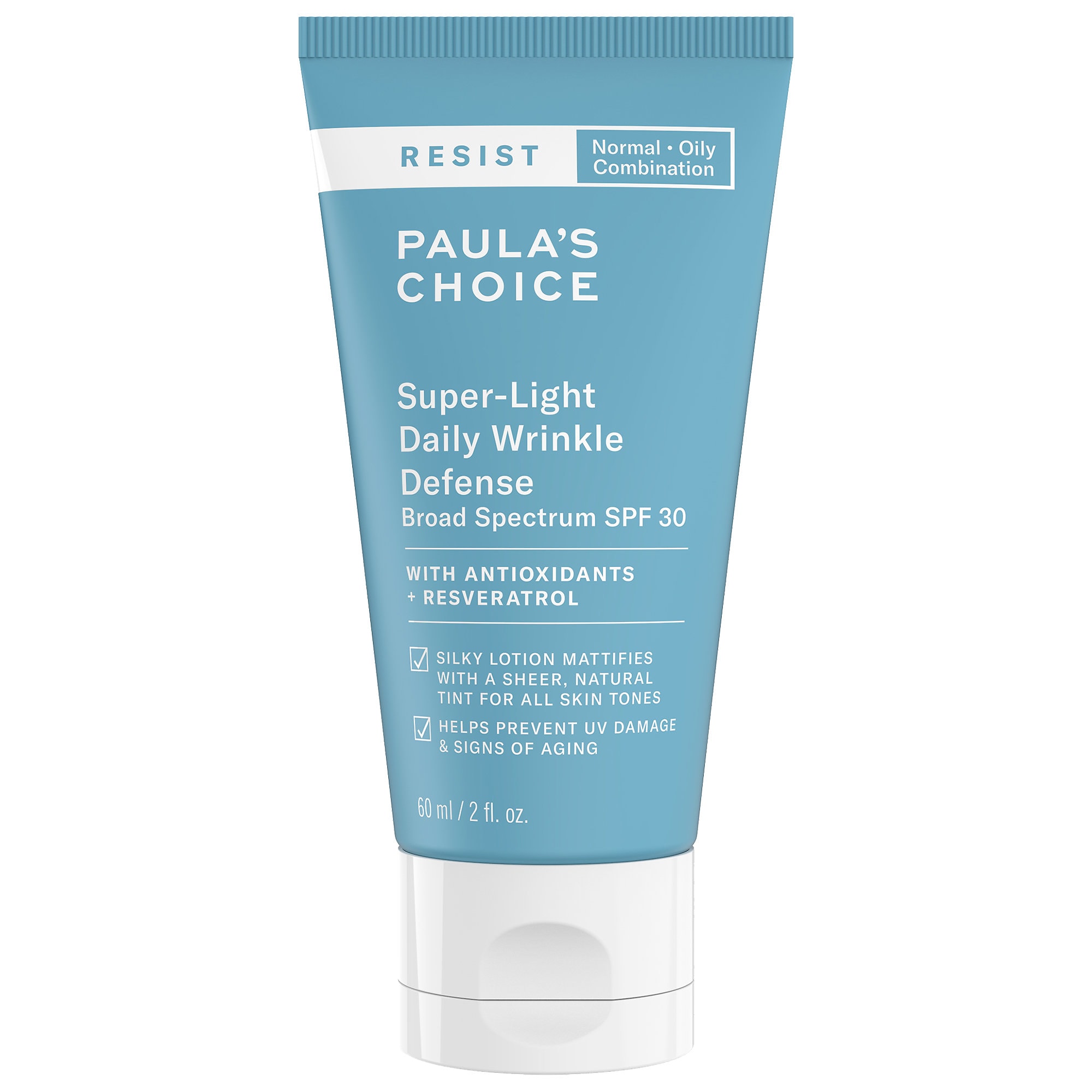
Paula’s Choice is one of my favorite brands out there, and this tinted mineral formula is another great one for those who are sensitive and can’t handle a chemical formula. The brand also has a great chemical option that’s really elegant and hydrating too.
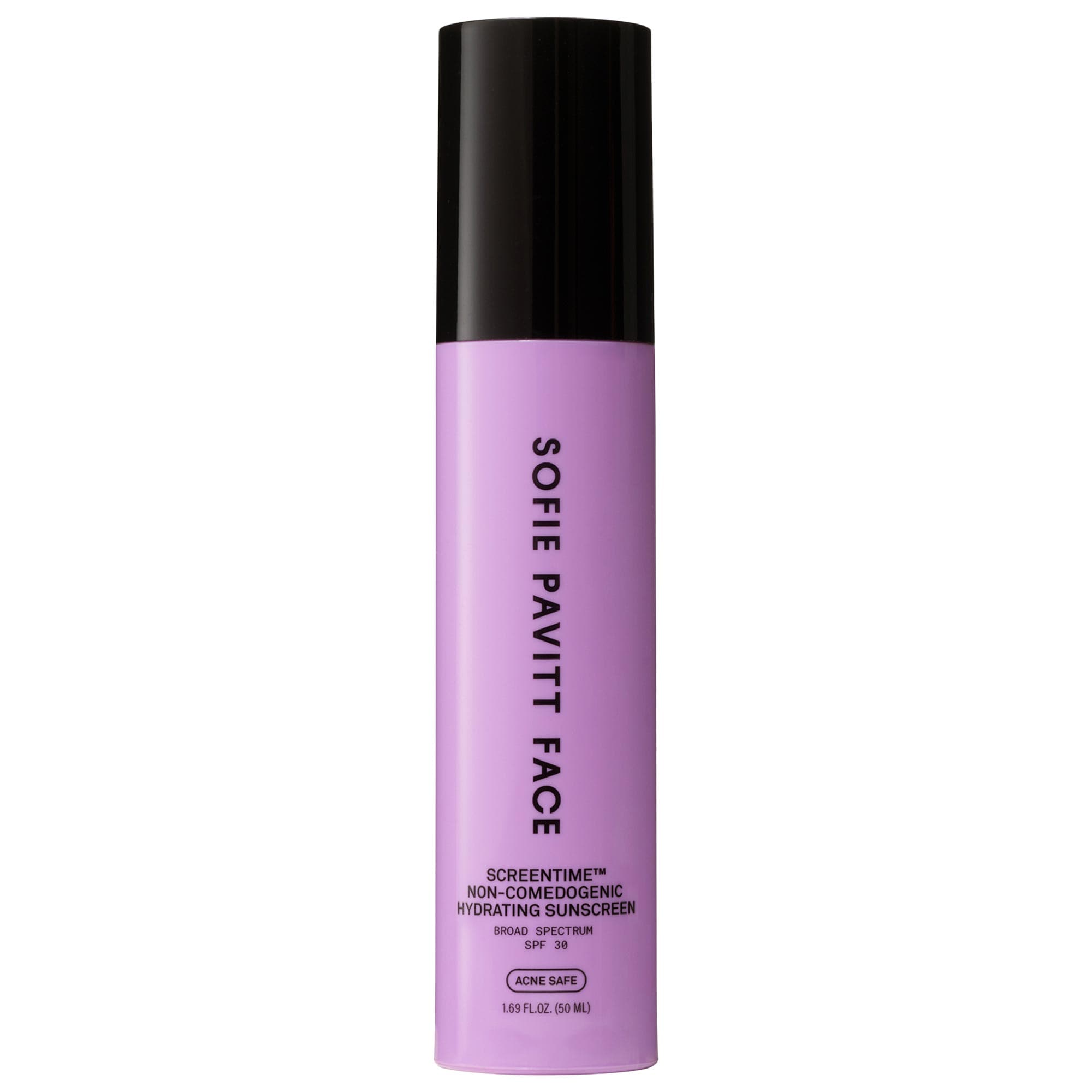
I’m a big fan of Sofie Pavitt and her products, especially her Mandelic Clearing Serum ($54). This noncomedogenic sunscreen she released is also a hit in my book. It’s a really solid option that’s lightweight, hydrating, and simple. Great for acne-prone skin.