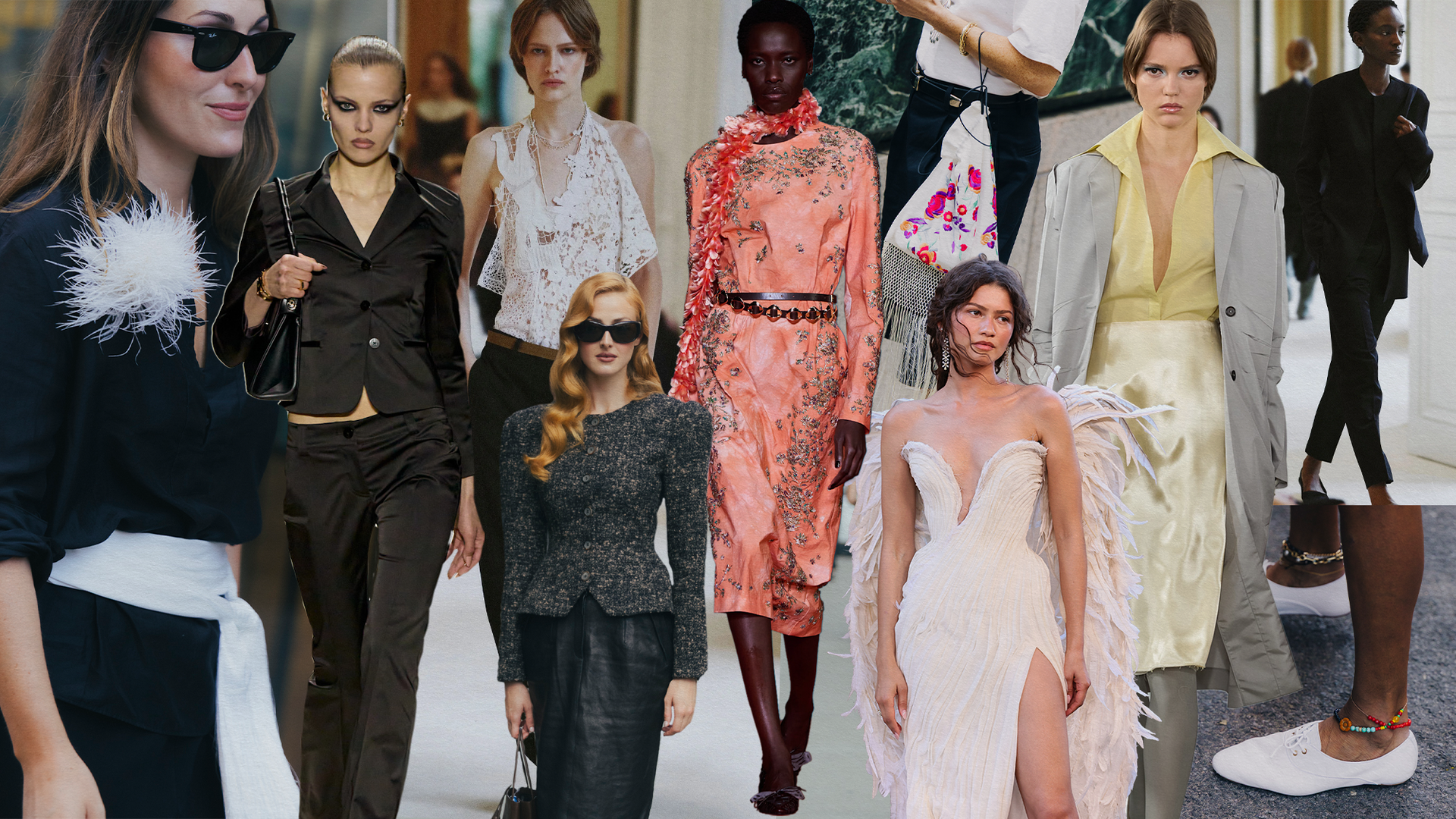
If 2025 was a year of creative shake-ups and a new chapter for heritage fashion houses, 2026 was the year those changes began to reshape the luxury landscape. With Matthieu Blazy at Chanel, Michael Rider ushering in a new chapter at Celine, and a new generation of independent designers gaining momentum, the industry entered a period of creative reinvention. But the biggest shift wasn’t happening on the runways alone. After several seasons of increasingly uniform dressing, consumers began embracing individuality again. Expressive prints, rich textures, statement accessories, and pieces with a distinct point of view returned to the forefront. Luxury hasn’t lost its appeal, but the reasons to invest are changing. Today’s consumer is more discerning, looking beyond the label to distinctive design, exceptional craftsmanship, and pieces that feel genuinely special.
There was also a growing appreciation for the analog experiences surrounding fashion itself. In an increasingly digital world, personal relationships, in-person encounters, and a sense of discovery took on renewed importance. The idea of investment dressing also evolved beyond traditional wardrobe staples to encompass pieces with the potential to become future heirlooms. To take a closer look at the year that was, we spoke with leading industry experts, including April Hennig, president of Moda Operandi; Gab Waller, founder of luxury fashion sourcing business Gab Waller; Ivy Zhang, head of marketing at ShopMy; and Brigitte Chartrand, chief buying and merchandising officer at Net-a-Porter. Ahead, the brands, It items, and defining shifts that shaped luxury fashion in 2026 and what they tell us about where the industry is headed next.
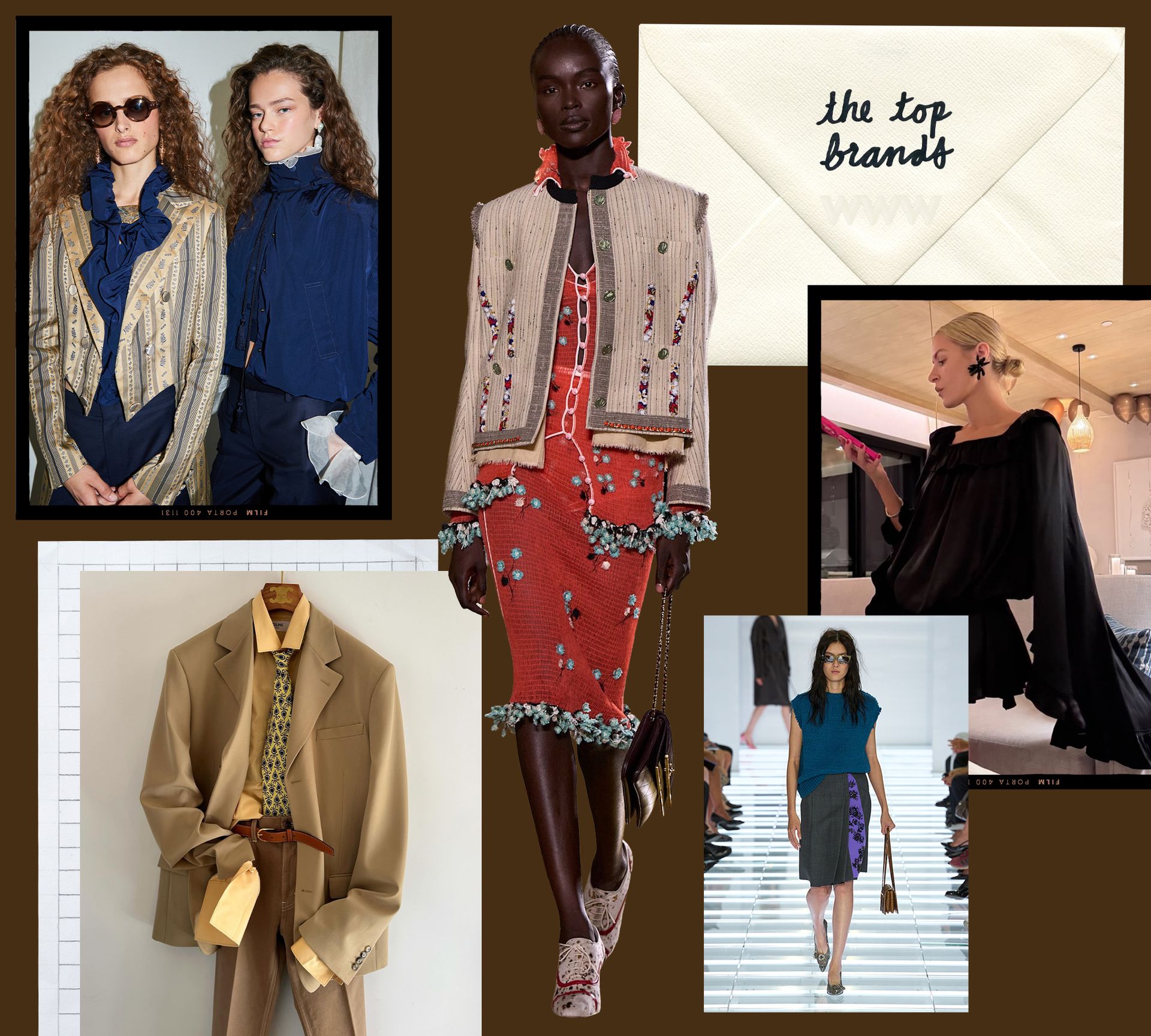
The luxury brands capturing attention in 2026 shared one defining quality: a strong creative identity. Whether through new leadership or a renewed focus on established house codes, the most compelling brands offered a clear point of view. Chanel was perhaps the year’s biggest success story. Matthieu Blazy’s arrival brought fresh energy to the storied house, balancing a modern perspective with its unmistakable heritage. According to Gab Waller, Chanel requests more than doubled compared with 2025 and accounted for 58% of her total annual sourcing requests. “Chanel, by far, dominated 2026 from every angle,” she says. “Requests and sales skyrocketed following Matthieu Blazy’s first official runway show. It was unprecedented.”
Celine also gained considerable momentum under Michael Rider, with Waller reporting a 71% increase in sourcing requests year over year. Ralph Lauren saw an equally impressive rise of 109%, while Prada reclaimed the number one position on the Lyst Index. Phoebe Philo’s namesake label experienced a remarkable 272% increase in Waller’s sourcing requests, underscoring the continued appetite for designers with a distinctive aesthetic and devoted following. Dries Van Noten continued to build momentum under Julian Klausner, entering the Lyst Index at number 16. Together, these results suggest that consumers are responding to both creative reinvention and brands with a recognizable, consistent identity.
Independent designers also made their mark. At Moda Operandi, Hennig highlights Kallmeyer, Conner Ives, and Juju Vera as labels bringing fresh perspectives to contemporary dressing and jewelry. At Net-a-Porter, Chartrand points to Christen as an emerging label gaining traction. Ultimately, the brands defining luxury in 2026 are those offering more than a recognizable name. Whether an established house entering a new creative chapter or an independent designer building a devoted following, desirability increasingly comes down to a distinctive point of view and a reason for consumers to invest.
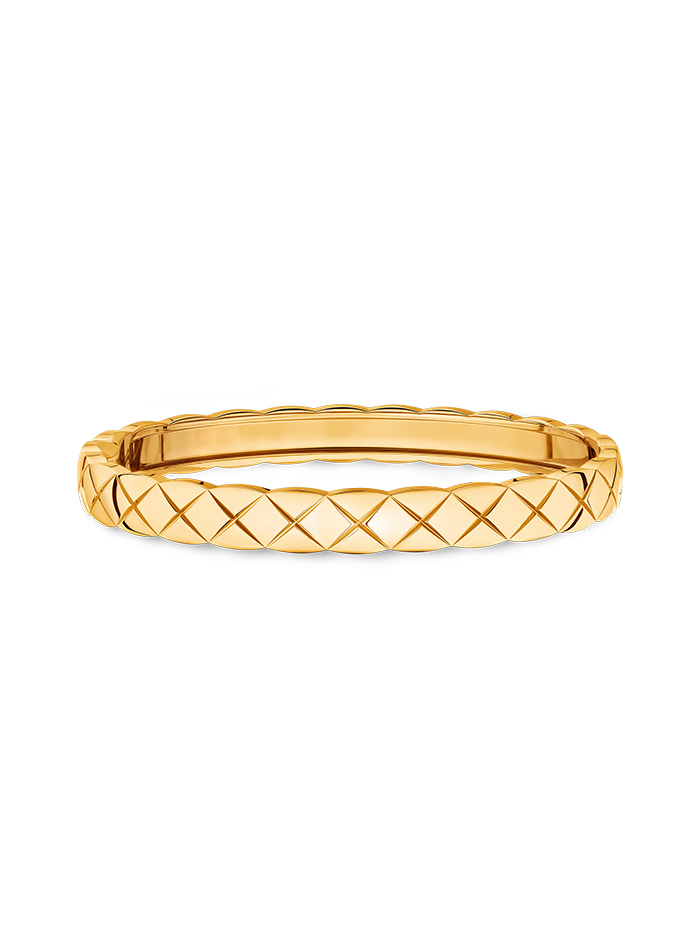
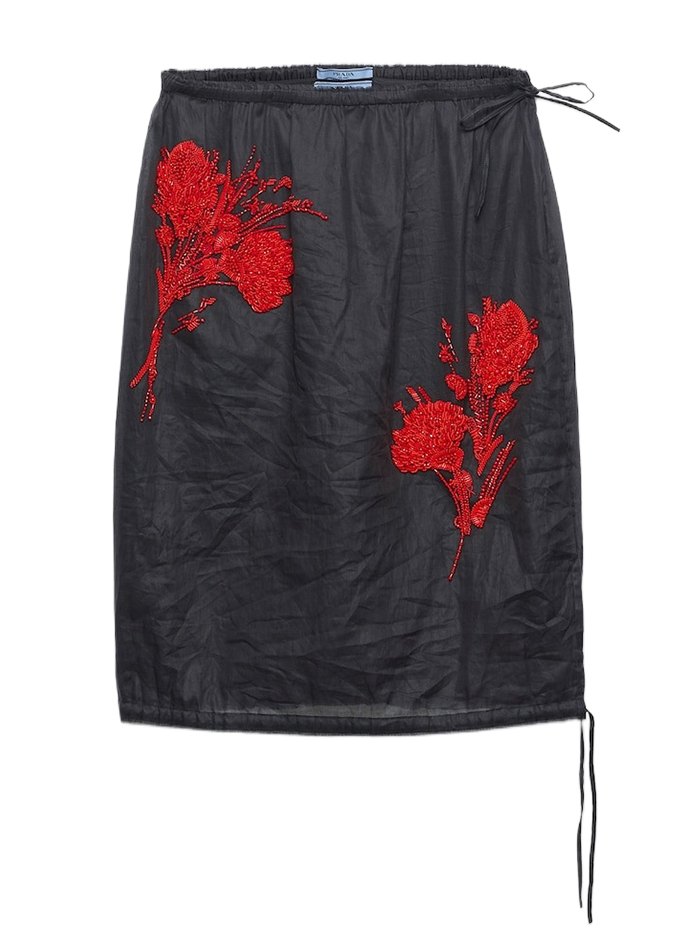
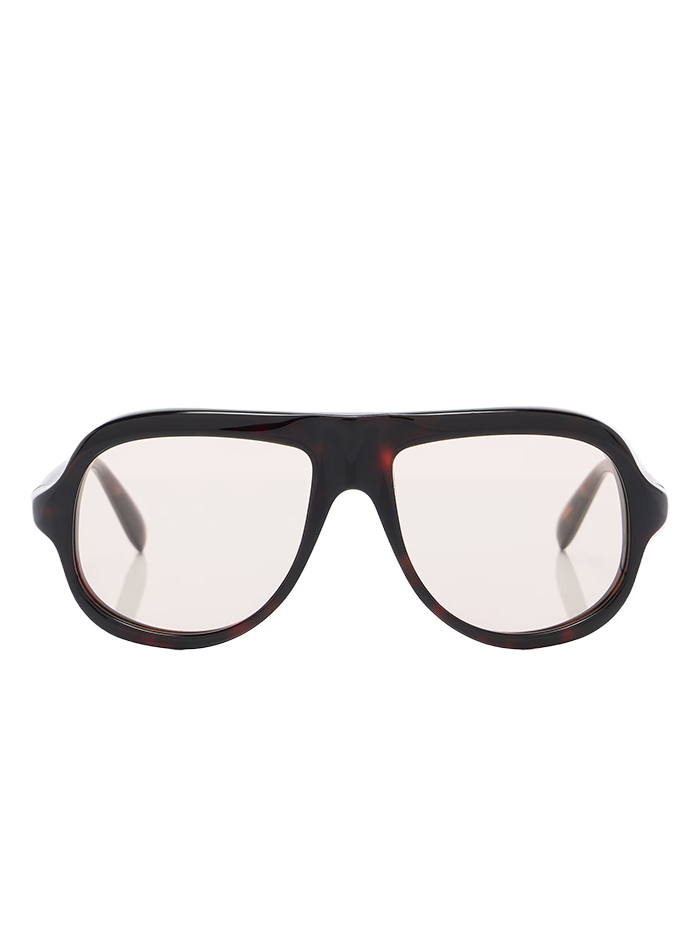
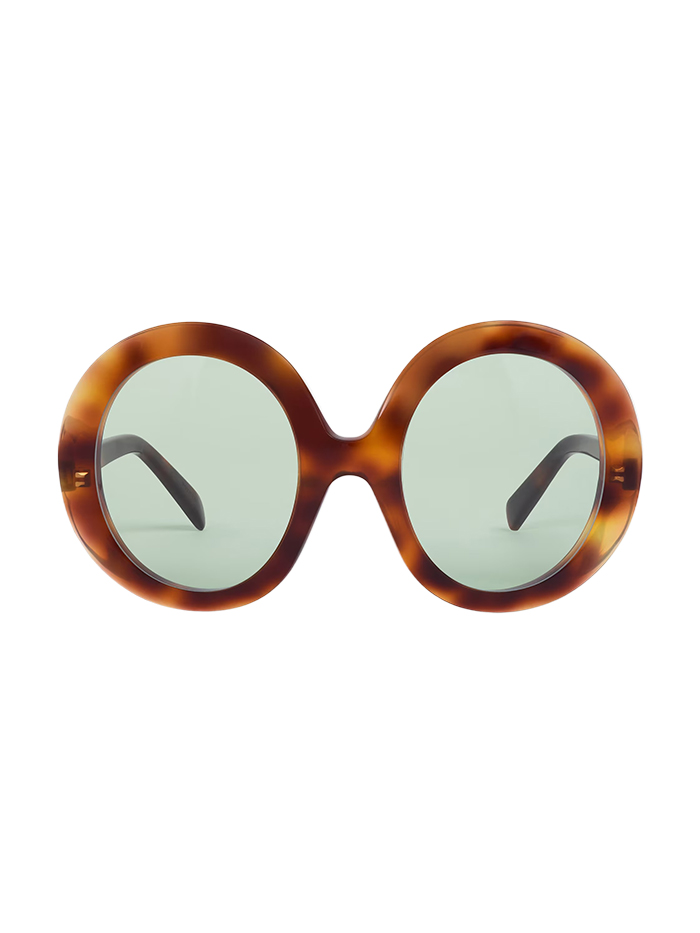
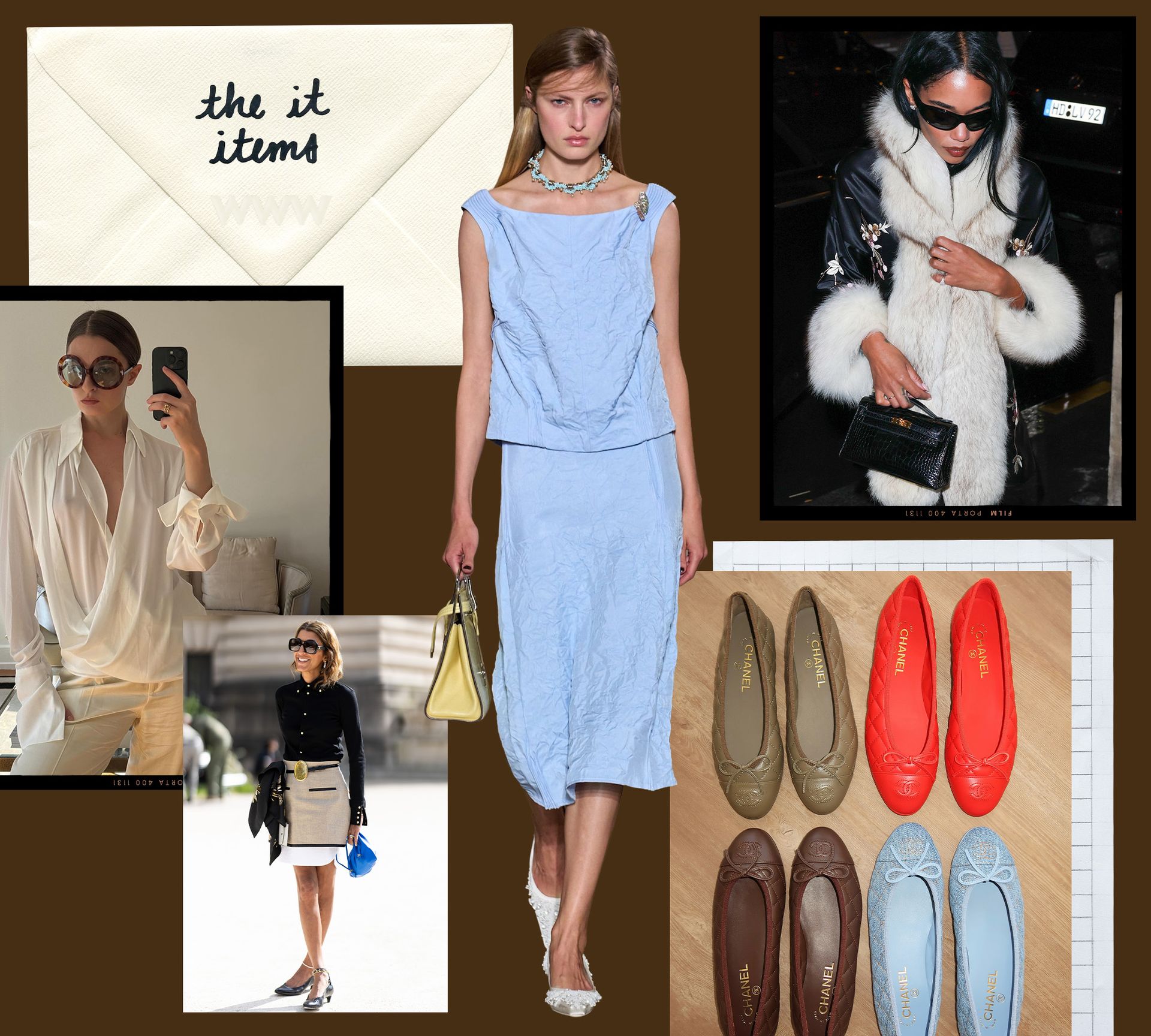
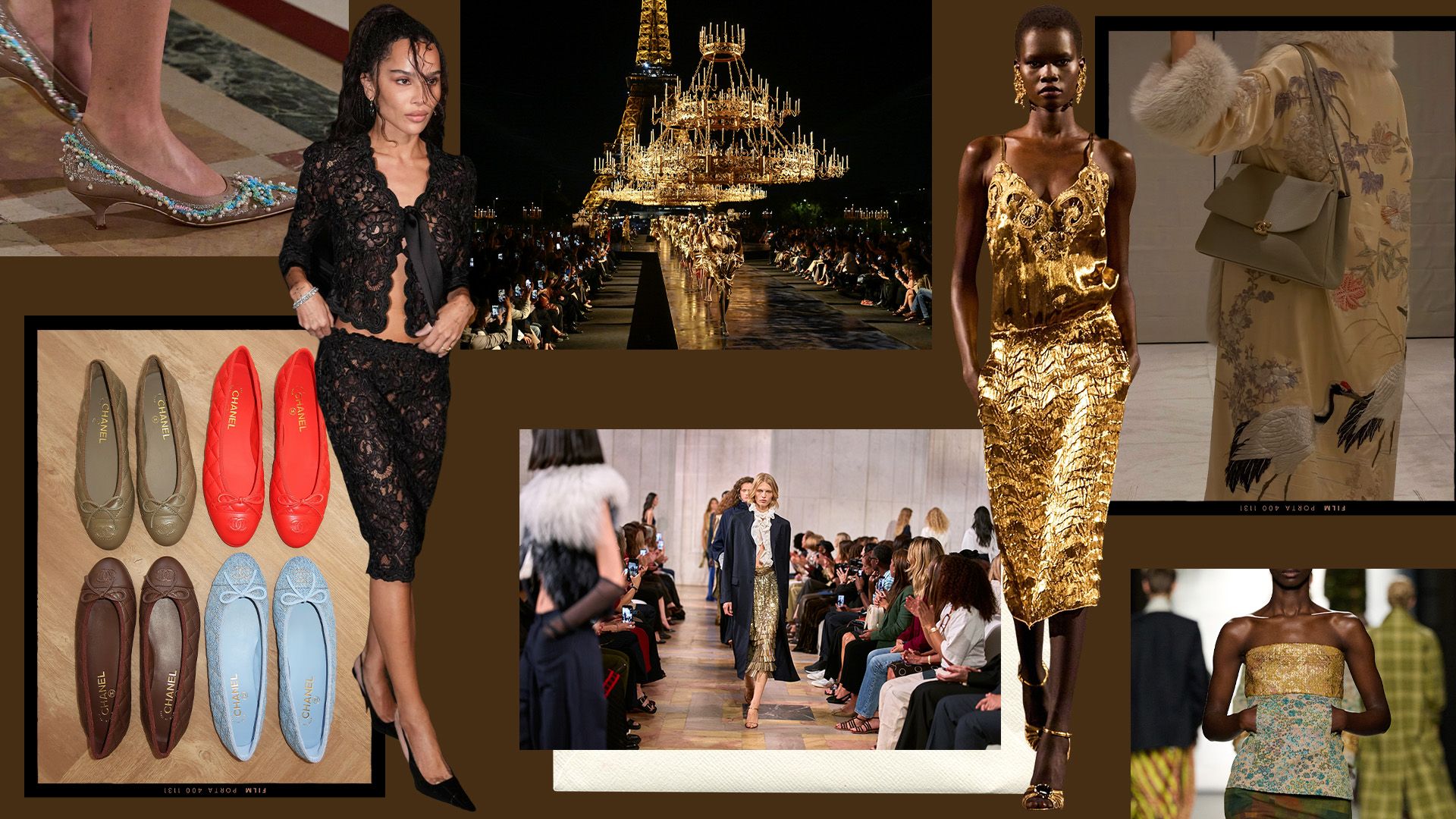
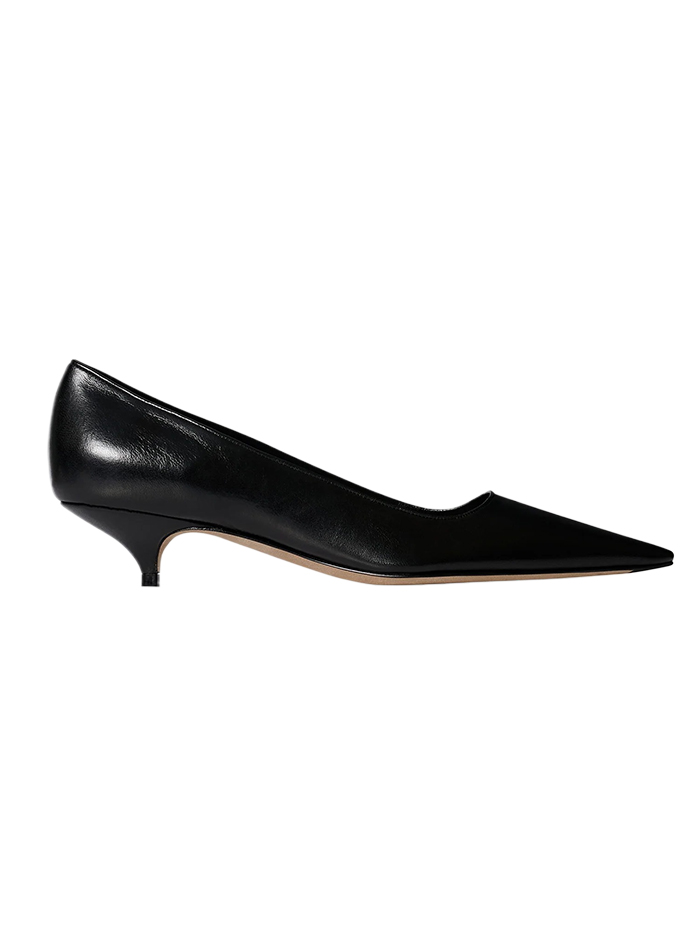
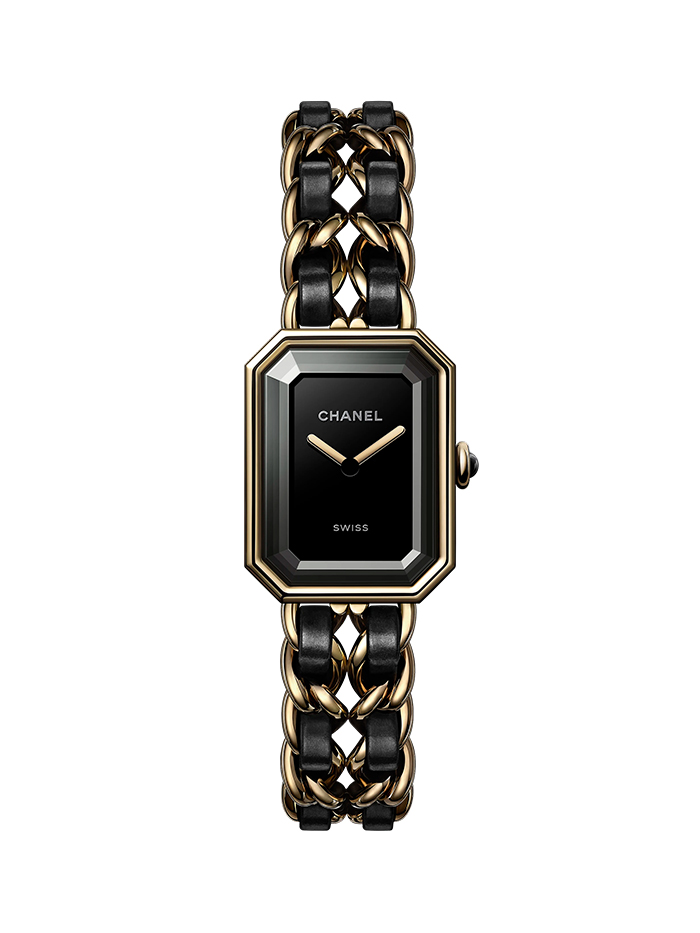
In 2026, the most coveted It items were defined by more than a recognizable designer name. From statement footwear to distinctive handbags, shoppers were drawn to pieces with a strong design identity and details that set them apart. Chanel led the conversation, with its footwear and accessories generating particularly strong demand. Ballet flats remained a wardrobe favorite, while the house’s pony-hair ballerinas sparked a surge of interest. “Following the release of the Chanel pony-hair ballerinas in March 2026, requests for pony hair exploded in demand,” says Gab Waller. She also saw a 101% increase in animal-print requests throughout the year, alongside a 104% rise in croc-embossed pieces. Matthieu Blazy’s cap-toe heels and the Chanel Maxi Flap Bag were also among the year’s most sought-after designs.
Elsewhere, Celine’s belts and oversize round sunglasses were in hot demand, while Tory Burch’s beaded pumps brought a decorative touch to dressing. At Moda Operandi, Conner Ives’s fur-trimmed opera coats became a standout piece, selling out multiple times. Net-a-Porter saw strong interest in The Row’s Liisa pump as well as Dries Van Noten’s mixed-print designs, reflecting the growing appetite for more expressive styling. The Lyst Index offered further evidence of this shift, highlighting Dries Van Noten among its hottest products of Q3.
What connects these pieces is their singular design. As Waller observes, consumers are increasingly focused on tracking down specific items rather than simply buying into a brand’s latest collection. “It’s no longer necessarily about owning something from a certain designer; it’s about owning that exact piece.” In a market saturated with newness, the most desirable purchases are those with a recognizable identity, an element of rarity, or a detail that makes them feel truly individual.
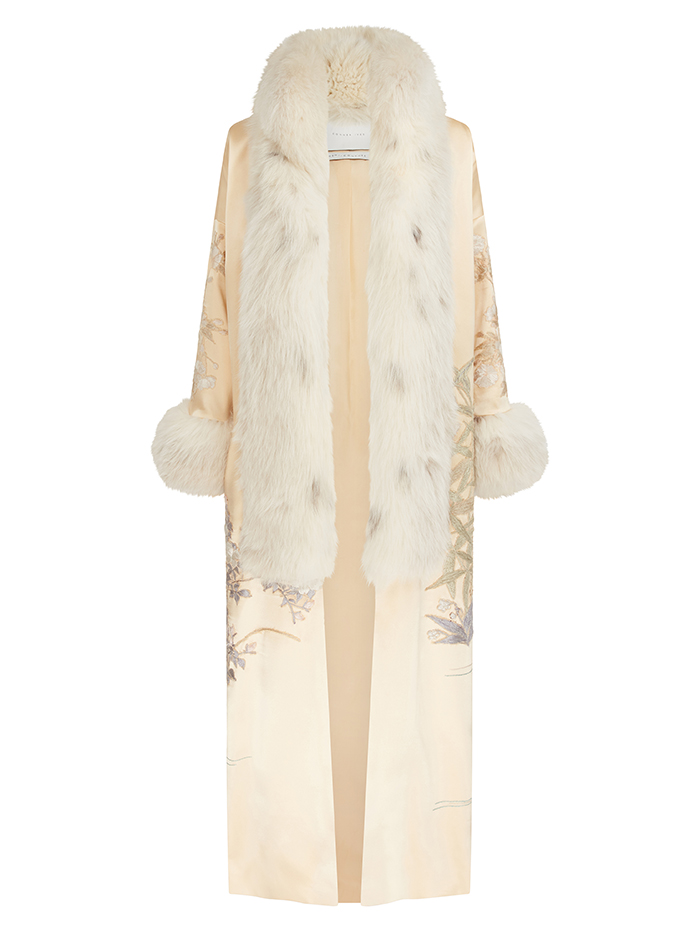
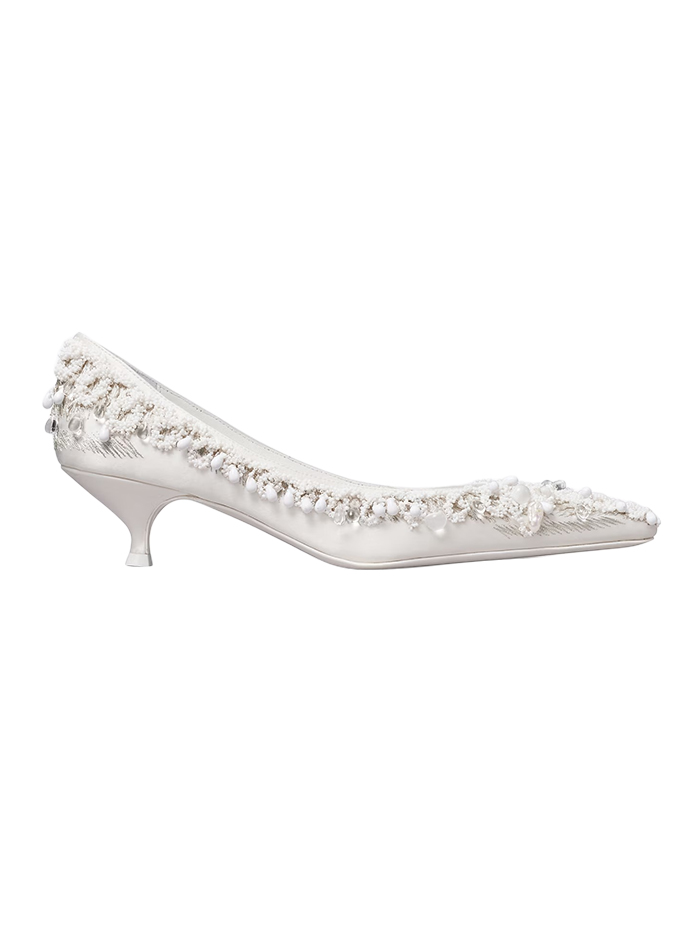
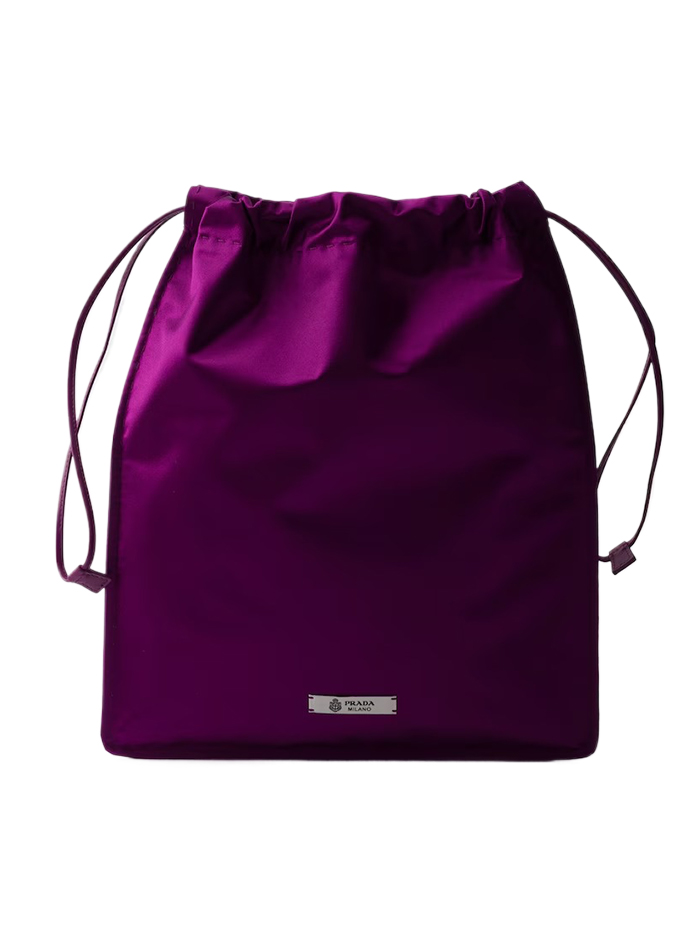
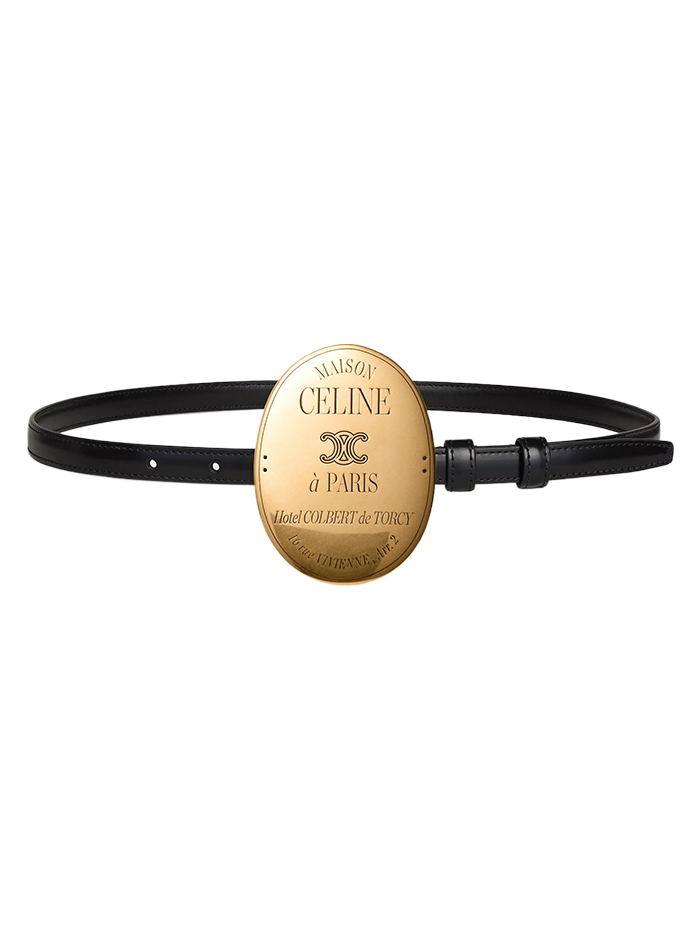
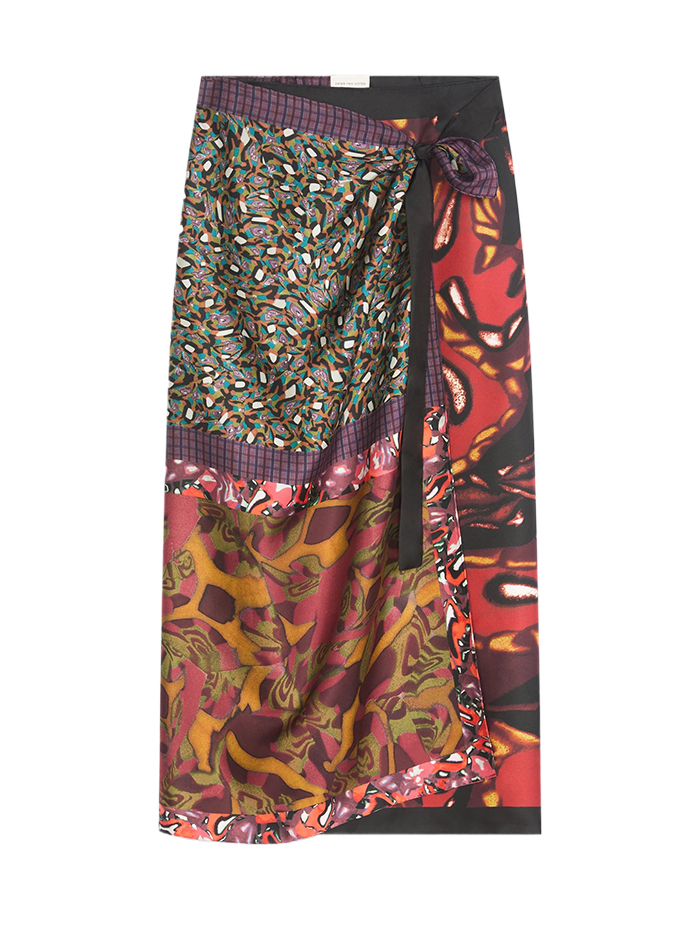
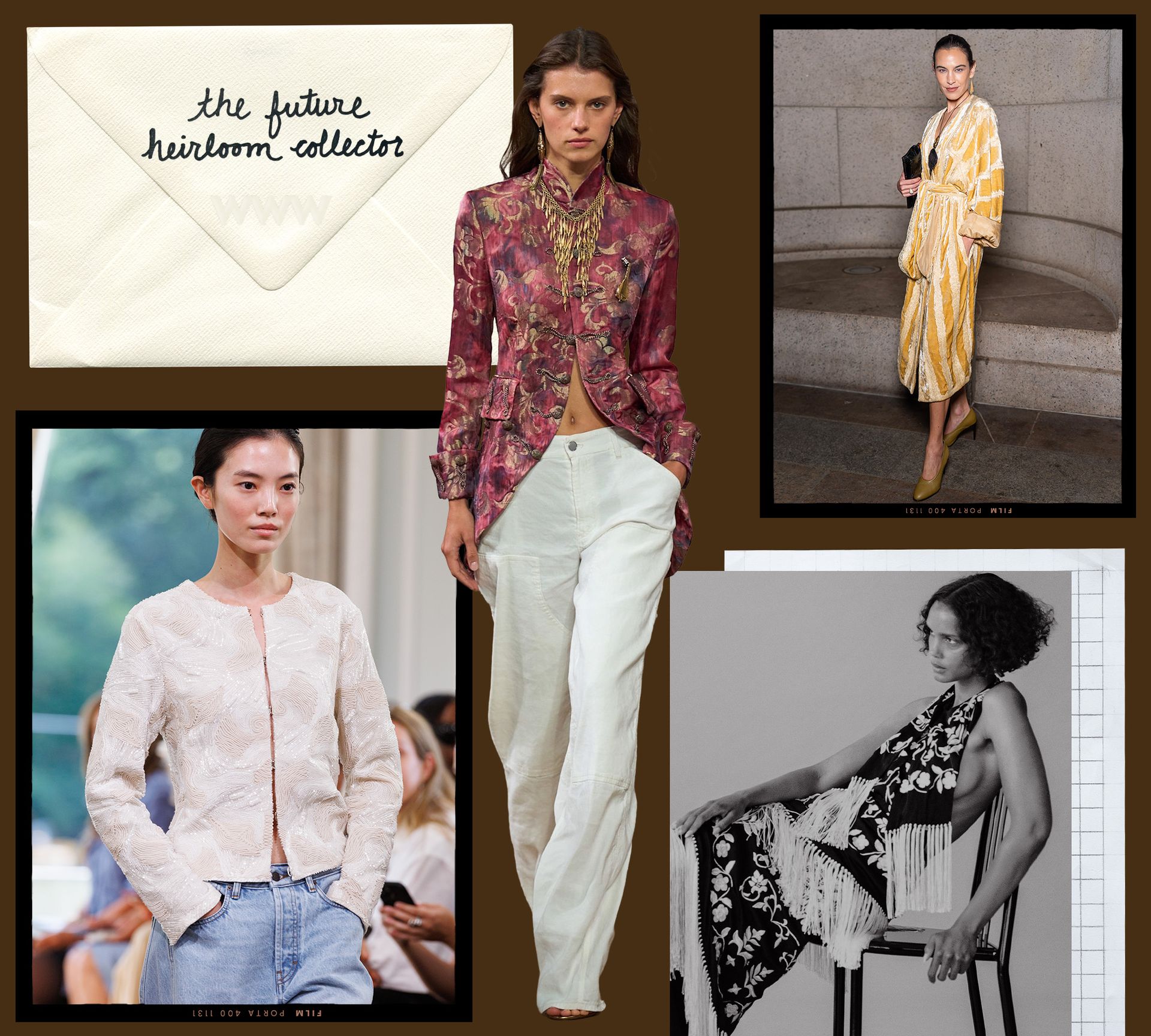
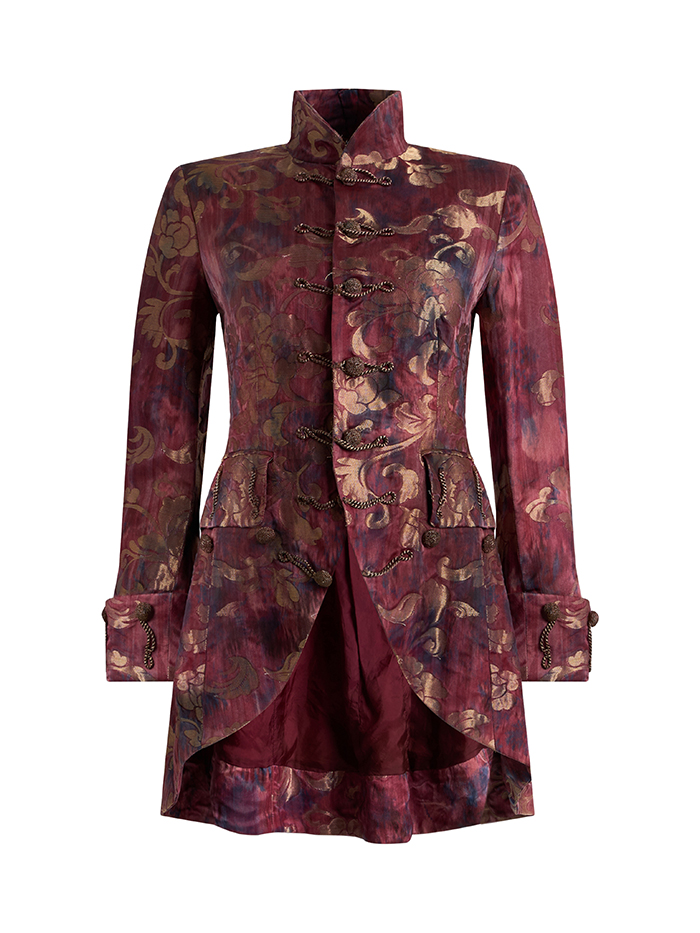
As luxury prices continue to rise, consumers are becoming more thoughtful about what they choose to invest in. Rather than buying into every new trend, there’s a growing emphasis on pieces that offer something lasting, whether through exceptional craftsmanship, distinctive design, or personal significance. The modern heirloom doesn’t necessarily have to be a traditional investment piece or timeless wardrobe staple; it could be an intricately crafted jacket, an unusual handbag, or a piece of jewelry that feels special enough to keep and wear for years.
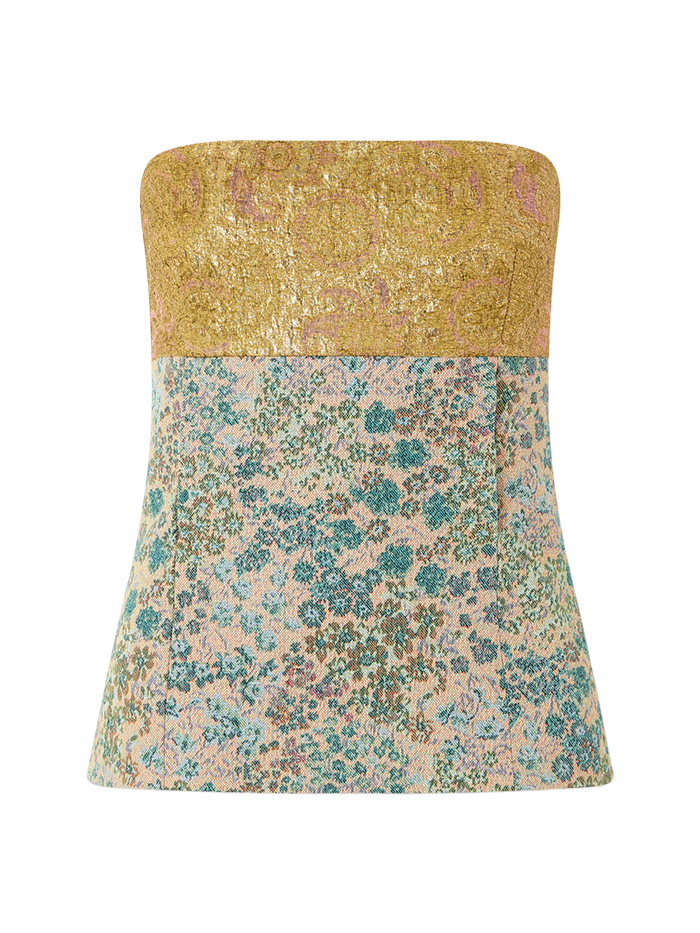
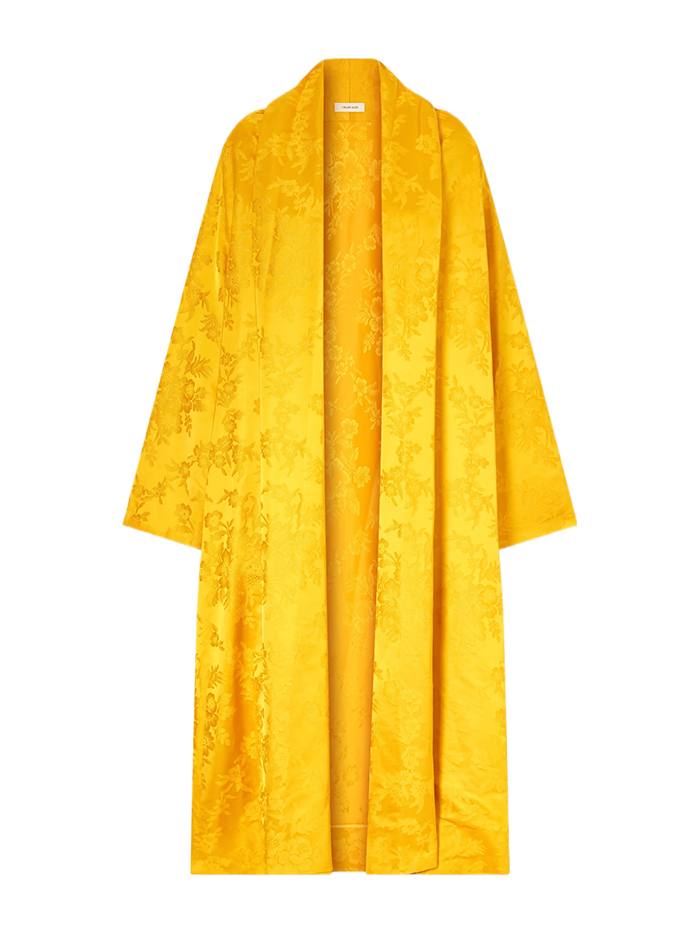
Hennig describes the emerging approach as a future-heirloom mindset, with customers increasingly drawn to pieces that feel considered rather than seasonal. Looking ahead to spring/summer 2027, she sees interest in richly patterned brocades and vintage-inspired silhouettes. “The customer is shopping with a collector’s eye, investing at an item level in distinctive pieces that can be worn and reinterpreted for years to come without feeling tied to a particular moment in fashion,” she explains. Investment worthiness is also becoming a bigger part of the conversation. “The significant price increases across luxury have created a growing tension between price and perceived value,” Hennig says. As shoppers become more discerning, craftsmanship, quality, and versatility are increasingly important considerations.
Ultimately, the appeal of a modern heirloom goes beyond cost per wear or potential resale value. It’s about finding something that holds personal meaning while standing apart from the constant cycle of newness. Whether discovered through an independent designer or an established fashion house, the pieces worth holding on to in are those that feel relevant to the individual wearing them, not simply to the season in which they were purchased.
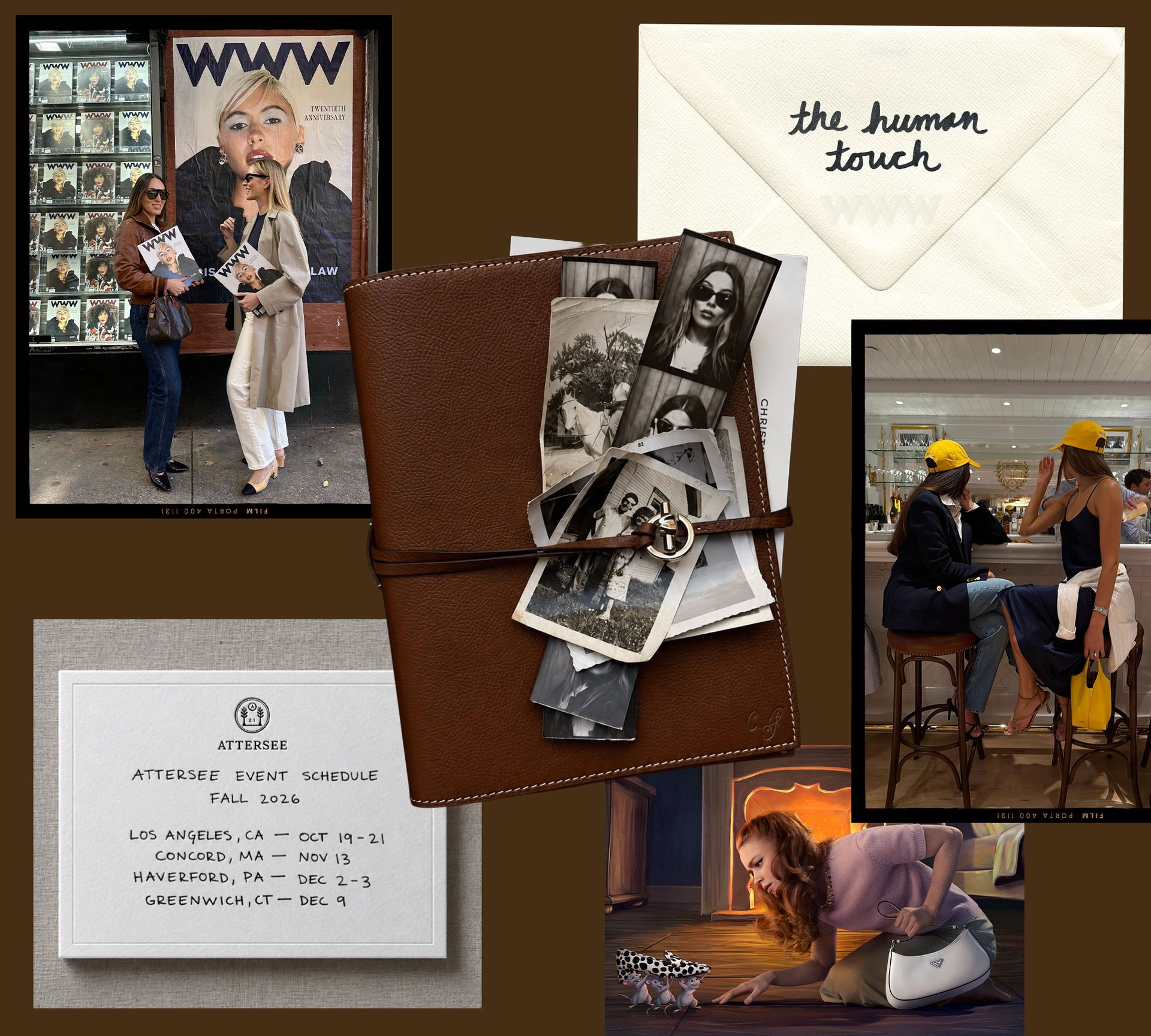
As artificial intelligence, algorithm-driven discovery, and increasingly automated shopping experiences become part of everyday life, luxury fashion is finding renewed value in something that cannot be replicated by a screen: the human touch. There is a growing desire for experiences that feel personal, tangible, and rooted in genuine connection. In fashion, this has translated into a renewed appreciation for the physical world, from in-person trunk shows and private shopping appointments to carefully considered brand events and printed publications.
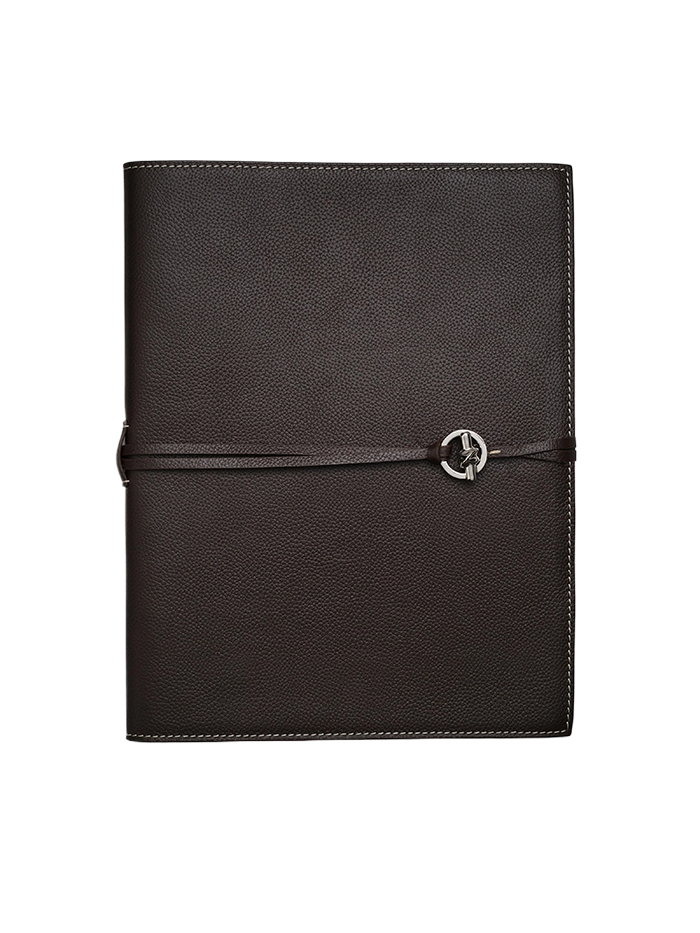
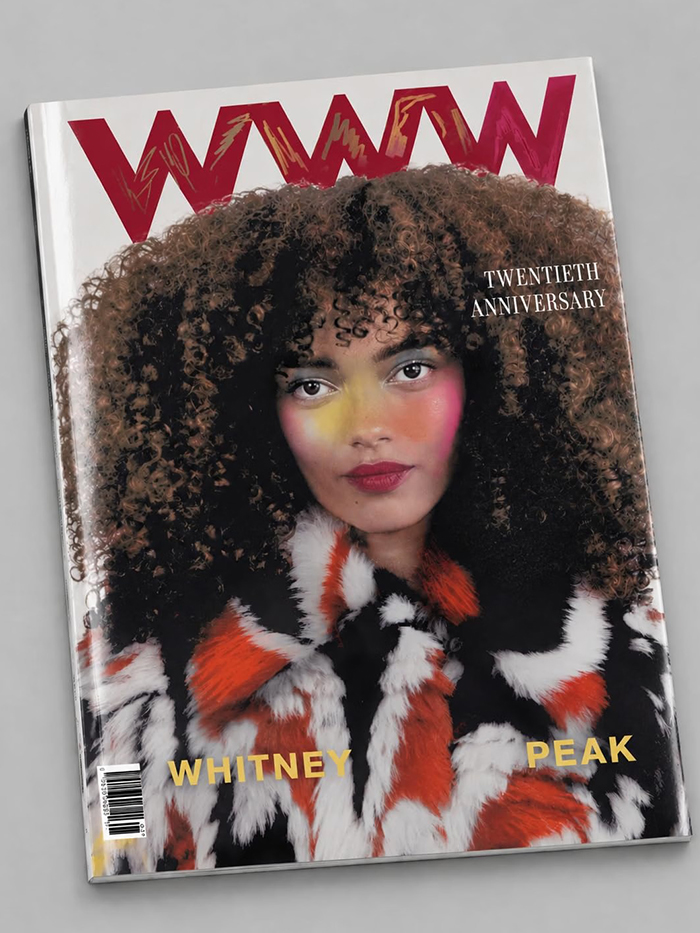
Brands are responding by creating more meaningful ways to engage with their audiences. Independent labels such as Attersee are embracing intimate trunk shows, giving customers the opportunity to experience collections firsthand and connect with the people behind them. Established houses are also extending their worlds beyond the boutique. Ralph Lauren merged the worlds of sports and lifestyle for tennis fans within its US Open and Wimbledon suites and launched its first Polofest in Tokyo, bringing vintage enthusiasts and collectors together to celebrate the brand’s heritage. Who What Wear’s first print issue, celebrating its 20th anniversary, offered a tangible expression of its editorial identity. Prada’s hand-illustrated holiday campaign, meanwhile, showcased craft and human storytelling as an alternative to the increasingly digital imagery dominating fashion. New brands introduced this year emphasized the lived experience, including Mémoire, which debuted a line of personalized leather notebooks designed to write down thoughts and memories.
This emphasis on connection is also shaping how consumers discover and shop for luxury. “People like to shop through other people, like a friend with great taste or the sales associate who knows exactly what they like,” says Zhang. “People buy from someone whose taste they trust.” That trust is helping drive the influence of creators, personal stylists, and tastemakers, whose recommendations increasingly shape what consumers discover and ultimately buy. For luxury brands, the opportunity lies in making customers feel understood, not simply catered to. As AI makes shopping more efficient, personal recommendations, exclusive access, and exceptional service could become even more valuable. The brands that stand out will be those that offer something beyond the product itself: a genuine sense of connection and belonging.
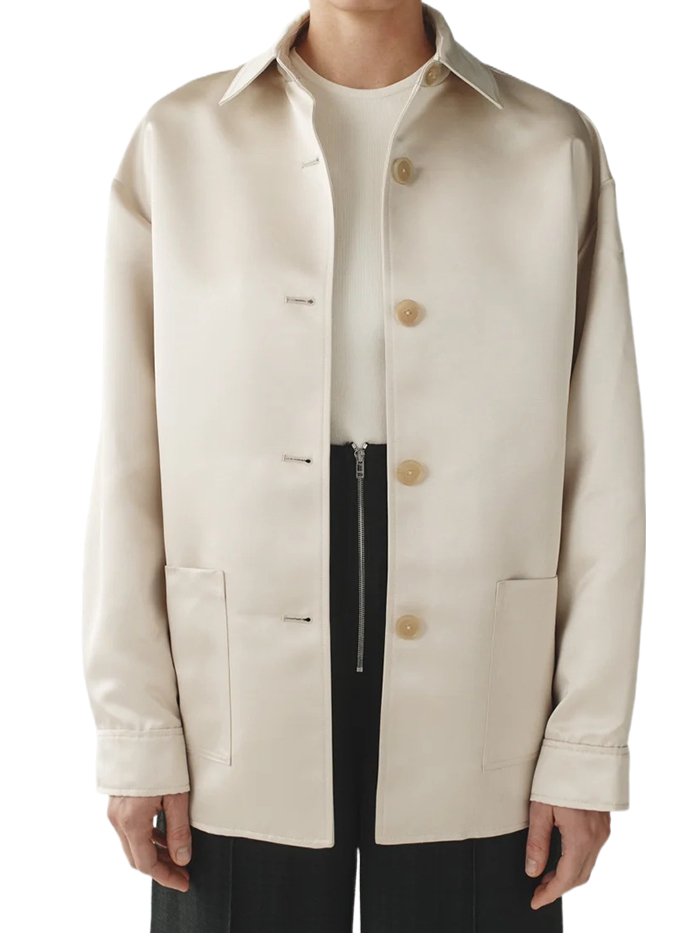
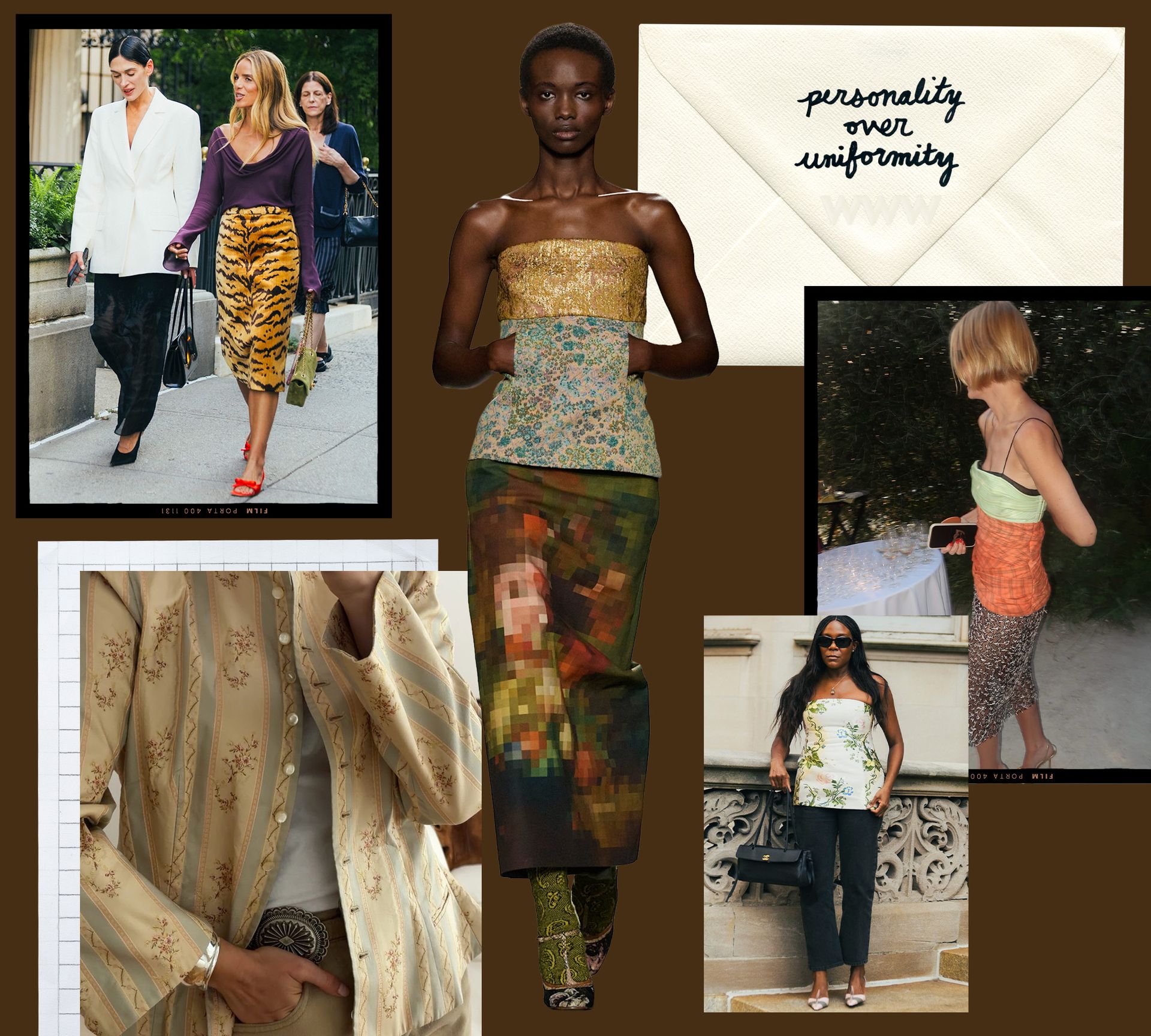
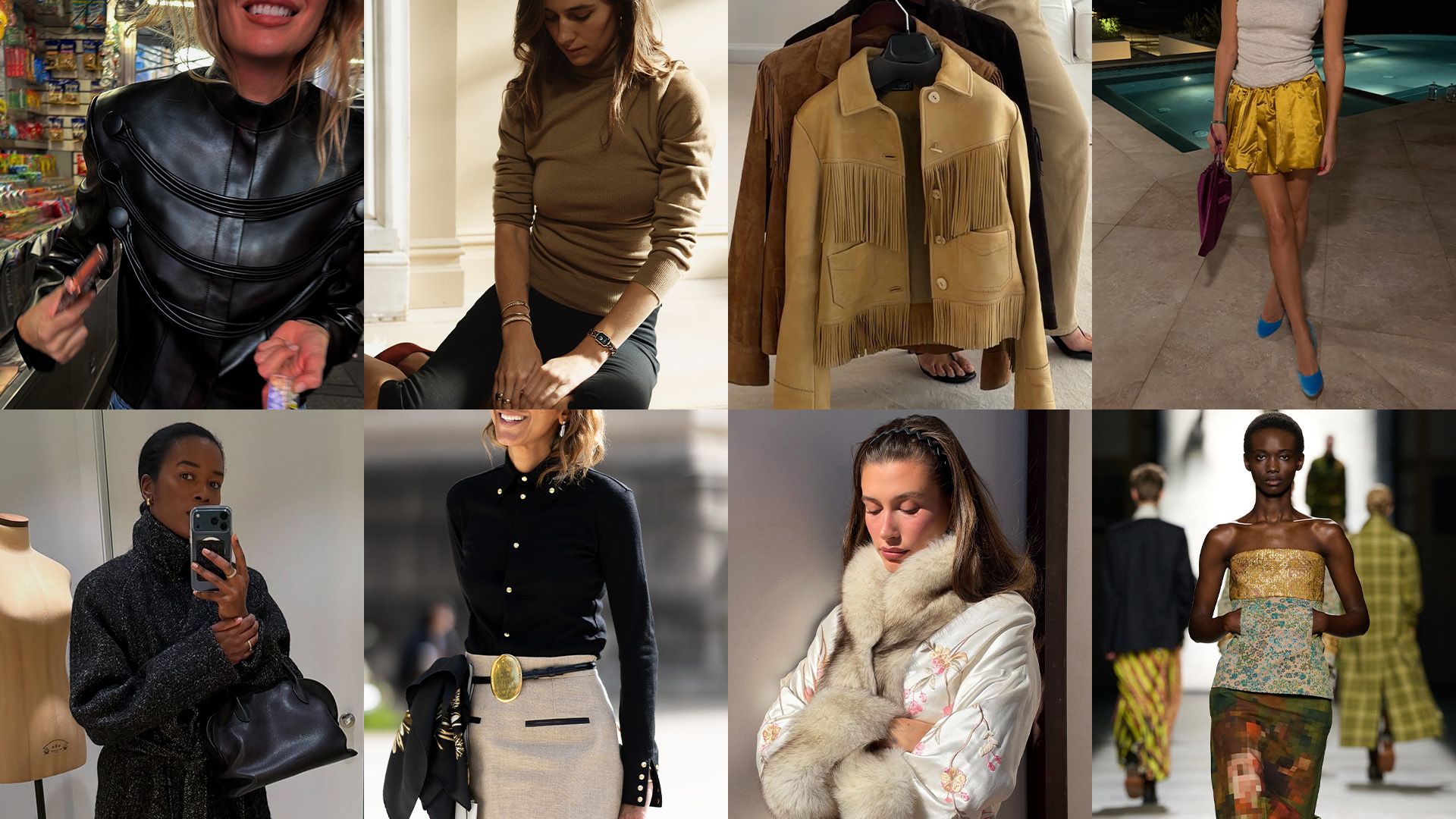
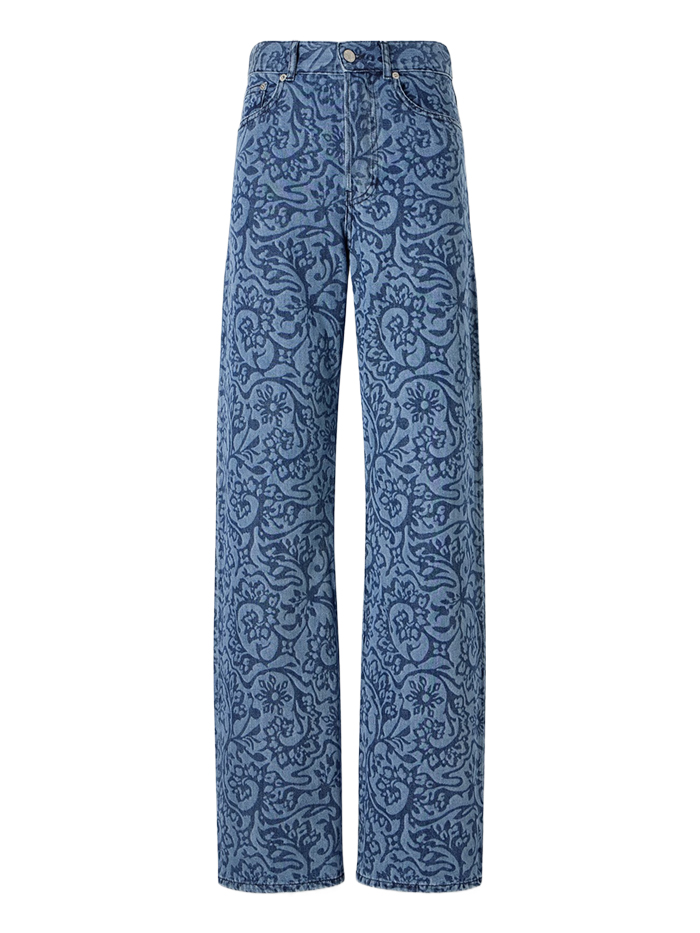
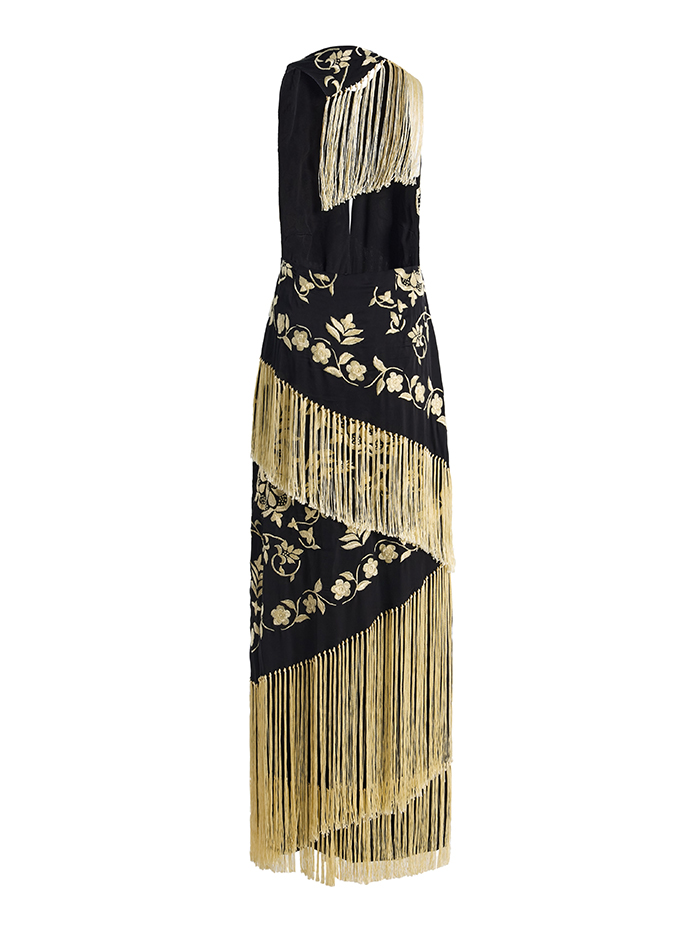
The year marked a return to fashion as a form of self-expression. Rather than adhering to a single aesthetic, people embraced more personal, eclectic wardrobes, with rich textures, decorative prints, and unexpected combinations bringing a renewed sense of creativity to everyday dressing. Maximalism returned, but with a more individual approach, from tapestry florals and ornate brocades to vintage-inspired embellishments and statement accessories.
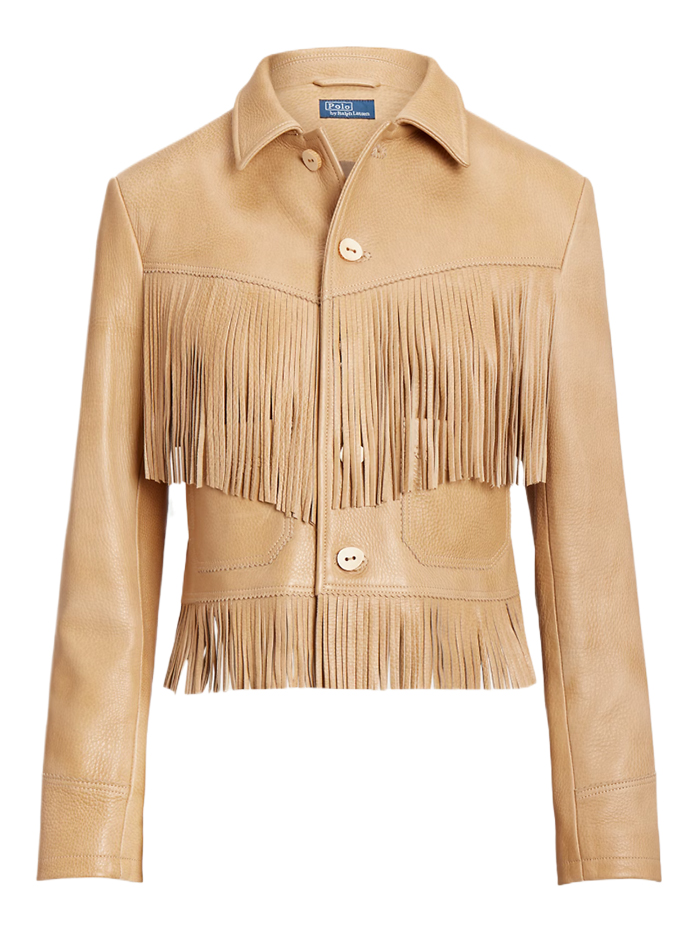
“Fashion is fun again,” says Hennig. “After season after season of quiet luxury, we’re seeing a return to expressive, personality-driven dressing, where more is more and individuality is essential.” She points to jacquards, velvets, tassels, fringe, and Art Deco–inspired embroidery as some of the defining details of the moment. The shift is also evident in how women are styling their wardrobes, mixing sporty pieces with more refined staples and pairing statement designs with everyday essentials rather than committing to a single designer or aesthetic.
Chartrand sees personality-driven dressing as the defining shift. “Individuality and personal style. It’s less about styles being ‘in’ and ‘out’ and more about how you mix and create a look that is unique,” she says. That sentiment captures a broader change in how consumers approach fashion: less interest in following a prescribed look and more emphasis on developing a wardrobe that reflects their own tastes. In 2026, the most compelling style wasn’t necessarily about wearing the latest trend but knowing how to make it your own.
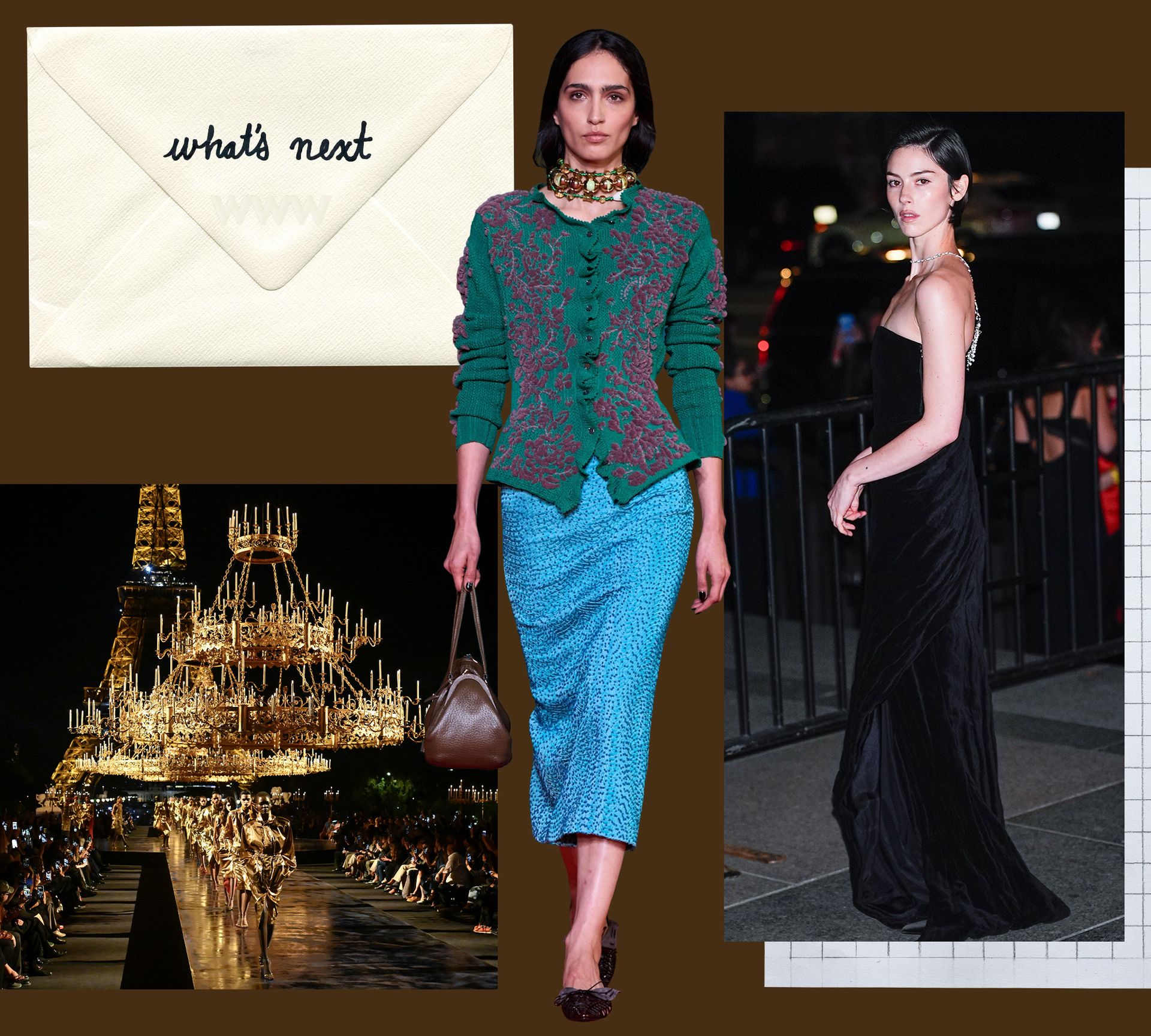
If 2026 was about rediscovering individuality, 2027 could bring a more discerning approach to luxury. As consumers become increasingly selective about where they spend, brands will need to offer more than a recognizable name or coveted logo. Creative vision, distinctive design, and exclusivity will be key to winning their attention, particularly as shoppers seek pieces that feel personal rather than simply popular.
Following a period of significant change across major fashion houses, 2027 will reveal which new creative directions can translate into lasting desirability. At the same time, independent designers are poised to capture a greater share of luxury spending. Colleen Allen, winner of the CFDA’s 2026 American Emerging Designer of the Year award, and Rachel Scott of Diotima, named Womenswear Designer of the Year, represent a new generation bringing fresh perspectives to American fashion. “I believe we’ll see a meaningful shift in spending toward independent luxury designers,” says Hennig. “Customers are increasingly drawn to distinctive product that feels special, individual, and isn’t readily available everywhere.” As shoppers seek out more original finds, the appeal of discovering a label before it reaches the mainstream could become an increasingly valuable part of the luxury experience.
Technology will also reshape how consumers discover and shop for luxury. As AI makes product searches and recommendations more sophisticated, personal styling, trusted client relationships, and access to exclusive pieces could become even greater differentiators. Waller similarly sees access becoming increasingly important, with consumers continuing to seek out specific designs that aren’t readily available through traditional retail channels.
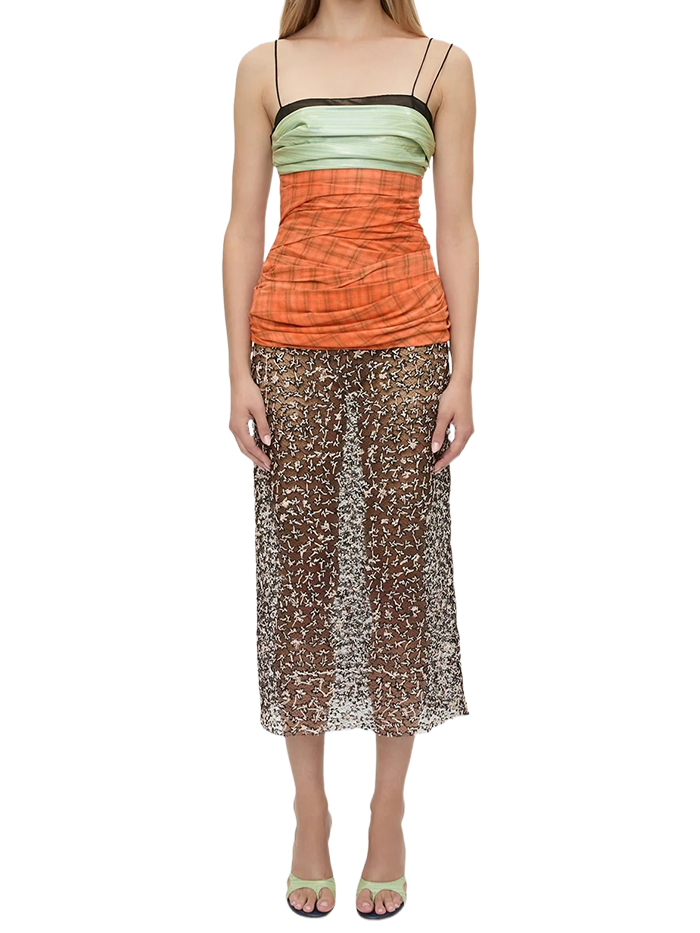
The spring/summer 2027 collections offer an early glimpse of what’s ahead, with rich textures, ornate detailing, expressive prints, and unexpected combinations signaling that fashion’s appetite for experimentation is far from over. Rather than one defining aesthetic, expect more eclectic wardrobes that mix investment pieces with emerging designers, vintage finds, and statement accessories.
Ultimately, luxury’s next chapter will be shaped by what consumers genuinely value, not simply what brands tell them to want. The houses and designers that succeed will offer a compelling reason to invest, whether through a strong creative vision, exceptional design, or experiences that go beyond the product. In a market where almost everything is available at the click of a button, the greatest luxury may be finding something that feels entirely your own.