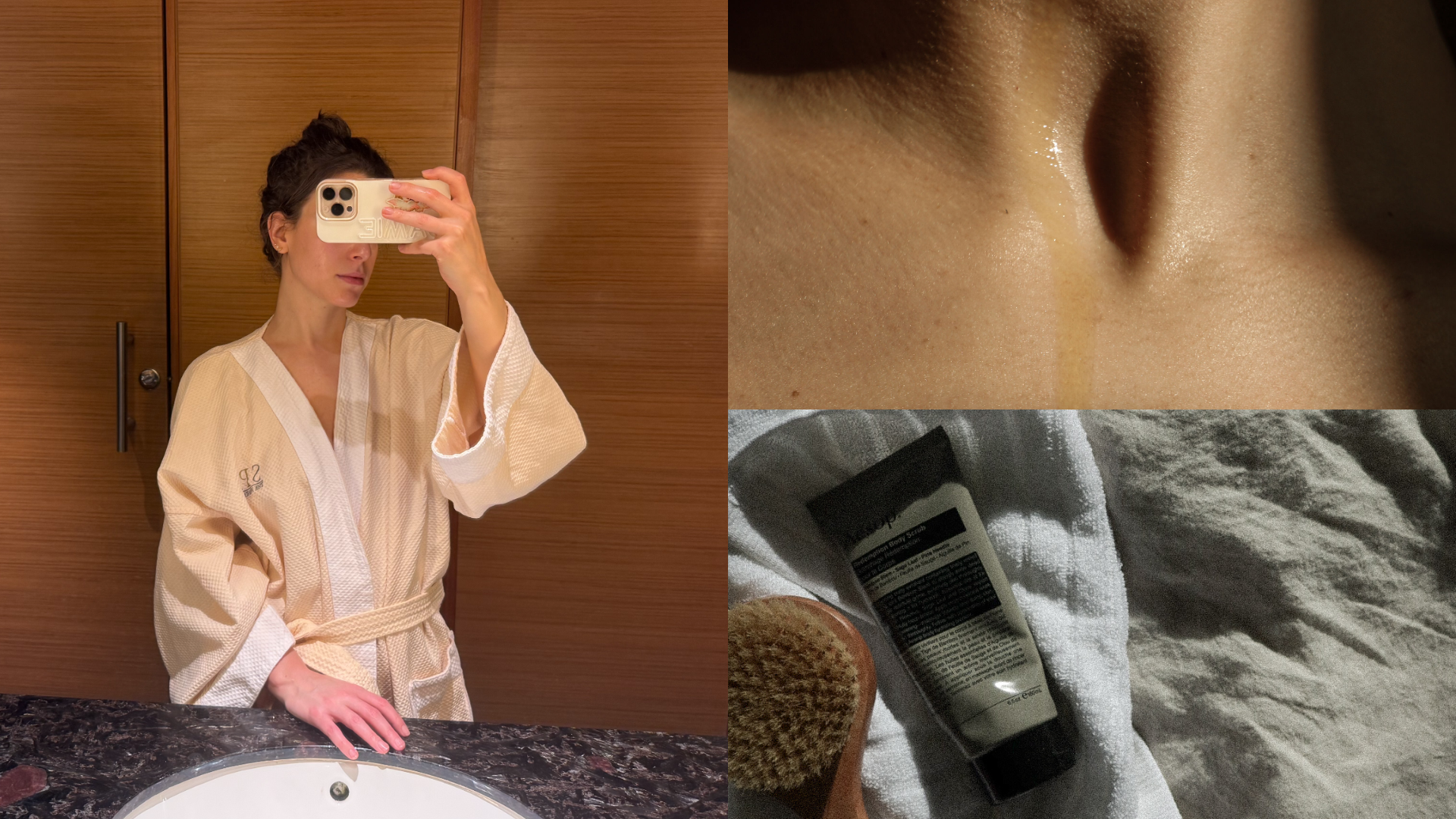
If you know me, then you know it’s my mission to defeat dehydrated, scaly skin. The skin on my face might be textbook combination (oily in the T-zone, dry everywhere else), but everything below my chin is perennially capital-P parched. I’ve spent the bulk of my career ID’ing the best butters, serums, and scrubs to secure baby-soft skin from head to toe, and now, eight years later, I’ve finally got it down to a science—with the help of some trusted experts, of course.
“The perfect bodycare routine doesn’t have to be complicated, but it should be intentional,” shares board-certified dermatologist Pearl Ugwu-Dike, MD. “Before the shower, I recommend assessing exactly what your skin needs. Is it dry, acne-prone, uneven texture? Are you dealing with discoloration or ingrown hairs? Your routine should be designed around those concerns.” Everyone’s skincare needs look different, but for me, addressing uncomfortable dryness is concern number one. If you, too, seem to crack and flake as soon as the weather turns crisp, scroll ahead. I’m outlining the full, six-step routine that makes my skin supple and luminous all year long.
The Best 6-Step Bodycare Routine of All Time
1. Dry Brush (Optional)
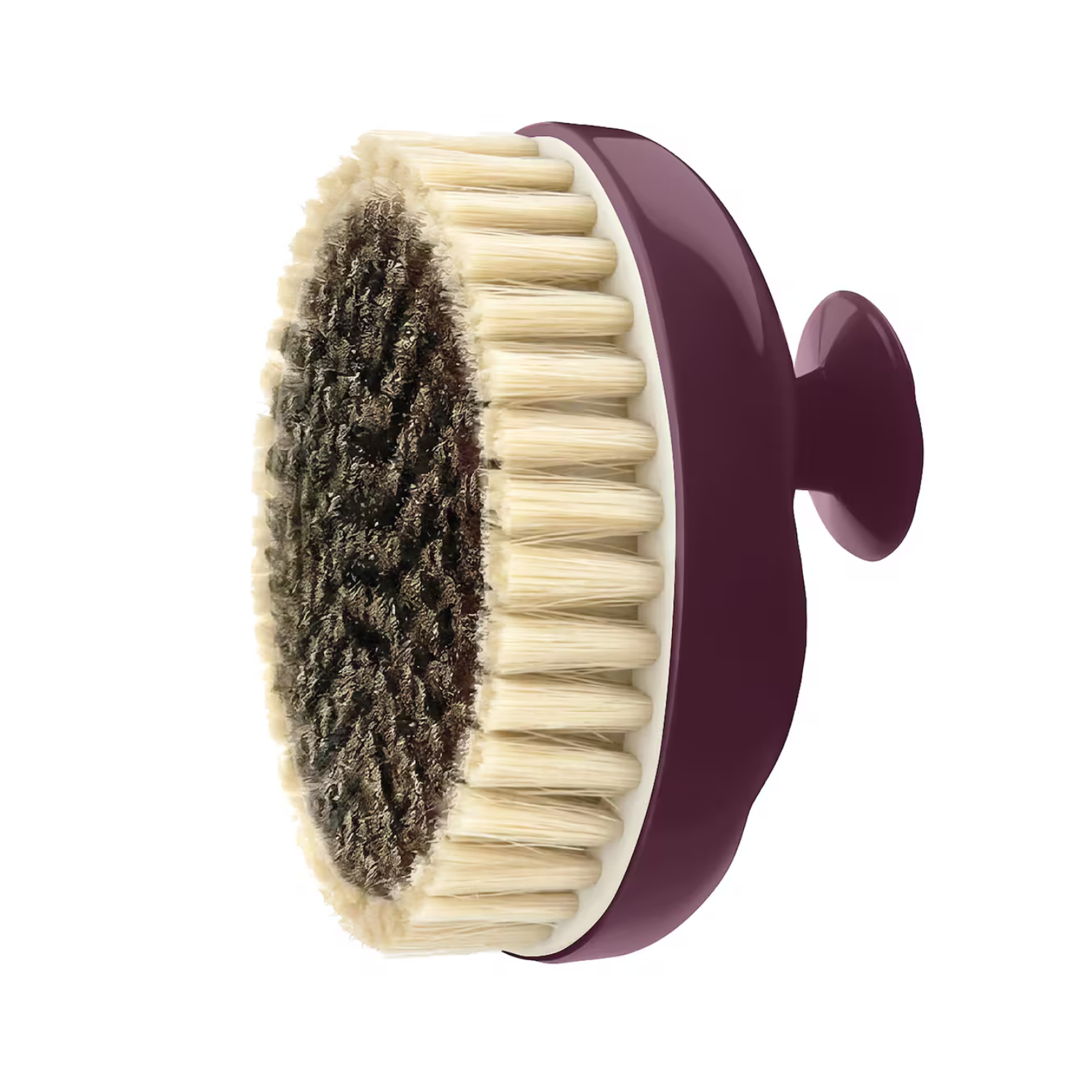
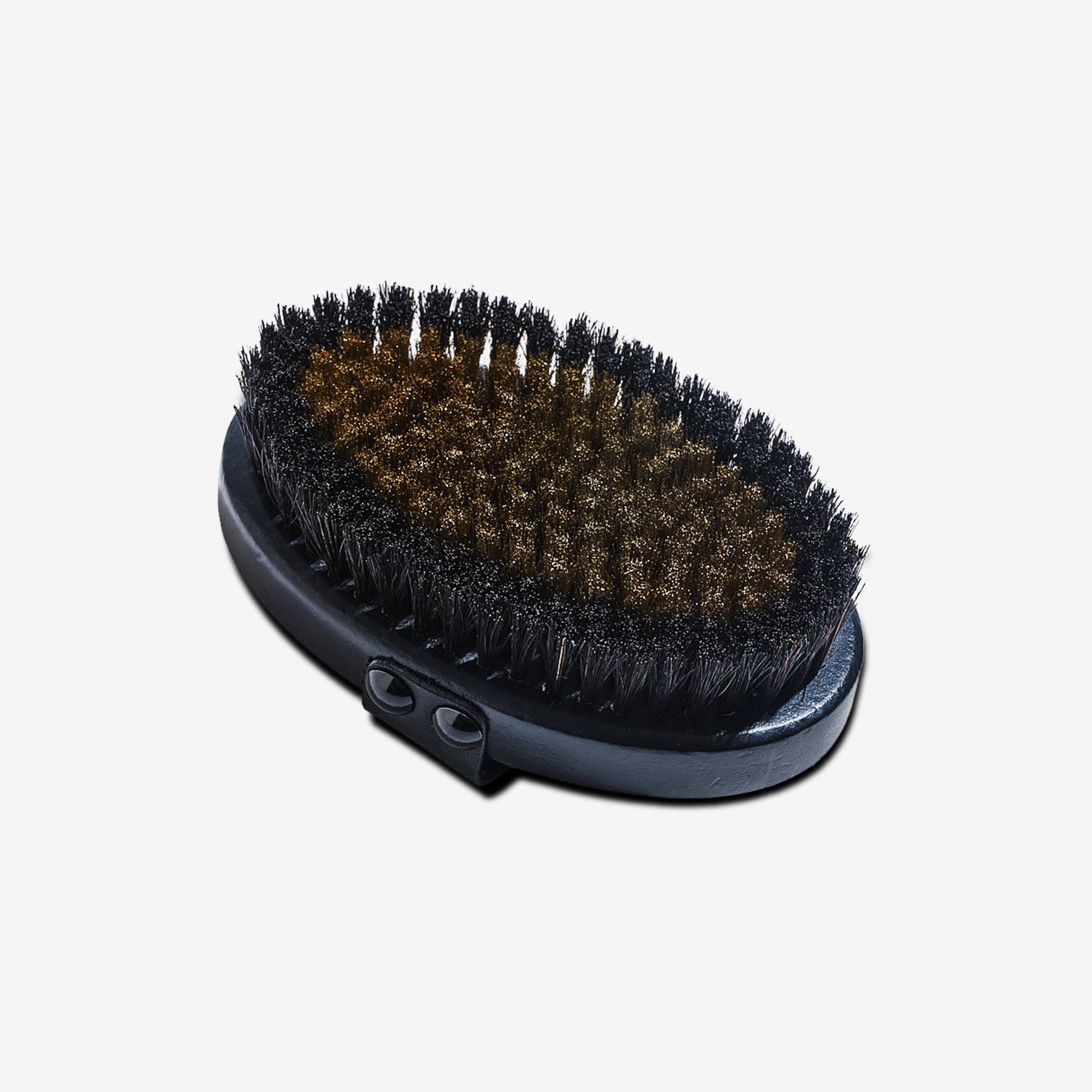
I don’t always dry brush, but when I do (two to three times per week), I notice an immediate difference in the texture of my skin. “Dry brushing is essentially manual exfoliation—it helps slough off dead skin cells sitting on the surface, which can leave the skin feeling softer, smoother, and looking more even-toned,” board-certified dermatologist Jenna Queller, MD, FAAD, previously told WWW about the ancient Ayurvedic and Egyptian practice. “It also temporarily increases blood flow to the area, which is why you may notice some flushing afterward.”
That ability to stimulate blood flow has given it a reputation for reducing cellulite (albeit temporarily); that effect hasn’t been backed up by clinical data, but I personally can’t ignore how invigorated I feel after each sweep. The ritual itself also puts my mind at ease, and it’s quite satisfying to see the dry, dead cells literally coming off my skin in flakes. Just make sure to use gentle pressure and direct your strokes upward toward the heart.
2. Cleanse
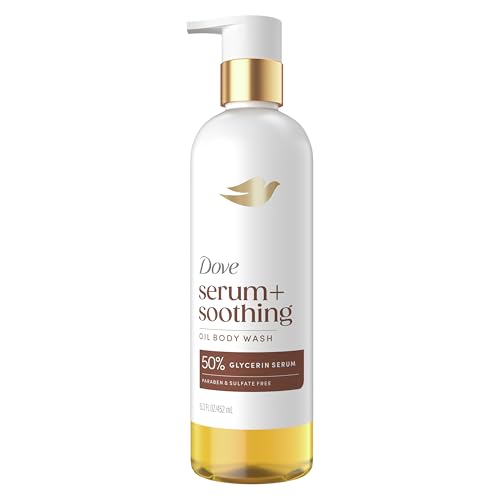
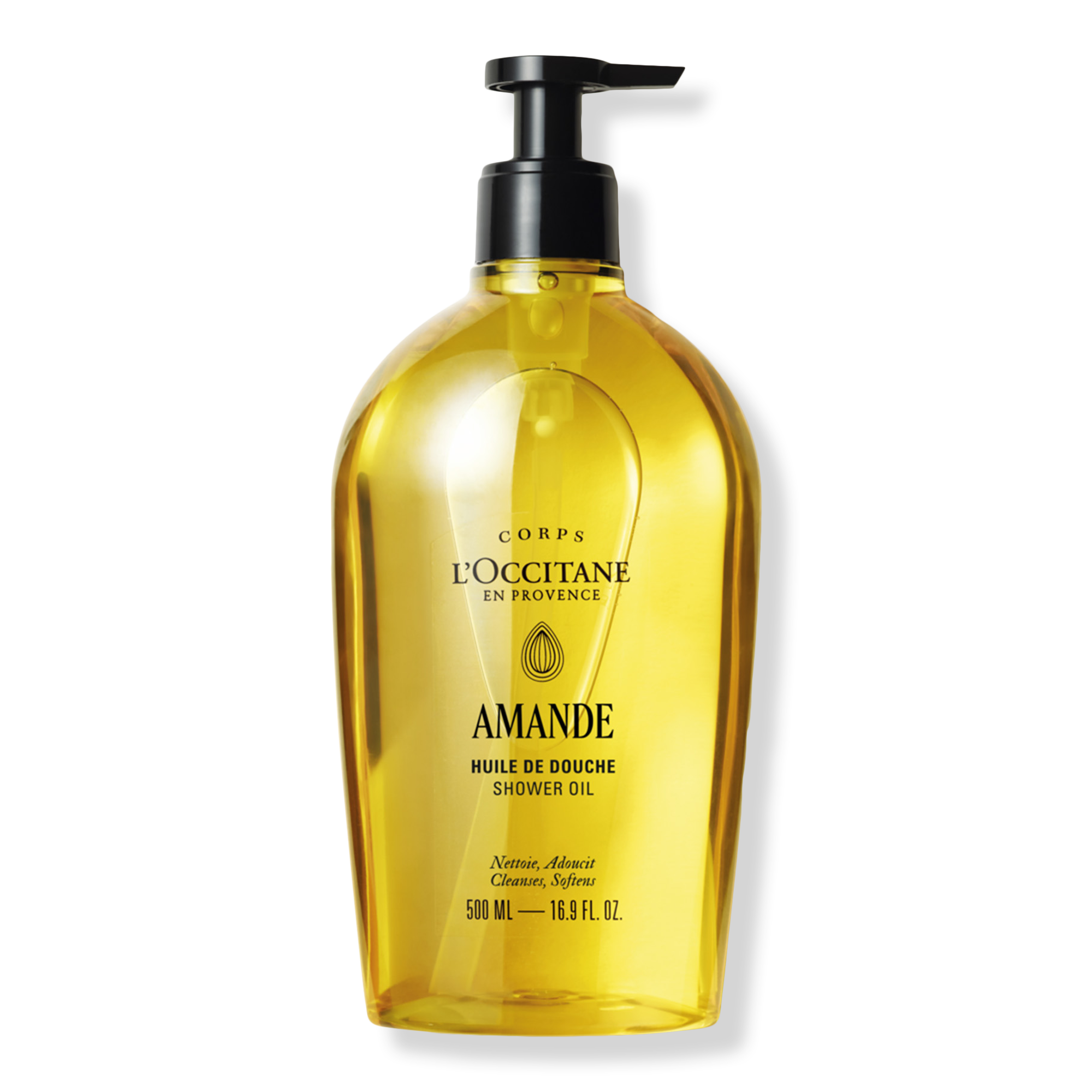
It’s not the sexiest step, but it is the most important! Choose your cleanser wisely, Ugwu-Dike and aesthetician Tasha Marc advise, recommending gentle, pH-balanced washes that cleanse without stripping the skin of precious oils. Of course, you can also find options spiked with exfoliating players (salicylic acid, benzoyl peroxide, lactic acid, etc.) to target concerns like body acne and uneven texture, but I personally like to use a hydrating shower oil from Dove or L’Occitane and follow up with exfoliation after—more on that in just a moment.
3. Exfoliate
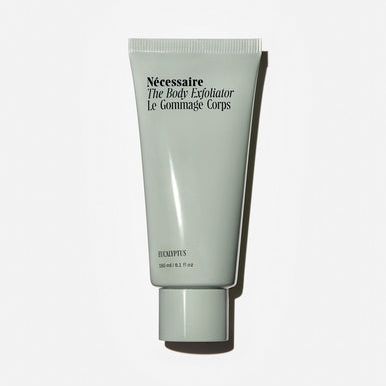
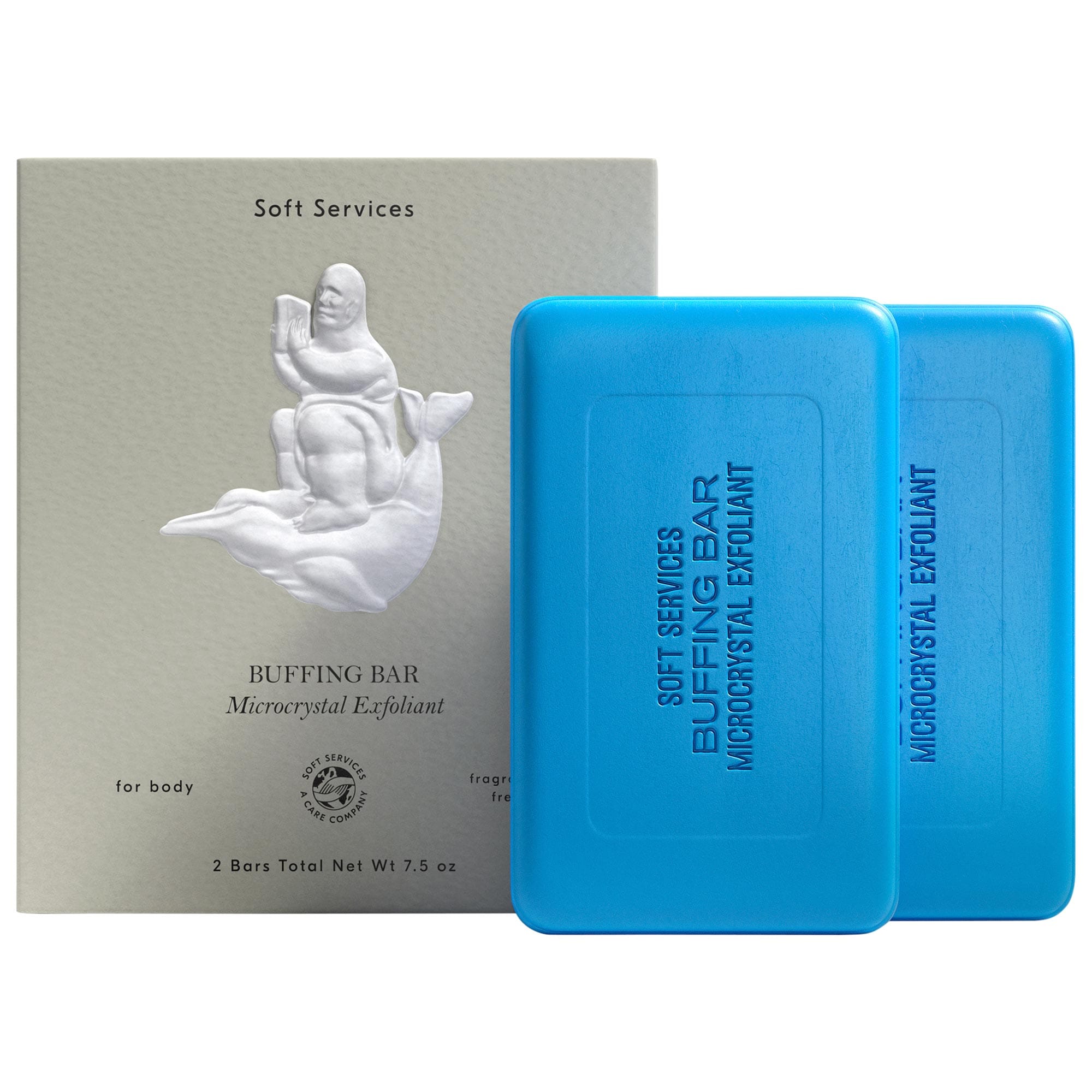
Okay, here’s where things get a bit finicky. My skin thrives from physical exfoliation two or three times per week, be it from dry brushing or a manual scrub, which, according to Marc, “helps remove accumulated dead skin cells, improve texture, and allow moisturizing products to spread more evenly.” But I never exfoliate twice in one shower routine. Meaning, if I dry brush before hopping in the shower, I’ll skip this exfoliating step and focus solely on moisture. If my skin is feeling particularly congested (namely in the sweaty summer months), I’ll treat it to a granular scrub or buffing bar.
If you have particularly sensitive skin, however, you might want to cool it on the physical exfoliators and stick to a mild, acid-infused wash. “Gentle chemical exfoliants, such as lactic acid or PHAs, can be a good alternative to abrasive scrubs, provided the skin is not already irritated or compromised,” Marc offers. “Lactic acid is particularly beneficial because it offers exfoliating properties while also acting as a humectant.”
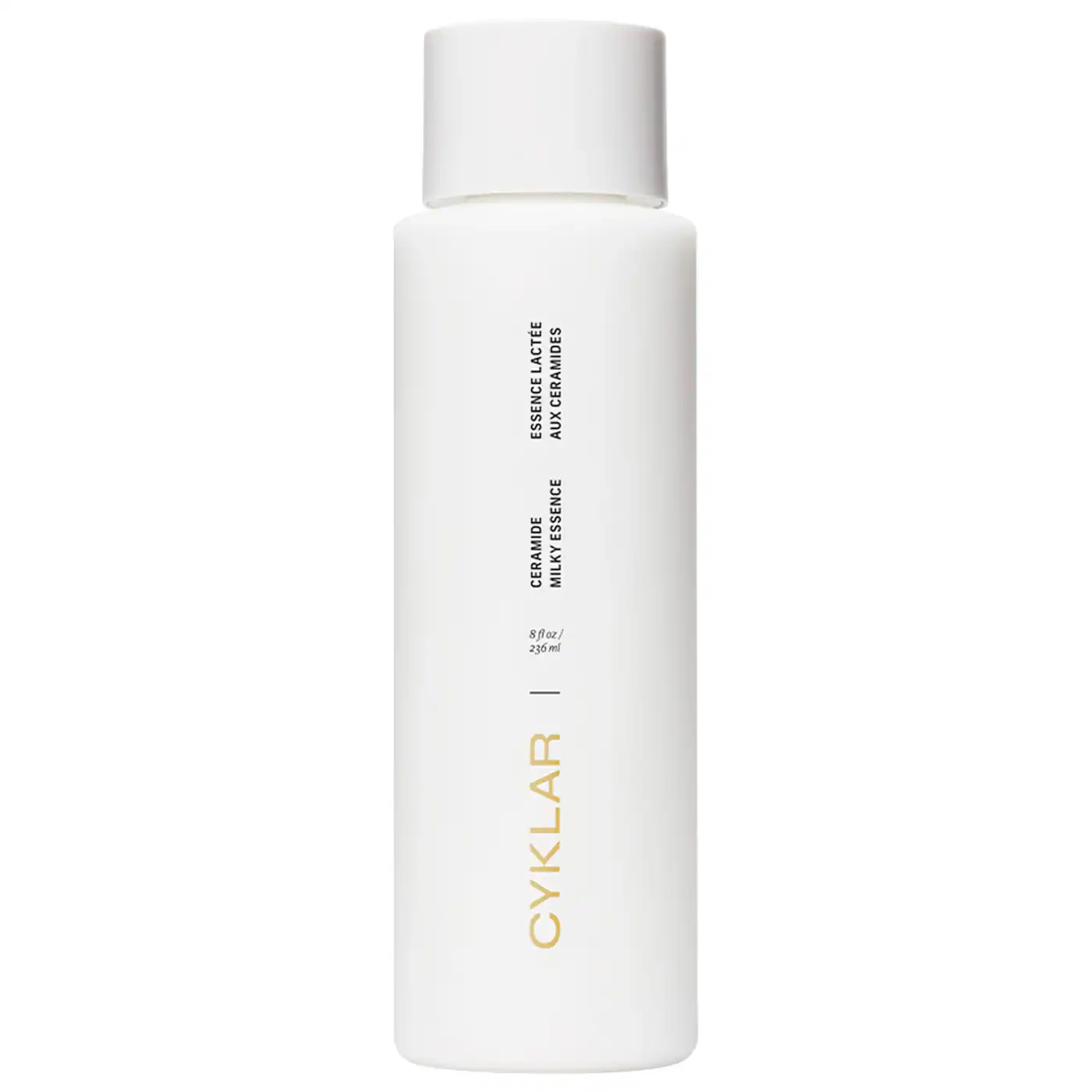
4. Body Serum or Milk
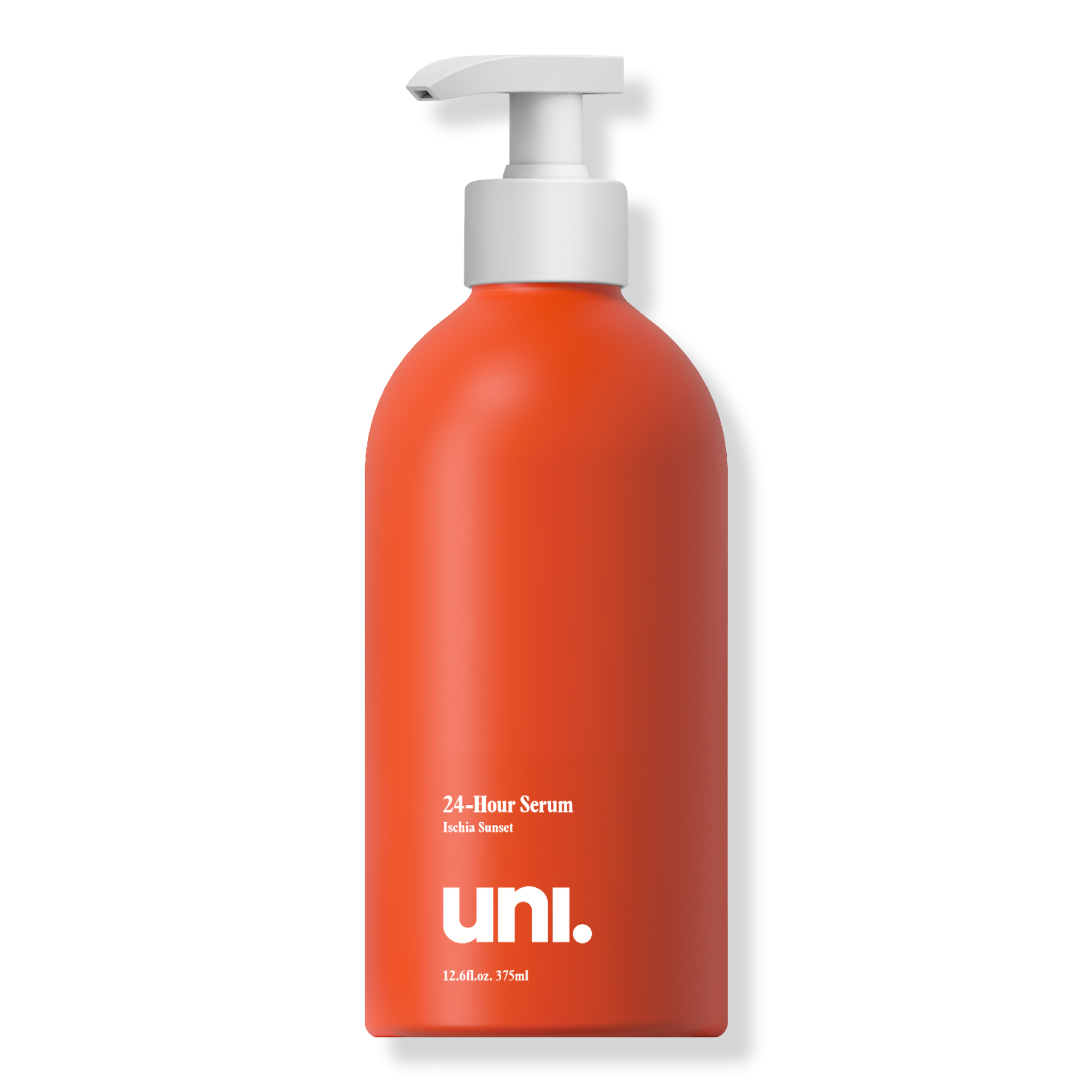
No matter how you choose to exfoliate (if at all), please, please remember to properly moisturize. It takes a few extra seconds, but believe me, sloughing off dead skin without reintroducing hydration is a recipe for flaky, uncomfortable skin. Slathering on body lotion or oil will do the trick, but if you want to go the extra mile for velvety skin, apply a body serum or milk (ideally one with hyaluronic acid, glycerin, or panthenol, suggests Marc) as a first, lightweight layer. “Ideally, this step should be performed while the skin is still slightly damp,” Marc adds. Sometimes I’ll even apply the serum in the shower so that there’s zero chance the precious moisture can evaporate, or I’ll gently pat dry so the product has some dewy skin to cling to.
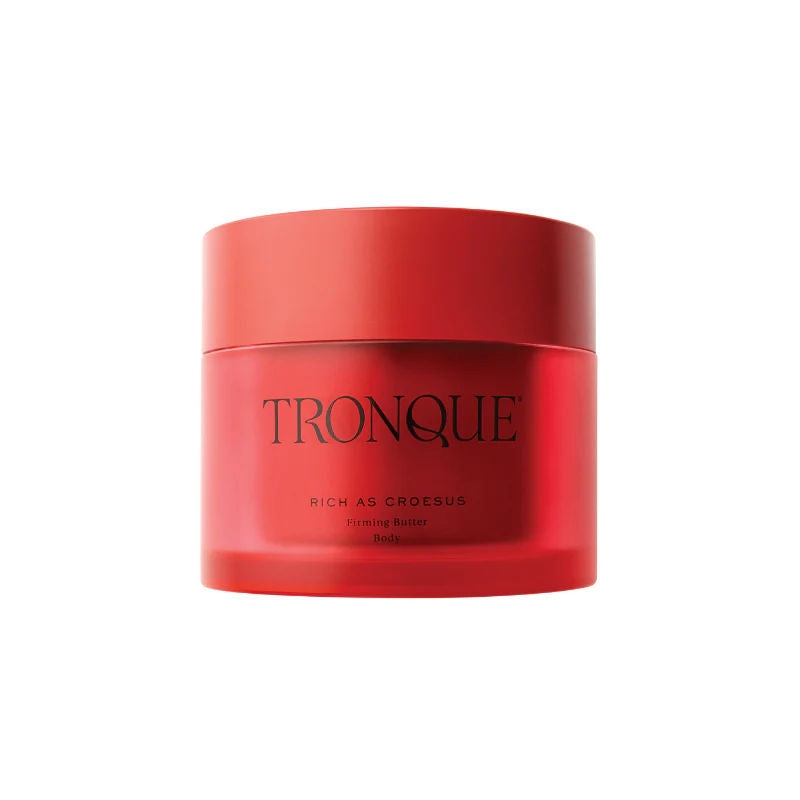
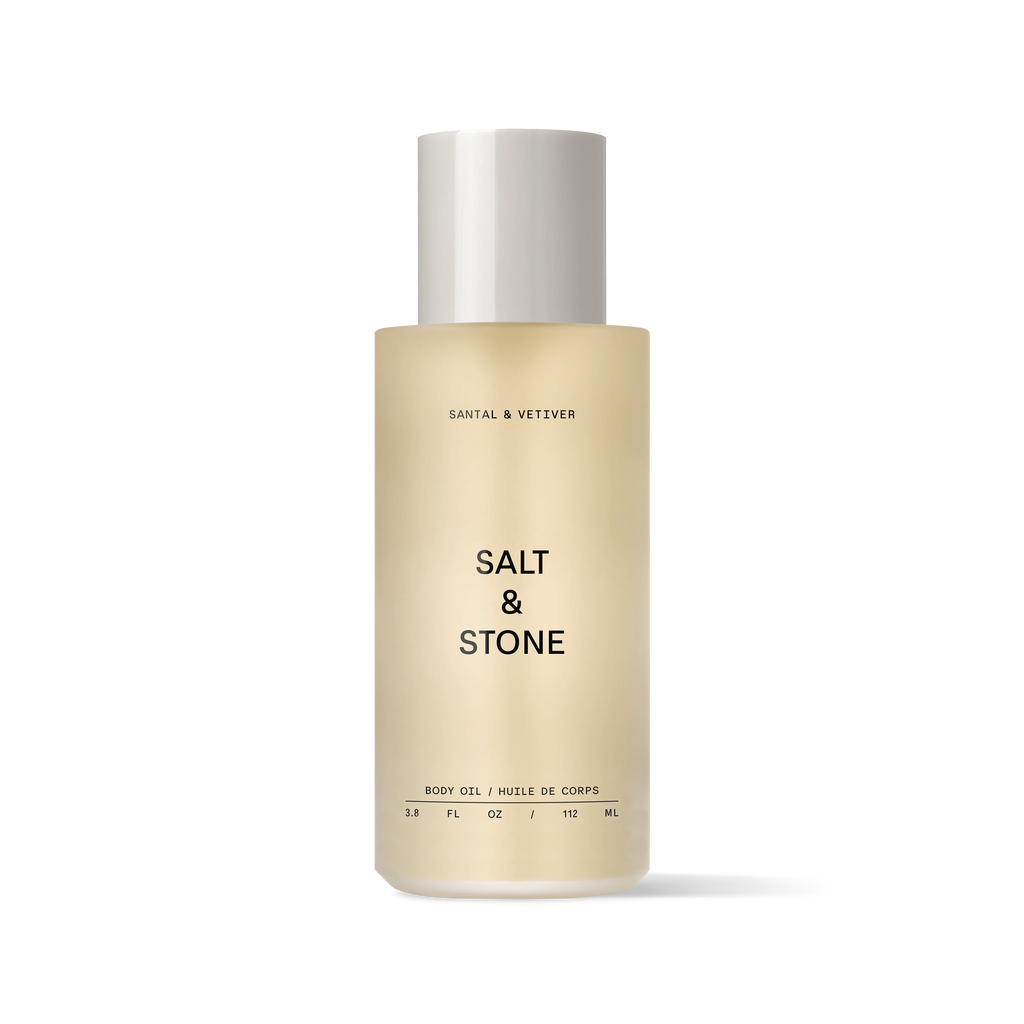
5. Body Oil or Cream
Following the lightweight formula, apply a thicker, more occlusive cream or oil to lock in all the moisture. During the warmer months, I like to stick to a dry oil that won’t leave my limbs greasy, but in the winter, the denser the body cream the better. No matter which format you choose, Marc recommends seeking out “barrier-supporting ingredients such as ceramides, cholesterol, fatty acids, or shea butter to help retain hydration and reduce transepidermal water loss” (aka, when water evaporates from the surface of your skin). If you emerge from the bathroom looking like a slick, shiny dolphin, congratulations—you did the routine just right.
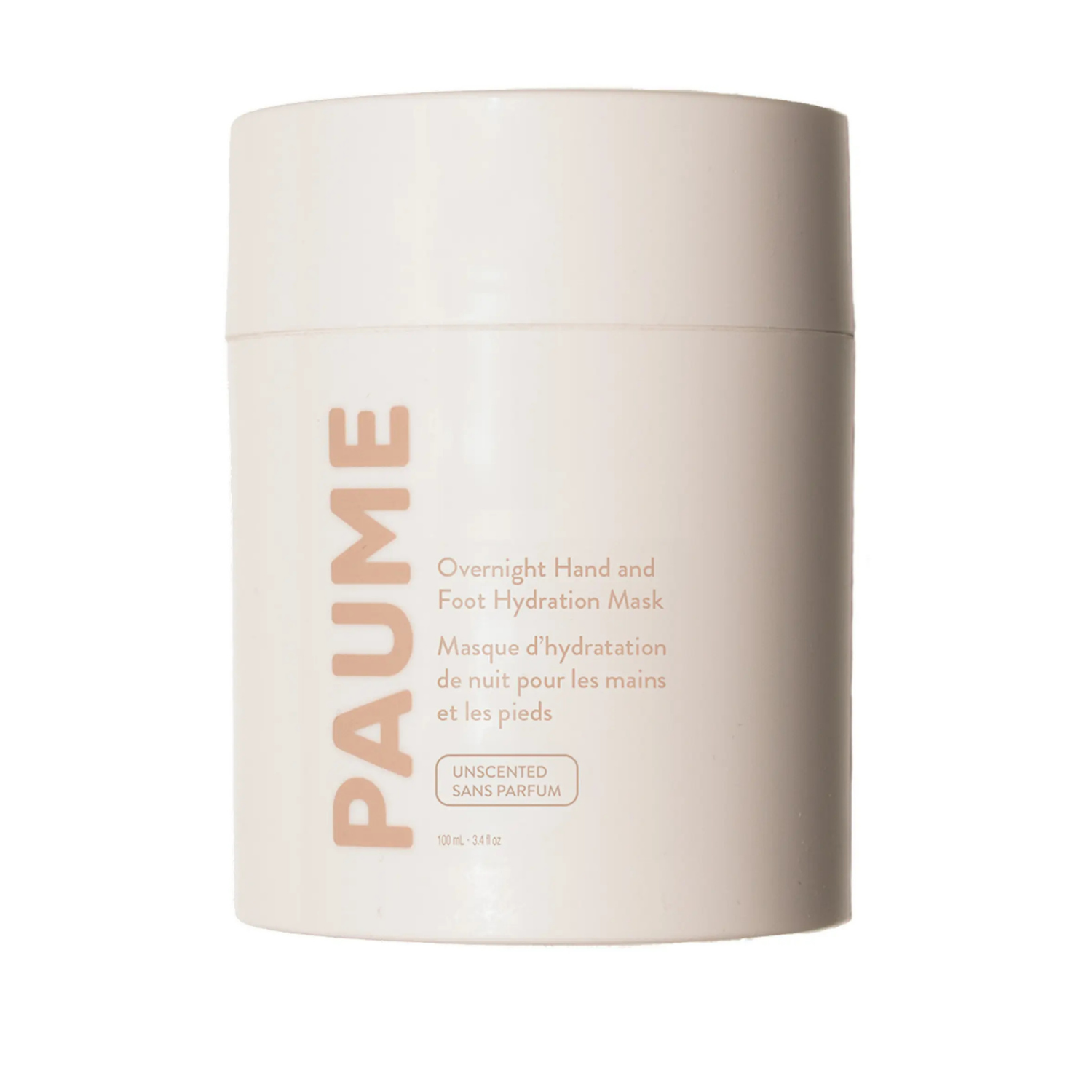
6. Before Bed: Hand and Foot Cream
One more step! When my skin feels really dry, I like to add another layer of body cream just before tucking into bed, especially on rougher areas like my hands, feet, knees, and elbows. That way, I can make sure my barrier is ultra protected against transepidermal water loss while I snooze, which, as it turns out, is when it’s the most permeable. “Overnight body treatments are an effective way to address persistent dryness,” agrees Marc. “Applying a richer moisturizer to the feet and hands before bed, followed by breathable cotton socks or gloves, can help reduce moisture loss and improve softness by morning.” I like to keep multiple hand and foot cream options at my bedside, depending on how thirsty my skin feels.

Bonus Steps
- Bronzing drops: “For an instant glow, gradual self-tanners or bronzing drops can enhance skin tone without UV exposure,” Marc notes. If you’d like to introduce a faux glow, simply add a few bronzing drops to your body cream du jour.
- Deep-conditioning treatments: If my dry skin is past the point of no return, I will apply an in-shower body treatment after cleansing to add some much-needed nourishment. It works like a reparative hair mask: You slather it on, wait a few minutes, then rinse off and follow up with your regular hydrators.
- Body mist: Scent is an important part of the bodycare experience IMO! The exact mist will ultimately depend on my mood that day, but if I’m getting ready for bed, a light, intimate aroma like Sidia’s Braless or By Rosie Jane’s White Tee makes me feel comforted without doing the most.

Other Expert Tips
- Turn down the heat: Sorry to say, but if you’re dealing with dryness, that steamy shower can wind up doing more harm than good. “Prolonged exposure to hot water can strip the skin of its natural lipids and increase moisture loss,” notes Marc. Ugwu-Dike agrees. “A really hot shower might feel like an emotional reset sometimes, but it can also aggravate your skin and increase propensity for dryness,” she explains. “Your shower can be a spiritual experience, it just doesn’t need to be a boiling one.”
- Squeaky clean is a bad sign: “Squeaky-clean skin is one of beauty’s biggest misconceptions. Your skin is not meant to squeak,” declares Ugwu-Dike. “Actually, if it’s squeaking, it’s probably in protest because you have stripped it bare of all of its moisture and compromised the barrier.” Consider that a sign you should pay extra attention to deep, rejuvenating moisture.
- Shave toward the end: For those who choose to shave in the shower, Ugwu-Dike recommends waiting until the end of your rinse to pick up the razor, as that will ensure the hair has fully softened.
- Wash your hair first: Similarly, if it’s a hair washday, make sure you shampoo and condition first. This is especially important if you struggle with body acne, as “cleansing your body afterward [will]remove any lingering product residue,” notes Ugwu-Dike.
Why Trust Who What Wear
At Who What Wear, we know that beauty isn’t one-size-fits-all. Over the years, our editors have tested thousands of products—including skincare, makeup, haircare, and nails—while also working closely with trusted experts, like renowned dermatologists, celebrity makeup artists, and other leading industry insiders. Together, this ensures every guide is well-researched, inclusive, and relevant to you.
We focus on formulas that deliver, whether they’re affordable favorites or luxury investments. Our product selection is based on tangible results, ingredient know-how, and what we’d truly recommend to our closest friends and family members.