If you are a living, breathing human being, chances are that you have experienced a breakout, enlarged pores, redness, dryness, oily skin, rough texture, or hyperpigmentation at least once in your life. Regardless of whether or not you battle one, a few, or all of these symptoms from time to time, you likely have a few lotions and potions on deck to treat each concern as they arise. But if you’re looking for something that does it all, or maybe just amplifies the products you are already using—I know it sounds too good to be true; I promise it’s not—allow me to introduce you to niacinamide serums.
What Is Niacinamide?
Niacinamide, a form of vitamin B3, is what board-certified dermatologist Chris Tomassian, MD, calls “one of those ingredients that does a little bit of everything.” From strengthening the skin barrier to controlling oil production, calming redness, evening the skin tone, zipping up pores, and more, there’s not much that this superhuman ingredient cannot do. “I love it because it’s generally gentle enough for most skin types, and you don’t need a complicated routine to benefit from it.” Yes, even sensitive skin types can tolerate it.
Curious to know more? So are we. Keep scrolling to read our comprehensive guide to niacinamide serums, as explained and recommended by expert dermatologists.
Which Concentration of Niacinamide Is Recommended?
When scrolling through the seemingly endless serum options out there, you will come across concoctions boasting up to 20% niacinamide. But experts agree: Too much of something isn’t always a good thing.
“Most people can experience significant benefits from formulations containing 2% to 5%,” says board-certified dermatologist Marisa Garshick, MD, FAAD. “Studies have demonstrated that concentrations around 4% to 5% can help improve hyperpigmentation, uneven skin tone, and signs of aging, while lower concentrations can still support the skin barrier and improve hydration.”
Percentages to Look For, Per Area of Concern
|
2% to 5% |
Skin-barrier support, dry skin, sensitive skin, new users |
|
4% to 5% |
Hyperpigmentation, fine lines, wrinkles, uneven skin tone |
|
5% to 10% |
Oily skin |
“Most people do really well with 2% to 5% niacinamide, and that’s where we have a lot of good research supporting its benefits,” says Tomassian. “You’ll see products with 10%, 15%, even 20%, but that doesn’t necessarily mean [that]they’re going to work better.” In fact, going up in percentage—especially if you have sensitive skin—may only increase your chances of irritation. “Five percent isn’t a hard limit, but for most people, it’s more than enough.”
Which Skin Types Can Use Niacinamide Serums?
Since niacinamide is a fairly gentle ingredient, it is generally tolerated well by all skin types. See what it can do for your skin below.
|
Dry/sensitive |
Support skin barrier, improve moisture retention |
|
Oily/acne-prone |
Regulate sebum production, reduce inflammation, minimize appearance of pores |
|
Rosacea/hyperpigmentation |
Even skin tone, soothe irritation |
|
Normal/combination |
All of the above |
The key, Tomassian says, is finding the formula that works best for your skin and “not overdoing it” on the strength of the niacinamide. “You don’t need the highest concentration or the most expensive product to see results,” he adds. “Consistency is much more important.” Curious to know which products these dermatologists would actually recommend? Scroll on to discover their eight picks, from budget-friendly drugstore buys to K-beauty favorites and more.

8 Niacinamide Serums Derms Recommend in 2026
- Best Overall: The Ordinary Niacinamide 10% + Zinc 1%
- Best for Hyperpigmentation: Vichy LiftActiv B3 Dark Spot Serum
- Best for Dark Spots: SkinCeuticals Discoloration Defense
- Best for Oily Skin: Medik8 Niacinamide Peptides Serum
- Best for Mature Skin: CeraVe Skin Renewing Super Boost Serum
Best Overall: The Ordinary Niacinamide 10% + Zinc 1%
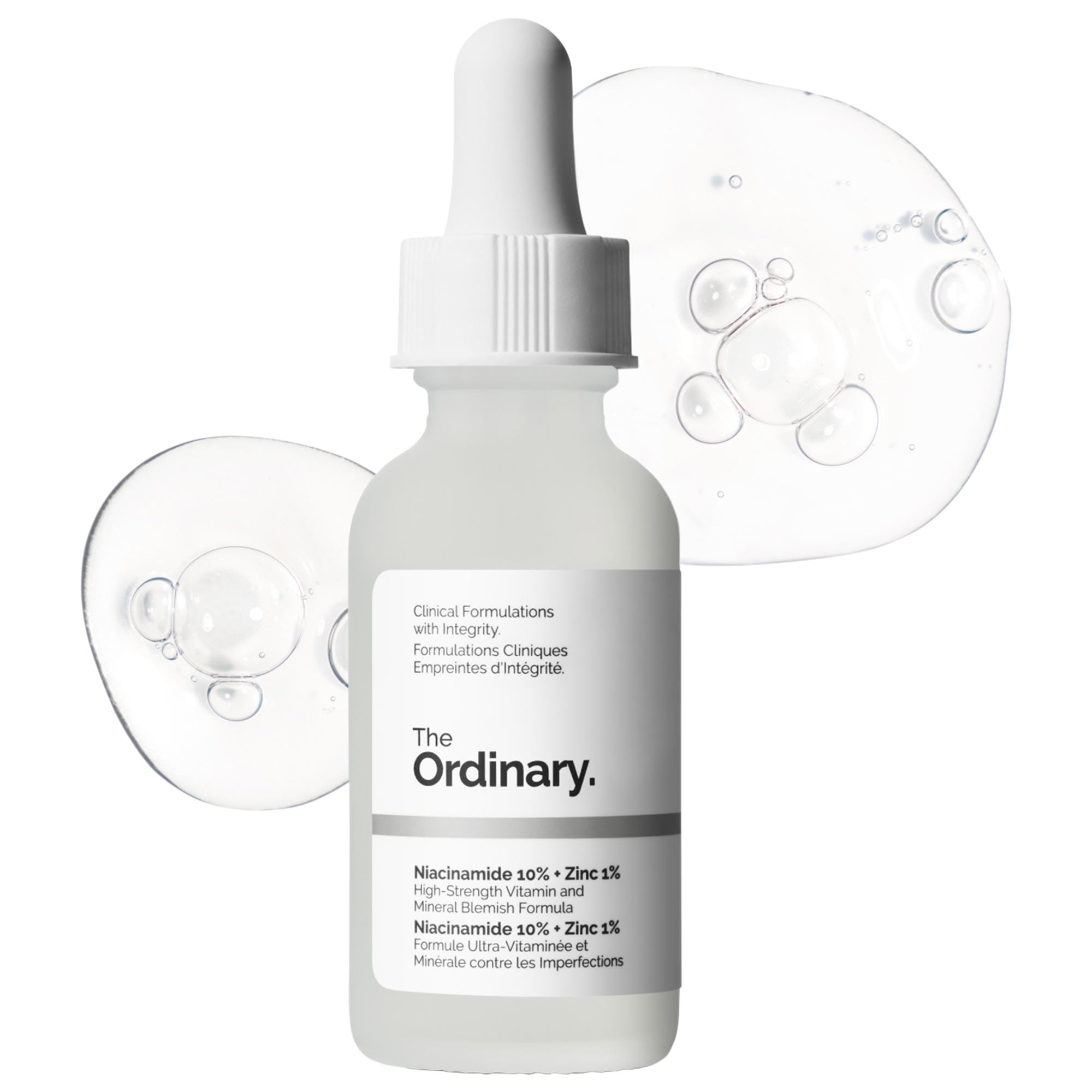
Ask any editor or dermatologist for their top niacinamide serum recommendation, and they will probably tell you about The Ordinary’s $6 bottle. “Budget-friendly yet effective, this is especially good for those with oily or blemish-prone skin as it helps to regulate excess oil while also reducing the appearance of large pores using 1% zinc PCA,” says Garshick. Not only does it decongest the skin, but it also enhances radiance and smooths your complexion. Garshick points out that it’s also supremely lightweight, making it an easy addition to your skincare routine.
Best for Hyperpigmentation: Vichy LiftActiv B3 Dark Spot Serum
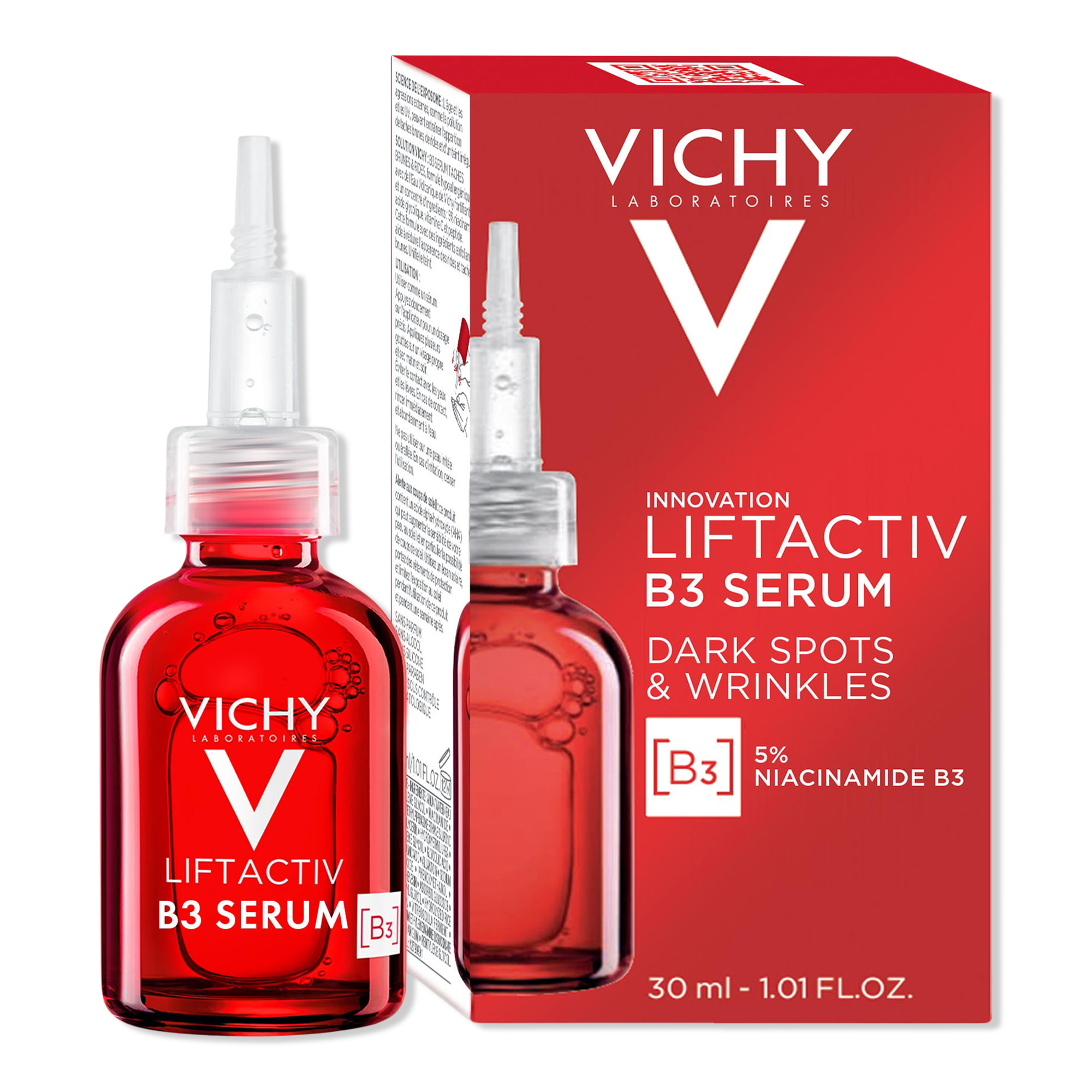
While some serums are best for dark spots, this serum from dermatologist-favorite brand Vichy does a bit of everything when it comes to hyperpigmentation—creating a smoother canvas from top to bottom. “A great option for those dealing with dark spots and uneven tone, this combines niacinamide with Melasyl, peptides, tranexamic acid, and glycolic acid to help target discoloration and improve overall radiance,” says Garshick. “It is also fragrance-free, making it an option even for those with dry or sensitive skin.”
Best for Dark Spots: SkinCeuticals Discoloration Defense
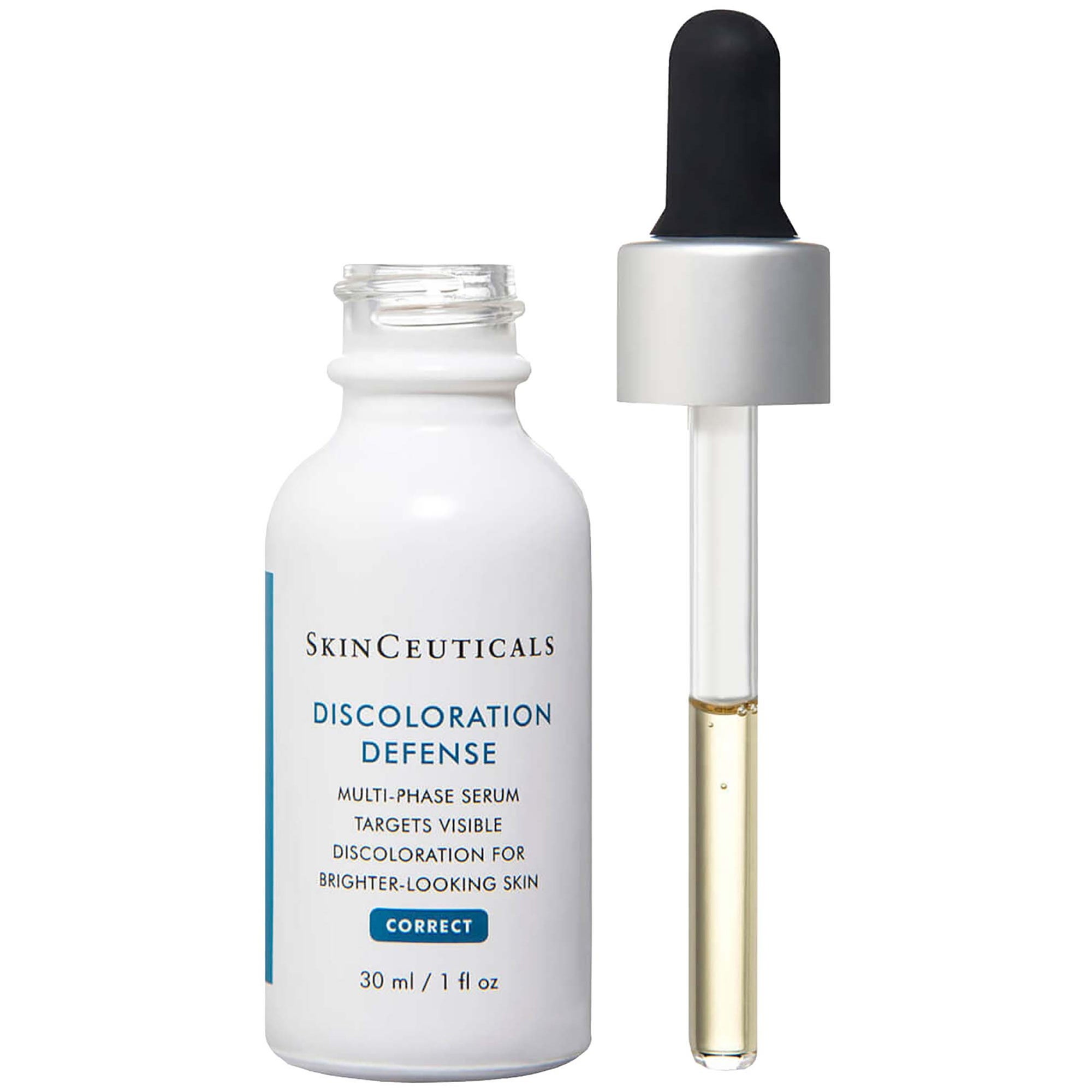
For a more targeted approach to dark spots, Tomassian recommends picking up a bottle of SkinCeuticals’ Discoloration Defense. “[It] is one of my favorites for patients dealing with hyperpigmentation, particularly post-acne marks and uneven skin tone,” he explains. “It combines 5% niacinamide with tranexamic acid and other brightening ingredients to help improve discoloration.” Sure, the price tag stands a bit tall at $115—but for its expensive cocktail of ingredients (tranexamic, kojic, hepes, and niacinamide), fast-acting results (in as little as two weeks), and dark-spot rejuvenation without the use of hydroquinone (a skin-lightening agent), the small investment is well worth the big results.
Best for Dark Spots (on a Budget): Anua Niacinamide 10% and TXA 4% Serum
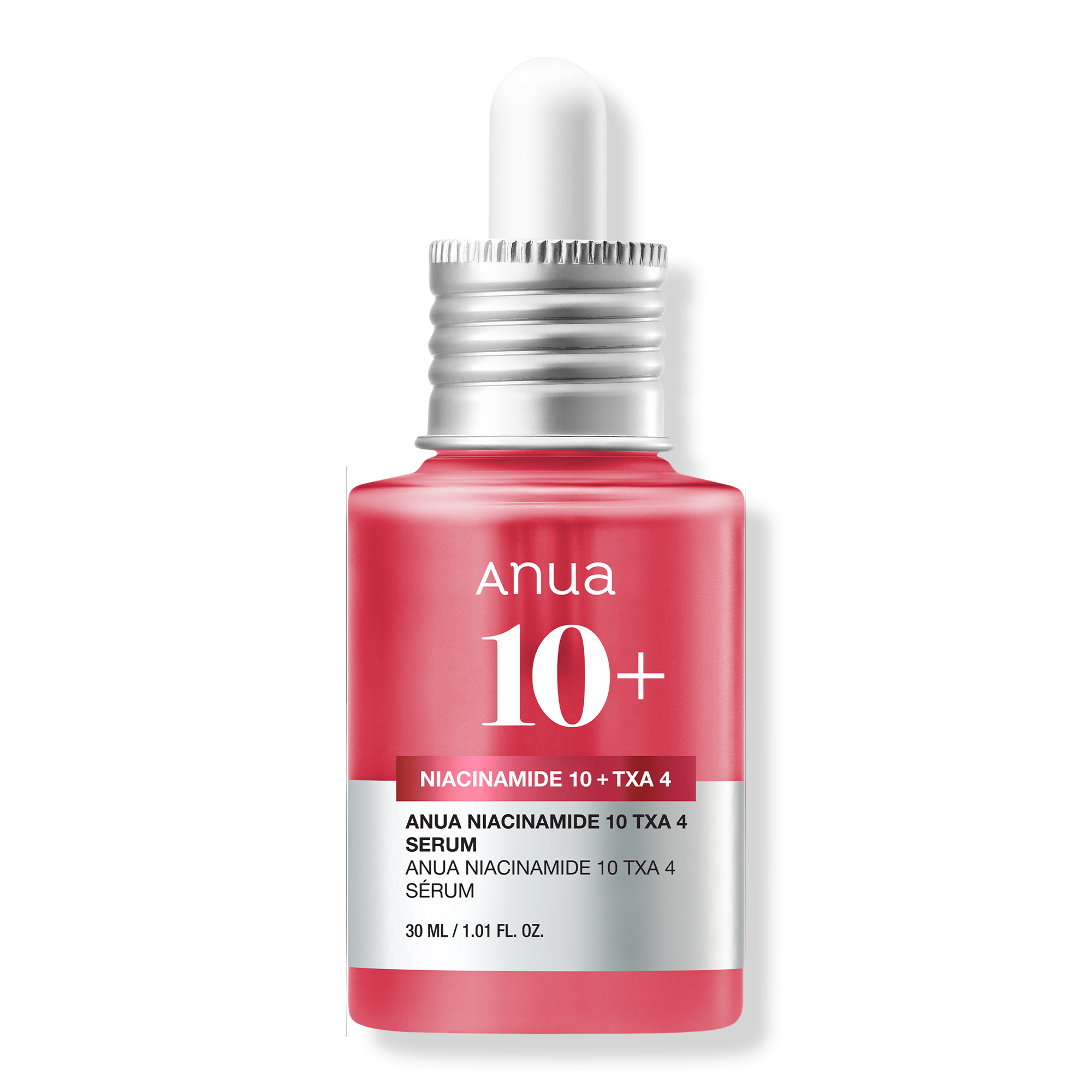
If $115 is a bit too much to drop on a new serum right now, consider Garshick’s recommendation from the editor-loved K-beauty brand Anua. “A great option for those dealing with dark spots and uneven tone, this combines 10% niacinamide with 4% tranexamic acid to improve discoloration and uneven tone,” she states. This product includes a few of the same ingredients as the SkinCeuticals pick, just for a fraction of the price. “It can be especially good for those dealing with post-acne marks, without being too harsh on the skin.
Best for Dry Skin: Brandefy No Needles Renew Serum
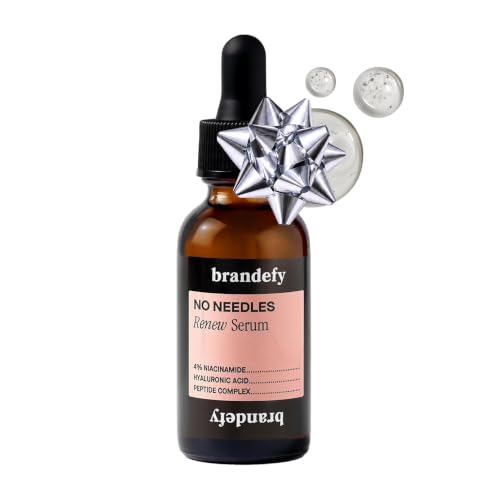
Those with dry or sensitive skin should look for niacinamide products that have hydrating ingredients like hyaluronic acid in the formula. “Brandefy’s No Needles Renew Serum has 4% niacinamide along with hyaluronic acid and peptides,” says Tomassian. “I love that it’s right in that sweet spot of niacinamide concentrations without going overboard, and it’s a great option for hydration and supporting the skin barrier.” (Plus, you can nab it on sale for just $25 right now.)
Best for Oily Skin: Medik8 Niacinamide Peptides Serum
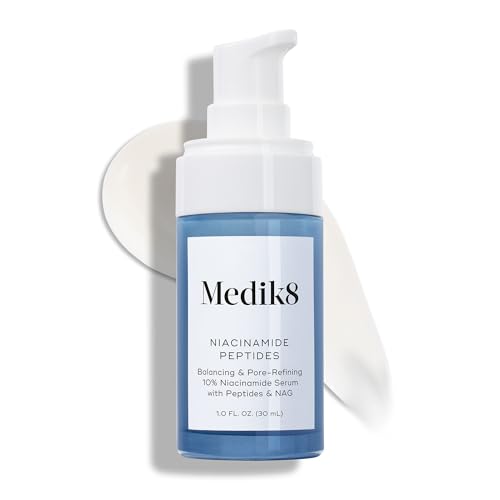
Niacinamide serums are great for those with oily skin because they help control the production of excess sebum, but products like Medik8 take things a step further for this particular skin type. Garshick recommends this clinically tested serum to “anyone looking to improve the appearance of pores, excess oil, and uneven texture” without irritating the skin. “The combination of niacinamide, peptides, zinc PCA, and hyaluronic acid makes it a great multitasker.”
Best for Mature Skin: CeraVe Skin Renewing Super Boost Serum
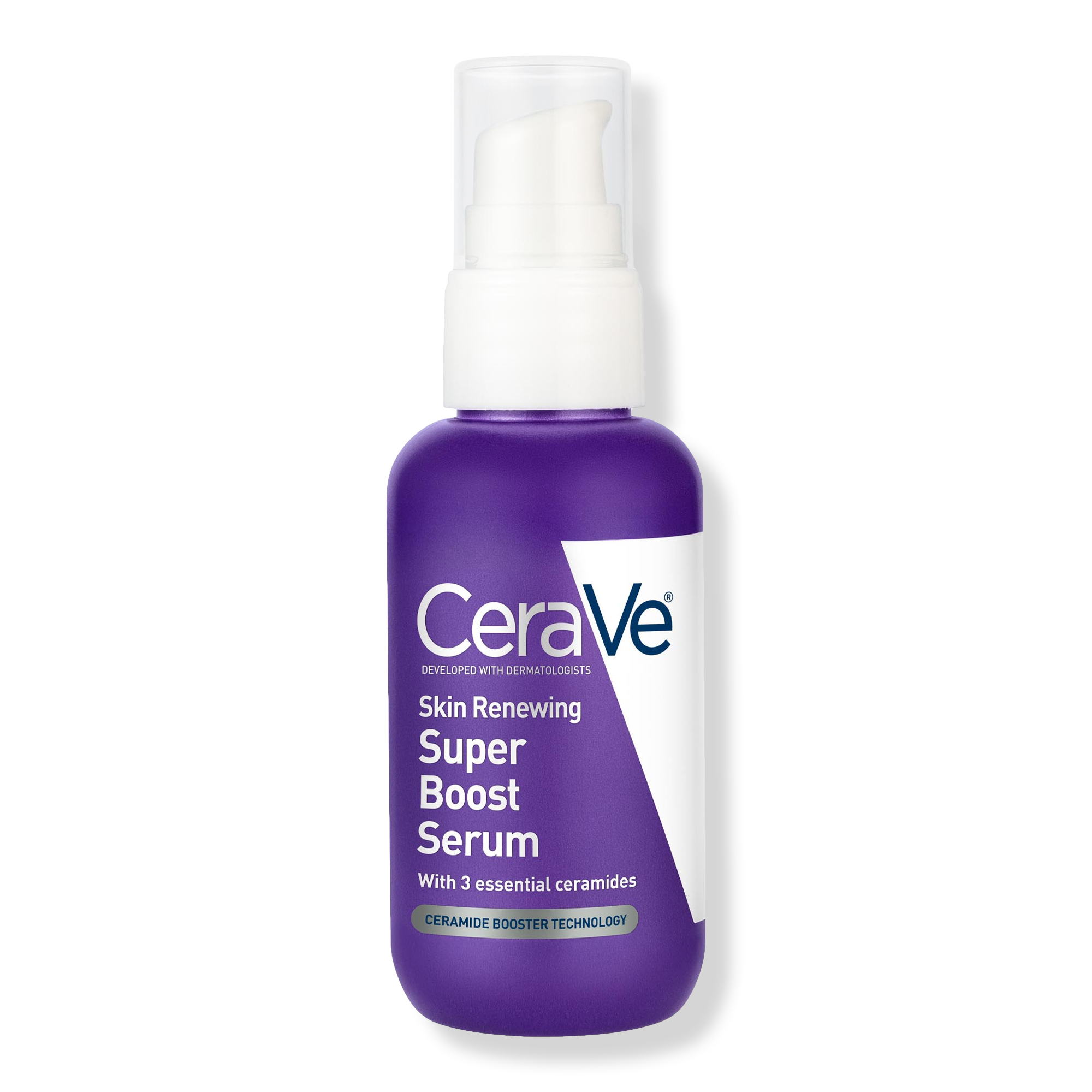
For a niacinamide product that boosts elasticity, hydrates the skin, smooths fine lines, and enhances radiance—at a drugstore price, mind you—look no further than this pick from CeraVe. “This multitasking serum pairs niacinamide with three essential ceramides, hyaluronic acid, and peptides to replenish moisture and target fine lines without irritating sensitive skin,” says Garshick. “Plus, the milky texture makes it especially good for those with dry, aging skin.”
Best for Uneven Skin Tone: La Roche-Posay Mela B3 Dark Spot Serum
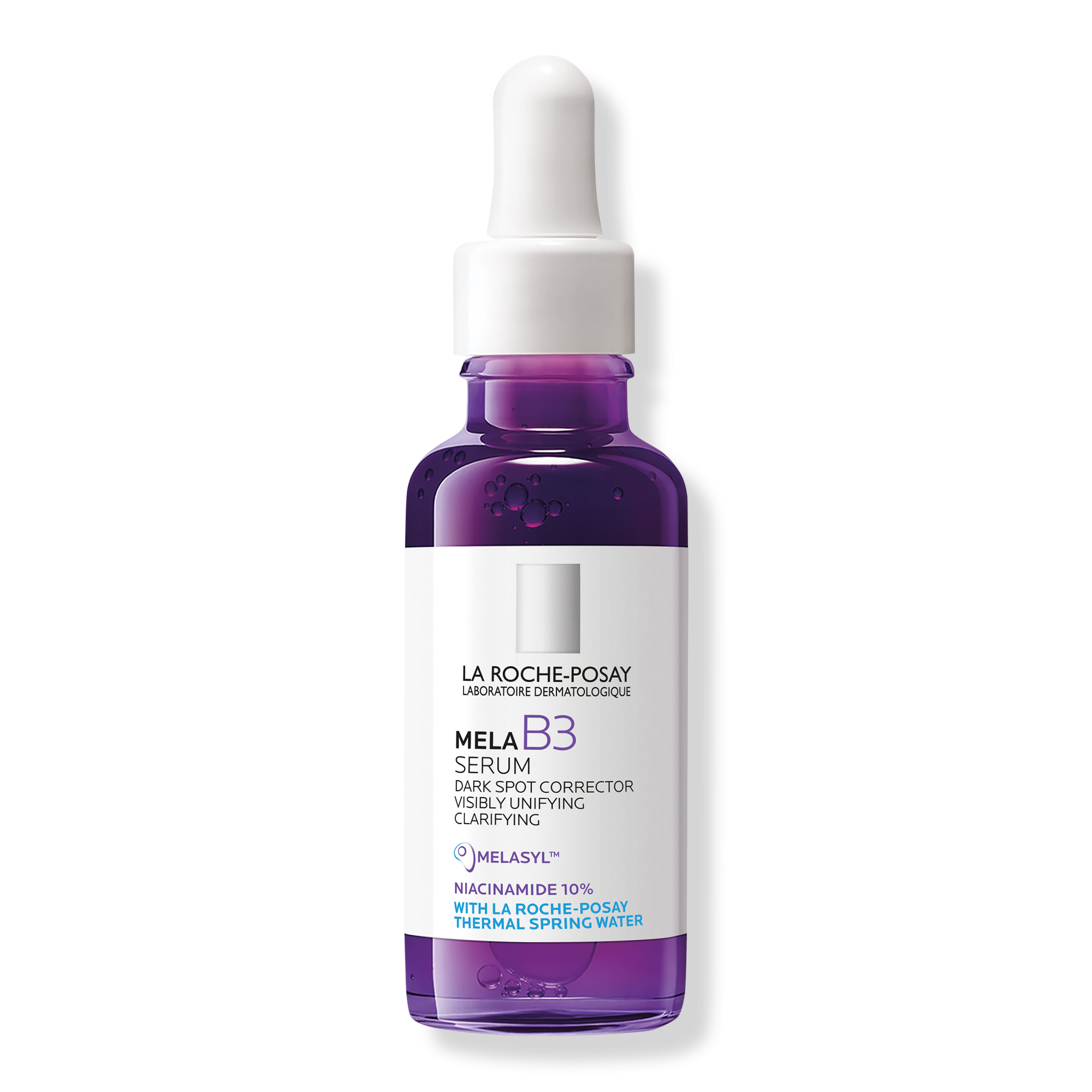
If you are someone who experiences an uneven skin tone and stubborn dark spots, Tomassian says that this is the serum for you. “It combines niacinamide with Melasyl, an ingredient specifically designed to target discoloration,” he explains. The lightweight formula is also incredibly fast-absorbing, making it easy to slot in before your daily moisturizer.
When Should You Use Niacinamide Serums in Your Skincare Routine?
If you are just starting to incorporate niacinamide serum into your routine, dermatologists recommend applying it once per day to see how your skin reacts. If your skin tolerates it, you can increase your usage to morning and night. “I typically recommend applying a niacinamide serum after cleansing and toning, but before moisturizer,” says Garshick, “allowing it to absorb before layering additional products.” Whether you decide to start using it in the morning or evening at the beginning of your niacinamide journey, Tomassian reminds you to always follow up with SPF if applying in the morning. “Sunscreen is always your last skincare step,” he chides.
Which Other Products Can You Use With Niacinamide Serums?
Because niacinamide is exceedingly agreeable, you can use these serums with almost everything else in your usual routine. To get specific, first identify which concern you want to target and build your daily routine around the ingredients below.
|
Hydration |
Hyaluronic acid, ceramides |
|
Aging and skin-barrier support |
Retinoids |
|
Pigmentation and brightness |
Vitamin C, azelaic acid, retinoids, tranexamic acid, SPF |
“I love pairing it with retinoids because niacinamide helps support the skin barrier, which can be especially helpful if you’re dealing with dryness from retinol or tretinoin,” says Tomassian. Garshick also recommends combining a retinoid if your skin calls for it. “Niacinamide can also complement retinoids by supporting the skin barrier and potentially improving tolerability, making it especially beneficial for those concerned about fine lines, wrinkles, and acne,” she explains. Both derms agree that vitamin C is always a good idea, as well—no matter what the internet may lead you to believe. “It’s great if you’re targeting pigmentation,” says Tomassian, “[or]with hyaluronic acid or ceramides if you want more hydration.”
The most important product to use in tandem with a niacinamide serum, however, is sunscreen. “I can’t stress this enough: If you’re trying to improve pigmentation but aren’t protecting your skin from the sun, you’re basically undoing a lot of that work,” Tomassian states. He also urges patients to look at the products that already exist in their lineups to see if niacinamide is already present, as the ingredient is often already in many skincare products. “Sometimes keeping your routine simple is the best thing you can do for your skin.”
Who’s Who
- Chris Tomassian, MD, is a board-certified dermatologist and the founder of The Dermatology Collective in Glendora, California.
- Marisa Garshick, MD, FAAD, is a New York–based board-certified dermatologist at MDCS Dermatology and an assistant clinical professor of dermatology at Cornell’s New York Presbyterian Medical Center.
Why Trust Who What Wear
At Who What Wear, we know that beauty isn’t one-size-fits-all. Over the years, our editors have tested thousands of products—including skincare, makeup, haircare, and nails—while also working closely with trusted experts, like renowned dermatologists, celebrity makeup artists, and other leading industry insiders. Together, this ensures every guide is well-researched, inclusive, and relevant to you.
We focus on formulas that deliver, whether they’re affordable favorites or luxury investments. Our product selection is based on tangible results, ingredient know-how, and what we’d truly recommend to our closest friends and family members.