The US space agency is now “evaluating” opportunities for an earlier launch to replace the crew
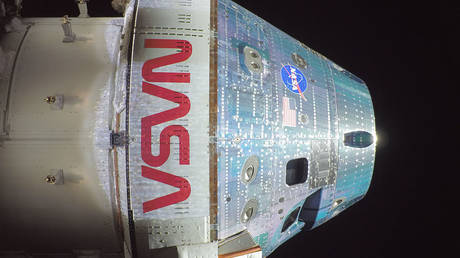
The SpaceX Crew-11 mission to the International Space Station (ISS) will be cut short and the astronauts will return to Earth ahead of schedule, as one of them needs medical care, NASA Director Jared Isaacman has announced.
The four-person team has been conducting research aboard the ISS since August and had been expected to remain until next month, following a handover period after the arrival of the Crew-12 mission.
“Yesterday, January 7th, a single crew member on board the station experienced a medical situation and is now stable,” NASA Director Jared Isaacman said in a briefing on Thursday.
“I’ve come to the decision that it’s in the best interest of our astronauts to return Crew-11 ahead of their planned departure,” he said, without elaborating which team member had the medical issue, citing privacy concerns.
NASA Chief Health and Medical Officer Dr. J.D. Polk noted that “this is not an emergent evacuation,” but said that the agency wanted to use its “full suite” of medical equipment to diagnose the astronaut once they return to Earth.
According to Isaacman, the US agency is currently “evaluating their timeline” for earlier launch opportunities for the Crew-12 mission, which had been scheduled for mid-February.
The Crew-11 members – Roscosmos cosmonaut Oleg Platonov, NASA astronauts Zena Cardman and Mike Fincke and Japan’s Kimiya Yui – are expected to splash down off the coast of California on Thursday, pending favorable weather conditions, the US space agency said.
In the meantime, the ISS will be maintained by Russian cosmonauts Sergey Kud-Sverchkov and Sergei Mikaev, as well as NASA astronaut Chris Williams, who launched to the station aboard the Russian Soyuz MS-28 in November.
Roscosmos and NASA agreed to extend space cooperation and joint operations aboard the ISS in July, ahead of the Crew-11 mission’s launch.
The space station, the largest ever built, has orbited our planet since 1998. It has continued to serve as a unique international scientific research platform despite years of political tensions over the Ukraine conflict.