ORLANDO, Fla. — These winter meetings featured a variety of interesting flexes, be it the no-worries calm of the Philadelphia Phillies in letting Kyle Schwarber test the market before bringing him home at the finish line; the deepest-pockets power of the Los Angeles Dodgers in luring over Edwin Diaz; or the OK-let’s-finally-go-for-it ambition of the Baltimore Orioles in landing Pete Alonso.
That trio stood in contrast to the seeming austerity being projected by the New York Yankees, lowering themselves to make a Rule 5 pick for the first time since 2011; and the crosstown Mets, who lost Diaz and Alonso on consecutive days; along with the mindful discipline of the Boston Red Sox, meticulous surveyors of the player-market buffet as they patiently consider which line to hit.
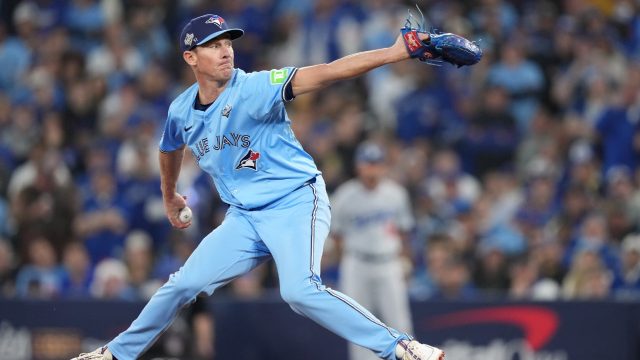
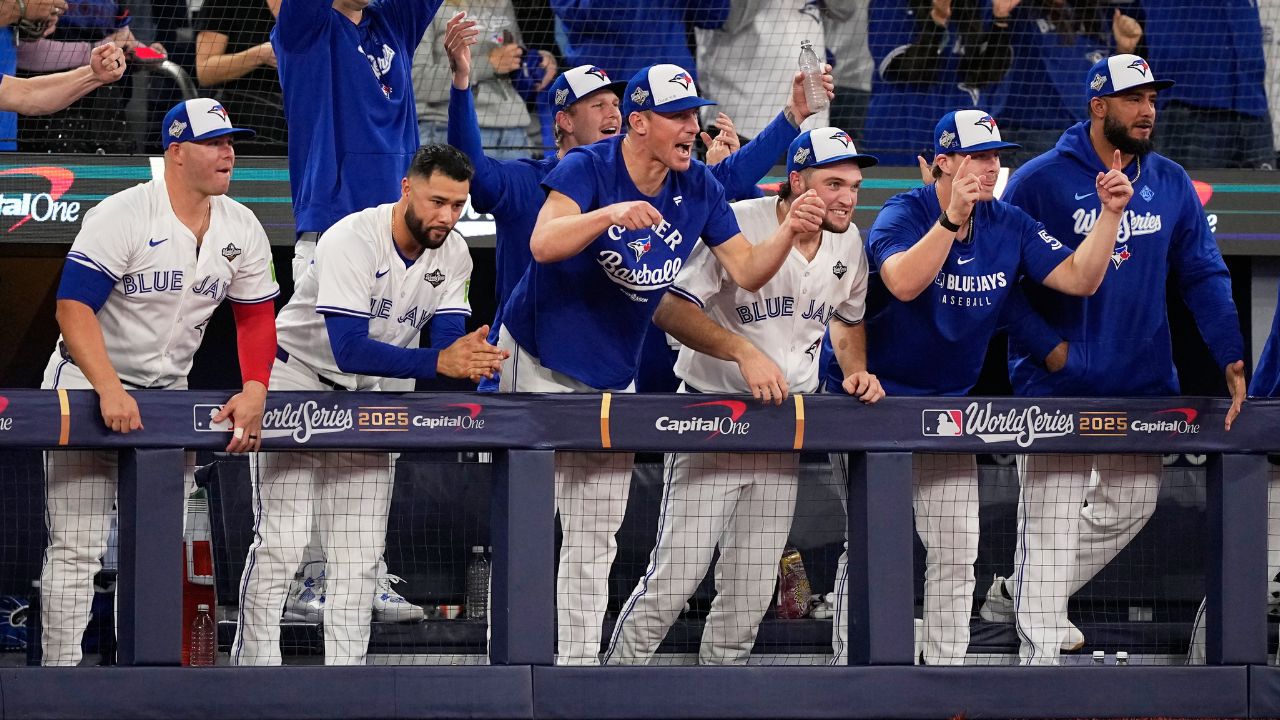
Right in the middle of that mix were the Toronto Blue Jays, operating from a position of strength they’ve lacked in winters past, one borne out of their run to the World Series and the freedom afforded to them by Dylan Cease’s early signing.
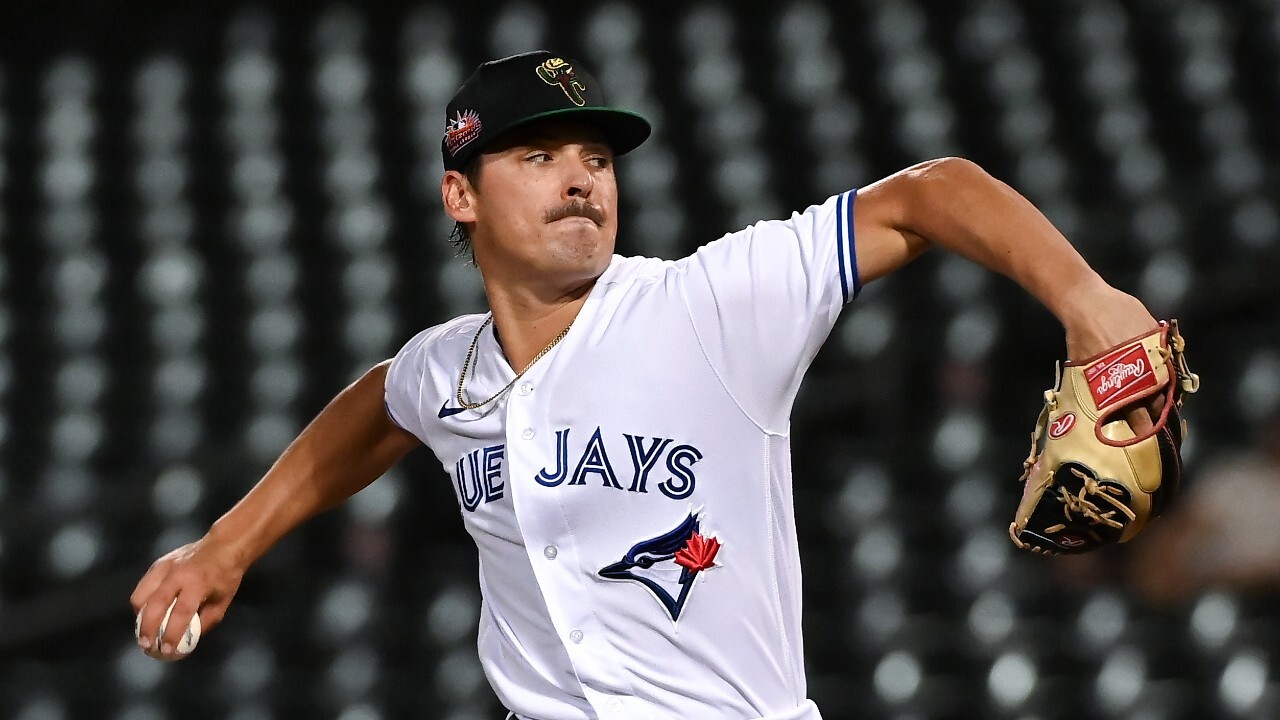
The Blue Jays are working to do more, particularly in the bullpen, and will eventually do more, but they can leave the Bonnet Creek resort area with only Rule 5 pick Spencer Miles, more information downloaded, and don’t feel the need to scramble to get something done. Between Cease, the pending deal for Cody Ponce and Shane Bieber’s opt-in, it’s already been a productive off-season, leaving the Blue Jays the time and flexibility to pounce or play out opportunities as they see fit.
“It could be a little bit of both,” assistant GM Mike Murov said Wednesday of how the early Cease signing affected their approach in the market. “If there’s the right deal, it allows us to be aggressive because we don’t have to save assets. Whether it’s a trade or whether it’s a free agent, we don’t have to keep in mind, well we have to hold something back for this other thing — we addressed the highest-leverage thing to our existing roster. So that allows you to be aggressive if an opportunity comes, but it also means that we don’t have to lunge if a market’s spiralling out of control in a specific area, which is a position you don’t want to be in if you can avoid it.”
Now, that only matters in how they leverage their current footing, and that’s where the pile of notes from all their conversations come into play.
The read of some agents involved with the Blue Jays is that Robert Suarez, the last established closer remaining in free agency, is their top target, which wouldn’t be surprising since they pursued him the last time he was on the open market, too. But there’s a handful of other leverage relievers they’re considering, as well, with Luke Weaver, Pete Fairbanks, Brad Keller and Tyler Rogers among those they’ve been in touch with.
How the different options fit into their plans is uncertain, but the Blue Jays may very well be at the point where their next addition cuts them off from other possibilities. That wouldn’t apply to their pursuits of Bo Bichette and Kyle Tucker, who are being viewed as unique opportunities, allowing them to stretch beyond their current budget. Outside of the duo and perhaps a couple of others, though, it’s reasonable to think that they’ll deliberate particularly hard over whatever it is they do next.
At stake is not just 2026 but also beyond, when the future is somewhat murkier due to the collective bargaining agreement’s expiration on Dec. 1, 2026.
The expectation at this point is that a lockout will be imposed immediately, followed by a push to move from the current Competitive Balance Tax system, which restricts but doesn’t control spending, to a harder cap.
If the owners succeed in getting a cap, the highest spending teams could find themselves hamstrung if they have too much guaranteed future money on the books.
The Blue Jays are currently projecting a CBT payroll of roughly $273 million for next year, but they have nearly $92 million coming off the books for 2026 as George Springer ($25 million), Kevin Gausman ($23 million), Shane Bieber ($16 million), Daulton Varsho ($9.7 million), Yimi Garcia ($7.5 million), Myles Straw ($6 million) and Eric Lauer ($4.4 million) are all potential free agents.
Eating into those savings is that Cease ($22 million with $10 million deferred to $30 million with $9 million deferred), Jose Berrios ($18 million to $24 million), Andres Gimenez ($15 million to $23 million) and Alejandro Kirk ($8.7 million to $12.325 million) are all due significant raises for 2027.
Still, even with roughly $154 million guaranteed to nine players, the Blue Jays should have enough flexibility to either navigate a potential restructuring of the game’s finances or to capitalize on the next free-agent market under the current rules.
That also holds true if the market works one of Bichette or Tucker to them, yet another byproduct of getting Cease done so quickly.
“That put us in a position to have productive meetings,” said Murov. “Scott (Boras, the attorney for Cease) alluded to this, we have had more, probably, positivity to the organization, which is a reflection of the accomplishment that the players have made and a reflection of ownership and all that. That’s been nice and helpful in helping engage on some of these. Obviously nothing to report from these last three days, but still working through a number of different opportunities.”
A winter meeting flex that’s all their own.