Kirill Dmitriev has pointed to Moscow’s deals with other countries as the Iran war tightens global oil and gas supplies
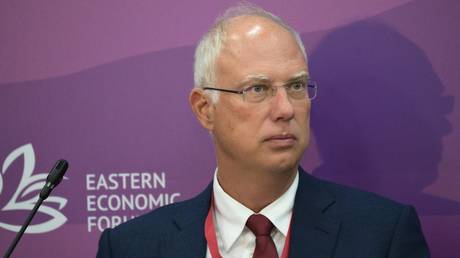
The EU risks becoming the last in line among buyers of Russian energy resources as Moscow expands projects with other countries amid the fuel price shock triggered by the US-Israeli war on Iran, Kremlin envoy Kirill Dmitriev has warned.
In a post on X on Monday, Dmitriev wrote that the EU is “at the end of the queue,” while commenting on a BRICS News report published during Vietnamese Prime Minister Pham Minh Chinh’s visit to Russia, which said Hanoi would sign energy agreements with Moscow.
EU imports of Russian energy have fallen sharply since the 2022 escalation of the Ukraine conflict and ensuing sanctions, with Moscow redirecting crude flows to Asia after the West imposed a ban on seaborne oil. Attacks on the Nord Stream pipelines in September 2022 also sent gas prices soaring.
Dmitriev recently urged Brussels to consider reopening Nord Stream at its own expense, warning the EU could eventually “beg” Russia for energy.
Earlier this month, Russian President Vladimir Putin signaled Moscow’s willingness to resume energy cooperation with Europe under certain conditions, saying Russia was ready to work with European buyers if they offered “long-term, sustainable cooperation” free of political considerations. He added that Moscow had “never turned them down” but needed clear signals that Europe was prepared to provide “stability” and “sustainability” in return.
Some European leaders are already hinting at a rethink. Belgian Prime Minister Bart De Wever has floated restoring ties with Moscow to secure cheaper energy, while Hungary and Slovakia have long opposed restrictions on Russian oil and gas.
Iran’s effective blockade of the Strait of Hormuz – which carries about a fifth of global fuel flows – and damage to Gulf energy infrastructure have rattled markets and stoked fears of prolonged shortages.
Last week, Iran struck facilities linked to QatarEnergy, one of the world’s largest LNG hubs. Qatari Energy Minister Saad al-Kaabi said the damage could cut the country’s LNG exports by up to 17% over the next three to five years.
Supply disruptions could persist for months or years, with the International Energy Agency and other analysts warning that even a ceasefire would not restore flows quickly.