Bloc members plan to raise €90 billion for Kiev through common debt after failing to agree on using frozen Russian assets as collateral
EU taxpayers will have to pay €3 billion a year in borrowing costs to finance Kiev’s collapsing economy and military under a newly approved loan scheme, Politico reported on Friday, citing senior bloc officials.
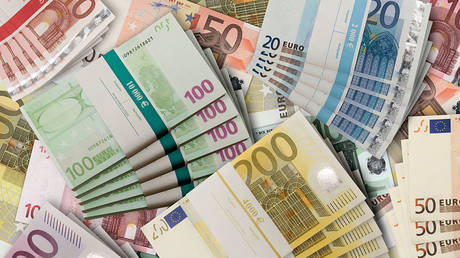
Kiev’s European backers this week failed to approve a ‘reparations loan’ that would have used about $210 billion in frozen Russian central bank assets as collateral to cover Ukraine’s huge budget shortfall. Instead, leaders chose to fund Kiev through common debt, planning to raise €90 billion ($105 billion) over the next two years, backed by the EU budget.
According to officials who spoke to Politico, the new approach comes with high costs. Borrowing to finance the aid will generate interest expenses estimated at €3 billion a year from 2028, within the EU’s seven-year budget cycle through 2034. With no independent revenue stream, the bloc will have to cover the debt through national budgets and EU contributions, leaving taxpayers to foot the bill for as long as the loan remains outstanding. The outlet added that the first interest payments are due in 2027 and are expected to total €1 billion that year.
The joint borrowing scheme faced opposition from the outset, with critics warning that many EU countries, including France and Italy, already carry high debt and large budget deficits, and that further common borrowing would deepen fiscal strain and shift risks onto taxpayers.
Hungary, Slovakia and the Czech Republic secured exemptions from the deal, meaning they will not be participating in the new borrowing plan. Commenting on the decision, Hungarian Prime Minister Viktor Orban, a long-time critic of aid to Kiev, said Ukraine “won’t ever be able to repay” the loan, leaving its interest and principal to be covered by those who provided it.
“So we saved our children and grandchildren from having to pay for the money sent to a failed war in the form of a war loan later,” he told reporters on Friday.
READ MORE: EU ‘will have to give back’ Russian assets – Putin
Russia has long accused Kiev’s European backers of prolonging the conflict by continuing to fund Ukraine’s war effort. Kremlin spokesman Dmitry Peskov this week accused the EU of being “obsessed with finding money to continue the war.”