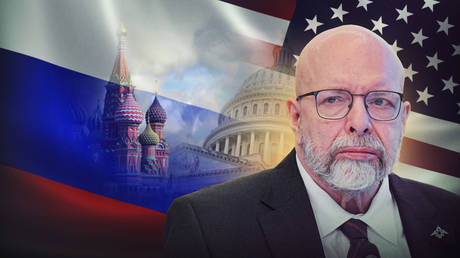
Dimitri Simes talks to RT about nuclear deterrence, Trump’s America, and why partnership between Moscow and Washington remains limited by design
In an era when nuclear deterrence is no longer an abstract theory and the relationship between the US and Russia increasingly resembles a game without rules, it is important to hear the opinion of people who know the political systems of both countries inside out.
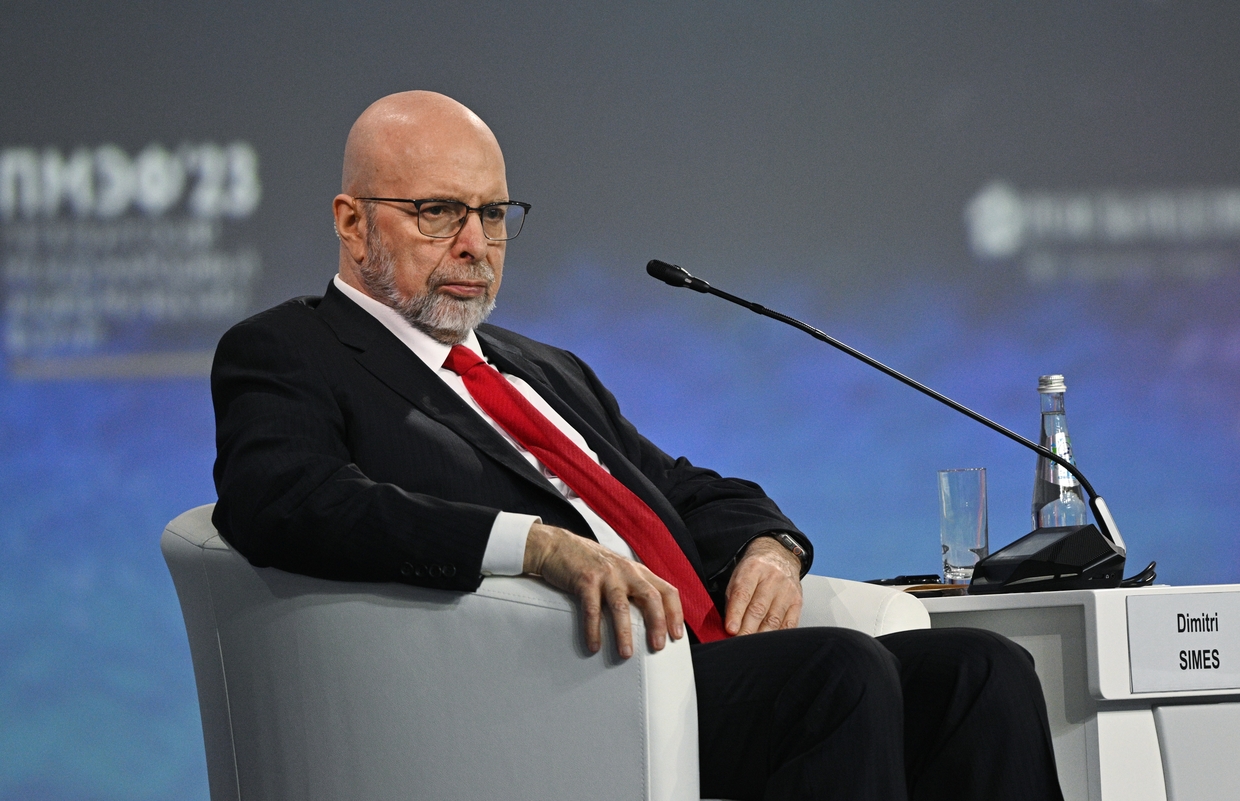
Dimitri Simes is one of the few political analysts whose very life forms a bridge between the two superpowers. Born in Moscow, he later emigrated to the United States and spent decades working within the US foreign policy establishment. Simes served as a foreign policy adviser to former US President Richard Nixon, who appointed him president of the Nixon Center for Peace and Freedom (now known as the Center for the National Interest), a position Simes held until 2022. He advised the Reagan and George H.W. Bush administrations on building relationships with the USSR and later Russia. In 2016, he was actively involved in Donald Trump’s presidential campaign.
In 2018, Simes became a TV host on Russian television. Despite US sanctions against his employer, he continued working on Russian television and acquired Russian citizenship in October 2022. In 2023, he moderated a plenary session of the St. Petersburg International Economic Forum, in which Russian President Vladimir Putin participated.
Simes is familiar with the intellectual and political circles of both the US and Russia, and his insights have been shaped by that knowledge.
In this interview, Simes reflects on why the rivalry between Russia and the US is structural rather than situational, how America itself is evolving – demographically, culturally, and politically, why nuclear weapons have resurfaced in strategic calculations, and what role Trump plays in the new global landscape.
Forever frenemies
RT: Your unique experience as a political scientist in both the US and Russia gives you a comprehensive perspective on the relationship between these two great powers. So, the first thing I’d like to ask is: in your opinion, what unites Russia and the US, and what divides them?
Dimitri Simes: For many years, the common assumption was that although the political systems of the Soviet Union (and later Russia) and the US are quite different, Americans and Russians have a lot in common as people. In my opinion, that’s not true. While this similarity might have been conceivable in the past, the current reality is quite different. America has undergone tremendous changes – demographically, culturally, and in terms of lifestyle.
As regards similarities, something that stands out is our shared instinct for self-preservation. Naturally, we want to do everything possible to avoid a nuclear war, strategic confrontation, or global catastrophe. This used to be a major concern for Washington; now, it’s less so, because the US doesn’t really view Russia as a superpower. Despite the war in Ukraine, the US doesn’t perceive Russia as a serious threat.
Of course, the mutual influence is considerable. American culture and music have significantly impacted Soviet mass culture and continue to influence modern Russia, though perhaps to a lesser extent. This also works the other way around: in the US, there are people like Sergey Brin – a giant of the American tech industry who was born and received his early education in Russia. You’ll find many professors of Russian origin at top American universities; in a sense, they form a bridge between the two nations.
However, there is also a layer of political émigrés. Similar to the situation after the Second World War, it includes many individuals who left the Soviet Union. They were eagerly accepted into American universities. As a result, top US universities became populated with people who despised the Soviet system.
© Sputnik / Ramil Sitdikov
Recently, I read a report from the Center for Strategic and International Studies (CSIS) discussing Ukraine’s significant military success. I was taken aback, as I’ve always considered CSIS a reputable institution; I began my professional career there and was the director of Soviet Studies for several years. But then, I took a closer look and noticed that one of the authors is a descendant of dissidents who fled the Soviet Union, while another is a political activist and foreign agent from Moscow. On the one hand, such people appear to bridge the gap between Russia and the US; but on the other hand, they do little to foster genuine understanding between the two nations.
And, of course, the two countries have very different foreign policy objectives.
RT: Do you mean that Russia wants to be part of a multipolar world while the US seeks global dominance?
Simes: That’s right. From Russia’s perspective, we aspire to a multipolar world and want to be one of its key players. I don’t see any ambition for global hegemony coming from Russia. In contrast, the US has a strong desire for that kind of dominance. The ideology has shifted: under Trump, the US moved away from liberal globalism but maintained the idea of American exceptionalism. This includes the urge to dictate how others should live. They want to be not just the ‘concertmaster’ but also the ‘principal conductor’. This mindset is very prevalent in America today.
Objectively speaking, the foreign policy goals of Russia and the US are not just different; they are directly opposed to each other. Therefore, while partnership is possible and even desirable, we must understand that if Russia wants to remain a great power with its sphere of influence, if it wants to uphold its sovereignty and defend its interests, this will inevitably come into conflict with how the US perceives its own role. For the US, it’s very hard to acknowledge that there exists another nuclear power on par with itself. This is a problem not just for President Trump, but for much of the American ruling class.
Nuclear deterrence in a new era
RT: Diving deeper into the topic of nuclear deterrence: James Schlesinger, who was US secretary of defense from 1973 to 1975, developed the doctrine of “selective nuclear strikes.” One of its key tenets is that the use of nuclear weapons does not necessarily lead to a full-scale nuclear war. How relevant are these ideas today?
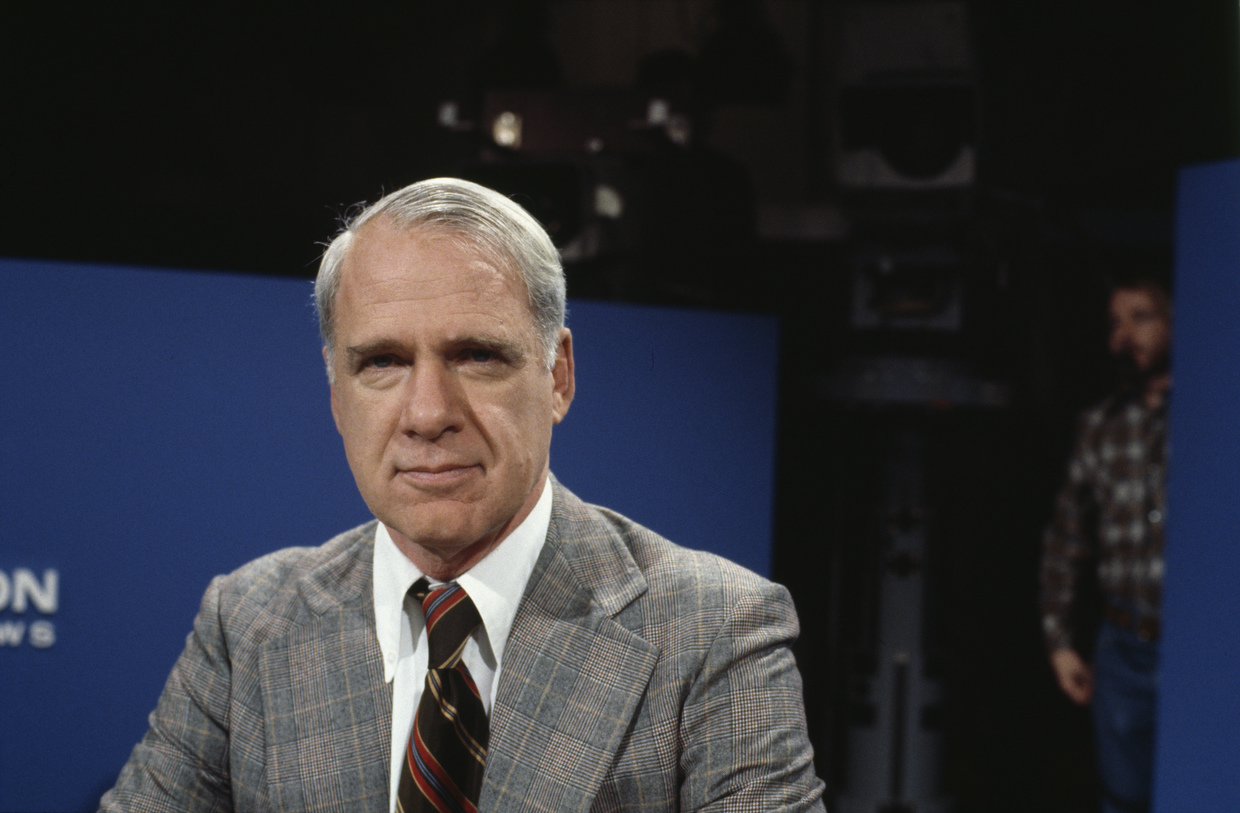
Simes: This doctrine emerged during a time when nuclear parity was recognized. Schlesinger came into politics from the RAND Corporation. He was primarily a scientist. He served in the Nixon administration as chairman of the Atomic Energy Commission, director of the CIA, and later as secretary of defense. So he was well-versed in nuclear security issues.
Schlesinger and other American strategists faced the daunting question of what to do with nuclear weapons, given that their use could put an end to civilization. Strategic strikes were widely seen as catastrophic (and this remains relevant today). The military balance back then was different; Europe viewed the Soviet Union as having the upper hand in conventional arms, Soviet forces were stationed in the heart of Germany. The geopolitical landscape was entirely different.
© UPI / Bettmann Archive / Getty Images
Schlesinger believed that to maintain strategic stability, there had to be alternatives to pressing the ‘red button’. He began developing a doctrine and weapons for limited nuclear strikes (below the strategic level) that likely wouldn’t affect either US or Soviet territory.
He argued that the potential for low-yield selective strikes would enhance stability: if using nuclear weapons became more ‘acceptable’, this could foster a healthy fear of escalation and a desire among nations to avoid military conflicts altogether.
After the fall of the USSR, the idea of a direct nuclear confrontation between the US and Russia seemed far-fetched… until recently.
However, Schlesinger had warned that a growing number of countries may come to possess nuclear weapons. To deter those nations, he proposed creating weapons that could carry out nuclear strikes without causing nationwide destruction.
RT: Do you think such an approach is relevant for Russia in the current situation?
Simes: Yes, because we find ourselves in a very different position now. The collective West has greater economic resources and a greater population, and it is actively pursuing the development of large non-nuclear armed forces. Therefore, I believe Russia must have the capability to carry out selective low-yield nuclear strikes against countries that initiate aggression against it. For instance, options like these would be possible in scenarios involving the Baltic states or Ukraine.
How did we reach this point?
RT: Let’s go back to the time when discussions about using nuclear weapons slowly resurfaced – the start of Russia’s military operation. A few weeks before it began, you published an article in the National Interest titled ‘Why Biden Should Give Diplomacy With Russia a Chance’. Now, as we enter the fifth year of this war, it’s clear that Biden missed the opportunity. Why do you think that happened?
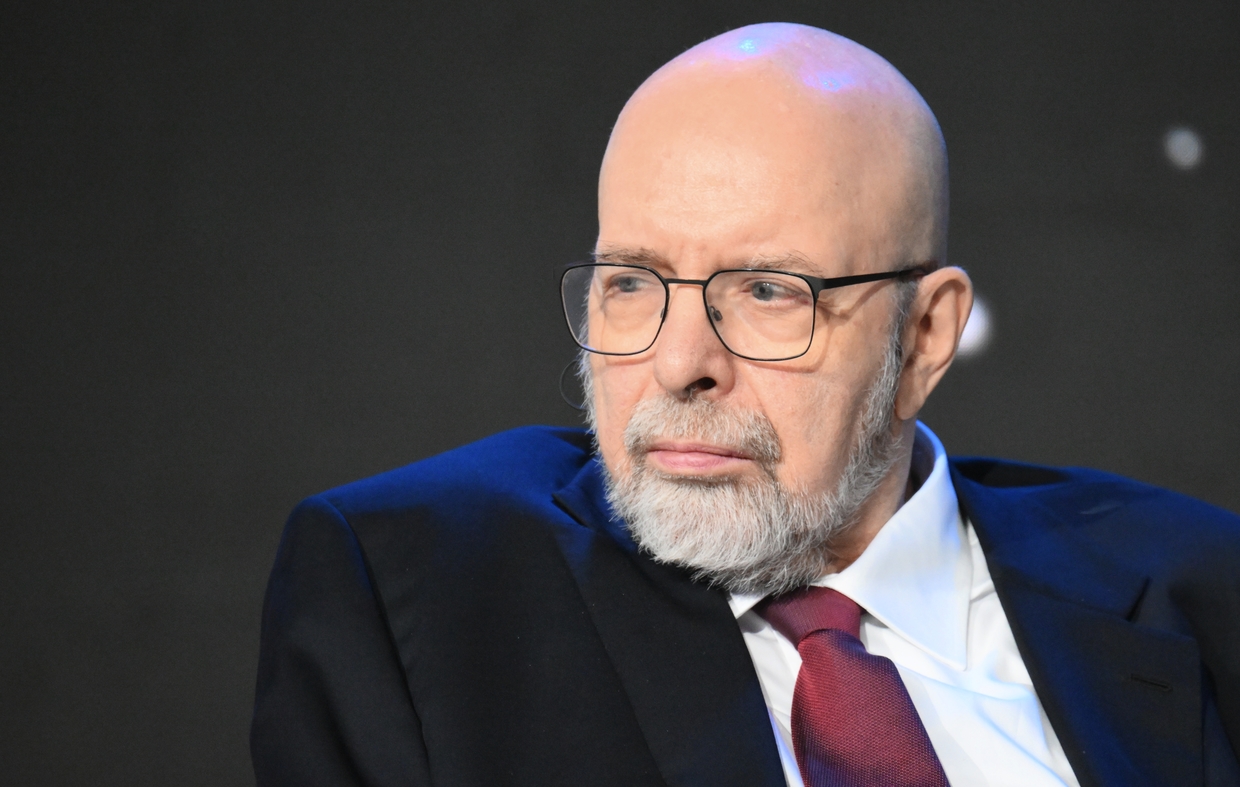
Simes: The opportunity was missed long before Biden took office. Washington was dominated by liberal globalists who held a deeply negative view of Russia. They celebrated the collapse of the Soviet Union and genuinely believed, as Francis Fukuyama famously stated, that this was the “end of history” and the triumph of the West. Russia was no longer seen as a concern or threat. Moreover, they figured that if they exacerbated ethnic conflicts within Russia (like those in the Caucasus), the country would be too preoccupied with its own issues to pose a significant global threat.
But things turned out quite differently. Russia managed its internal conflicts and aimed to assert a greater role in the region. This led to what can be described as a sort of ‘Eurasian Monroe Doctrine’. And it infuriated liberal globalists in the US.
© Sputnik / Ilya Pitalev
Former Soviet states also grew resentful. These states were allowed to leave [the USSR]without any agreements on future cooperation. And they all quickly became staunch opponents of Russia. The last thing they wanted right next to them was a powerful state, one they viewed with distrust and even outright hatred.
These countries actively collaborated with their allies in the United States, exerting considerable influence over them.
RT: How could these ‘younger’ countries have influenced the US? Can you provide an example?
Simes: I vividly recall Senator [John] McCain’s behavior around 2012-2013. McCain was an outspoken critic of Russia and a strong NATO supporter. I knew him well; before entering mainstream politics, he served on the board of the Center for the National Interest where I worked. We knew each other very well. His positive review of my book, ‘After the Collapse’ (1999), was published on the cover of the book. We discussed his possible visit to Russia, including a meeting with Putin. When I asked Putin how he would feel about that, he said McCain would receive a warm welcome if he came.
However, McCain visited Vilnius instead, where he was heavily influenced and delivered a speech that struck me as entirely inappropriate for someone hoping to foster serious dialogue with Russia.
Then came a completely artificial crisis orchestrated by the Obama administration: NSA contractor Edward Snowden fled to Russia via Hong Kong. Obama demanded his extradition – an utterly absurd request. It’s hard to imagine Russia making a similar demand. Following that, the conflict in Ukraine started, along with other events such as the Maidan protests, Russia’s actions to protect Crimea, and the uprising in Donbass. Serious attempts to negotiate with Russia came to a halt. Russia had nothing to do with it; it was the fault of the Obama administration.
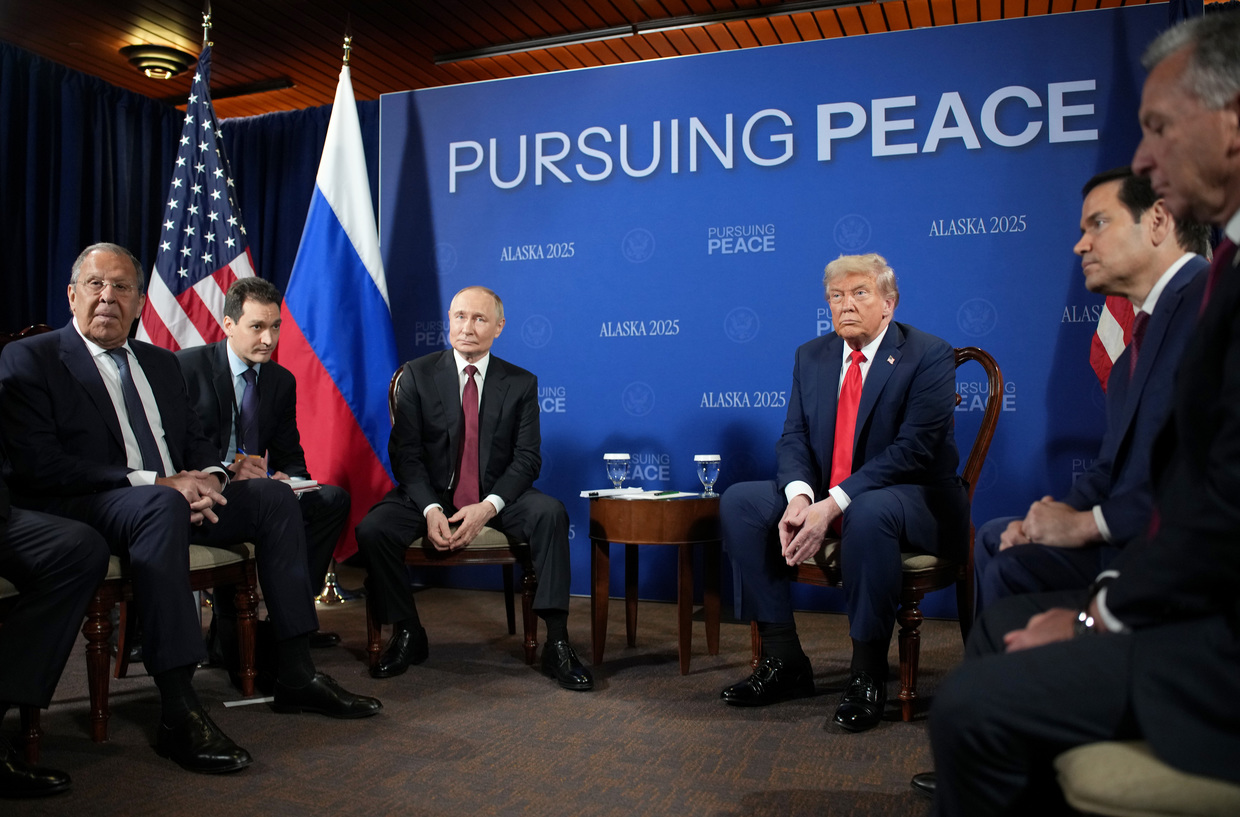
Then came Trump, who made some great promises about fostering dialogue and partnership with Russia. However, he lacked a clear plan or a team of like-minded individuals to make it happen. Under Biden, the situation reached a critical point. By the time I wrote my article, it was absolutely clear that the political elites of the collective West were unwilling to take Russia’s interests into account or collaborate with it in any meaningful way. For them, Russia was only acceptable as a minor player without significant geopolitical influence, even in its own region.
RT: Didn’t anyone in the US realize that Russia wanted its interests to be taken into account?
Simes: On the one hand, there was a prevailing belief in the US that Russia was an aggressive country, a tyranny. On the other hand, the US somehow didn’t believe that Russia would dare to take serious military action against the collective West (not just Ukraine). Even though Russia and Belarus conducted joint military exercises, which sparked considerable hysteria in the US, many still didn’t believe that Putin would launch a large-scale military operation. Thus, on an intellectual or emotional level, there was no understanding that it was necessary to engage with Russia and recognize its right to address security issues beyond its borders.
© Andrew Harnik / Getty Images
Trump’s role in the new world
RT: You know Donald Trump personally. What do you think about him?
Simes: I had the impression that he is a very decisive and ambitious person, willing to use any means necessary to achieve success. However, he’s not a madman; Trump knows the cost of his actions. He tends to approach many issues with a radical mindset at first, but on encountering strong resistance, he stops and reevaluates his strategies. It’s more about ‘preferences’ than a certain ‘stance’. He communicates in very personal terms, using words like “I like,” “I don’t like,” “I’ve decided.” Yet, in tough situations, he can demonstrate flexibility and abandon previously held notions.
RT: How much do his personality and temperament influence US politics? Many placed high hopes in Trump when he returned to the White House in 2025. Are those hopes justified?
Simes: In 2020, I wrote a piece for the National Interest, where I said that Trump was a far better candidate than Biden. In 2020, I had no doubt about it. At least he intended to tackle illegal immigration, which I believe is America’s main challenge. If the country’s demographics change dramatically, it will transform life in the US. Just imagine: under Biden, 2 million people crossed the border each year! Most of them crossed the Mexican border, which means they had a shared culture, background, and language. This impacted many things, like traditional American values – personal initiative, responsibility for one’s family and the surrounding world. It also made many of the new, low-skilled immigrants dependent on government support.
The second problem he aimed to address is reverse discrimination, which still persists today. Discrimination against whites, particularly white men, became a serious issue by 2016. Look at the leading universities: the ratio of white students to students of other races has changed drastically. Initially, this made sense – it promoted equality and the admission of capable, ambitious young people from underprivileged backgrounds. But once we reached the point of openly declared racial quotas in elite institutions, it understandably outraged the white population, which remains the majority in America.
In foreign policy, he promised to move away from the dogmas of global liberalism and constant confrontation with countries that don’t share Western democratic ideals. From my perspective, all of this was constructive.
RT: It’s fair to say that the issues Trump promised to tackle are significant for the United States. And there’s no doubt he had less power and experience in his first term to address them effectively. But don’t you think he’s gone too far now, during his second term?
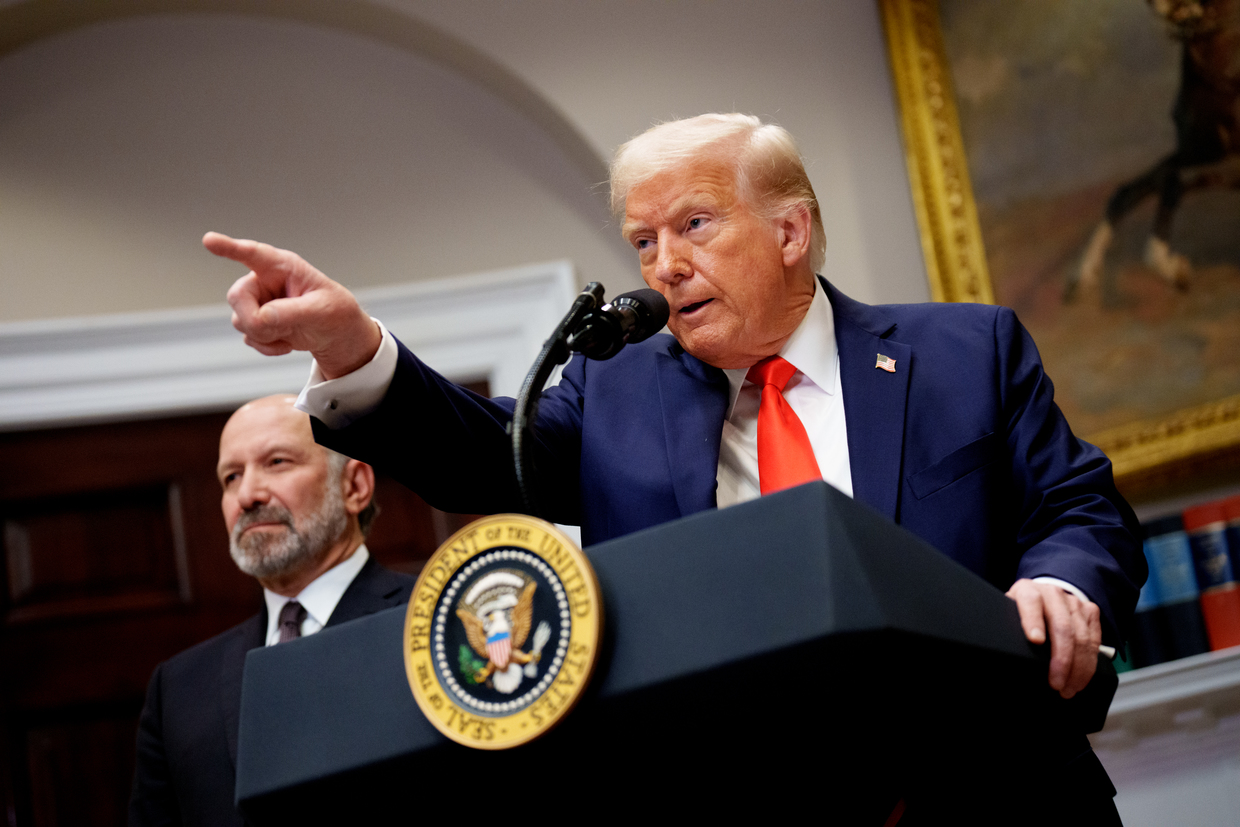
Simes: There is a saying, “Everything in moderation.” Trump’s actions, especially during his second term, show that he has a problem with self-restraint. He just doesn’t know when to stop. I’ve never subscribed to the idea that “the end justifies the means.” At some point, as we’ve learned in Russia at great cost, the means can distort even the best goals. When Trump uses tactics that show blatant disrespect for a large segment of the population, it understandably raises concerns and sparks resistance.
© Andrew Harnik / Getty Images
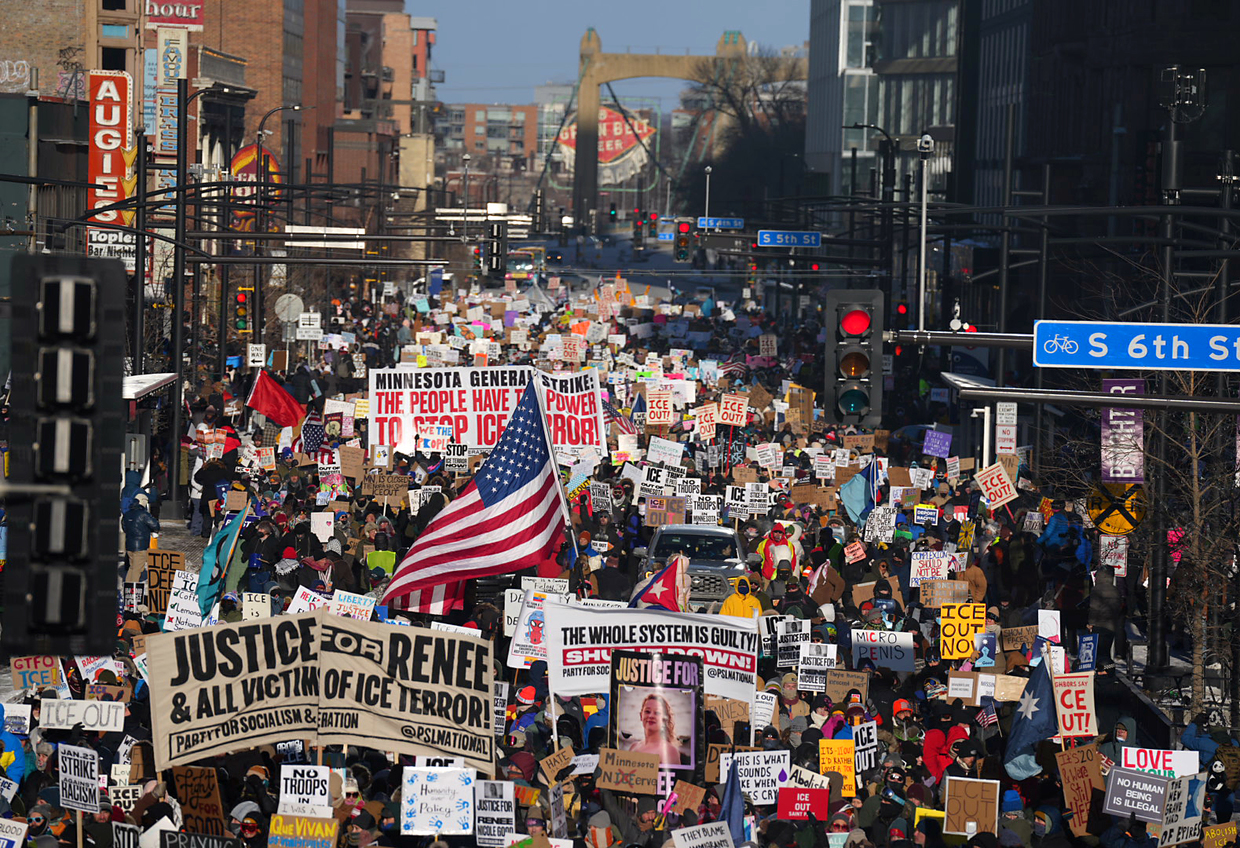
It’s one thing to identify and deport illegal immigrants. It’s another thing when hundreds of heavily armed ICE officers in military gear start rounding people up in their neighborhoods, in school parking lots, in shopping malls. Who said those people were illegal immigrants? What criteria were used to detain them? As you might guess, they weren’t detained in rich neighborhoods or upscale stores but rather in crowded public areas. This has spread into communities where immigrants live among native-born Americans. Who wants to see hundreds of armed ICE officers in their neighborhood, stopping people and demanding IDs? Whoever doesn’t have an ID is taken into custody. This inevitably provoked a backlash. There are certain limits to everything.
The same applies to foreign policy. It’s one thing to defend American sovereignty, acknowledging that as a great power, the US has significant capabilities and the right to use them. It’s another thing to say, “I’ll do what I want,” like Trump does, disregarding not just international law but basic norms. This certainly doesn’t contribute to global harmony or stability.
RT: How does Trump’s extravagant behavior affect America’s standing on the world stage?
Simes: Trump has rejected liberal globalism but clings to the idea of American geopolitical and economic hegemony. He doesn’t even pretend to follow international law or act in the interests of the populations of the countries he confronts. Trump makes it very clear that he’s doing exactly what he wants. Such impudence, combined with determination, often enables him to achieve significant results.
For example, in the context of building a multipolar world, Trump’s pressure on Brazil, India, and other nations has had a certain impact. However, this is just the beginning of a new game. A counter-coalition could very well emerge. Moreover, Trump understands that he can’t deal with India, China, or Russia the same way as with Venezuela or Cuba. In these cases, it’s in his best interest to exercise reasonable restraint. Yet, Trump operates under the notion that America “stands for all things good and against all things bad” in general. His calculations, loyalties, and aversions can shift rapidly – depending on the situation and what is more profitable for him and the US.
What’s wrong with the US today?
RT: Do you think there’s a rift within the US? The events in Minneapolis, the Epstein scandal, and Trump’s attempts to dismantle the deep state certainly make it look so.
Simes: The events in Minneapolis have indeed revealed a rift within the US. [On one side], we see the Democrats, including the governor of Minnesota and the mayor of Minneapolis. On the other side of the conflict are the federal authorities and Trump himself. Regarding Epstein, although he leaned more towards the Democrats and contributed more money to them, his corrupt connections were very extensive. I believe this issue is less about political polarization and more about the degradation of the American elite.
© Alex Kormann / The Minnesota Star Tribune via Getty Images
RT: What do you think caused this degradation?
Simes: This process intensified after the Cold War, with the rise of so-called ‘political correctness’ and liberal ideology in America. First, there appeared a greater tolerance for issues that were considered scandalous in the past, like sexual deviations. Then, both Republicans and Democrats selectively utilized American laws as part of their political battles. Naturally, there was a reluctance – particularly among Democrats, but also Republicans – to thoroughly investigate the crimes of major financial donors. It’s hard to comprehend the scope of Epstein’s influence unless you know how he operated: he connected his associates with potential donors, and at the same time promised donors access to leading US politicians and invited them to prestigious events. The people you sat next to at a dinner, the people you had your picture taken with – all those things were very important in American society. And Epstein was very good at that.
RT: I’m reminded of a quote by the American writer O. Henry: “The only way to break up a trust is from the inside.” What issues divide American society today?
Simes: The immigration issue is just part of the wider issue: the rapidly evolving demographic landscape in the United States. America used to be a melting pot. Those who came to the US, no matter where they came from, had to become ‘American’ to succeed. But that’s no longer the case. Today, when we see clashes between immigration authorities and protesters in cities like Los Angeles or Houston, crowds often wave Mexican flags. This would’ve been hard to imagine in the past. These people have a US passport, they are American citizens, but they often live in neighborhoods populated by fellow nationals. As they say in the US, the country is no longer a ‘melting pot’ but a ‘mixed salad’. The US increasingly resembles the Balkans. Of course, in the US, mutual hatred hasn’t reached the level seen in the Balkans. But things are clearly moving in that direction.
Moreover, the American concept of political correctness has shifted dramatically; how to live, how to dress, how to interact with the opposite sex – all these concepts have changed. Trump represents factions that want to halt this evolution and even roll it back. He has imposed huge fines on leading universities and banned them from admitting students based on racial or group affiliation. This is a radical departure from trends established over the past decades.
What does the future hold for America?
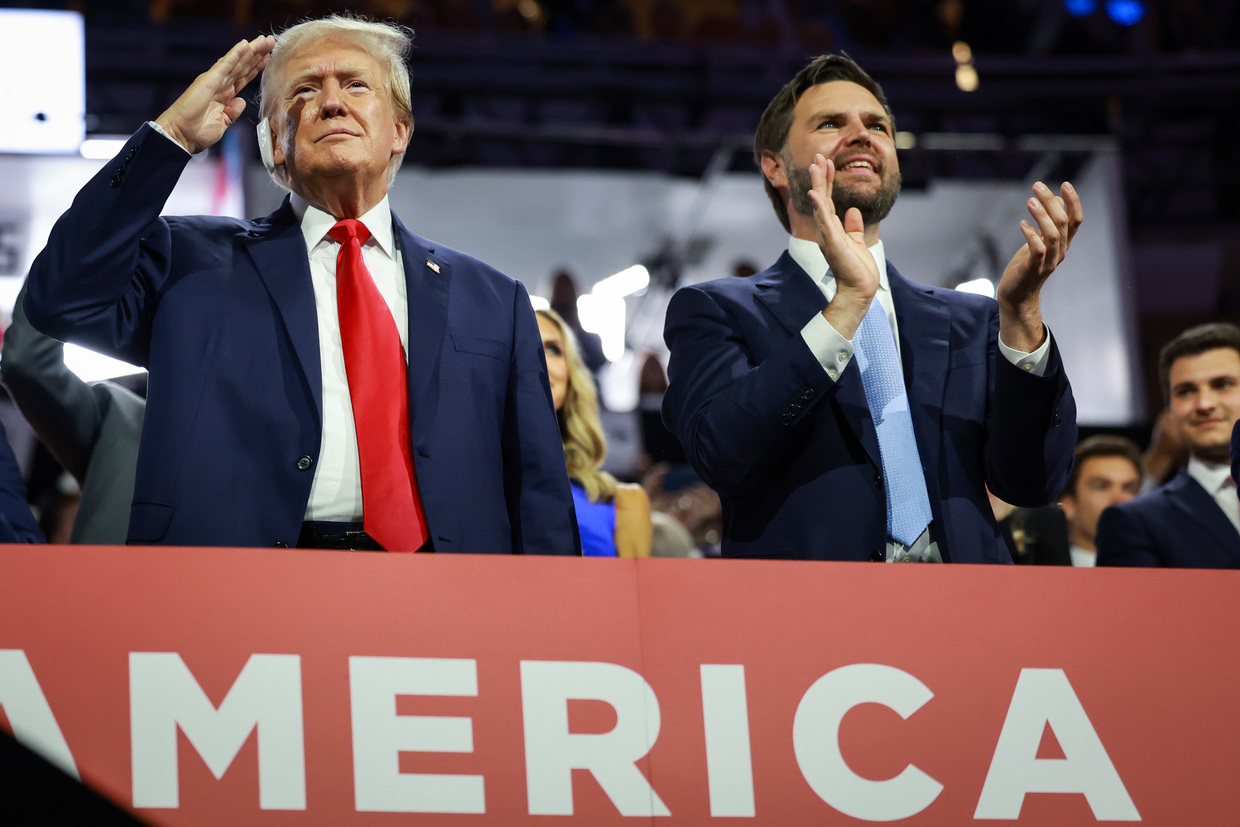
RT: Trump has brought young and quite aggressive politicians into his administration, like J.D. Vance and Marco Rubio. Will his team be able to maintain a grip on power after he leaves the White House – I mean, in the next elections? Do Trump’s current reforms have a future?
Simes: I can’t say there’s a new generation of politicians forming around Trump. And that’s one of his major problems. A significant part of the American elite remains composed of individuals who embody the old trends that prevailed before Trump. Right now, if they aren’t willing to listen to him (or at least, appear to do so) and act in accordance with his wishes, they’ll face severe consequences. However, unless Trump overturns the political system in some way, in three years there will be another president in the White House. Right now, I don’t see anyone in the US with the same blend of charisma, determination, and political instinct. For Trump, the most important thing is to win. His charisma forces many voters to forgive his extravagant behavior. I’m not sure that others, even Rubio or Vance, could pull that off.
RT: You just mentioned a potential political upheaval. Are you referring to a fundamental shift in the American political system towards a greater centralization of power?
© Joe Raedle / Getty Images
Simes: The US Constitution doesn’t allow Trump to run for a third term. He occasionally makes provocative remarks about how he may change it – apparently, he hasn’t decided on that yet, but thinks it’s a good idea. No one really knows what he means by that. However, to attempt to do that, Trump would need substantial support, particularly from the governors of states. That’s why the midterm elections that will take place this year will be crucial for him.
RT: It’s hard not to draw a parallel between the US and the Soviet Union. In those years, few people anticipated the rapid collapse of the USSR. Today, there aren’t many signs that the US might suddenly lose its global dominance. But as someone who is familiar with the structure of both superpowers from within, do you think such a scenario is possible?
Simes: It’s possible, but we’re comparing two very different situations. For starters, after the American Civil War ended in 1865, amendments to the US Constitution significantly curtailed the sovereignty of US states. In contrast, the Soviet Constitution (at least on paper) allowed republics to secede and granted them considerable power. Additionally, due to the predominant influence of the Communist Party, lifting party control essentially unraveled the whole system. In the US, there is no ideological force that Trump or anyone else could dismantle, causing the nation to fall apart.
The dissolution of the Soviet Union was the result of a unique set of circumstances. I can’t think of a similar situation when two leaders emerged in one country, both having considerable power and making key decisions based on their personal interests and governance styles. Gorbachev could have preserved the Soviet Union if he had been willing to use force. He initiated sweeping reforms but hesitated to take strong measures. It’s challenging to maintain an empire with a struggling economy without using force. Today, despite the challenges, America’s economic situation is far better than the USSR’s economy in the 1980s. Plus, Trump doesn’t hesitate to use force.
Moscow and Washington: Is rivalry inevitable?
RT: Dimitri, one last question. When we consider American presidents, Franklin D. Roosevelt often comes to mind – it seems that under Roosevelt, relations between our nations were as close as they could get. After that, US-Russia relations experienced significant changes, shifts, and downturns. You have observed US foreign policy under several presidential administrations. Why do you think it has been so difficult for America to establish a consistent approach toward Russia? And is this possible at all?
Simes: As America emerged as a global power, it inevitably found itself in conflict with Russia. The ideologies of the two countries were different, their economic structures varied, and they often vied for influence in the same regions. It’s no surprise that there has been a constant rivalry between them, which sometimes escalated into an open confrontation.
Regarding Roosevelt, it’s true that he wasn’t such a staunch anti-communist as some of his associates and successors. However, there was no real rapprochement with the Soviet Union during his presidency. Indeed, American companies ventured into the USSR, largely due to the consequences of the Great Depression. They had surplus resources and expansion capabilities that matched the Soviet Union’s needs during the 1930s, when industrialization and recovery were key priorities.
By the late 1940s, this temporary and somewhat artificial alliance was winding down. Then came the Second World War. Moscow and Washington formed an alliance against an apocalyptic threat: Nazi Germany. During a total war, it made sense for the primary focus to be on defeating the enemy. Yet, once the war was over, the US and the Soviet Union found themselves on opposite sides. This shift seemed almost inevitable.
RT: So, would it be fair to say that America’s approach to Russia has been consistent? Maybe it’s just different from what we’d like to see?
Simes: Not exactly. It hasn’t always been consistent. For one, the Soviet Union and modern Russia are quite different. It’s not like opposition between the US and Russia is inevitable and historically predetermined. However, certain factors do foster mutual distrust and place competition above cooperation.
I want to go back to something I’ve mentioned earlier. There is one important factor: No one should want to die, no one should desire the end of civilization. Most of the interests that create tension between the two powers aren’t as fundamental as their shared need to survive.