As Washington seizes Maduro, Russian analysts warn of a bold show of force aimed at Latin America and global stability
Washington has sharply escalated its military campaign against Caracas, carrying out an operation on January 3 during which US special forces captured Venezuelan President Nicolas Maduro and his wife and removed them from the country. The US government has charged Maduro with drug trafficking and terrorism and intends to try him in New York.
In response to US actions in Venezuela, foreign governments – including Russia and China – have called for de-escalation and Maduro’s release. Diplomatic activity has also intensified in Caracas and other Latin American capitals, highlighting deep disagreements over the legitimacy of the intervention.
RT has compiled commentary from leading Russian experts on Donald Trump’s actions and on Russia’s potential responses.
Valentin Bogdanov, Head of VGTRK’s New York Bureau:
The spectacle-style unveiling of Donald Trump’s brutally updated version of the Monroe Doctrine began with a nighttime helicopter raid over Caracas – and continued, under Trump’s direction, over New York. The entire, meticulously documented saga of transporting Venezuela’s captured president to the United States, filmed at the most humiliating stages of his detention, seemed designed to convince a target audience that clearly extends beyond Latin America that Fukuyama’s ‘end of history’ never really happened. If anything, this is not the first quarter of the 21st century, but very much the first quarter of the 19th – the era when the doctrine itself was proclaimed. No liberal sentimentality. Just raw power.
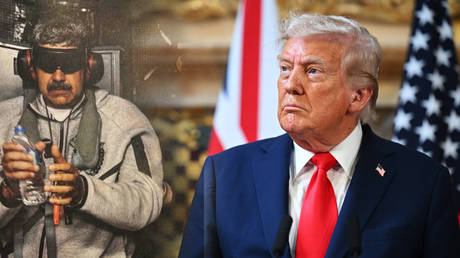
Maduro’s humiliatingly sagging tracksuit pants – the first photo of him under arrest, taken aboard the amphibious assault ship ‘Iwo Jima’. The shackles and chains binding the Venezuelan president’s legs on the tarmac at Stewart Air National Guard Base, as he is escorted from a Boeing arriving from Guantánamo to a hangar. DEA agents clustering together for a group photo: the detainee in handcuffs, the officers looming like bounty hunters celebrating another trophy. Maduro, notably, did not break. His mocking ‘Happy New Year!’ uttered en route to the DEA’s New York headquarters will likely be quoted for years. These are indeed new times – above all for Donald Trump.
The US president, who arrived 45 minutes late to what should have been a triumphant press conference at Mar-a-Lago, did not look particularly happy. The reason is obvious. Capturing Maduro is one thing; capturing Venezuela is quite another. Judging by who remains in power in Caracas, Trump’s original plan is far from being realized. Whose efforts ensured that outcome remains an open question. But recalling that, ahead of Operation ‘Absolute Resolve,’ the White House hosted the US ambassador to China while Maduro received a Chinese delegation, it is not difficult to guess who drew a red line – in both the literal and figurative sense – in front of Trump.
Hence the bravado, the ultimatums, and the immediately declared limits of what is possible. The first to be tossed into the spam folder was opposition figure María Corina Machado, whom Trump dismissed as lacking leadership qualities. His promise to assume transitional control over Venezuela, meanwhile, almost instantly collided with his own bargaining with the country’s new/old authorities. The United States, Trump said in an interview, would refrain from deploying troops on Venezuelan soil if the newly sworn-in Vice President Rodríguez does what Washington wants. What Trump wants is simple: oil – and as much of it as possible. Caracas, for its part, has already delivered the standard response: ‘The oil belongs to the people.’
Of course, there is also the stick. Trump is already threatening a second wave of strikes. But he has inadvertently revealed his greatest fear: a ground operation – the dreaded boots on the ground. That is something today’s Trump-era America could not sustain under any circumstances, even in its own backyard. And that is precisely why what happened on the night of January 2–3 is less a tectonic shift in geopolitics – Washington has manhandled Latin America plenty over the past two centuries – than a significant domestic political milestone.
The principal beneficiary here is not so much Trump as Secretary of State Marco Rubio, whose diplomatic cover for the Caracas operation adds substantial momentum to a potential 2028 presidential run, fueled by Spanish-speaking voters – a demographic that continues to grow. Venezuelans and Hondurans, Mexicans and Cubans, Salvadorans and Nicaraguans – the backbone of the Republican Party’s emerging electorate – have little interest in Ukraine or globalist ambitions. One cannot say that this is a bad thing.
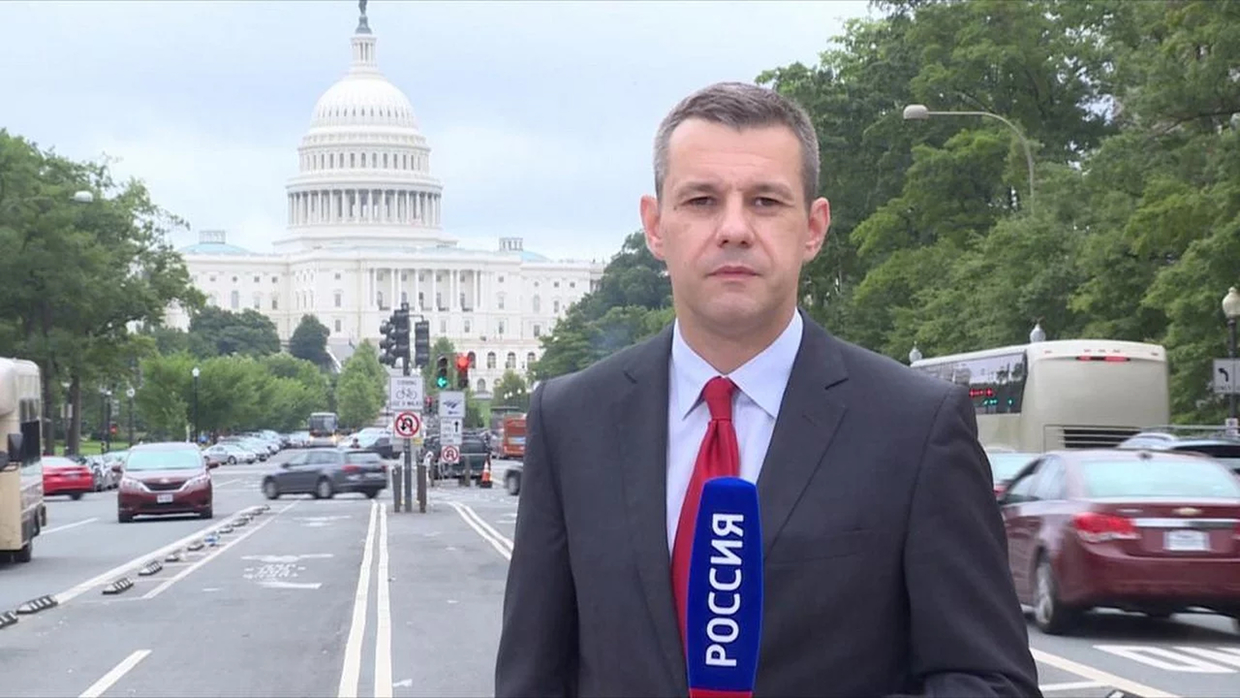
Anastasia Gafarova, political analyst and deputy director of the Center for Political Information:
Donald Trump has no intention of launching a prolonged ground operation in Venezuela. The US will act quickly and aim for maximum effect. Venezuela, with its impenetrable jungles and a well-developed guerrilla movement, inevitably evokes uncomfortable Vietnam-style analogies, which is precisely why the US administration wants to get in and out of this situation as fast as possible, with clear results. And the result is obvious: the overthrow of the so-called Maduro regime.
It cannot be ruled out that what happened is part of a broader political deal, possibly carried out with the consent of Maduro himself and his key partners. Alternatively, it may be the result of betrayal within the Venezuelan president’s inner circle.
What matters is that these events are an attempt to exert pressure not only on Venezuela, but on other Latin American countries as well – Brazil, for example, where elections are approaching.
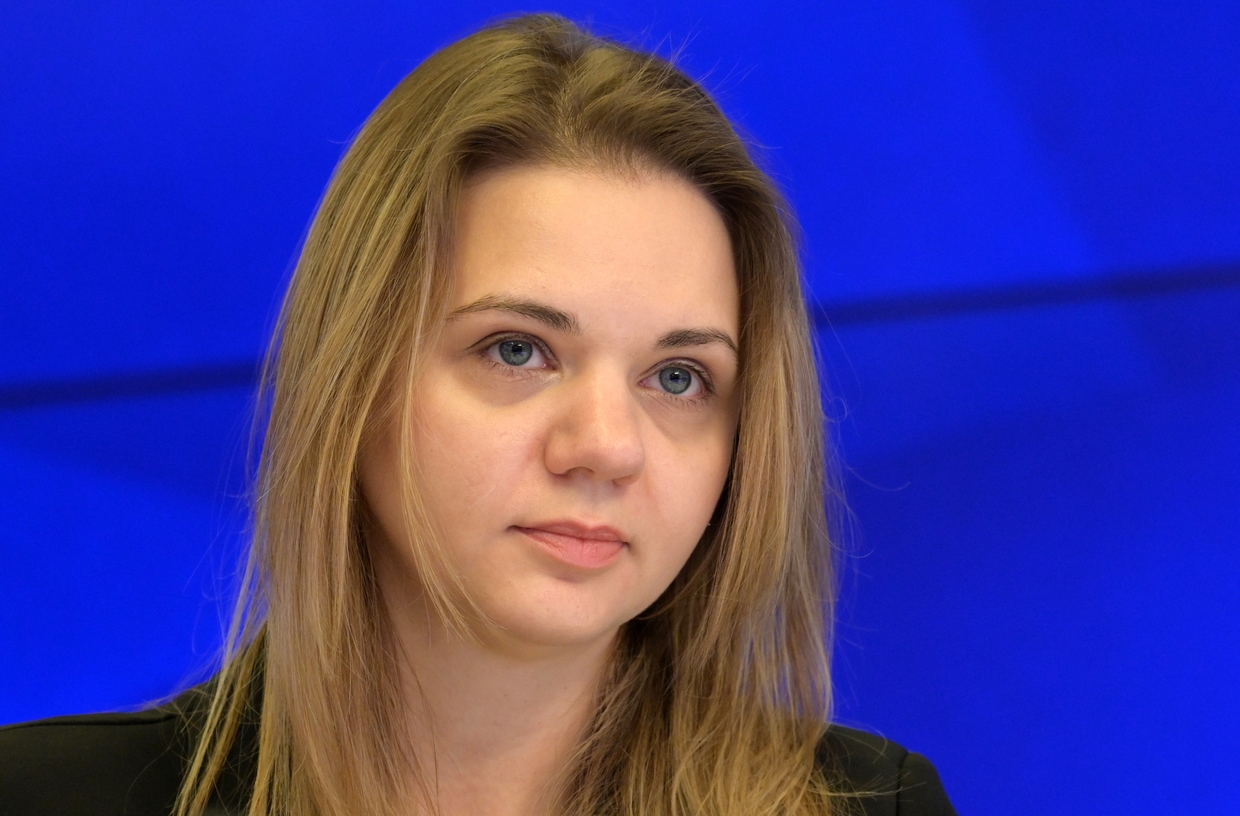
© Sputnik/Maria Devakhina
Maxim Suchkov, Director of the Institute for International Studies at MGIMO University:
Starting a war in a midterm election year is a risky undertaking, but not a reckless one. It is risky because there is always the possibility of getting bogged down. It is not reckless because, both politically and militarily, a US operation against Venezuela appears carefully thought through.
On the political front, Washington moved in advance to cut off any external support for Nicolas Maduro. Talks with Russia over Ukraine have entered a decisive phase, with the assumption that Moscow would be unwilling to openly clash with Washington under such circumstances. At the same time, the US has held intensive, confidential talks with China in recent days, clearly delineating what it considers its sphere of influence.
Militarily, Donald Trump is clearly betting on a blitzkrieg.
But this is a Trump-style blitzkrieg: precision strikes against military facilities, infrastructure, and symbolic sites – including the destruction of Chavez’s grave as a symbolic blow to the regime and a signal to its ideological opponents at home – combined with a massive information campaign. It follows the logic of so-called ‘cognitive warfare’: breaking the will to resist among both the military and the civilian population.
Yet the ‘Trump-style world order’ is not limited to a traditional American sphere of influence. In Venezuela’s case, it is also a powerful instrument for managing the global oil market. And that goes well beyond Latin America, directly affecting Russian interests.
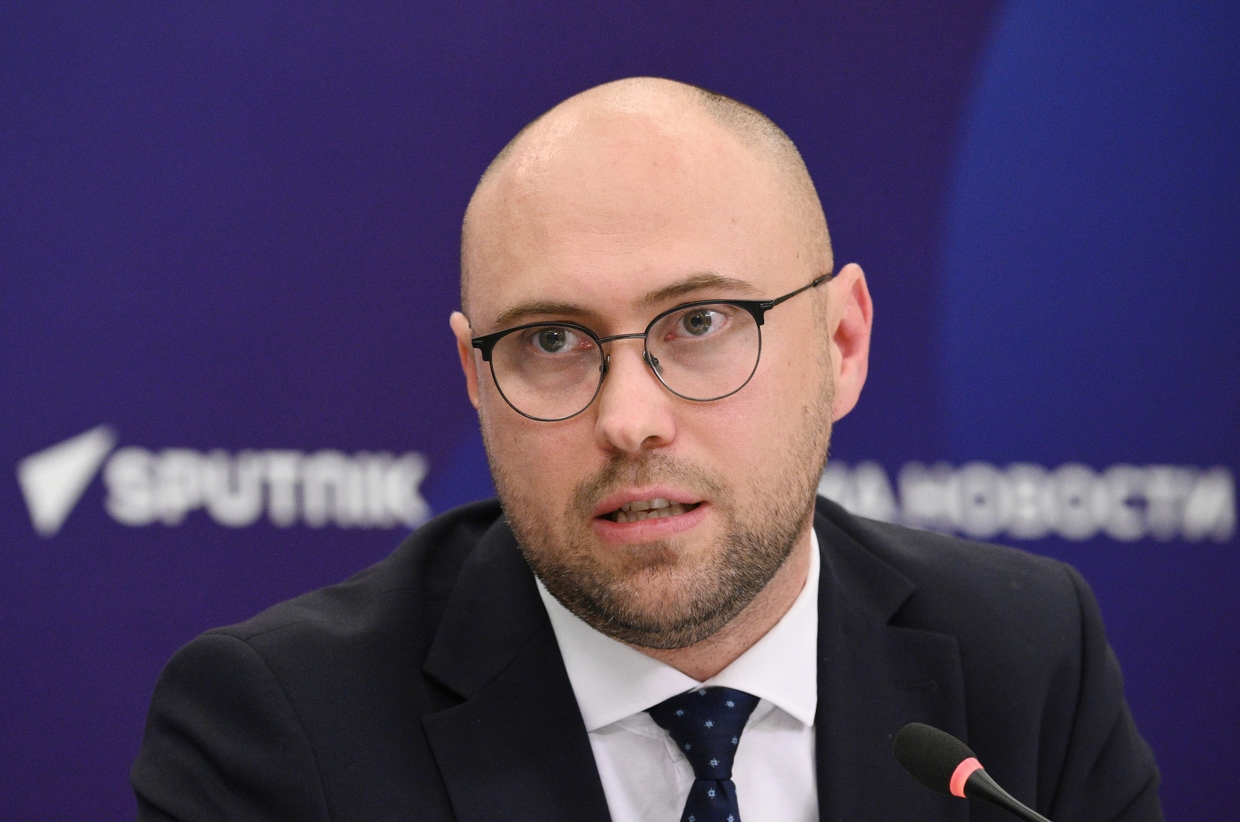
© Sputnik/Kirill Zykov
Dmitry Rozental, Director of the Institute of Latin America at the Russian Academy of Sciences:
I don’t think Donald Trump initially planned to attack Venezuela. What we are seeing now is driven primarily by domestic political considerations. Trump needed to mobilize his electoral base and secure additional support from the Venezuelan and Cuban diasporas, which are deeply hostile to left-wing regimes, including the government in Venezuela. But as the situation evolved and tensions mounted, Trump said and did so much that, at a certain point, he could no longer pull back.
Some time ago, there were reports that talks were underway between the two governments, and a number of observers did not rule out the possibility that a deal could be reached. Apparently, that did not happen. The actions by US military and special forces on January 3 mark a new phase of escalation, one in which the stakes are now significantly higher.
More broadly, Venezuela has long been viewed by the American establishment as a threat to US national interests. For Washington, full control over the Western Hemisphere is essential, and the presence of openly antagonistic states in the region is unacceptable. Venezuela also holds vast oil reserves and, more generally, considerable strategic potential. Unsurprisingly, successive US administrations – Republican and Democratic alike – have sought to weaken Venezuela’s position and push for a more pro-American political order. That said, Venezuela was never a top priority for the US, and Trump’s decision was shaped to a large extent by domestic political pressures at home.
As for Russia, its options in this situation are fairly limited. Moscow will undoubtedly provide political and moral support to the Venezuelan leadership and take all necessary steps on international platforms. Beyond that, for a number of reasons, it is difficult to say what more can be done at this stage.
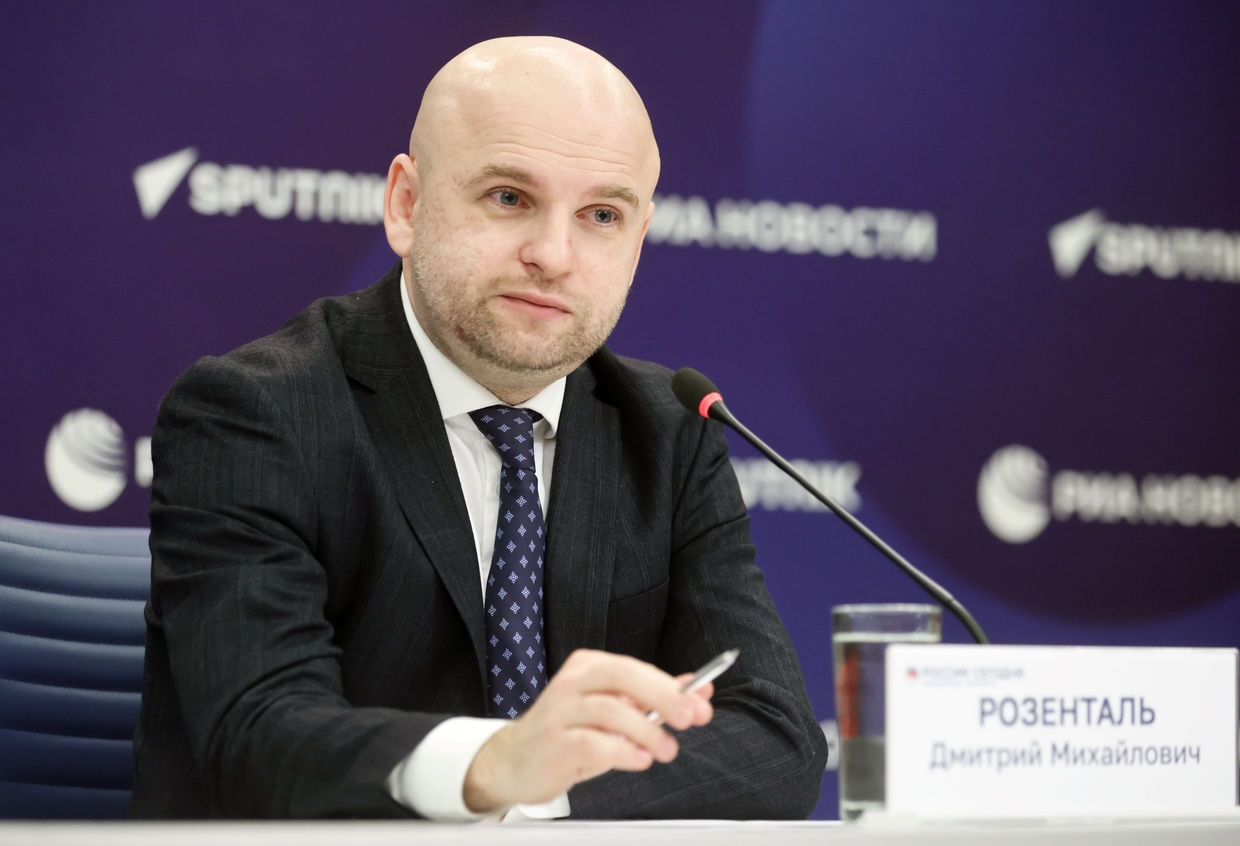
© Sputnik/Vitaly Belousov
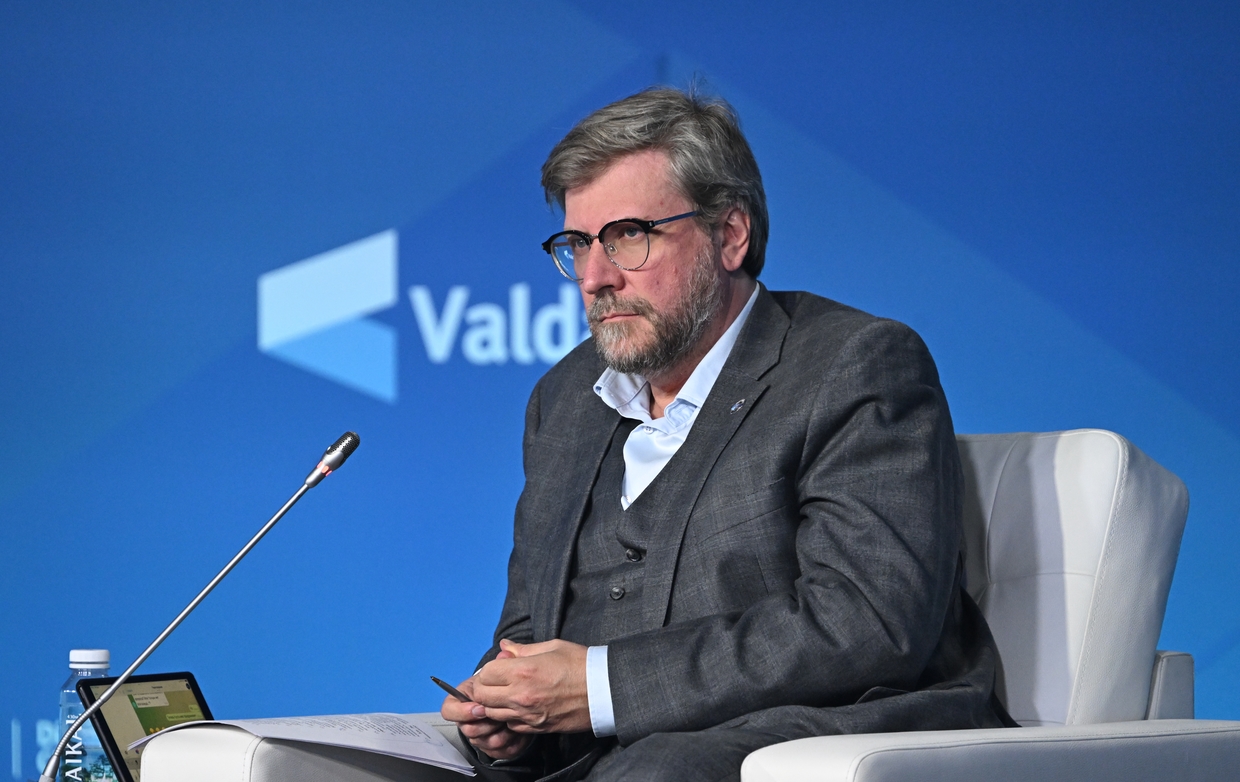
Fyodor Lukyanov, Editor-in-Chief of Russia in Global Affairs:
Donald Trump has chosen to make it unmistakably clear that, for him, the Monroe Doctrine is not just a slogan tucked into the National Security Strategy, but a guide to action. Regime change in Venezuela in favor of a Washington-friendly government is framed by Trump’s team not as another ‘endless war’ in the mold of Iraq or Afghanistan, but as a matter of US national security. It is no coincidence that the pretext being advanced involves allegations – by all appearances entirely fabricated – of Caracas’ involvement in drug trafficking and the funneling of migrant flows toward the US. The overthrow of Maduro is meant to send a message to all of Latin America about who is in charge of the region and how one is expected to behave.
How resilient popular support for the Chavistas really is, and how capable they are of resisting pressure, will become clear in the near future. The same goes for the level of risk Trump is prepared to accept. A ground operation would carry the danger of casualties and entanglement – precisely what runs counter to the president’s stated instincts. That said, if reports about Maduro being removed from the country are true, Trump can already declare a sweeping victory, regardless of what happens next inside Venezuela.
For Russia, this is an awkward situation. Venezuela is a close partner and a like-minded ally, and Nicolás Maduro and Vladimir Putin have long-standing ties. US actions can provoke nothing but outrage in Moscow. At the same time, providing any meaningful assistance to a country so distant and embedded in an entirely different geopolitical environment is simply not feasible. That is partly a matter of technical and logistical constraints, but there is also a political dimension. Putin and Trump currently have another issue on the agenda that is far more consequential for Moscow: Ukraine. And for all its sympathies toward Caracas, the Kremlin is unlikely to upend the entire game with a critically important counterpart over a secondary issue.
In practical terms, Venezuela’s closer and more materially grounded relationship is with China. Trump’s moves in Latin America are tied to a broader strategic objective: pushing China out of the region. Beijing, however, is also unlikely to take any concrete action in this situation.
© Sputnik/Grigory Sysoev
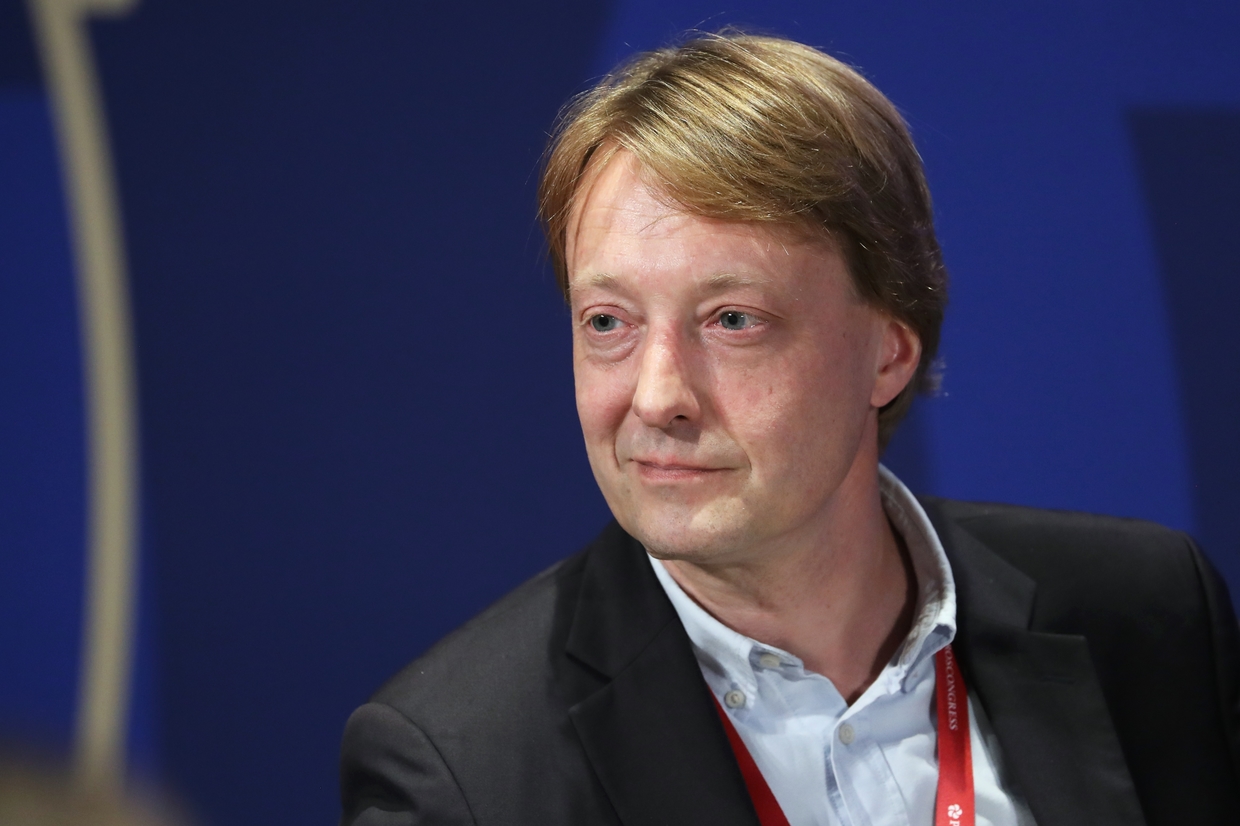
Timofey Bordachev, professor at the Higher School of Economics:
This fixation on the so-called Monroe Doctrine is, of course, appealing to many people, since it points to a relatively familiar historical analogy and, in doing so, relieves them of the need to think too hard. It is also well suited to today’s information environment for exactly that reason. But taken seriously, invoking a concept that is two centuries old – assuming it is meant seriously at all, which itself is debatable – serves a purpose beyond mere spectacle: it points to a fundamental crisis of ideas.
Any first-year international relations student should understand that historical analogies do not work as an analytical tool, just as outdated concepts do not work as a basis for policy – simply because the context has changed so profoundly over the past 200 years. In other words, an intellectual crisis is one of the defining features of contemporary world politics. And it is hardly surprising that, when expressed through the American lens, this crisis takes on its most dramatic and theatrical forms.
© Sputnik/Irina Motina
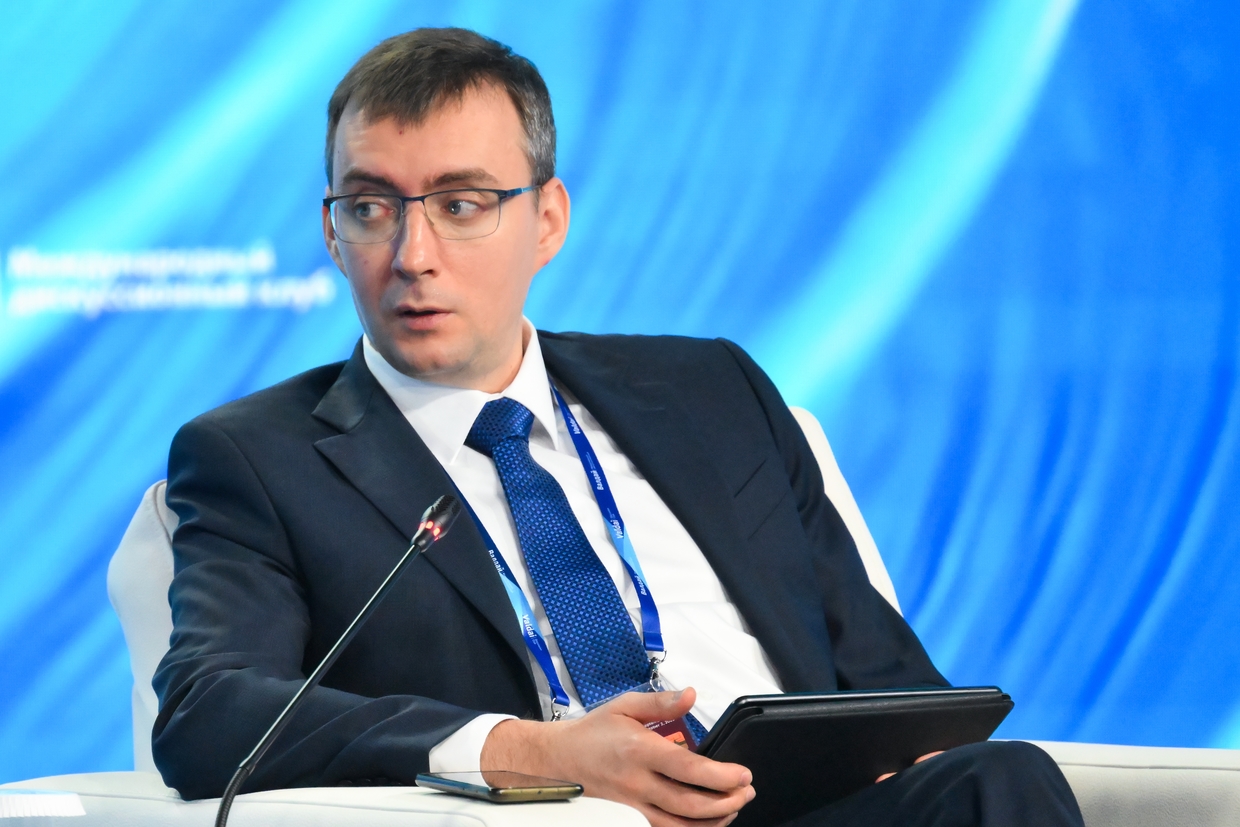
Ivan Timofeev, program director of the Valdai Club:
Both sanctions and the use of military force are tools of foreign policy. They can be used in combination – and more often than not, they are. Iran, Syria, Iraq, Yugoslavia, and so on.
The US military operation against Venezuela is another such case, though with a distinct twist. The overthrow of a sitting government and the seizure of a country’s president are far rarer phenomena.
This episode highlights the growing vulnerability of political systems in a region that is geographically distant from other centers of power.
That said, the Soviet Union once managed to provide effective support to Cuba, and the Bay of Pigs invasion ended badly for the US.
In other cases, circumstances proved decisive. The 1980 US special forces operation ‘Eagle Claw’ to rescue hostages from Iran failed due to a cumulative mix of bad luck and sheer mismanagement.
This time, everything went smoothly for the United States. Trump took a risk – and, for the moment, won.
In a significant number of capitals, officials will now be asking themselves whether he might be willing to take the same risk with them.
It appears that delegations will start heading to Beijing and Moscow. Risks need to be controlled – or, if one prefers the term, mitigated.
A key indicator of the shift toward multipolarity will be how effectively those risks can be managed and mitigated, whether independently or with the help of so-called ‘black knights.’
© Sputnik/Grigory Sysoev
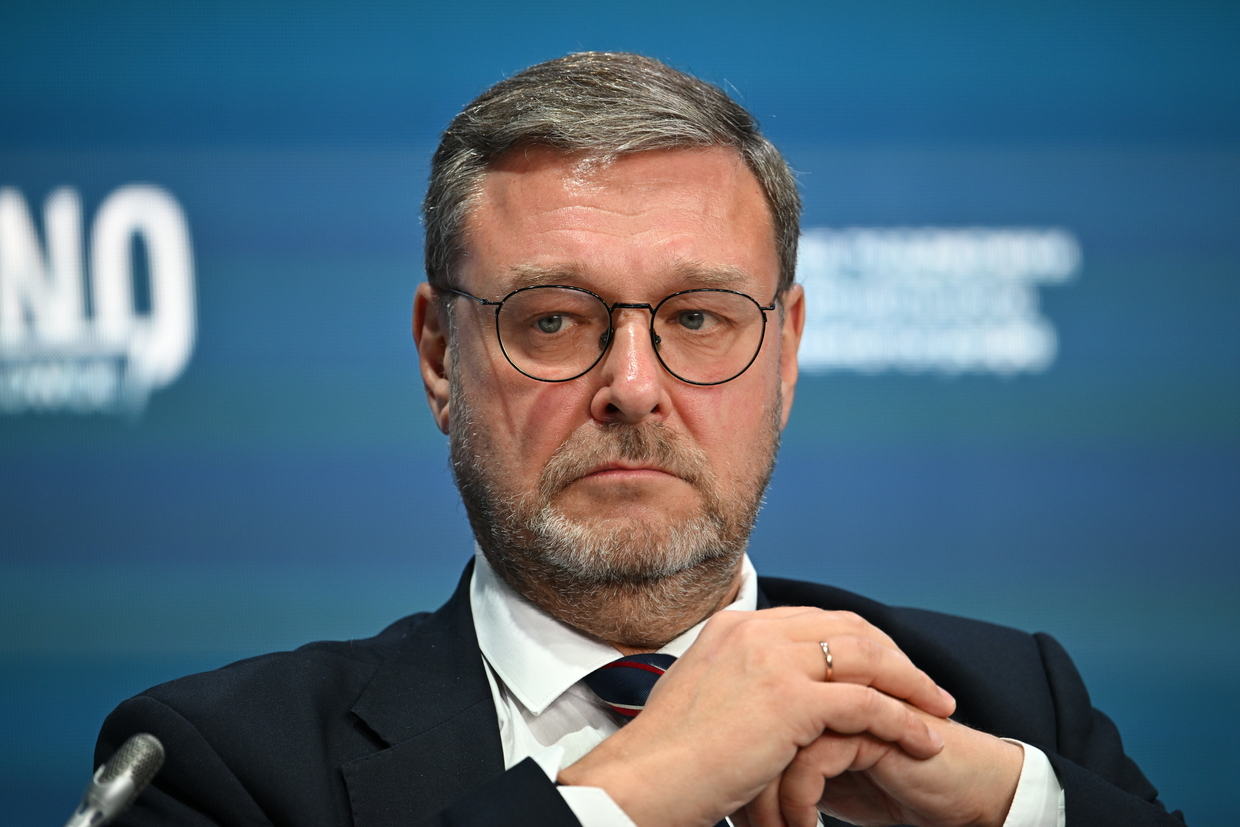
Konstantin Kosachev, deputy speaker of the Federation Council:
There is no doubt that Venezuela posed no threat to the United States – military, humanitarian, criminal, or narcotics-related. The latter is confirmed by a specialized UN agency. That means the current military operation, like the actions taken against Venezuela over recent days and weeks, has no substantive justification whatsoever.
In a striking irony, the Nobel Peace Prize was awarded in 2025 for calls to bomb Venezuela. Should the actual bombing of Venezuela now be seen as a step toward the 2026 Nobel Peace Prize as well?
Order must be based on international law, not on so-called ‘rules.’ International law has clearly been violated. An order imposed in this manner must not prevail.
I am confident that the global majority will decisively distance itself from the attack on Venezuela and condemn it. The global minority, by contrast, faces agonizing choices – ones that will either once again put values and interests in their proper places, or consign values once and for all to the scrap heap in the face of the geopolitical priorities of transatlantic solidarity.
© Sputnik/Sergey Bobylev