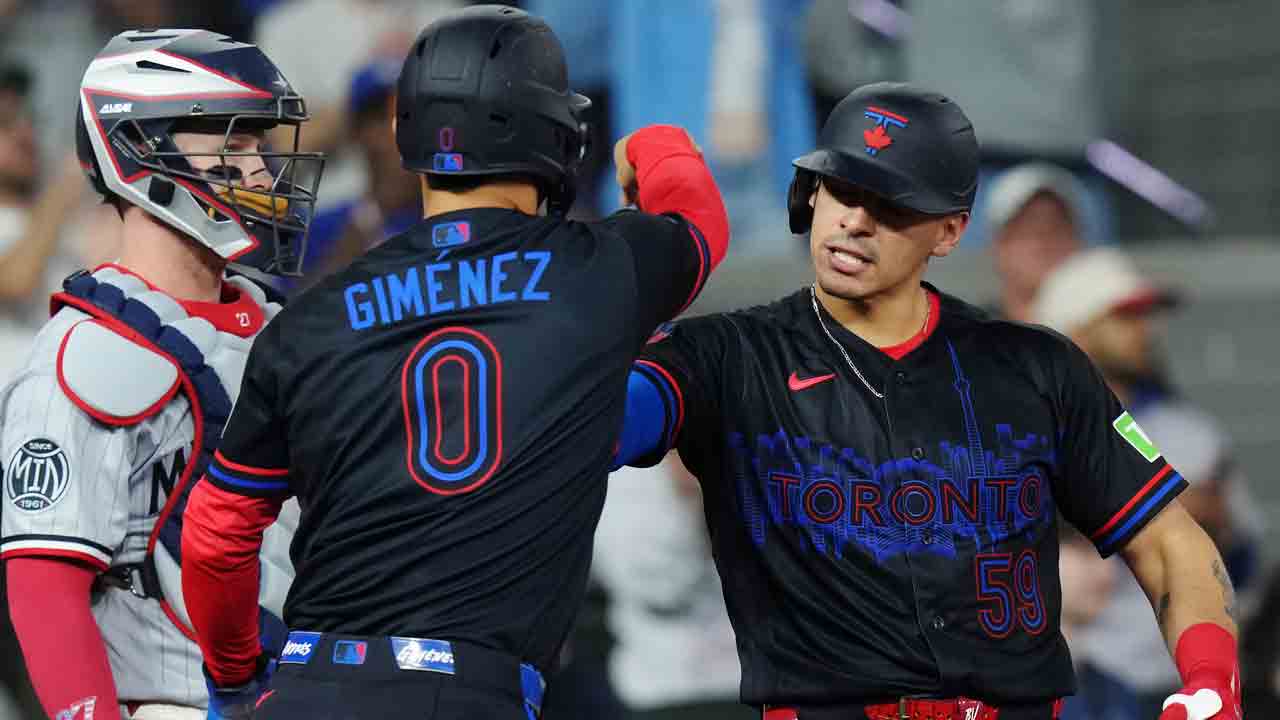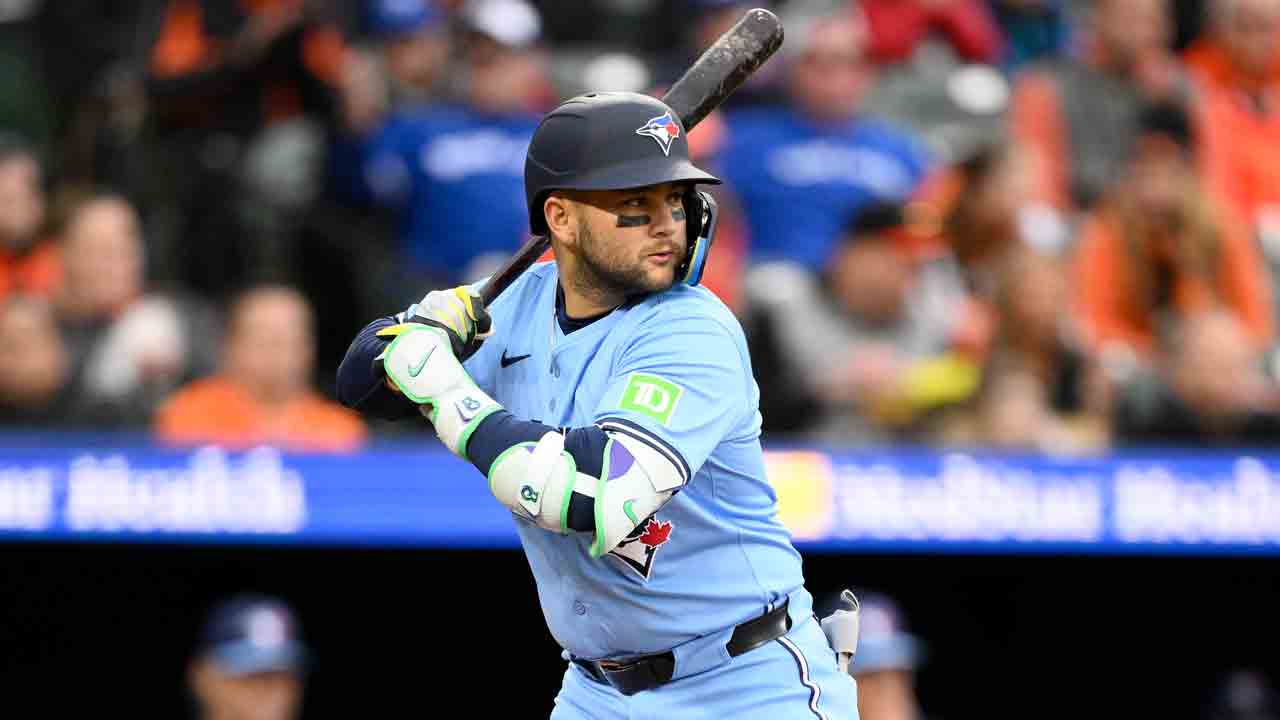
The New York Mets added to what’s been an exciting 12 hours in the baseball world with a surprise move on Friday. In the wake of losing out on free agent Kyle Tucker, the Mets pivoted to land free agent infielder Bo Bichette on a massive three-year deal.
The move can be considered a shocker given that it seemingly came out of nowhere. The Mets had been linked to Tucker and fellow free agent outfielder Cody Bellinger for weeks, however, nobody had heard anything connecting the club to Bichette.
Apparently, the Philadelphia Phillies didn’t even see the Mets and owner Steve Cohen coming (more on that below).
Let’s get you all caught up with what this deal means:
The deal:
Bo Bichette agrees to a three-year, $126-million deal with the New York Mets. The contract includes opt-outs after the first and second seasons.
The runners-up:
As mentioned, the Phillies are the runners-up here. The club met with Bichette earlier this week and, as of Thursday night, had agreed to his request for a seven-year, $200-million contract, according to Bob Nightengale of USA Today.
Philadelphia believed the deal was done when the Mets swooped in with an attractive short-term offer that ensures Bichette an average annual value of $42 million, a new record for infielders.
The Toronto Blue Jays, the organization that drafted Bichette 10 years ago and helped him develop into a franchise cornerstone, should also be mentioned in this category. The club apparently prioritized its pursuit of Tucker over Bichette and its actual interest in him — including what, if any, contract was offered — is unclear at the moment.
The player:
While there are questions about Bichette, they don’t apply to his bat. The 27-year-old is as pure a hitter as you’ll find and is someone who can essentially get out of bed and provide an impressive at-bat, no matter the circumstance.
Bichette proved that when he returned to action during the recent World Series after a long layoff due to a knee injury. Essentially hobbling on one good leg, he managed to blast a monster three-run home run off Shohei Ohtani during Game 7 in what will stand as his greatest moment in a Blue Jays uniform.
Bichette has twice led the American League in hits and sports a career .294/.337/.469 line over his seven big-league seasons. His best campaign came in 2021, when he put up 5.9 wins above replacement with 29 home runs, both career highs. His power has steadily declined since then, though. Bichette hit 18 homers in 139 games last season but did produce 44 doubles and a team-leading 94 RBIs.
He suffered a knee injury while sliding into home plate during an early September game at Yankee Stadium that ended his impressive bounce-back regular season. After a horrendous 2024 campaign in which injuries held Bichette to just 81 games and -0.3 wins above replacement, he looked much more like himself for most of 2025. He missed the first two rounds of the playoffs but returned to play second base for the Blue Jays in the Fall Classic.
The fit:
The Mets are adding a supremely talented right-handed hitter to a lineup that features switch-hitter Francisco Lindor and the left-handed Juan Soto. Along with fellow free-agent signee Jorge Polanco, Bichette should help offset the loss of first baseman Pete Alonso and outfielder Brandon Nimmo.
We know what to expect out of Bichette’s bat, but what’ll be more fascinating is his defensive fit in Queens.
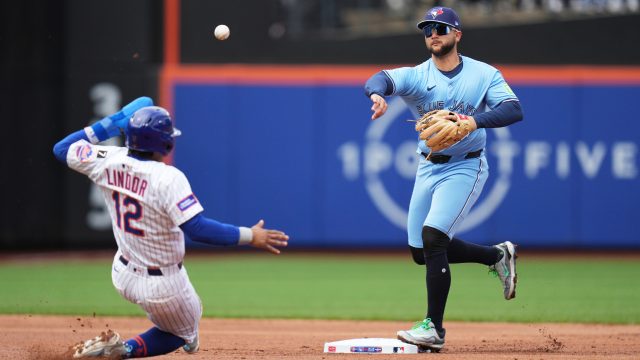
Aside from the World Series, Bichette has exclusively played shortstop and he’s not going to supplant Lindor, who is superior with the glove. Ditto for second baseman Marcus Semien, whom the Mets acquired earlier this off-season with an eye on improving infield defence.
That leaves third base for Bichette, a positional move that was confirmed by various reports on Friday. He hasn’t played one inning at the hot corner in his professional career, and it’ll be interesting to see how his skills translate there.
Bichette was worth negative 13 outs above average last season which meant his range was the worst in the sport. Third base obviously requires less lateral movement than shortstop, but to play the position well, a strong arm is necessary. Bichette’s arm strength sat in the 36th percentile last year.
One positive for Bichette in that regard is that he built a strong relationship with Semien during their time as Blue Jays teammates in 2021 and has lauded the Gold Glover’s tutelage. Perhaps that familiarity, coupled with playing to the right of the rangy Lindor, will make Bichette’s transition easier.
The Blue Jays, meanwhile, appear set on the infield. Andres Gimenez moved to shortstop in Bichette’s absence and excelled there, while Ernie Clement figures to be the club’s primary second baseman.
The market:
MLB Trade Rumors predicted an eight-year, $208-million deal for Bichette. While that number looks big, it’s possible for Bichette to earn even more by the time his career is over.
If he enjoys a successful 2026 campaign, he can opt out of his contract next fall to join a weaker free agent class. Bichette can do the same after ’27, or he could play out the three-year deal and become a free agent again at just 30 years old. At that point, if he’s healthy and has remained productive, it would be hard to imagine Bichette not getting a deal in the $100-million territory.
The next domino:
Bellinger is now the clear No. 1 position player on the free agent board and it’s fair to expect a resolution to his free agency soon. The New York Yankees remain interested in bringing him back, while the Mets could seek to bolster their weak outfield by making another big free-agent splash. It’s also worth keeping an eye on the Blue Jays to see if losing out on Tucker redirects them toward Bellinger.