Some thoughts on the Maple Leafs’ GM change, how it went down and where things are headed:
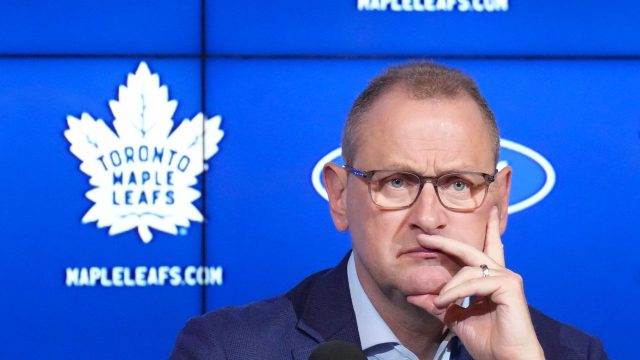
• The 2026-27 season was the final year of Brad Treliving’s original contract. The Maple Leafs were not going to allow a cliffhanger. The choice was extend him or move on. I’m not sure how far along it went, but, according to multiple sources, over the Olympic break, there was at least one conversation about extending Treliving.
With his firing coming 24 days after the trade deadline, some Leafs fans wondered how the GM was allowed make decisions at that time. There’s your answer. When the Olympics ended on Feb. 23, there was still a chance he’d have the job next September.
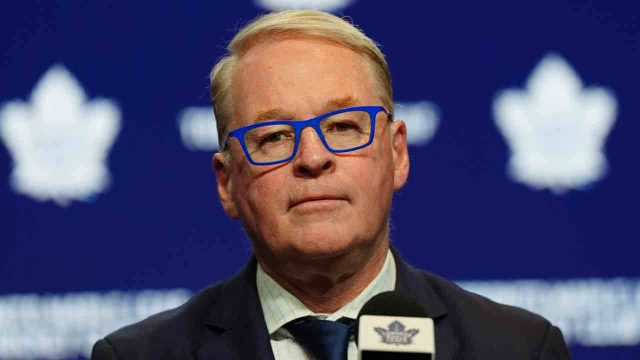
Where did it change? Things nosedived when the season resumed, two wins in 14 games. But it often goes deeper than results, and although Pelley took pains to avoid specific complaints, there are two statements from his Tuesday media conference that stand out.
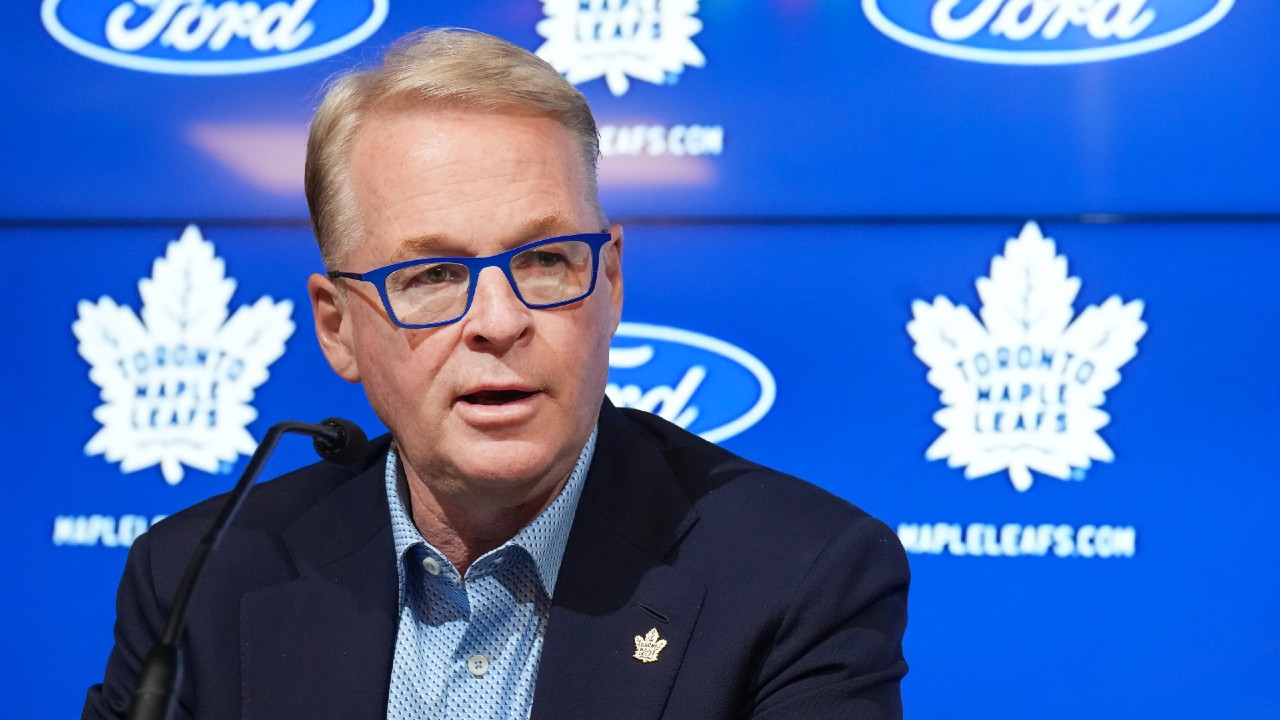
The first was that the next leader has to “really understand data and the importance of data and where data is moving…Every single decision that we will make will be evidence-based. Evidence-based decisions are never wrong. That’s not to say that there’s not room for the heart, that doesn’t mean there’s not room to check culture, but it’s evidence-based.”
Pelley sat in meetings for a day or two at/around the deadline. Something about the process did not satisfy him.
The second quote was about culture. While stating “I don’t believe that the current state of the team rests entirely on Brad’s shoulders,” Pelley added, “We didn’t have the alignment, we didn’t have the culture, we didn’t have the structure that we needed to be successful.”
That could mean several things, but one of the situations he is believed to be referring to is the lack of immediate on-ice reaction to Radko Gudas’s knee to Auston Matthews. Ironically, hours after Treliving was fired, the Maple Leafs and Ducks engaged in a nasty, fight-filled rematch where Max Domi fought Gudas at the opening draw. Toronto won in overtime, one of the most intense and entertaining games of the season.
I also believe the Maple Leafs considered bringing back Treliving with changes around him, but ultimately decided against it.
• Pelley took several internal and external meetings over the past few months to get opinions/ideas. This bothered the Hockey Operations staff, who felt people on the outside were trying to undermine them. About a week ago, as rumours intensified that Treliving was in trouble, the GM asked for clarity. Again, according to several sources, he made it clear he felt this was a one-year blip (something Pelley agreed with in his media conference) and wanted to stay.
However, he also asked that if the organization wished to fire him, just do it. Don’t let things drag. There is organizational precedence for this. In 2004, Raptors GM Glen Grunwald, in the final year of his contract, asked about his future. When the team told him they would not be keeping him, Grunwald said there was no point in delaying, so he was let go with eight games to play.
In this case, I believe Pelley had to ask ownership permission, which was granted. As he said Tuesday, it allows them to get started early on the process.
• Pelley’s comments about data reverberated across the industry. “There aren’t a lot of people who fit that description,” an executive said. Another pointed out the Maple Leafs already have a deep data department, led by Darryl Metcalf, a super sharp guy who is one of the assistant GMs.
Pelley, however, also made sure to point out any data-driven leader must be surrounded by hockey-smart supporters.
Here’s my theory: I work for Rogers, majority owners of MLSE. I don’t really mix with its leadership — more their choice than mine, of course — but over 11 years, I have a better understanding of how it functions and what’s important.
Rogers (and Sportsnet) aren’t afraid to spend money, to try things. But they believe these gambles must make sense. They need hard evidence. They’ll debate, and they’ll challenge, but they’ll take their chances if presented something they can buy into. Pelley, their sporting liaison, knows that.
So, what he’s saying is the Maple Leafs’ next Hockey Operations leader must be someone who can explain their vision to ownership in a way they understand and will want to follow. Then do it again and again and again with all of the decisions that must be made.
If you can’t do that, you’re not getting this job.
• As it stands, I don’t have clarity on what St. Louis owner Tom Stillman is willing to consider — if anything. This summer, Doug Armstrong moves into an overseer role for incoming GM Alexander Steen. The last time there was a Toronto opening, members of the Leafs ownership wanted to at least talk to Armstrong, but Stillman shut it down. We’ll see.
• You’re kidding yourself if you don’t believe there’s going to be a ton of interest. The risks are high, but so are the rewards. I’ll throw out a few names, but generally hate doing that because I guarantee I’ll be missing some serious contenders. Overall experience matters, but we’re also on a run of first-time GMs winning Stanley Cups.
I believe there’s been some contact with former Canucks GM Mike Gillis, who definitely embraces the data-driven desires. (A couple of sources indicated he also spoke to Nashville, but won’t be the new GM hire. Speaking of the Predators and Maple Leafs, Nashville sought permission to speak to Brandon Pridham, currently Toronto’s interim co-GM with Ryan Hardy.)
He won’t be craving a front-facing role, but Dean Lombardi is someone else I can see resurfacing from witness protection to survey the landscape. He’s an evidenced-based guy, too. If Jason Spezza feels he’s ready, I can’t imagine why he wouldn’t get an interview. If they want a fresh-faced data-driver, Florida’s Sunny Mehta fits.
There’s lots out there. We’re just getting started.