When you think of the ultimate skincare secret weapon for smooth, even skin, retinol may be one of the first things that come to mind. To be fair, I have yet to come across a skincare expert that doesn’t swear by it. But if you’ve ever felt like your retinol doesn’t quite work as efficiently as you’d hoped, you may want to consider a more potent option. That’s where tretinoin comes into play.
“Tretinoin cream is a derivative of vitamin A and a topical retinoid,” says board-certified dermatologist and founder of Luma Dermatology Nupur Patel, MD. “In a skincare world full of equal parts clever marketing, fear-mongering, and science, it is an ingredient that has undergone real scientific scrutiny and stood the test of time.”
While it’s helpful for those who struggle with stubborn acne, but it’s also become popular for treating other skin concerns like fine lines, uneven texture, hyperpigmentation, and clogged pores. So what’s the best way to incorporate this into your skincare routine? Find your step-by-step guide below with all the details.
How is tretinoin different from retinol?
The main difference to note is the potency. “Tretinoin is prescription-strength, pure retinoic acid that works directly at the cellular level, while retinol is an over-the-counter derivative that has to be converted by the skin twice, which makes it much gentler,” explains Patel.
She adds that all retinoids need to turn into retinoic acid to begin affecting our cells. With retinol, there’s a two-step process that has to take place (this is something your skin handles once the retinol interacts with your skin’s enzymes). With tretinoin, it’s already in it’s most active form. That said, it’s important to keep in mind that a stronger formula isn’t always better. “Retinol can be a great starting point for sensitive skin or someone new to retinoids,” says board-certified plastic surgeon Maryam Zamani, MD. “Ultimately, the best retinoid is one you can tolerate and use consistently.”
How to Use Tretinoin in Your Skincare Routine
Step 1: Cleanse
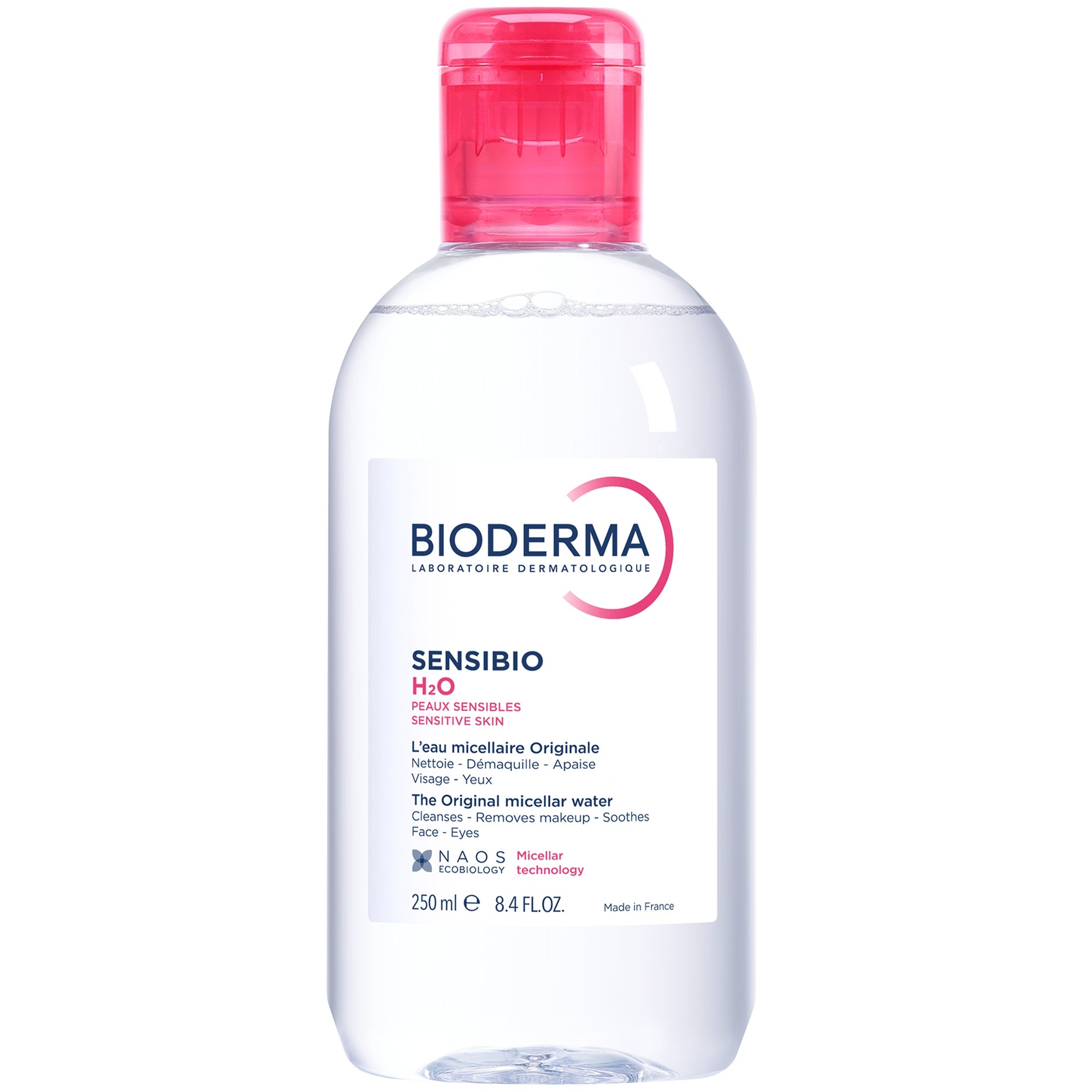
The first step to any skincare routine if you wear makeup starts with the removal process. You can use a micellar water or a makeup removing cleanser. “Try an oil-based cleanser applied to dry skin and then rinse with warm water,” says Patel. “Follow with micellar water on a cotton pad for tougher areas like eye makeup.”
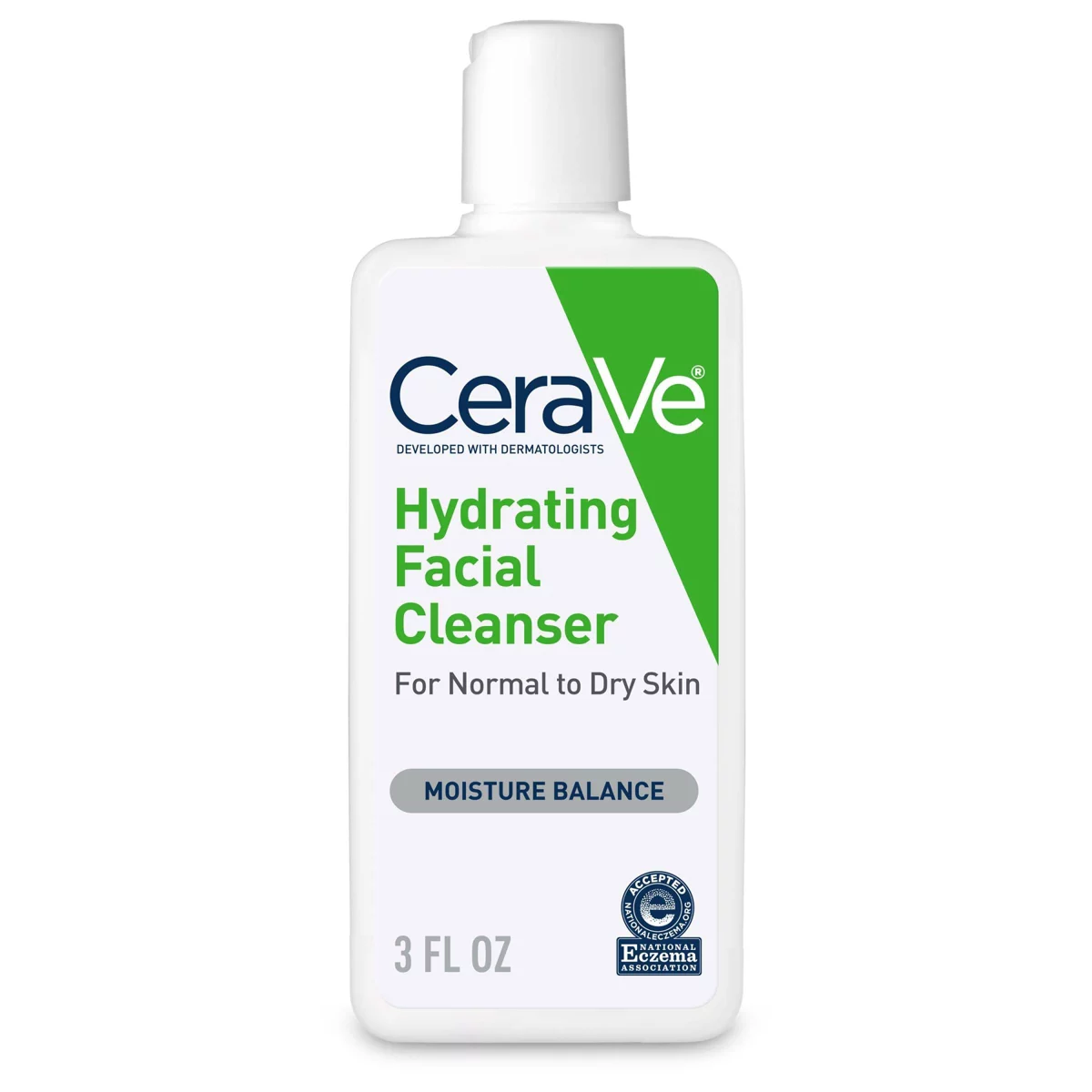
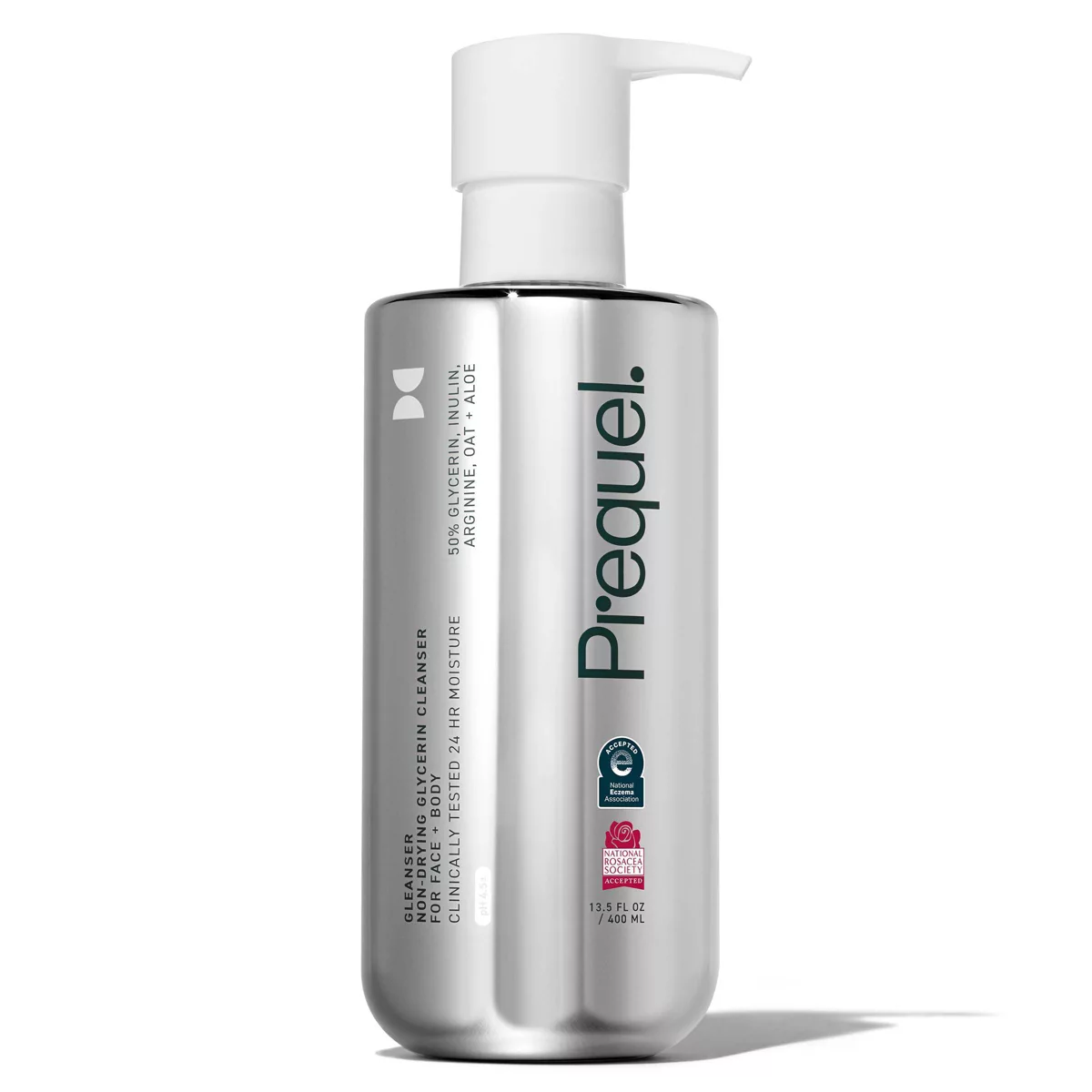
If you’re not wearing makeup, you should still be cleansing (it’s a non-negotiable!). Patel recommends a gentle formula like the CeraVe Hydrating Cleanser or Prequel’s Gleanser.
Step 2: Follow up with a serum
If you haven’t invested in a serum you like, this is your sign. This can be especially helpful if your skin tends to feel dry or tight after cleansing, but Patel warns that those with oily skin or rosacea should skip it. “For some skin types, simple is more effective,” she says. “For dryness, use a peptide serum with hyaluronic acid on damp skin to give back what you just stripped away.”
Step 4: Moisturizer
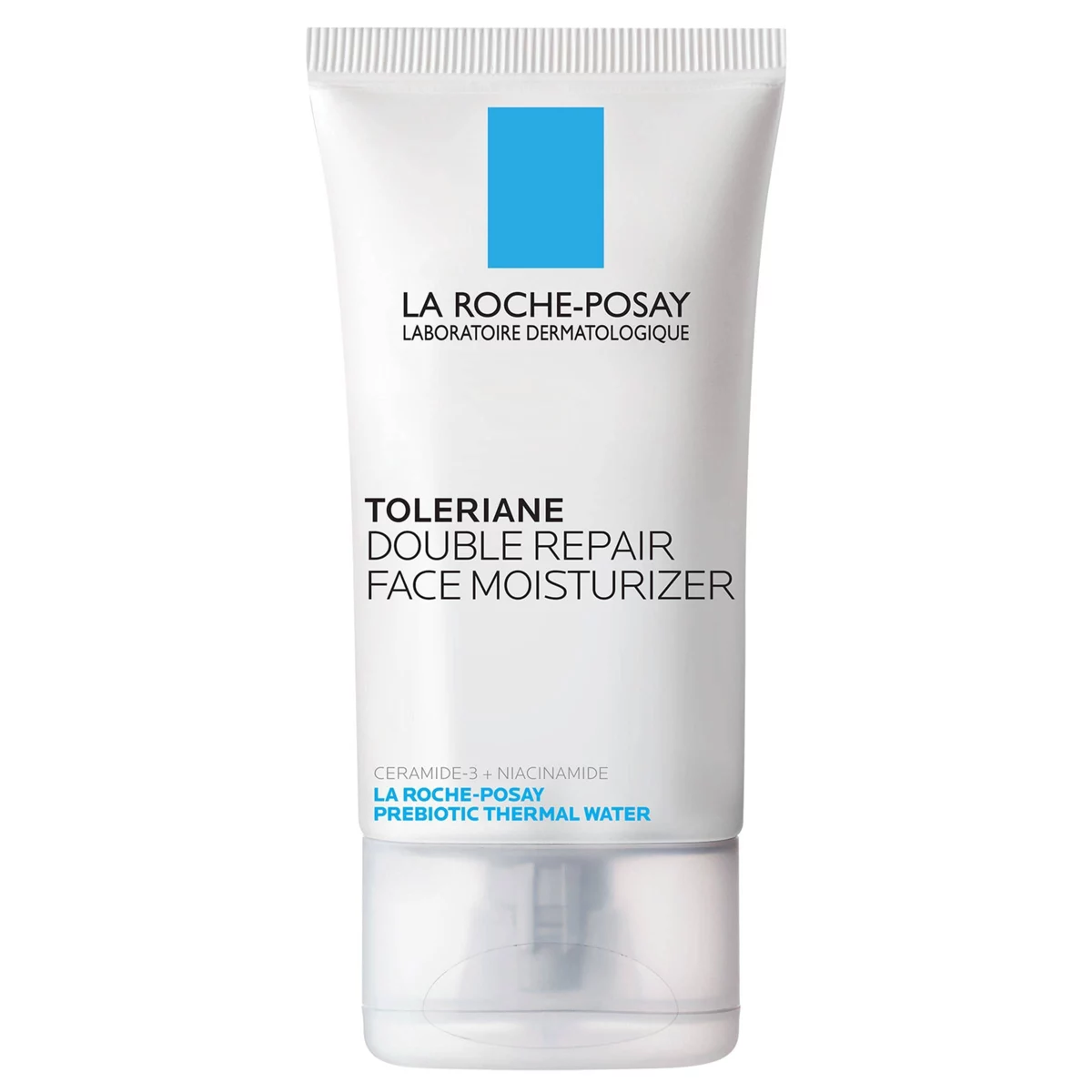
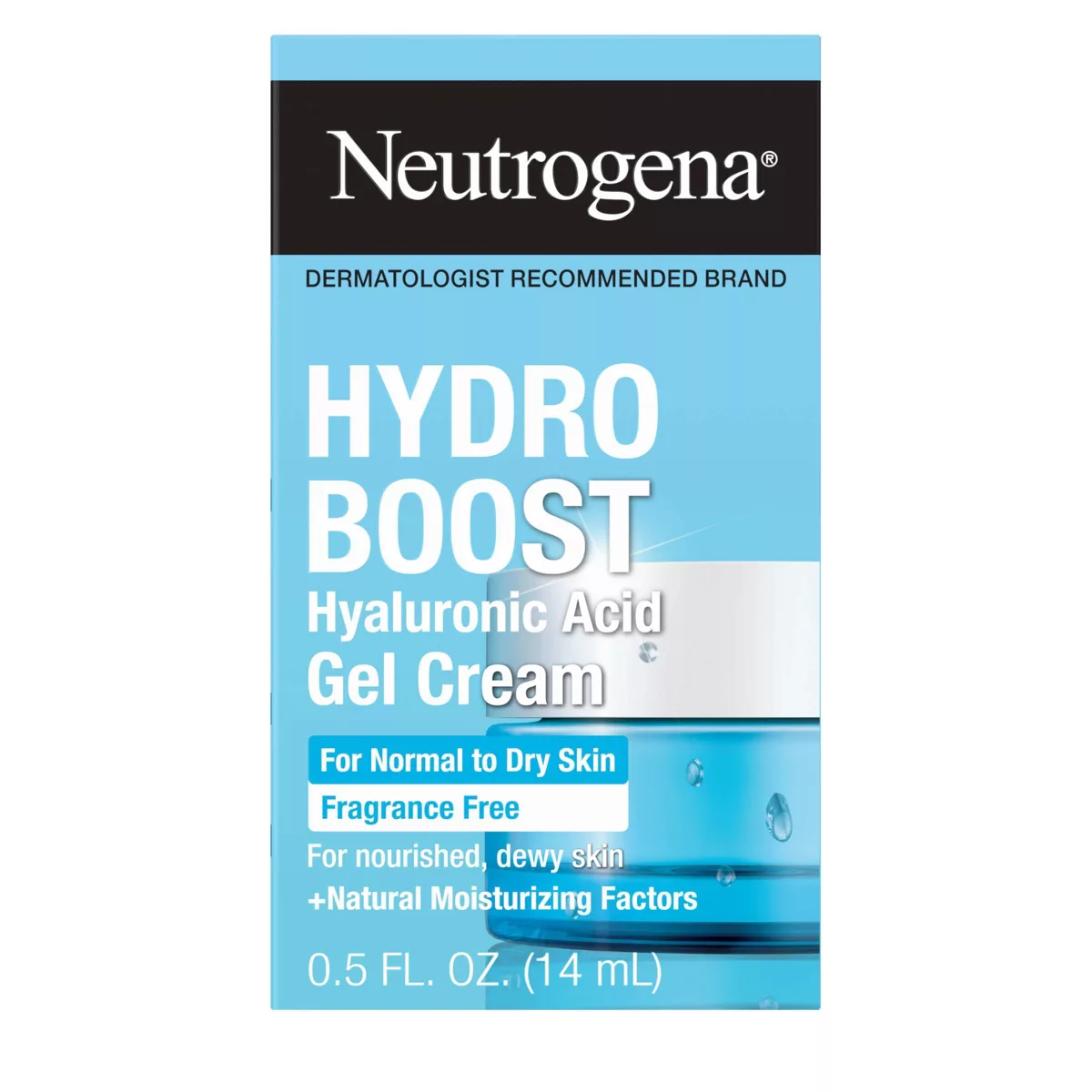
Think of your moisturizer as the MVP of your tretinoin skincare routine. You’ll need to do this step twice for the “sandwich method” (more on that below), so it’s really important to get clear on what kind of moisturizer works best for your skin type. This can be particularly tricky for those with oily skin. “With oilier or more sebaceous skin and no sensitivity, I would use La Roche-Posay Toleriane or Neutrogena Hydro Boost Cream,” says Patel.
Step 5: Tretinoin
Whether you plan on using tretinoin or a retinol, this is where you use the retinoid of your choice. Once the moisturizer absorbs, use a pea-sized amount, and apply it to your whole face. Zamani notes that you should avoid the eyelids, corners of the nose, and mouth during application. Then, prepare to go back in with your moisturizer.
Step 6: Moisturize again
This step is technically optional, but there’s a method to the madness here. “I like the “sandwich” technique of using moisturizer, tretinoin, then another light layer of moisturizer,” says Zamani. This can help reduce sensitivity, making it great for all skin types but especially for those with dry and sensitive skin.
Your AM Routine
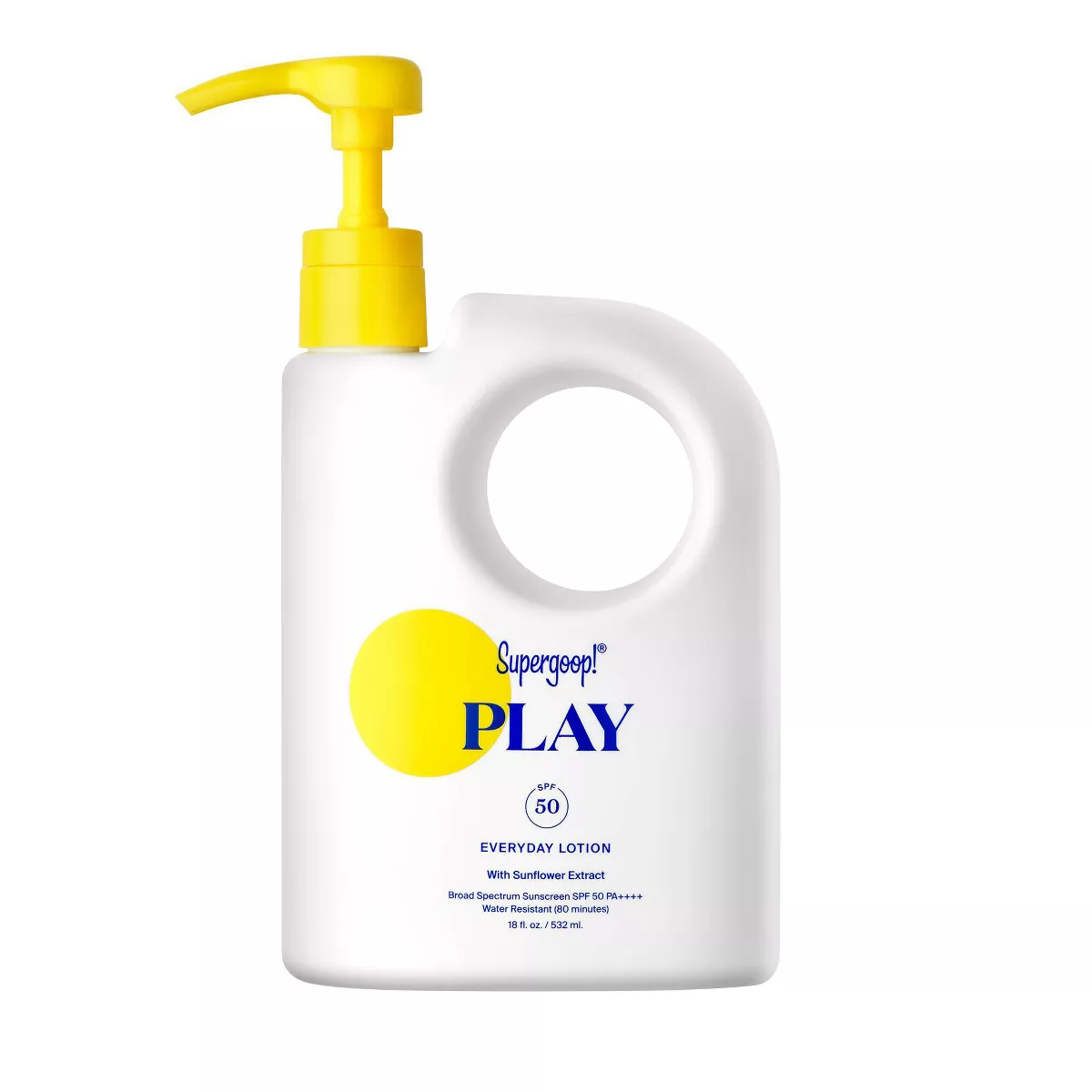
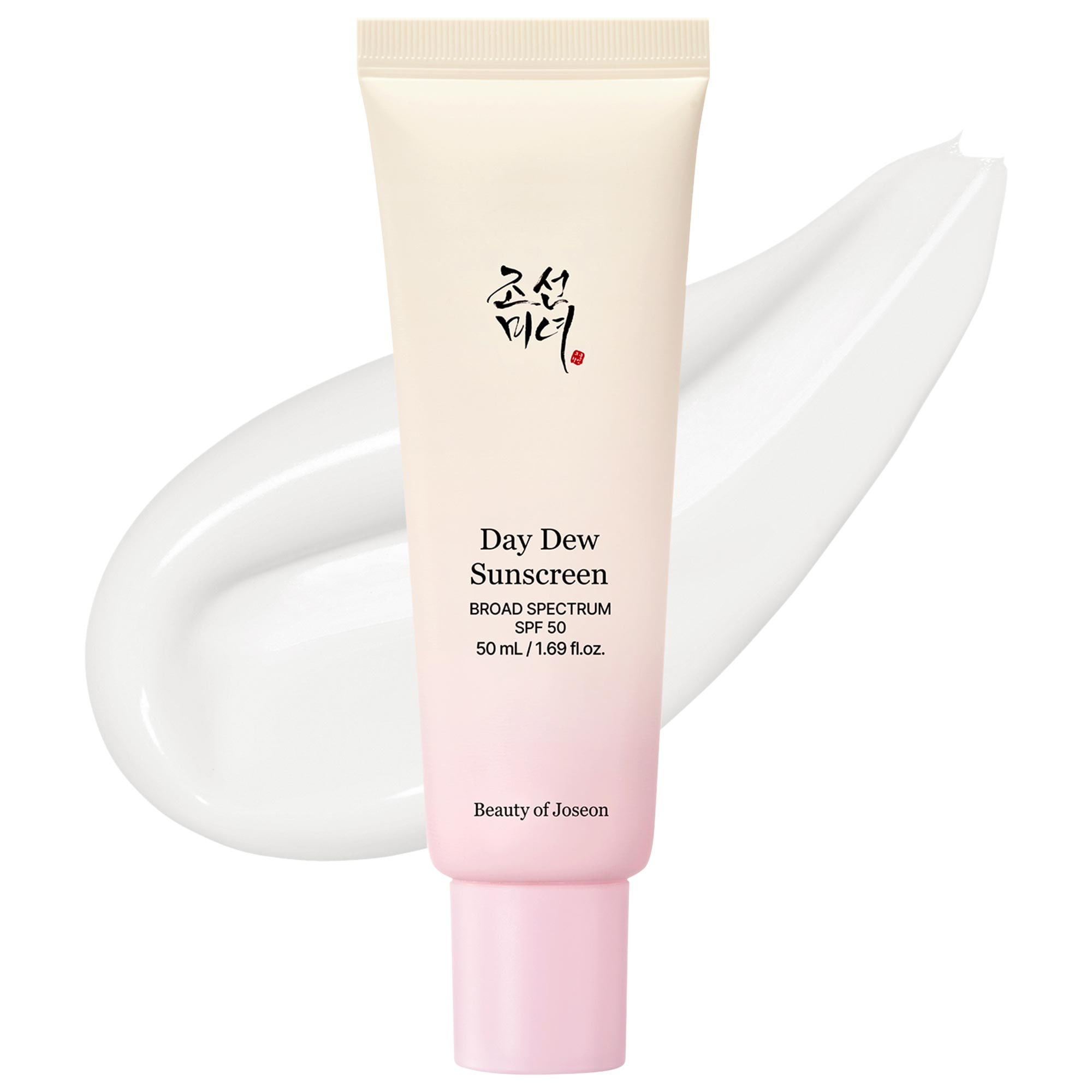
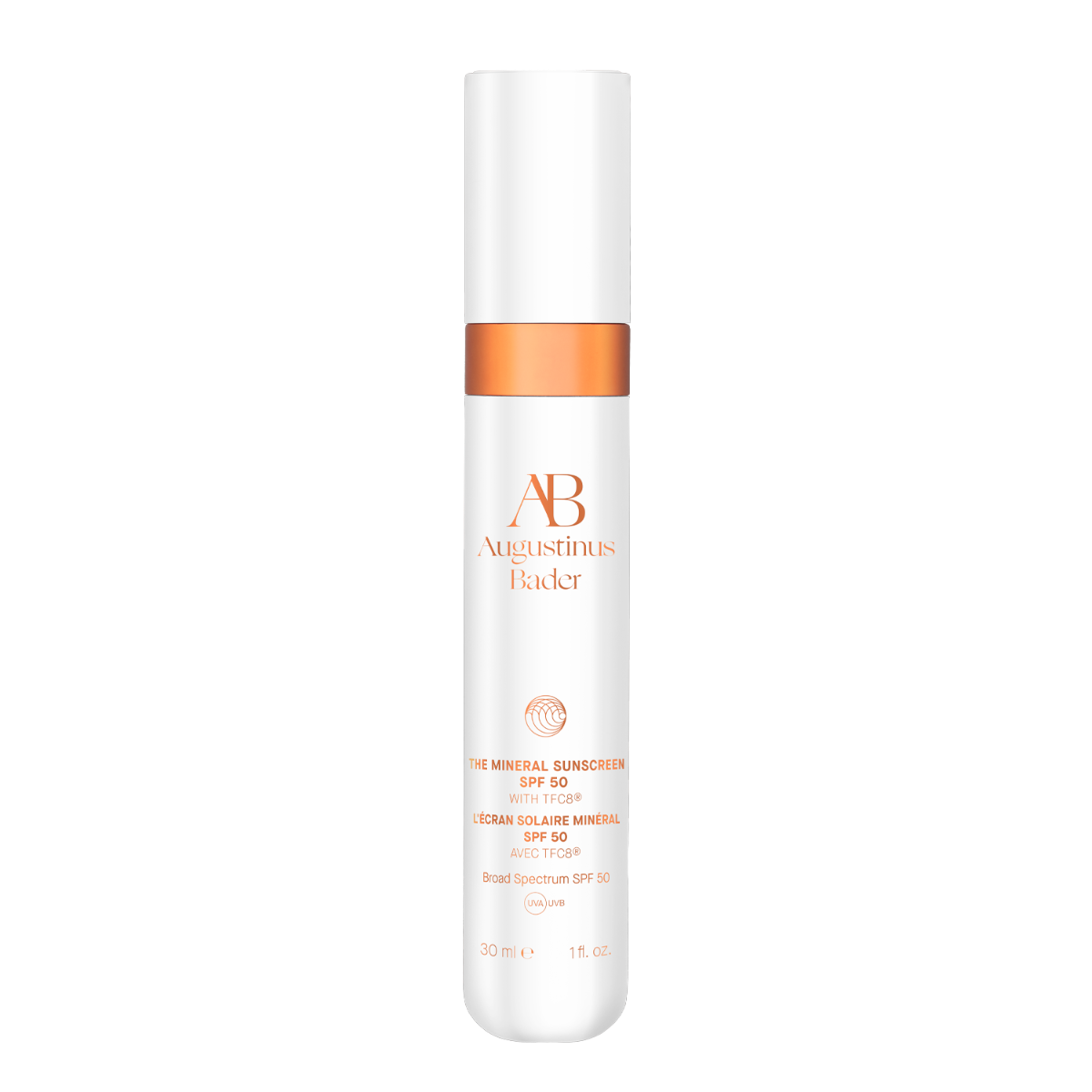
Your morning routine will be a lot more straightforward, but there should be a major emphasis around using sun protection (ideally SPF 50 or higher). “Sunscreen matters enormously if you are using a retinoid at night, because retinoids make your skin more sun-sensitive,” explains Patel.
But before using sun protection, start by rinsing your face with water. If you have oil or scne-prone skin, Patel recommends using a gentle cleanser instead. If you can tolerate it, Zamani suggests adding add on an antioxidant-like vitamin C, followed my moisturizer and SPF.
What concentration of tretinoin is best?
There’s no one size fits all approach for tretinoin. That said, it usually comes in three different strengths: 0.025%, 0.05% and 0.1%. “I typically prefer to start patients at the lower end and increase only as tolerated,” says Zamani. Ultimately, the strength you need will be determined between you and your dermatologist.
What Are the Side Effects of Tretinoin?
Similar to retinol, there are a few side effects you may experience that are worth keeping an eye out for. This includes:
- Dryness
- Peeling
- Redness
- Flaking
- Irritation
“Some of this is common during the adjustment period, and with the right strength and proper counseling, it is usually manageable,” says Patel. “A good routine is built around fitting the tretinoin to the individual patient’s skin type.”
How often should you use it?
Now that you have the key steps for incorperating tretinoin into your routine, you’re probably wondering how often you need to use it to reap the benefits. Spoiler: it’s not every night…well, at least not at first.
“The best retinoid is the one you can use nightly,” says Patel. “The goal is to use it every night without irritation.” Key phrase here “without irritation,” and that doesn’t happen right away for most people. Zamani recommends that patients start by using tretinoin two nights per week and then slowly increasing the frequency every four to six weeks or as the skin tolerates it, noting that starting too aggressively can cause skin irritation. If you’re still concerned about skin sensitivity, it’s best to get specific guidance from your dermatologist.
What should you avoid while using tretinoin?
Before starting tretinoin, keep in mind that you may have to make some adjustments to your current routine to prevent irritation and damage to the skin barrier. For example, you’ll want to skip on any AHA or BHA chemical exfoliants in addition to physical exfoliants. As previously mentioned, you should avoid sun exposure without adequate protection. You should also avoid tretinoin entirely if you are pregnant or breastfeeding. For other specific concerns, talk with your dermatologist.