Monica Ainley is a Who What Wear UK Editor in Residence and a Paris-based fashion and culture writer and broadcaster. She is the co-creator of the influential Fashion: No Filter podcast and the culture podcast Fanfare. Monica also authors Mon Review, a weekly dispatch on aesthetics, literature and contemporary rituals.
In my thus-far triptych series of cultural dressing inspirations, I would be remiss not to mention the late, great Diane Keaton.
There’s something I find brilliantly reassuring about watching Keaton on screen, something which feels increasingly rare in leading ladies today. She has slightly wonky teeth. Her hair moves and frizzes and generally acts like hair. Her face, too, looks like a face rather than a wildly expensive glazed surface. Of course, none of this should be remarkable, yet somehow it is. Also, she looks incredibly, timelessly stylish in pretty much every role. Not despite any of the above, but because the whole thing works together: the clothes, the expressive face, the amazingly untethered personality and funniness. They are part of her beauty. It’s that much-feted nonchalance people spend years trying to acquire. Keaton never looks like she’s presenting a perfect version of herself. She just looks extremely, specifically, like herself. And curiously, so do her characters.
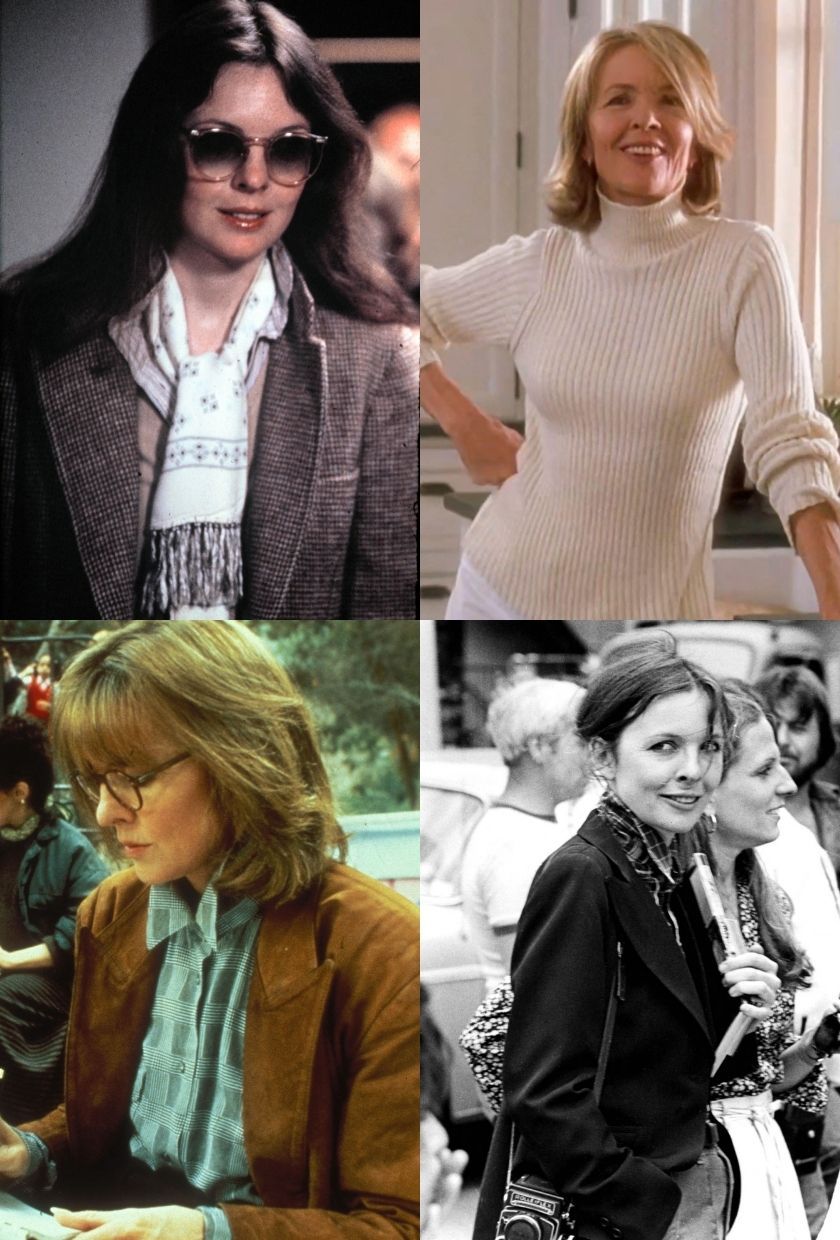
So let’s break down three of her most iconic roles, filmed at three different points in her life, which conveniently provide three pillars of timeless dressing—and are some of my main go-tos when I can’t work out what to wear and the clock is ticking.
Annie Hall (1977)
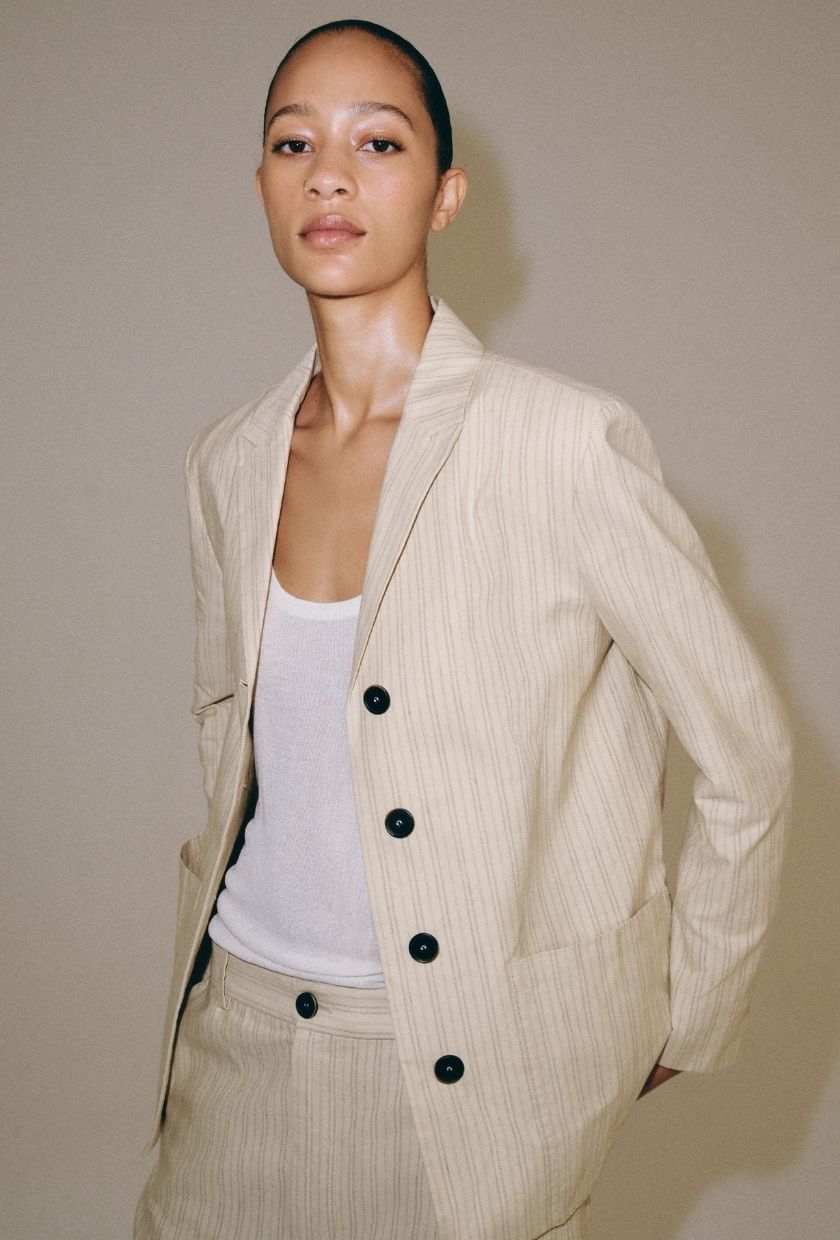
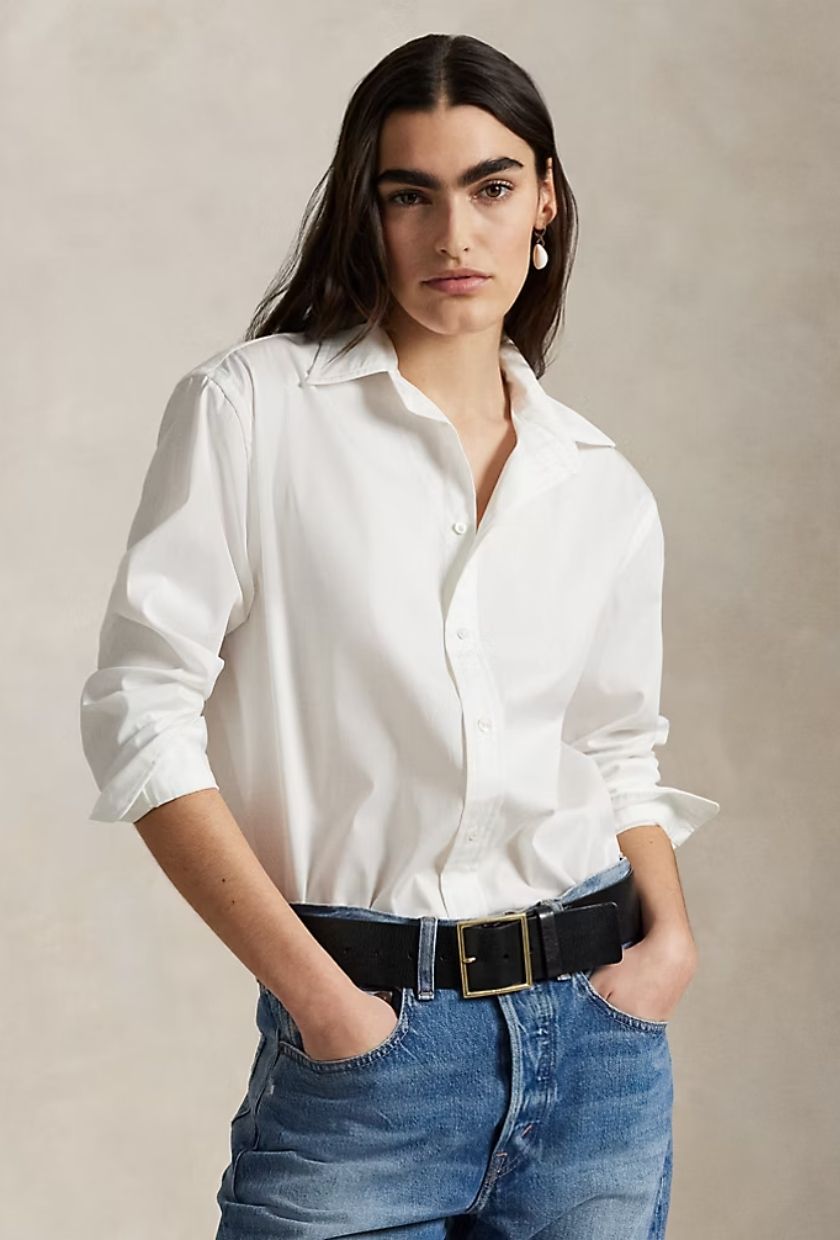
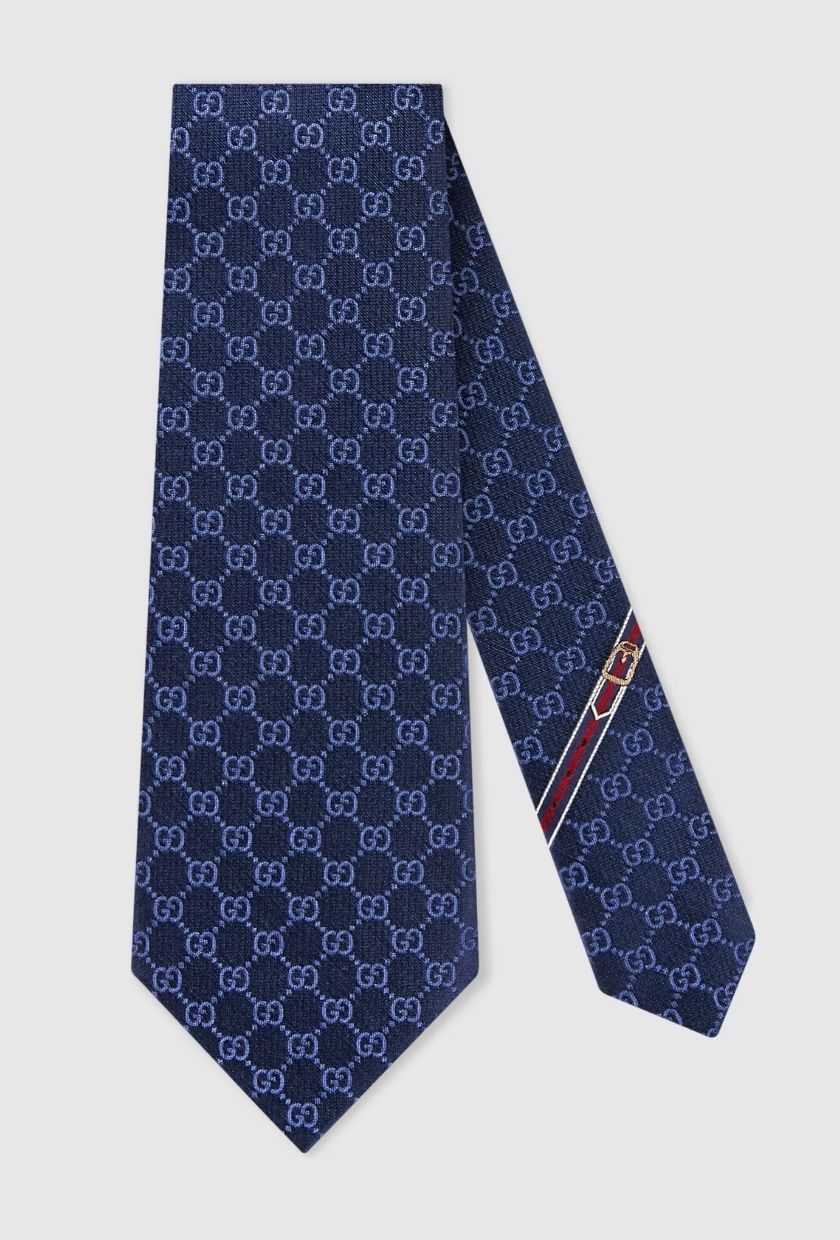
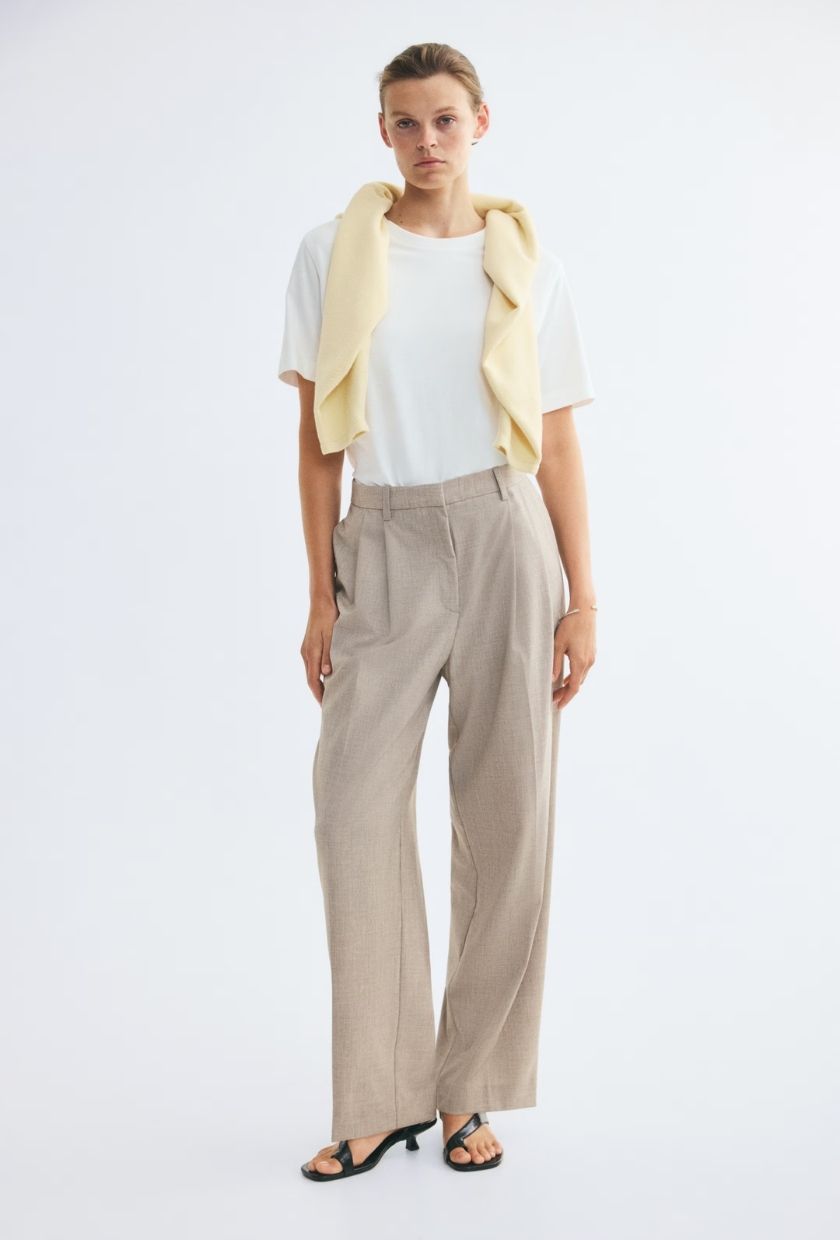
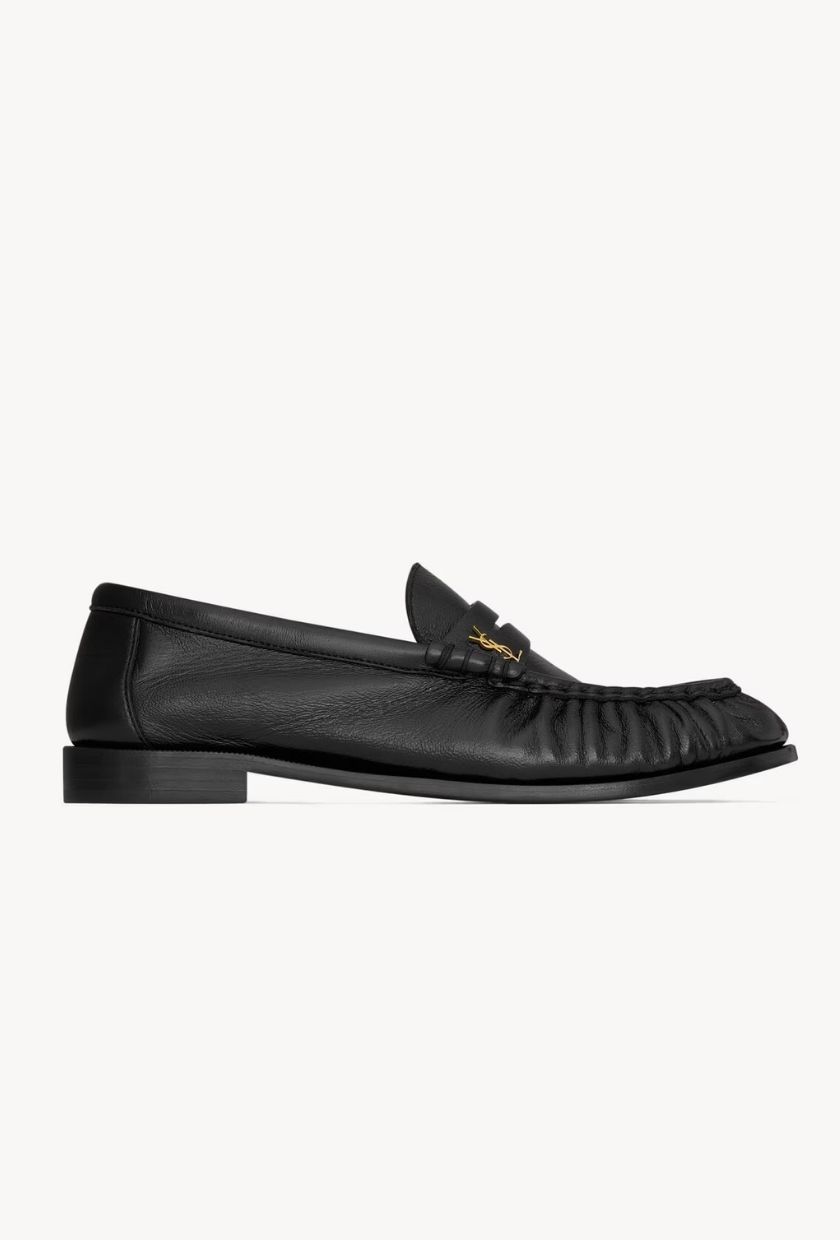
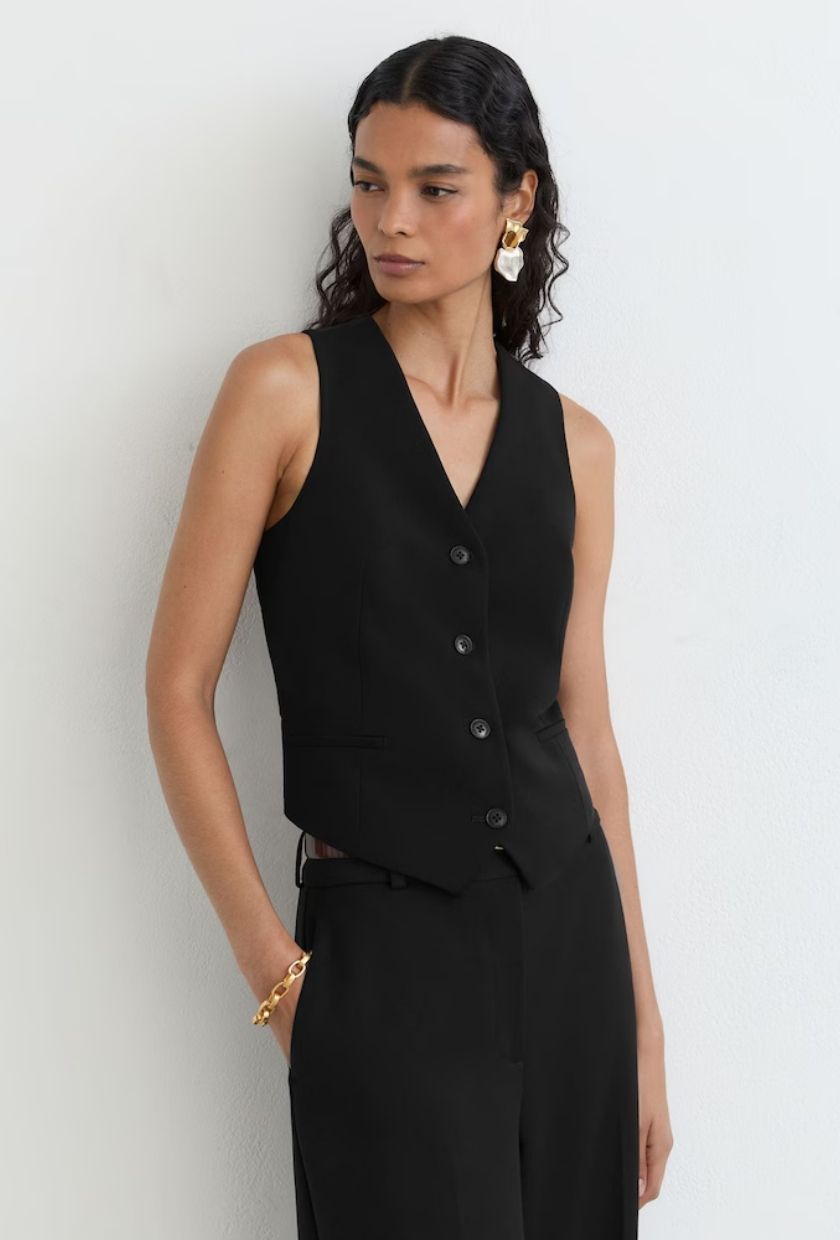
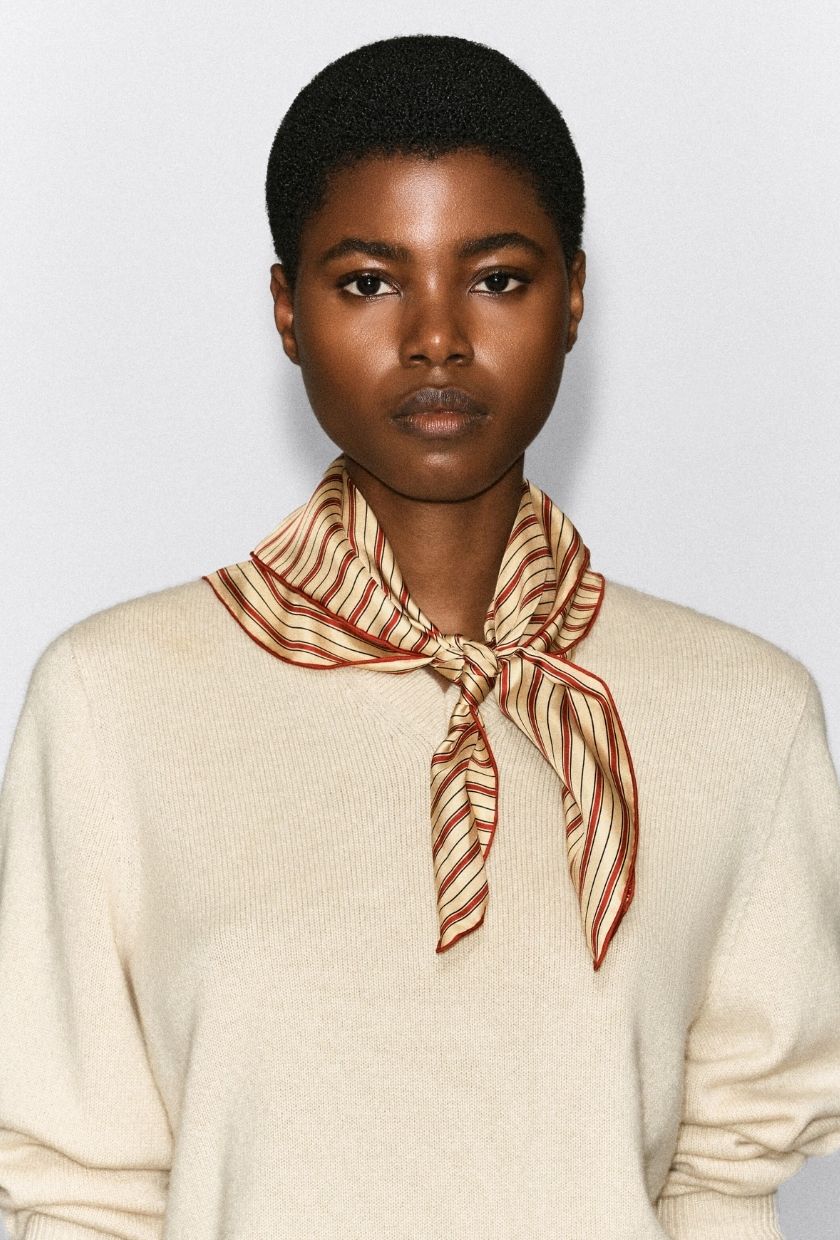
Granted, this is a complicated film to revisit now, but the strange thing about Annie’s wardrobe is how thoroughly it has escaped the film that contained it. Annie doesn’t really dress “androgynously” in the severe, minimalist sense. She dresses boyishly, but with abundance. There’s a lot of fabric, information and imagination: high-waisted pleated trousers, oversized men’s shirts, waistcoats, ties, jackets, scarves, hats and loafers and guess what? They all work together.
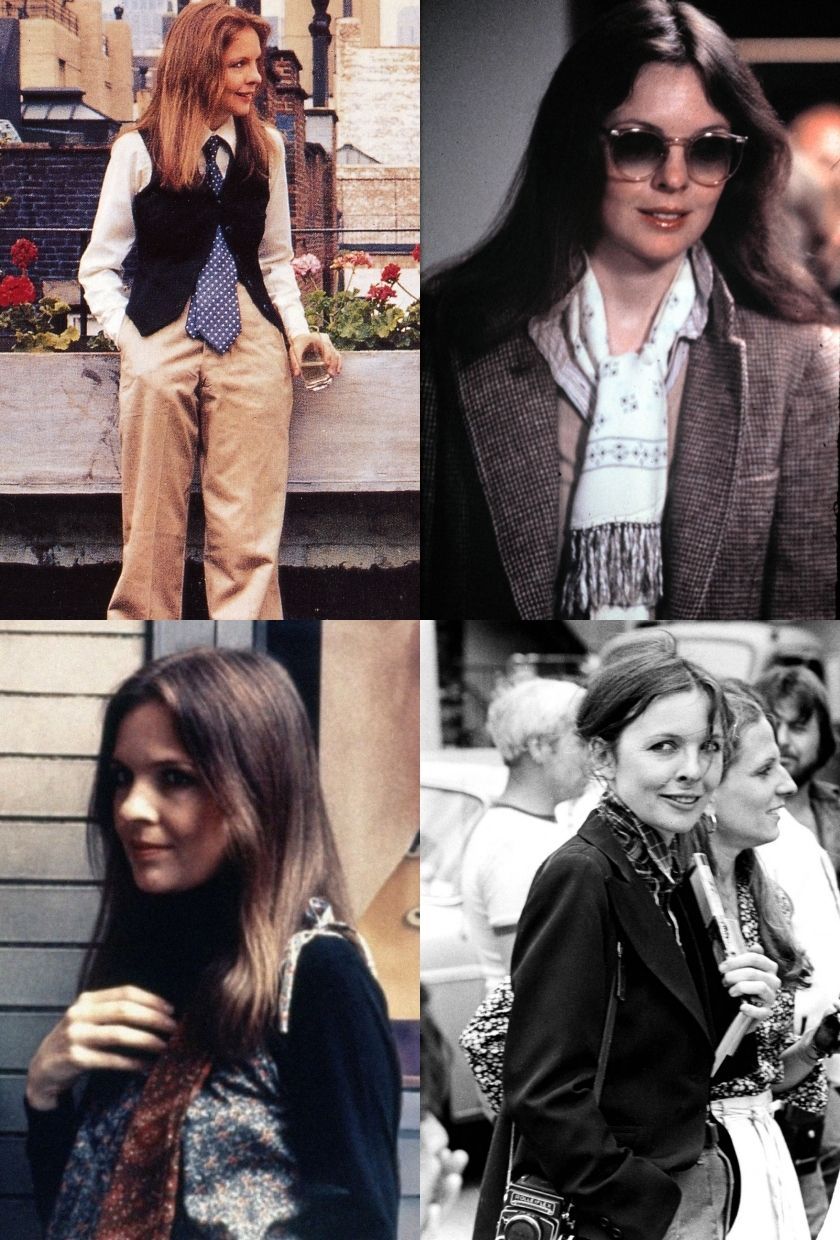
It’s tempting to reduce Annie to tie + waistcoat + hat, but the reason she looks so good is more down to proportions: huge trousers pulled high at the waist, roomy shirts under smaller waistcoats and long jackets thrown over the lot. She doesn’t just borrow one token men’s item; she layers it all with aplomb. Meanwhile, the palette keeps it from becoming too costume-y. And then there’s the undone quality—perhaps the most Keaton bit. A collar isn’t sitting perfectly, sleeves are rolled or pushed, a hat looks shoved on rather than painstakingly positioned. The clothes can be precise, but the wearing of them isn’t.
Which makes sense because Annie’s wardrobe is unusually close to Keaton’s own. Ruth Morley was the film’s costume designer, but Keaton brought much of her existing way of dressing to the character, with Ralph Lauren also in the mix, naturally. Lauren himself later put it neatly: “Annie’s style was Diane’s style.”
So when I’m standing in front of the mirror thinking something is a bit much, Annie is a useful reminder that perhaps the answer isn’t taking one thing off after all. Maybe it needs a hat or a waistcoat. Or both.
Shop Annie Hall-Inspired Clothing
Baby Boom (1987)
I recently rewatched this 1987 classic, written by Nancy Meyers and her then-husband Charles Shyer, and couldn’t believe I hadn’t been taking style notes all this time.
The premise: a ballsy, high-powered working woman “in a man’s world” (yes, this is very much how a woman at the office downtown was seen in ’87,) has her fast-paced life turned upside down when she takes in a baby girl following the death of a distant relative. The plot is both moving and hilarious and the aesthetics, per Nancy Meyers everything, are breathtaking. But before the impossibly lovely Vermont farmhouse comes J.C. Wiatt’s Manhattan wardrobe.
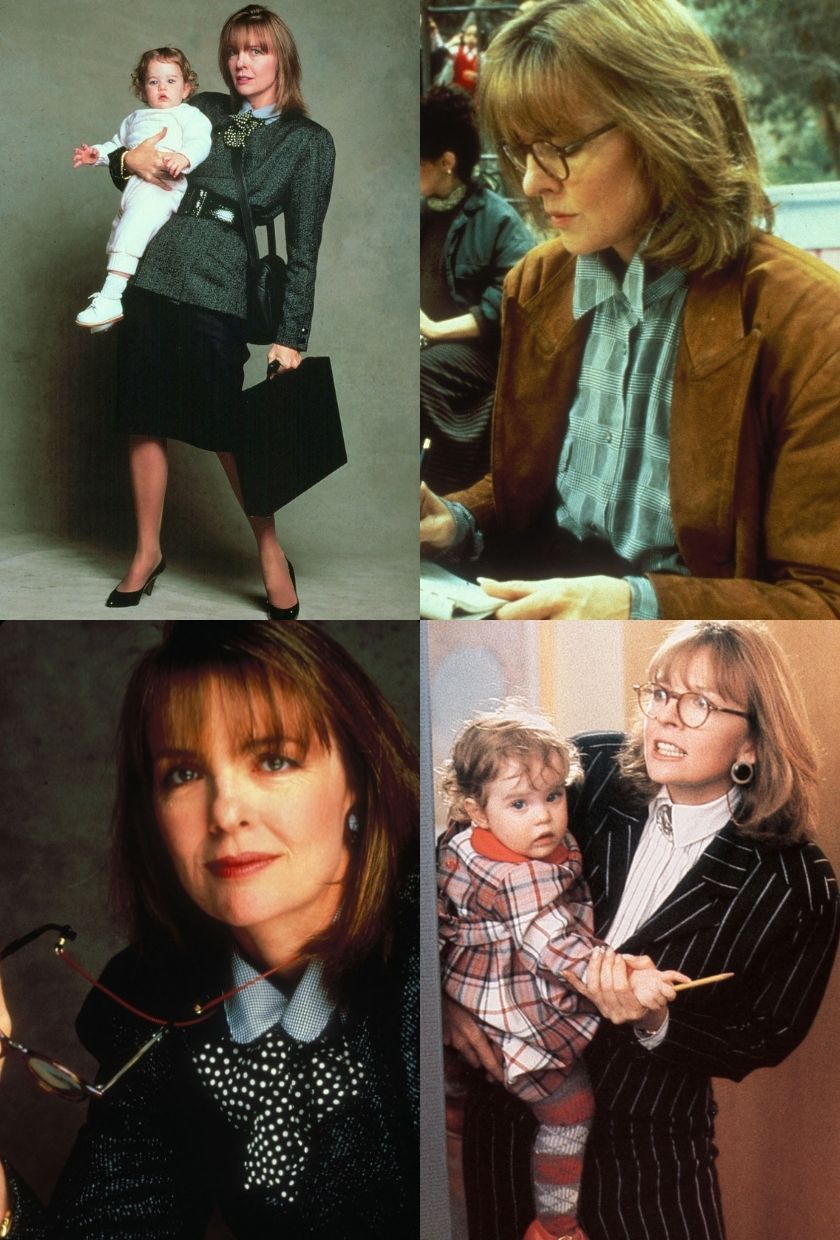
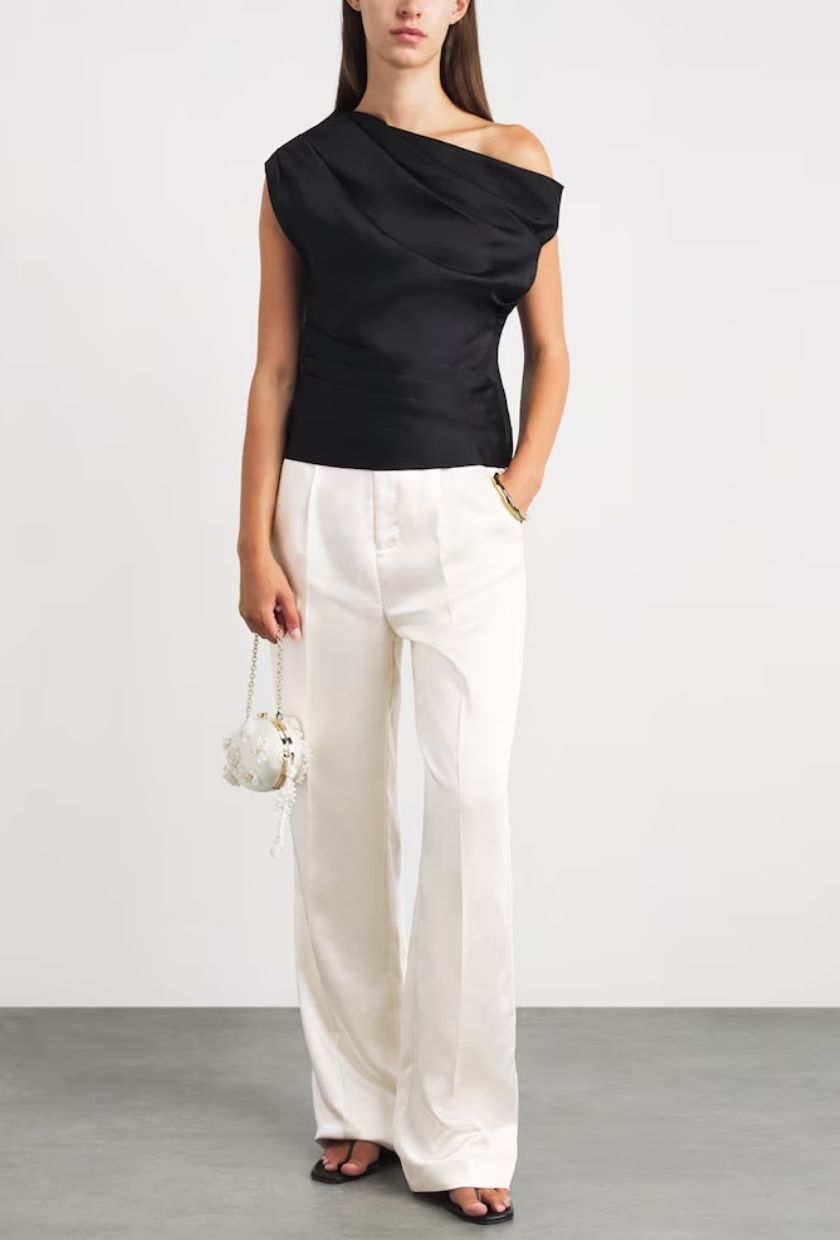
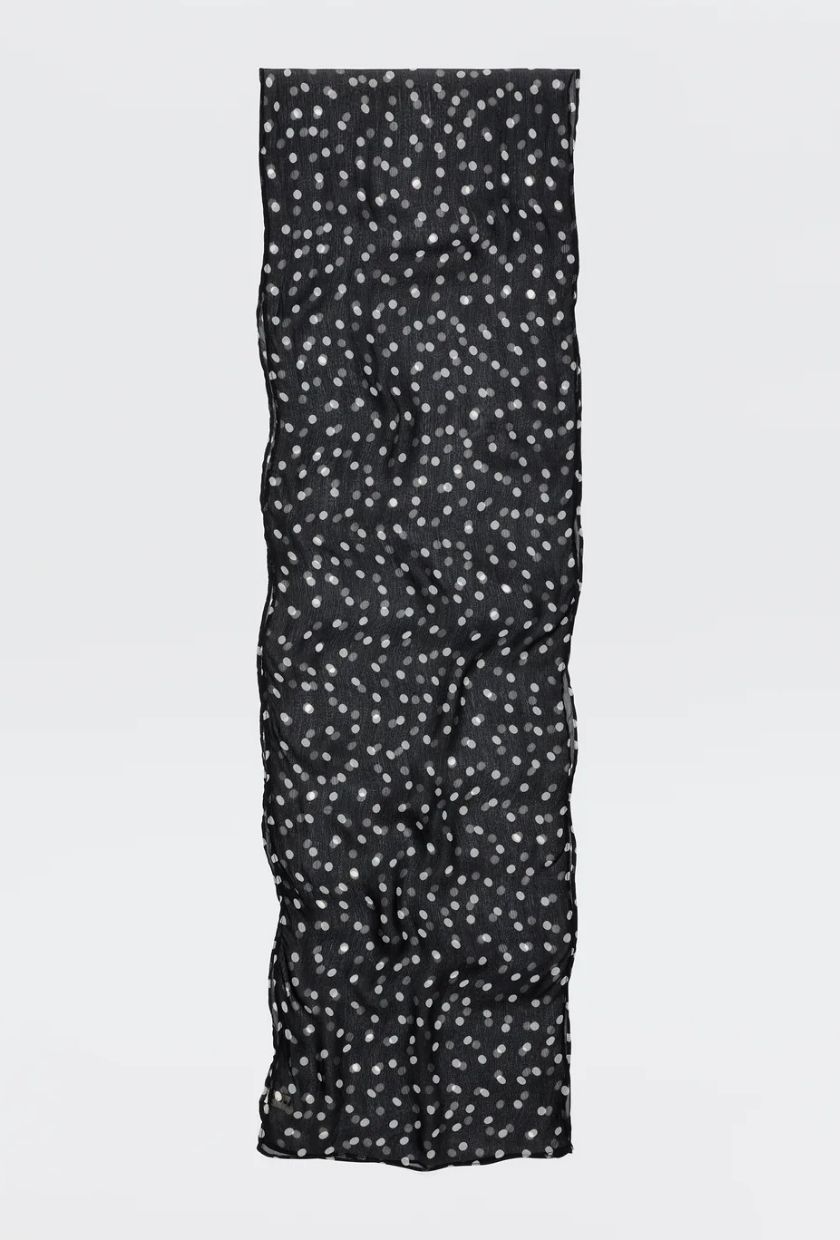
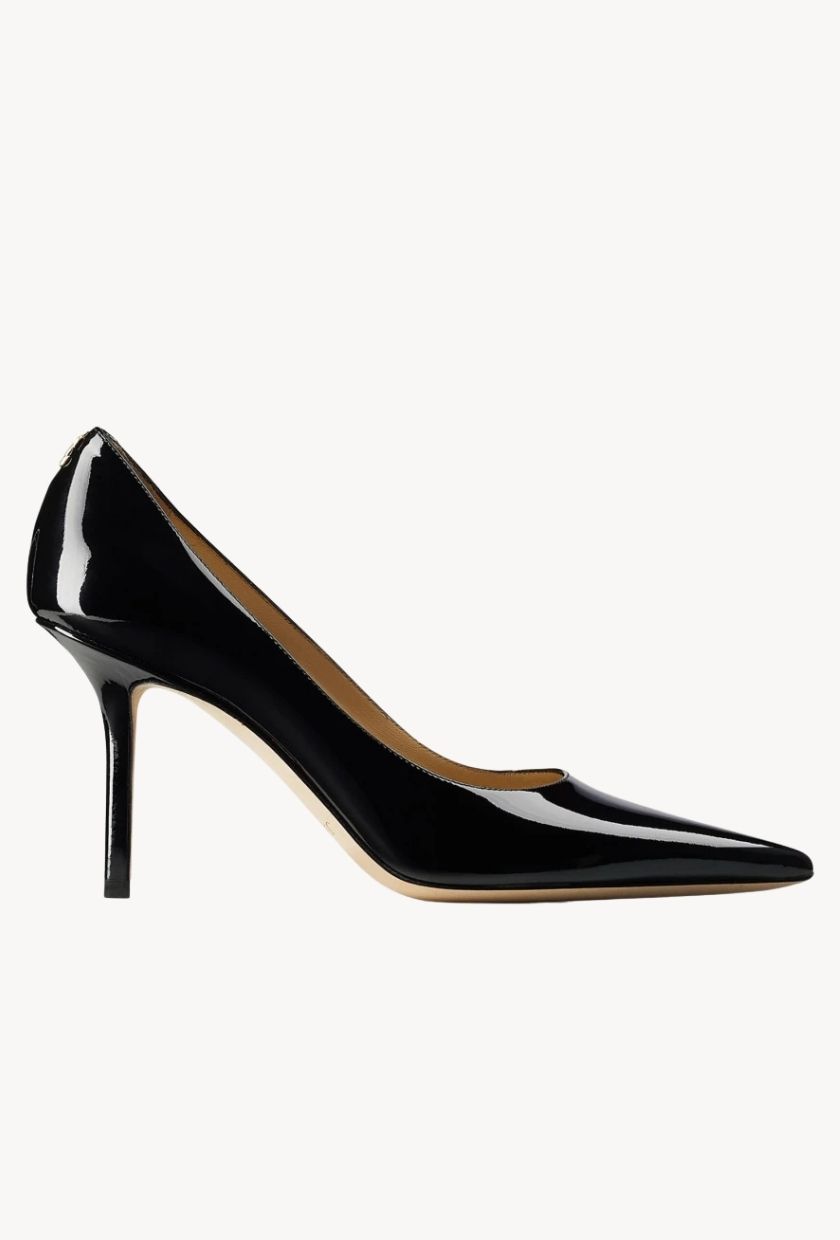
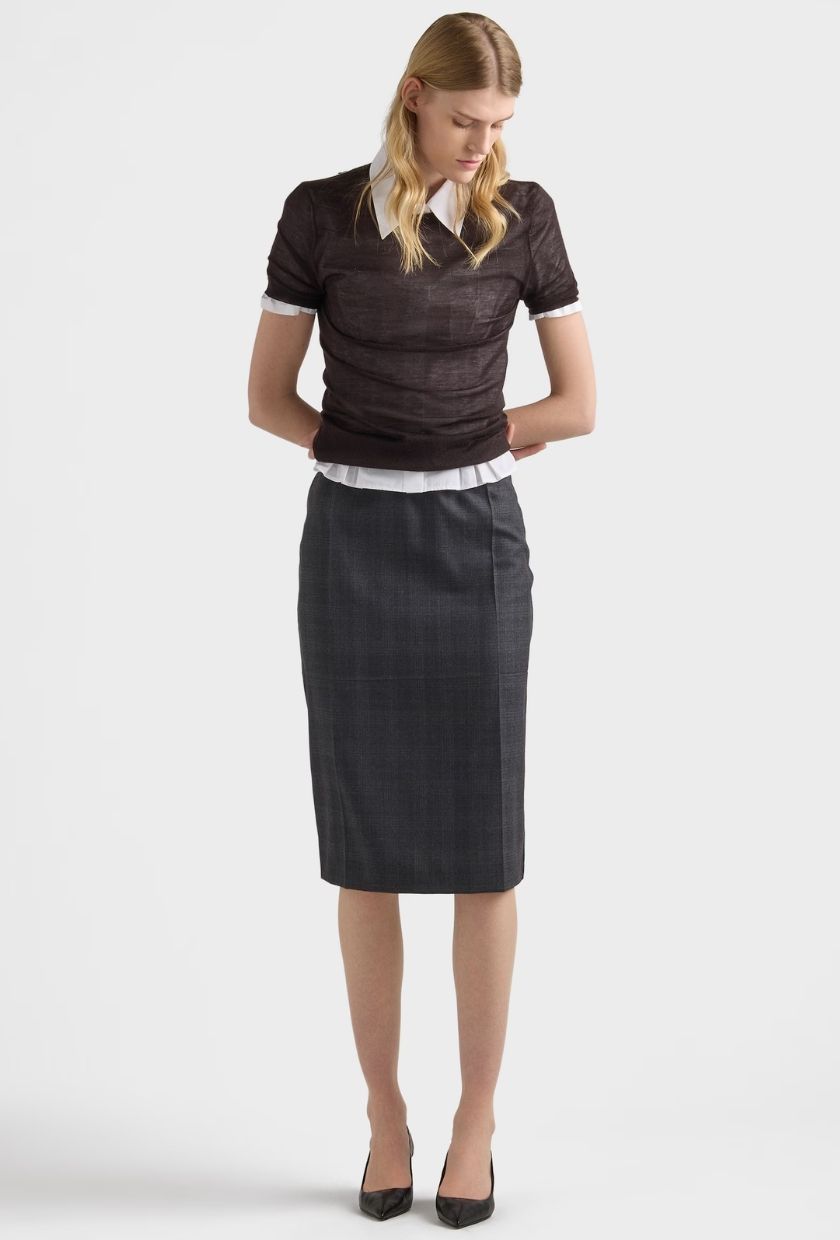
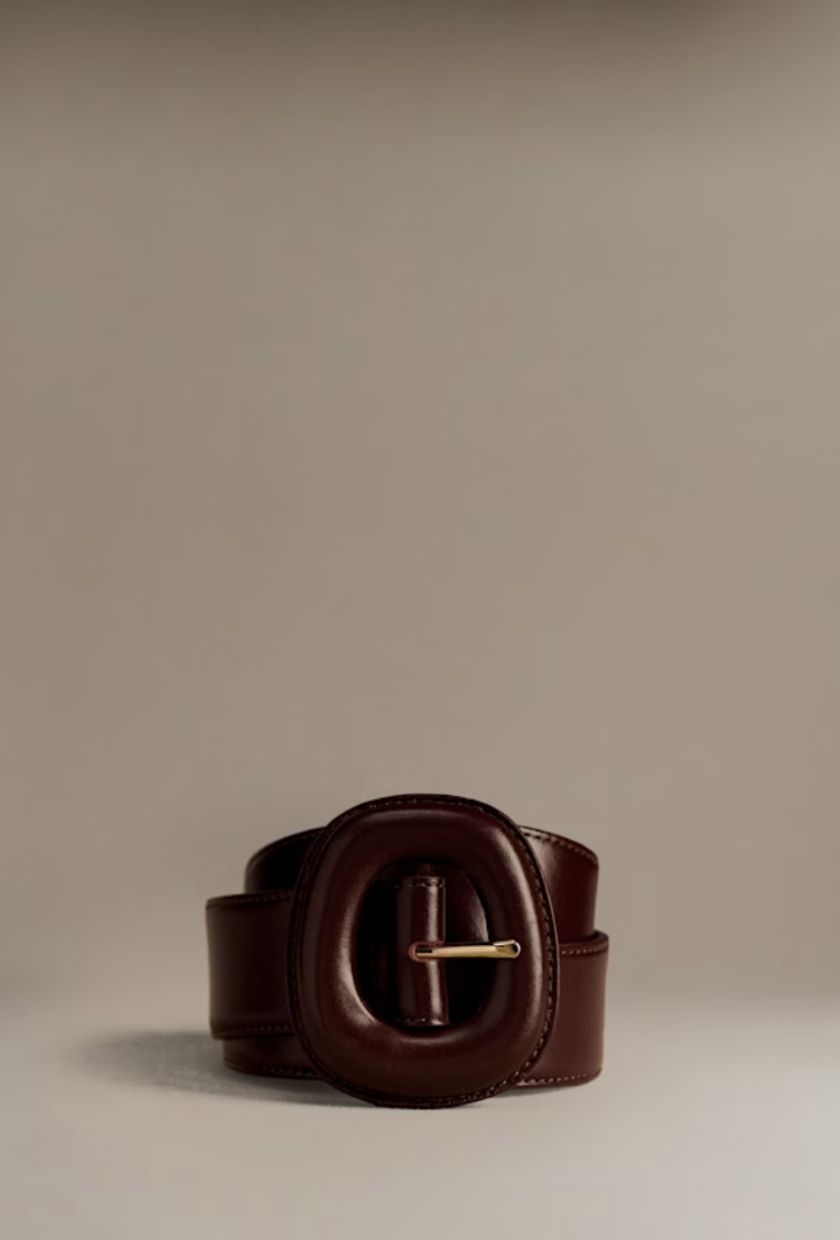
J.C. is an Eighties career woman, but not in the Dynasty sense. There are strong shoulders, yes, but also beautifully cut suits, long coats, silk blouses buttoned right up, knee-length skirts (hello, Prada S/S 27) and extremely sensible pumps. The palette is grown up—navy, camel, grey, cream, black, a hint of red—and everything looks expensive without screaming that it is.
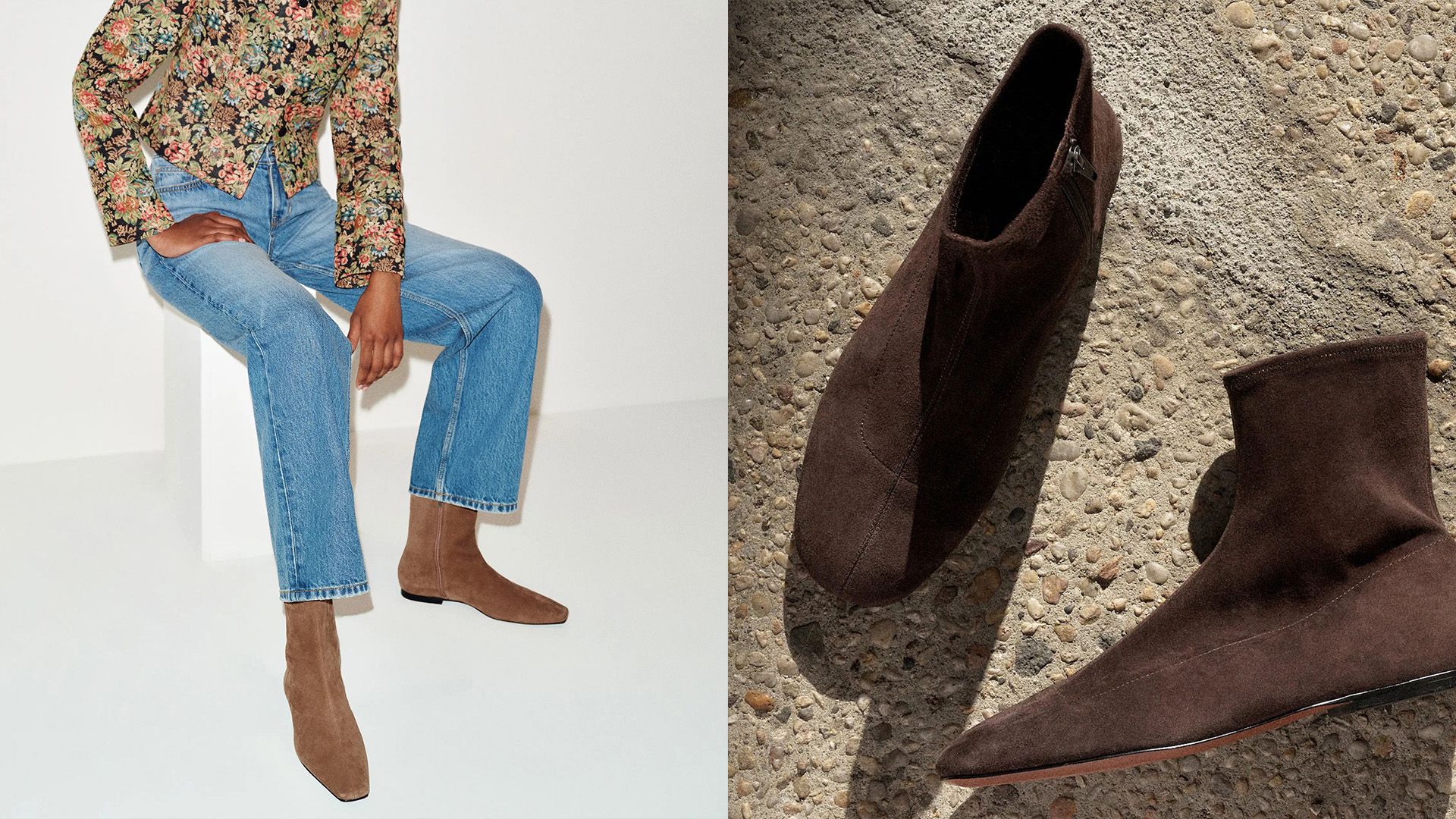
Costume designer Susan Becker imagined J.C. as the sort of woman who would find a shoe that worked and buy it in every colour. (I know some women like this today and, frankly, goals.) Nothing in her wardrobe gets in her way; her bags go across her body without fuss, her skirts allow her to walk and she looks very feminine without anything being flimsy or girlish or overtly sexy. When Manhattan gives way to Vermont (I won’t spoil any further), the wardrobe loosens into a series of the most excellent knitwear, denim, boots and layers maybe ever documented on film. That said, she never suddenly becomes a gingham-clad country mouse, she still looks like J.C. Wiatt.
Shop J.C. Wiatt-Inspired Clothing
Something’s Gotta Give (2003)
Then, there’s Something’s Gotta Give’s Erica. Here, Keaton re-meets Nancy Meyers, this time writing and directing solo, for the ultimate low-key stylistic hurrah. In the 2003 film, Erica Berry is the mother of Harry Sanborn’s much younger girlfriend, Marin. Harry, played by Jack Nicholson, arrives at Erica’s Hamptons house with her daughter (played by Amanda Peet) and ultimately falls for her mother. With no shade whatsoever to Peet, rightly so. He is not only making the age-appropriate choice, but perhaps the aesthetically superior one, too.
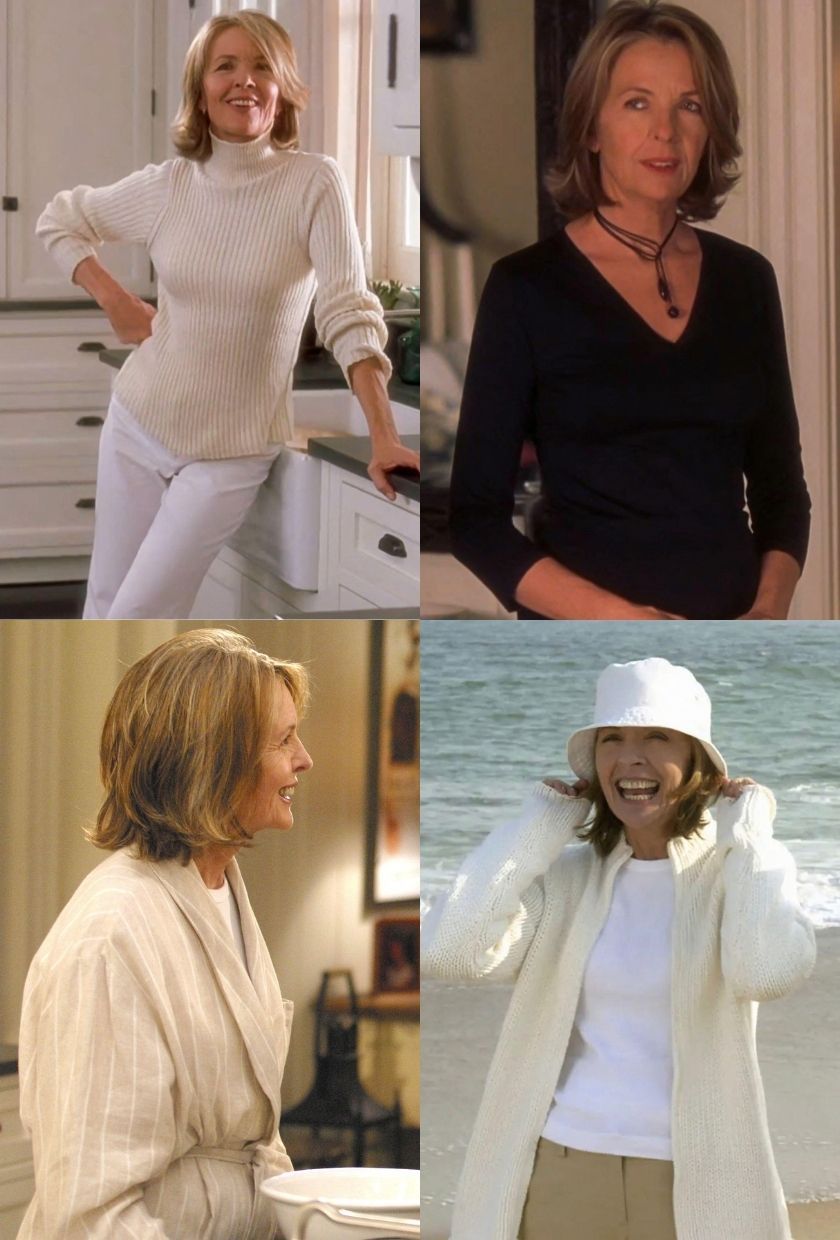
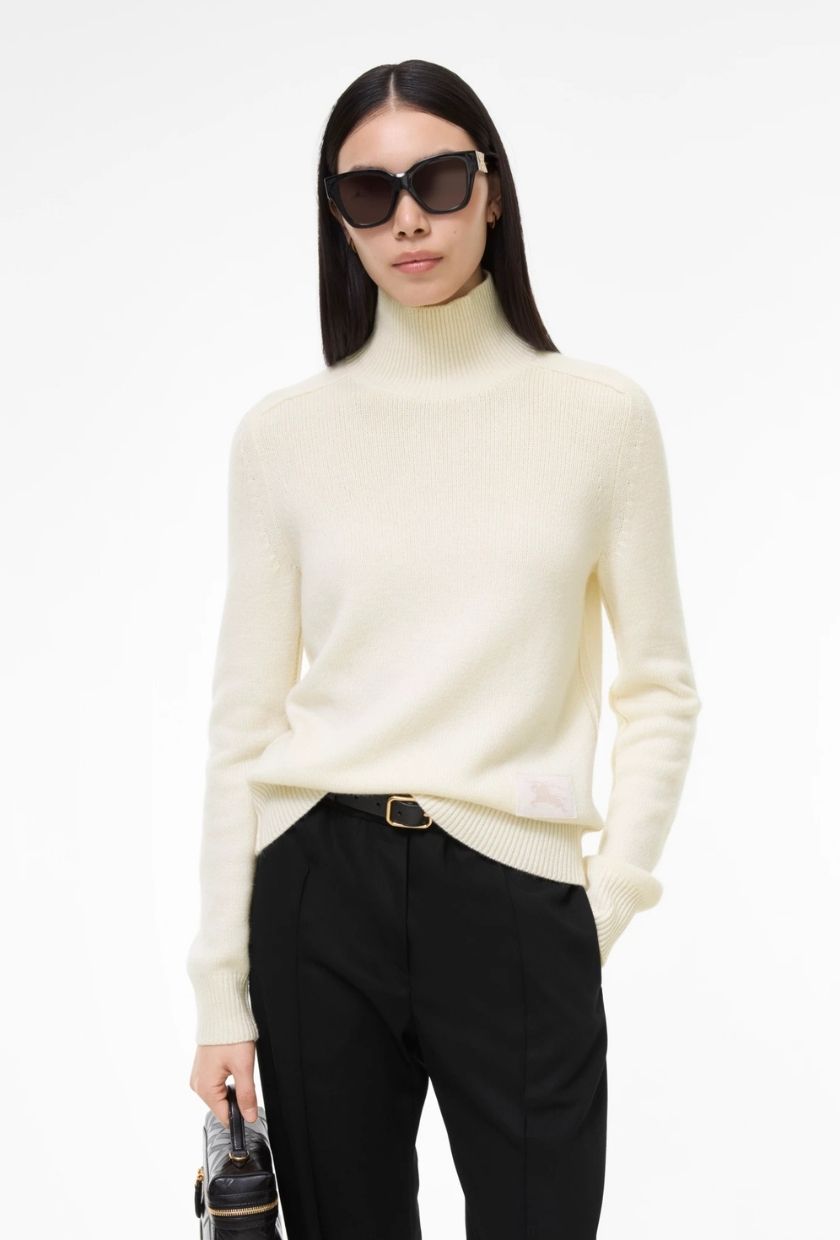
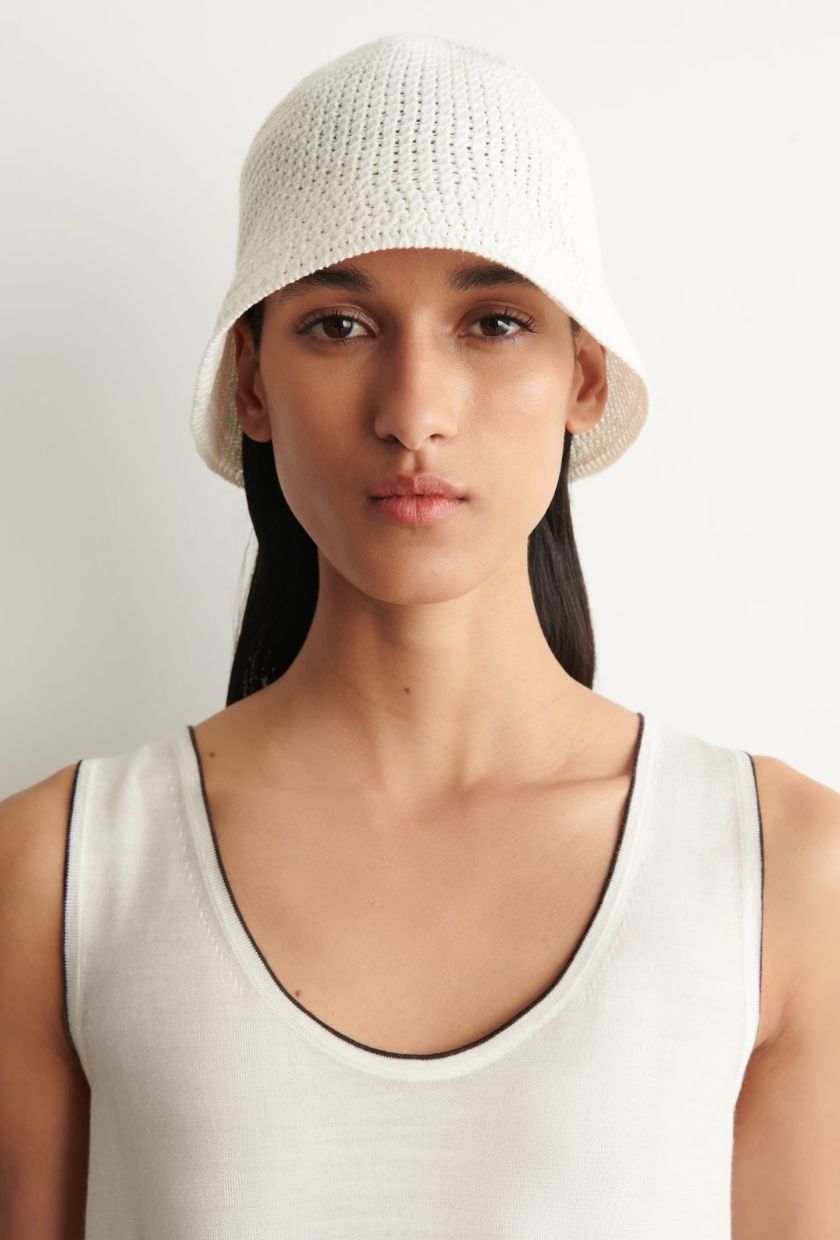
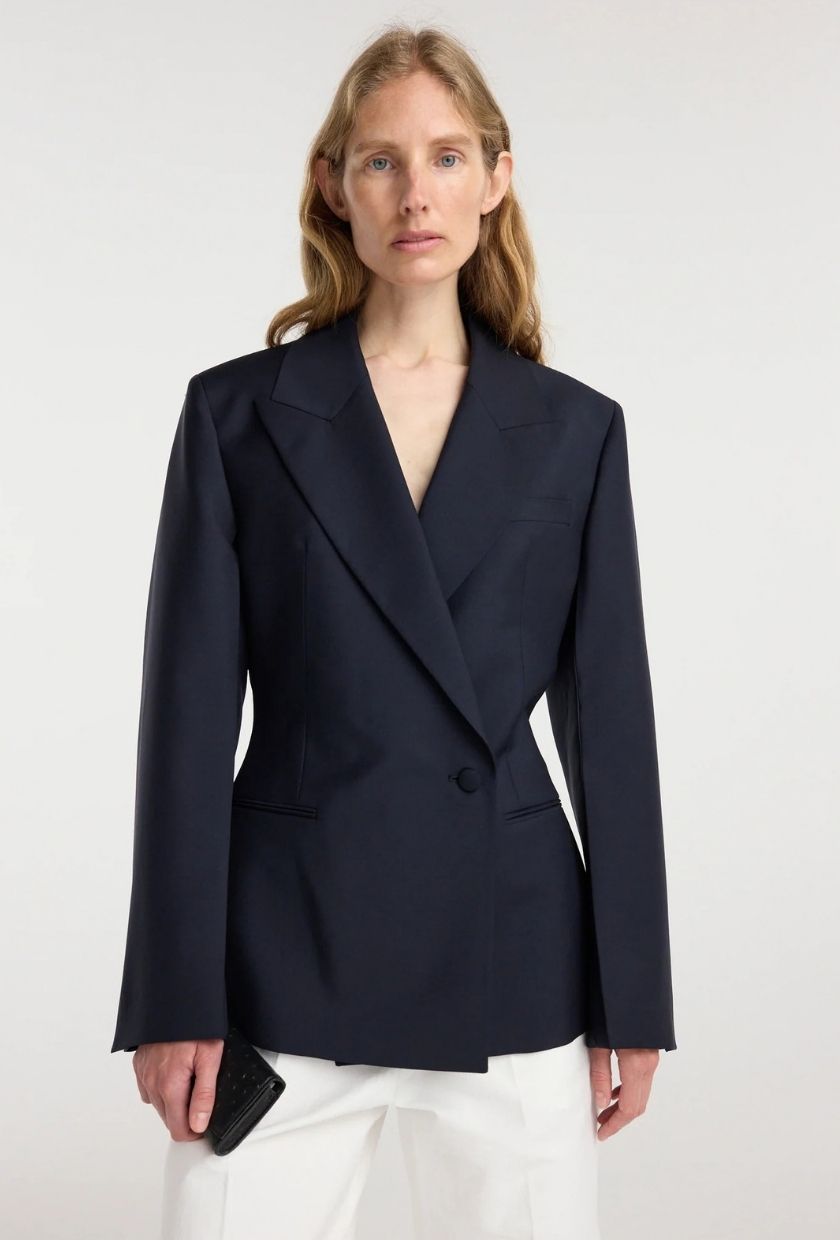
For Erica is the divorcee made utterly sophisticated, and her clothes are so attractive precisely in their nonchalance and lack of try-hard—white shirts, cream trousers, cashmere knits, flat shoes, long skirts and, famously, a great many turtlenecks. At one point, Harry questions the turtlenecks, given that it’s summer. “I guess I’m just a turtleneck kinda gal,” Erica replies.
And this, really, is the whole thing.
Erica knows what she likes and has stopped negotiating with herself about it. Her clothes skim rather than cling, and she is often completely covered up. There’s no strategic flash of skin deployed to reassure us that a woman over 50 can still be sexy—she simply is.
She’s routinely filed under the internet category of “coastal grandmother”, but that does her wardrobe a slight disservice. The appeal isn’t really that she looks rich in the Hamptons—it’s that she looks entirely at ease with the person she has become (a much-admired playwright, by the way). And that’s the common thread.
Annie piles on the things she likes. J.C. finds the shoe that works and buys it in every colour. Erica wears a turtleneck in August because she is a “turtleneck kinda gal”. Perhaps the Keaton school of dressing is simply this: Work out what you love and become slightly stubborn about it.
Shop Erica Barry-Inspired Clothing