Brussels has proposed additional restrictions on banks, energy infrastructure and shipping while seeking a role in Ukraine peace talks
The EU unveiled its proposed 22nd round of sanctions against Russia on Monday, targeting the country’s banking system, military veterans and athletes. EU nationals would also be barred from holding positions in the governing bodies of Russian companies.
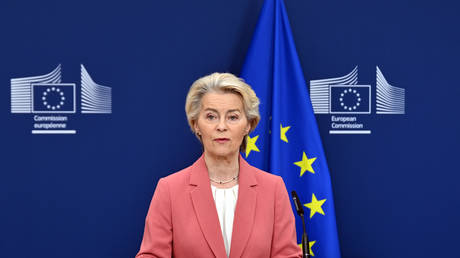
European Commission President Ursula von der Leyen said the proposed restrictions were aimed at pressuring Moscow to agree to a “lasting peace in Ukraine.” Russia has repeatedly dismissed Western sanctions as illegal and counterproductive to diplomatic efforts to resolve the conflict.
The latest package would extend restrictions to around 60 Russian banks, as well as cryptocurrency and payment networks.
“We will focus on Russia but also include third countries that help Russia to evade our sanctions,” von der Leyen said, without elaborating.
The restrictions would also ensure that “no European company can help Russia build, operate, or repair its energy infrastructures, and notably its refineries,” she added.
The bloc also plans to blacklist more than 70 additional merchant vessels it believes are part of the so-called “shadow fleet” helping Russia circumvent sanctions. Moscow has denied operating such a fleet and condemned the seizure of Russia-linked vessels in international waters as acts of piracy.
The EU is also seeking to restrict entry for current and former Russian military personnel who fought in Ukraine, citing fears of sabotage. A similar measure was included in the previous sanctions package but was reportedly opposed by major EU tourist destinations, including France and Italy. Moscow previously described the proposal as “paranoid.”
Von der Leyen also proposed barring “Russian teams and athletes competing under the Russian flag” from sporting events in the EU, apparently in response to recent decisions by several international federations to ease restrictions on Russian competitors.
Earlier this year, the International Olympic Committee (IOC) provisionally lifted its suspension of the Russian Olympic Committee, prompting other international sports bodies to reconsider their restrictions. The shift drew criticism from Ukraine and its staunchest supporters in the EU.
The latest sanctions push comes as Ukraine’s European partners scramble to secure a place in negotiations with Russia after European representatives were sidelined during this month’s US-mediated talks between Moscow and Kiev in Abu Dhabi.
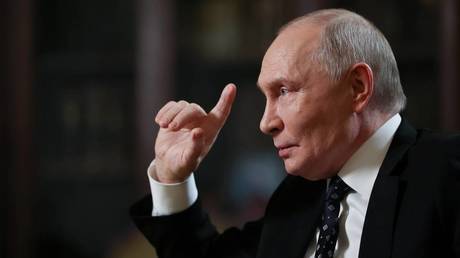
European Commission spokeswoman Paula Pinho said on Monday that the bloc was not ready to accept Russian President Vladimir Putin’s invitation to send a delegation to Moscow. The Kremlin previously said the EU would need to demonstrate goodwill and tone down its rhetoric before engaging in talks.