As both a beauty editor and a practising esthetician, one of the questions I’m asked more than almost any other is, “What skincare routine should I be using for mature skin?” And while there are thousands of products promising to erase wrinkles overnight, the reality is far less complicated than the beauty industry often makes it seem.
After spending years testing products professionally, treating skin in the clinic and helping clients build routines that actually fit their lifestyle, I’ve found that the biggest mistake people make isn’t choosing the wrong products—it’s trying to do too much. Mature skin doesn’t need a 15-step routine filled with every trending ingredient. In fact, overloading the skin often leads to irritation, dehydration and a compromised skin barrier, making many signs of ageing appear even more pronounced.
Instead, I encourage my clients to think about skincare as supporting the skin’s natural functions rather than fighting against ageing itself. As we get older, skin naturally becomes slower at repairing itself, produces less oil, loses collagen and elastin, and struggles to retain moisture as efficiently as it once did. The goal of a routine for mature skin is to compensate for those changes with ingredients that protect, strengthen and replenish.
The good news? You don’t need an entirely new skincare wardrobe every decade. A few well-chosen products used consistently will almost always outperform an overflowing bathroom cabinet. Below, I’ve broken down exactly how I recommend building a skincare routine for mature skin, from the essential morning steps that defend against environmental damage to the evening products that support repair while you sleep.

What to Look for
The most common changes I see in my mature clients are increased dryness, dullness, loss of firmness, fine lines, slower healing and a reduction in overall radiance. Many people also notice that products they used for years suddenly don’t seem to perform in quite the same way, simply because the skin’s needs have evolved. Cell turnover naturally slows, collagen production declines, and the skin barrier becomes more vulnerable to dehydration and environmental stressors.
Rather than trying to correct every visible sign of ageing, I recommend prioritising skin health first. Well-hydrated, resilient skin almost always looks smoother, brighter and healthier regardless of age. When choosing products, look for formulas that support the skin barrier, deliver long-lasting hydration, provide antioxidant protection and encourage collagen production without causing unnecessary irritation. Consistency will always have a bigger impact than using the strongest active ingredients available.

How to Build a Skincare Routine for Mature Skin
Whenever I’m building a skincare routine for clients, I follow one simple principle: every product should have a clear purpose. Rather than layering multiple products that all claim to do the same thing, I focus on creating a balanced routine that protects the skin during the day and supports repair overnight.
In the morning, the priority is prevention. This means cleansing away overnight oil and sweat before applying antioxidants to help defend against free radical damage, moisturising ingredients to strengthen the skin barrier and, most importantly, a broad-spectrum sunscreen to protect collagen from UV damage. No anti-ageing product will outperform daily SPF.
Evening skincare is where I encourage clients to invest a little more time. Whilst we sleep, the skin naturally shifts into repair mode, making it the ideal time to introduce ingredients like retinoids that encourage collagen production and improve skin texture over time. Because mature skin is often drier, I also like to pair stronger actives with hydrating serums and nourishing moisturisers to minimise irritation and keep the skin barrier healthy.
Above all, don’t feel pressured to overhaul your routine overnight. Introduce one active ingredient at a time, allow your skin several weeks to adjust and prioritise consistency over perfection. In my experience as an esthetician, the routines that deliver the best long-term results are rarely the most complicated—they’re the ones people actually enjoy using every single day.
Morning Skincare Routine
1. Cleanser
A morning cleanse helps remove sweat, excess oil, and any skincare residue left behind overnight without stripping the skin. For mature skin, I always recommend choosing a gentle, hydrating cleanser rather than anything that leaves the skin feeling tight or squeaky clean. Cream, milk and low-foaming gel formulas are all excellent options, particularly if your skin leans dry or sensitive. If your skin feels comfortable after cleansing, you’ve chosen the right formula—the goal is simply to refresh the complexion while preserving the skin barrier.
Shop cleansers for mature skin:
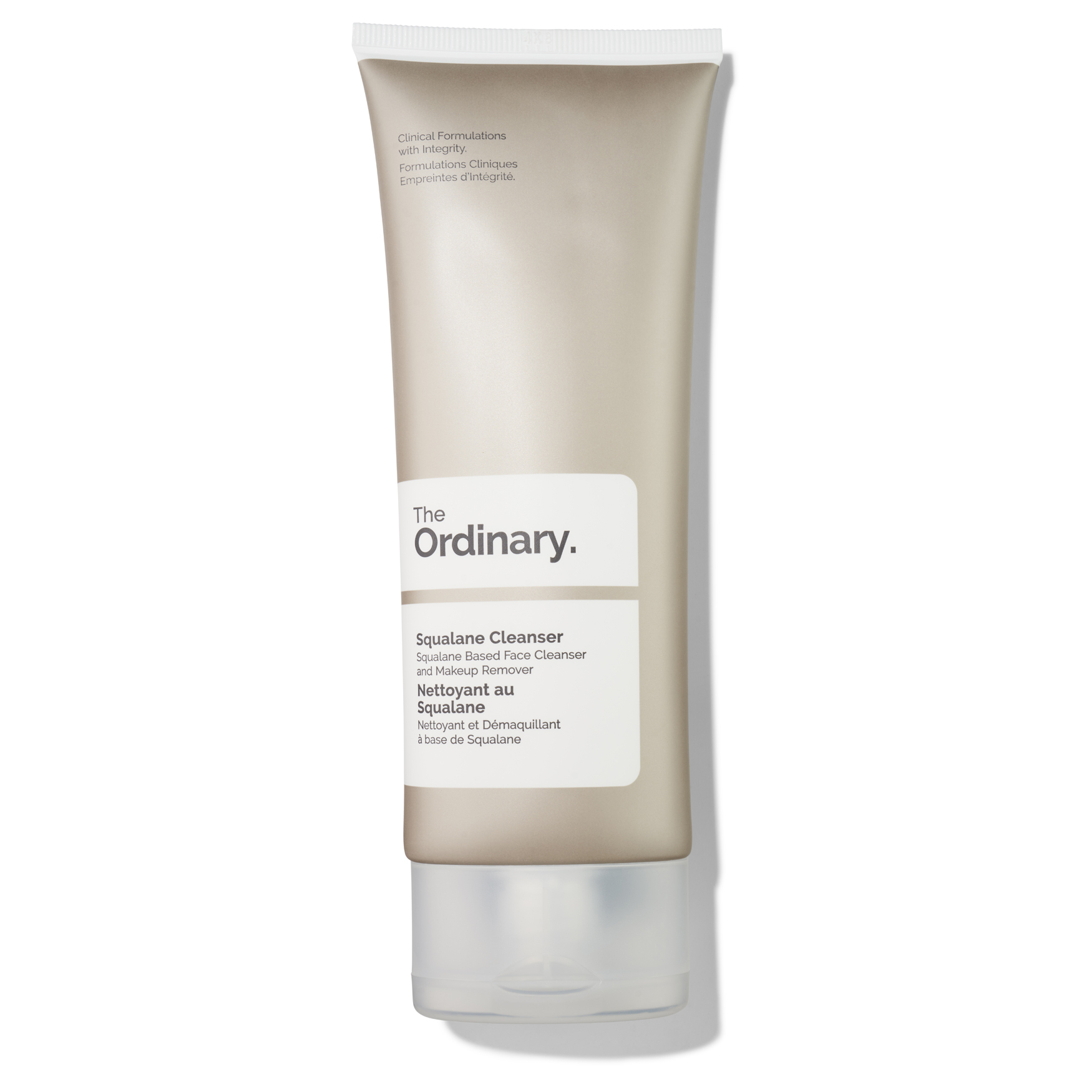
One of the reasons I continue to recommend this cleanser as an esthetician is because it proves that a morning cleanse doesn’t have to leave skin feeling squeaky clean to be effective. The balm-to-oil formula uses plant-derived squalane to dissolve overnight oil and skincare residue before emulsifying into a light milk when water is added. It’s particularly well suited to mature complexions that are prone to dehydration.
Pros
- Lightweight balm texture feels nourishing without being greasy
- Leaves skin soft and comfortable with no tightness
- Affordable price point
- Fragrance-free and suitable for sensitive skin
Cons
- Some users with oilier skin feel it doesn’t provide a deep enough cleanse
- Requires a little massage to fully emulsify
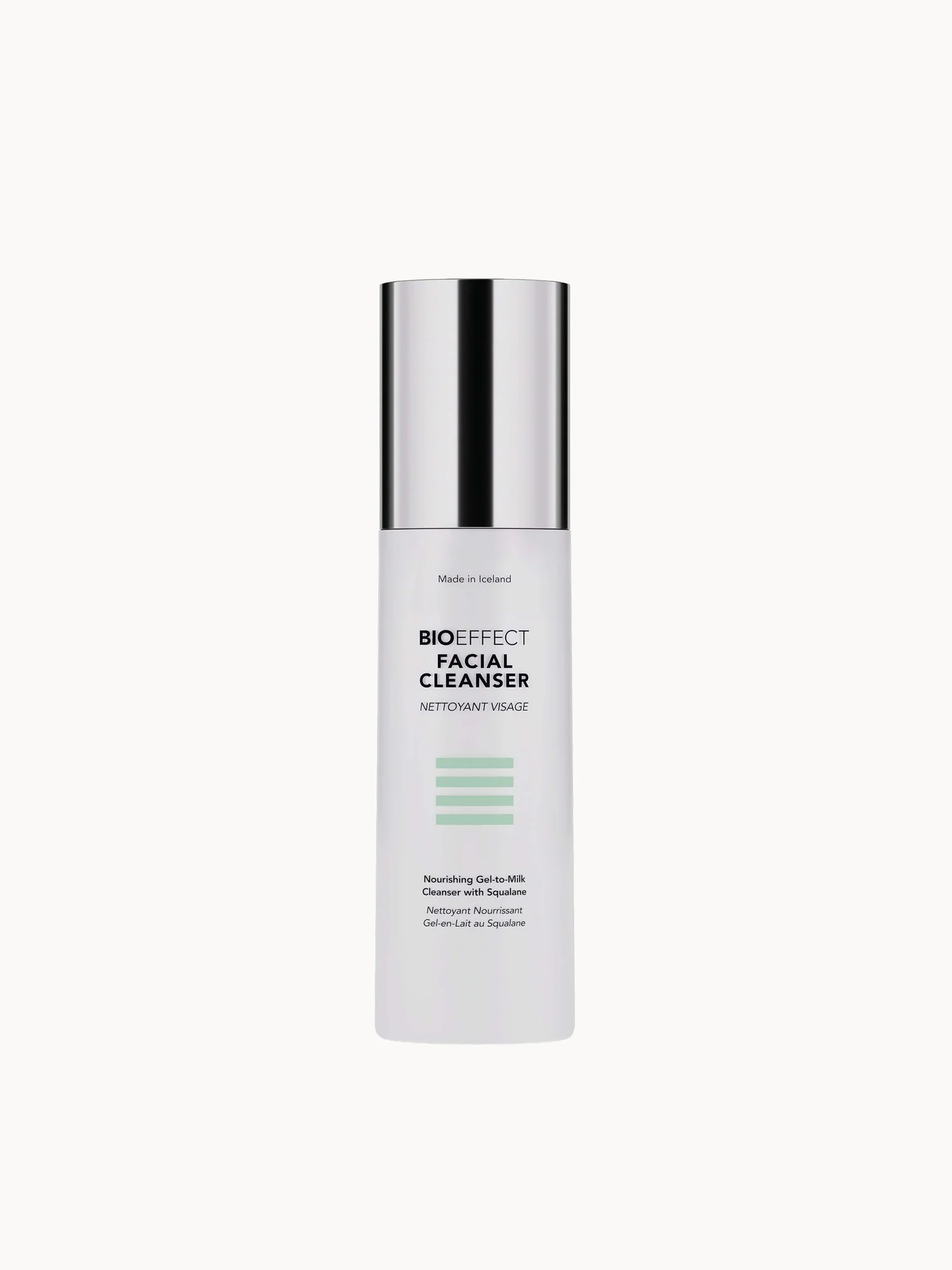
If your skin has become increasingly dry with age, this is the kind of cleanser that makes your entire routine feel more luxurious. Bioeffect’s gel-to-milk formula removes impurities without disrupting the skin barrier, thanks to a combination of squalane and nourishing humectants that leave skin feeling exceptionally comfortable afterwards. I particularly like it for mature skin because it cleanses thoroughly whilst preserving the lipids that naturally decline as we get older.
Pros
- Very gentle and non-stripping
- Luxurious texture
- Suitable for sensitive skin
Cons
- Expensive price point
2. Toner
Forget the alcohol-heavy toners of the past. Today’s formulas are designed to replenish hydration, calm inflammation, and prepare the skin for the products that follow. I like to think of toner as your first layer of hydration, especially for mature skin that tends to lose moisture more easily. Look for ingredients like glycerin, hyaluronic acid, panthenol, or soothing botanical extracts, and avoid anything that leaves the skin feeling dry or tight.
Shop toners for mature skin:
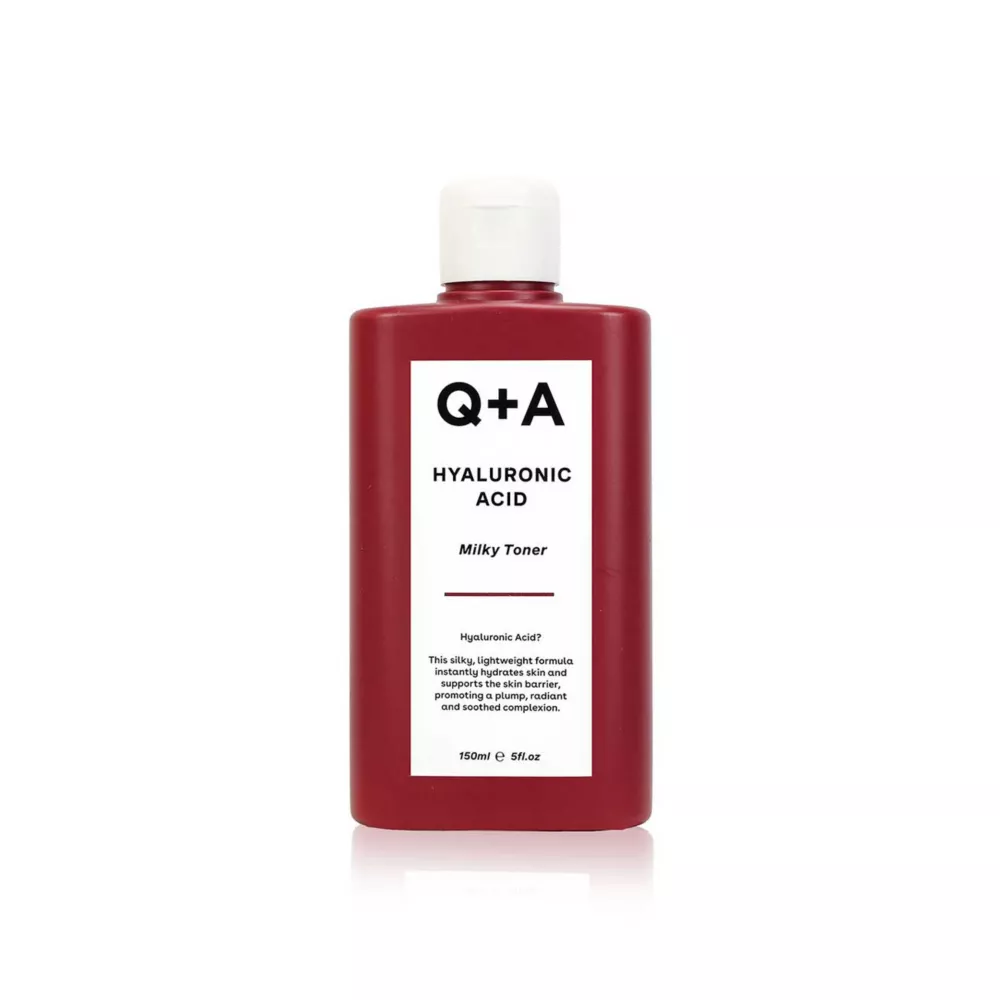
Milky toners have become one of my favourite product categories to recommend for mature skin because they deliver an extra layer of hydration without adding heaviness, and this affordable option from Q+A is an excellent example. Rather than functioning like the astringent toners that you may have grown up using, it works more like a lightweight essence, combining hyaluronic acid with oat and glycerin to replenish moisture immediately after cleansing. Applied while skin is still slightly damp, it helps improve hydration levels and allows the products that follow to spread more evenly. If your skin often feels tight after washing, this type of toner can make a noticeable difference.
Pros
- Lightweight milky texture absorbs quickly and nourishes skin
- Fragrance free
- Affordable price point
Cons
- Small size may run out quickly with daily use
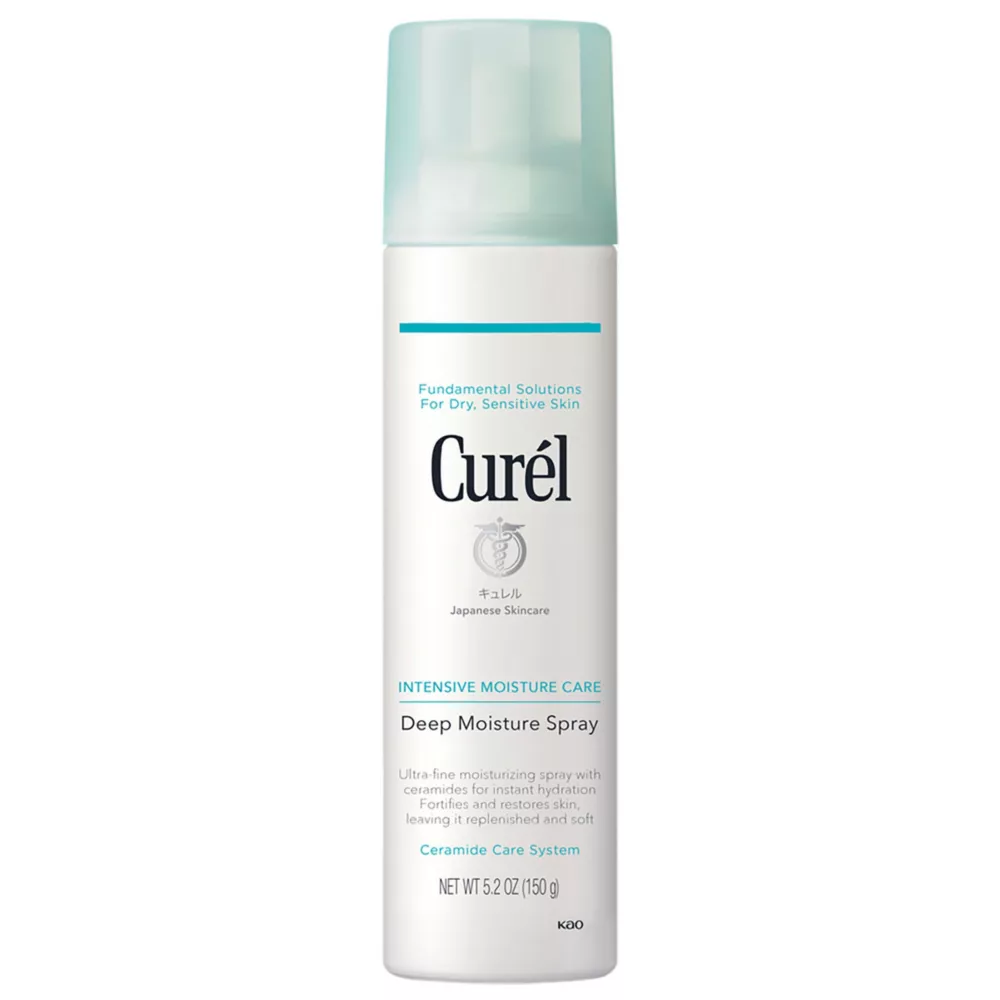
If you prefer applying hydration in mist form, Curel’s cult-favourite spray is one of the few I’d genuinely recommend. Unlike many facial mists that simply provide a temporary feeling of freshness, this formula contains ceramides that actively help support the skin barrier while delivering lightweight hydration. I often recommend it to clients whose mature skin feels tight throughout the day, as it can be used after cleansing, between skincare layers or even over makeup without disrupting your base.
Pros
- Can be used over makeup
- Feels refreshing in warm weather
- Convenient travel-friendly packaging
Cons
- Expensive price point
3. Antioxidant Serum
If there’s one serum I recommend almost universally for mature skin, it’s an antioxidant. Ingredients such as vitamin C, vitamin E and ferulic acid help neutralise free radicals created by UV exposure and pollution, both of which contribute to collagen breakdown and premature skin ageing. Alongside helping protect the skin, antioxidant serums can also improve brightness and support a more even-looking complexion over time. Apply before moisturiser each morning for maximum protection.
Shop antioxidant serums for mature skin:
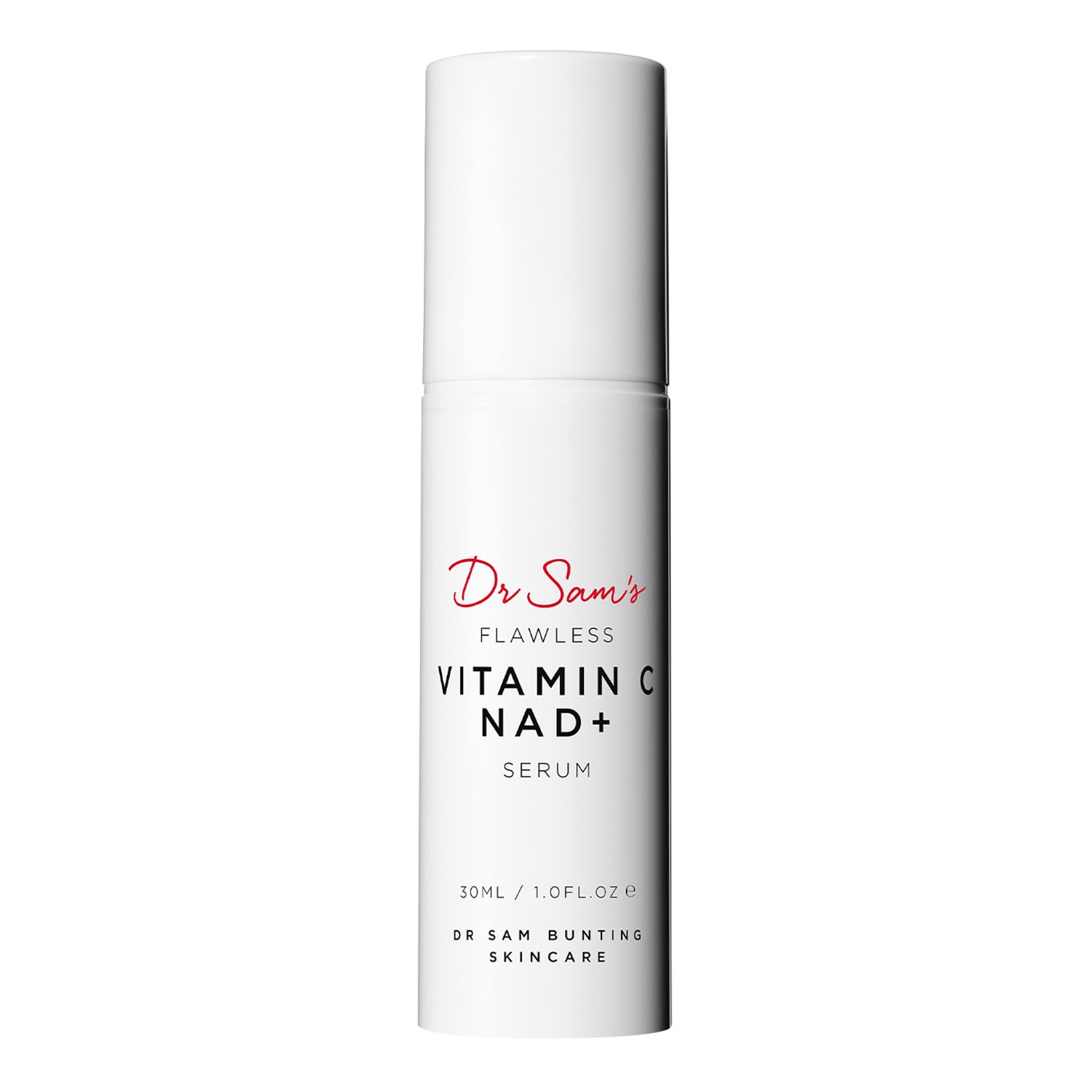
Alongside a stable vitamin C derivative, this serum has incorporated NAD+ technology to support the skin’s natural repair processes while helping brighten dullness and defend against environmental damage. The lightweight texture absorbs beautifully without feeling sticky, making it easy to layer underneath moisturiser and SPF every morning. If your goals include improving radiance while taking a preventative approach to skin ageing, it’s one of the most sophisticated antioxidant formulas currently available.
Pros
- Brightens without irritating sensitive skin
- Layers well under makeup and sunscreen
- Fragrance free
Cons
- Expensive price point
- Results develop gradually rather than immediately
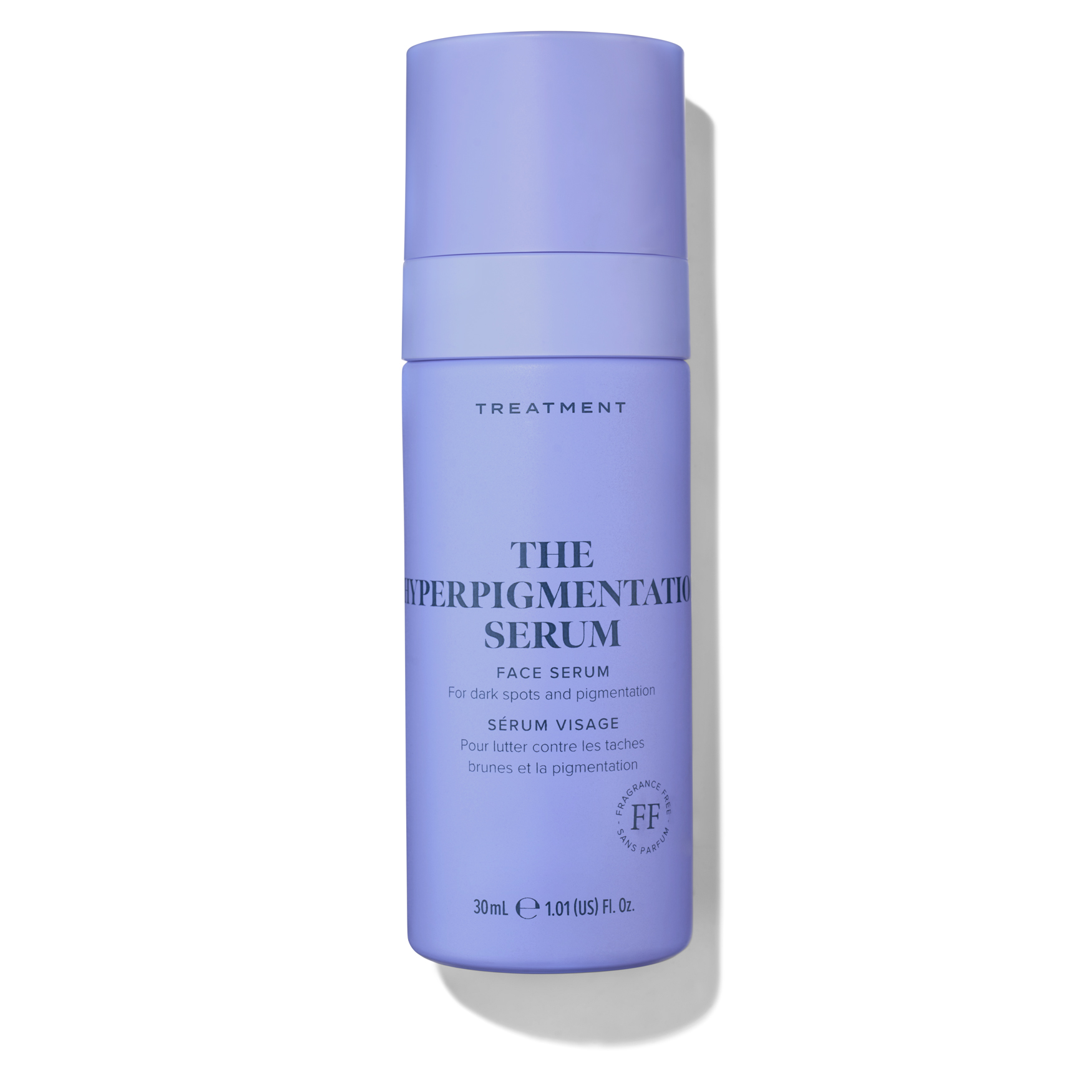
If pigmentation has become one of your biggest skincare concerns—as it often does with mature skin—this serum is well worth considering. Rather than relying on a single hero ingredient, it combines multiple pigment-correcting actives to tackle uneven tone from different angles while remaining surprisingly gentle on the skin. I like that it focuses on long-term improvements without compromising the skin barrier, making it easier to incorporate alongside a retinoid. With consistent use and daily sunscreen, it helps create a brighter, more even-looking complexion over time.
Pros
- Targets multiple causes of pigmentation
- Gentle enough for regular use
- Helps improve overall skin radiance
Cons
- Expensive price point
- Requires patience before results become noticeable
4. Moisturiser
As oil production naturally declines with age, a moisturiser becomes increasingly important for maintaining a healthy skin barrier. Rather than simply adding water to the skin, a good moisturiser helps prevent moisture loss throughout the day while softening the appearance of fine lines caused by dehydration. I recommend looking for ingredients like ceramides, squalane, peptides, and fatty acids, which help replenish the skin and support long-term resilience.
Shop moisturisers for mature skin:
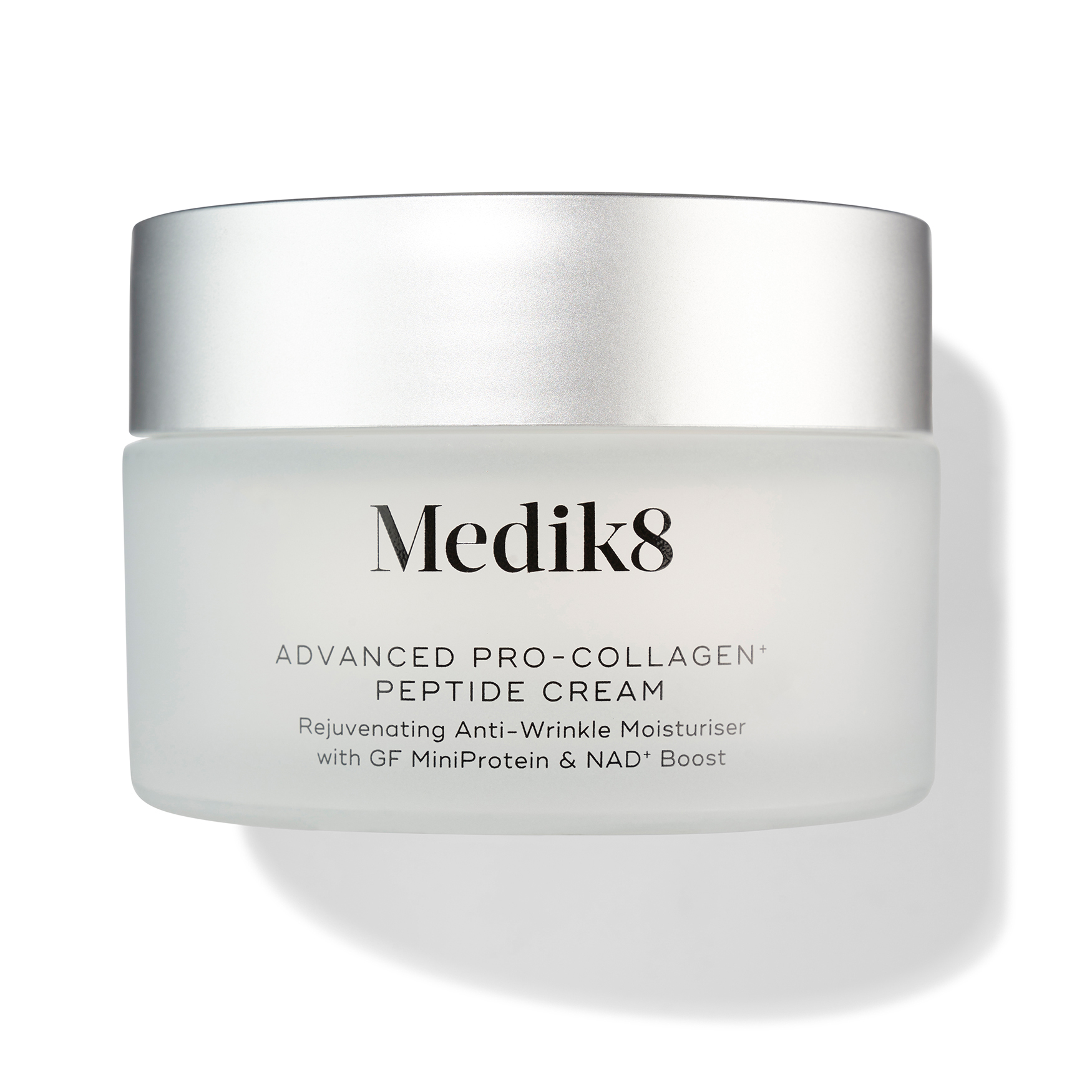
Peptides are one of my favourite ingredients for mature skin because they work by supporting the skin rather than aggressively challenging it, and Medik8 has created an excellent daily moisturiser to prove this. Rich without feeling heavy, it combines peptides with hydrating lipids to help improve firmness while strengthening the skin barrier. The texture sits beautifully beneath sunscreen and makeup, making it ideal as a daytime moisturiser. If your skin has become drier or less resilient over time, this is a formula that feels instantly comforting while delivering long-term benefits.
Pros
- Rich yet non-greasy texture
- Leaves skin soft and plump
- Excellent under makeup
- Supports the skin barrier
Cons
- Very oily skin may find it too rich
- Expensive price point
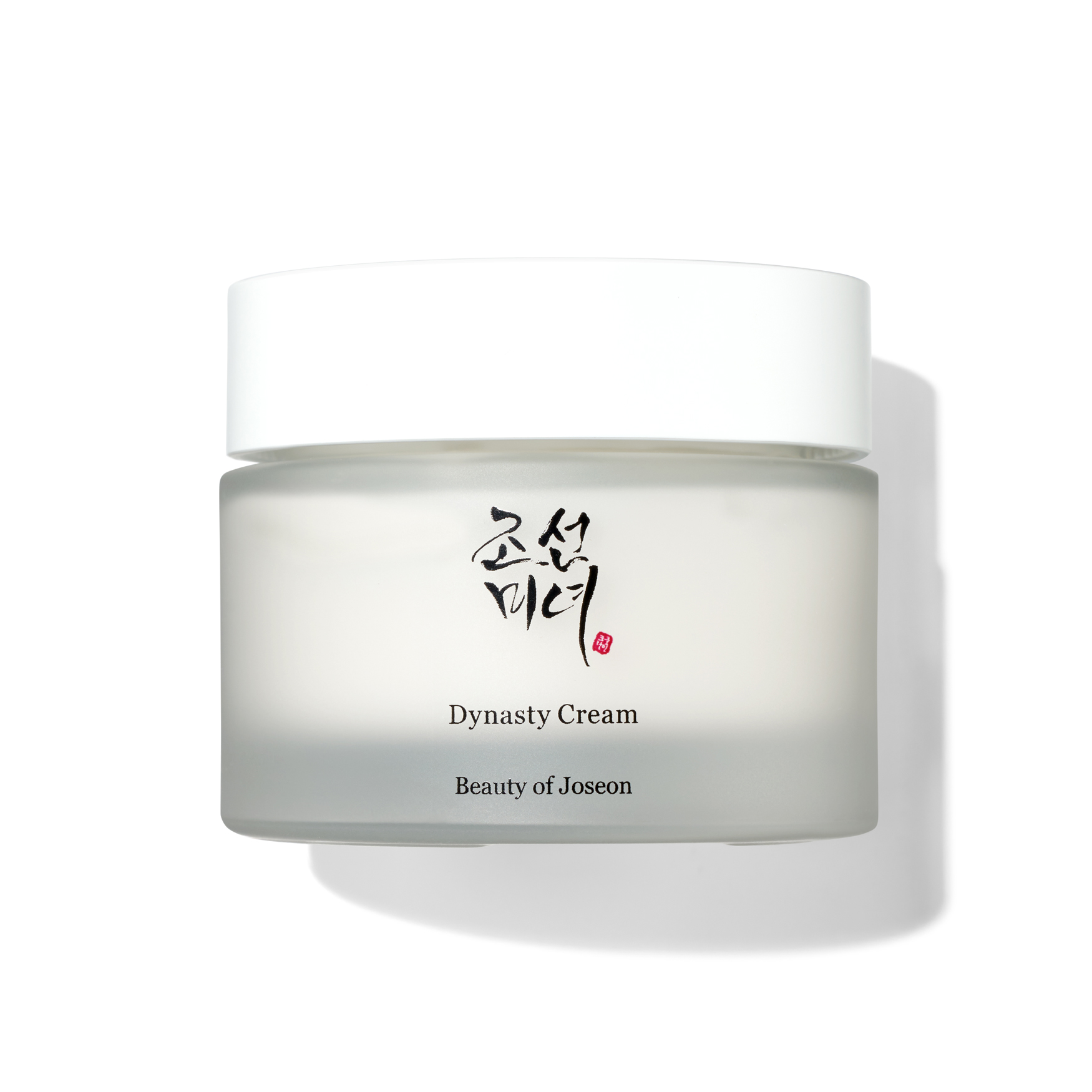
This Korean skincare favourite has earned its cult status thanks to a formula that feels far more expensive than its price tag suggests. Combining rice bran water, ginseng and squalane, it delivers long-lasting hydration while giving skin a healthy, luminous finish that mature complexions will benefit from. Although nourishing, it absorbs surprisingly well and doesn’t leave behind a greasy residue, making it suitable for both morning and evening use.
Pros
- Affordable price point
- Deeply hydrating without feeling heavy
- Gives skin a healthy glow
- Suitable for sensitive skin
- Layers well under makeup
Cons
- Subtle herbal scent may not appeal to everyone
5. Sunscreen
If you only commit to one anti-ageing product, make it sunscreen. Daily UV exposure is the single biggest contributor to collagen loss, pigmentation, and premature wrinkles, making SPF the foundation of every mature skincare routine. Choose a broad-spectrum SPF 30 or higher and apply it generously every morning, even on cloudy days. Consistent sunscreen use protects the results of every other skincare product you’re investing in while helping to prevent future damage.
Shop sunscreens for mature skin:
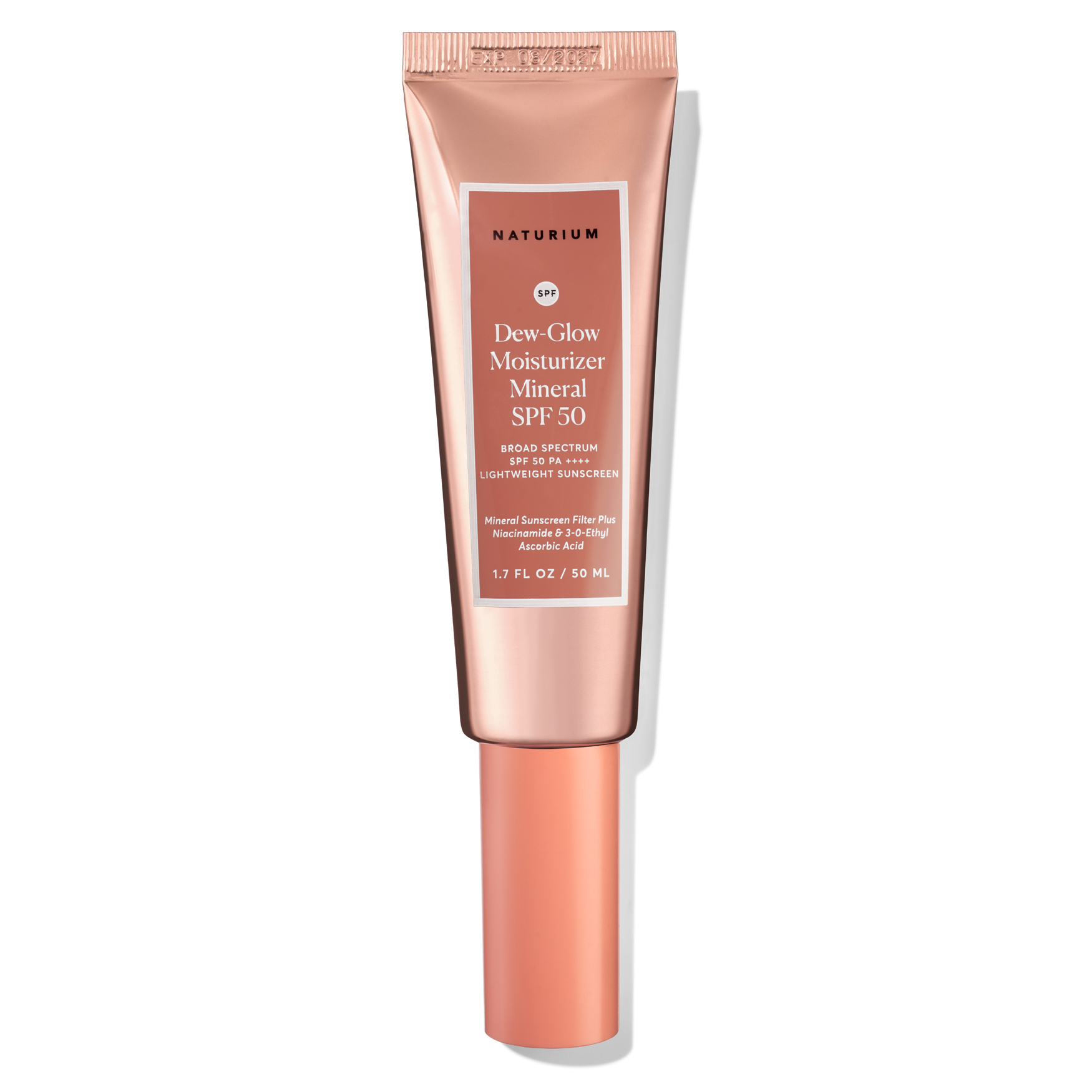
Finding a mineral sunscreen that doesn’t leave mature skin looking dry or chalky is no easy task, but Naturium has come remarkably close. This moisturising formula combines broad-spectrum SPF 50 protection with hydrating ingredients that leave skin looking healthy and dewy rather than flat.
Pros
- High SPF 50 protection
- Hydrating, glowy finish
Cons
- Dewy finish may not suit oily skin
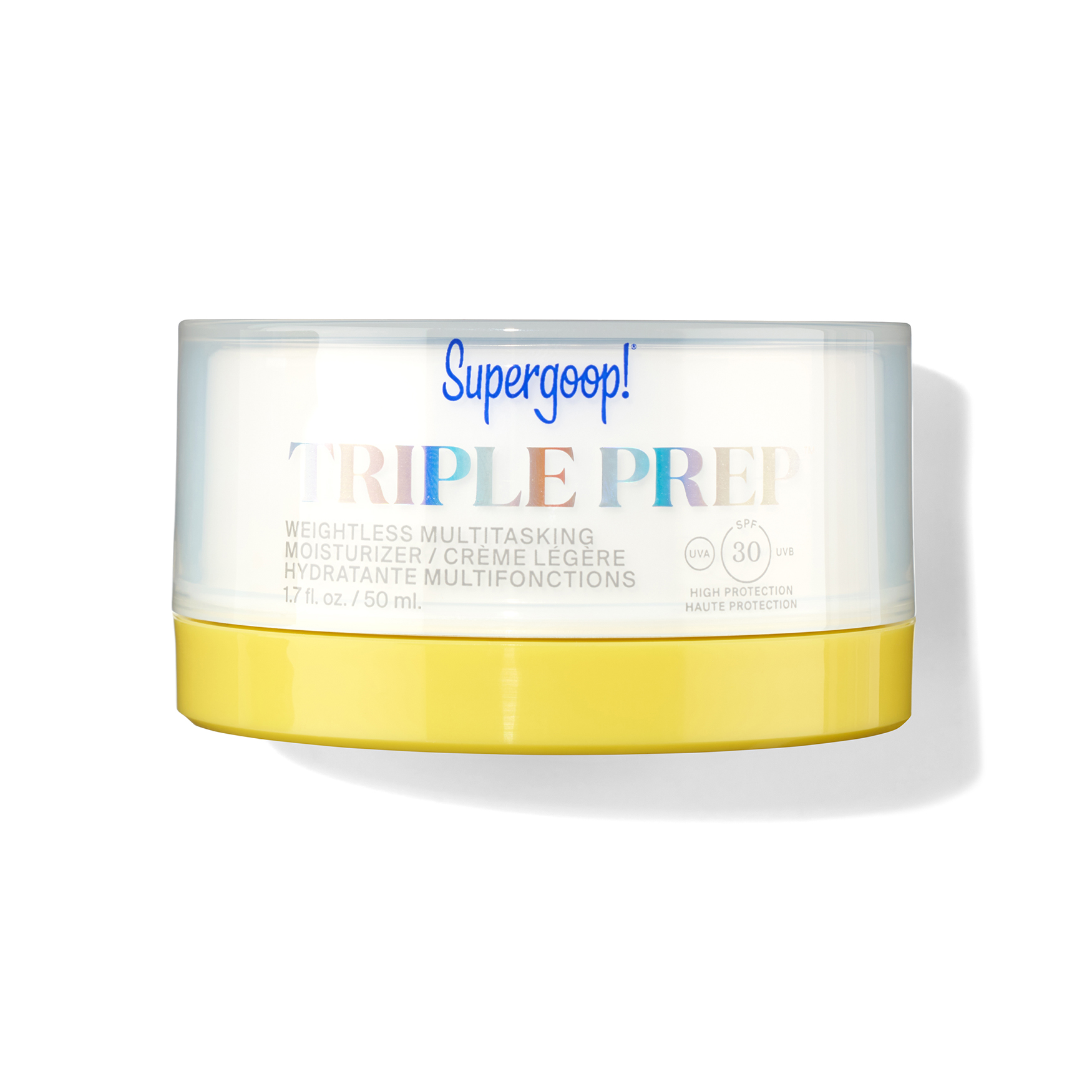
If you dislike the feeling of traditional sunscreen, this hybrid moisturiser is likely to change your mind. It combines hydration, antioxidant protection and broad-spectrum SPF 30 in a lightweight lotion that feels more like skincare than sun protection. The finish is natural rather than greasy, making it particularly easy to wear under makeup, while the moisturising formula helps combat the dryness that often accompanies mature skin.
Pros
- Layers beautifully under makeup
- Hydrating without feeling greasy
Cons
- Expensive price point
Evening Skincare Routine
1. Cream Cleanser
Evening cleansing is arguably the most important cleanse of the day, removing sunscreen, makeup, pollution and excess oil that accumulate on the skin. For mature skin, I almost always recommend a nourishing cream cleanser to dissolve impurities without disrupting the skin barrier. If you wear heavier makeup or water-resistant sunscreen, double cleansing can be beneficial to ensure thorough removal.
Shop cream cleansers:
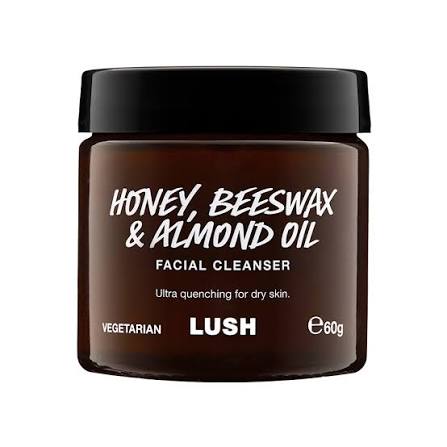
This cleanser has a rich, balm-like texture that melts away sunscreen, makeup, and daily grime while leaving behind a comforting veil of moisture. The combination of almond oil, honey and beeswax makes it particularly appealing for those who struggle with dehydration, although the richer texture won’t be everyone’s preference. As an esthetician, I love the idea of a cleanser that supports the skin barrier rather than simply removing everything from the skin—but I would always recommend following with a gentle gel cleanser if you wear heavy makeup or SPF.
Pros
- Rich, comforting texture ideal for dry mature skin
- Leaves skin feeling soft rather than stripped
- A little goes a long way
Cons
- Rich texture may feel too heavy for oily or acne-prone skin
- Leaves a slight residue if not thoroughly removed
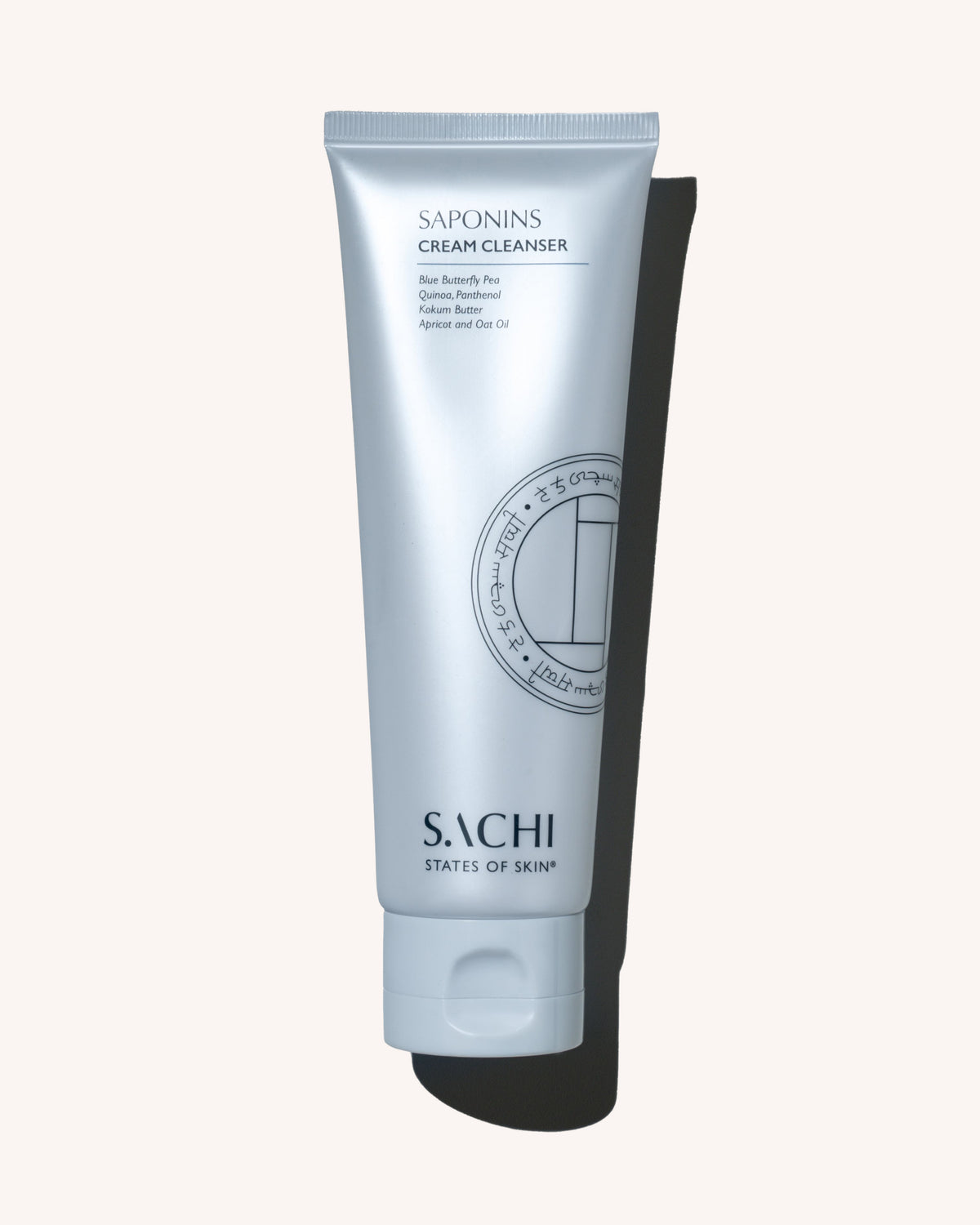
Sachi Skin’s Saponins Cream Cleanser is exactly the kind of gentle, barrier-focused formula I look for when working with mature skin—I often use it within facials. Instead of relying on harsh surfactants, it uses saponins (naturally derived cleansing compounds) alongside soothing and moisturising ingredients to remove impurities while respecting the skin’s natural oils. The creamy texture feels luxurious and comforting, making it especially suitable for those whose skin has become more sensitive or easily irritated with age.
Pros
- Very gentle and non-stripping
- Excellent for dry and sensitive skin
- Supports a healthy skin barrier
- Luxurious creamy texture
Cons
- Expensive price point
- May need a separate makeup remover for heavier products
2. Retinoid Serum
Retinoids remain one of the most thoroughly researched ingredients for improving visible signs of ageing. Used consistently, they encourage collagen production, support faster cell turnover, and help soften the appearance of fine lines, uneven pigmentation, and rough texture. If you’re new to retinoids, introduce them gradually—starting once or twice a week—and build up slowly as your skin adjusts. Pairing them with hydrating products can help minimise dryness and irritation during the adjustment period.
Shop retinoid serums:
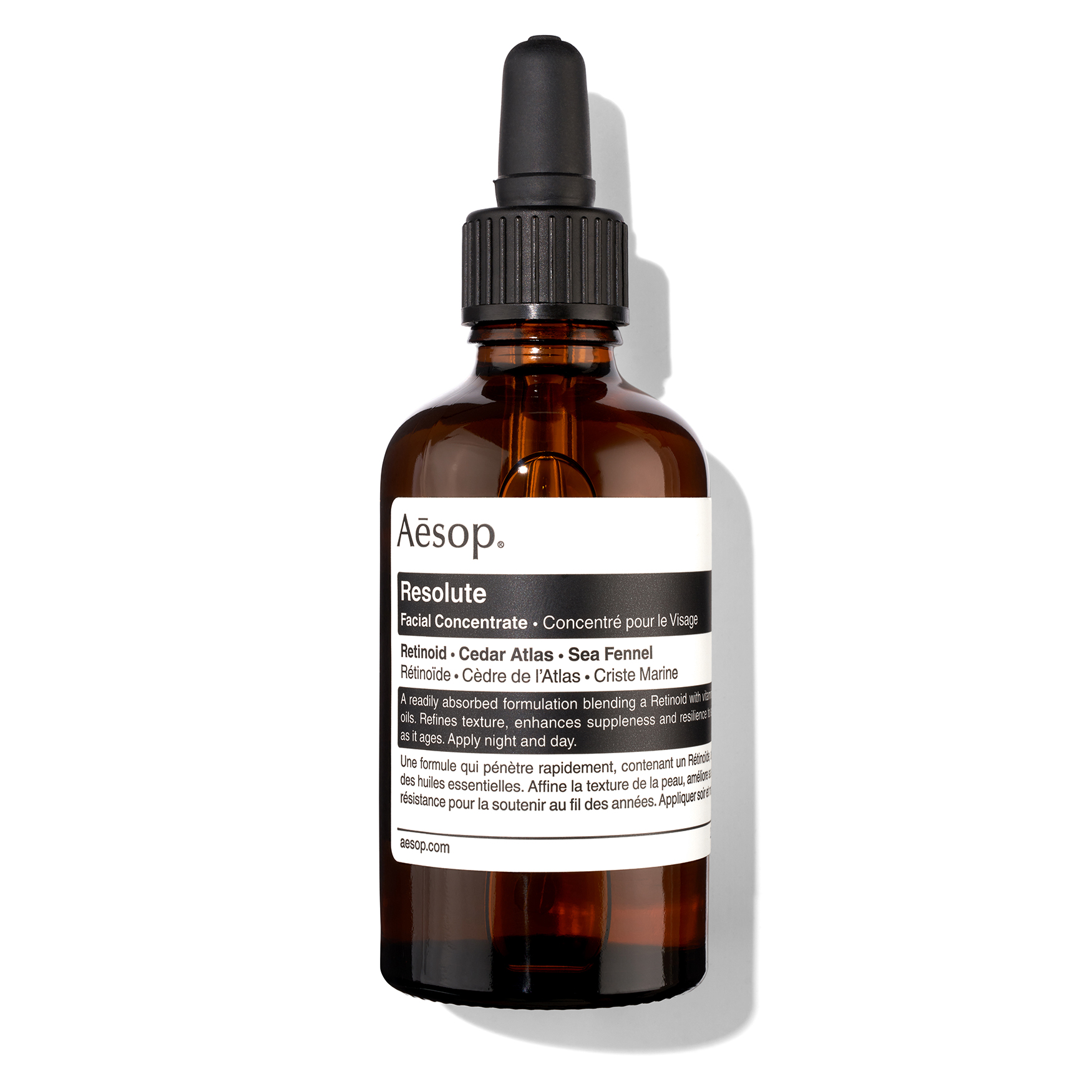
If you love the skin-smoothing benefits of a retinoid but find traditional formulas too drying, this serum offers a more nourishing approach. The oil-based treatment combines hydroxypinacolone retinoate (HPR), a gentle but effective retinoid, with barrier-supporting squalane and botanical oils to encourage smoother, more resilient-looking skin while helping to minimise irritation. Unlike many vitamin A products that can leave mature skin feeling compromised, this has been designed to support the skin barrier while improving the appearance of texture, dullness and fine lines over time.
Pros
- Combines retinoid benefits with nourishing, barrier-supporting ingredients
- HPR offers a gentler alternative for those who find traditional retinoids irritating
Cons
- Expensive price point
- Contains essential oils/fragrance, which may not suit highly reactive skin
- Oil texture may not appeal to everyone
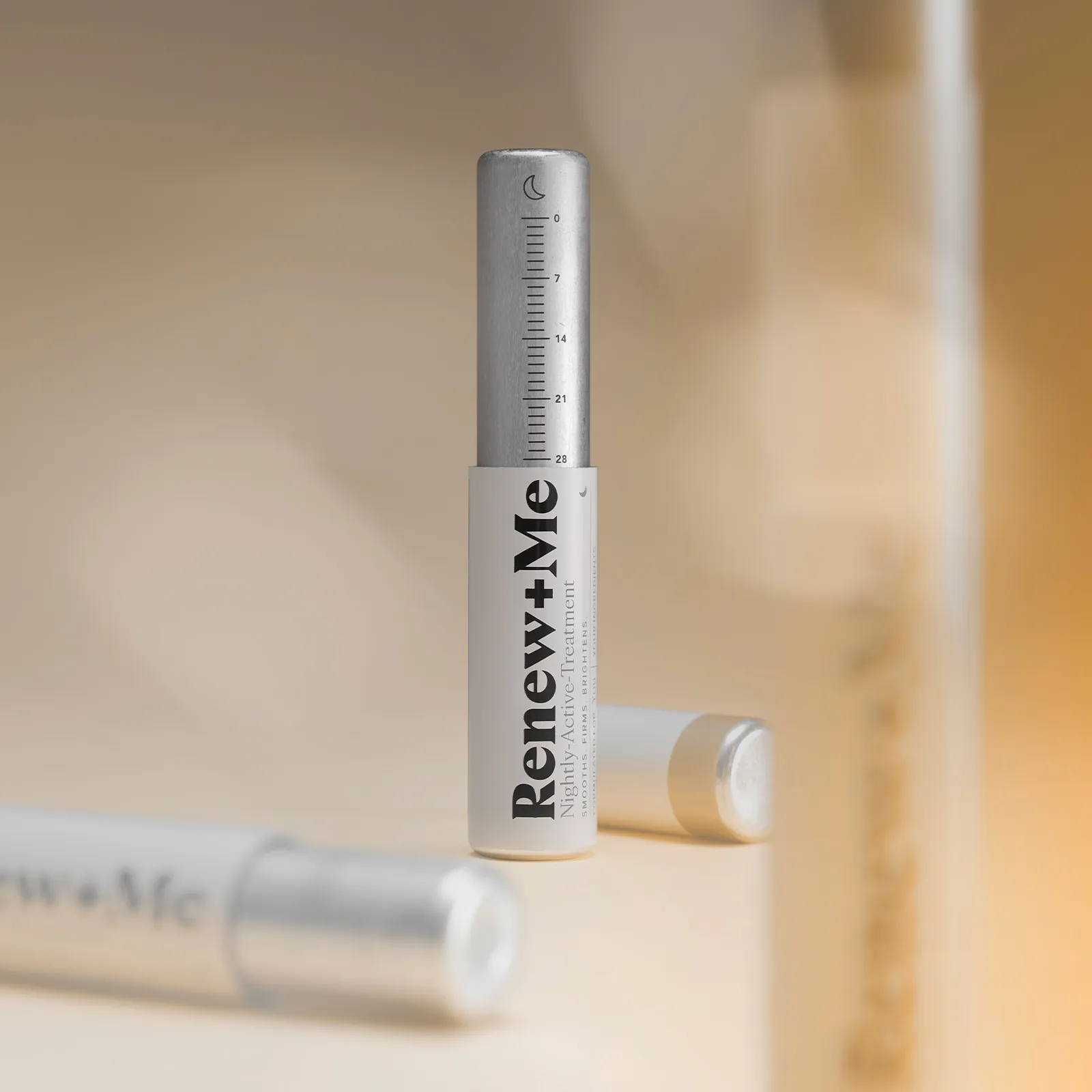
Renew + Me takes a more personalised approach, creating a bespoke nightly treatment based on an online skin consultation that considers your concerns, goals and current routine. The formula is then delivered monthly as part of a subscription, allowing your treatment to evolve as your skin does rather than committing to a one-size-fits-all active. I particularly like this concept for mature skin because it removes much of the guesswork around ingredients, helping you introduce powerful actives in a more considered way while still supporting the skin barrier.
Pros
- Fully personalised based on your skin concerns and goals
- Treatment can evolve as your skin changes over time
- Convenient monthly subscription
Cons
- Subscription model may not suit everyone
3. Eye Cream
The skin around the eyes is naturally thinner and often shows signs of ageing earlier than the rest of the face. While an eye cream isn’t essential for everyone, I find they’re worthwhile if you have concerns like dryness, fine lines, or puffiness. Look for ingredients such as peptides, caffeine, ceramides or hyaluronic acid depending on your primary concern, and apply gently using your ring finger to avoid unnecessary tugging.
Shop eye creams:
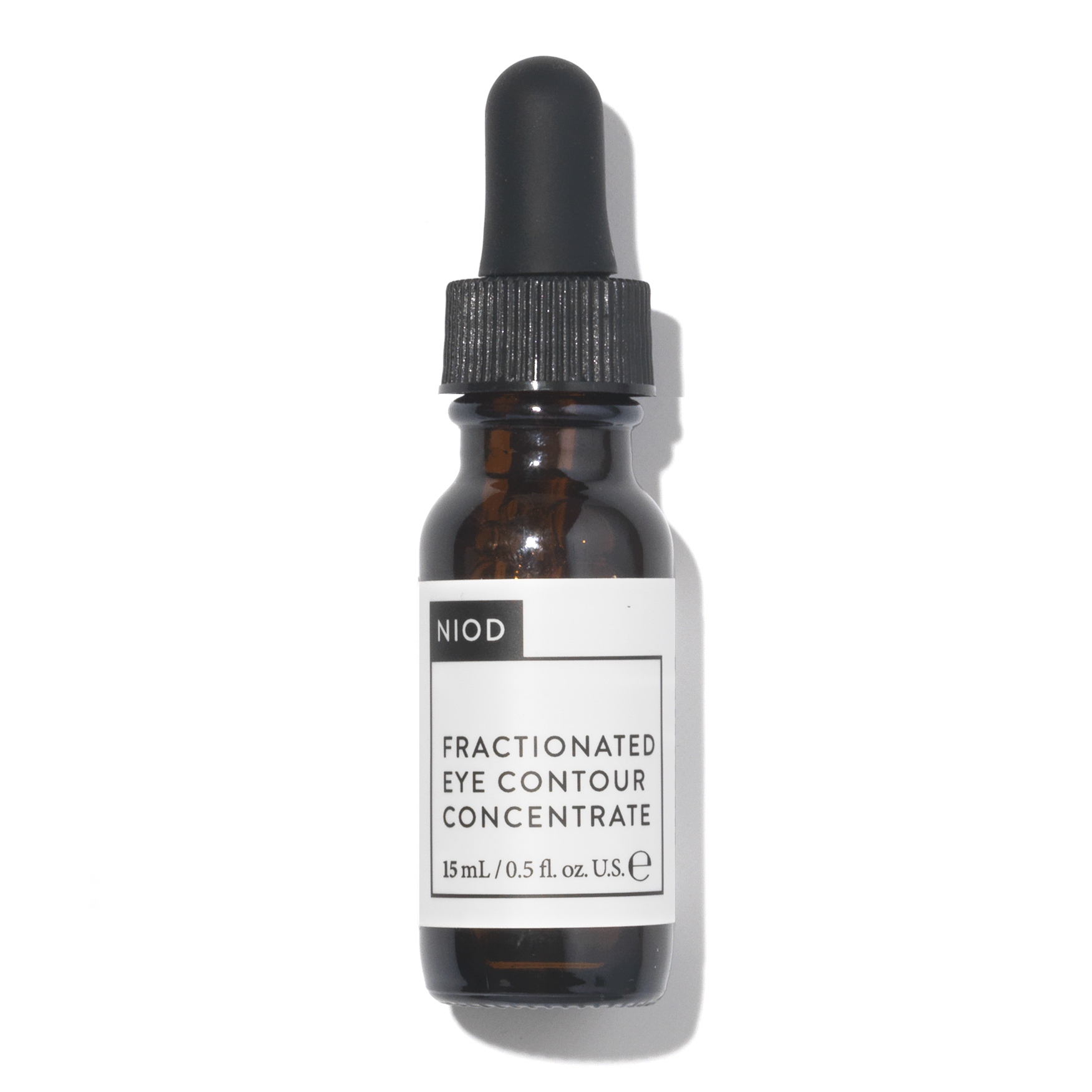
The skin around the eyes is often where people first notice changes associated with ageing, and this serum takes a highly technical approach to addressing them. Rather than being a rich eye cream, it’s a lightweight solution packed with peptides, skin-identical compounds and advanced technologies designed to target concerns including fine lines, puffiness and loss of firmness. I like this style of eye product for mature skin because it layers easily underneath moisturiser and doesn’t overwhelm the delicate eye area.
Pros
- Lightweight serum texture
- Targets multiple concerns in one go
- Absorbs quickly
Cons
- Expensive for a small amount of product
- Results are gradual rather than instant
- The thin texture may not feel nourishing enough for very dry eye areas
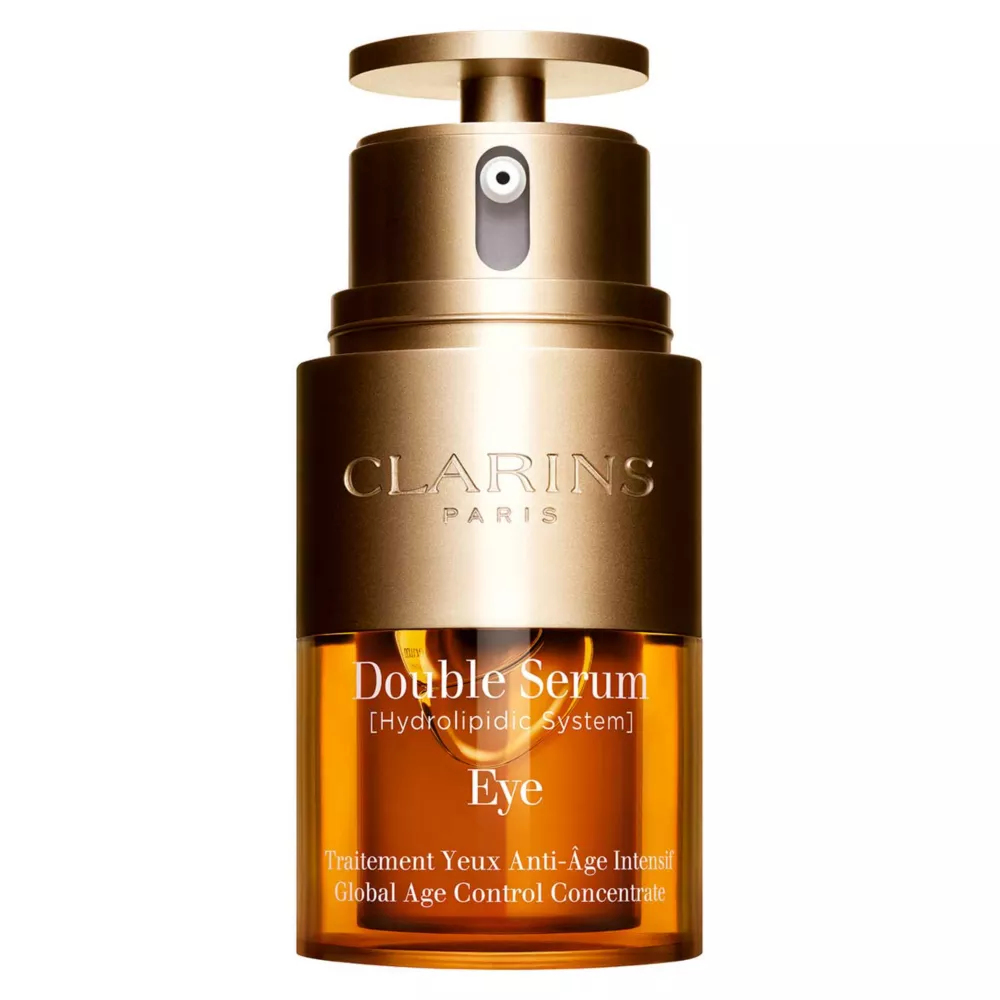
Clarins’ Double Serum has long been a favourite for mature skin, and the eye version brings the same philosophy into a lighter, more targeted formula. Designed around the idea that the eye area benefits from both oil- and water-based ingredients, it combines plant extracts with hydrating and smoothing ingredients to improve the look of tired, dry eyes. The texture is particularly appealing if you find traditional eye creams too heavy but still want something nourishing.
Pros
- Silky, luxurious texture
- Helps reduce dryness
- Gives the eye area a smoother look
Cons
- Fragrance may not suit sensitive eyes
4. Hydrating Serum
Hydration becomes increasingly important as skin matures, particularly if you’re using active ingredients like retinoids. Applying a hydrating serum in the evening helps replenish moisture levels while supporting a healthy skin barrier overnight. Ingredients such as hyaluronic acid, glycerin, polyglutamic acid and panthenol all help attract and retain water within the skin, leaving it looking plumper and more comfortable by morning.
Shop hydrating serums:
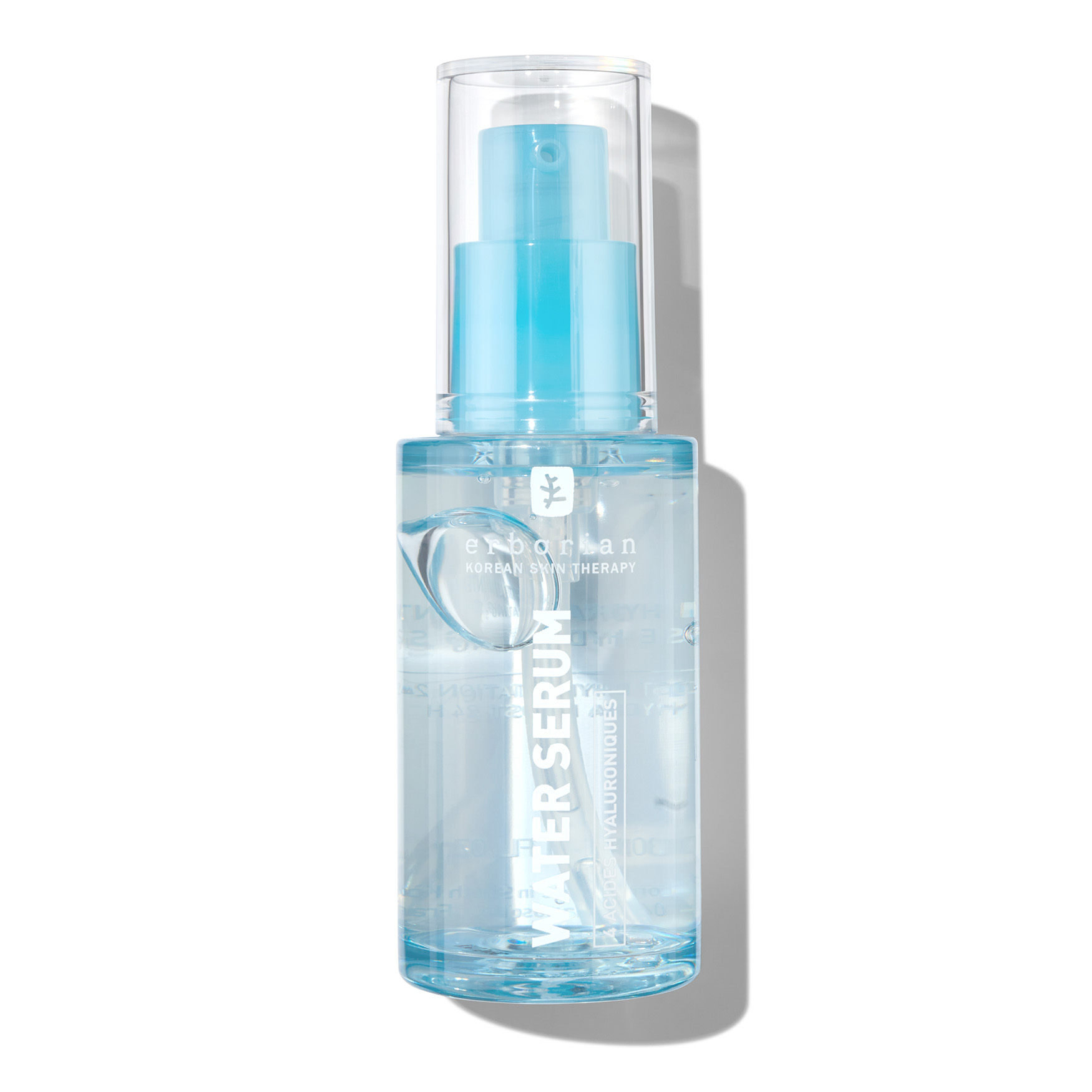
As skin matures, hydration becomes one of the easiest ways to improve how the complexion looks and feels. This serum is designed as a lightweight hydration boost, delivering moisture without the heaviness that some mature skin products can have. It has a beautiful silky texture that absorbs quickly, making it ideal layered underneath richer creams or active treatments.
Pros
- Lightweight, elegant texture
- Gives skin an instant hydrated feel
- Layers well with other products
Cons
- Fragrance may not suit everyone
- Not rich enough alone for very dry skin
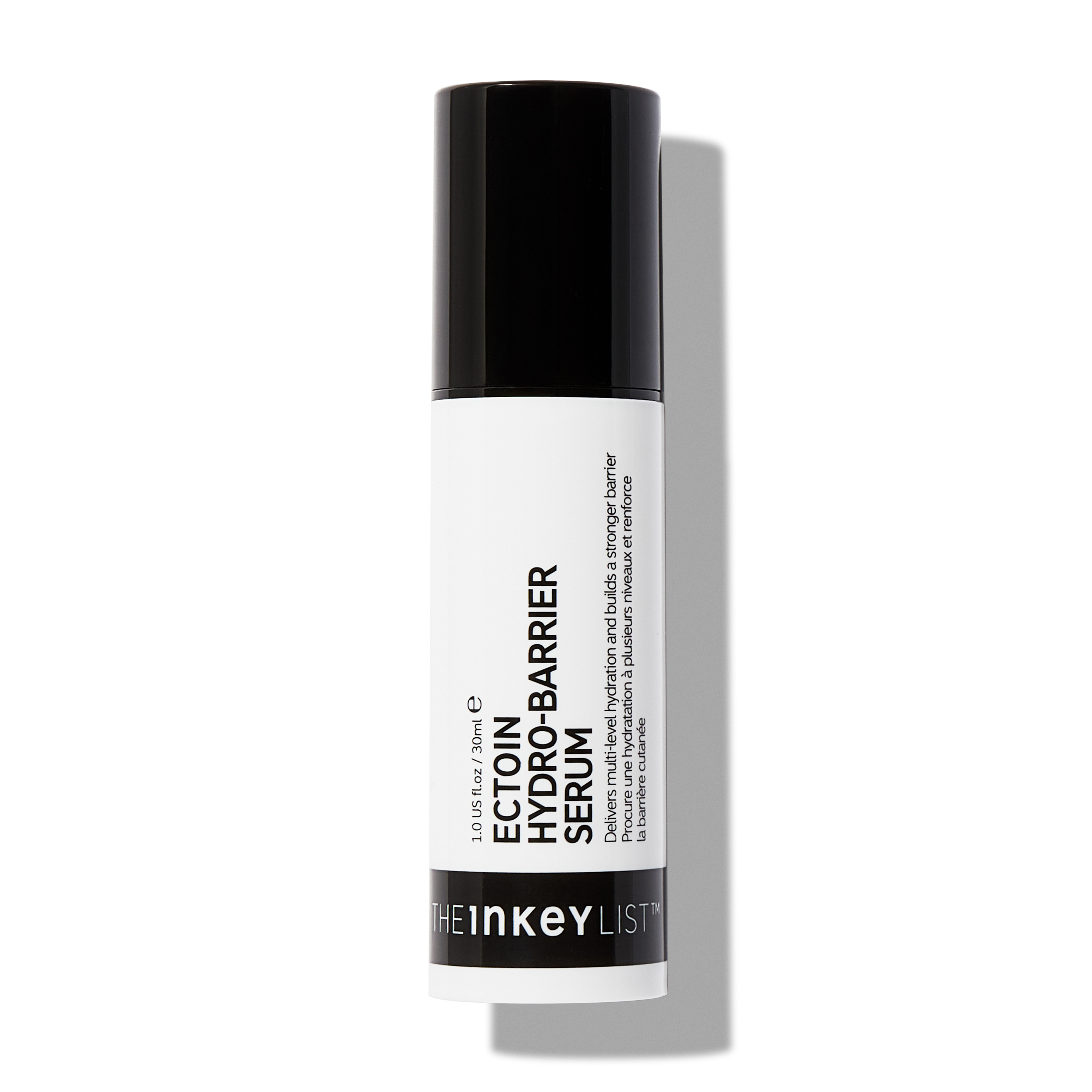
Ectoin is one of the most interesting newer skincare ingredients for mature skin because it focuses on protecting and strengthening rather than aggressively stimulating the skin. The Inkey List’s formula combines ectoin with hydrating ingredients to help defend against environmental stress while supporting a healthier barrier. This makes it particularly useful alongside stronger actives like retinoids, where maintaining hydration is essential. Affordable, effective and easy to layer, this is the type of serum I often recommend when someone tells me their skin suddenly feels more reactive.
Pros
- Affordable price point
- Lightweight texture
- Helps soothe stressed skin
Cons
- Results are focused on skin health rather than dramatic anti-ageing changes
5. Night Cream
Your final evening step should help lock in hydration and support the skin’s overnight repair processes. Mature skin often benefits from richer moisturisers containing ceramides, peptides and nourishing plant oils that reinforce the skin barrier while reducing overnight moisture loss. Rather than feeling heavy, a well-formulated night cream should leave skin feeling comfortable and supple by morning, helping maintain a healthy, resilient complexion over time.
Shop night creams:
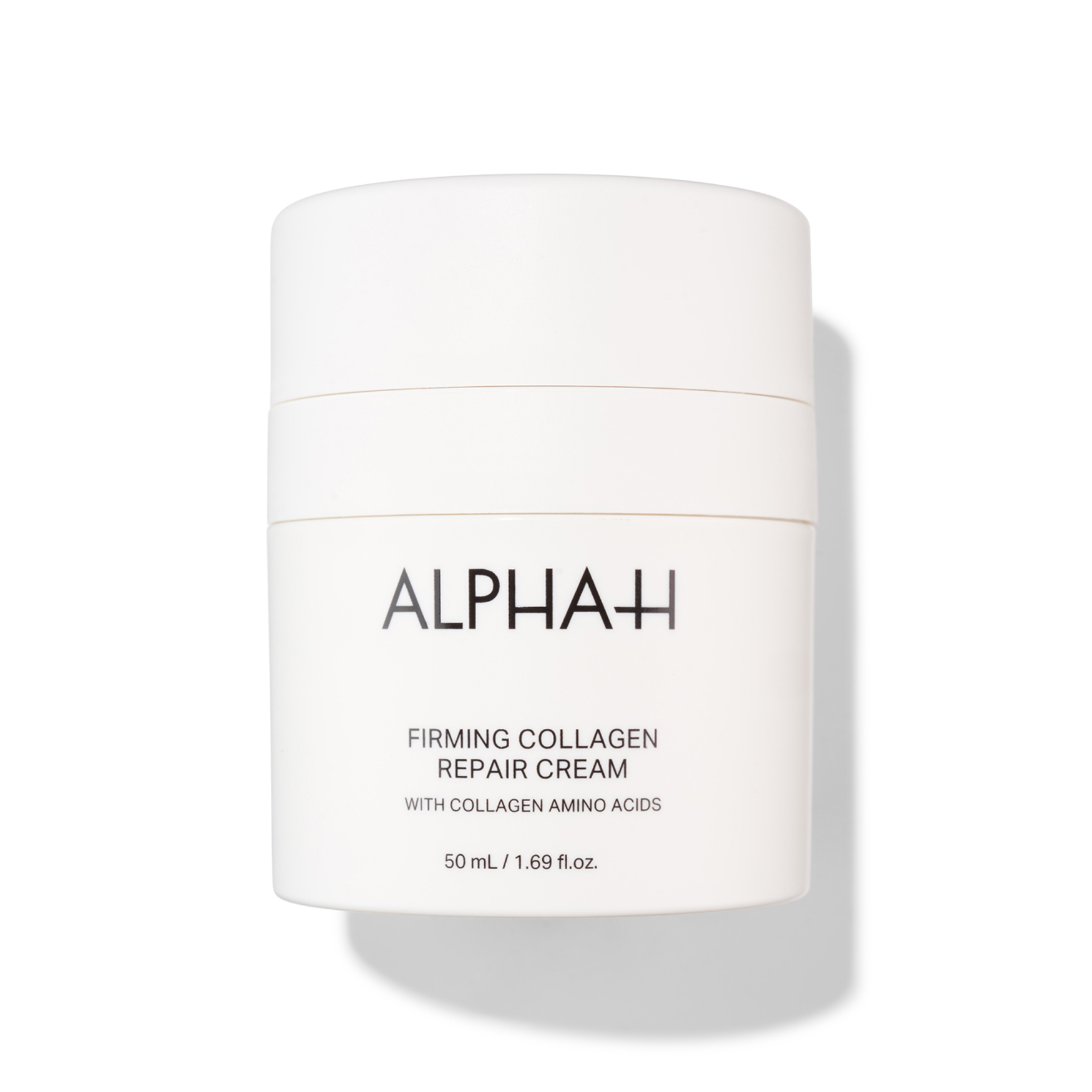
Alpha-H has built its reputation around effective, results-driven skincare, and this moisturiser is designed specifically with mature skin concerns in mind. Combining peptides, antioxidants, and collagen-supporting ingredients, it aims to improve firmness while nourishing skin that has become drier over time. The texture feels rich without being overly occlusive, making it a good option for those who want a hardworking night cream rather than a simple moisturiser. It won’t literally replace lost collagen, but it can help create the conditions for healthier, more resilient-looking skin.
Pros
- Rich but comfortable texture
- Designed specifically for mature skin
Cons
- Expensive price point
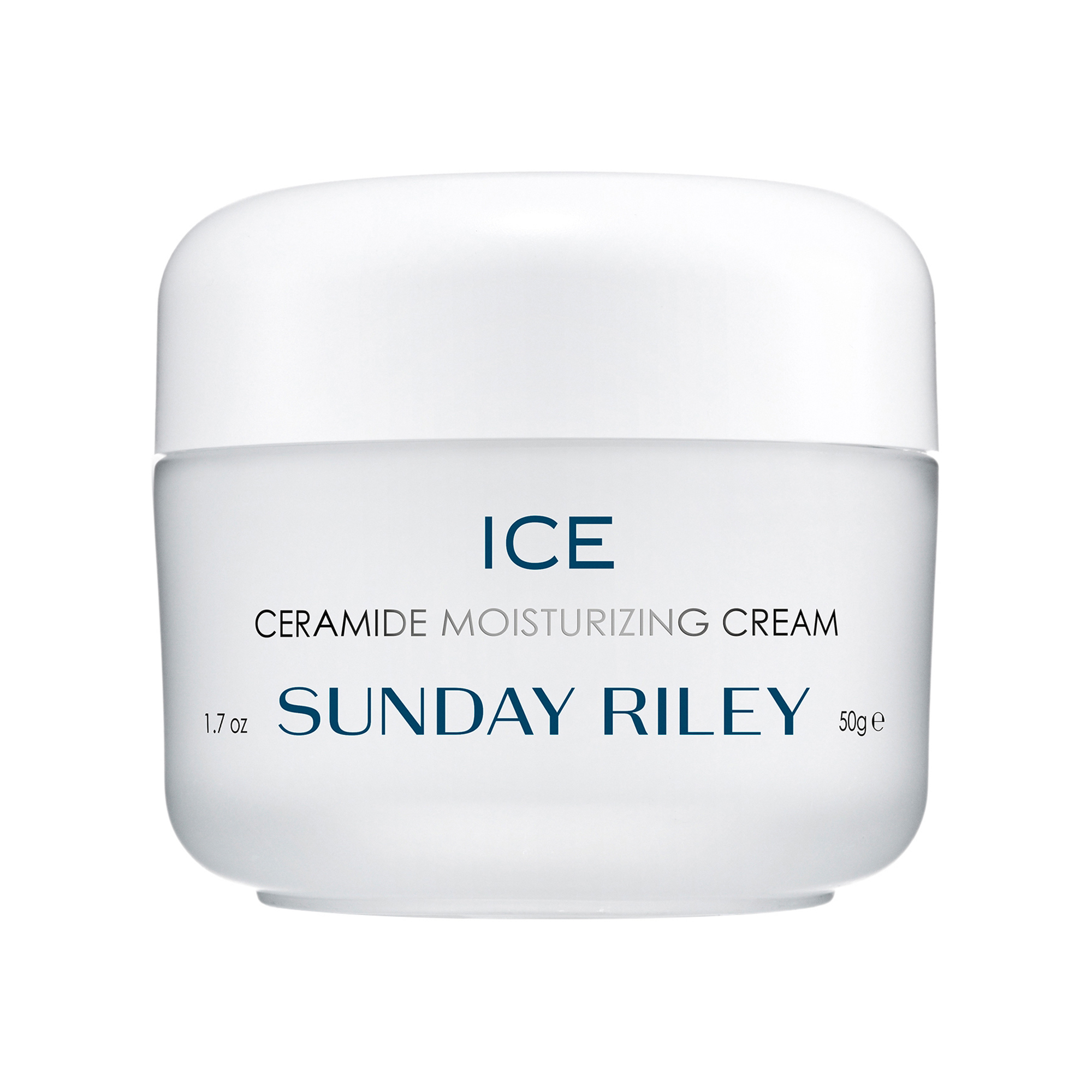
When mature skin is craving comfort, Sunday Riley ICE is the kind of moisturiser that delivers that instantly cushioned feeling. The ceramide-rich formula is designed to strengthen the skin barrier, improve hydration retention and soften the appearance of fine lines caused by dryness. Despite its rich texture, it melts into the skin rather than sitting heavily on top, making it particularly lovely for evening use after retinoids or exfoliating treatments.
Pros
- Rich, comforting texture
- Excellent for dry and dehydrated skin
- Contains barrier-supporting ceramides
Cons
- Fragranced formula may not suit sensitive skin
- Expensive price point
Why Trust Us
At Who What Wear UK, we know that beauty isn’t one-size-fits-all. Our editors have tested thousands of products, including skincare, makeup, hair and nails, over the years and work closely with trusted experts—dermatologists, make-up artists and leading industry insiders—to ensure every guide is well-researched, inclusive and relevant to you.
We focus on formulas that deliver, whether they’re affordable favourites or luxury investments. Our product selection is based on tangible results, ingredient know-how and what we’d truly recommend to a friend.