Cybercriminals reportedly tried to raise storage temperatures to 110°C in the latest attack on refrigeration systems across Europe
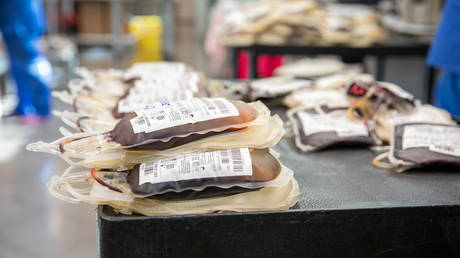
Hackers have targeted refrigeration systems at three French blood banks, attempting to raise storage temperatures to extreme levels and destroy vital blood products, according to the country’s national blood service. The attack follows a wave of similar incidents at supermarkets across Europe that have caused millions of euros in damage.
The French Blood Establishment (EFS) said on Tuesday that a cyberattack had compromised equipment operated by an external refrigeration supplier, allowing attackers to remotely manipulate temperature and defrosting settings at three plasma storage facilities.
The hackers reportedly attempted to raise the temperature from the normal -30°C (-22°F) to as high as 110°C (230°F), well above the boiling point of water, according to French investigative weekly Le Canard Enchaîné, which first reported the incident.
However, automated monitoring and alarm systems detected the anomalies on Monday, allowing staff to intervene before any blood products were damaged. Bags of plasma intended for transfusions and pharmaceutical production were either secured or transferred to other storage facilities.
“No health consequences have been identified and no blood products were lost,” the EFS said, adding that blood collection and distribution services continued uninterrupted.
Refrigeration equipment supplier Coolworld confirmed that a cyberattack had affected its remote monitoring systems, blaming a vulnerability in a component supplied by a third party. French cybersecurity authorities and the Health Ministry have launched an investigation, while remote access to the affected equipment has been disabled.
The incident comes amid a series of similar attacks on supermarket refrigeration systems across Europe. In October, hackers reportedly disrupted cooling equipment at around 700 French supermarkets, including Carrefour, Intermarché and Coopérative U stores, forcing retailers to discard large quantities of spoiled food.
A new wave of suspected cyberattacks on Monday affected dozens of supermarkets in Belgium, Sweden, Luxembourg, Ireland and Estonia. Hackers reportedly activated defrosting mechanisms remotely, with temperature settings at some Swedish stores raised to 50°C.
Dutch retailer Ahold Delhaize said on Wednesday that the earlier disruptions could reduce its fourth-quarter sales by as much as €250 million ($281 million) and operating income by up to €100 million.
Authorities have not established whether the incidents are linked, and no group has publicly claimed responsibility.