Welcome to The Who What Wear Podcast. Think of it as your direct line to the designers, stylists, beauty experts, editors, and tastemakers who are shaping the fashion-and-beauty world. Subscribe to The Who What Wear Podcast on YouTube, Apple Podcasts, and Spotify.
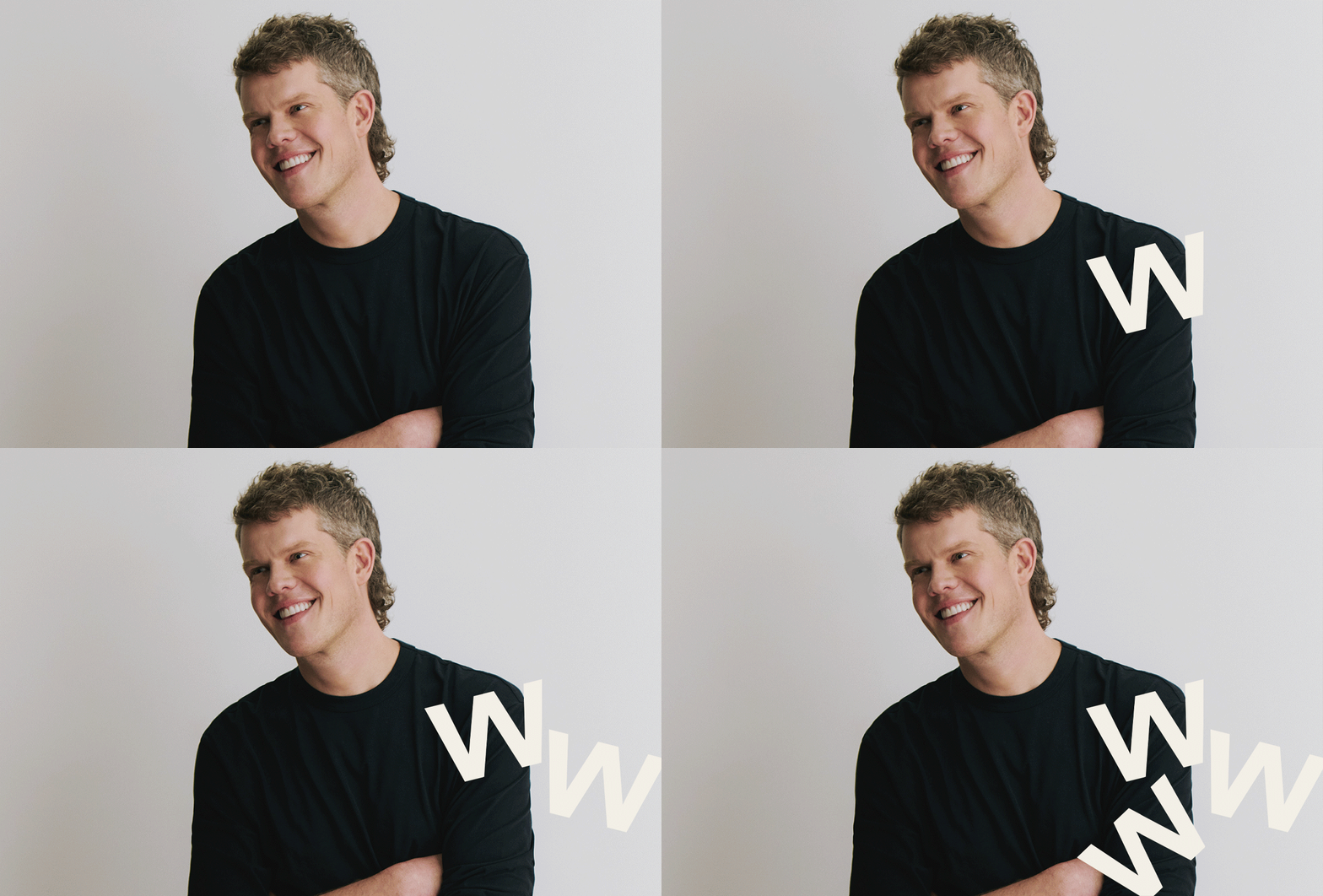
Wes Gordon, the global creative director of Carolina Herrera, always knew he wanted to work in fashion, and from an early age, clothes were what brought him joy. “From a very early age, before I even knew what the word fashion was, I was into clothes,” Gordon said. “I was definitely more drawn to Barbies and Barbie clothes and the dress-up box.”
After graduating from Central Saint Martins, Gordon moved to New York City and began designing his collection in a small apartment in the Financial District while sleeping on an air mattress. In the latest episode of The Who What Wear Podcast, Gordon shares how he went from sleeping on an air mattress while designing his collections to being nominated for the CFDA’s Womenswear Designer of the Year award and so much more.
To read excerpts from the conversation, scroll below.
Could you give our audience just a brief overview of how you fell in love with fashion in the first place and how that ultimately led you to this amazing job that you have today?
I think I was very lucky to have realized at an early age what I loved doing and what brought me joy. From a very early age, before I even knew what the word “fashion” was, I was into clothes. I was definitely more drawn to Barbies and Barbie clothes and the dress-up box. I would often tell my mom what to wear that day as a 2- or 4-year-old. I think that morphed into art, in general, when I was in school because that’s a little more normal. Art class became my favorite class of the day.
As I got to high school, there was a fork in the road. I either was going to do a typical four-year liberal arts college, or I was really going to pursue my passion. I applied to art and design school. In the meantime, I learned sewing. I really immersed myself as much as I could. This was pre-Instagram, so … you had to dig a little bit more to find things.
Credit to my incredible parents; they fully supported me. I moved to London from Atlanta for four years and studied at Central Saint Martins, which is an amazing fashion school. When I left school, I came back to New York, and I got a live/work space, one room in the Financial District. I had an air mattress that I would deflate during the day. I had a freelance patternmaker and two interns come help, and I put together a small collection of maybe like 30 pieces. I showed them on hangers during fashion week. I managed to sell enough to be able to do it again. Then I sold enough to be able to do it again.
I started working with some great stores: Harrods, Bergdorf, Kirna Zabête, Net-a-Porter, [and]Saks were all amazing supporters. It was an incredible journey for eight years. I was eight years in and really just contemplating, What is the future of this? I received a call from Emilie Rubinfeld, who’s the now-president of Carolina Herrera, [asking]if I could come in for a meeting.
Were you surprised?
I wasn’t seeking it out, and I didn’t really have the full context of what she was talking about when she asked to meet. But I was really excited about it. If you grow up loving fashion, particularly in America, this is a country with very few grand, legacy fashion houses. Of course, at the top of that list [is]Carolina Herrera.
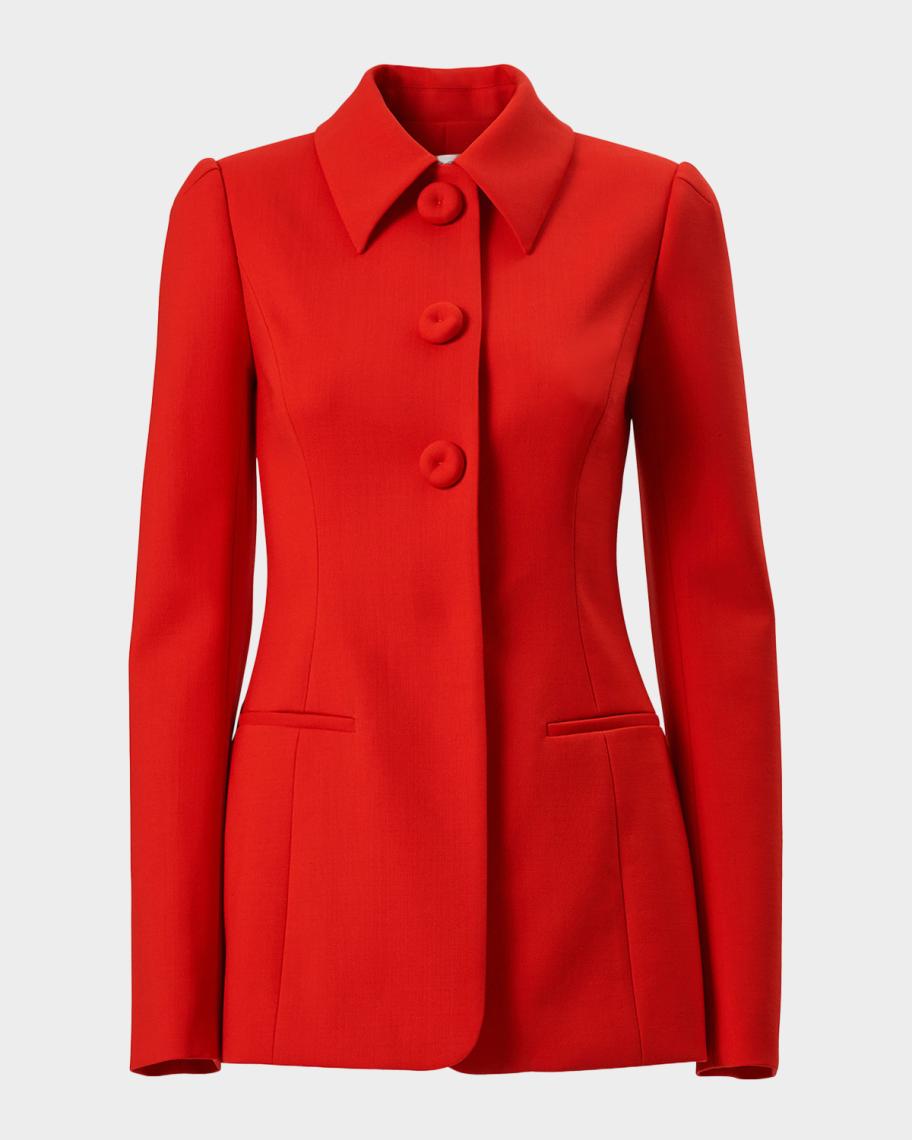
Talk to me a little bit about your design process and the latest collection, because I always love the creative process. Does it really start with color? Is that true? Can we dig into that?
Not only does it start with color, but to make it even more complicated, I do six collections a year. They each have their own timeline. At any point in time, I’m thinking about and having conversations about and doing different fittings in the same day for three different seasons.
You really have to just break down everything into small, small, small decisions about what’s right in front of you. That’s how I go through my day. If I’m sitting there fitting a dress, I’m not trying to think through the bigger philosophical issues of that season, in particular. I’m just looking at it from the point of view of how I can make this as beautiful as possible and what needs to change about it.
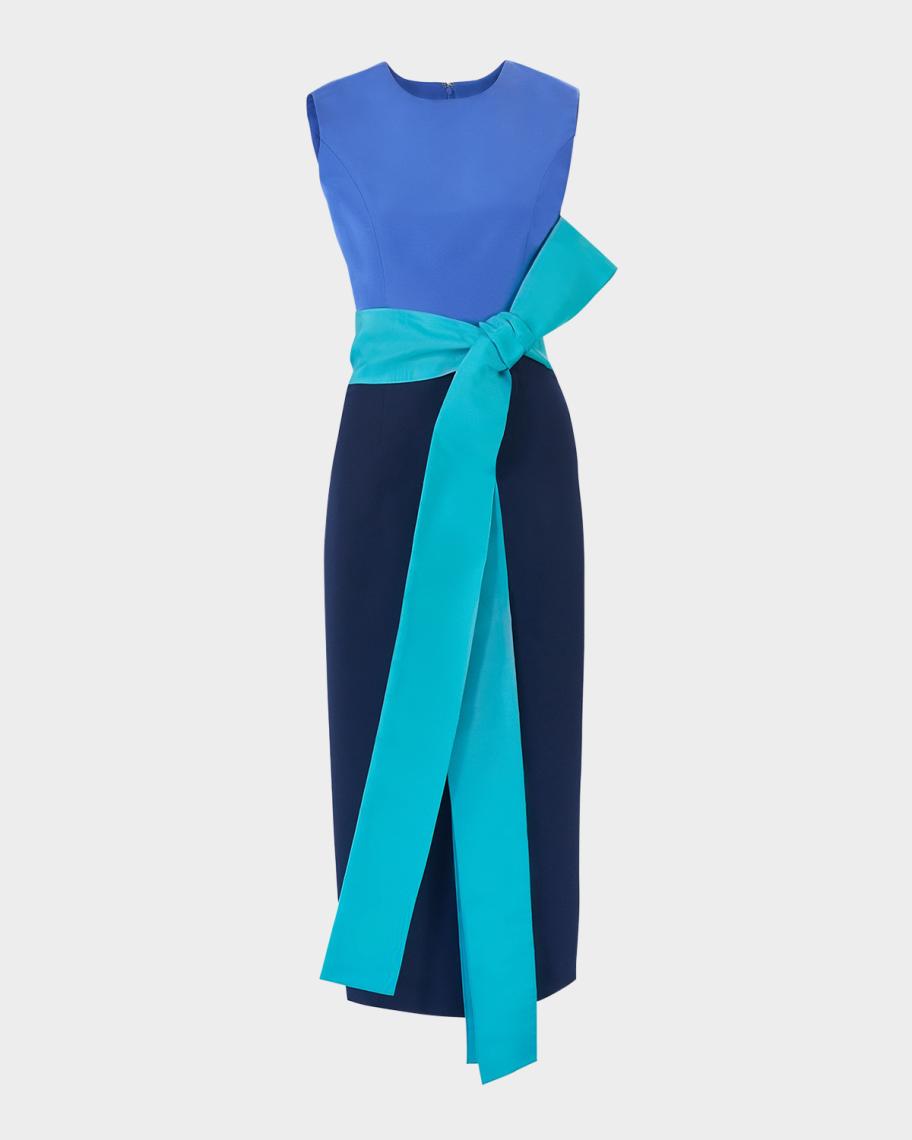
[Carolina] Herrera needs energetic colors, pure-pigment colors. I really start each collection by thinking about those colors, the colors of the past season, the colors that will be on the floor when this collection ships. We have millions of Pantone books. We have millions of swatch boxes and just build from there and start making combinations that are pretty.
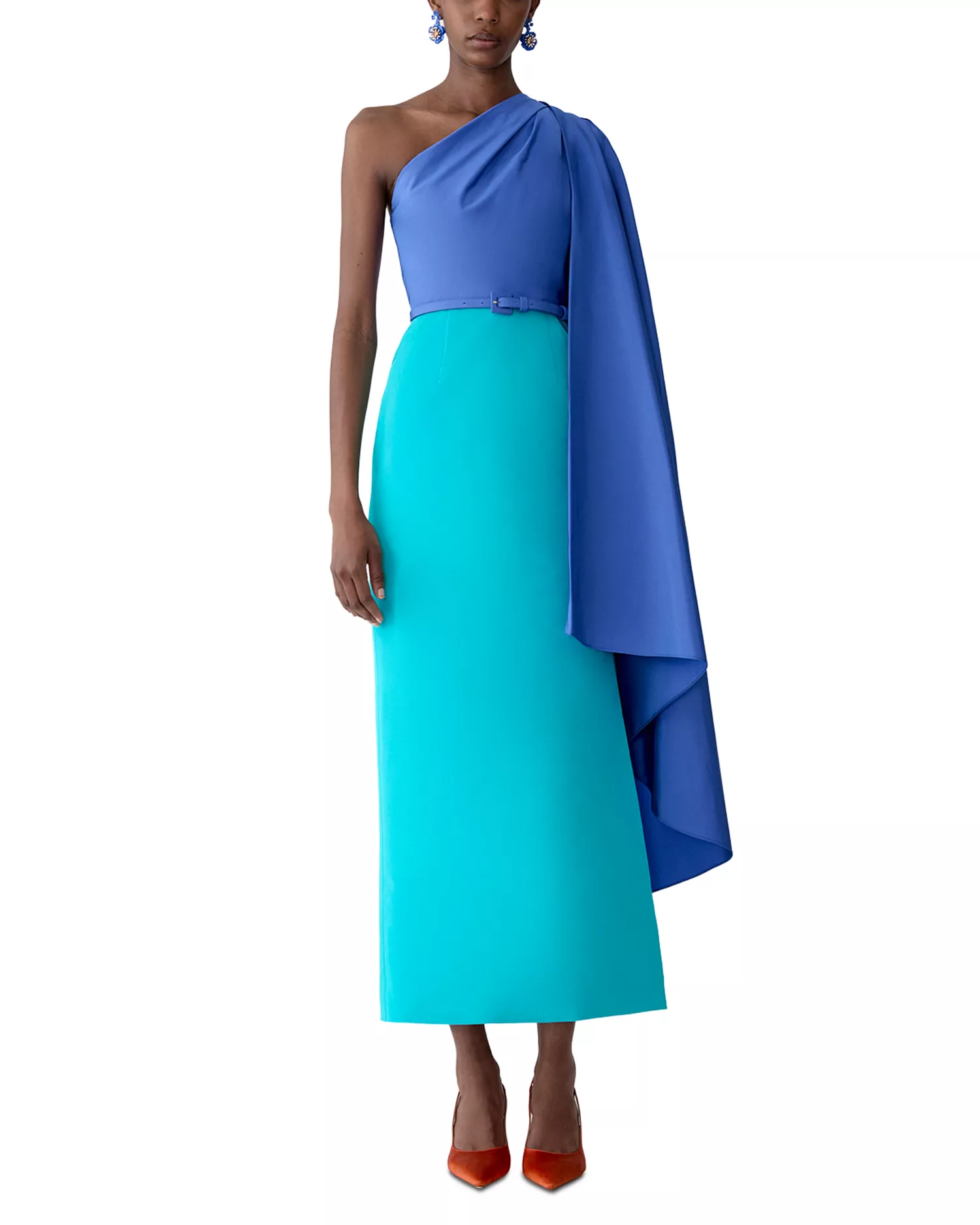
I also love that you treat each look in a collection and each model in the collection as a distinct woman who comes together to make this overall collection. Talk to me a little bit about that philosophy. How do you go about crafting and dreaming up these different personas, these different women?
It’s usually inspired by women I know. Opposite the wall in my office, there’s a mood board. There’s a big wall where all the sketches live. As I’m looking through them, I’m always trying to think of the database of ladies that I have in my head that I know—either friends or customers—trying to think like, “Okay, what would she wear from here? Is there something here for you?” That’s my own weird way of, I guess, merchandising but really just thinking through that spectrum and that costuming of all the different characters.
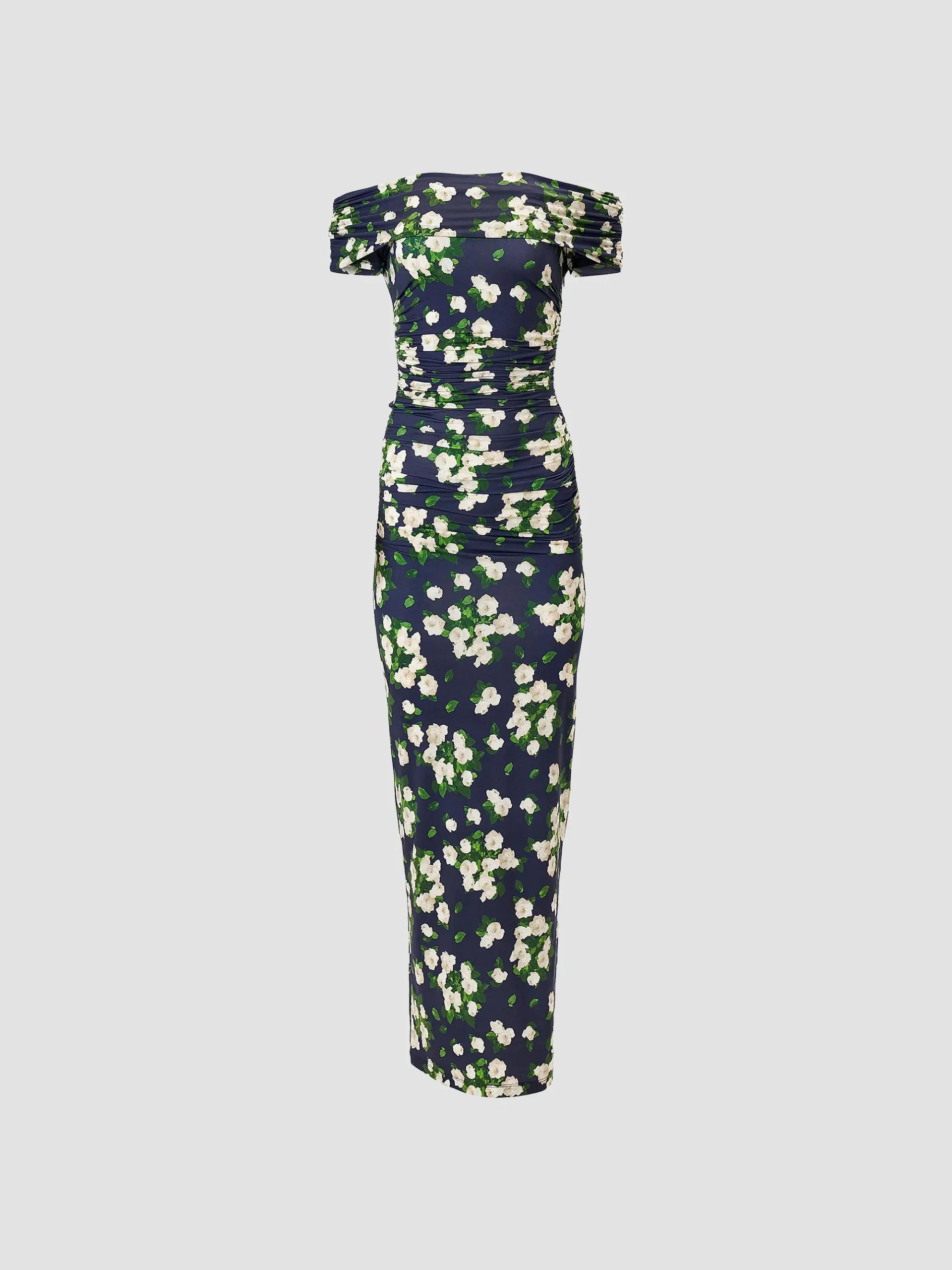
[Carolina] Herrera should never be a brand that’s about a dictator saying, “This is the look this season. This is the hem length. This is the color. Boom, boom, boom, boom, boom—fit into this box.” Rather, it’s a rainbow assortment of something where, I hope, so many different types of women can go and find a piece that resonates with them.
This interview has been edited and condensed for clarity.