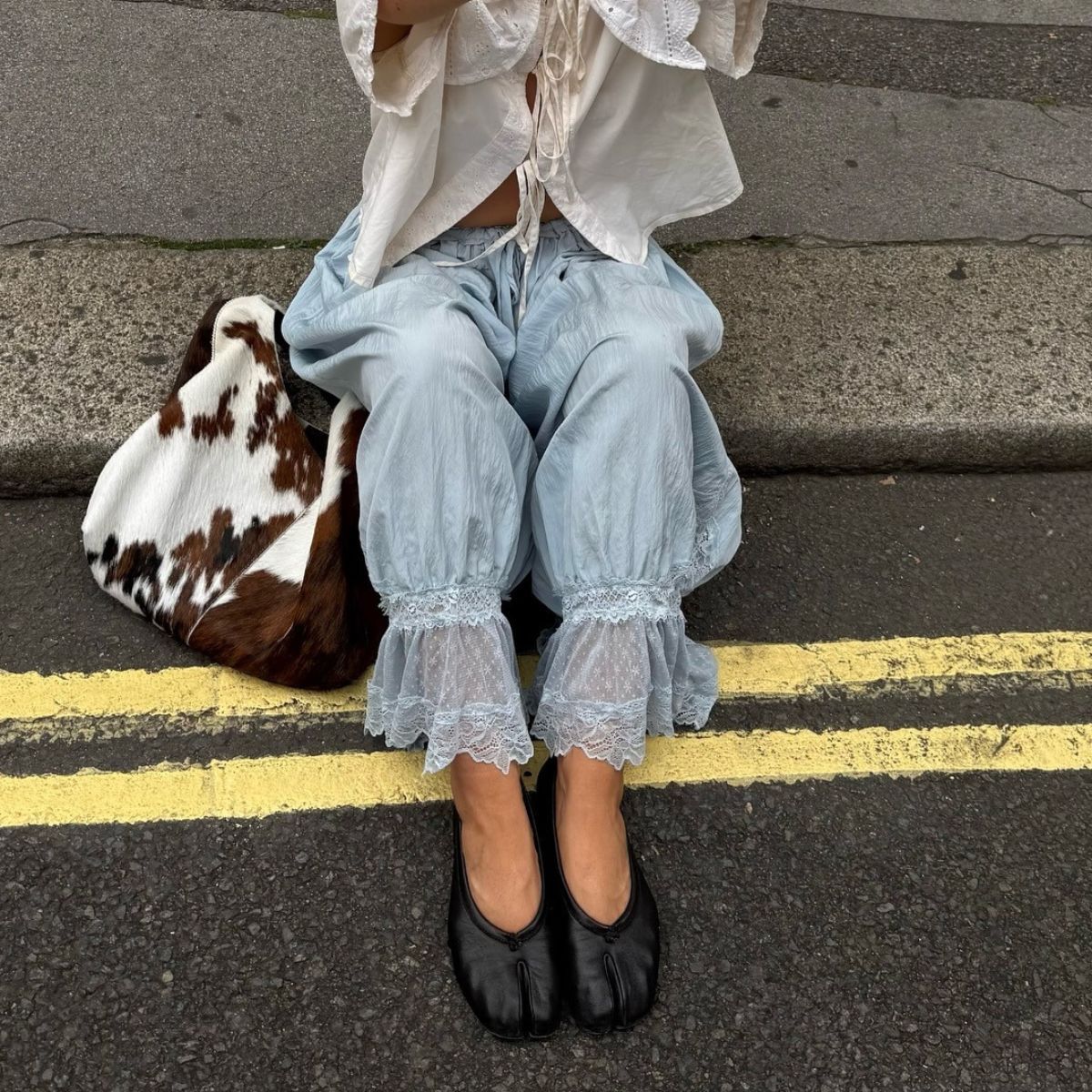
I still vividly remember the first time I saw a pair of Tabis in real life. I was a fashion intern attending a PR event, and at the time, Tabis felt like the ultimate anti-fashion statement—the kind of deliberately challenging shoe reserved for the industry’s most avant-garde dressers. And yet, when I spotted that unmistakable hoof-like toe peeking out from beneath a pair of wide-leg pinstripe trousers, something clicked. Yes, they were objectively a little strange, but why did I suddenly want to rip off my decidedly boring trainers?
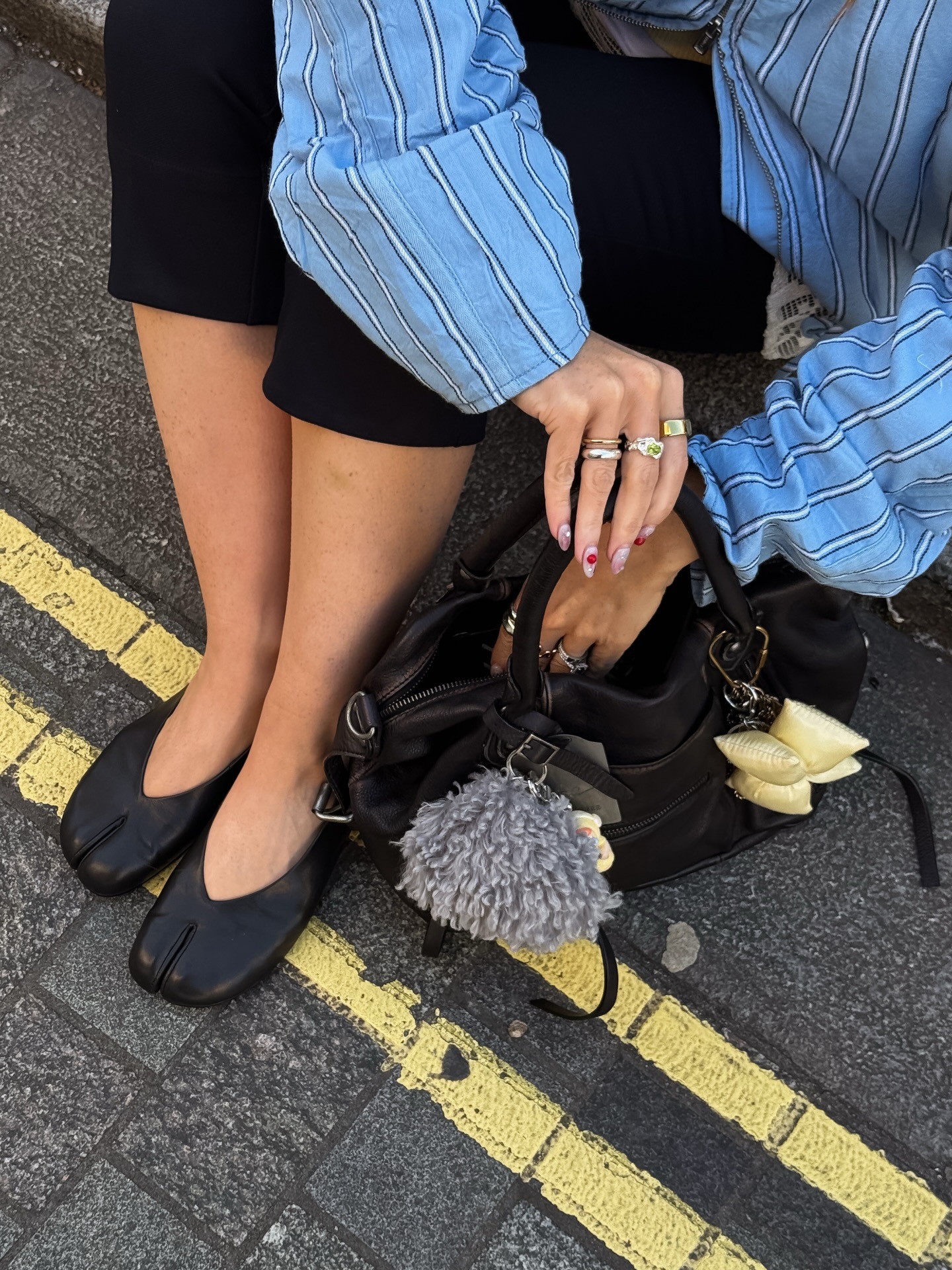
Of course, the Tabi’s ability to provoke is nothing new. The moment Martin Margiela debuted his now-iconic Tabi boot in 1988 is etched into every fashion person’s brain; models walked—in white lab coats—down the runway with the soles dipped in red paint, leaving those unmistakable split-toe footprints behind them. They quite literally left their mark. In the years that followed, the Tabi expanded beyond the original boot into loafers, heels and, eventually, the ballet flats that have become one of the house’s most recognisable designs.
Margiela didn’t invent the split-toe silhouette, though. Its origins can be traced back centuries to Japan, where Tabis were traditionally split-toe socks designed to be worn with thong sandals. It was this traditional design that reportedly inspired Margiela after a trip to Japan, eventually becoming the foundation for one of fashion’s most recognisable—and divisive—shoes.
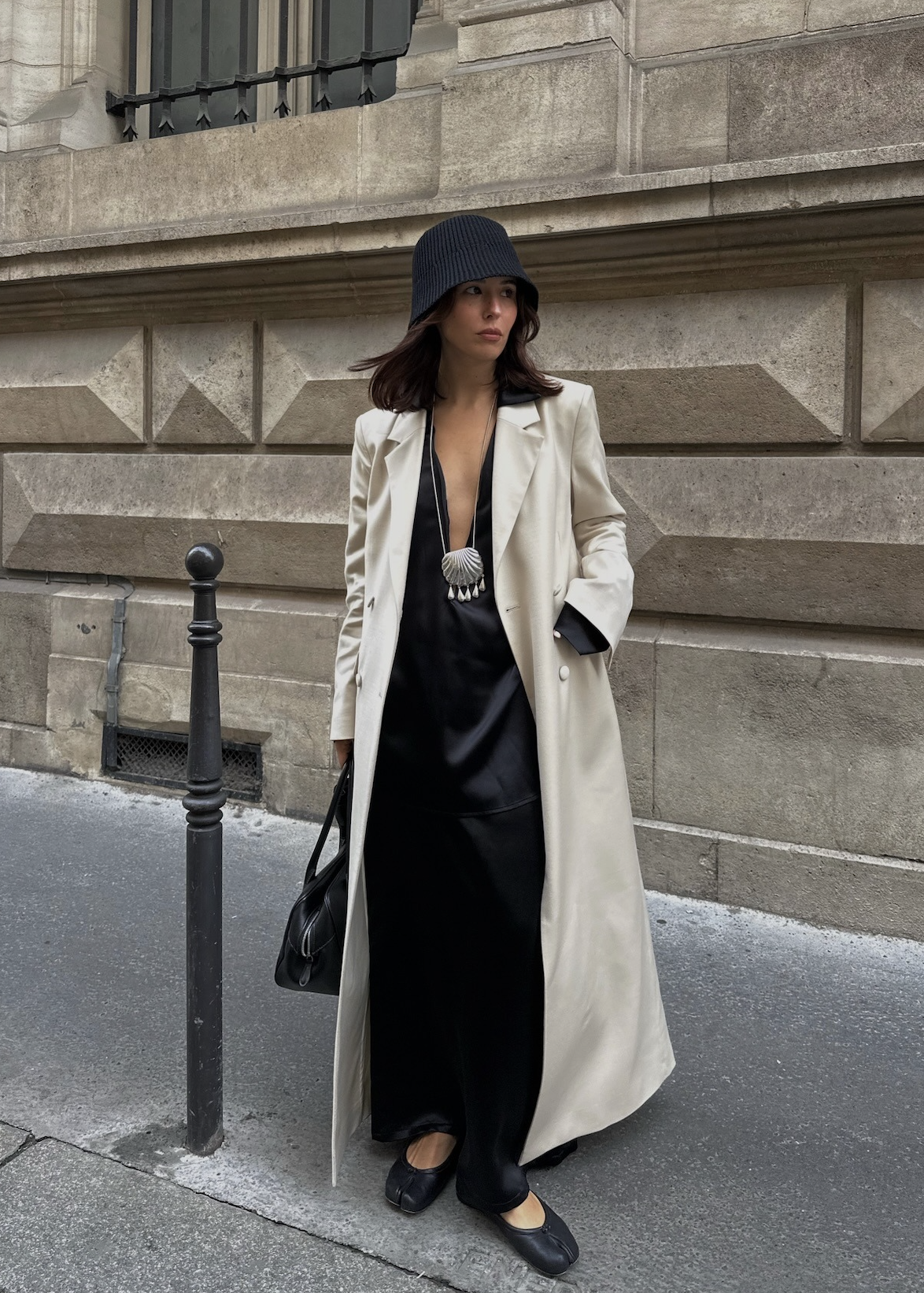
But 2026 feels like the year the Tabi has finally crossed over. Once a badge of honour for fashion’s more anarchic dressers, the controversial shoe is suddenly everywhere. Perhaps our collective appetite for “ugly” footwear has grown, or perhaps we’ve simply had enough time to come around to its charms. Either way, I now spot Tabis on stylish women on the Underground during my morning commute, on the Instagram feeds of people who might have dismissed them as “ugly” three years ago and, most recently, on Kylie Jenner, who wore hers whilst cycling around New York on a Citi Bike. Casual.
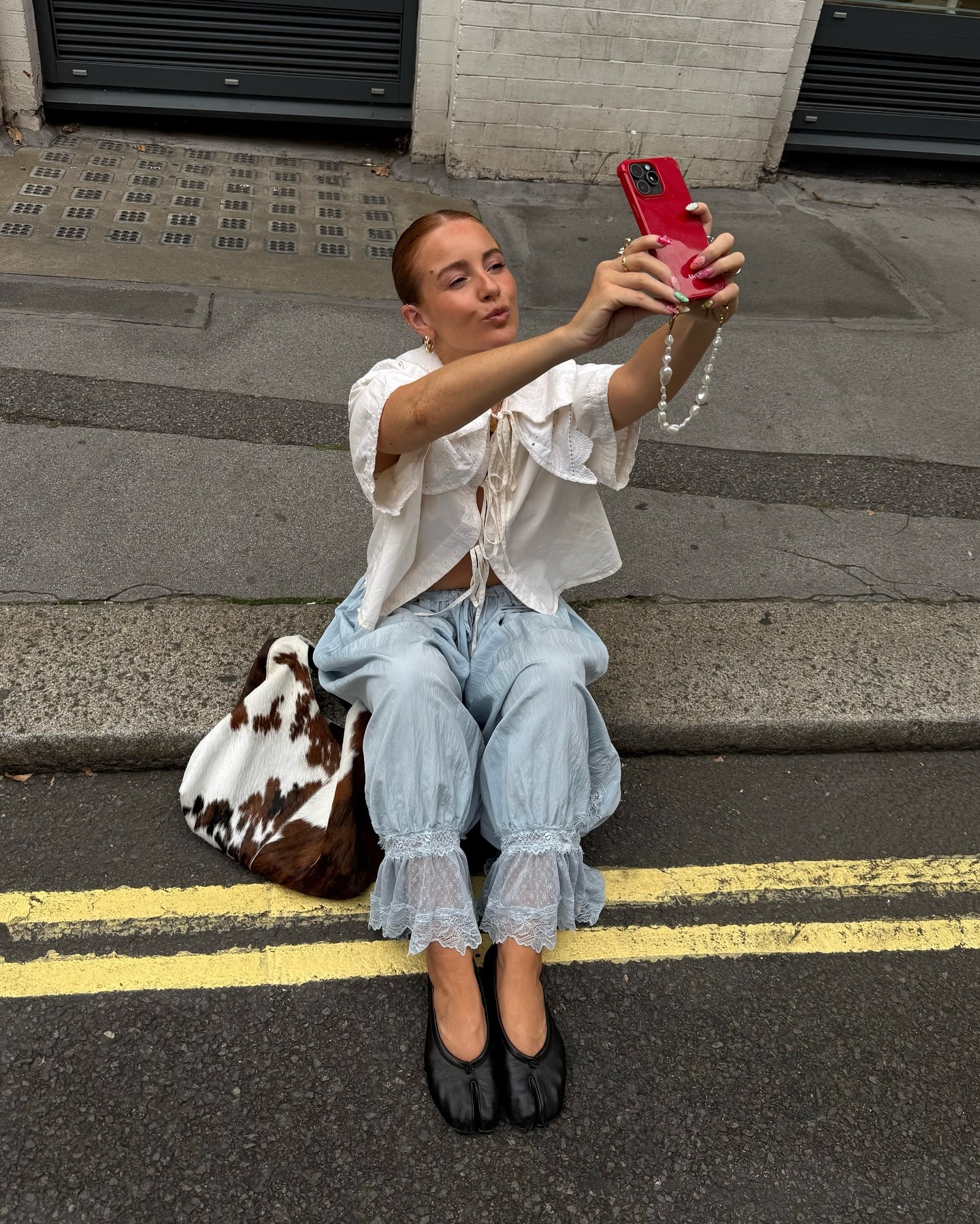
Naturally, where a cult shoe goes, the rest of fashion inevitably follows, meaning you no longer need to spend a cool £700 to own a pair. Split-toe flats are increasingly appearing beyond Maison Margiela, with brands including Anthropologie, Jeffrey Campbell and Steve Madden offering their own interpretations. Elsewhere, Massimo Dutti, COS and Free People are tapping into the same slightly offbeat mood more subtly, with angular and square-toe flats that deliver some of the Tabi’s unconventional appeal without committing to the full split toe.
Keep scrolling to shop Maison Margiela’s cult Tabi ballet flats, along with the split-toe and Tabi-inspired styles putting the once-divisive silhouette firmly into the mainstream.
Shop The Best Tabi Ballet Flats
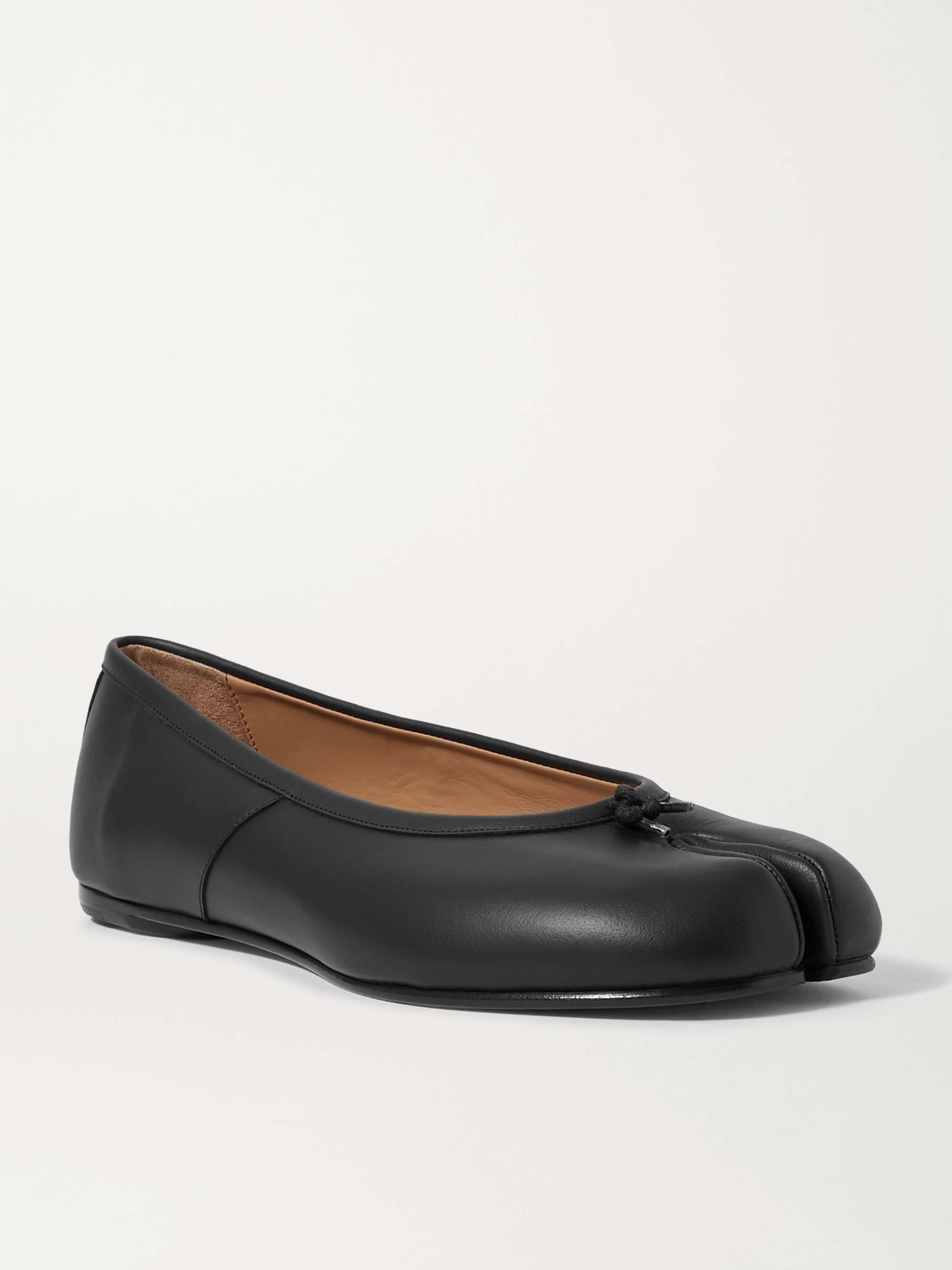
The signature Tabi toe transforms an otherwise classic leather ballerina into something instantly recognisable, and infinitely cooler.
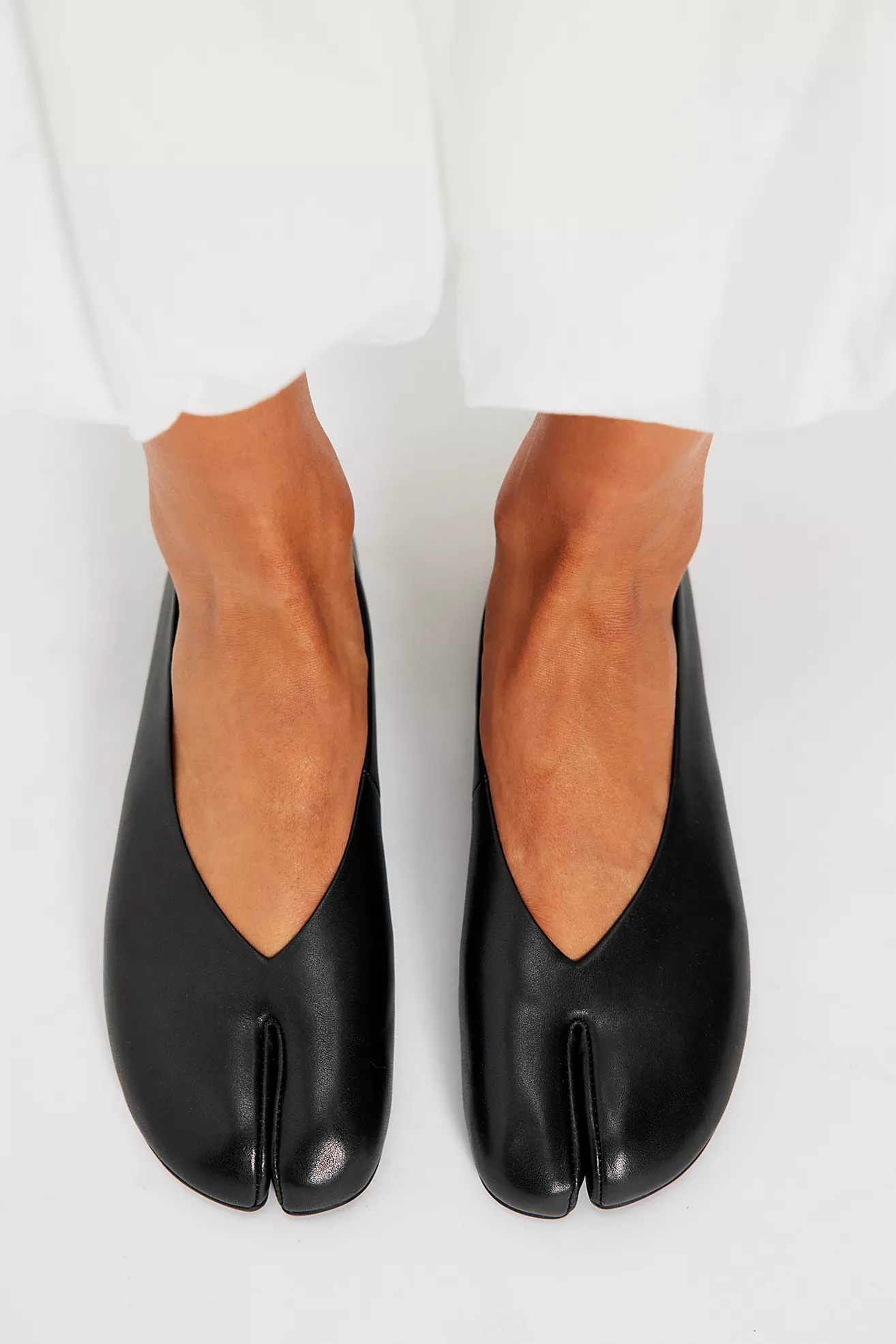
A more accessible way to experiment with the split-toe look, this Jeffrey Campbell pair have an almost glove-like quality that feels particularly current for 2026.
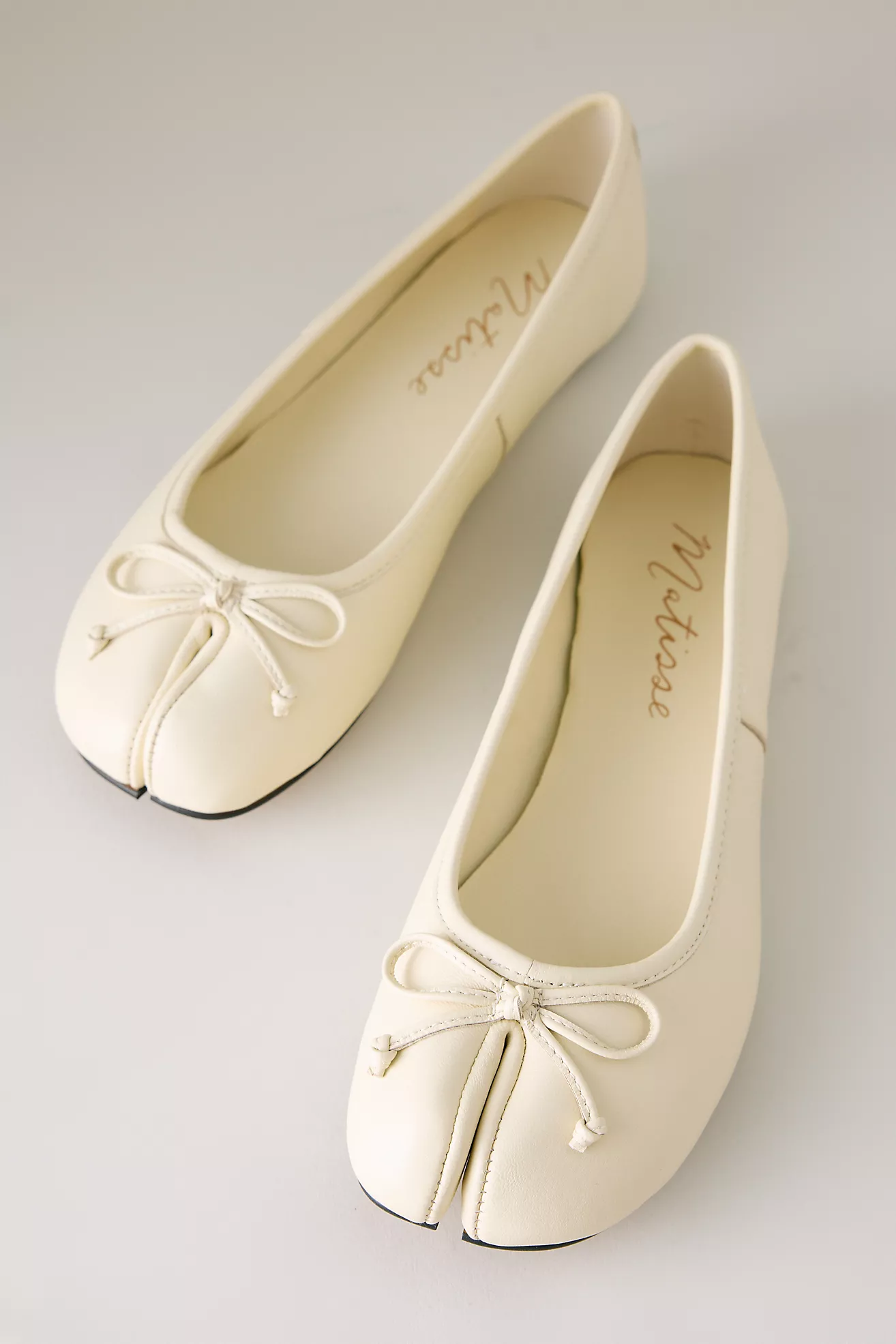
Proof that the split-toe silhouette works beyond classic black.
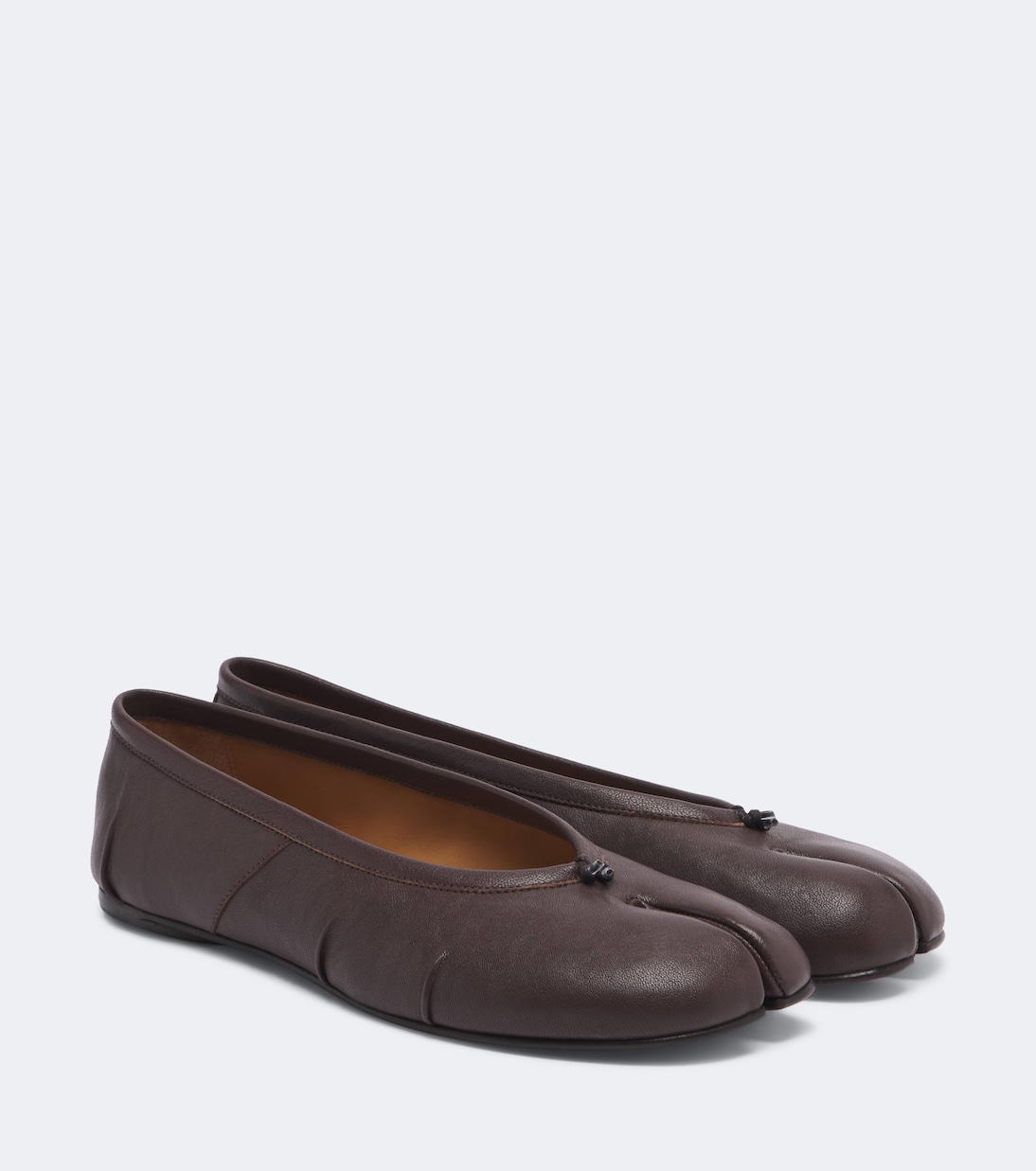
A softer alternative to black.
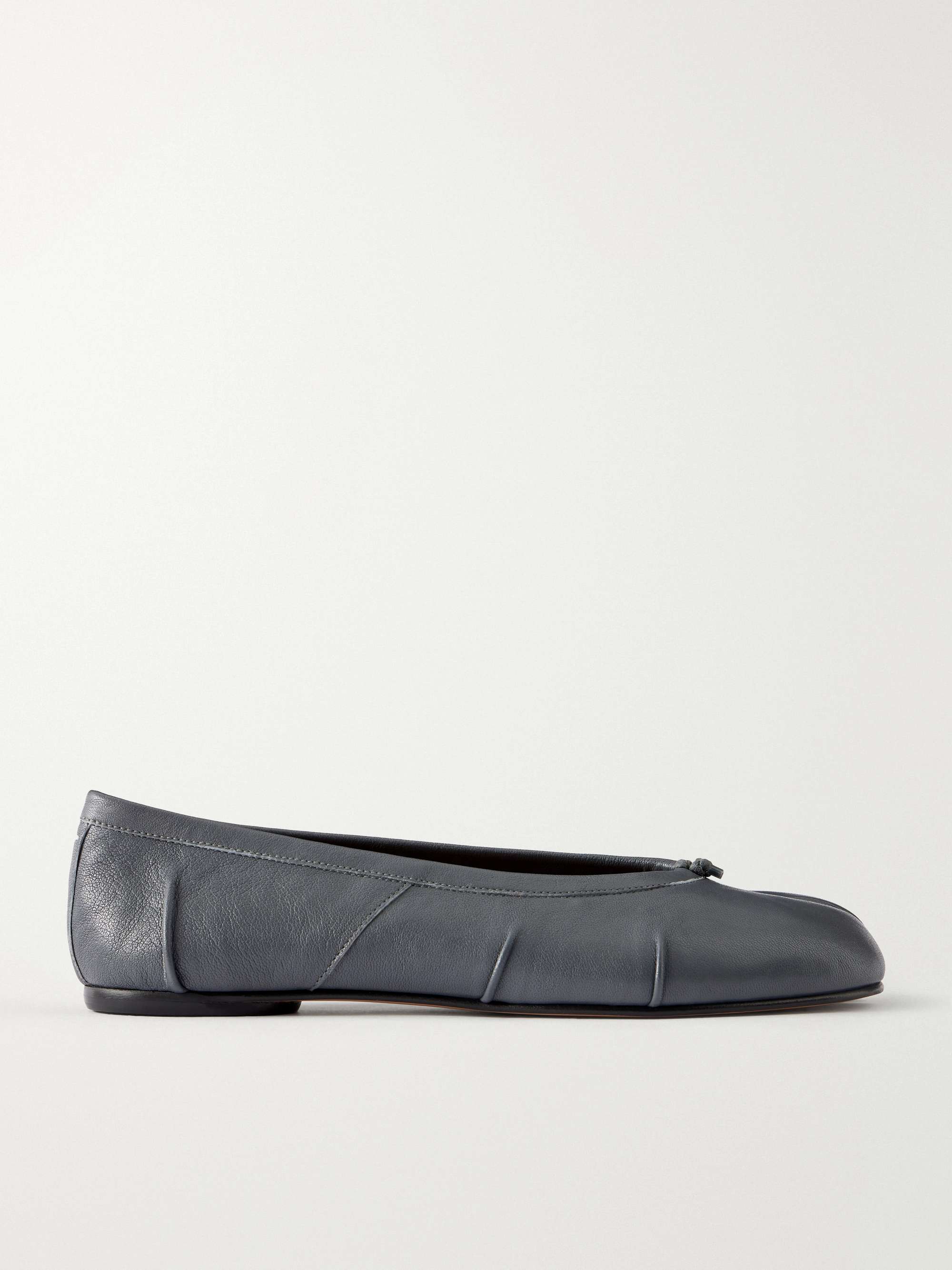
These are the kind of flats that instantly make simple denim and tailoring feel infinitely cooler.
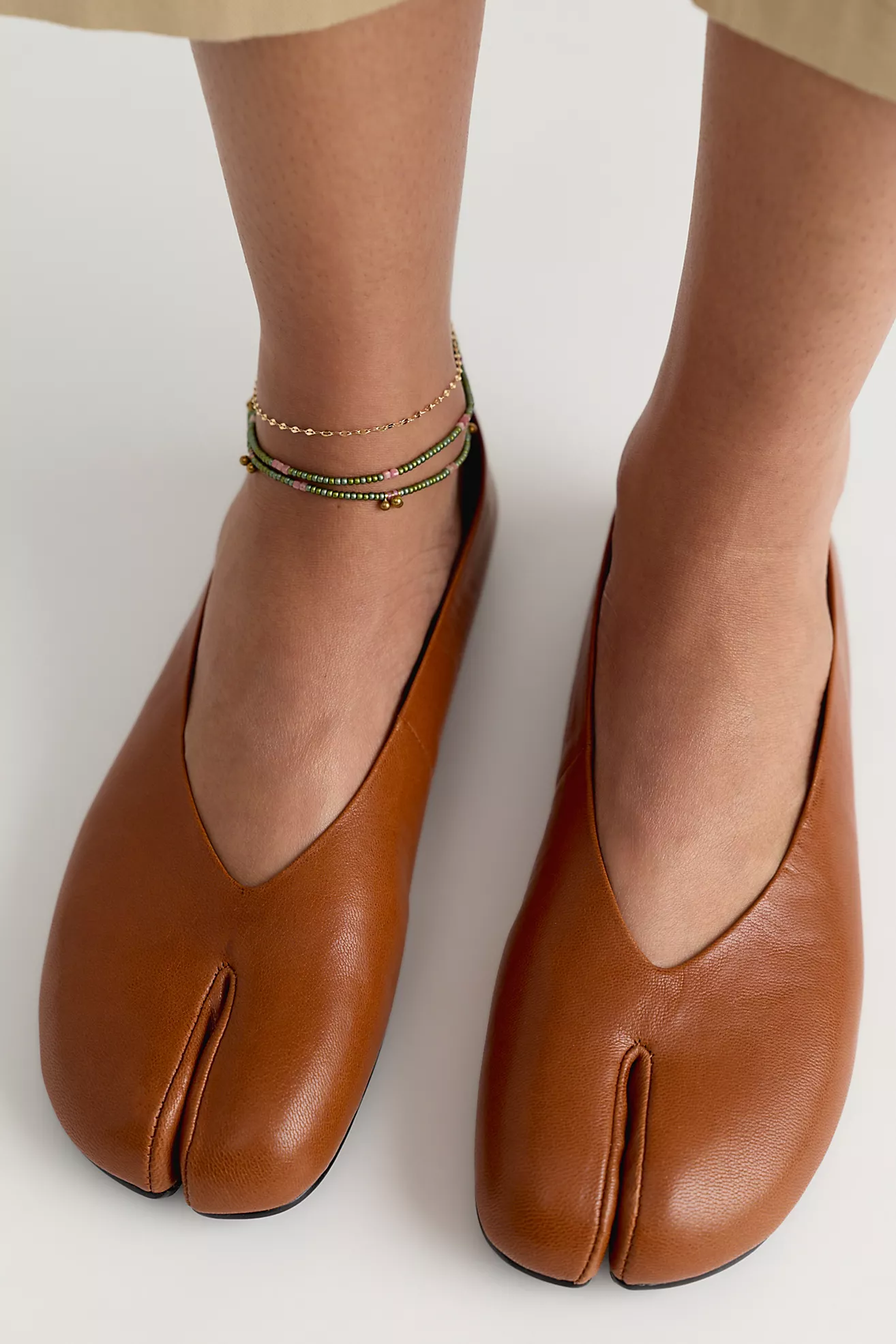
If black feels a little stark, the tan brown leather offers a softer way into the Tabi trend.
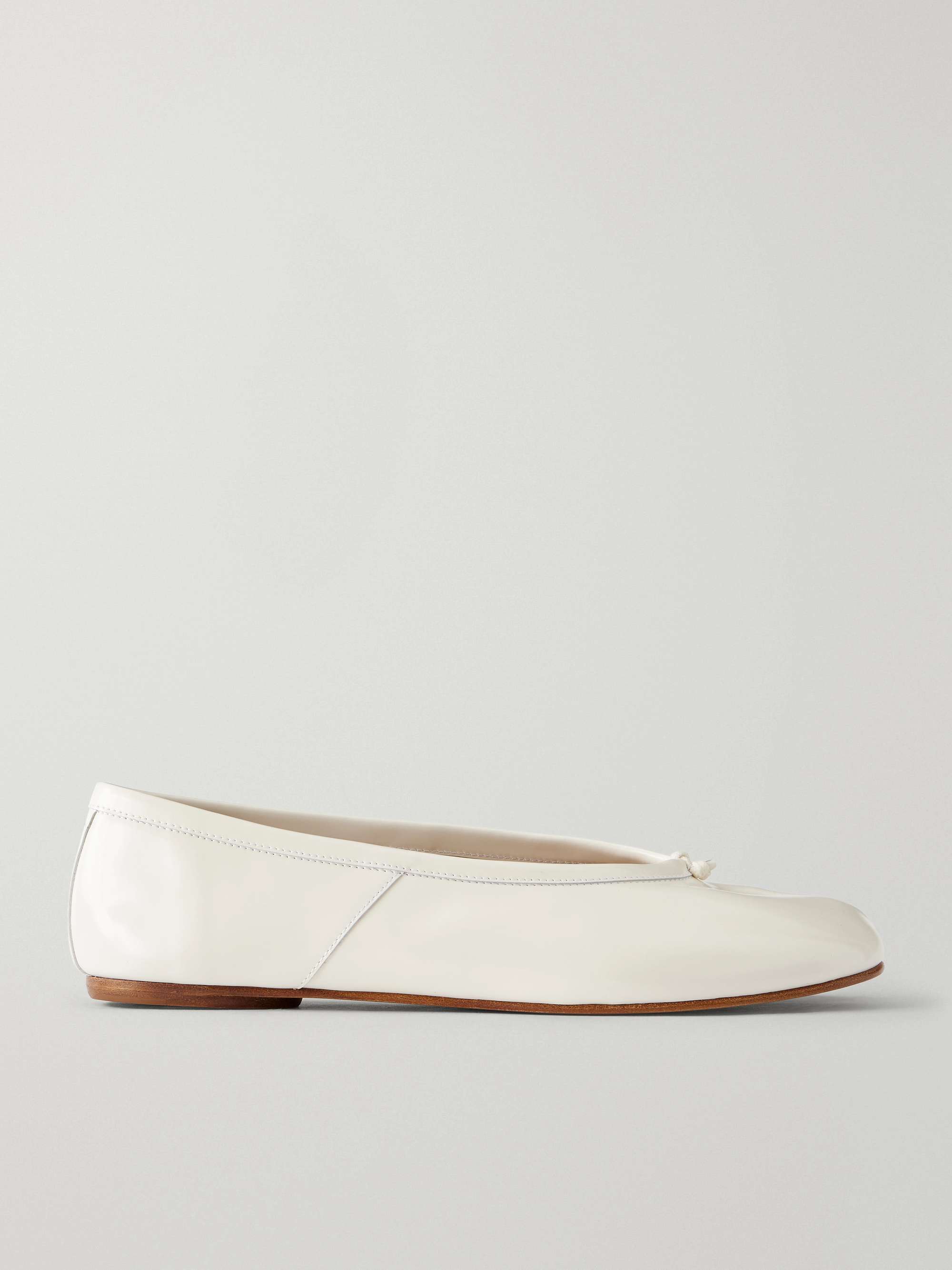
Pair with indigo denim and tonal knitwear for an expensive-looking autumn combination.
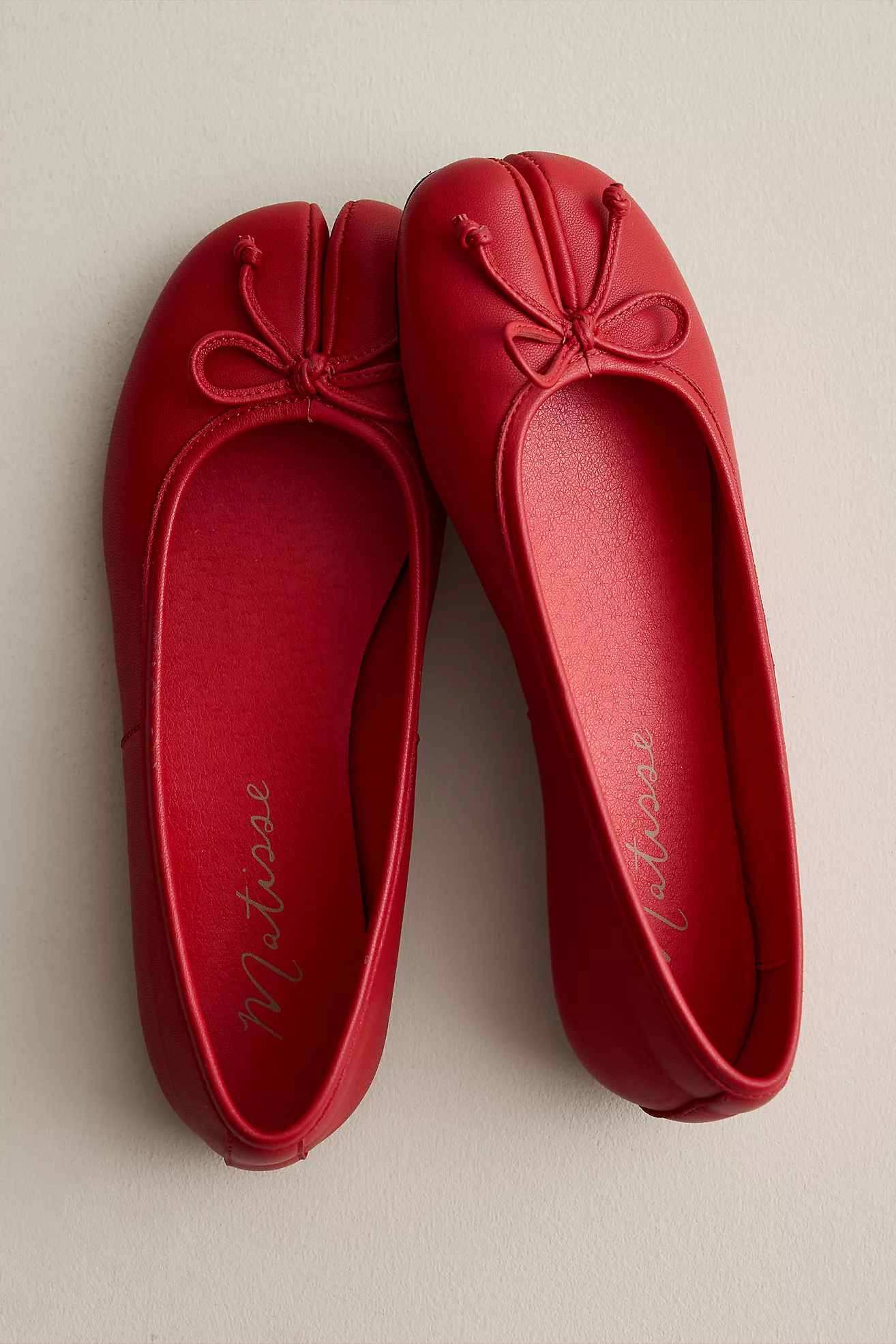
The perfect pop of colour.
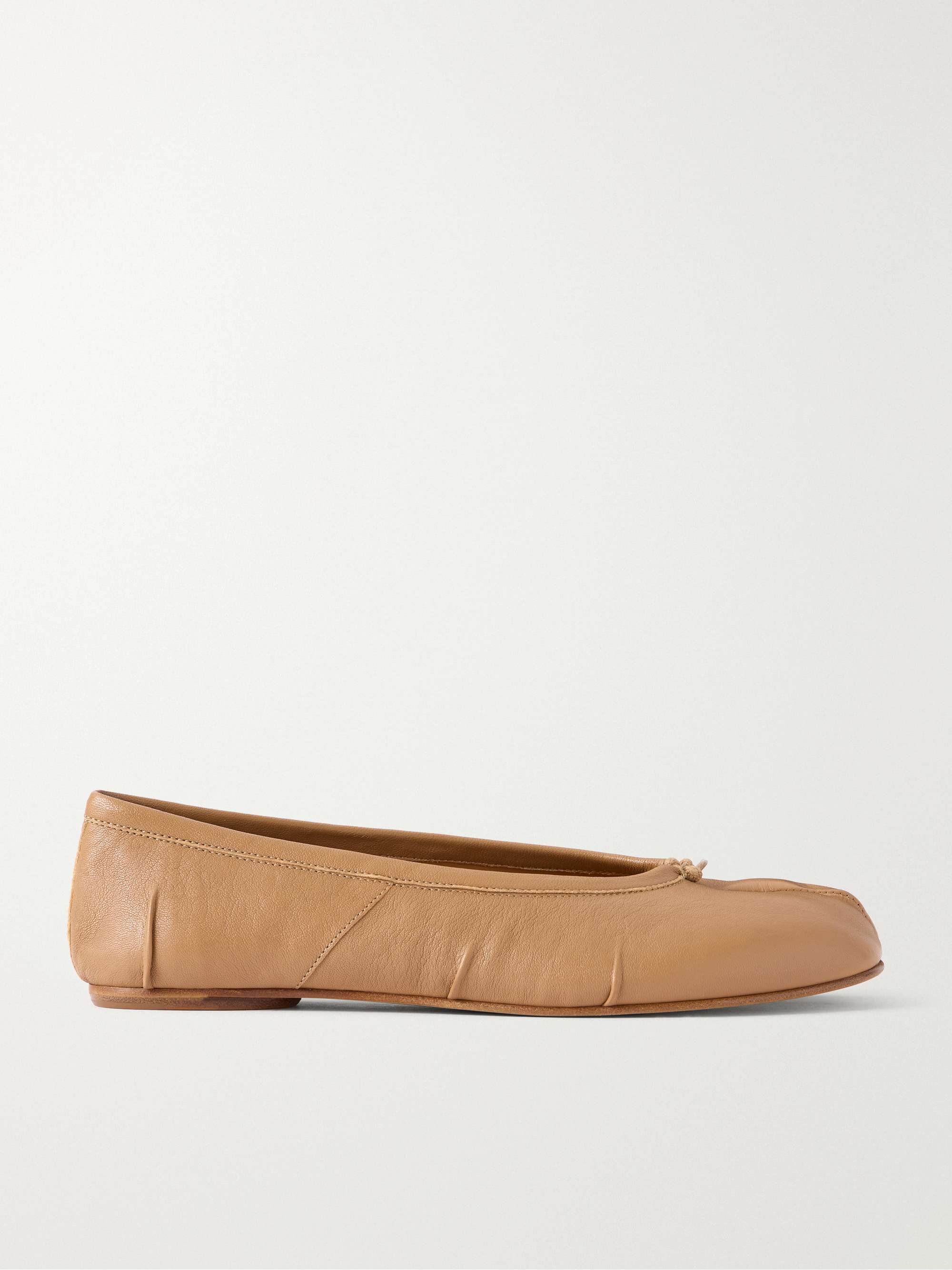
This iteration feels particularly fresh and is an easy way to make your everyday jeans-and-flats formula feel more directional.
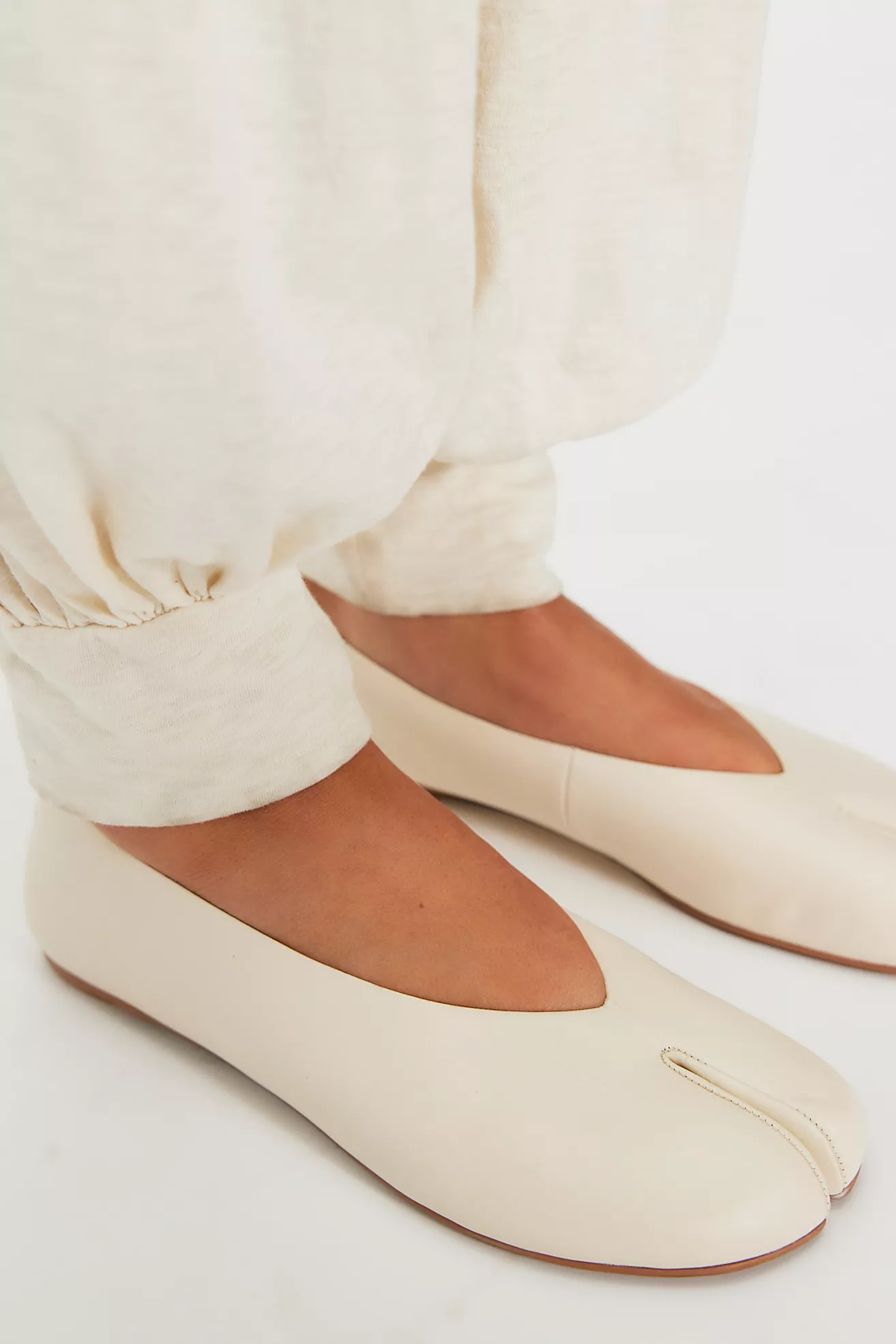
If you’re Tabi-curious but not quite ready for the full split toe, Free People’s Pit Lane flats are perfect.
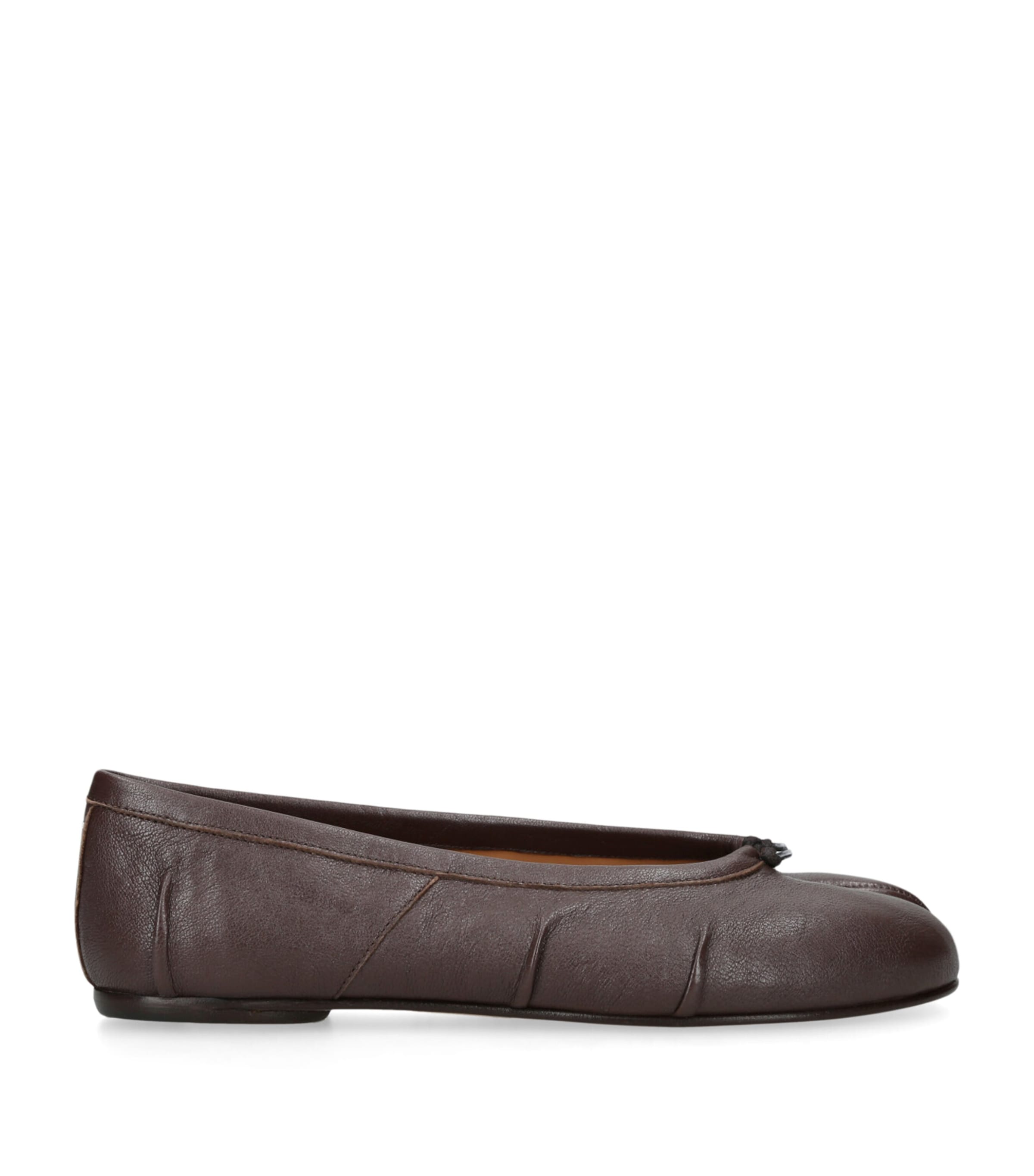
The espresso brown will always be my chosen shade for autumn.
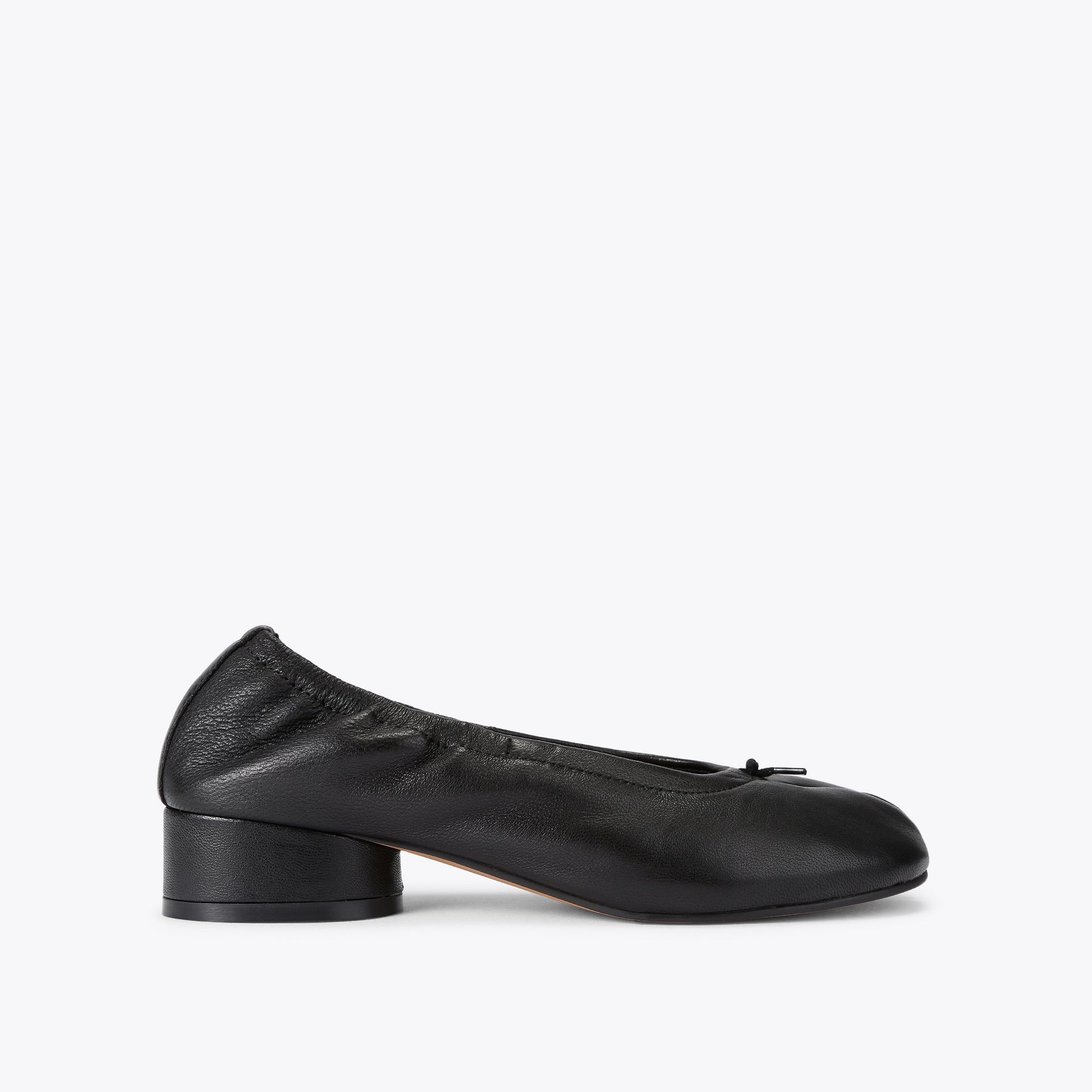
If Margiela’s Tabis have been sitting on your wish list, Steve Madden’s Cyra offers a more accessible take on the split-toe silhouette.
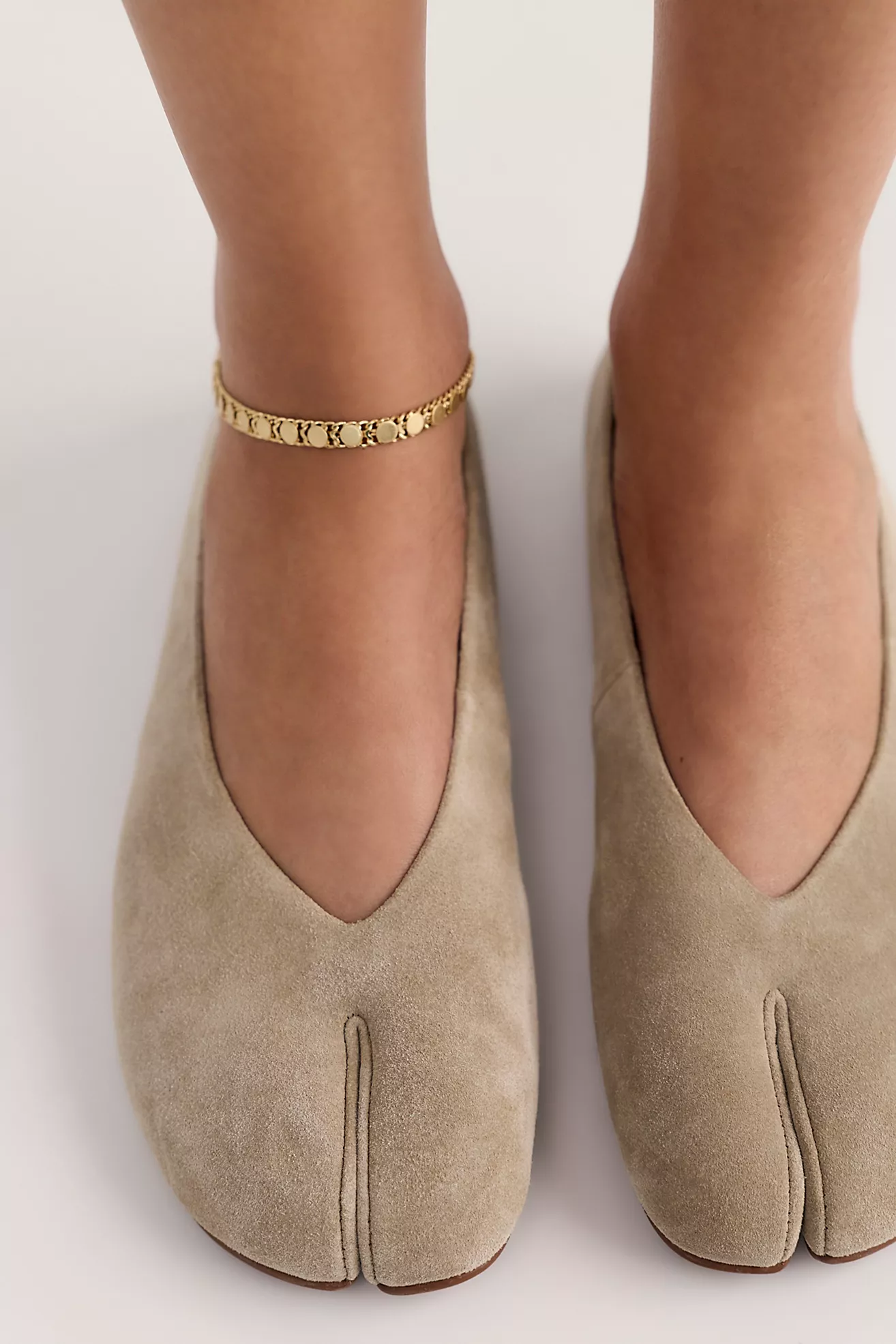
The soft suede iteration is perfect for autumn.
Shop Square-Toe Ballet Flats
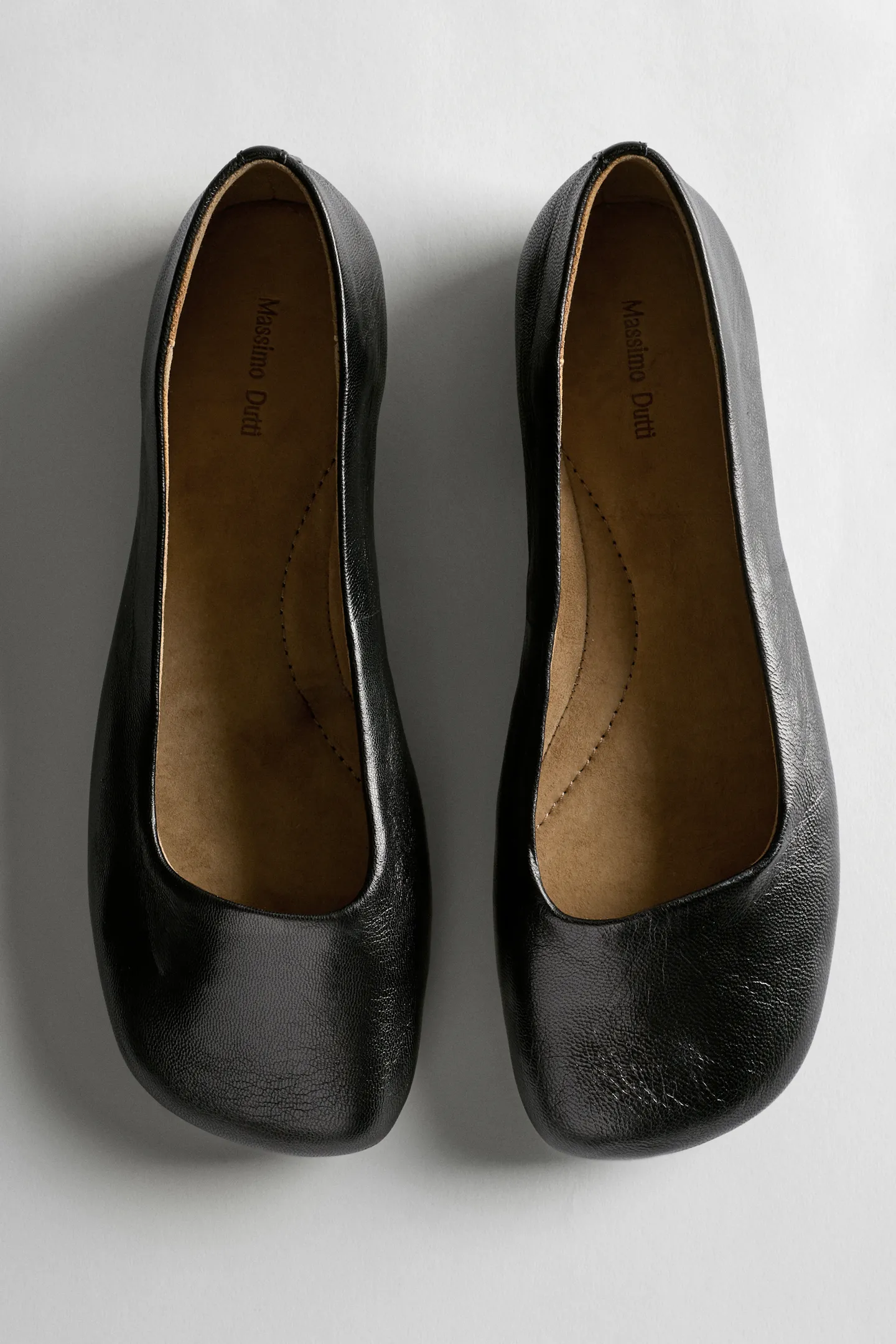
Not technically a Tabi, but very much part of the same movement towards unconventional ballet-flat shapes.
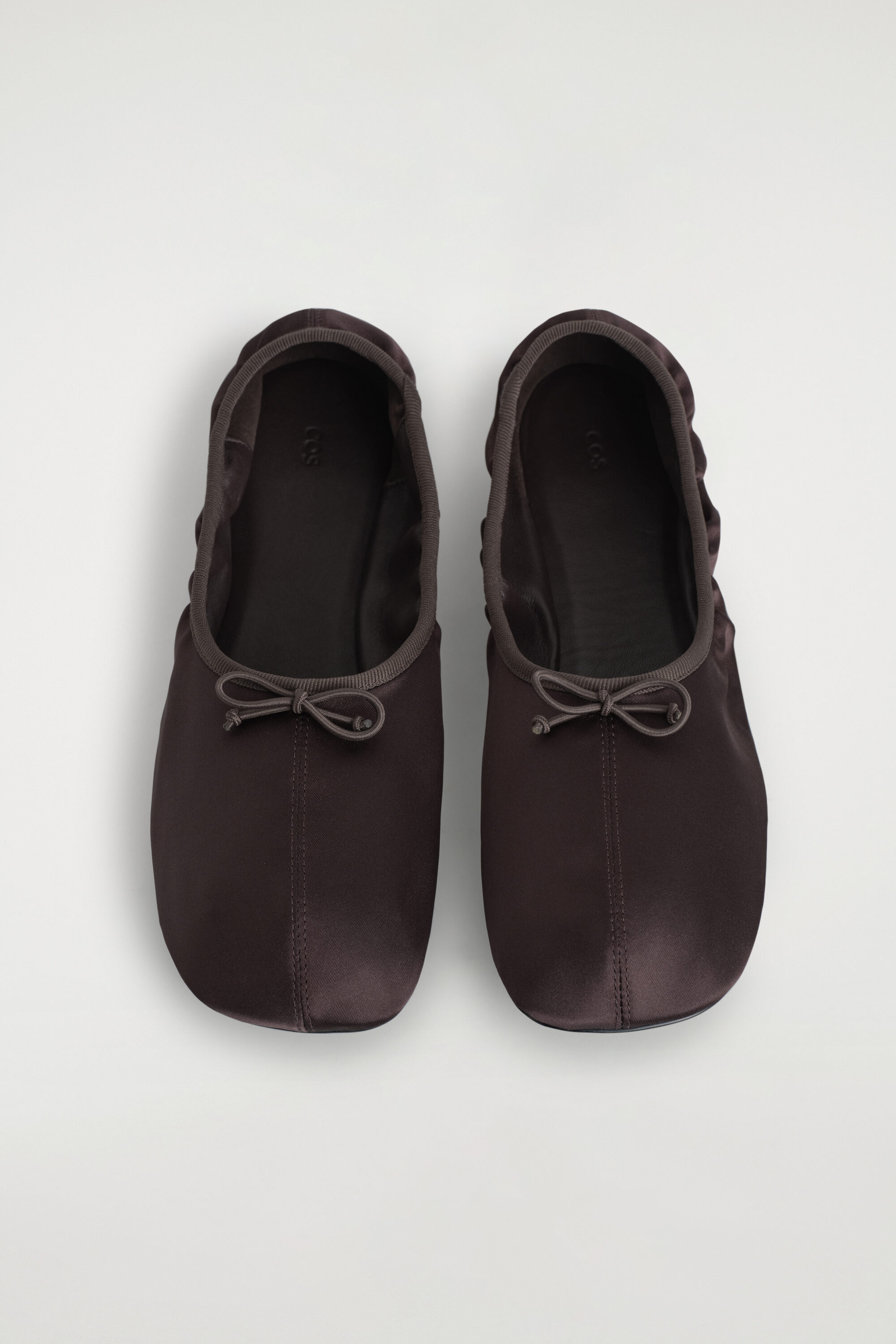
The angular toe is subtle enough for minimalists whilst still tapping into the season’s more sculptural flat trend.
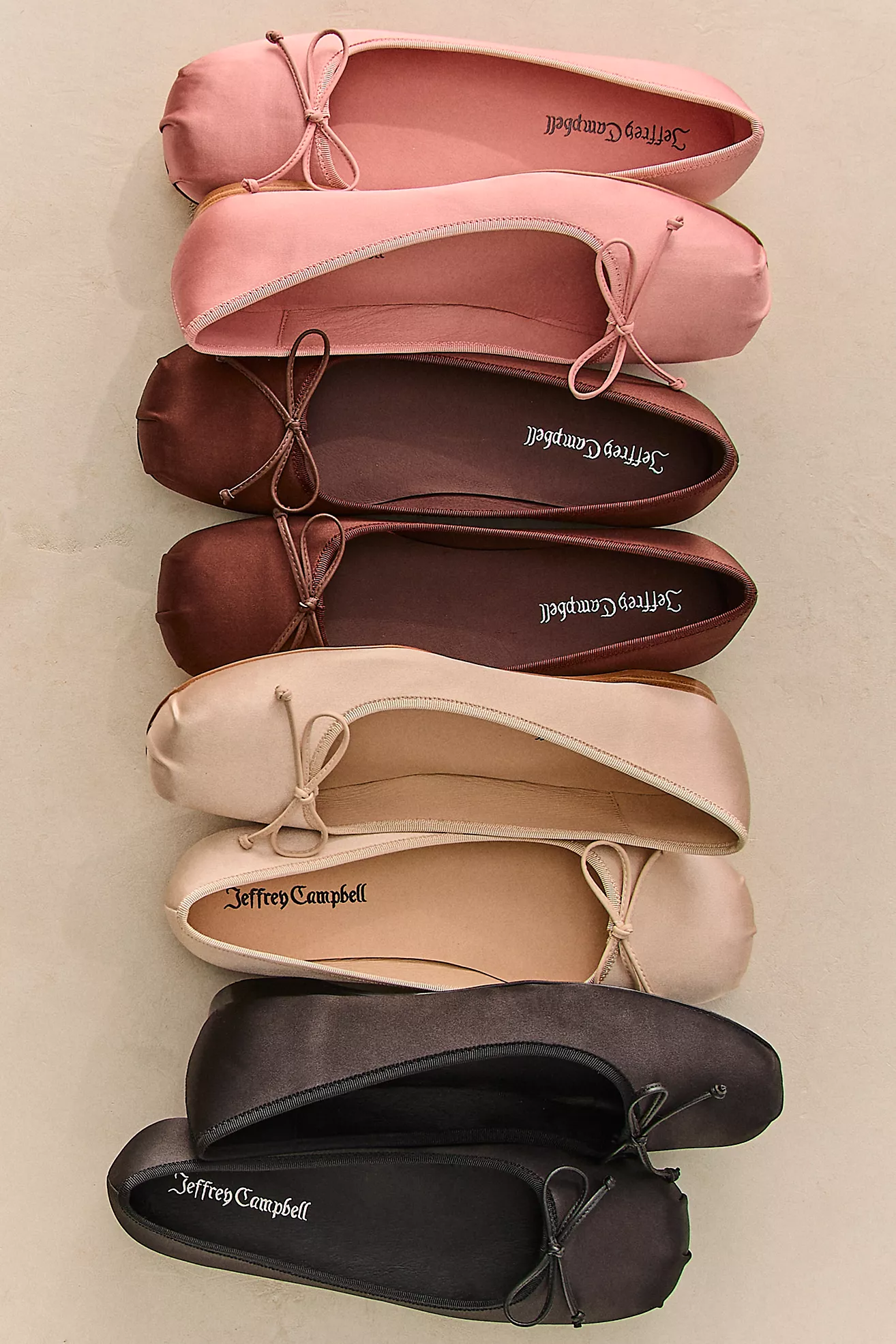
These capture the slightly strange, anti-pretty mood that has made Tabi-inspired footwear feel so relevant again.
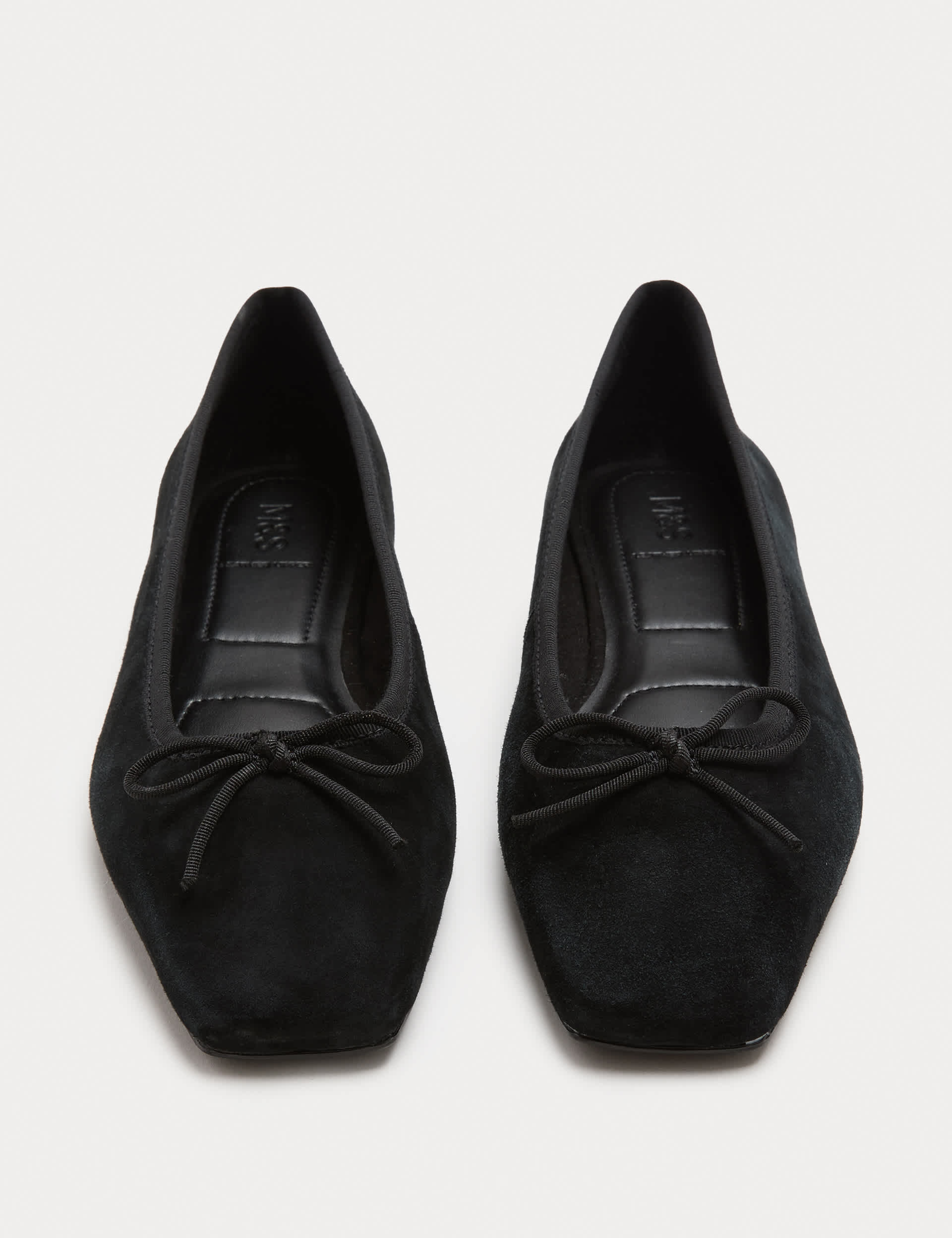
One of the easiest ways to nod to the trend without going anywhere near a split toe.
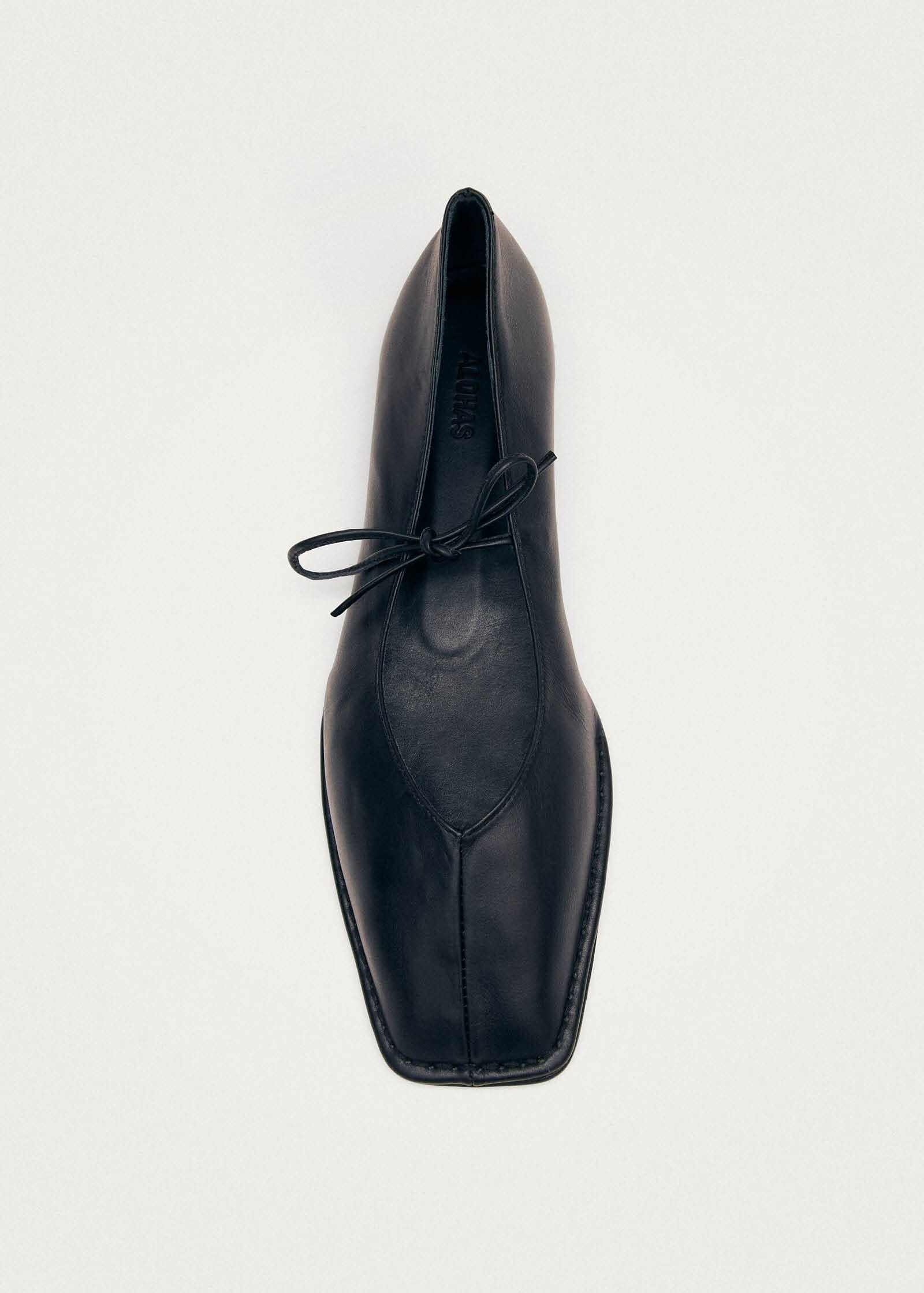
Sleek black leather makes the Sway an easy option if you’re intrigued by directional flats but still want something timeless.