Every year around the time I begin to swap my sandals for boots and dresses for sweaters, trying to figure out how to make more space before bringing my big winter coats in. I’ve done more cleanouts than I can count, lately it feels like every weekend if the time to get organized yet somehow the “maybe” pile always ends up right back on the shelf.
So this year, I went to the pros. I asked professional organizers Lisa S. Jacobs, Stephanie Vainer, and Shaniece Jones, plus stylist Liz Teich, how they decide what makes the cut. Their answers surprised me. None of them want you to pull everything out at once, and three of the four think the “if you haven’t worn it in a year, get rid of it” rule needs to go. Below, they cover the biggest mistakes, the categories people hold on to for too long, what to do with the pieces you’re ready to part with, and the one product that makes a closet easier to manage.
Lisa Jacobs

What are the biggest signs that it’s time to let go of an item in your closet?
The biggest sign that it’s time to let go of something in your closet is when it no longer serves a purpose in your life. If an item no longer fits, feels uncomfortable, doesn’t reflect your personal style, or hasn’t been worn in years, it may be time to part ways. I always encourage clients to be honest about what they actually wear versus what they’re holding onto “just in case.” Your closet should reflect your current lifestyle and be filled with pieces you genuinely love, wear, and feel-good in.
What are the most common mistakes you see people make when cleaning out their closets?
One of the most common mistakes I see is people holding onto clothing they’re saving for a rainy day. Another is jumping straight into organizing without properly editing first. I always emphasize the importance of taking inventory of what you own and thoroughly editing before implementing organizational solutions. There’s no point in beautifully organizing a closet full of things you no longer wear or need!
How do you decide whether an item is worth keeping if you haven’t worn it in a long time?
I always encourage clients to ask themselves why they haven’t worn an item and whether they can realistically see themselves wearing it again. Does it still fit, reflect their personal style, and serve a purpose in their wardrobe? Of course, timeless investment pieces, sentimental items, and special occasion clothing are exceptions worth considering. Ultimately, if you can’t envision yourself wearing something again, it’s probably time to let it go.
What are the biggest misconceptions you wish people would stop believing?
One of the biggest misconceptions is that a successful closet cleanout means getting rid of as much as possible. It’s not about how much you eliminate, but about making thoughtful decisions about what deserves a place in your wardrobe. Another myth is that you need a large, luxurious walk-in closet to be organized. With the right systems in place, even the smallest closets can be functional, beautifully organized, and easy to maintain.
What items or wardrobe categories do people tend to hold on to for too long?
I often see clients holding onto an excessive number of basics, like old T-shirts, sweaters, and jeans, as well as shoes they no longer wear. People tend to accumulate multiples of these items, even when they consistently reach for the same few favorites. Holding onto more than you actually need only creates unnecessary clutter and makes it harder to see and access the pieces you love.
What wardrobe staples are worth replacing once they’ve become worn out, and what can typically be repaired or tailored instead?
Everyday essentials like T-shirts, undergarments, and frequently worn basics are worth replacing once they’ve lost their shape, become stretched out, or show significant wear. On the other hand, quality investment pieces like blazers, coats, and leather goods can often be given new life through alterations or repairs. I always encourage clients to consider the quality, condition, and longevity of an item before deciding whether to replace it. A well-maintained wardrobe is just as important as a well-organized one!
What’s your advice for someone who feels overwhelmed by the idea of cleaning out their entire closet?
You don’t have to tackle your entire closet at once! I always encourage clients to start small and focus on one category at a time, whether it’s shoes, coats, or sweaters. Another great approach is to edit your wardrobe seasonally, reassessing what you own as you transition from one season to the next. Breaking the process into smaller, manageable steps makes it feel far less overwhelming and helps you maintain an organized closet year-round.
What should people do with the pieces they’re ready to part with, and how can they make more thoughtful decisions about donating, reselling, or recycling them?
Clothing that’s still in good condition can be donated to local charities or organizations, while designer pieces and higher-value items may be worth reselling or consigning. The goal is to give items a second life whenever possible rather than simply throwing everything away.
If someone wanted to order just one item that would make their closet easier to manage, what would you suggest?
One of my favorite closet organization tricks is using baby hangers for jeans and pants! They’re smaller than traditional hangers, which helps maximize closet space while keeping everything neat, visible, and easily accessible. It’s such a simple, inexpensive swap that can make a big difference in how your closet looks and functions.
Stephanie Vainer

What are the biggest signs that it’s time to let go of an item in your closet?
For me, the biggest sign is when I can’t keep up with the laundry anymore! 😂 When clothes are constantly piling up, drawers won’t close, and putting clean laundry away feels like a chore because there’s simply nowhere for it to go, that’s usually my sign that it’s time for a closet cleanout.
Other signs? You’re wearing the same handful of outfits even though your closet is packed, you can’t find what you’re looking for, or getting dressed every morning feels more stressful than it should.
But I think the hardest part of decluttering is actually letting things go, and I struggle with this too! We attach so much emotion to our belongings, whether it’s the money we spent, the memories attached to them, or the person we used to be.
There’s something so freeing about finally letting go of things that no longer serve you. You genuinely feel lighter! And when you stand back and see all your hard work, it’s such a rewarding feeling.
I always say, the goal isn’t to own less. It’s to make your home easier to live in.
What are the most common mistakes you see people make when cleaning out their closets?
Trying to do everything at once! I see this all the time. People get motivated, pull everything out of their closets, and suddenly they’re sitting in the middle of a mountain of clothes wondering why they even started.
Then they get overwhelmed, run out of time, and everything ends up right back where it started.
I always tell my clients and community to start small. One drawer, one shelf, or even just one category of clothing. Give yourself a little win! That feeling of accomplishment is what motivates you to keep going.
Another mistake is buying organizers before decluttering. You can have the prettiest organizing system in the world, but if you’re just organizing things you don’t actually need or want, you’re not solving the problem. You’re probably just putting off the harder part of the process.
How do you decide whether an item is worth keeping if you haven’t worn it in a long time?
I’ve spent the last seven years helping people declutter, organize, and make the most of small spaces. And one thing I’ve learned is that the hardest part of decluttering usually isn’t deciding what to keep. It’s understanding why we’re holding on to things in the first place.
I’ve seen organizing advice from people with walk-in closets practically the size of our first house! But when you’re working with limited space, you have to be a little more intentional about what deserves a place in your home.
Instead of following the usual rule of getting rid of anything you haven’t worn in six months, I like to ask myself, “Why am I still holding on to this?”
Honestly, sometimes cleaning out your closet feels more like a therapy session than an organizing project! We attach so much emotion to our belongings, and I think it’s important to recognize that. Am I keeping this because I genuinely love it? Or because I spent too much money on it? Does it remind me of a different time in my life? Am I holding on to it because I hope it’ll fit again someday?
I don’t believe you should get rid of something simply because you haven’t worn it recently. But I do think you need to be honest with yourself about why you’re keeping it.
There’s a big difference between holding on to something because it brings you joy and holding on to something because you feel guilty letting it go.
What are the biggest closet-cleanout myths you wish people would stop believing?
That you need to become a minimalist to have an organized home!
I love clothes, I love shopping, and I love beautiful things. I don’t believe you need to give all of that up to be organized.
I also don’t believe everyone needs a capsule wardrobe or some magic number of pieces in their closet.
To me, organizing isn’t about owning as little as possible. It’s about making the space you have work for the life you actually live RIGHT NOW.
What items or wardrobe categories do people tend to hold on to for too long?
Oh, definitely the “someday” clothes! 😂
The jeans we’re hoping will fit again, the dress we spent too much money on but never wear, or the shoes that look beautiful but are so uncomfortable we avoid putting them on.
I also think people hold on to a lot of duplicates without realizing it. We all have those five nearly identical sweaters, but somehow we reach for the same one every time.
I always encourage people to pay attention to their favourites. The things you consistently reach for tell you so much about what you actually enjoy wearing. Let the rest go to a new home where they’ll be loved and used.
What wardrobe staples are worth replacing once they’ve become worn out, and what can typically be repaired or tailored instead?
I’m a big believer in taking care of the things you already own.
Good-quality coats, denim, blazers, and dresses can often be repaired or tailored. Sometimes something as simple as replacing a button, fixing a zipper, or having a pair of pants hemmed can give a piece a whole new life.
But everyday basics like socks, underwear, and T-shirts that have completely lost their shape are usually worth replacing when they’re no longer comfortable or functional.
I think it’s important to remember that decluttering doesn’t always mean throwing things away and buying new ones. Sometimes it’s about appreciating and taking better care of what you already have.
What’s your advice for someone who feels overwhelmed by the idea of cleaning out their entire closet?
Do NOT clean out your entire closet! Seriously.
One of the biggest things I’ve learned over the years is that you don’t need an entire weekend or a perfectly organized home to feel accomplished.
Set a timer for 20 minutes and pick one small area. Maybe it’s your sock drawer, your sweaters, or just the clothes hanging on one side of your closet.
Finish that one thing, enjoy the feeling of having accomplished it, and come back tomorrow.
I think people underestimate how much progress they can make in 20 minutes a day. Those little wins add up, and before you know it, your entire closet feels different.
Which is exactly why I launched our Substack! It’s designed to give people the guidance, motivation, and manageable daily tasks they need to declutter and organize their entire home in just 20 minutes a day over the course of a year.
What should people do with the pieces they’re ready to part with, and how can they make more thoughtful decisions about donating, reselling, or recycling them?
I always encourage people to think about where their things are going next.
If something is in great condition and has resale value, selling it is a great option. But I also remind people to be realistic about how much time and effort they want to put into selling things.
For clothing that’s still wearable, I love the idea of donating locally, especially to organizations that can get those items directly into the hands of people who need them. Facebook Marketplace and local Facebook groups are also great places to give things away to someone who can use them.
And for anything that’s no longer wearable or repairable, look into textile recycling options in your area.
But here’s something I see all the time: people declutter their closets and then leave bags of donations sitting in their bedrooms, hallways, or cars for months!
The job isn’t finished until those things have actually left your home. Make a plan for where they’re going before you even start.
If someone wanted to order just one item that would make their closet easier to manage, what would you suggest?
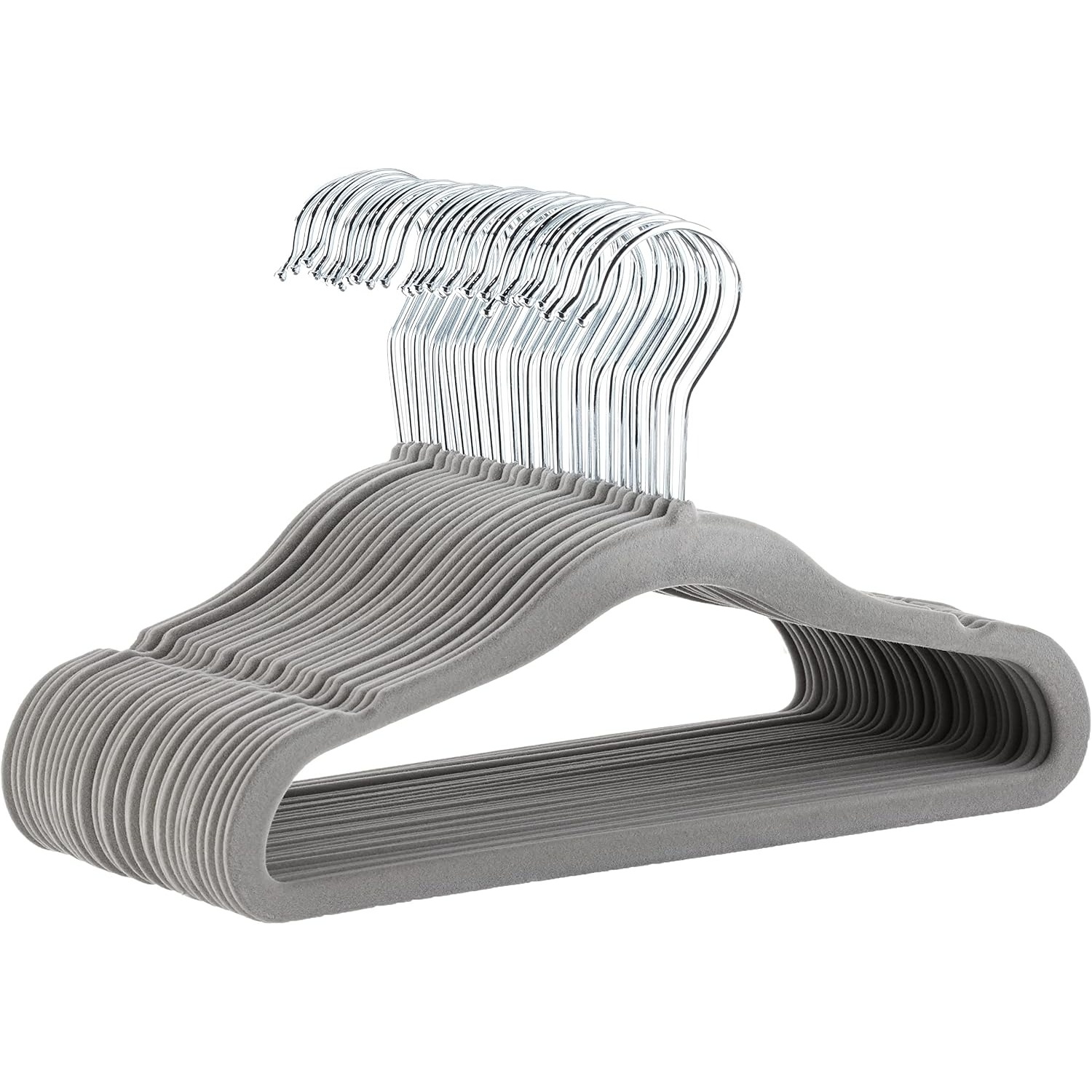
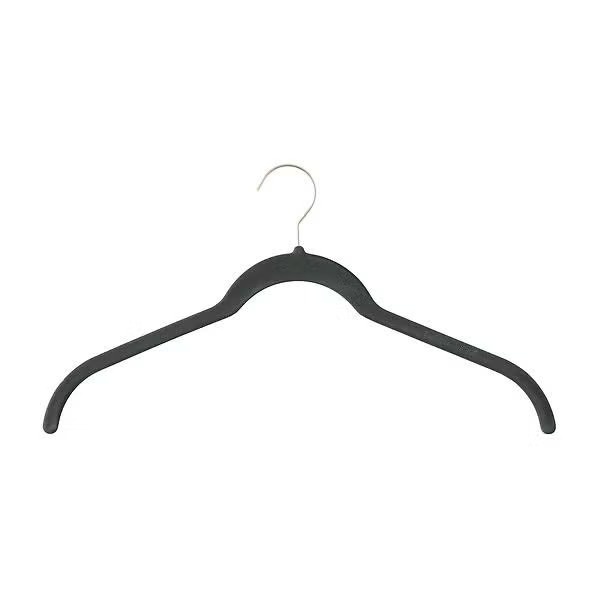
Honestly, slim, non-slip hangers!
They’re such a simple change, but especially in a small closet, they can make a huge difference. They help maximize hanging space, keep clothing from slipping off, and make everything look so much more cohesive and, in turn, more organized.
Don’t forget to hang your clothes by category and then by colour. That alone can do wonders for how your closet looks and feels. There’s something so calming about opening a closet and actually being able to see what you own!
I’ve always believed that you don’t necessarily need more storage. Sometimes you just need to make better use of the space you already have.
And of course, my biggest piece of advice is to declutter before you buy any organizing products. Figure out what you actually need to store first and save your closet measurements in your phone.
Shaniece Jones

What are the biggest signs that it’s time to let go of an item in your closet?
The biggest signs that it’s time to let go of an item are not what most people think, which is that it’s time to let go when something is worn out or has holes. And I don’t fully subscribe to “if you haven’t worn it in a year, it has to go.” The real sign is when an item no longer aligns with your lifestyle, your style, or who you are today. Or when it carries emotional weight that keeps you stuck in a moment you’ve already outgrown.
I studied biology, and the longer I’ve done this work with closets, the more I’ve come to see the closet not as storage but as an environment that shapes how we think, feel, and live. My core belief is that the closet is the most overlooked space in the home, yet it carries the most psychological weight. Every morning you open those doors and get a message about who you were, who you think you should be, or who you are now. If a piece is speaking to a version of you that no longer exists, that’s your sign to let it go.
What are the most common mistakes you see people make when cleaning out their closets?
The biggest mistake is starting on impulse with no plan. Maybe a social media post sparked it, or a friend just did theirs. People also tend to repeat what they did at their last cleanout, which is exactly why it didn’t last. Or they follow cookie-cutter advice they see online, when their closet, lifestyle, and style are completely different from the person sharing it.
They took action, but they didn’t change the behavior behind the mess: how they consume, how they shop, and their mindset. And they didn’t realize what they were really cleaning out. It isn’t just clothes. It’s a version of yourself that no longer fits.
That’s why I created the Closet Therapy™ MVP Method (Mindset, Vision, Plan), the framework I use with my 1:1 clients. It’s built on one idea: our environments shape how we live, think, and feel. If you only change the closet and not the behavior, the closet will refill itself.
How do you decide whether an item is worth keeping if you haven’t worn it in a long time?
I love a garment with history, so time alone or the common “if you haven’t worn it a year, get rid of it” isn’t my deciding factor. Instead, I ask a series of questions:
Does it fit my current style?
Can I see it in an outfit I’d wear this week?
If I had to rebuy it today, would I?
If a friend were cleaning out her closet and offered it to me, would I take it?
Can it be remixed (cut off a sleeve, swap the buttons)? And honestly, will I actually do it?
Is it sentimental? If so, is there another way to honor it, like passing it to someone who will appreciate it?
What story am I telling myself about letting it go, and is that story true?
Is it outdated? Trends do come back, but rarely in exactly the same way, so the original version often still reads as dated.
It’s also worth knowing that your brain is working against you here. Behavioral economists call it the endowment effect: we value things more simply because we own them. Greg McKeown writes about it in Essentialism. Once something is yours, and especially once you’ve attached meaning to it, it feels more valuable than it really is. These questions help you see the item the way a stranger would.
What are the biggest closet-cleanout myths you wish people would stop believing?
I wish people would stop believing the hype when they hear the following phrases or statements that come across about 80% of professional organizers’ or personal stylists’ pages:
“Declutter once and for all.” This is the biggest myth ever told. You will keep editing your closet as you evolve, because your style evolves with you. A closet edit isn’t a one-time event. It’s maintenance.
“Shop for the future version of you.” If you aren’t living as that version yet, you aren’t wearing those clothes. They just sit there, dormant, taking up space and reminding you of who you’re not yet.
“Purge half your closet.” Creating enough space to see everything is essential, but purging half your wardrobe isn’t the solution. Without changing the behavior, you’ll just refill it.
“When you find something you love, buy it in every color.” This is how you end up with multiples of the same item, sometimes in the same color. A full closet isn’t a functional closet. We get bored easily. You default to your uniform, then scroll and see everyone else’s wardrobes, and suddenly you hate your own clothes. That’s why people stand in front of a packed closet and feel like they have nothing to wear.
What items or wardrobe categories do people tend to hold on to for too long?
I see the same categories in almost every closet. Please note some of these are phrases I use with my clients. The Sentimental Value Trap: Gifts from friends, exes, or family: a scarf, a jacket, a pair of earrings. People keep them out of guilt. “What if they ask about it?” Nine times out of ten, no one is asking about a gift they gave you. If it isn’t your style and you won’t wear it, it’s taking up space it could be enjoying in the hands of someone who’d appreciate it. This is the endowment effect at its strongest. The moment we assign meaning to an object, it becomes much harder to release.
The “One Day When I’s:” I call this category the life that isn’t yours. “One day when I go on a boat, I’ll wear this dress.” “One day when I start Pilates, I’ll already have my outfits.” You’re dressing for a life you aren’t living yet.
The “Remember Whens:” Clothes for a life you used to have. I’ve worked with clients who left corporate to become entrepreneurs or stay-at-home moms, yet they keep the suits “just in case” they need to interview or attend a business event. I tell them, “You’re already planning to go backwards.” Be grateful for that chapter and let it go.
The “What Ifs:” What if I need it someday?” “What if they stop making it?” “What if I never find another one like it?” This is a scarcity mindset, and it goes beyond the fear of not having something. It’s the fear that once it’s gone, you’ll never be able to find or buy it again. Scarcity is powerful. Research shows we value things more when we believe they’re rare. So we hold on to things we don’t even like out of fear of a future we’ve imagined.
Jeans are the number one thing people hold on to, especially when they’re tied to a time you were a smaller size or met someone significant. It’s not nostalgia; it’s torture. Especially when you’re no longer that size, or that person no longer holds the same place in your life.
Underneath all of these is identity. Most overstuffed closets belong to people caught between who they were, who they think they should be, and who they are today. Research on what’s called “enclothed cognition” shows that clothing actually influences how we think and feel. So when your closet is full of past and imagined versions of you, it’s no wonder getting dressed feels overwhelming.
What wardrobe staples are worth replacing once they’ve become worn out, and what can typically be repaired or tailored instead?
The wardrobe staples worth replacing are Bras, white tees, white button-downs, blazers, and jackets (especially the “conversation” ones, aka the ones that you often get the most compliments on or spark a conversation in an airport). Bras are your foundation is everything. A stretched-out or worn-down bra changes how every shirt and blouse sits on you. A white tee and a white button-down. No ifs, ands, or buts. These are the base of a wardrobe and the easiest layering pieces. Once they start to yellow or lose their structure, replace them. And your “conversation” blazer or jacket. I call it the third layer. A great jacket can take a simple pair of jeans from basic to elevated, so it should always look its best.
The items that are worth repairing or tailoring: jackets, blazers, and denim. I highly recommend tailoring your jeans at the waist. It’s the difference between jeans that fit and jeans that give you the perfect shape.
What’s your advice for someone who feels overwhelmed by the idea of cleaning out their entire closet?
This is the truth, it is overwhelming, and I wish I could tell you otherwise. That’s why so many people hire someone like me. Once you understand how much weight a closet holds, you can attack a closet cleanout without the notion and assumption that it will be easy. But you don’t have to do it all in one day. One of the steps of my MVP Method is setting the vision, and that’s the part that often turns overwhelm into excitement. When you plan, you’re really dreaming and anticipating a reward that gives you the same dopamine boost that helps turn dread into action, similar to the trigger that initiated the desire to do this in the first place.
From there, break the edit into categories. Start with the smallest section, maybe just your t-shirts, set a 45-60 minute timer, and finish it. Research on motivation shows that small, visible wins are what keep people moving. Once you have some momentum, take on the category you feel the most resistance to. By the time you look up, you’ll have worked through every category, and your closet will be ready for the next step…organization.
One thing I strongly advise against: do not pull everything out of your closet at once, despite popular opinion. It doesn’t relieve the overwhelm; it multiplies it. Your brain now has to process every single decision at the same time.
What should people do with the pieces they’re ready to part with, and how can they make more thoughtful decisions about donating, reselling, or recycling them?
I give my clients the 72-hour rule. Within 72 hours, the items need to be out of your home, or you need to have taken a concrete step to get them out. Otherwise, they become the bag that greets you every time you open your trunk. Prepare before you start the cleanout. Make a short list of two or three shelters or donation centers, three local consignment shops, and one really good tailor. Call ahead or check their websites to see which brands and items they accept. By the end of an edit, you’re mentally drained, so having a plan in place means you won’t feel overwhelmed to have to make yet another decision. Be honest about condition. Ask yourself whether you would wear or buy it as it is. If the answer is no, don’t donate it. Recycle it responsibly. Don’t assume someone should be grateful just to receive something. Put yourself in their shoes. For pieces with resale potential, look up similar items on consignment sites to gauge their value. If you’re torn between selling, donating, or recycling, think about the ROI: how much you could make by reselling it, and how much it’s costing you to let it sit in your closet. Then send these items to places like The RealReal, Luxury Garage Sale, or, instead of splitting the profit, sell on Depop or Poshmark.
If someone wanted to order just one item that would make their closet easier to manage, what would you suggest?
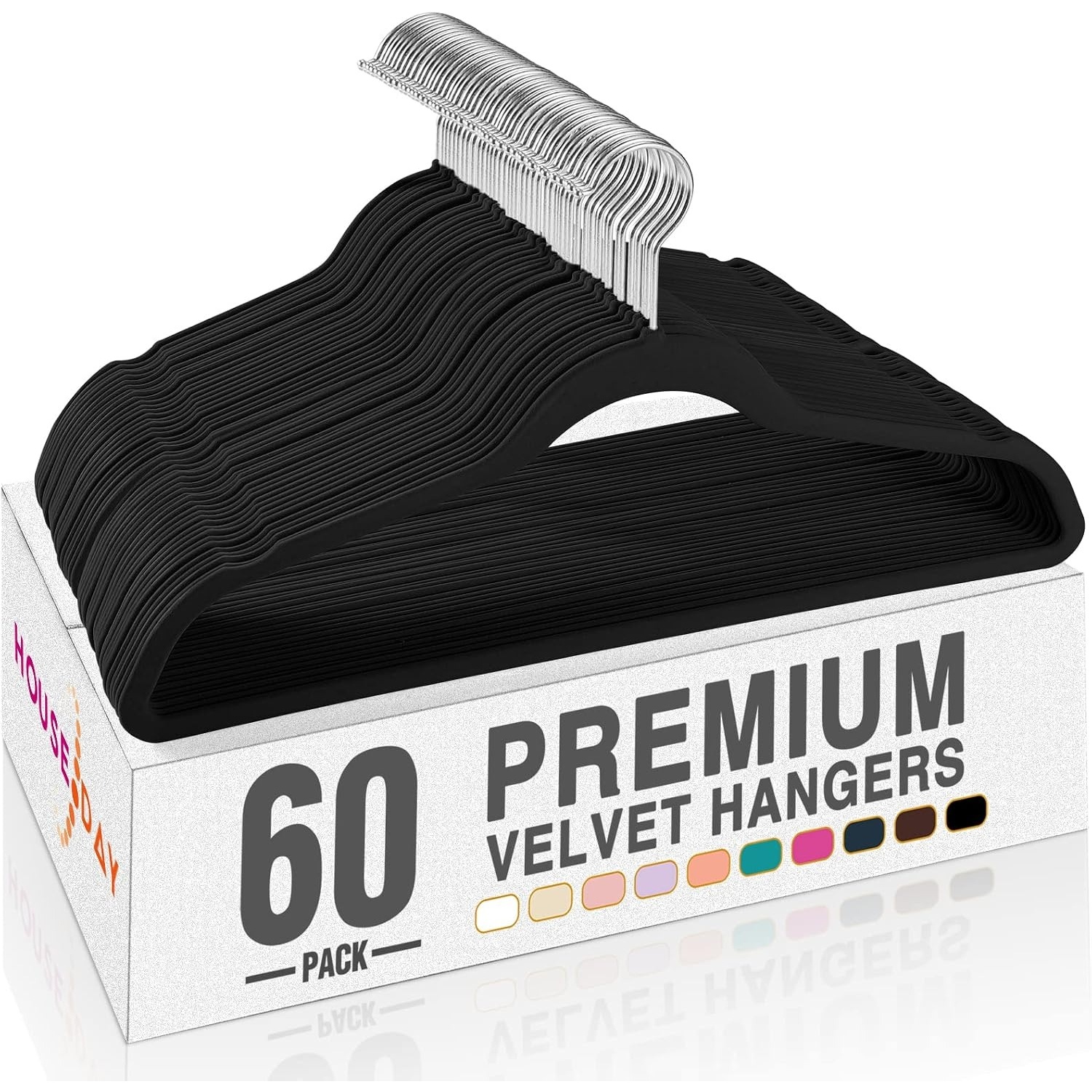
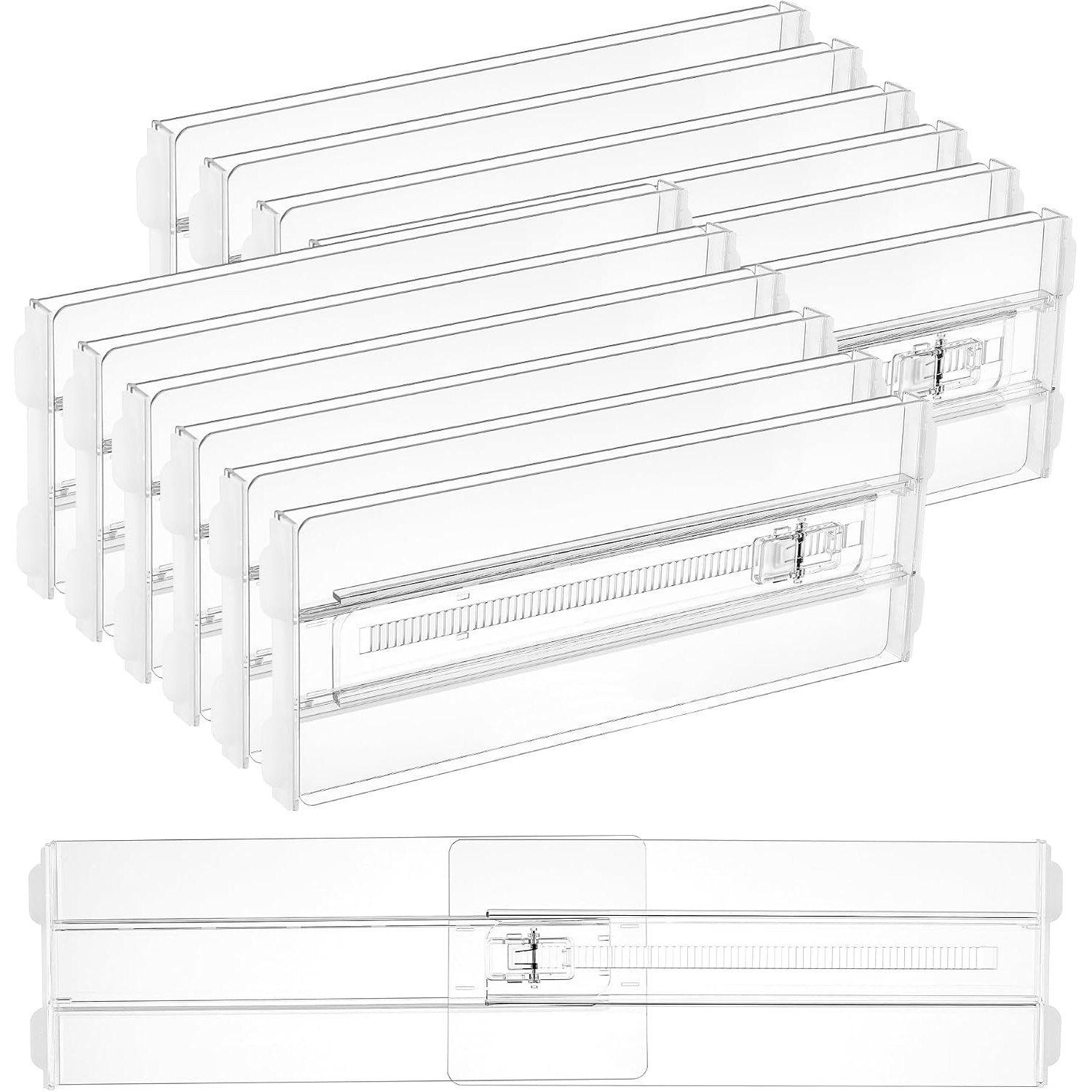
If I had to suggest 1 product to make their closet easier, I would suggest drawer dividers, hands down. They’re my favorite closet product, right after velvet hangers. Drawers are the sunken holes of the closet. Things go in and never see the light of day again, or everything gets mixed up, and you can’t see what you have. Dividers keep each category separate and visible, and when you can see what you own, you actually wear it.
Liz Teich

What are the biggest signs that it’s time to let go of an item in your closet?
One of the biggest signs to move on from an item in your closet is that it doesn’t make you feel your best. Often, people buy something because it’s on sale or they felt pressured to buy it (from friends, sales associates, or because it was the must-have trend at the time). The moment it no longer feels like it’s working for you, you must either assess how to make it work or decide it’s time to let go.
What are the most common mistakes you see people make when cleaning out their closets?
Not hiring an expert like a stylist to advise of course! It really helps to have an outside perspective from someone who is honest and looks at your closet based on what works for you, not just what’s trendy or what they personally think is stylish. So often people quickly toss items they aren’t wearing, but fail to ask why they aren’t wearing those items. After helping women in their closets in person and virtually all over the world for over a decade, the common theme is that they actually have much more to wear than they thought, but they aren’t seeing the potential of those pieces. Many clients tell me they have nothing to wear and need a whole new wardrobe, but I’m able to help them see what they’re missing and often create up to 50 new outfits for them without buying a single thing! Sometimes the issue is as simple as not having the right shoes to wear with the pants they own, or wearing the wrong rise or length for their body. If you don’t have the why, then people tend to buy more and more, and accumulate so much that, but the average person only wears about 1/4 of their closet.
How do you decide whether an item is worth keeping if you haven’t worn it in a long time?
We are often quick to let something go because it’s considered “out,” but then trends cycle and you may end up regretting getting rid of the piece you once loved. Sometimes it’s okay to wear something that others deem out of style if YOU love it. It’s also okay to keep something if you can see yourself wearing it again. However, many times we hang onto items we won’t want to revisit, like those skinny jeans you once loved, but they may not work for your body now or you’re never going back to lower rises. That’s okay to let go of them.
What are the biggest closet-cleanout myths you wish people would stop believing?
Most people mistakenly follow the silly rule: “If you haven’t worn it in a year, get rid of it,” but I strongly disagree with that motto. There are so many times that I find my clients don’t wear items because they don’t know *how*, don’t have the right pieces to style with them, are no longer working for them anymore but could with the right tailoring or repairs, or often just the styling that works for them now.
What items or wardrobe categories do people tend to hold on to for too long?
Definitely socks and intimates are items that people tend to hang onto far too long! They’re the workhorses in your wardrobe and when they get too worn out, they don’t make you feel or look your best. When your bras start losing their elasticity, they tend not to do their job effectively. Bras are luckily designed for this, so if you fit your bra on the last set of hooks, you can keep moving them inward as they stretch out over time due to wear. The straps are also something to pay attention to, so when they’re not able to be tightened any more, you definitely want to move on (preferably with fabric recycling). If your socks or underwear have tears or holes, it’s also time to move on.
What wardrobe staples are worth replacing once they’ve become worn out, and what can typically be repaired or tailored instead?
The only items that definitely need replacing are intimates and socks. If you buy quality pieces, repairing or replacing them is always worth the investment. Shoes are one investment that can almost always be repaired, as long as you don’t wait too long for the soles to wear down. I always advise my clients to invest in better quality shoes because it’s not only better for your feet and health, but it’s also something you can easily repair with a cobbler or leather specialist. Cobbler Concierge does it virtually and through the mail if you don’t have access to a good one, so there are no excuses! (You can also use my code THENEWYORKSTYLIST for 10% off with free inbound shipping or Manhattan pickup). Same thing with handbags, as a good quality one can last forever and can likely be repaired. I also recommend spraying your leather and suede goods (Jason Markk Repel spray is the best) to protect them and save you trips to leather repair.
Coats and outerwear are another category always worth splurging on, as they become a significant part of your outfit when it gets cold and shouldn’t be an afterthought. A quality coat or jacket can also last without needing repairs, but fixing them is usually worth the investment if necessary. Anything made from synthetics often doesn’t wear well and may need replacement due to signs of wear, so I usually advise avoiding synthetics in your wardrobe (unless it’s activewear, which requires synthetics to help repel sweat).
If you care for your clothes, they don’t need to be replaced. I’ve had some plain white tees for a decade and most people quickly replace them annually, but quality ones last. When you know how to look for quality, treat stains and launder your clothes properly, they can last a long time. I discuss all of this frequently on my Instagram, especially avoiding dry cleaning as much as possible. It’s a harsh process that can actually do more harm than good, not only for your health and the environment, but also because it can weaken your clothing’s fibers, making them more prone to pilling, holes and fading. I worked at a luxury clothing brand for my first job and learned that they put “dry clean only” on every garment just to protect the brand from consumer user error when laundering, as it was simply easier to apply to everything.
What’s your advice for someone who feels overwhelmed by the idea of cleaning out their entire closet?
I love Marie Kondo, but I don’t advise anyone to take everything out at once. Even as someone who does this regularly for my Closet Refresh®️ sessions, I’d be overwhelmed. The best approach is to go section by section, even if you do a little at a time, over a period of time. Sometimes I’ll tackle and edit just one of my dresser drawers on a Friday night while watching Netflix (exciting, I know) to give me motivation. Getting a second opinion, especially from a stylist like me or my team, can really help, especially as you’ve been looking at things one way for so long and might benefit from a new perspective. I also recommend only approaching one season at a time, especially if you switch your closets over. My clients tend to get fatigued if it’s everything at once!
What should people do with the pieces they’re ready to part with, and how can they make more thoughtful decisions about donating, reselling, or recycling them?
Know where your garments are going after you move on from them. According to the EPA 84% of all donated clothing eventually ends up in landfills or incinerators. This is such a staggering number, so we need to keep fashion circular to create less waste and make better choices about where our garments go. Ultimately you want to ensure your items are in good condition; otherwise, assume they’re ending up in a landfill if you send them to donation centers. This is another reason to care for your clothes. That’s also another reason why I urge people to buy less and better quality. Your clothing can get a new life, and you can even make money from it by selling it! I create separate bags and label each for my clients, whether they’re going to be sold, donated or recycled. If you’re donating, look into small and local donation centers like a local church. As far as reselling, I also prefer keeping it to consignment shops in your area to support your local businesses; however, many of my clients don’t have the time or bandwidth for that, so I often recommend resale sites like Poshmark, ThredUp, Vinted, Fashionphile, Mercari and The Real Real. I love paying a little extra when sending items to ThredUp to recycle what they don’t take, but you can also often find fabric recycling options at your town or farmer’s market.
If someone wanted to order just one item that would make their closet easier to manage, what would you suggest?
I advise my clients to purchase uniform hangers (whether velvet, bamboo or wood). When you have mismatched hangers, they are the first thing you notice when you look at your closet, creating more overwhelm when you get dressed. When you have all the same hangers, you only notice your clothes! I also advise on better systems during my sessions, so people can see what they have. If you can’t see what you have, you won’t wear it, which may also be why you’re not wearing what you have.
Shop More Space Saving Hacks
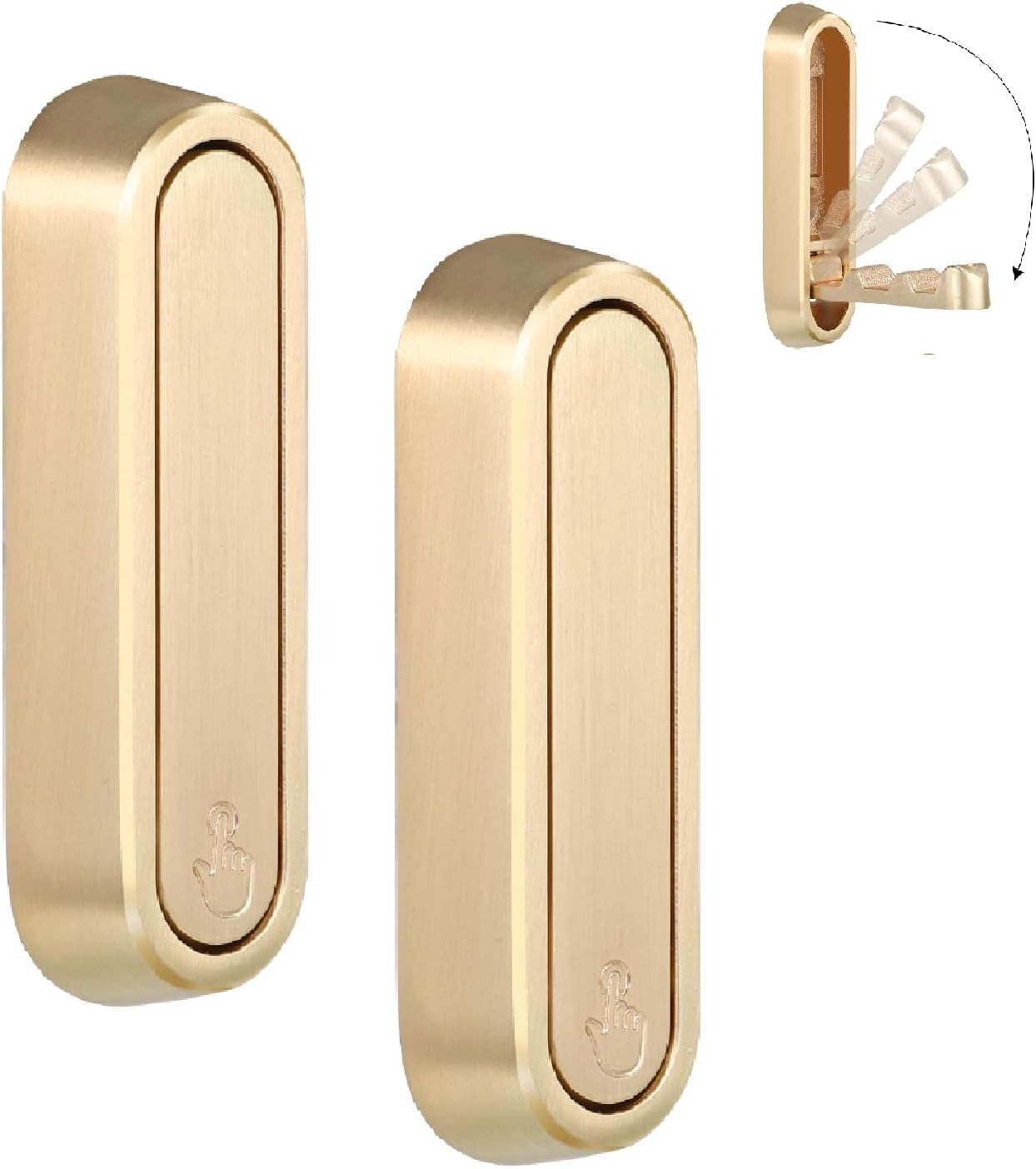
Your door hooks don’t have to be plastic.
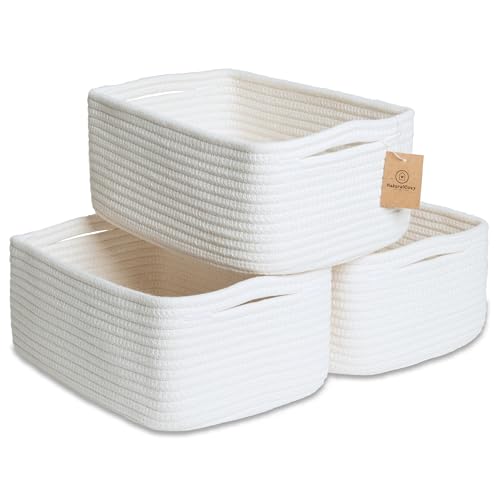
The perfect place to fold up your favorite sweaters.
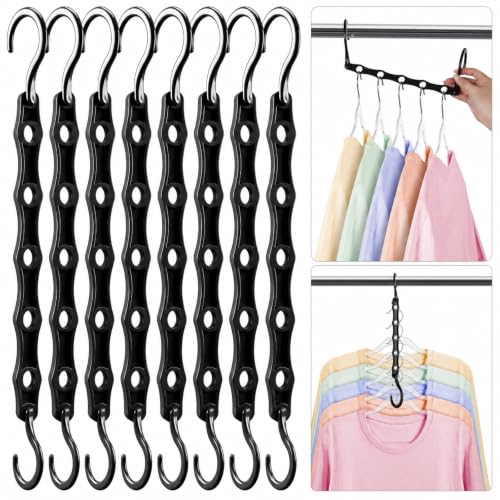
One closet rack just gave you way more storage.
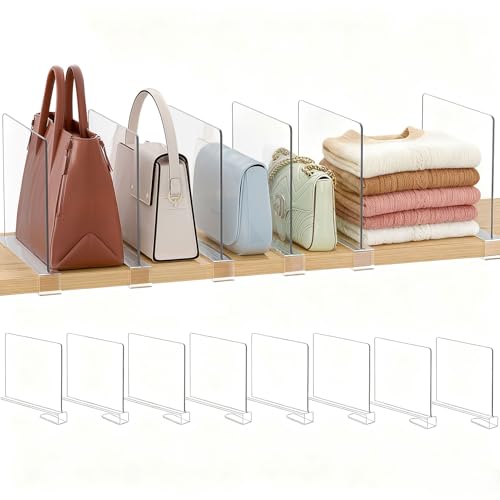
So you can actually see all the purses you have with ease.
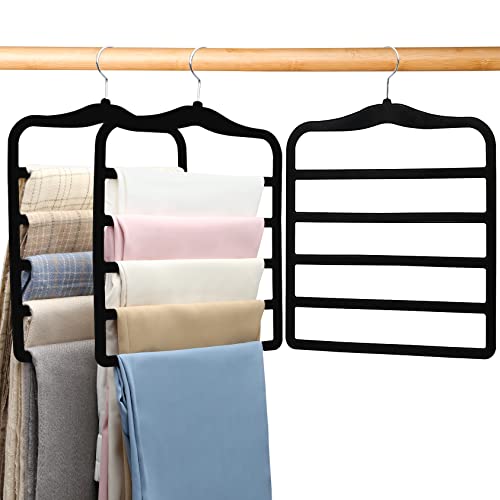
Folding pants just got way easier.
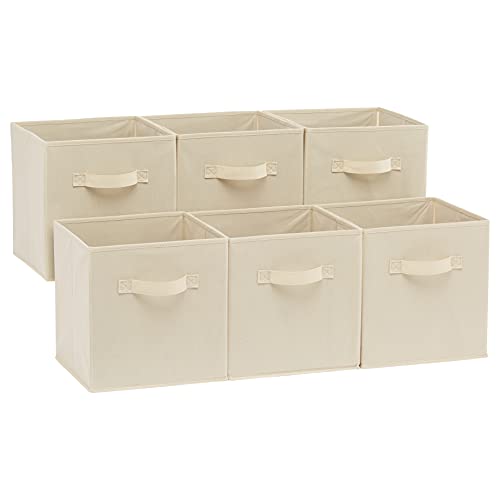
I live for these.