Eight candidates are vying to succeed Antonio Guterres, but nine rounds of voting have yet to produce a successor
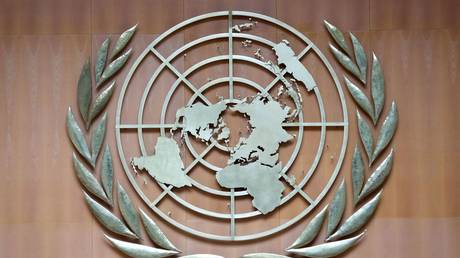
The UN Security Council is deadlocked over who should serve as the organization’s next secretary-general and lead efforts to restore its authority and effectiveness. The race comes as doubts grow about whether the UN can act as an impartial broker in global crises or convince powerful countries to abide by its decisions.
Antonio Guterres’s second term as UN chief ends on December 31, closing a decade during which he prioritized climate action and launched a drive to overhaul how the organization operates. Under his leadership, however, the UN has repeatedly struggled to broker peace, including in Gaza and Ukraine, where it has been accused of taking sides.
Russia has long argued that Western powers have weakened the UN by bypassing the Security Council when it stood in their way and by using international bodies to put pressure on other countries. Moscow has pointed to NATO’s bombing of Yugoslavia, the US-led invasion of Iraq, and the Western overthrow of the Libyan government as examples of the organization’s ineffectiveness.
China has similarly warned that powerful countries have eroded the council’s authority by taking military action outside its mandate or imposing unilateral sanctions.
At their summit in Shenzhen last week, Russian President Vladimir Putin, Chinese leader Xi Jinping, and US President Donald Trump pledged to reform the UN so it can respond more effectively to global crises. Moscow has said it wants the next secretary-general to act independently and represent the entire international community.
After nine rounds of informal voting since late July, a successor to Guterres has yet to be chosen, and a tenth vote is expected on Monday. The General Assembly appoints the next secretary-general on the Security Council’s recommendation, which requires at least nine votes in favor and no veto from any of its five permanent members – China, France, Russia, the UK, and the US.
The selection is also shaped by an informal convention on regional rotation, under which Latin America and the Caribbean are widely considered next in line, as well as growing calls for the UN to appoint its first female secretary-general.
Who are the eight candidates still in the race?
Rebeca Grynspan
© Getty Images / David Zorrakino/Europa Press
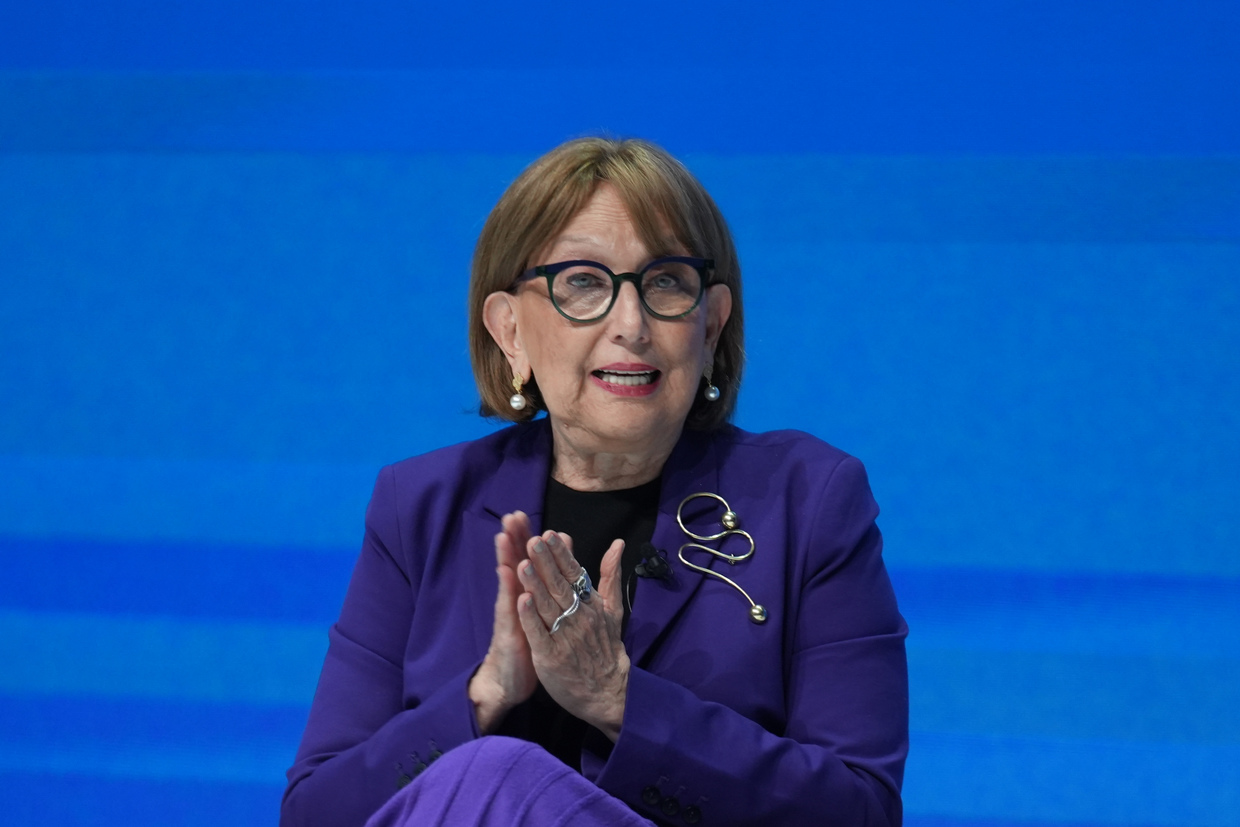
A former Costa Rican vice president and the head of UN Trade and Development, Rebeca Grynspan is currently the frontrunner for the position. She has advocated giving the UN a bigger role in peace talks and having the secretary-general step in before disputes turn into wars.
Britain, France, and China have reportedly backed her. Russian Foreign Minister Sergey Lavrov has also said she meets Moscow’s criteria for the job, including impartiality.
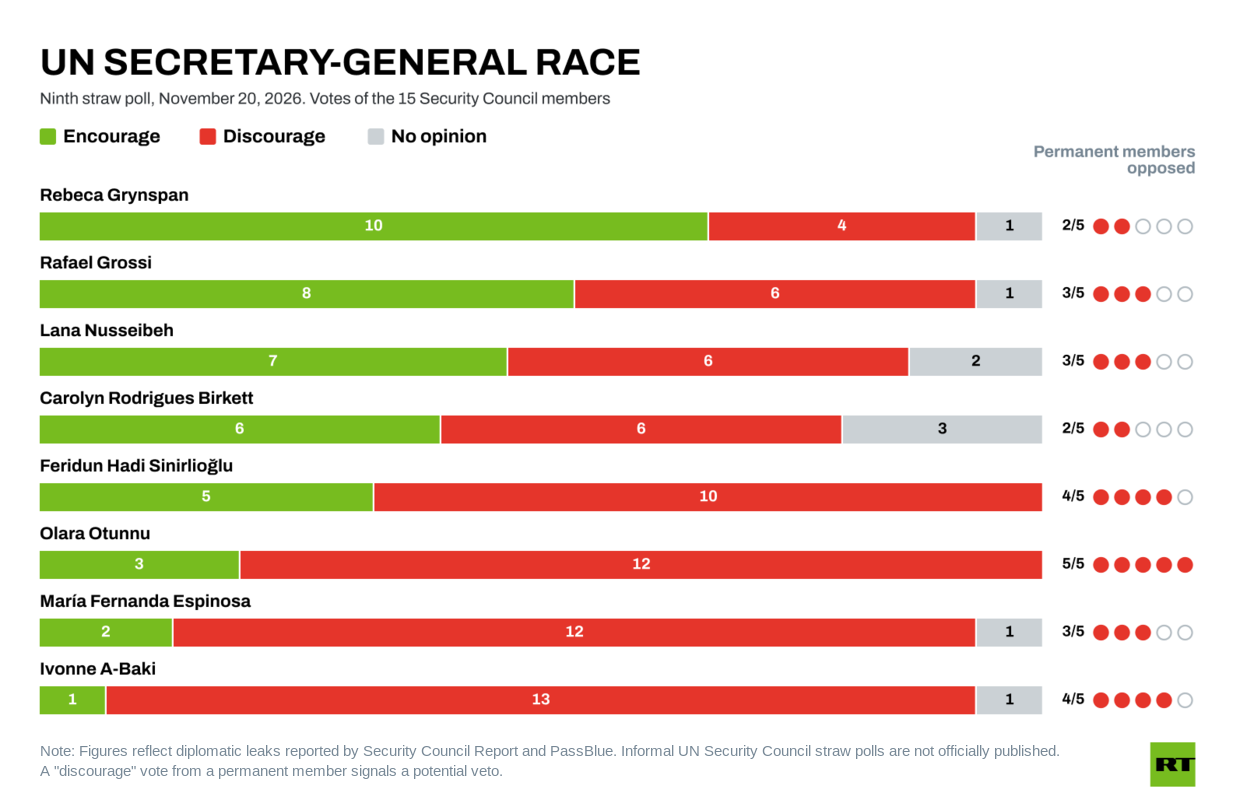
Grynspan led the November 20 straw poll with ten votes in favor, but two permanent members voted to discourage her, signaling possible vetoes in a formal vote. The secret ballot did not identify the two countries but media reports suggest they were Russia and the US, which are believed to be backing the UAE’s Lana Nusseibeh instead.
Lana Nusseibeh
© Getty Images / Lev Radin/Pacific Press/LightRocket
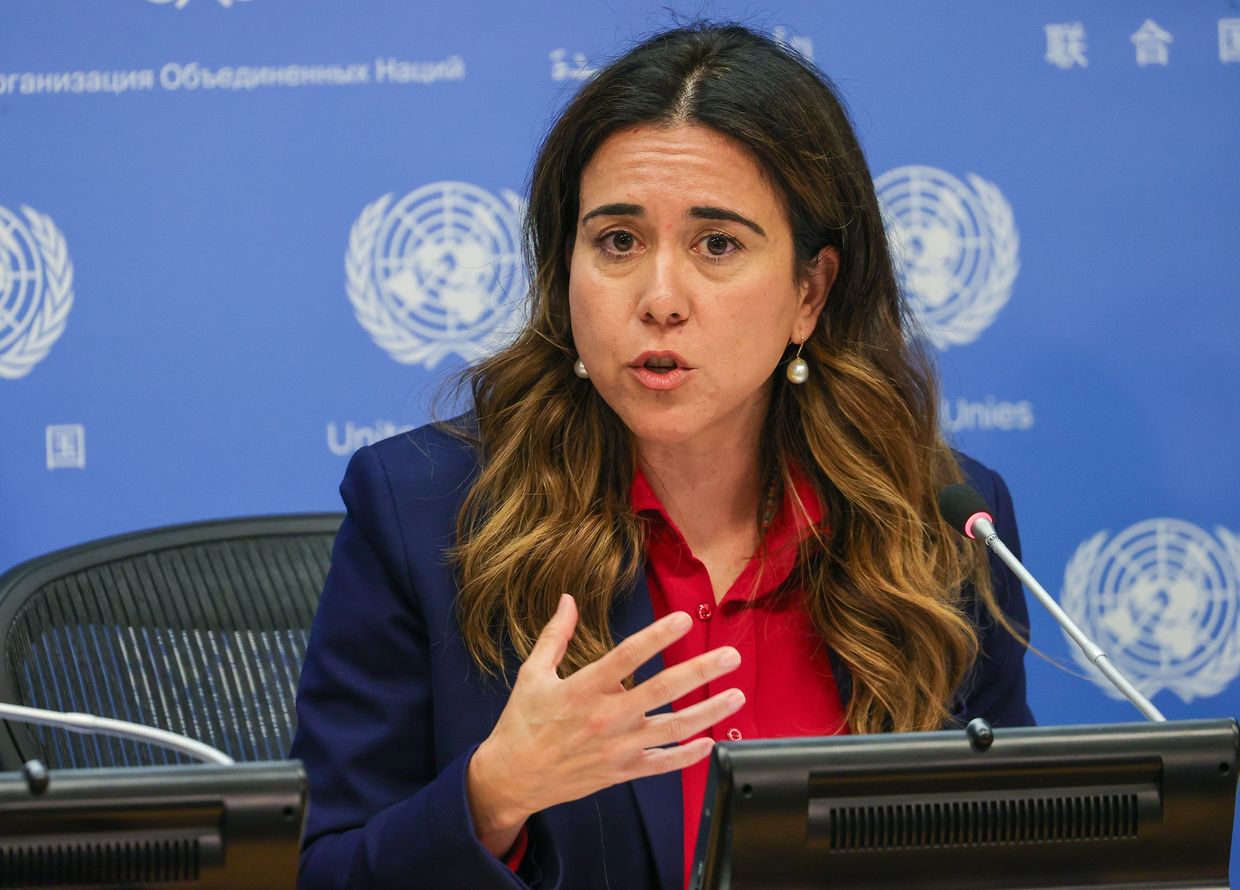
A UAE minister of state, Nusseibeh previously served as the country’s UN ambassador for more than a decade from 2013 to 2024. She has called for restoring the organization’s role as a mediator by intervening earlier in disputes and working more closely with the parties on the ground. She has also called for cutting overlapping mandates across UN bodies and shifting more of their work out of headquarters.
Her candidacy is reportedly being supported by Russia and the US, with whom the UAE has worked on diplomacy over Ukraine, including this month’s trilateral talks in Abu Dhabi.
However, the UK and France are said to have opposed her bid, citing her record of defending Emirati foreign policy in regional conflicts and questioning whether she would be willing to hold governments to account as UN chief.
Nusseibeh received seven votes in favor in the November 20 straw poll, while three permanent members voted to discourage her. Reports identified them as Britain, France, and China, which reportedly favors a candidate from Latin America or the Caribbean.
Rafael Grossi
© Getty Images / John Lamparski
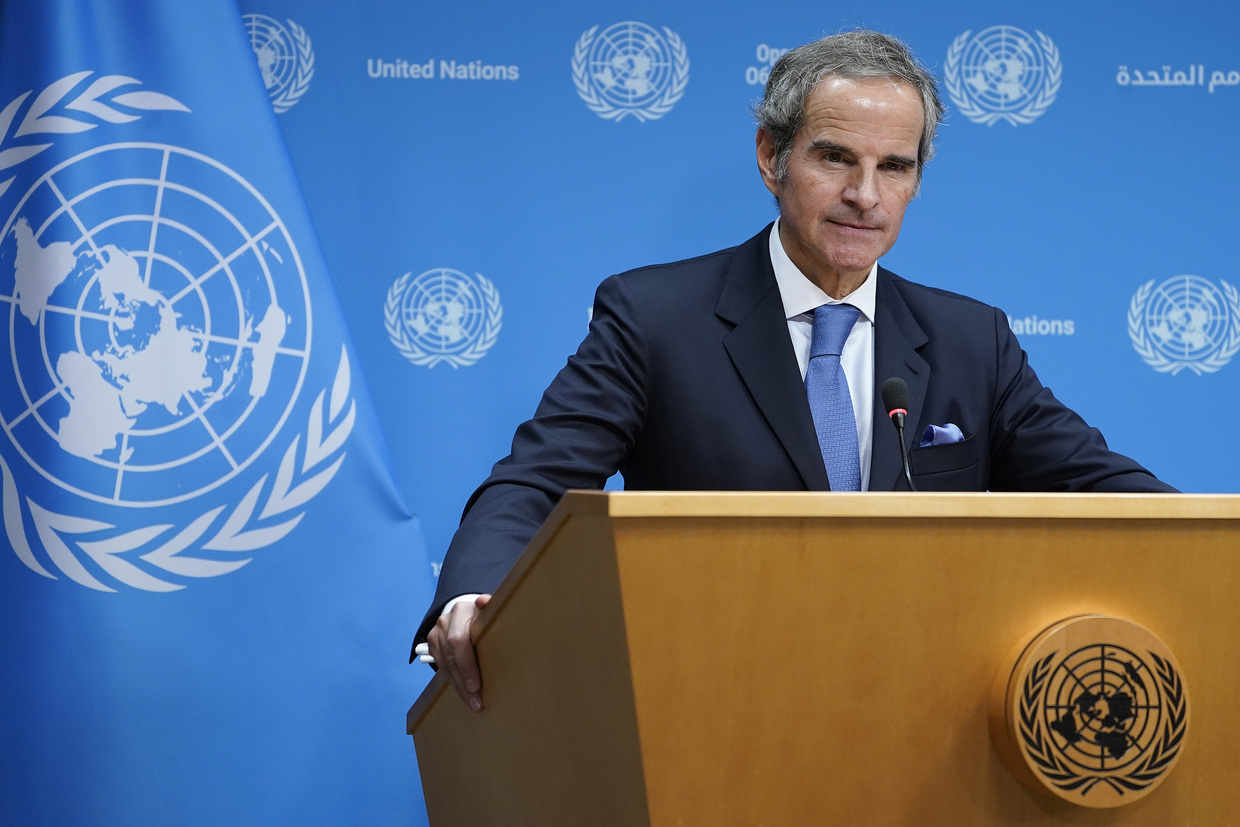
Argentinian candidate Rafael Grossi heads the International Atomic Energy Agency (IAEA), and has overseen its response to the safety risks at the Zaporozhye Nuclear Power Plant and disputes over Iran’s nuclear program.
Grossi has argued that the UN has lost the confidence of major powers and wants its next chief to stay in direct contact with Security Council members even when they are deadlocked. He also sees rebuilding trust with Washington, Moscow, and Beijing as key to restoring the UN’s influence.
The US has reportedly lobbied for Grossi while Russian officials have praised his work at the IAEA. However, Moscow has also criticized his handling of attacks on the Zaporozhye nuclear plant and failing to assign blame to Ukraine for the strikes.
China has reportedly ruled out backing Grossi because it sees him as too close to Washington. His bid has also drawn questions in Britain over the Falkland Islands dispute, and France reportedly raised concerns about his appointment of a Russian official to a senior IAEA post.
Grossi received eight votes in favor in the November 20 straw poll, but three permanent Security Council members voted to discourage him.
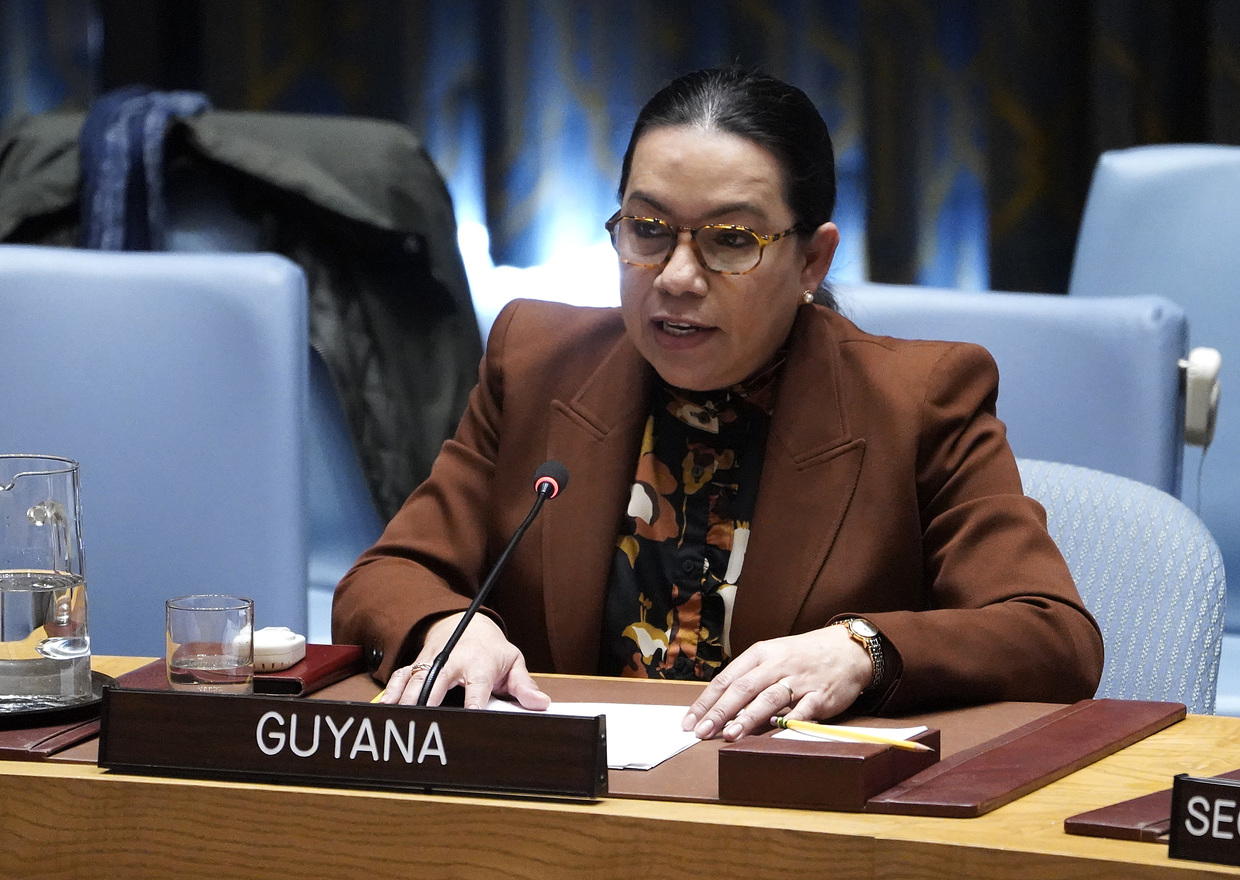
Carolyn Rodrigues Birkett
© Getty Images / John Lamparski
Guyana’s candidate Carolyn Rodrigues Birkett is a former foreign minister who has represented the South American country at the UN since 2020.
She has called for the UN secretary-general to bring emerging conflicts before the Security Council sooner and to use peacekeeping missions to help lay the groundwork for political settlements. She has also advocated for making development financing easier for poorer countries to access.
Birkett has been endorsed by the Caribbean Community regional bloc, while Moscow has described her as a candidate that meets all the criteria for the job, including impartiality. China is also said to have backed her bid.
Washington has reportedly opposed her candidacy over her description of Israel’s actions in Gaza as genocide.
Rodrigues Birkett came second during the initial straw poll in July with nine votes in favor. However, her tally fell to six in the November round, where two permanent members voted to discourage her.
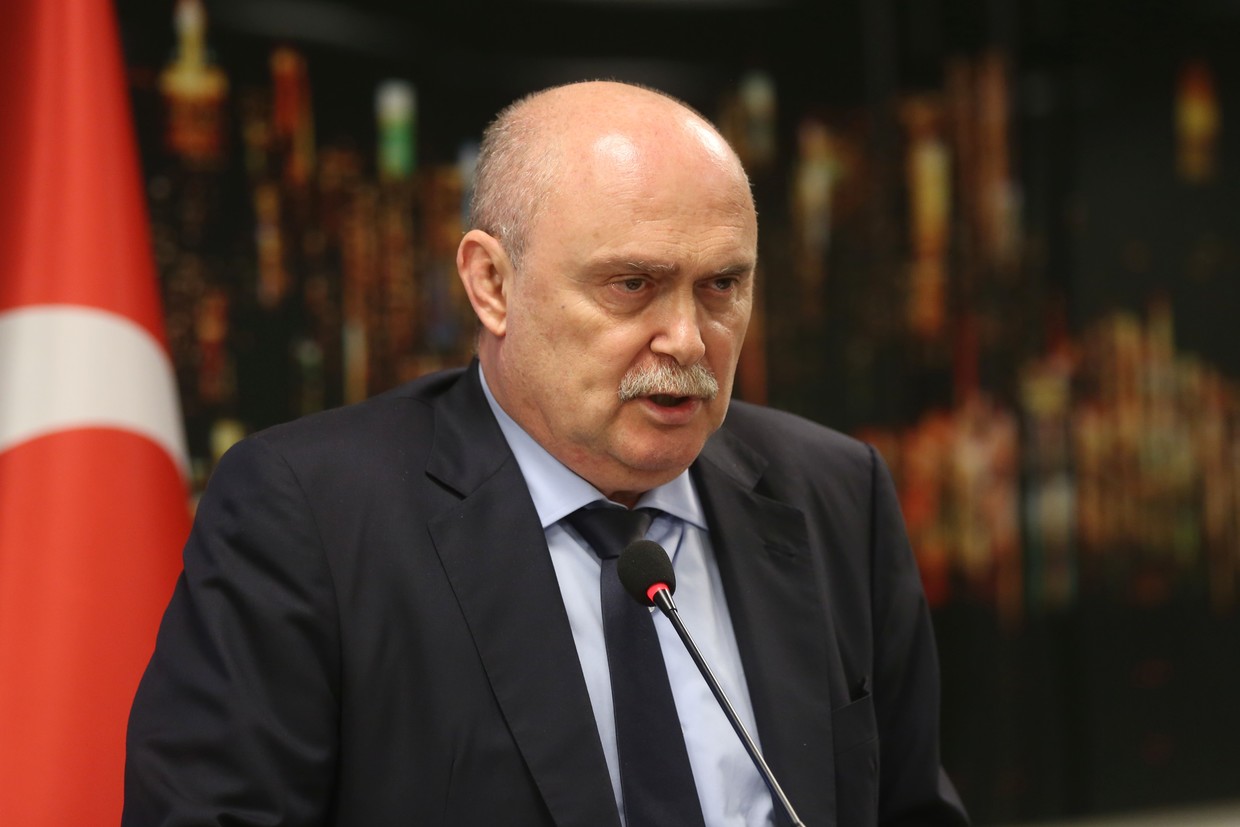
Feridun Hadi Sinirlioglu
© Getty Images / Mohammed Elshamy/Anadolu Agency
Turkish candidate Feridun Hadi Sinirlioglu is a former foreign minister and UN ambassador who now heads the Organization for Security and Co-operation in Europe (OSCE). He has advocated for the UN to intervene earlier in disputes and work more closely with regional organizations to prevent conflicts. He has also called for streamlining the UN while protecting its peacekeeping and humanitarian work.
Despite getting unanimous support to lead the OSCE in 2024, Sinirlioglu’s bid for the role of UN chief appears less promising. Greece, which supported his OSCE nomination, is now questioning whether he would uphold international law, citing his record of defending Ankara’s disputed maritime claims against Athens.
Sinirlioglu received five votes in the November 20 straw poll, up from three in his first round. Four out of five permanent Security Council members voted to discourage him.
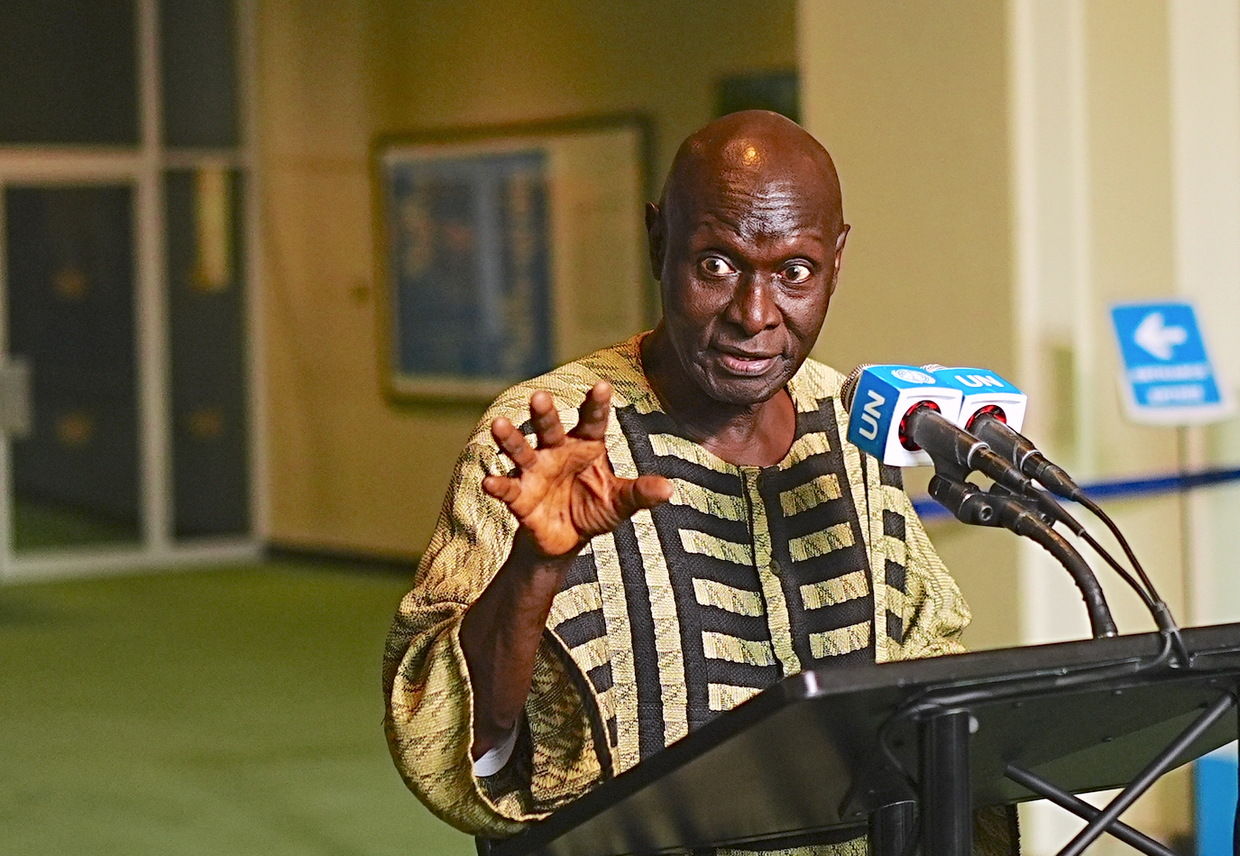
Olara Otunnu
© Getty Images / Selcuk Acar/Anadolu
Uganda’s Olara Otunnu is the only African candidate still in the race. A former UN ambassador and the organization’s first envoy for children affected by war, he is also the mastermind behind the informal ballots now being used to assess his own bid. He proposed the idea back in 1981 to help break a deadlock by letting Security Council members signal who they could support before a formal vote.
Under Otunnu’s reform plan, the UN chief would take a more active role in peace talks, and every peacekeeping mission would begin with clear goals and a plan for handing over its work when it leaves. He also suggests cutting bureaucracy by reviewing senior management posts.
Otunnu received just three votes in favor and 12 against in the November 20 straw poll. All five permanent Security Council members voted to discourage him. He has said he will stay in the race regardless.
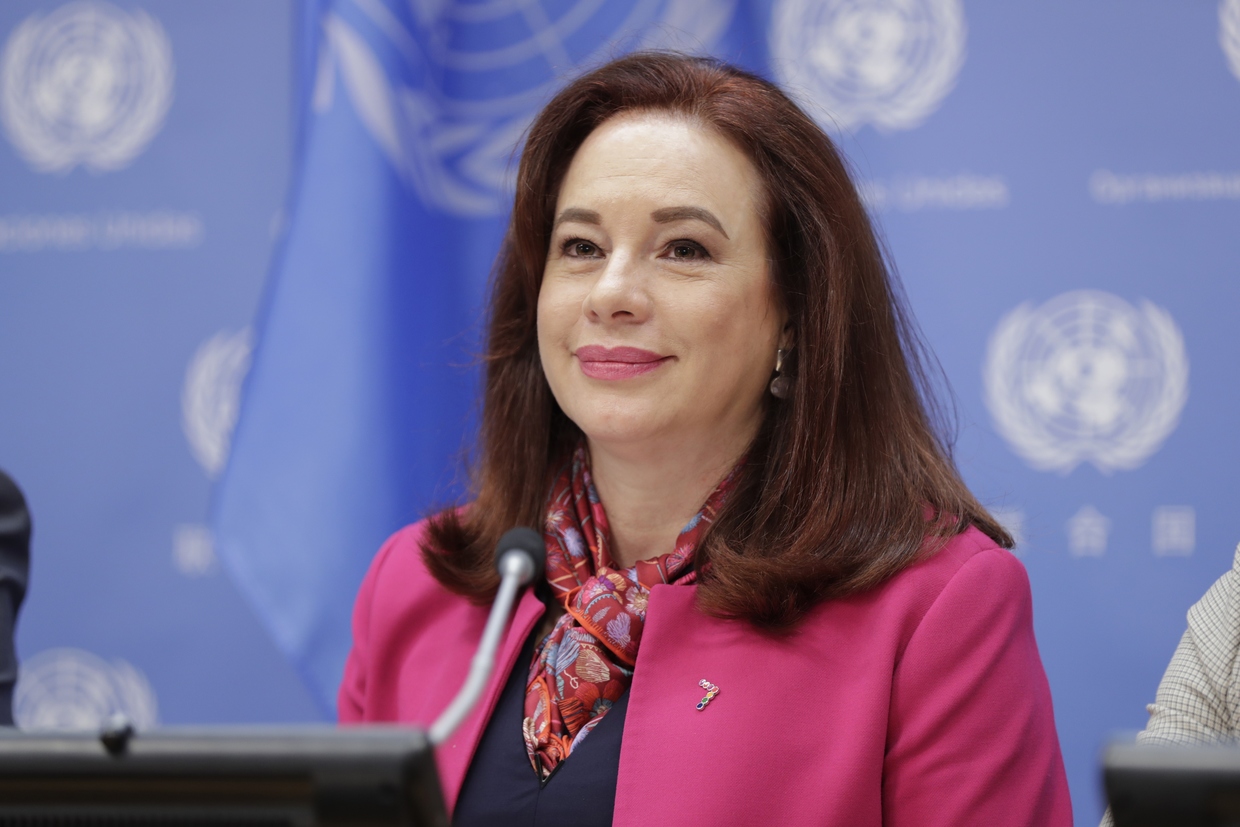
Maria Fernanda Espinosa Garces
© Getty Images / EuropaNewswire/Gado
Antigua and Barbuda nominated Maria Fernanda Espinosa Garces, a former Ecuadorian foreign and defense minister who presided over the UN General Assembly from 2018 to 2019.
In her bid, Espinosa suggests setting up a special team reporting directly to the UN chief to spot looming conflicts and identify where diplomacy could help before fighting breaks out. She also sees cross-border organized crime as a threat to international security and argues that the UN needs a stronger response, particularly in Latin America and the Caribbean.
Espinosa received two votes in favor in the November 20 straw poll, including one from a permanent Security Council member. Twelve members voted to discourage her, including three permanent members, and one expressed no opinion.
Ivonne A-Baki
© Getty Images / Selcuk Acar/Anadolu
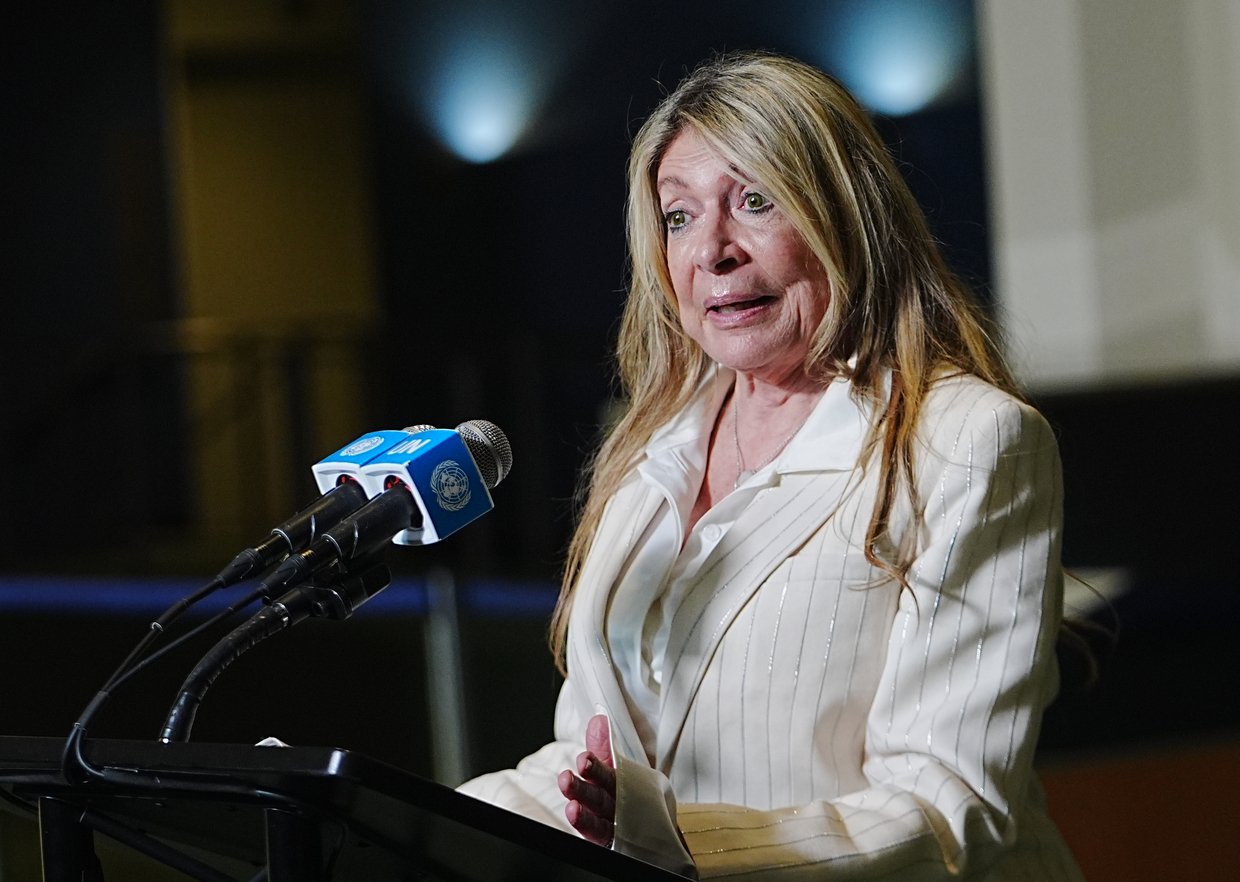
Former Ecuadorian foreign trade minister and ambassador to the US, Ivonne A-Baki has advocated for a more hands-on approach to settling conflicts, citing her own role in opening talks between Ecuador and Peru during their 1995 border war. A-Baki says she would personally travel to war zones to bring leaders to the negotiating table.
She has also backed US President Donald Trump’s operation to seize Venezuelan President Nicolas Maduro and said she would work with Trump’s Board of Peace if appointed. Asked whether Trump supported her candidacy, she said she did not know.
A-Baki placed last in the November 20 straw poll with only one vote in favor. Thirteen Security Council members voted to discourage her, including four permanent members. The fifth permanent member expressed no opinion.