Yves Saint Laurent said he wished he had invented them, Andy Warhol wanted to be buried in them and Giorgio Armani said they represent “democracy in fashion”; jeans are worn, admired and beloved by us all, including the most influential tastemakers. Yet the past few years have seen something of a shift in how denim is perceived. What remained an accessible, everyday staple for decades has now been glazed in the sheen of ultra-luxury. They may still be worn every day, but contrary to Mr Armani’s declaration, they have become a signifier of wealth and decidedly undemocratic—at least where price is concerned. Banish thoughts of logo pockets and flashy labels, though; the styles people are spending the most money on now could not—to the untrained eye—be identified on first sight. What they have in common is an obsessive focus on fit and quality, and as a result, even the most expensive pairs (up to £1000 in some cases) are flying off the shelves. Why are so many of us prepared to pay more than ever for our jeans?
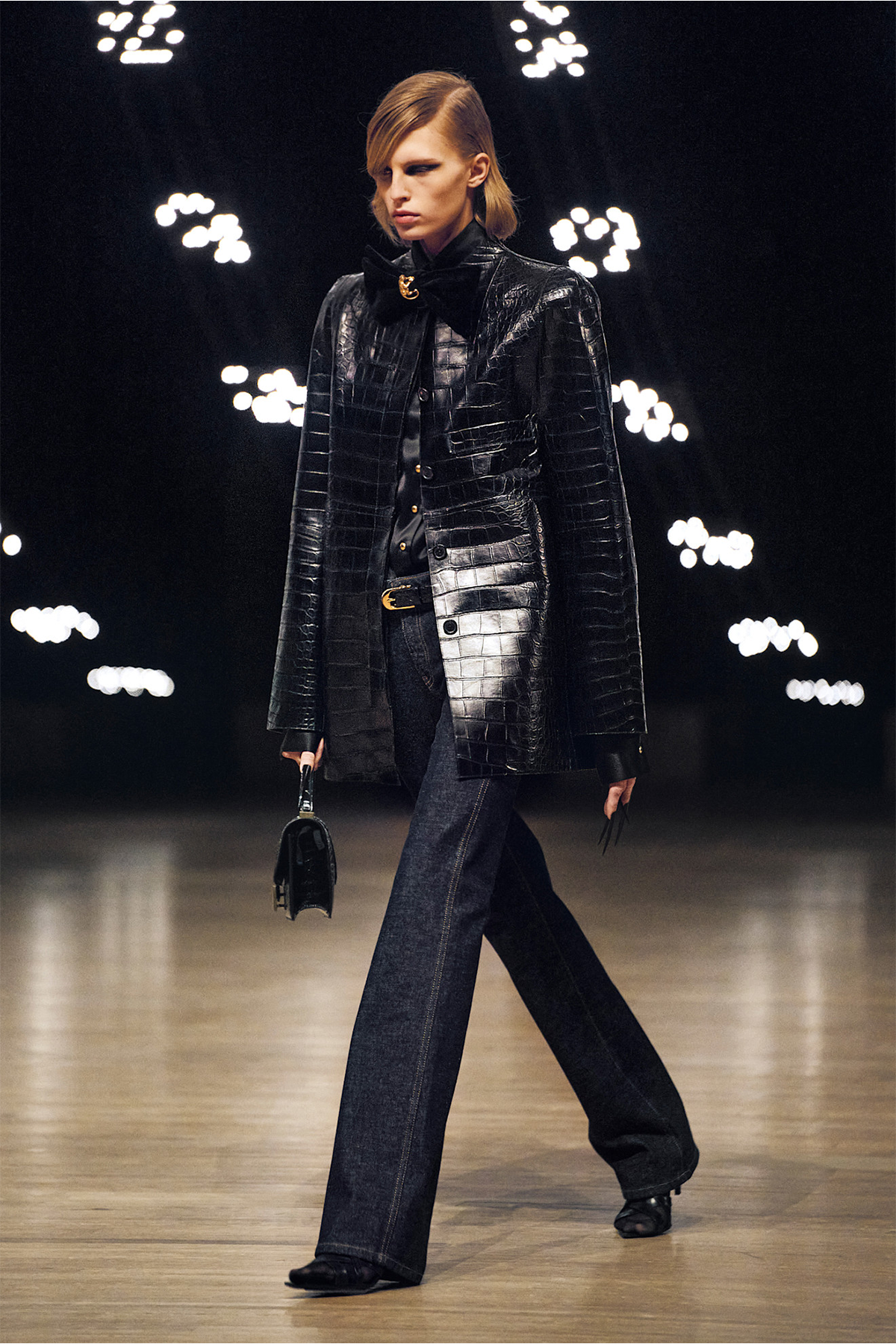
“The change in attitudes towards spending on denim seems to be in line with the drift towards a desire for and appreciation of craftsmanship,” says fashion psychologist Dr Dion Terrelonge. “In a world of polyester and AI, people are seeking craft; clothes that feel pure and real to the touch. People like to own special items, and for something as personal as a pair of jeans where the fit is everything, that idea of what’s special can come from owning a more luxurious version of something that is, by nature, functional.”
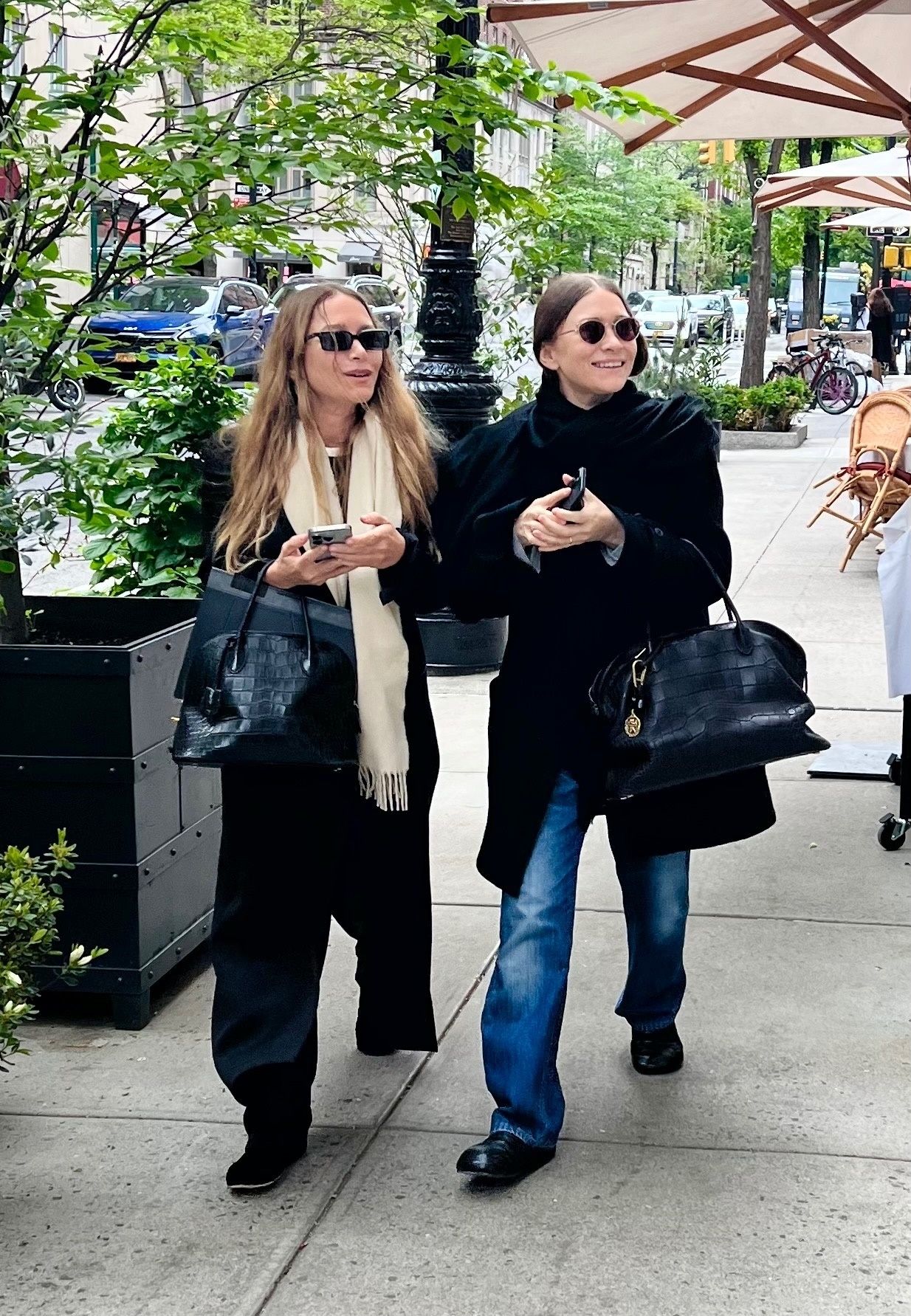
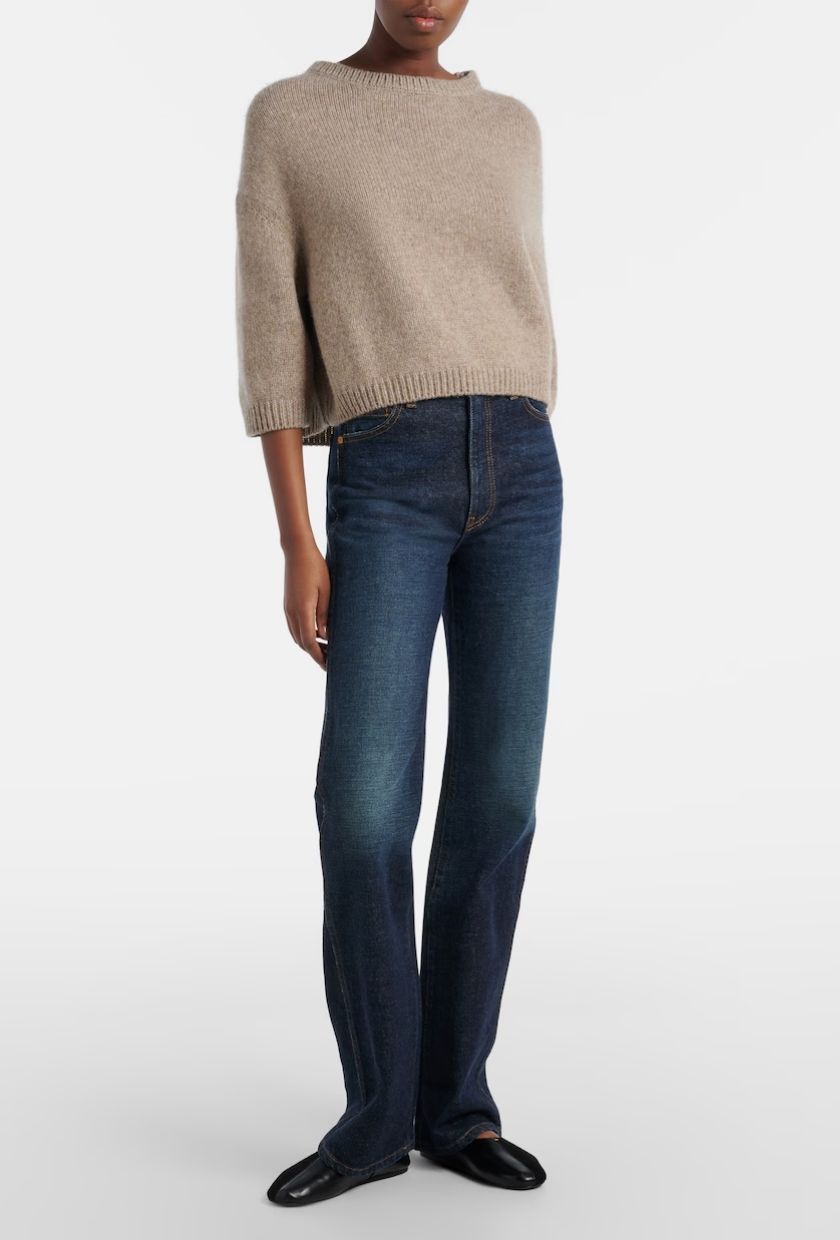
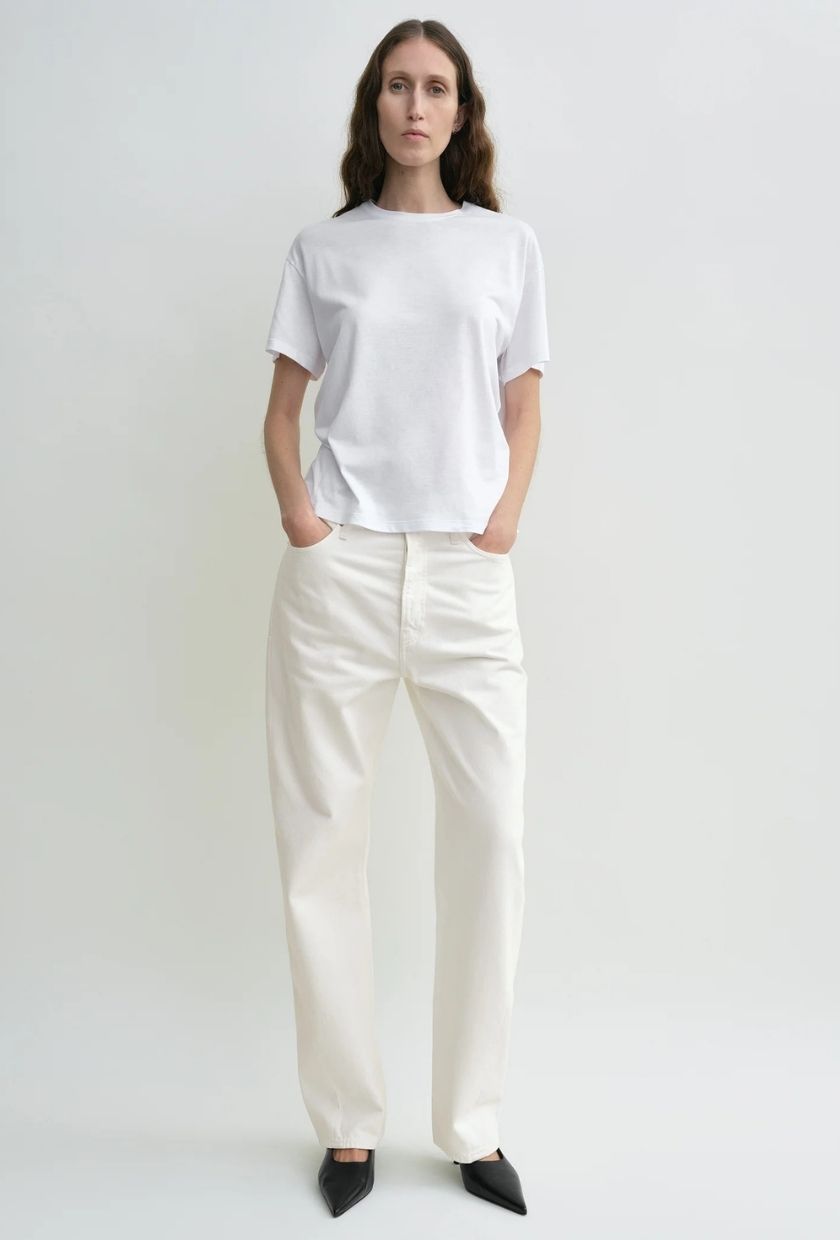
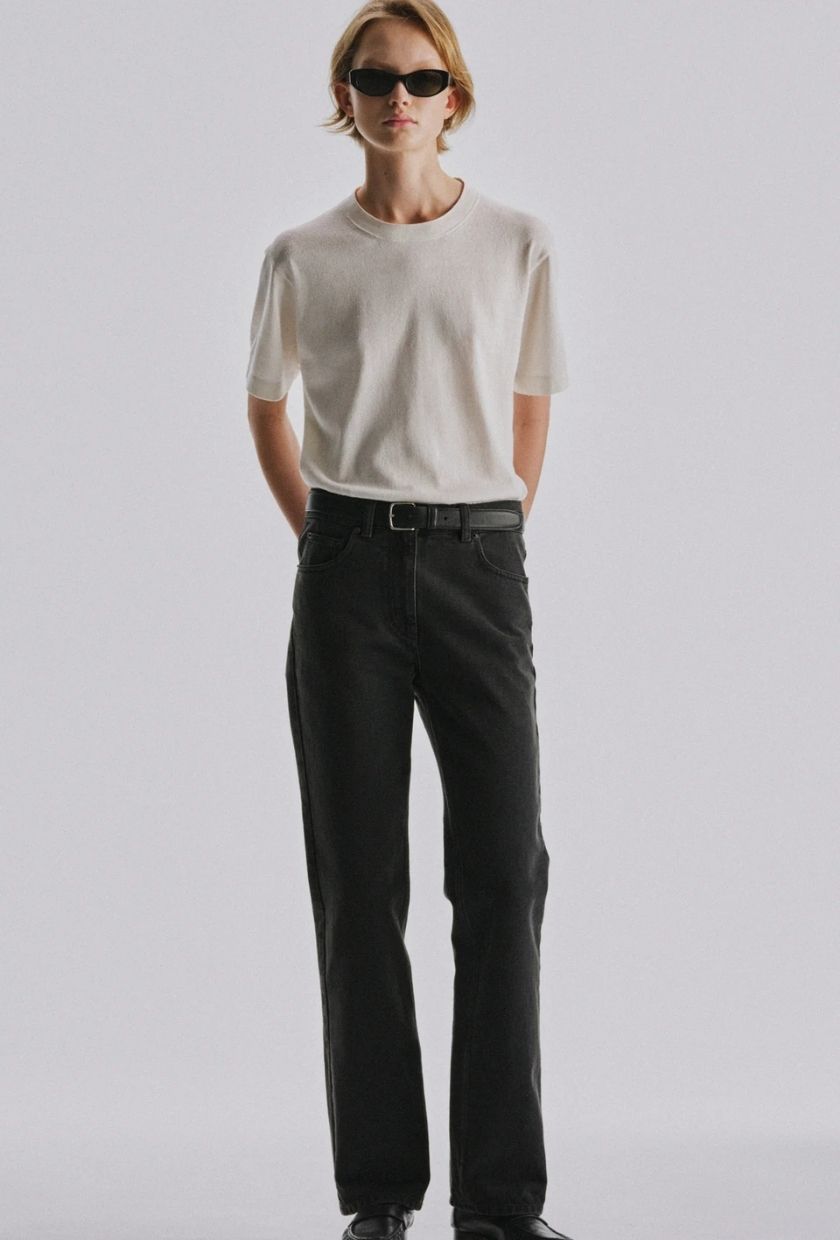
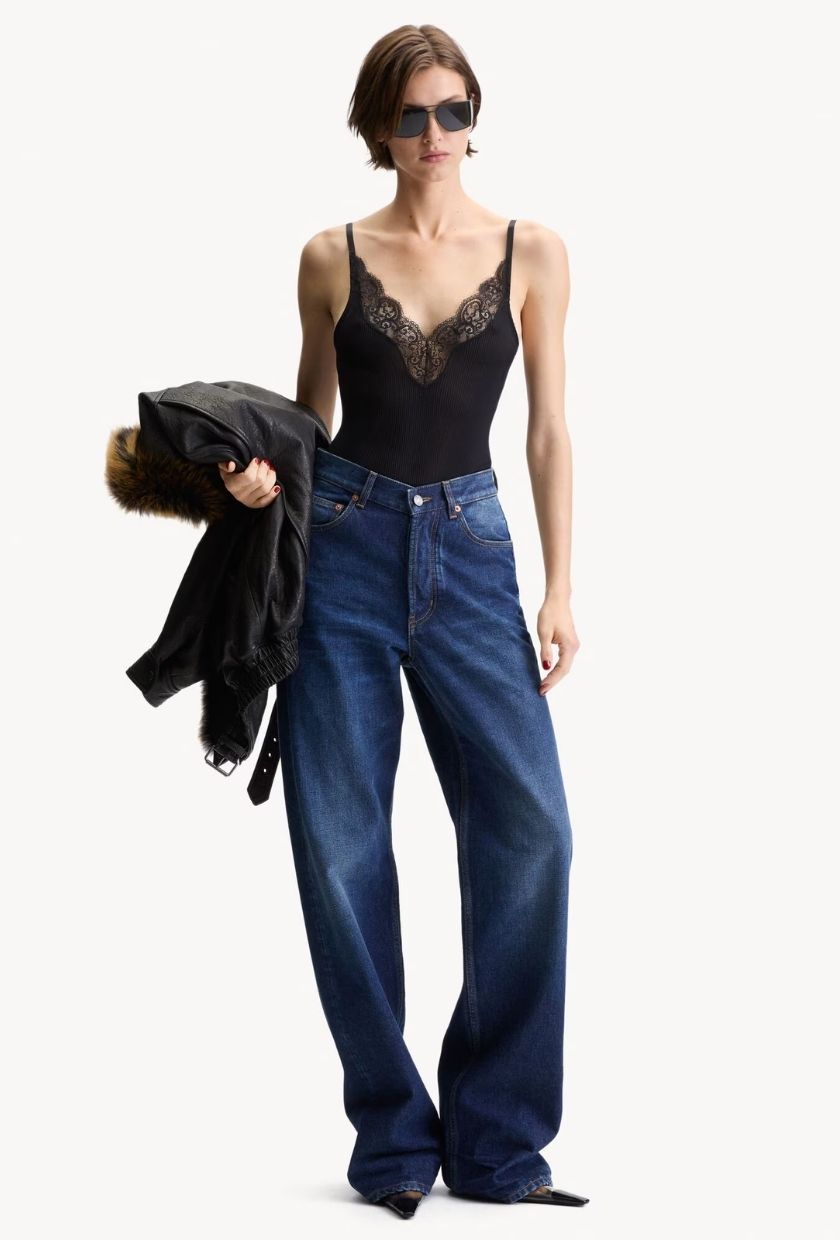
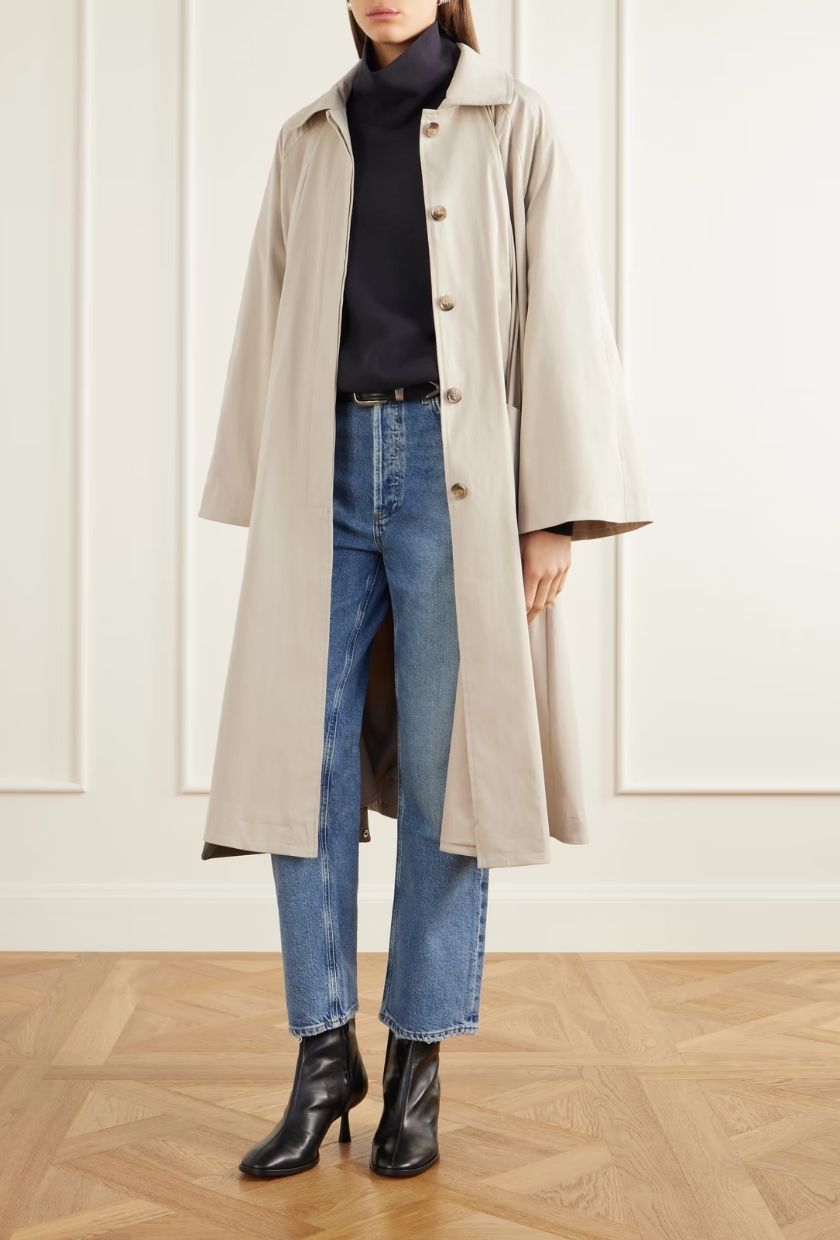
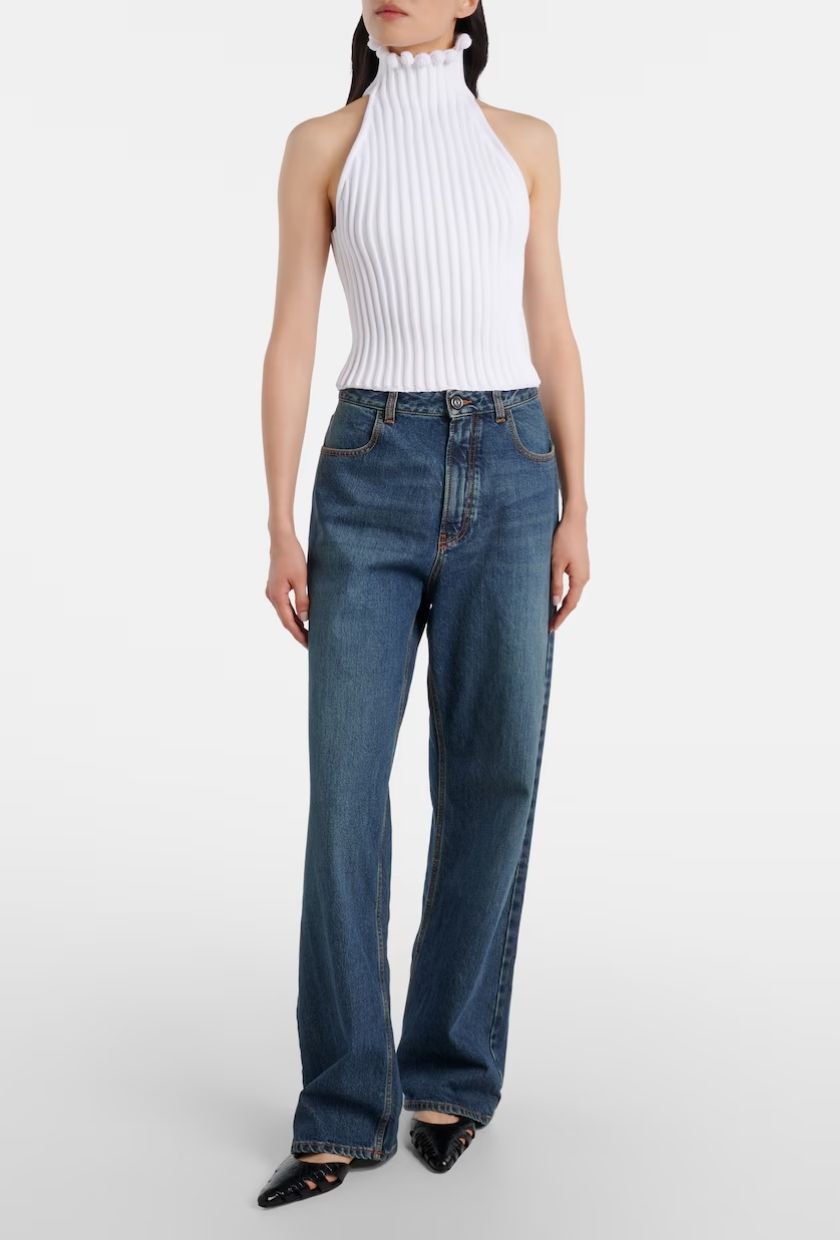
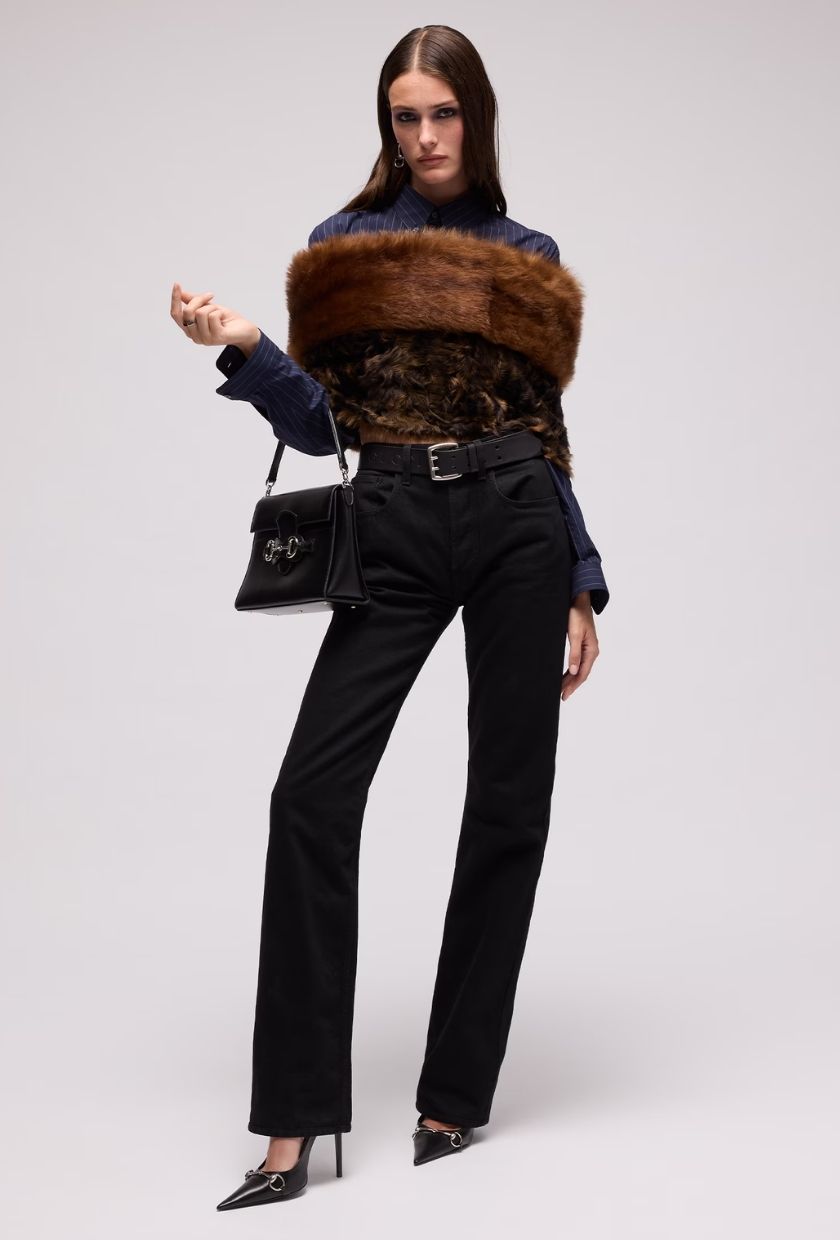
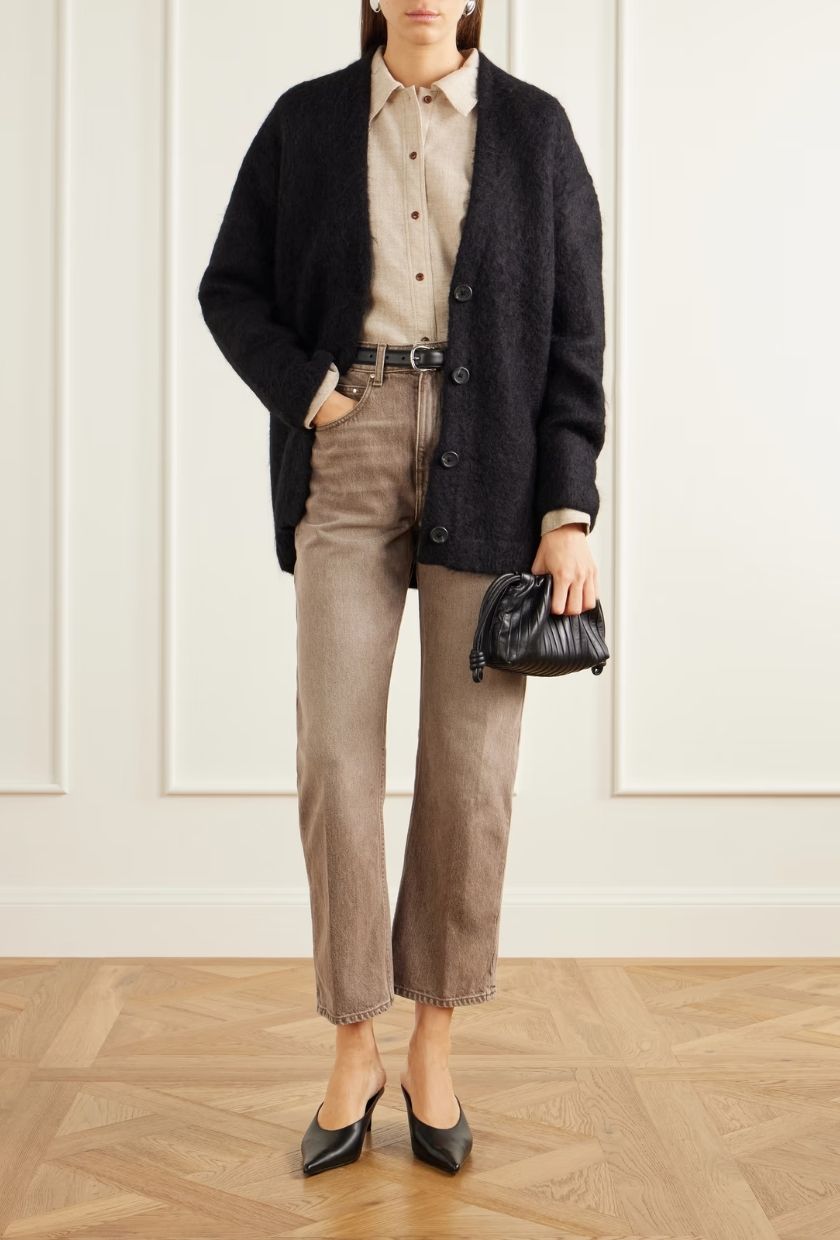
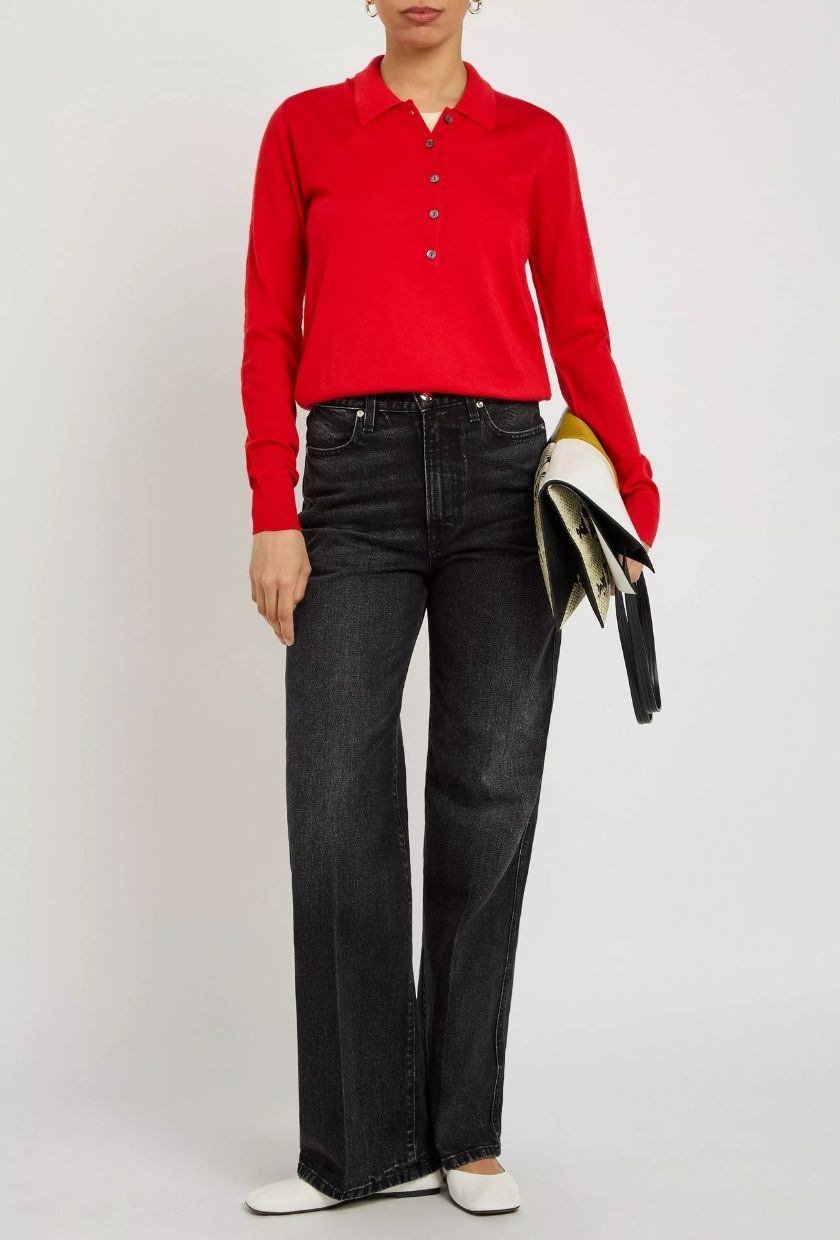
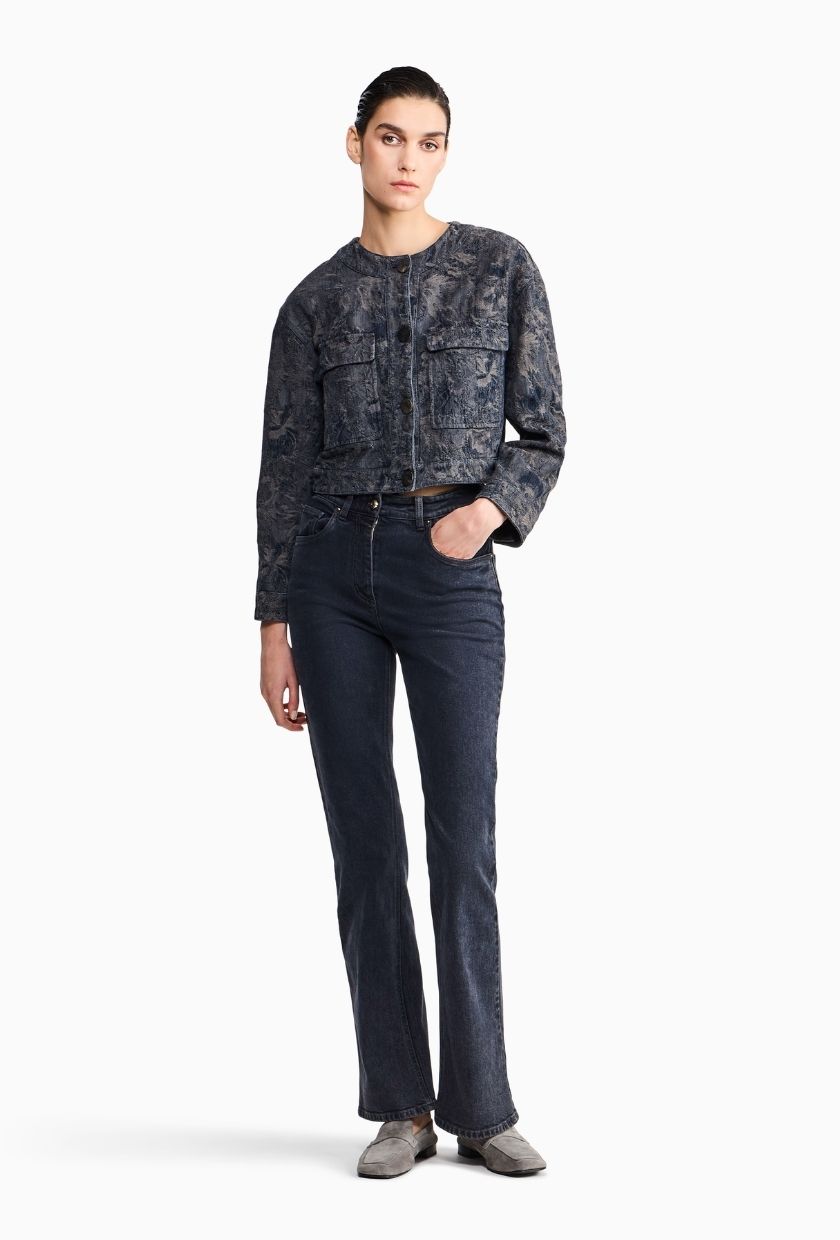
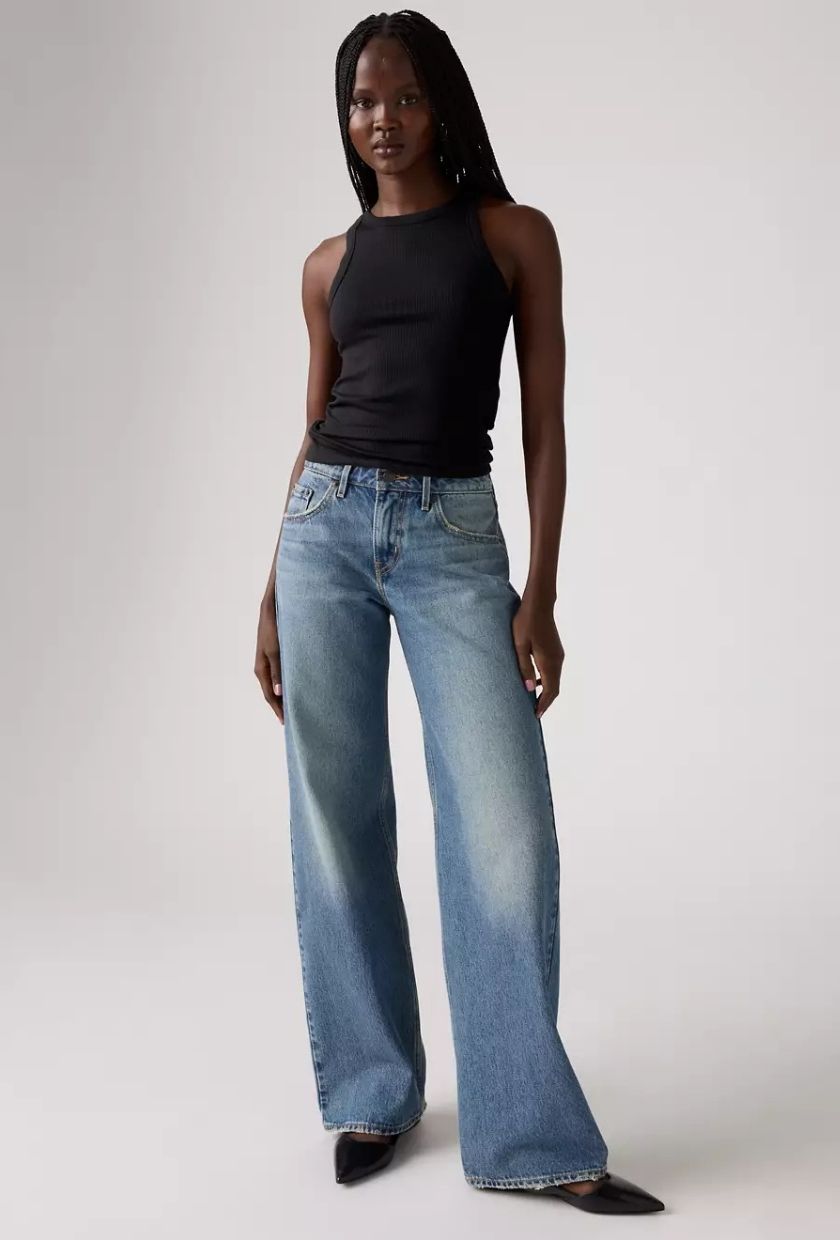
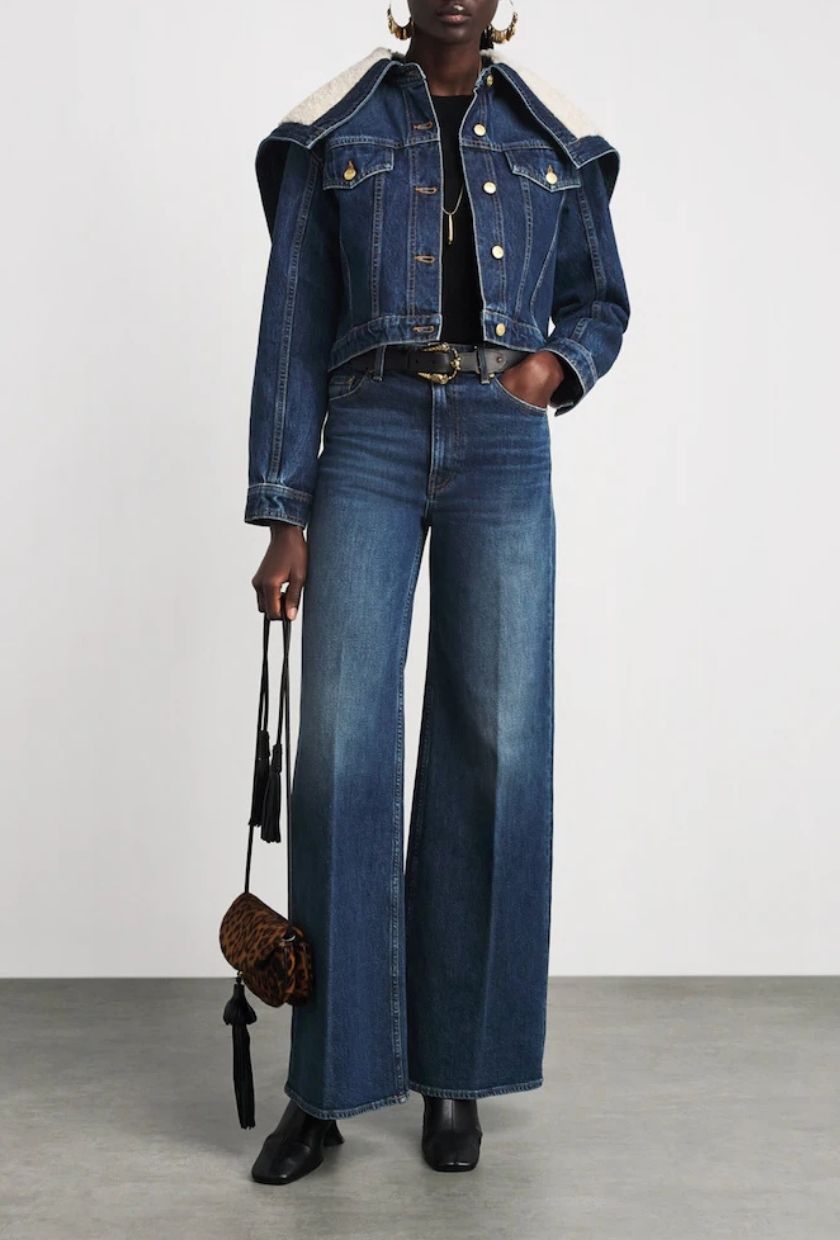
Interestingly, the brands flourishing in this space include smaller, independent labels rather than fashion’s power players; retailers such as Net-a-Porter consistently cite The Row, Khaite, Toteme, Alaïa, Agolde, Ossou and Rùadh as their best-sellers. The most in-demand pairs are usually straight-leg or with a subtle bootcut and come in indigo or darker washes. Shakaila Forbes-Bell, fashion and consumer psychologist, says that this is because “studies show that dark-coloured jeans are often associated with higher prices and therefore make the wearer appear to have greater access to resources.”
It’s no surprise that these more timeless designs resonate most with customers paying a higher price—they have greater longevity, after all—but their outward simplicity belies the technical prowess behind their construction. Benjamin Talley Smith is a designer known as the “Denim Whisperer” who currently works with brands including Dôen, Reformation, Ulla Johnson, J.Crew and Gigi Hadid’s Guest In Residence. He is also the man responsible for Khaite’s best-selling Danielle jeans, which, despite a price tag of more than £600, continue to sell out and have inspired countless TikTok videos praising their fit.
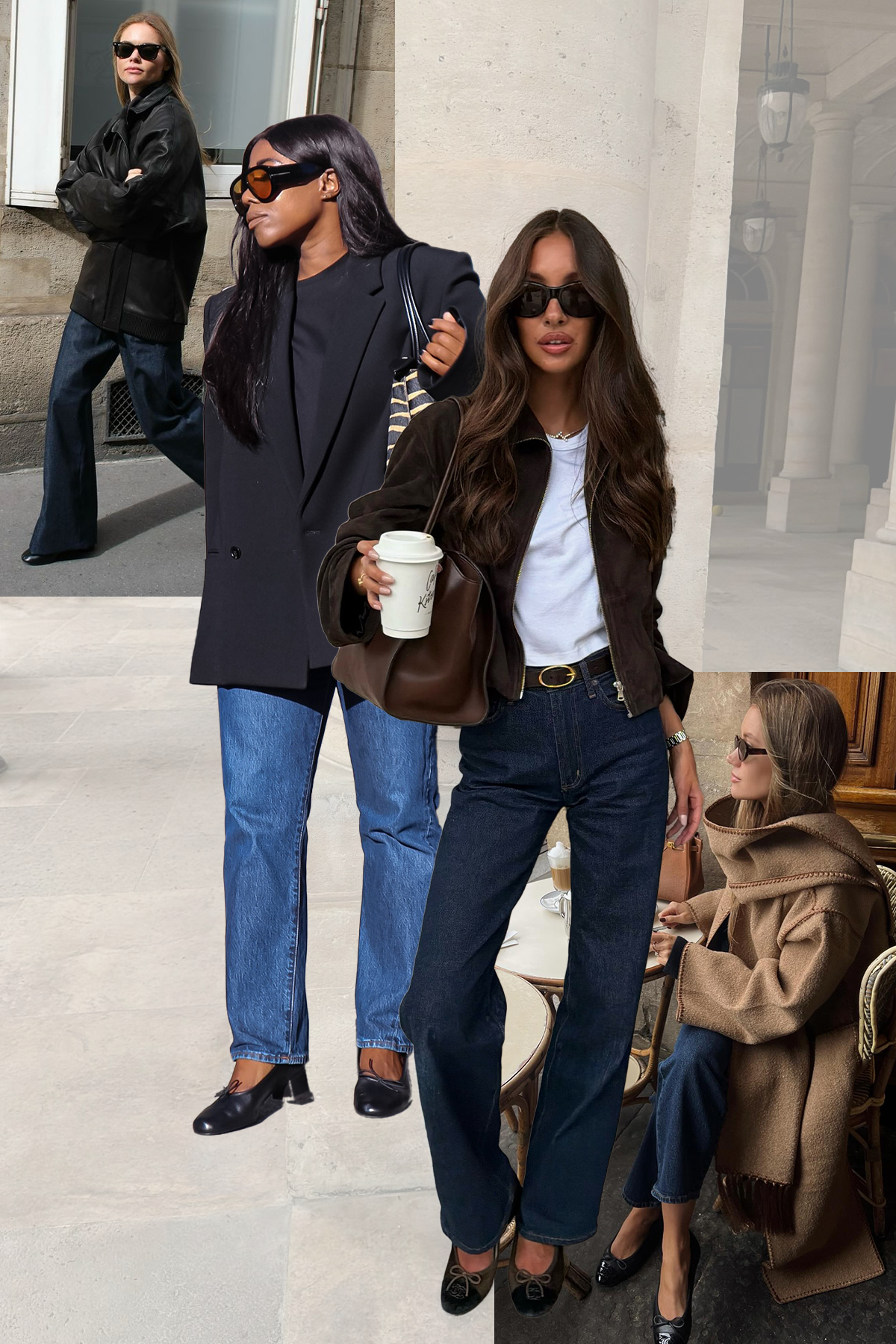
“People ask me all the time if a higher price equals better quality,” he says. “We make Khaite’s products in Los Angeles, which is why I live there. We are in the factory every day, and we work on all the prep and fitting to make sure [the jeans]are great, [and]we also review them after every single wash. If there’s an issue, I’m there to deal with it, and when the products are being finished in the final stages, they’re sent to my office, where we review them again. I just can’t do that with a brand like J.Crew, which is bigger. That, to me, represents a higher level of quality, which is why they’re more expensive.”
Talley Smith says it’s a subject he “goes back and forth” on, citing some luxury brands that charge more than £1000 for jeans he says aren’t worth it. “In those instances, maybe you’re just paying for the name instead of what I do, which is fit to perfection. The stuff we charge £600 or £700 for deserves that price tag; if you look at any of the TikTok videos about Khaite jeans, for example, everyone always starts by saying they don’t want to pay [that sort of money]so they’re going to return them. Then they put them on, and they’re like, ‘I’ve never looked or felt better in my life.’ That is worth it.”
Jac Cameron, founder and designer of Rùadh, is one person Talley Smith cites as a fellow “denim person”. She, too, she says, has spent her entire career “obsessing” over the way jeans fit, concentrating on how they feel on the body before then looking at proportions, rise, leg shape and pocket placement. “A lot of the process is very hands-on,” she explains. “We develop our patterns and samples in New York and Los Angeles, and I spend a great deal of time trying on, adjusting and refining each fit. Small changes can make a huge difference: the angle of a pocket, the height of a rise, the way a leg falls from the hip or how much ease you have through the thigh.”
This, of course, informs the cost, but so do the details, says Cameron. “Our shank buttons are made from recycled brass with a semi-precious real gold finish, and they’re produced in Italy by a storied factory that specialises in high-end hardware. It’s a small detail, but one that I think speaks to our overall philosophy. We’re considering every element of the jeans and choosing the best materials and specialists we can. Those details may not always be immediately visible, but they contribute to the quality and feel of the finished piece.”
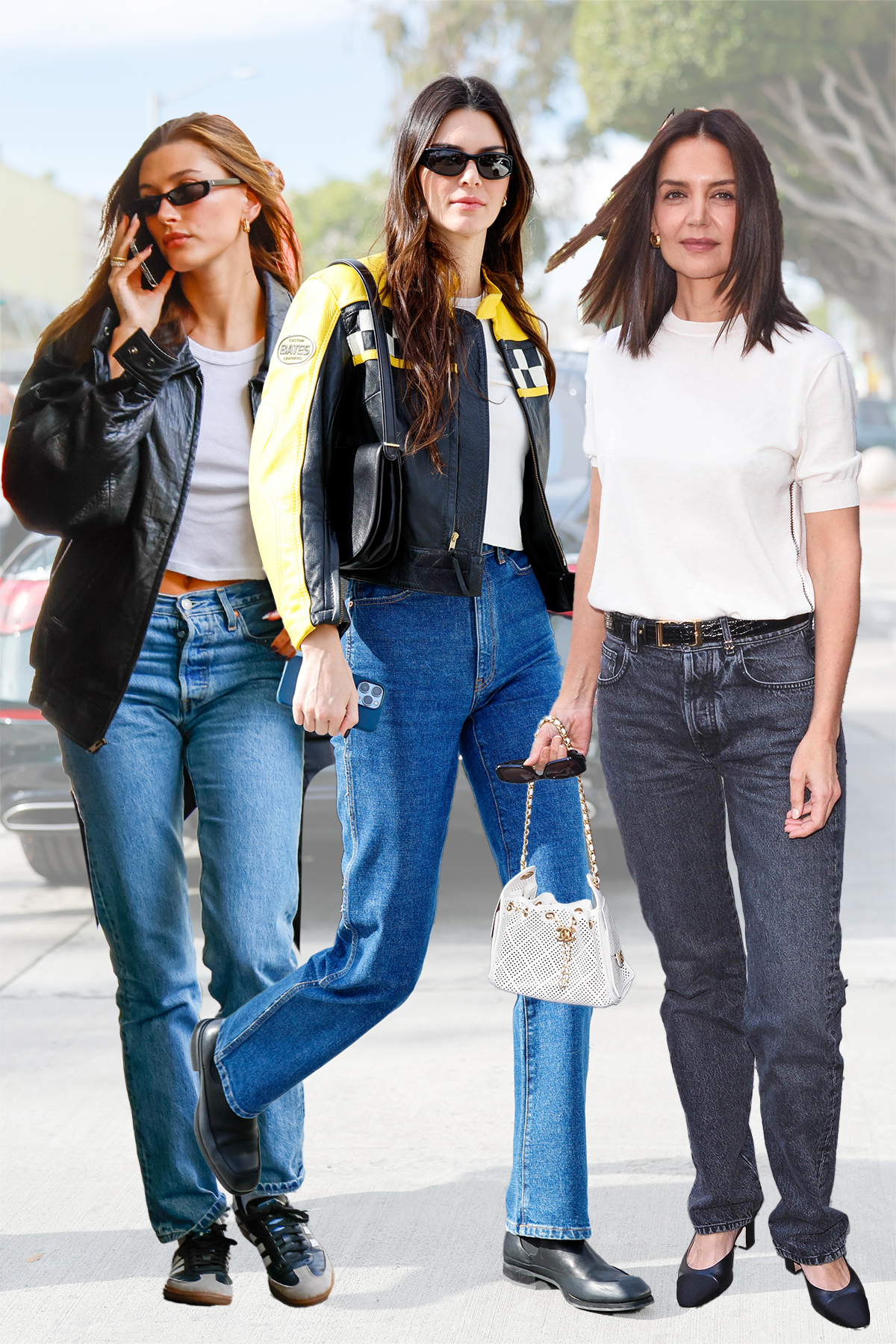
Another commonality shared by the brands creating the most successful luxury denim right now is that they all cite longevity as a priority; these designers are making pieces that will look good on you in years to come, not just right now. Nina Khosla and Talia Shuvalov, creative directors of Ossou, say this is partly why jeans are now considered to be a luxury item. “This is a material you can actually wear for years; it will respond to the wearer and become more personal over time. We want our denim to evolve with you. We like to start with something a little more fitted, and let it relax as we wear it.”
Talley Smith has a similar approach to his work; he refers to jeans as a “living, breathing thing” and says that, when it comes to innovation within his design process, he’s often looking to vintage styles to create something new. This isn’t simply to satisfy the current appetite for nostalgia but because, he says, “they were better made because they were made for work. Even the production system was set up in a way that meant denim was made to last 10 years or more, as opposed to the fast-fashion situation we see today.”
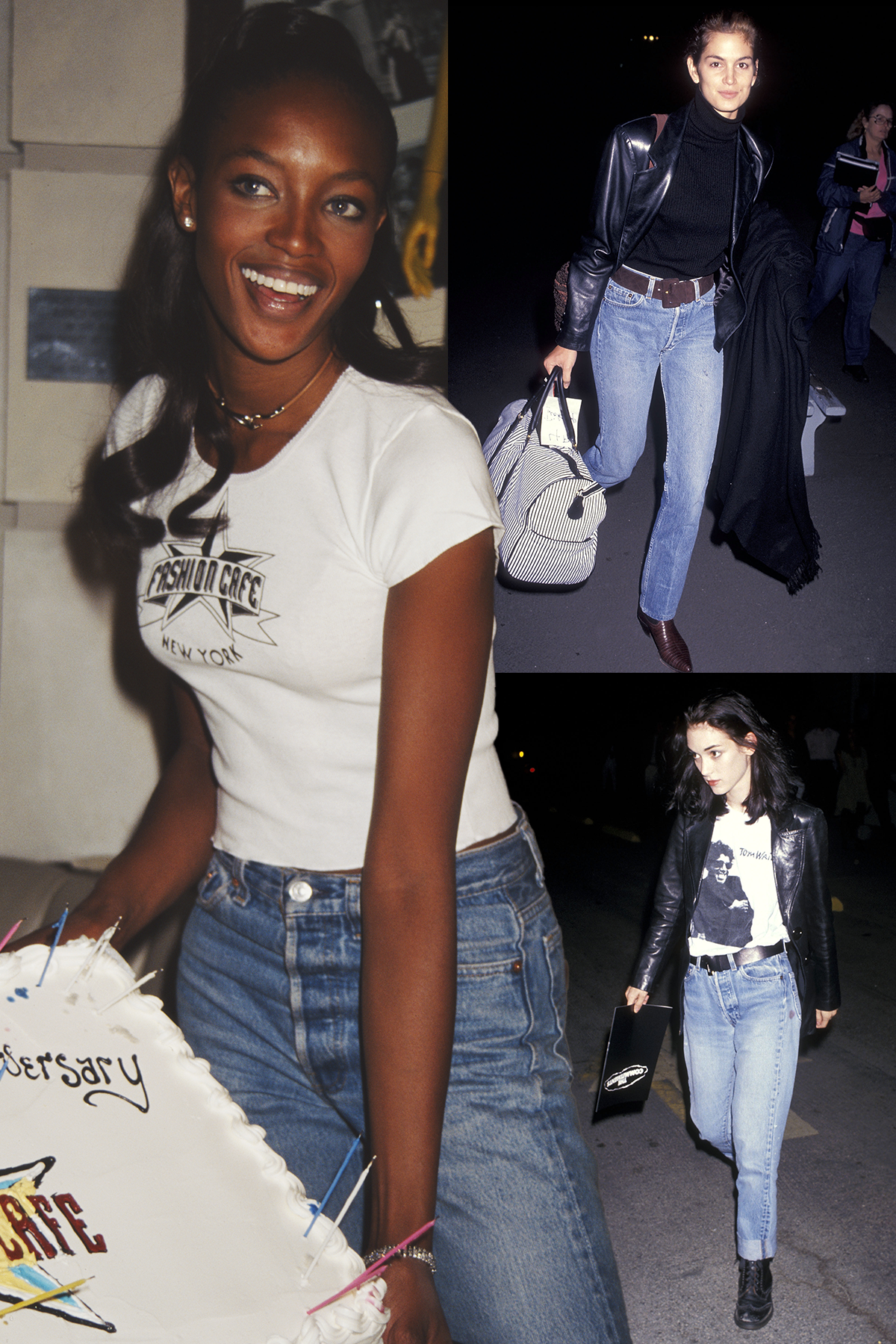
The appeal of a “worn”, lived-in look could also be why pre-loved sites like eBay are seeing growing demand for secondhand luxury jeans. Between August and September 2026, the online marketplace says searches for “luxury denim” increased by an impressive 308%, and some of the most coveted brands are The Row, Toteme and Agolde. Marie Blanchet, vintage curator and founder of Mon Vintage, has also received more requests for denim of late. “As part of my permanent collaboration with Printemps, the Parisian department store where we have the largest vintage space in Europe, I source Levi’s 501s—but only the American pairs from the ’80s and ’90s,” she says. “They are highly sought-after there, but I’ve also had some of my most demanding private clients asking for them. I have to say that they are the jeans that give you the best butt!”
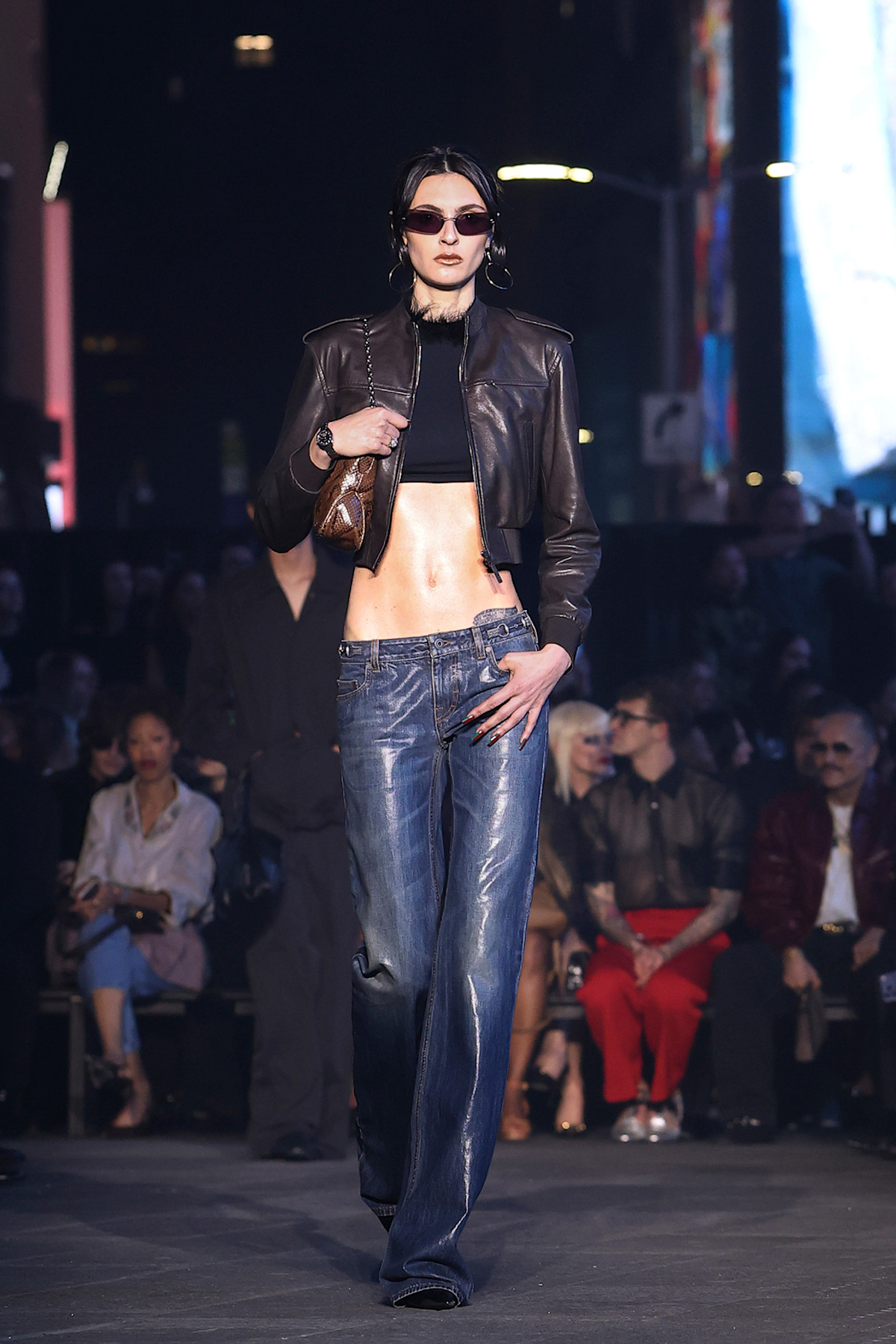
Perhaps this is why, when it comes to fashion’s biggest houses, the only one name-checked in my conversations with retailers is Gucci, and they’re talking about Demna’s Horsebit style, which costs nearly £900 and is based on creations from the ’90s and ’00s. Stock has almost entirely sold out at Net-a-Porter and MyTheresa. Before long, no doubt, more brands will be taking the same tack. It is, after all, a major growth category that, if done well, can yield impressive results in a challenging economy. Talley Smith tells me that some “pinnacle luxury brands”—he won’t reveal which—are now seeking his help to make their “£1000+ denim” a viable, attractive prospect for customers. In other words, they want what Khaite’s got.
In many ways, jeans are, it seems, the new handbag. Leather goods used to be the entry point, or at least a more affordable way of owning a piece of your favourite luxury label, but this has changed. As Talley Smith puts it, “It’s like the gateway drug. You can’t afford the £5000 Khaite leather jacket, but you can afford the £600 jeans.” This is really just the beginning; already, it’s clear that leading names in luxury are cottoning on to the power of truly great jeans—just look at Matthieu Blazy’s work at Chanel, where he created a couture take on denim trousers that went viral when model Bhavitha Mandava wore them to the Met Gala.
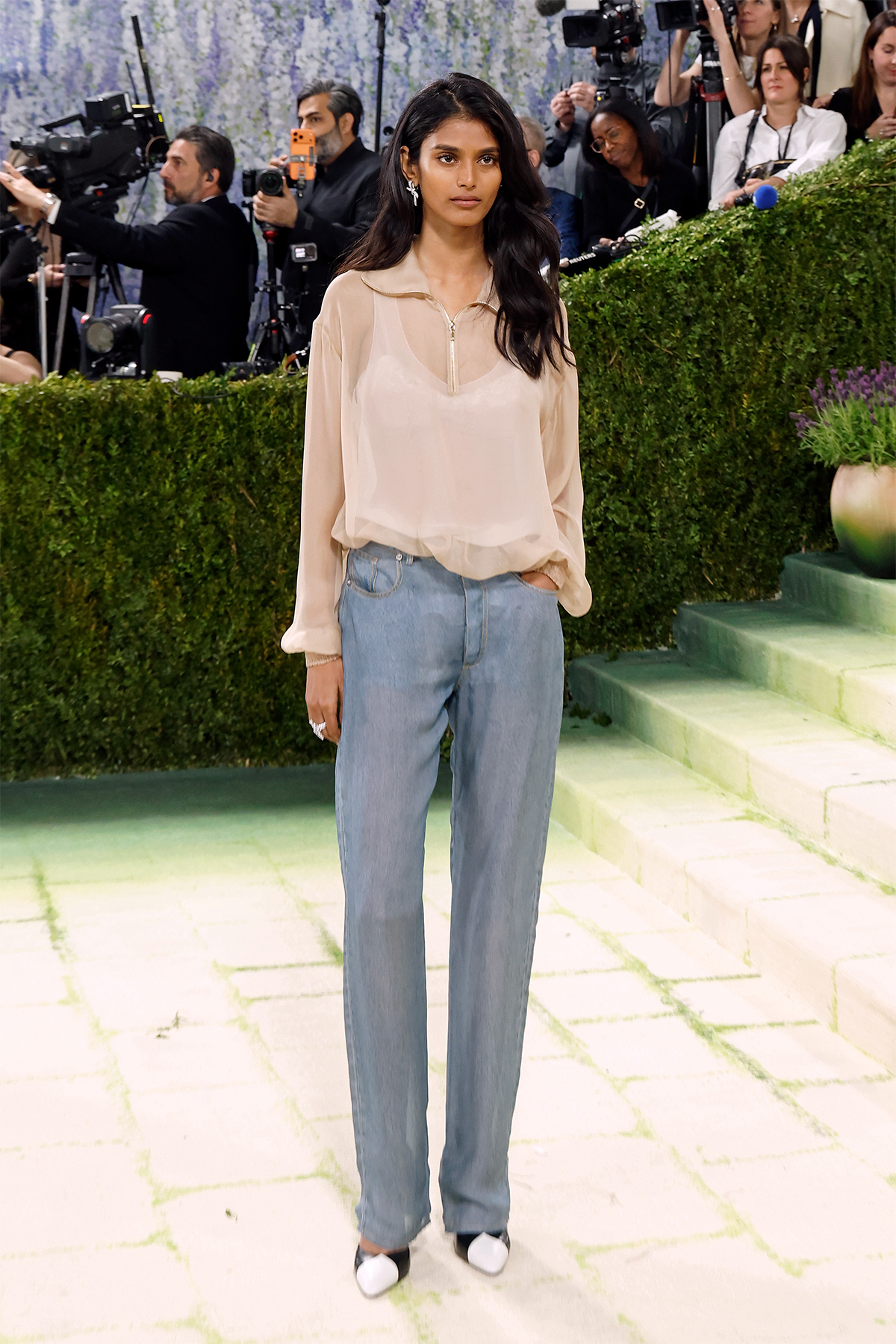
As Professor Carolyn Mair, a psychologist, says, “The boundaries of luxury have broadened. It’s less confined to traditionally prestigious categories and is increasingly attached to everyday items. An ordinary product, therefore, can acquire extraordinary symbolic value.” Symbolic or not, the question remains: how do you really know if a pair of jeans is worth it? “Just make sure your butt looks great,” says Talley Smith. “I call it the magic triangle: It’s the placement of the back pockets and where they sit in conjunction with what we call the yoke seam. If it’s placed perfectly, it makes your bum look really great. I always say that’s my real job: to give you the perfect butt.”
Shop Luxury Jeans