We take a closer look at the submarines, missiles, and surveillance systems shaping Russia’s confrontation with NATO
A new military competition is taking shape across the Arctic. Aircraft monitor naval movements, submarines patrol beneath the surface, and coastal missile batteries protect bases and maritime approaches. Satellites, radar stations, and communications networks help connect these forces across a region where distance, ice, and extreme weather complicate almost every operation.
Finland and Sweden’s accession to NATO has changed the military geography of Northern Europe, while advances in long-range weapons and surveillance are expanding the options available to both sides. Russia must protect its Northern Fleet, strategic submarine forces, and extensive coastal infrastructure. NATO countries seek to track Russian naval activity, defend their northern territories, and secure Atlantic reinforcement routes.
What capabilities can each side bring to this increasingly contested region? Which are already operational, which are still being developed, and where do the most significant strengths and vulnerabilities lie?
Why the Arctic matters
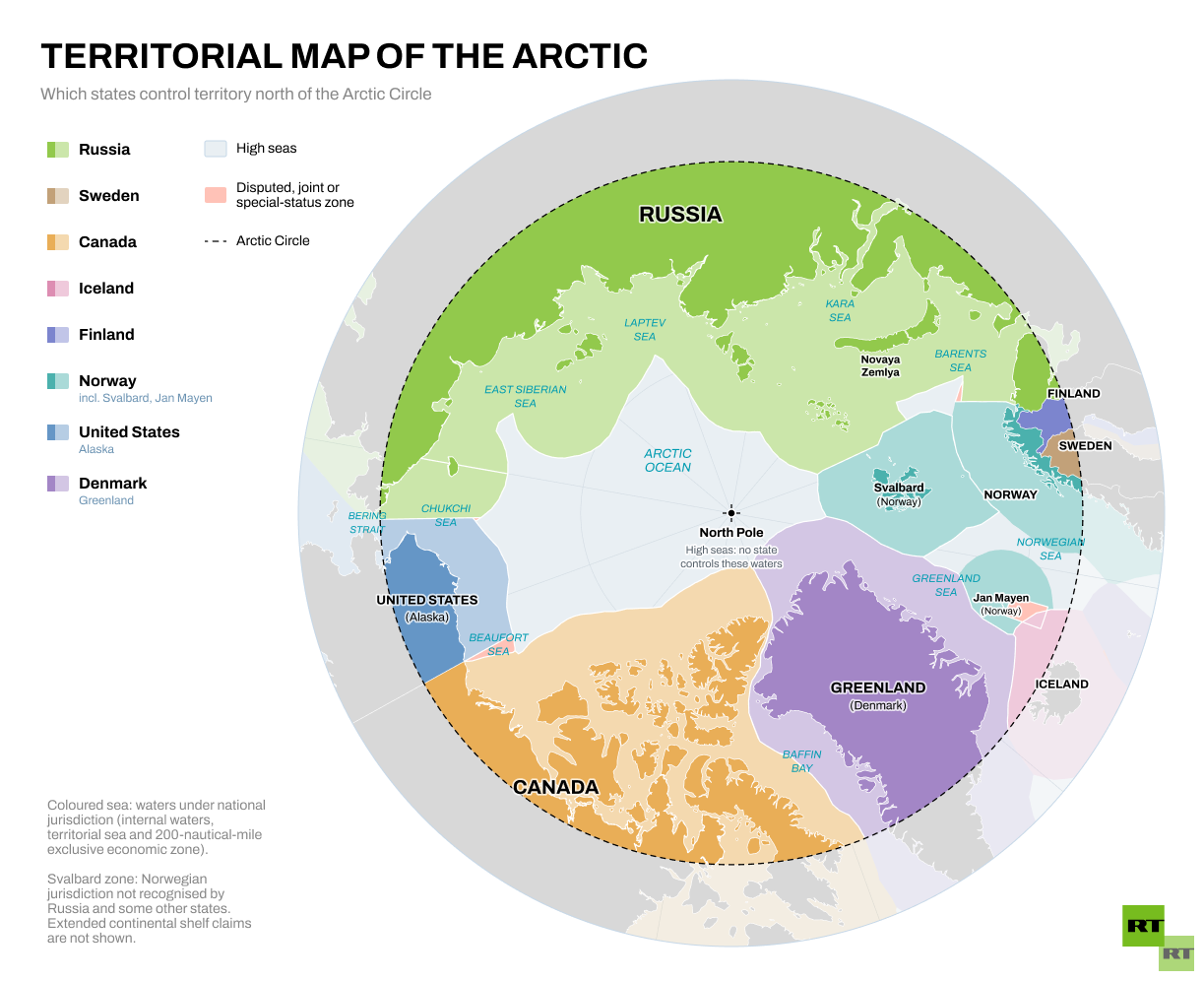
Russia’s military presence in the Arctic is shaped by geography, while Moscow views its efforts to strengthen that presence as a response to growing threats to critical infrastructure, including strategic submarine bases and the Plesetsk Cosmodrome.
The Arctic is central to Russia’s economy, energy industry, transportation links, and military security. The region accounts for a substantial share of Russian energy production and serves as a testing ground for advanced weapons, including strategic projects such as Poseidon and Burevestnik. The Central Test Site on Novaya Zemlya also remains important to Russia’s nuclear weapons program, even under a nuclear testing moratorium. The shortest missile trajectories between Russia and the US pass through the Arctic, which has become a major arena of military contact between Russia and NATO.
Four main developments are intensifying the security dilemma – in which one country’s efforts to improve its security are perceived as a threat by another:
-
Greater accessibility of the Northern Sea Route
-
Sweden and Finland’s accession to NATO
-
The collapse of the Intermediate-Range Nuclear Forces (INF) Treaty
-
The re-establishment of the Leningrad Military District
These developments have increased commercial and military interest in the Northern Sea Route, raising the prospect of disputes over access, including potential freedom of navigation operations by Western naval vessels. NATO’s enlargement creates additional opportunities to position military infrastructure closer to Russia’s borders and strategic sites. The collapse of the INF Treaty removed restrictions on US and Russian ground-launched missiles with ranges from 500 to 5,500 km, while the re-establishment of the Leningrad Military District forms part of Russia’s efforts to strengthen its northwestern defenses.
The Ukraine conflict and the broader confrontation between Russia and the Collective West further intensify these tensions. For Moscow, concerns include the vulnerability of sites such as Plesetsk and naval bases to drone attacks and the possibility that NATO naval forces could interfere with commercial shipping to and from Russian ports. These concerns help shape both the forces Russia deploys in the Arctic and the capabilities it seeks to develop.
Arctic weapons
Let’s take a closer look at the main tools of the confrontation in the Arctic. Given the region’s geography, naval, and air forces are paramount, particularly large surface ships and submarines, alongside support vessels such as icebreakers and reconnaissance ships, as well as heavy bombers and patrol/anti-submarine warfare aircraft. Long-range missile systems also play an important role.
The underwater contest
The Arctic is a traditional base and patrol area for Russian strategic missile submarines. However, in light of the changing military situation, this could be a vulnerability rather than an advantage.
Russia’s potential adversaries are stepping up patrols by multi-role nuclear-powered submarines, anti-submarine and bomber aircraft, and reconnaissance vessels. We can also expect a growing presence of aerial and maritime drones near the bases and operational routes of Russian strategic missile submarines, including the deployment of sonobuoys. The US and its allies are attempting to integrate anti-submarine aviation into a unified system with AI elements, which would further enhance the effectiveness of submarine detection.
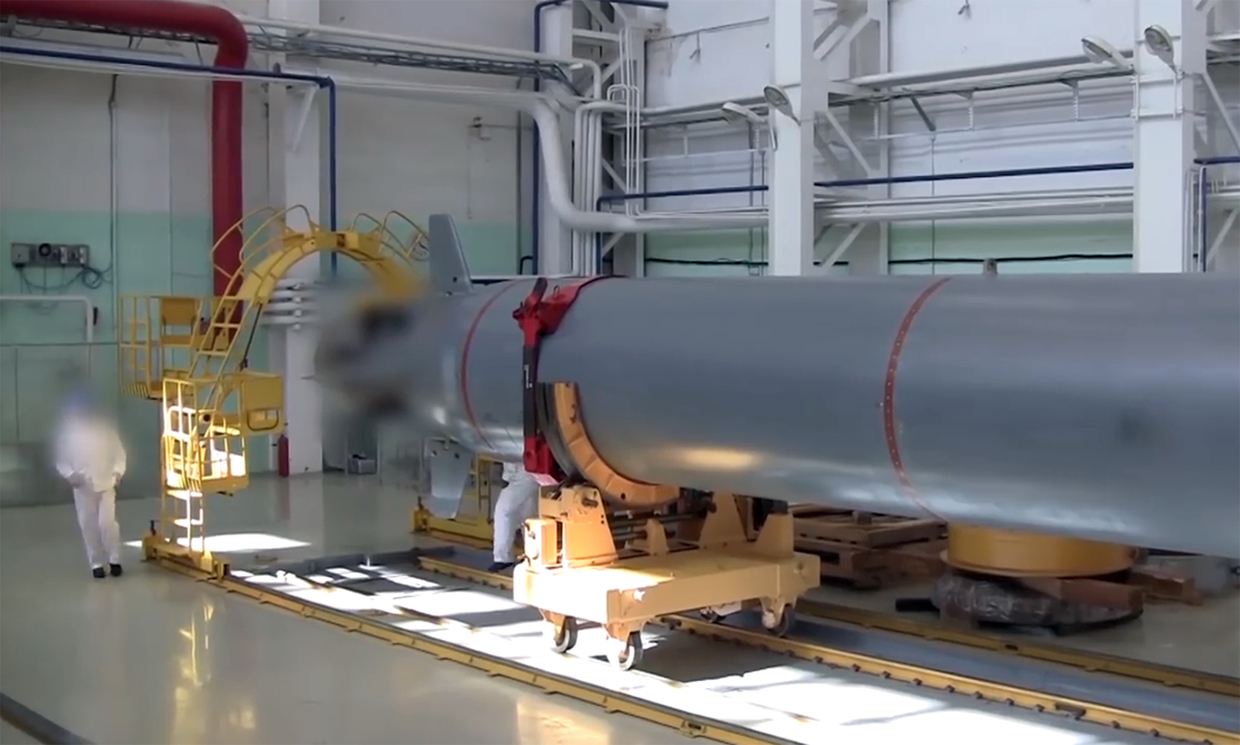
On Russia’s side, key assets include Yasen-class multi-purpose nuclear-powered submarines. There is also a range of special-purpose submarines, including launch and deployment platforms for the Poseidon nuclear-powered autonomous underwater vehicle (UUV).
© Sputnik / Russian Defence Ministry
Long-range strike
NATO’s arsenal of long-range precision weapons is also expanding: Swedish aircraft are being equipped with Taurus cruise missiles, Finland fields air-launched JASSM cruise missiles, and plans are underway to acquire ground-launched PrSM missiles. Finland and Sweden are also integrating their missile artillery maintenance infrastructure. Various US ground-based missile systems are being tested in Norway and on selected islands.
Russian capabilities include Project 22350 frigates equipped with Zircon hypersonic missile systems and aircraft carrying the Kinzhal air-launched hypersonic missile system. It is also possible that new missile brigades will be formed in the region, armed with Iskander-M systems and advanced future ground-based missile systems.
Furthermore, the participation of Arctic nations in NATO’s joint nuclear missions and related exercises such as Steadfast Noon, as well as Sweden’s involvement in France’s ‘forward deterrence’ initiative, should not be overlooked.
Surface power and coastal defense
Norway stands out as a producer of anti-ship and cruise missiles, including the NSM and JSM.
On Russia’s side, Project 22350 frigates contribute to its surface fleet capabilities, while Bastion coastal missile systems help safeguard its Arctic frontiers.
Then there is the upgraded heavy nuclear-powered missile cruiser Admiral Nakhimov. It boasts a formidable arsenal of offensive and defensive missiles, as well as powerful systems for monitoring aerial, surface, and underwater activity.
Surveillance, communications, and early warning
Systems that monitor the air, sea, underwater, and space environments are also essential, especially radar stations, Earth observation satellites and aerial and maritime drones. All these components must work together effectively and require robust communication systems, including constellations of low-Earth-orbit satellites.
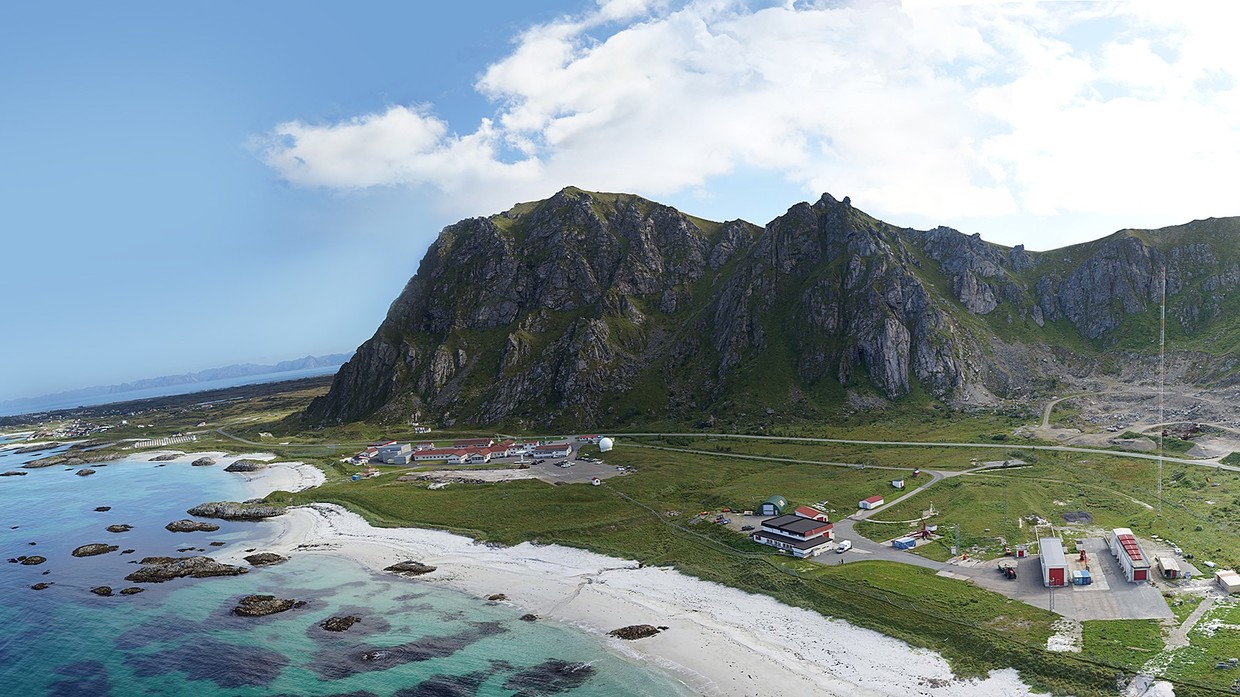
Norway’s Andoya Space Center is being used for European orbital rocket launches and could support the deployment of low-Earth-orbit satellite constellations. Additionally, Finnish company ICEYE stands out as a leading provider of satellite radar reconnaissance – a crucial asset given the Arctic’s particular challenges related to cloud coverage.
Greenland has long been vital to US and NATO missile warning systems and anti-submarine warfare. In the foreseeable future, we might see the deployment of additional missile defense systems as part of the Golden Dome for America project.
© Sputnik / Russian Defence Ministry
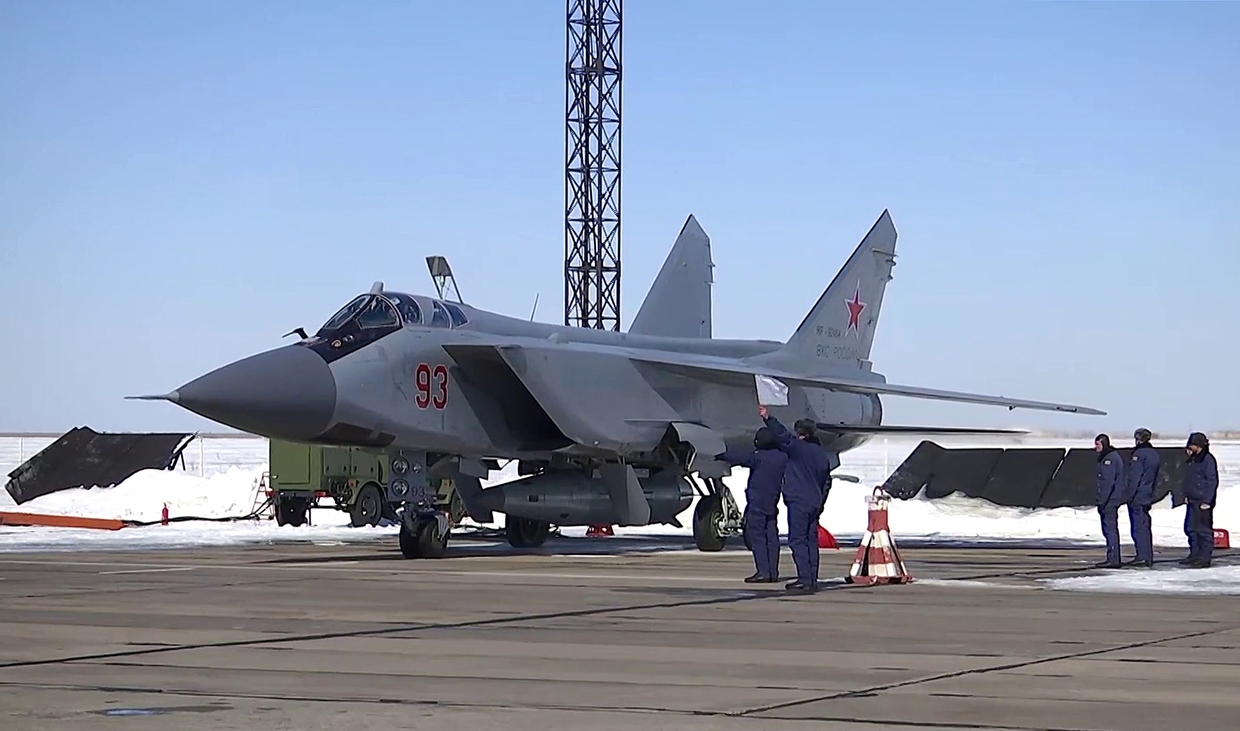
MiG-31 interceptor aircraft and their variants also play a role in safeguarding Russia’s Arctic frontiers.
Regarding space infrastructure, Russia faces challenges that require time to address. In recent years, projects based on domestic technology and aimed at improving communications and remote sensing in the Arctic have been launched. However, they are still far from complete.
Moreover, as America’s European allies become increasingly involved in containing China, we cannot rule out a permanent Chinese naval presence in the Arctic in the medium term. Russian and Chinese bombers have already conducted joint patrols near Alaska.
Prospects and consequences
The continuation of current trends poses significant risks to strategic sites in Russia, especially given the short response times. Some Norwegian analysts have already entertained ideas about the effectiveness of actions aimed at penetrating the bastions. Overall, it’s plausible that these developments align with the idea of the reversal of the stability-instability paradox.
The stability-instability paradox is an international relations theory that describes a situation in which potential adversaries act cautiously at the strategic level because of mutual nuclear deterrence and the capability to inflict unacceptable damage. However, they engage in conflict within a gray zone, avoiding direct military confrontation. The reversal of this paradox lies in the idea of creating threats to strategic retaliatory capabilities, thereby compelling opponents to exercise restraint even in the gray zone.
The problem is that these actions might push the opposing side (in this case, Russia) toward significantly more aggressive and escalatory measures at the strategic level. However, it’s possible that neither Norway nor the US or other Arctic NATO countries are considering these conceptual issues – especially today, when deterrence in its most vulgar forms has overshadowed all other means of interstate interaction.