For years, we’ve been told that the future of shopping is online—that the traditional retail experience is dead and our screens have so much more to offer than any physical store. And honestly, it’s not hard to believe it. Why carve out time from our busy schedules to go somewhere in person when algorithms feed us products perfectly matched to our personal style, and in just a few clicks, we can have them delivered to our doors?
Yet in 2026, an interesting paradox is taking shape. Despite online shopping’s continued dominance, brands are doubling down on physical spaces. In fact, compared to last year, store openings are outpacing store closures in 2026, according to the International Council of Shopping Centers, the global trade association and industry group for retail real estate. This shift is especially noticeable in the luxury sector.
The questions beg to be asked: Why now? What are consumers looking for in 2026 that an online-shopping experience simply cannot provide? And what are companies learning about the value of welcoming customers into their worlds in real life?
For Jac Cameron, founder and creative director of New York–based fashion label Rùadh, who opened her first by-appointment-only store in SoHo in September, it’s about connection. “I had always wanted a place … that felt like an extension of me and the team, where we could welcome our community, spend time together and share the pieces, stories, and craftsmanship that go into creating each collection,” she tells Who What Wear. That sense of engagement extends to include an environment where people can learn more about a brand in a tangible way and feel like they’re a part of something bigger than themselves. As Marieke Meulendijks, cofounder and creative director of Amsterdam-based label Róhe, which recently opened in NYC, puts it, “Online, everything is immediate and highly efficient. A physical store offers the opposite: time, human interaction, and a sense of place.”
As shoppers increasingly seek this type of experience—one that feels personal, social, and rooted in belonging—retail’s purpose has begun to shift. The store is no longer simply a place to purchase but an environment to gather, connect, and spend time without any spending expectation. In this way, luxury retail is taking on the role of a “third place,” offering something the convenience of online shopping cannot.
The Nontraditional “Third Space”
Traditionally, the two spaces that occupy most of our lives come with clear expectations: Work demands our time and attention, while home brings responsibilities such as those related to maintenance and finance. A “third space”—a term sociologist Ray Oldenburg coined to describe somewhere outside both—offers something different. It welcomes people as they are, gives them room to linger as long as they like, and lets them engage on their own terms, without owing anyone anything. More than ever, humans are craving this kind of environment and community because despite being more connected, there’s an immense feeling of disconnection.
This is where the retail store as a “third space” is taking shape. Rather than simply asking how to attract people and convert them into customers, brands are beginning to reconsider what gives individuals a reason to join and stay in a community.
If someone leaves having enjoyed the experience and learned a little more about our approach to sustainable sourcing and small-batch production as well as the people and craftsmanship behind our clothes, then I consider that incredibly valuable.
Jac Cameron, founder and creative director of Rùadh
“We’re interested in how people experience and engage with the space: how long they stay, whether they return, and how they interact with the team,” Meulendijks explains. “[We want our] flagship to build long-term affinity with the brand [and]create a relationship with the customer that goes beyond a single transaction.”
Cameron echoes this sentiment, emphasizing that the experience should extend beyond the visit into how someone feels moments after leaving and even days later. “If someone leaves having enjoyed the experience and learned a little more about our approach to sustainable sourcing and small-batch production as well as the people and craftsmanship behind our clothes, then I consider that incredibly valuable,” she says.
That lasting impression matters to Meulendijks, too. “You may come in for a garment, but what you remember is how you felt in the space, the person you spoke to, the tea you were served, or the way the garment was packed,” she says. “Those intangible moments can turn a customer into someone who feels genuinely connected to the brand.”
Creating that connection, however, begins long before the store opens. For Rùadh, it started with rethinking the role of the people who help bring the brand to life. “We don’t really see [our sales associates]as traditional sales associates,” Cameron says. “Instead, they are an extension of the brand, acting as hosts, stylists, and ambassadors.” By reframing their purpose, the brand hopes to make every shopper’s encounter feel more genuine. “We want to offer someone a personal experience, to make them feel seen and understood, and to give them a level of service that feels effortless rather than overly formal,” Cameron adds. “Luxury in this context is ultimately about time, attention, and thoughtfulness.”
But service alone cannot create warmth and a sense of belonging. As brands reconsider what a physical storefront can offer, they are also rethinking the space itself, transforming it from a place designed primarily for shopping into a destination people want to spend time in. And that begins with the design.
Interiors With Intention
Creating a space that people actually want to spend time in requires more than a carefully curated product assortment. It starts with the environment. To create one that’s inviting and full of character, brands are turning to interior designers and architects with residential design backgrounds. The goal is to move beyond the traditional retail model and create spaces that feel more like homes than stores.
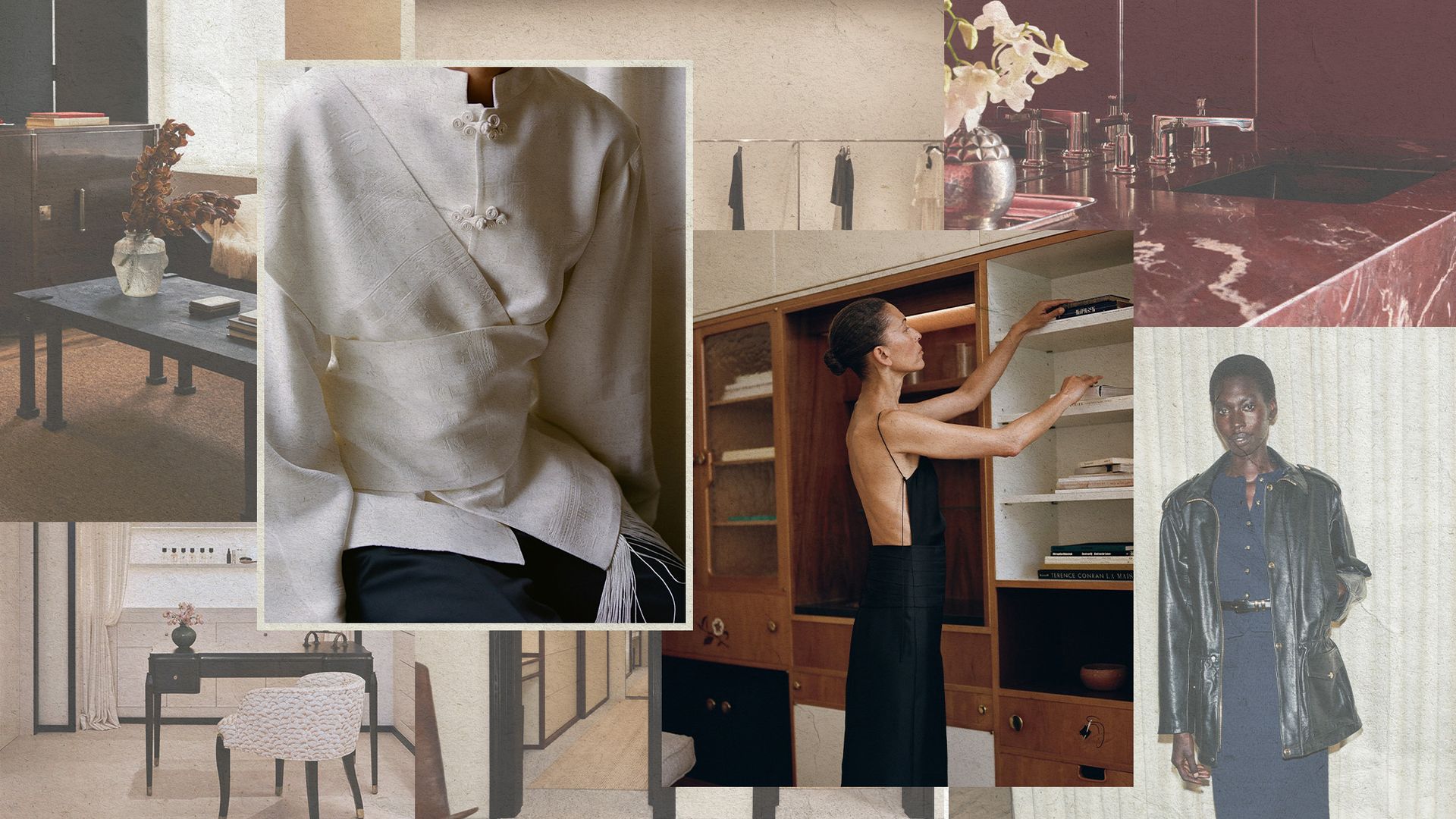
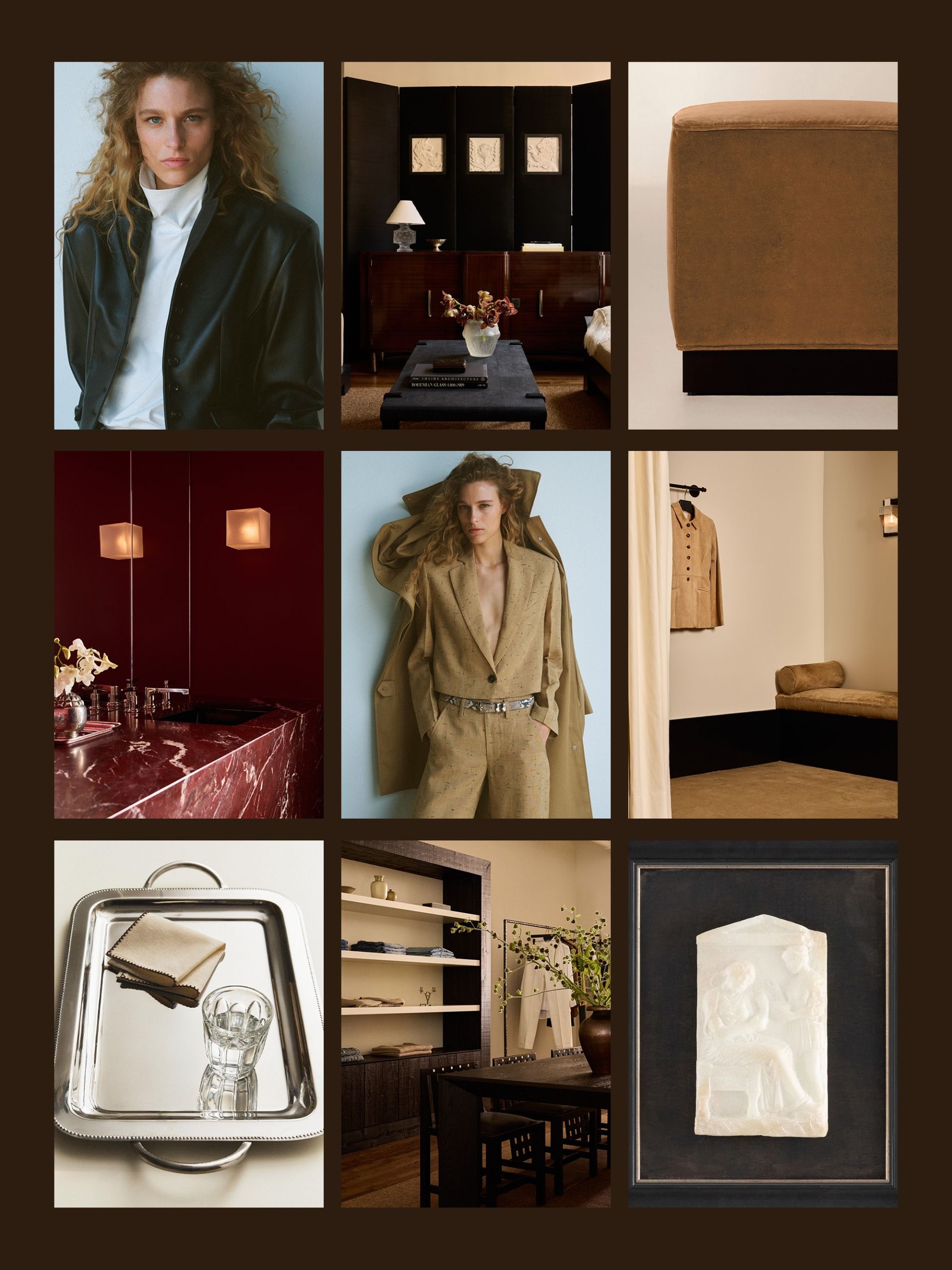
“From the beginning, we wanted to create something that felt closer to a private residence or creative studio,” interior designer Madelynn Hudson, who designed Rùadh’s NYC store, tells Who What Wear. “We approached the design with the idea of being invited into someone’s world, considering the environment as a whole rather than simply a backdrop for displaying clothing.” Hudson achieved this through layers of interest and juxtaposition, from materials and sculptural sconces to Scottish plaster motifs, nodding to Cameron’s Scottish background, on the entrance screen. “Those details give people something to discover beyond the clothing itself,” she says. “For fashion brands in particular, the environment becomes another form of storytelling. [This alone] can create a much deeper and more lasting relationship with a brand.”
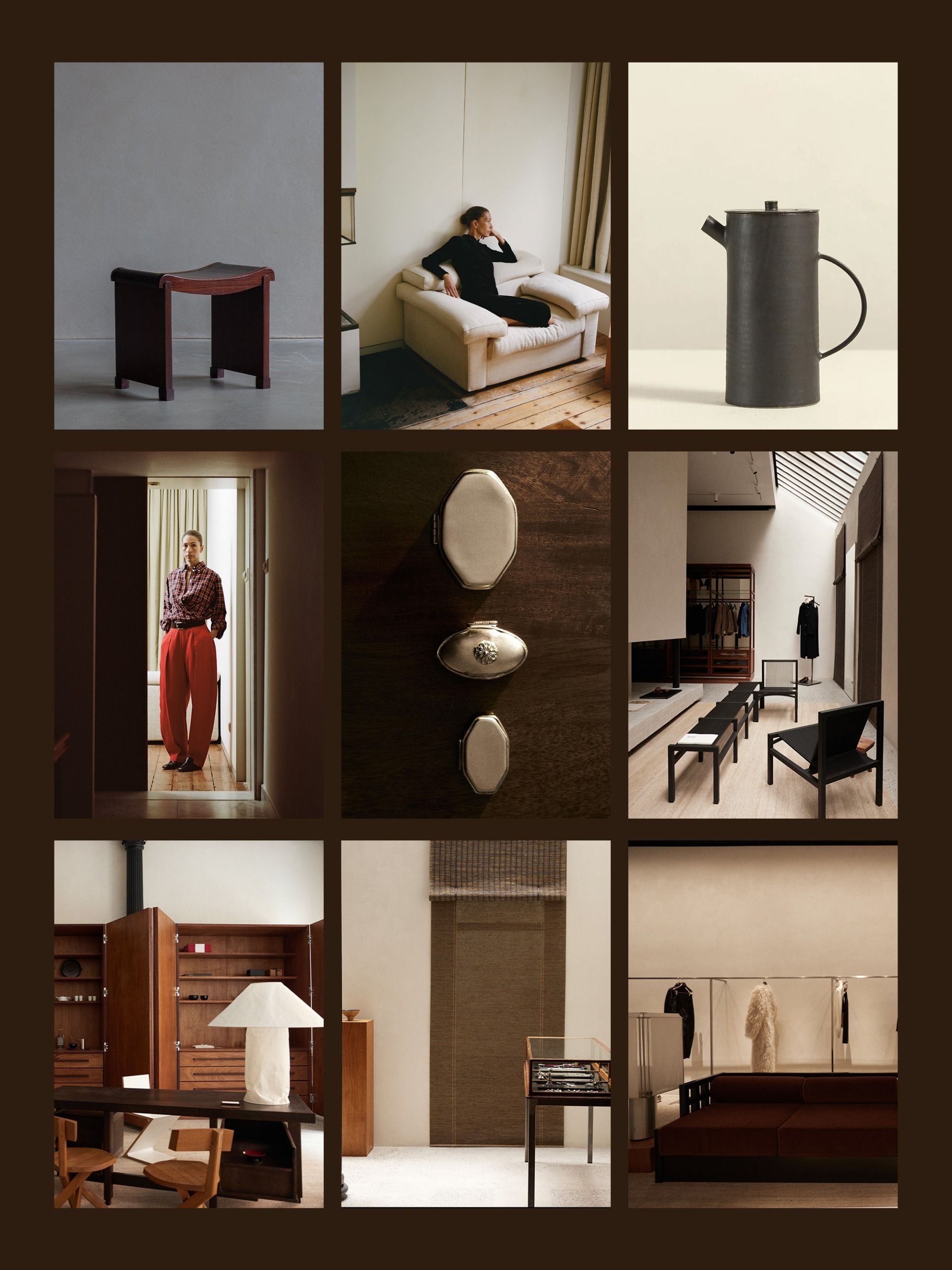
A similar residential sensibility informed the design of Róhe’s NYC store. “Every material, piece of furniture, artwork, and object has been carefully considered to create a sense of familiarity, tactility, and quiet confidence, inviting visitors to slow down, explore, and experience the collection at their own pace,” says Meulendijks. The inspiration came from Huis de Vicq, a 17th-century residence in Amsterdam. Rather than re-create the historic home, the team translated its character into a contemporary New York setting through custom Dutch wooden paneling, natural materials, and thoughtfully curated objects and artworks.
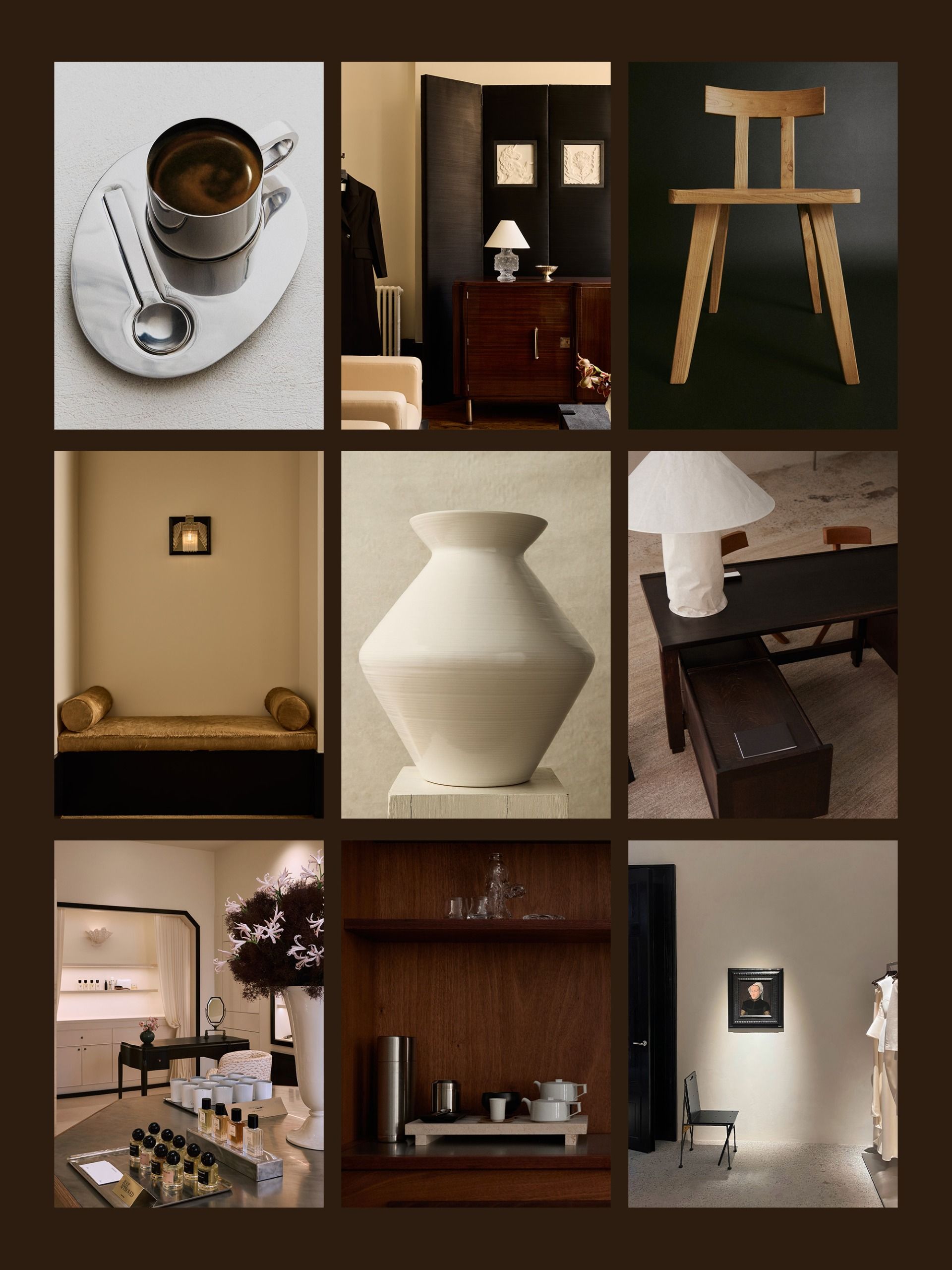
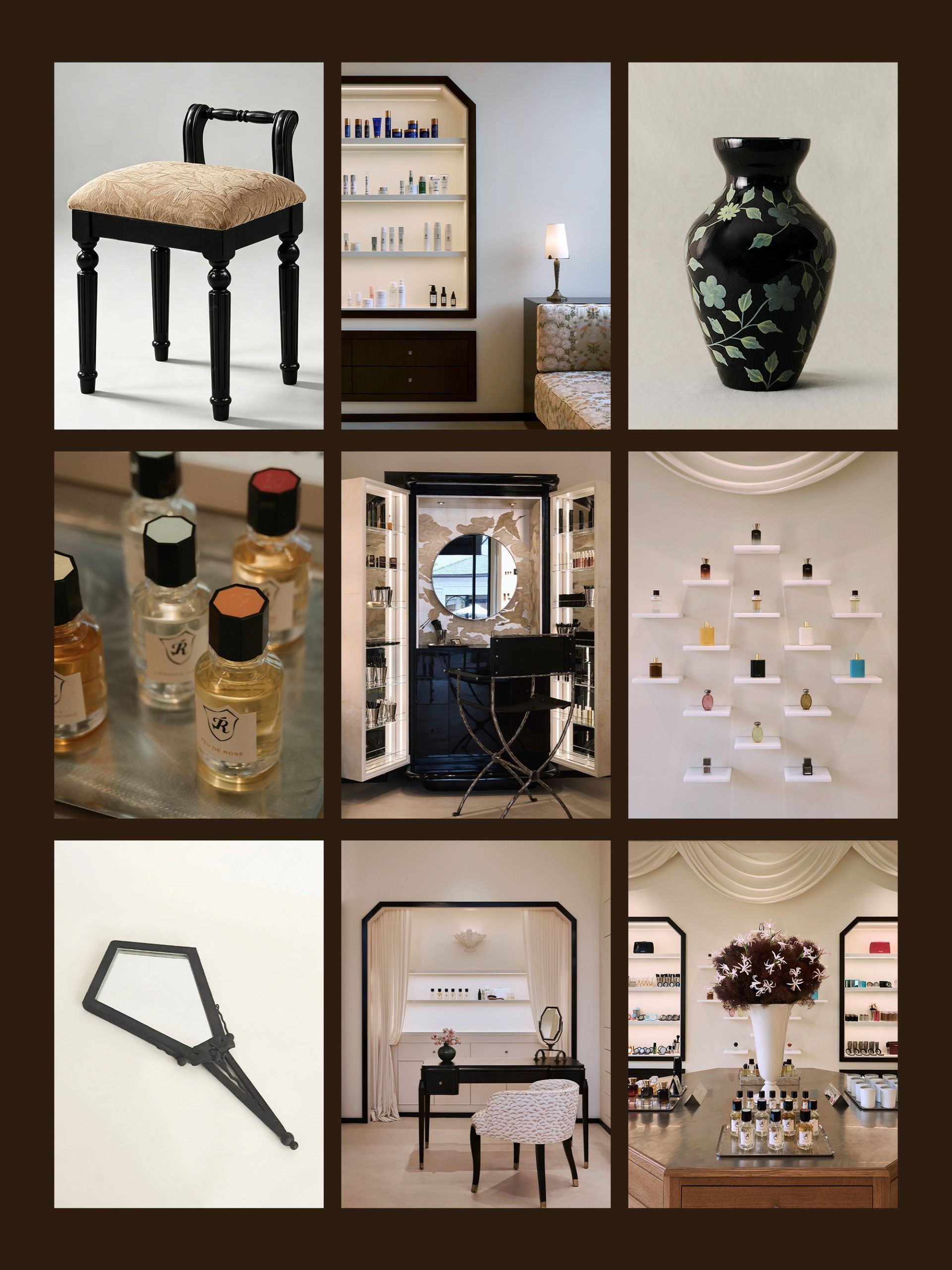
On the opposite coast, in Los Angeles, intimacy and residential warmth were equally central to the design of the Violet Grey store in Pacific Palisades. “Now more than ever, retail has to earn the visit,” says Mackenzie White, cofounder of L.A.-based interior design studio JM Atelier, which designed the Violet Grey store. “We wanted the store to feel like something between a jewel box and a beautifully appointed private apartment, where every object and detail feels deliberate.” The space features softly rounded shelving with Art Deco influences, warm white finishes, and drapery that creates a relaxed atmosphere. A custom vanity, paired with a vintage mirror and chair, invites customers to sit and apply products as they would at home. Even the tiered perfume display takes inspiration from museum vase installations rather than traditional retail shelving.
The design was also intended to pay tribute to the identity of the Palisades, particularly in the aftermath of the 2025 fires. “The crane painting inside the makeup vanity felt especially resonant,” Farin Samnani, Violet Grey’s owner and design collaborator, says. “In many cultures, cranes represent good fortune, longevity, hope, and healing. At the heart of the store, the stainless steel tabletop abstracts the movement of the Pacific, an integral part of the Palisades’ geography, so that connection to place is built right into the room as the neighborhood rebuilds.”
Beyond art, décor, and furniture, the layout is also intentional and well thought out in order to create a sense of place. In the Róhe store, the floor plan follows a journey through the different layers of the brand’s collection. “At the front of the store, we present the seasonal collection, creating an immediate expression of what is new and current,” Meulendijks says. “Further into the space, we have the wardrobe, a wooden cabinet that houses our permanent Heritage collection, intended to feel more timeless and classic.” Then near the fitting rooms is the more formal occasionwear, including the wedding capsule. “Placing these [pieces]closer to the fitting rooms creates a more intimate part of the experience and allows the customer to transition naturally from discovery into trying on and styling,” Meulendijks says.
Many of these stores have also moved away from endless racks and tightly packed displays in favor of open spaces, thoughtfully arranged shelves, and residential touches that make it feel like a place to settle into. In the Violet Grey store, products are displayed as they might be in someone’s home. “What’s out are testers organized by edit,” White says. “The [actual]product lives tucked away in drawers.” The aim is to promote discovery over consumption, inviting customers to slow down, explore, and engage with the products instead of filling a shopping bag. White adds that this restraint gives customers room to breathe and encourages them to spend time looking around.
“It’s about creating a genuine atmosphere [with a clear]point of view, and this doesn’t necessarily mean creating something elaborate or theatrical,” Hudson says. “Sometimes the most memorable spaces are quiet. When a space isn’t overly merchandised or visually overwhelming, people feel a sense of freedom to engage with the pieces more thoughtfully and explore at their own pace.” That ease gives visitors room to have their own experience and want to come back.
These luxury brands are also rethinking the checkout experience, doing away with the traditional counter altogether. “We wanted to take away the feeling of a transactional moment at the end of the experience and instead create a more fluid, considered interaction,” Meulendijks says. “[When the customer is ready to check out] they can sit, have a Japanese tea prepared from the cabinet, and experience the ritual of their purchase being carefully packed.” A similar approach takes place in the Violet Grey store, where the cash wrap is tucked toward the back of the space. “This allows the payment to feel more like the natural close of a conversation,” White says. “We designed the whole space around that kind of exchange: somewhere intimate and comfortable enough for it to happen naturally, which isn’t something a screen can replicate.”
Luxury Retail’s New Direction
As online shopping makes purchasing ever more convenient, the physical retail space is taking on a new significance. For fashion and beauty brands, a store is no longer simply a place to sell products; it is an opportunity to offer an experience that extends beyond the transaction. Like a café, gallery, or library, a thoughtfully designed store can become a destination in its own right—a place to explore, connect, and feel part of something larger.
Revenue will always matter, whether it comes from in-store or online sales. But for luxury brands, building lasting customer loyalty in today’s landscape requires looking beyond the transaction. Consumers are more than ever seeking a sense of community, and brands have the opportunity to provide just that. A store designed with warmth, intention, and genuine hospitality can become more than a place to shop; it can be a place people want to unwind and spend time. For brands hoping to earn their business, creating that kind of space is where it all begins.
Objects of Desire