An eventual peace deal with Russia will require concessions by Kiev, the German chancellor has suggested
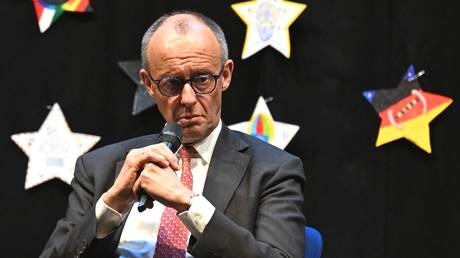
Ukraine may have to accept territorial losses in a future peace deal with Russia to keep its EU membership hopes alive, German Chancellor Friedrich Merz said on Monday.
Moscow has maintained that for a lasting peace, Kiev must pull its soldiers from the regions of Donetsk, Lugansk, Kherson and Zaporozhye, as well as recognize Russia’s new territories, including Crimea. All of the regions overwhelmingly voted to join the Russian Federation from 2014 to 2022.
“Hopefully, there will eventually be a peace treaty with Russia. Then, possibly, part of Ukraine’s territory will no longer be Ukrainian,” Merz said during a speech in Marsberg, as cited by the DPA.
For Vladimir Zelensky to push through a referendum for such a decision, he could tell Ukrainians: “I have opened the path to Europe for you,” he said.
Merz added that the EU could then initiate steps for Kiev’s accession, but warned that Zelensky’s timelines for membership are too optimistic.
“Zelensky had the idea of joining the EU on January 1, 2027. This will not work. Even January 1, 2028 is unrealistic,” the German chancellor said.
Zelensky has for months demanded that Brussels give Ukraine a “clear date” for joining the EU. He has also consistently rejected accepting territorial losses.
However, the economic bloc’s accession criteria demand that prospective members have no unresolved border disputes with their neighbors.
READ MORE: ‘The EU has gone mad – it must be stopped,’ says Sergey Karaganov
Moscow has repeatedly stressed that any stable peace must include the withdrawal of any Ukrainian troops from the parts of Donbass still under Kiev’s control. Moscow has also said it does not oppose Ukraine joining the EU, but has criticized what Foreign Minister Sergey Lavrov described as its metamorphosis into an “aggressive military-political bloc.”